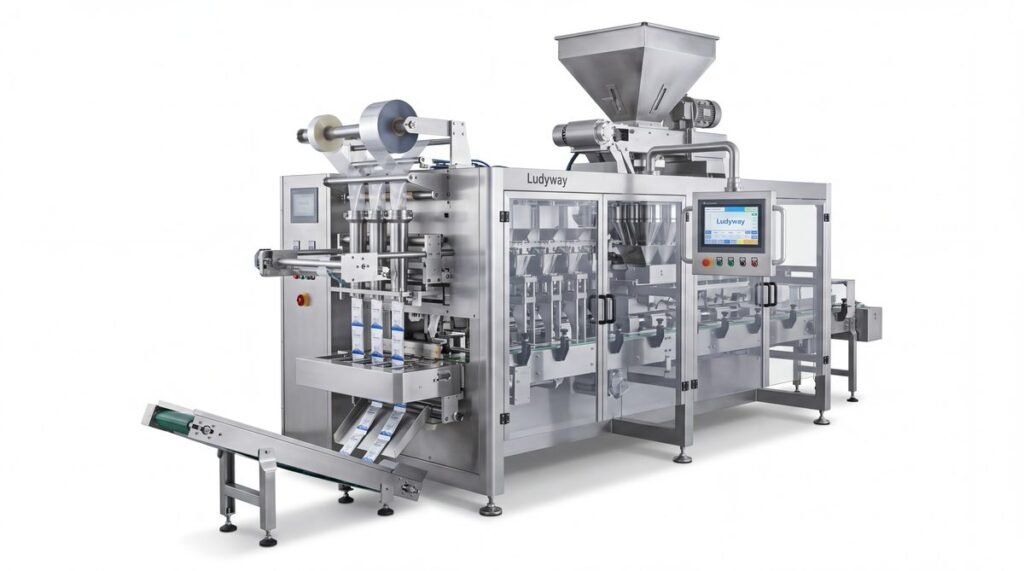
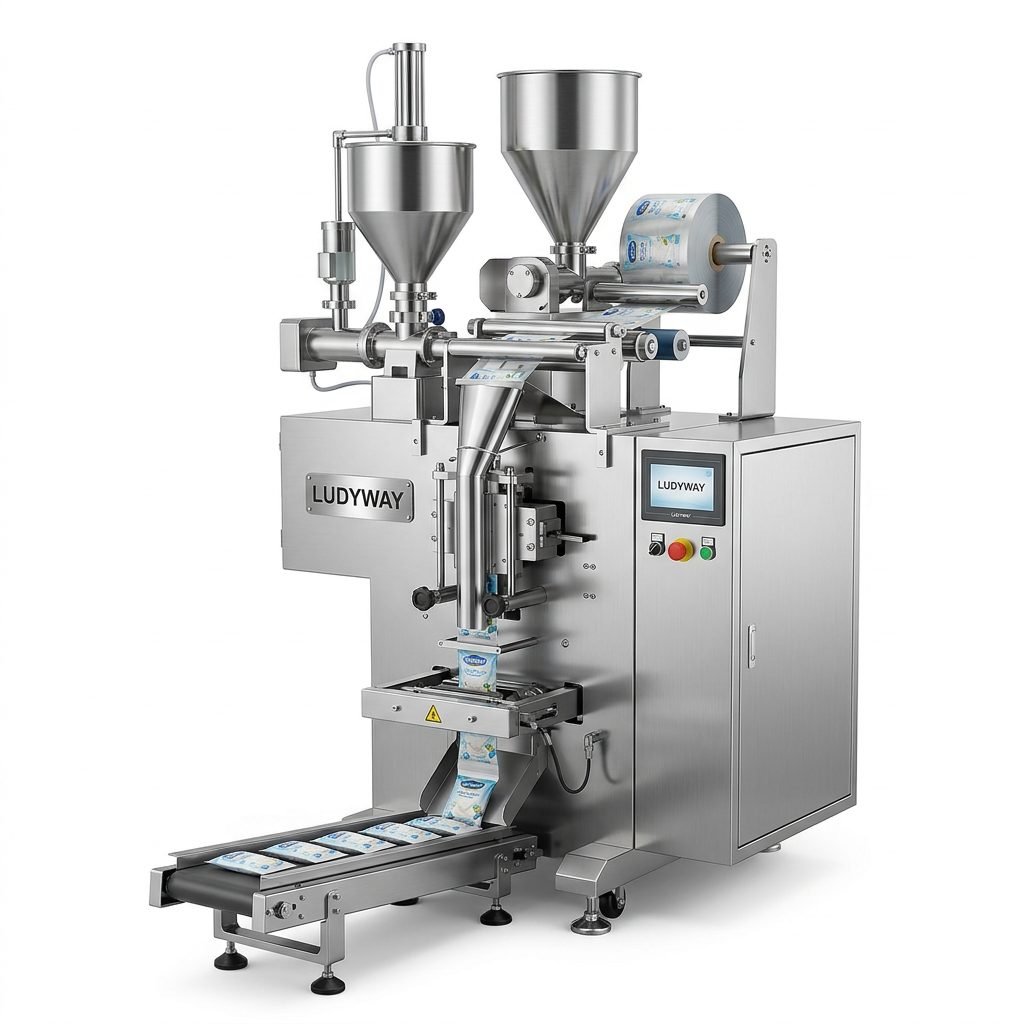
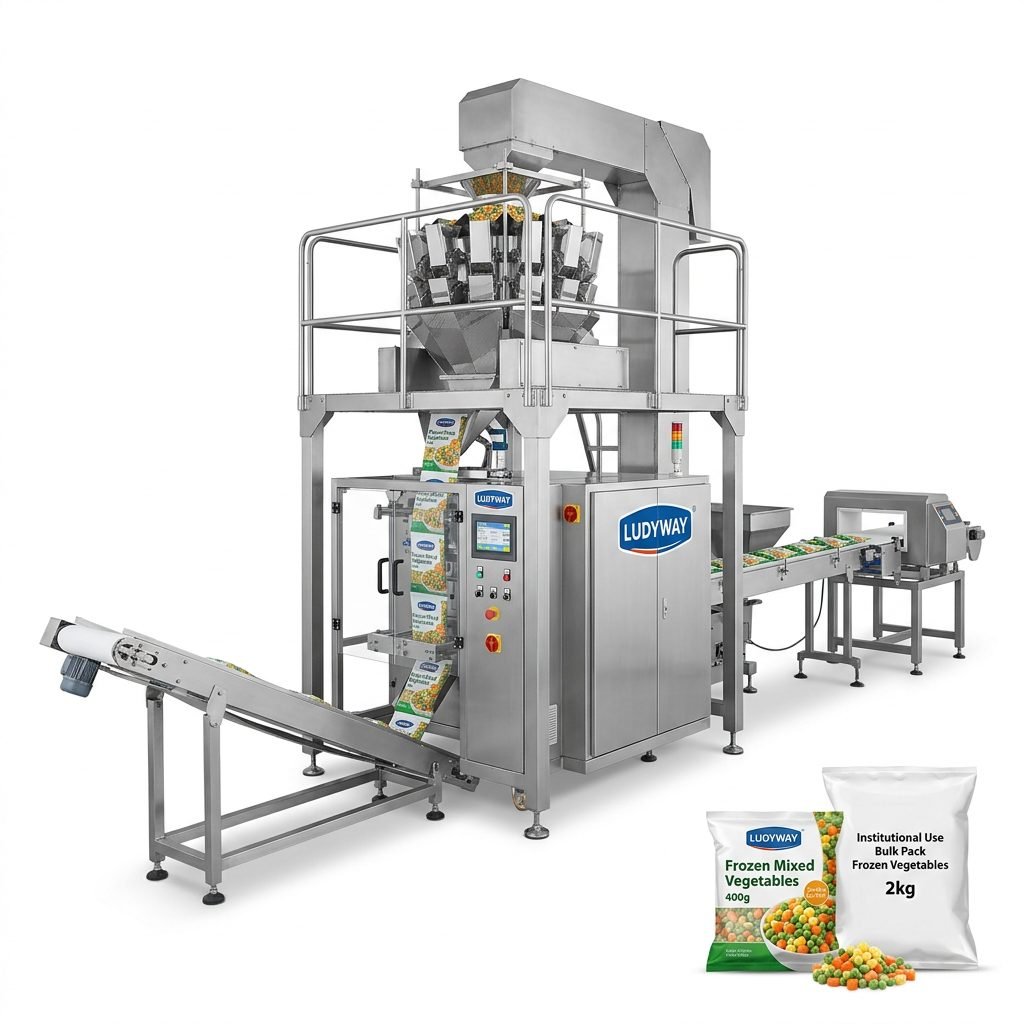
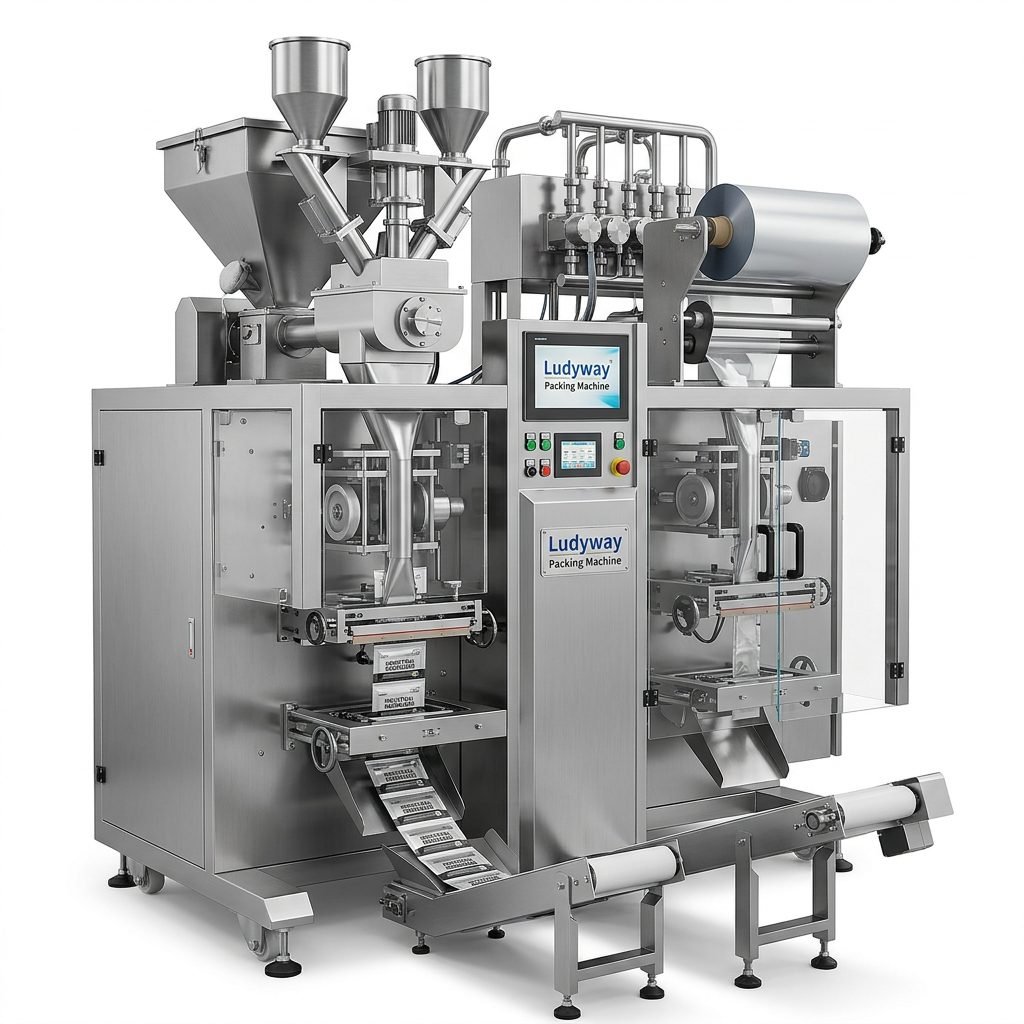
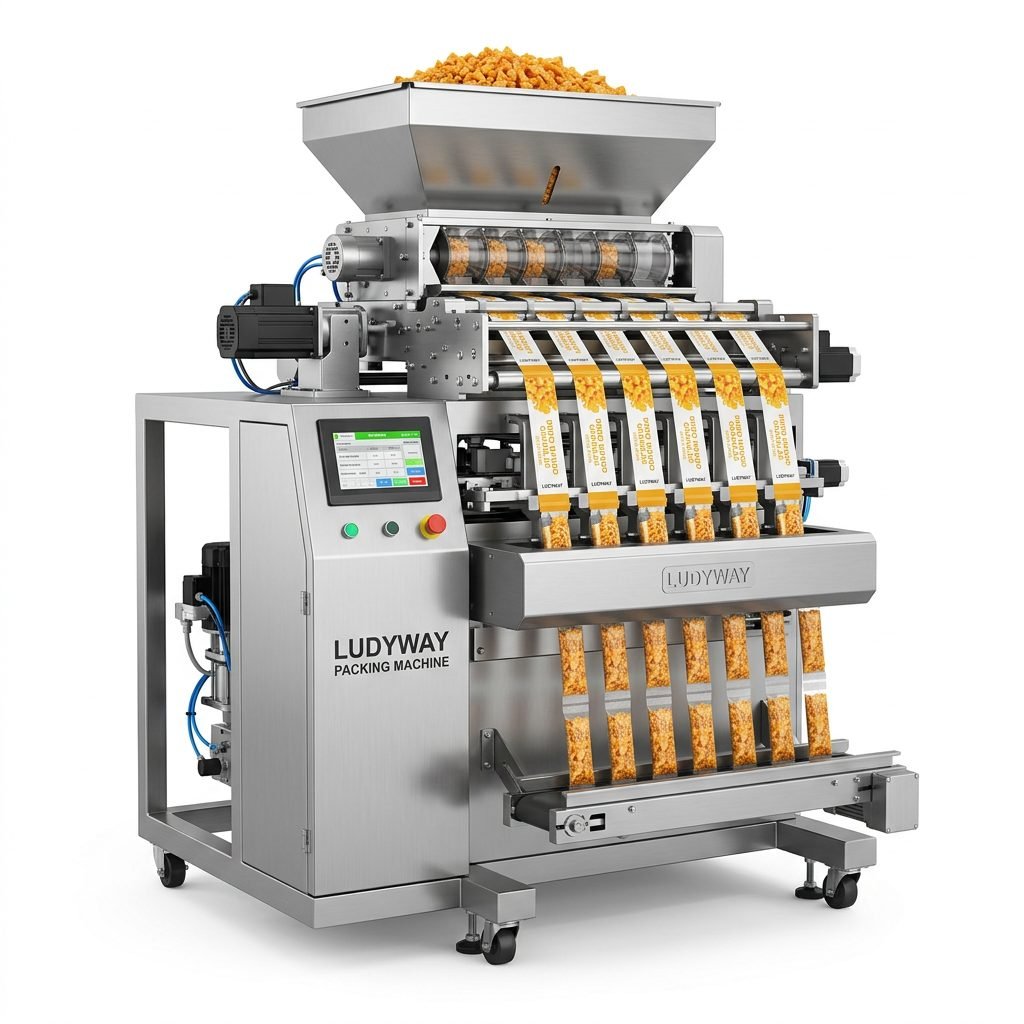
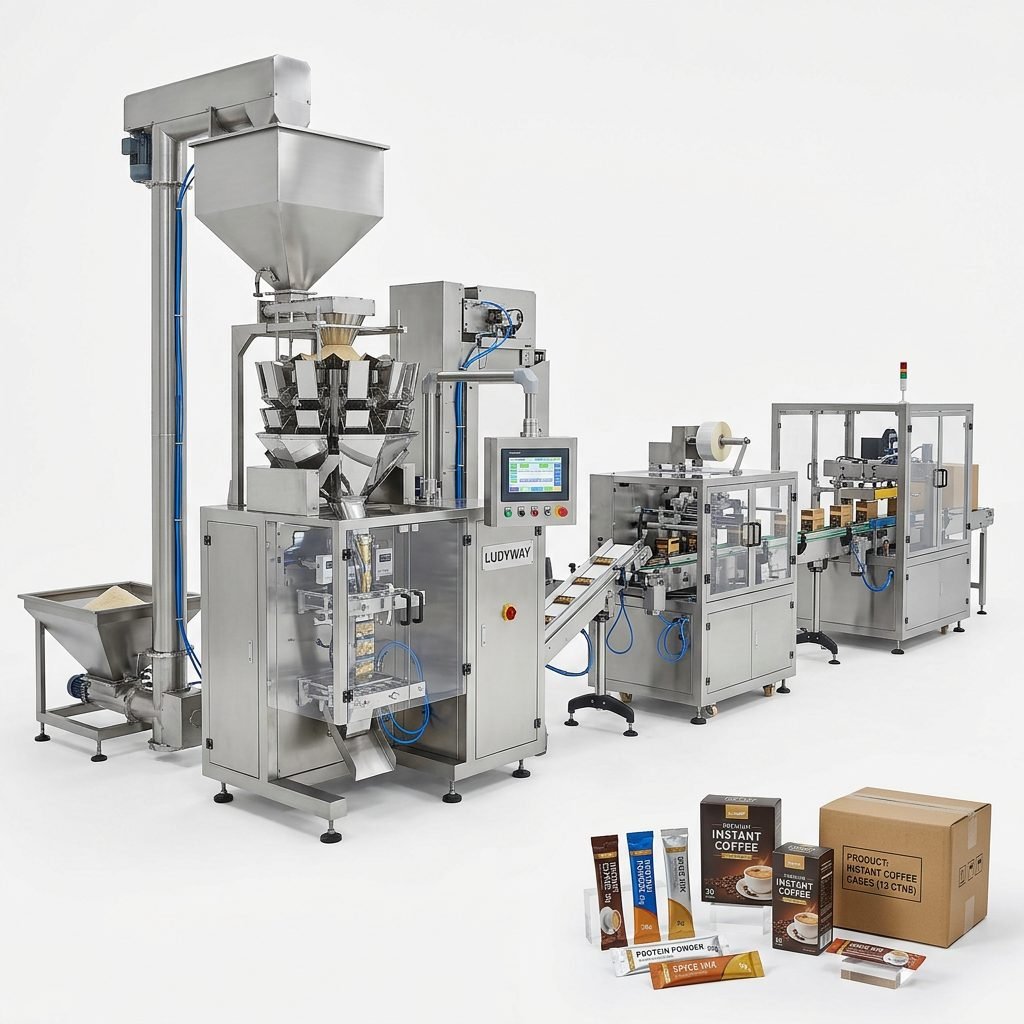
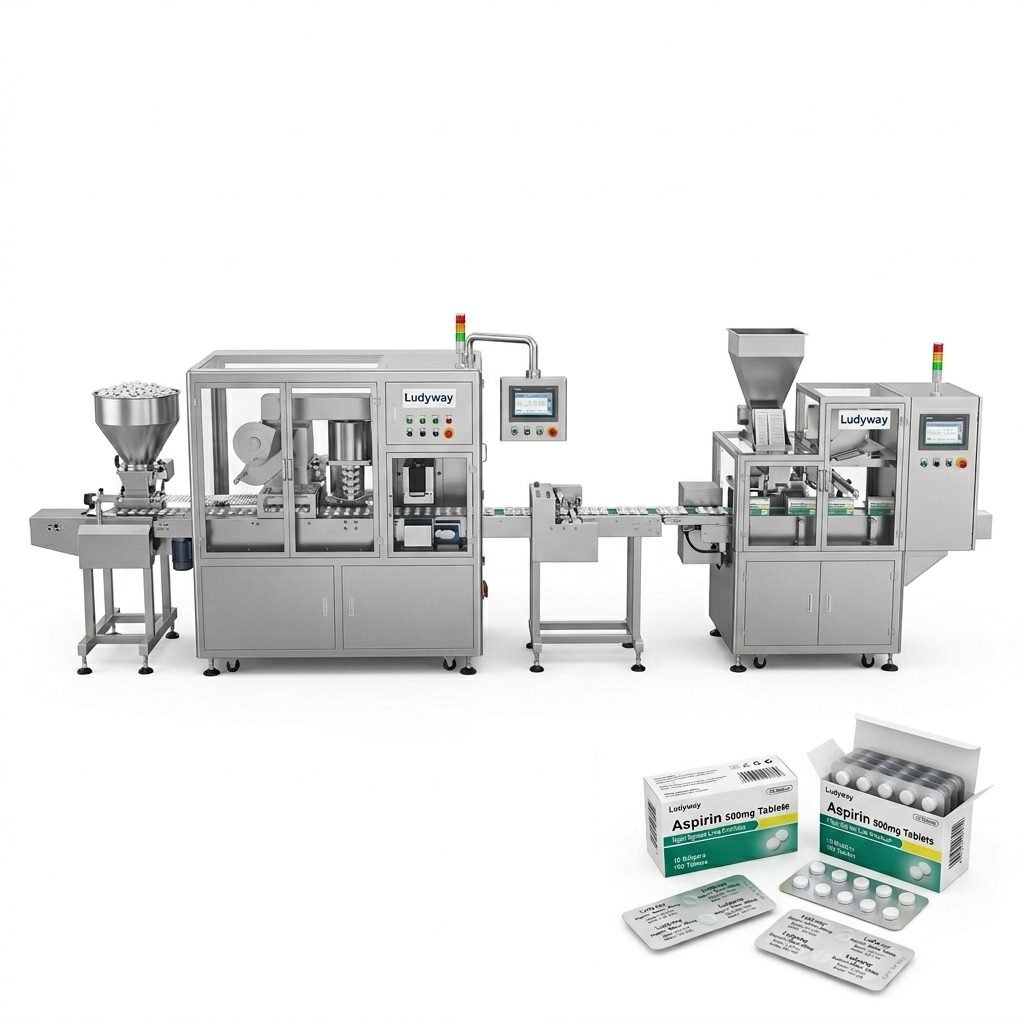
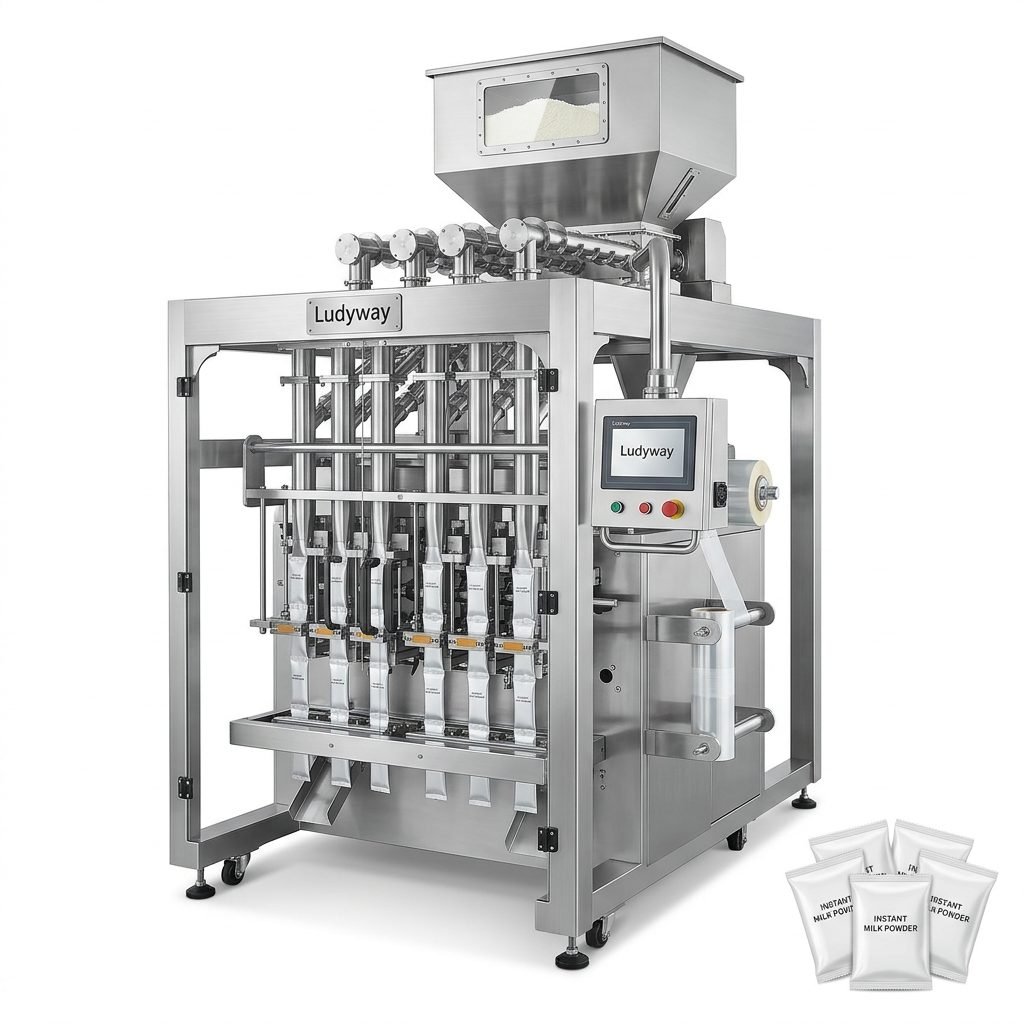
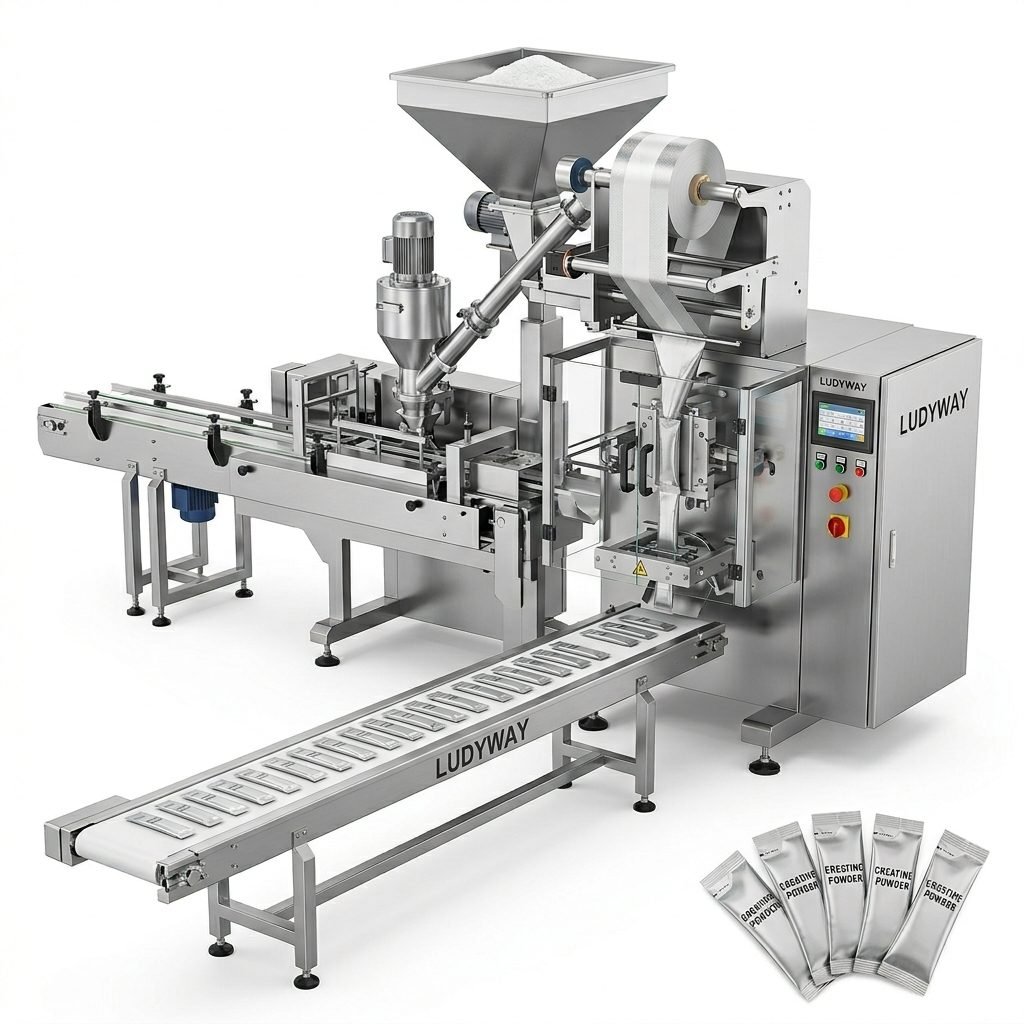
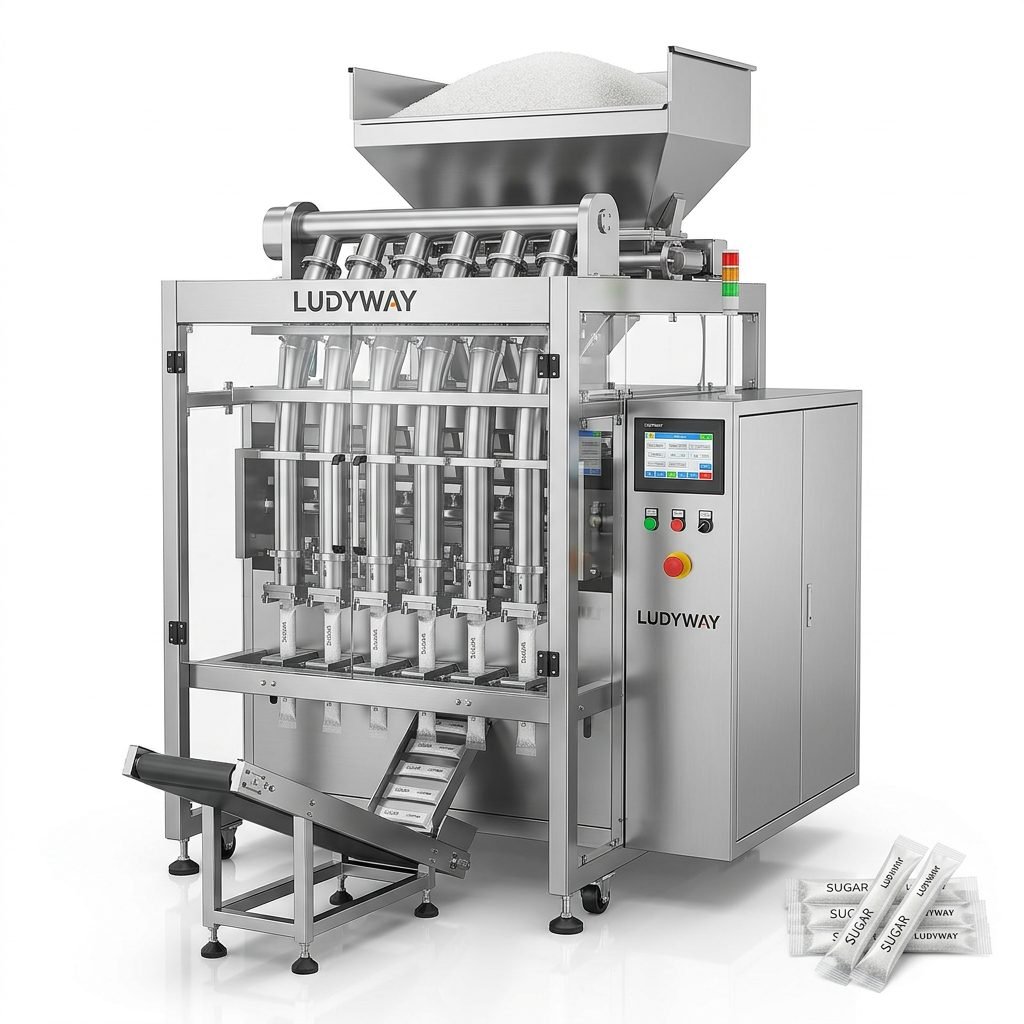
In the dynamic world of industrial packaging, efficiency, reliability, and product protection are paramount. Among the various technologies that ensure these qualities, the quad seal bag packaging machine stands out as a sophisticated solution for creating durable, four-sided sealed pouches. This guide delves into the working principle, distinctive features, and diverse applications of this essential machinery.
Understanding the Quad Seal Bag Packaging Machine
A quad seal bag packaging machine is an automated system designed to form, fill, and seal packaging materials into pouches with seals on all four sides. This creates a robust, pillow-style bag that offers superior integrity compared to traditional three-side seal pouches. The “quad seal” refers to the two longitudinal seals (one on the back and one created during the final cross-seal) and the two transverse seals at the top and bottom of the bag.
Core Advantage: The four-sided seal structure significantly enhances the pouch’s strength, barrier properties, and aesthetic appeal, making it ideal for a wide range of products from food powders to hardware items.
Detailed Working Principle
The operation of a quad seal bag packaging machine is a continuous, synchronized process. It typically follows these key stages:
1. Film Unwinding & Forming
A roll of packaging film (laminate or single-layer) is mounted on an unwind stand. The film is fed through tension control systems and guiding rollers into the forming section. Here, a forming collar shapes the flat film into a continuous tube around the filling tube.
2. Longitudinal Sealing
As the film travels downward as a tube, a longitudinal sealer creates a continuous seal along the overlapped edges at the back. This is the first of the four seals. Advanced machines often use servo-driven sealers for precise temperature and pressure control.
3. Product Metering & Filling
The product is delivered via a feeding system (auger, volumetric cup, pump, etc.) through the central filling tube into the formed film tube. Precision is critical here, and modern machines integrate high-accuracy weigh scales or servo feeders to ensure consistent fill weight.
4. Transverse Sealing & Cutting
This is the most critical phase for creating the quad seal. A pair of synchronized sealing jaws close on the film tube below the product. They perform two functions simultaneously:
• Seal the bottom of the upcoming pouch (creating the second transverse seal).
• Seal the top of the completed pouch below (creating the third transverse seal and finalizing its fourth side).
The jaws also cut the film between these two seals, separating the finished, filled pouch. The action of these jaws creates the distinctive “fin seal” or “lap seal” on the ends.
5. Discharge & Conveying
The finished quad seal bag is discharged onto a conveyor belt, which may lead to secondary packaging like cartoning or case packing. The process repeats at high speeds, creating a seamless flow of packaged products.
Key Features and Technological Advancements
Modern quad seal bag machines incorporate numerous features that enhance performance, flexibility, and user experience.
🔹 Servo-Driven Precision
Most high-end models utilize servo motors for all major movements—film pulling, jaw sealing, and filling. This ensures exceptional accuracy in bag length, seal integrity, and registration control for pre-printed films, while reducing mechanical wear and noise.
🔹 Versatile Sealing Options
Machines can be configured with different sealing systems:
• Hot Bar Sealers: For standard poly-based laminates.
• Impulse Sealers: For materials with challenging sealing layers.
• Cool Seal Jaws: To handle temperature-sensitive films.
🔹 Intelligent Control System
A user-friendly PLC-based HMI (Human-Machine Interface) touchscreen allows operators to set parameters, monitor production speed, track output counts, and diagnose faults. Recipe storage enables quick changeovers between products.
🔹 Flexible Feeding Systems
These machines can be integrated with various feeders: augers for powders/granules, volumetric cups for seeds, pumps for liquids/pastes, and combination weighers for snack mixes. This makes them adaptable to countless products. For comprehensive solutions, explore our turnkey packaging lines.
🔹 Robust Hygiene & Safety Design
Constructed with stainless steel contact parts and featuring easy-clean designs, they meet hygiene standards for food and pharmaceutical applications. Safety guards, emergency stops, and interlocks are standard for operator protection.
Wide-Ranging Applications Across Industries
The strength and presentation of the quad seal bag make it suitable for a multitude of sectors.
Food & Beverage Industry
This is the largest application area. Quad seal bags are perfect for:
• Powders: Milk powder, protein supplements, spices, drink mixes.
• Granules & Seeds: Sugar, salt, coffee beans, nuts, rice.
• Liquids & Pastes: Sauces, oils, honey, condiments (using special liquid filling nozzles).
• Snacks: Chips, crackers, candies, dried fruits.
Pharmaceutical & Healthcare
For unit-dose or small-quantity packaging requiring high barrier properties:
• Effervescent tablets, powder sachets for oral rehydration salts, herbal powders.
• Medical device components, sterile gauze packaging.
Chemical & Industrial
Packaging aggressive or sensitive materials:
• Detergent powders, cleaning chemicals, dye stuffs.
• Hardware items like screws, nails, small electronic components.
The adaptability of the quad seal process allows manufacturers to use high-barrier films (like AL foil laminates) for oxygen and moisture-sensitive products, extending shelf life significantly. For specialized needs, customized packaging solutions are often developed.
Frequently Asked Questions (FAQs)
1. What is the main difference between a three-side seal and a quad seal bag?
The fundamental difference is the number of seals. A three-side seal pouch is made from a single sheet of film, sealed on two sides and the bottom, leaving the top open until after filling. A quad seal bag is formed from a tube of film, resulting in a seal on all four sides (two longitudinal, two transverse). This tube method generally produces a stronger, more leak-resistant pouch with a better finished appearance.
2. What types of packaging films can a quad seal machine use?
Quad seal machines are highly versatile and can run a wide array of laminates and mono-films, including PET/PE, OPP/CPP, Paper/ALU/PE, and stand-up pouch materials. The key is matching the film’s sealing layer to the machine’s sealing temperature and pressure settings. The machine must be configured with the appropriate sealer type (hot bar, impulse, etc.) for the chosen material.
3. How fast can these machines operate?
Production speed depends on bag size, product characteristics, and machine configuration. Standard machines can range from 40 to 120 bags per minute (BPM). High-speed models with multi-lane configurations (e.g., dual lane) can achieve outputs exceeding 200 BPM for small, free-flowing products.
4. Are quad seal machines suitable for liquid packaging?
Yes, but they require specific modifications. A liquid quad seal machine needs a specialized bottom-up filling system, often involving a pump and a nozzle that retracts as it fills to minimize foam and dripping. The sealing jaws must also be precisely timed to seal on clean, product-free film to ensure a perfect, leak-proof seal.
5. What are the primary maintenance requirements?
Regular maintenance is crucial for longevity and consistent seal quality. Daily tasks include cleaning dust and product residue from sealing jaws, fillers, and film path. Weekly or monthly checks involve verifying seal jaw temperature calibration, inspecting and cleaning the film pull belts, and lubricating moving parts as per the manufacturer’s manual. Always follow the specific guidelines provided by your machinery supplier.