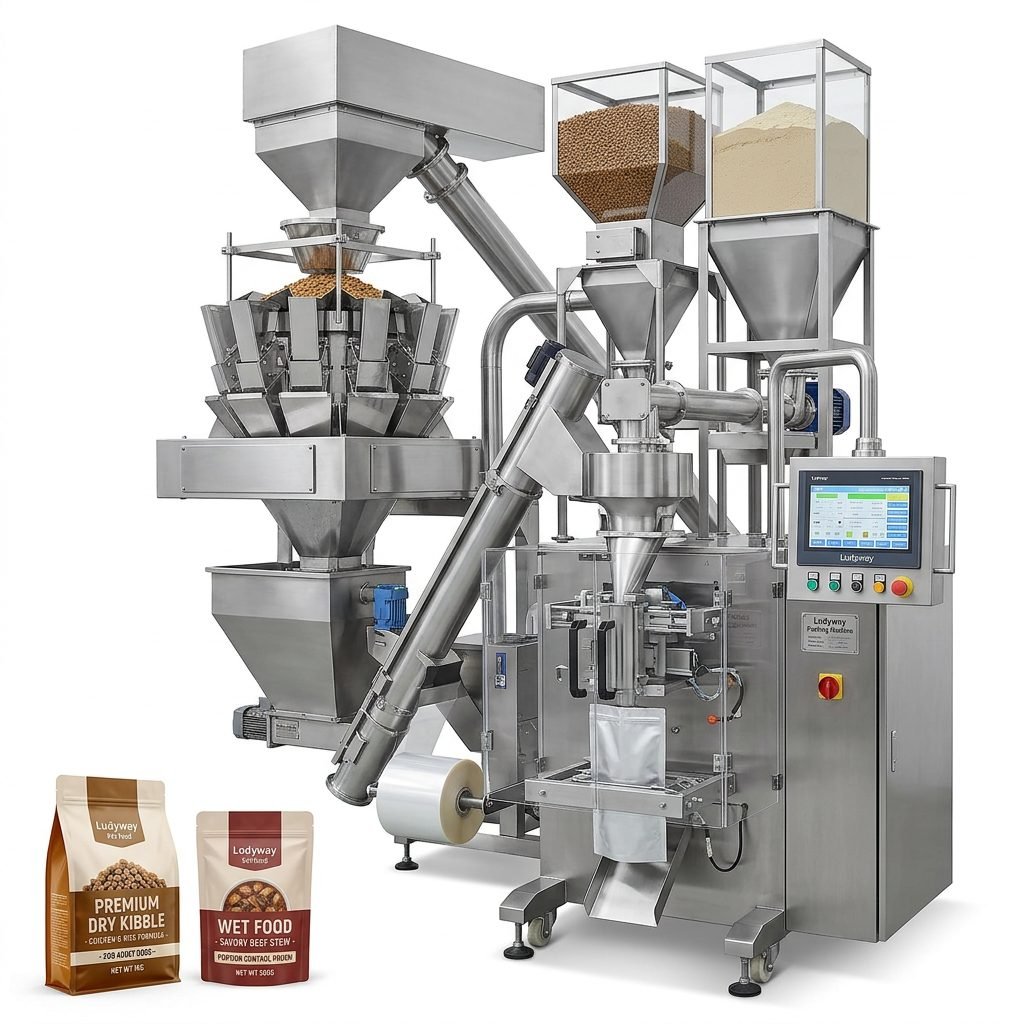
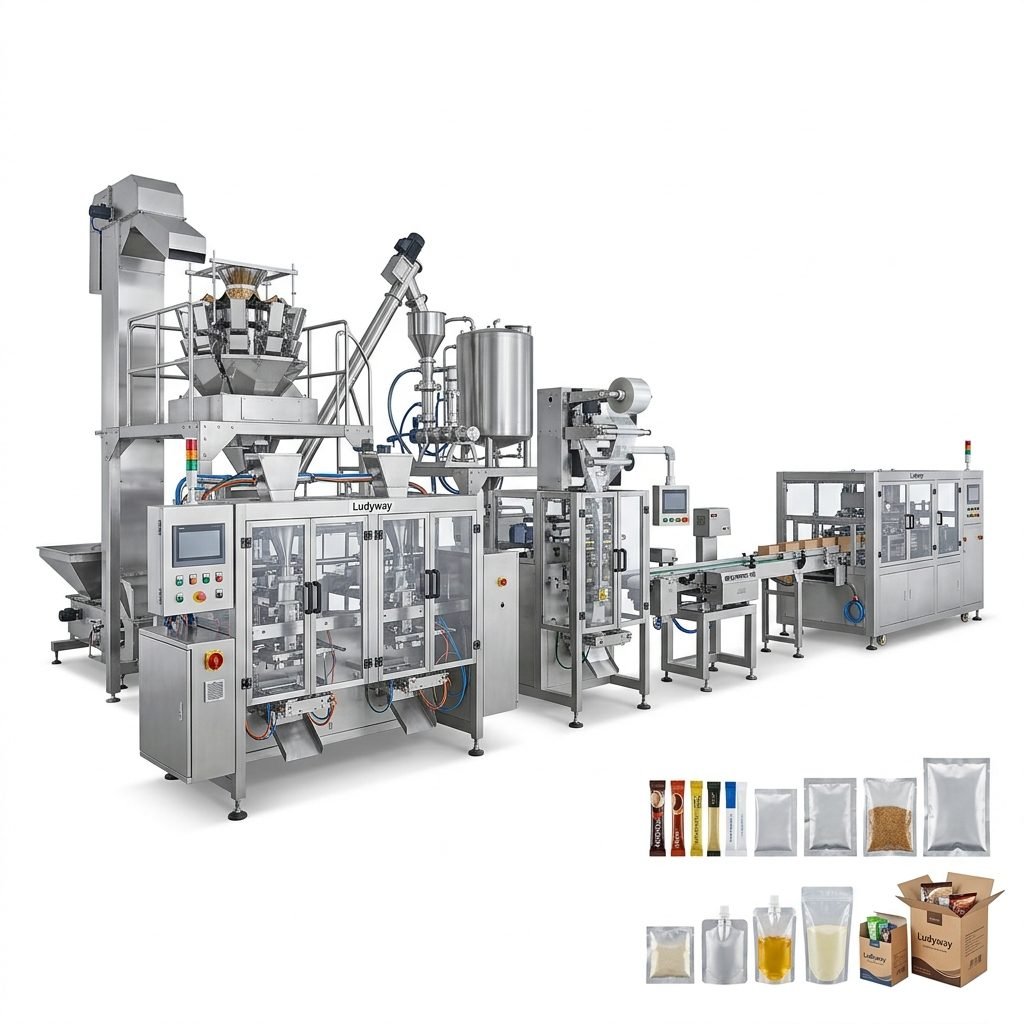
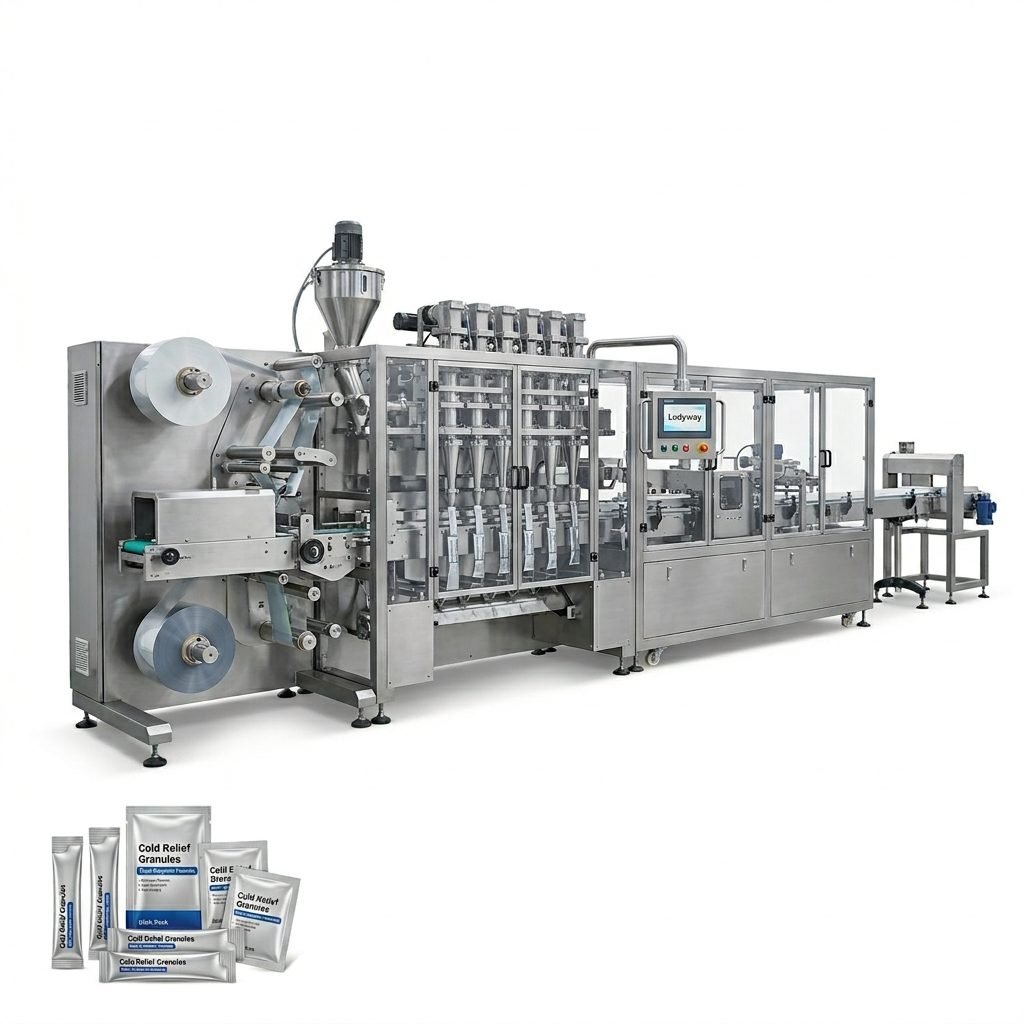
In the fast-paced world of food service and retail, the right packaging is as crucial as the food itself. A restaurant food packaging machine is not just a tool; it’s a strategic asset that influences product shelf life, brand presentation, operational efficiency, and ultimately, customer satisfaction. Whether you run a bustling café, a gourmet takeaway, a meal-prep delivery service, or a large-scale food production facility, selecting the optimal packaging solution is a critical business decision.
Understanding the Different Types of Restaurant Food Packaging Machines
The market offers a diverse range of machines, each designed for specific packaging formats and materials. Understanding these types is the first step toward making an informed choice.
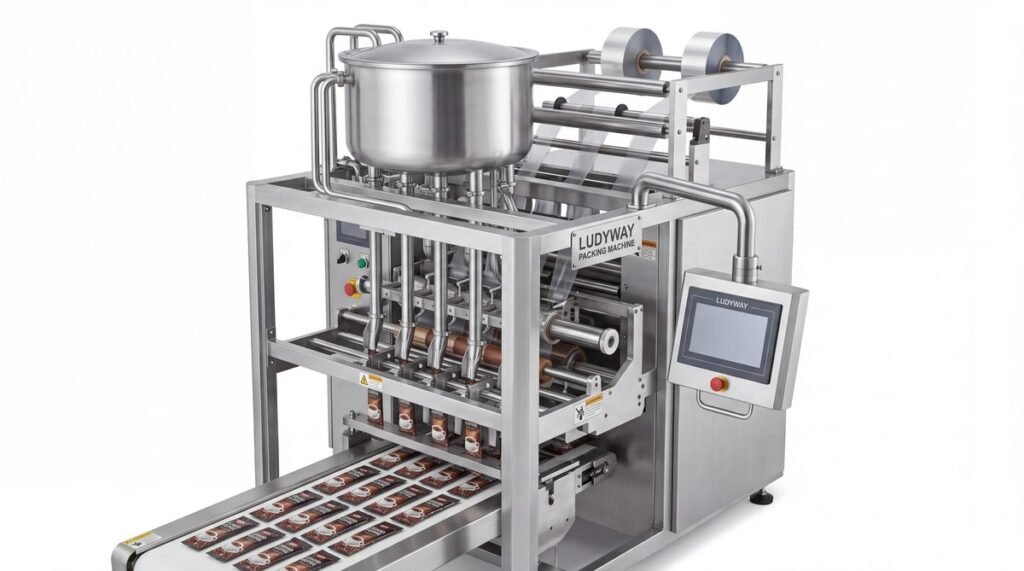
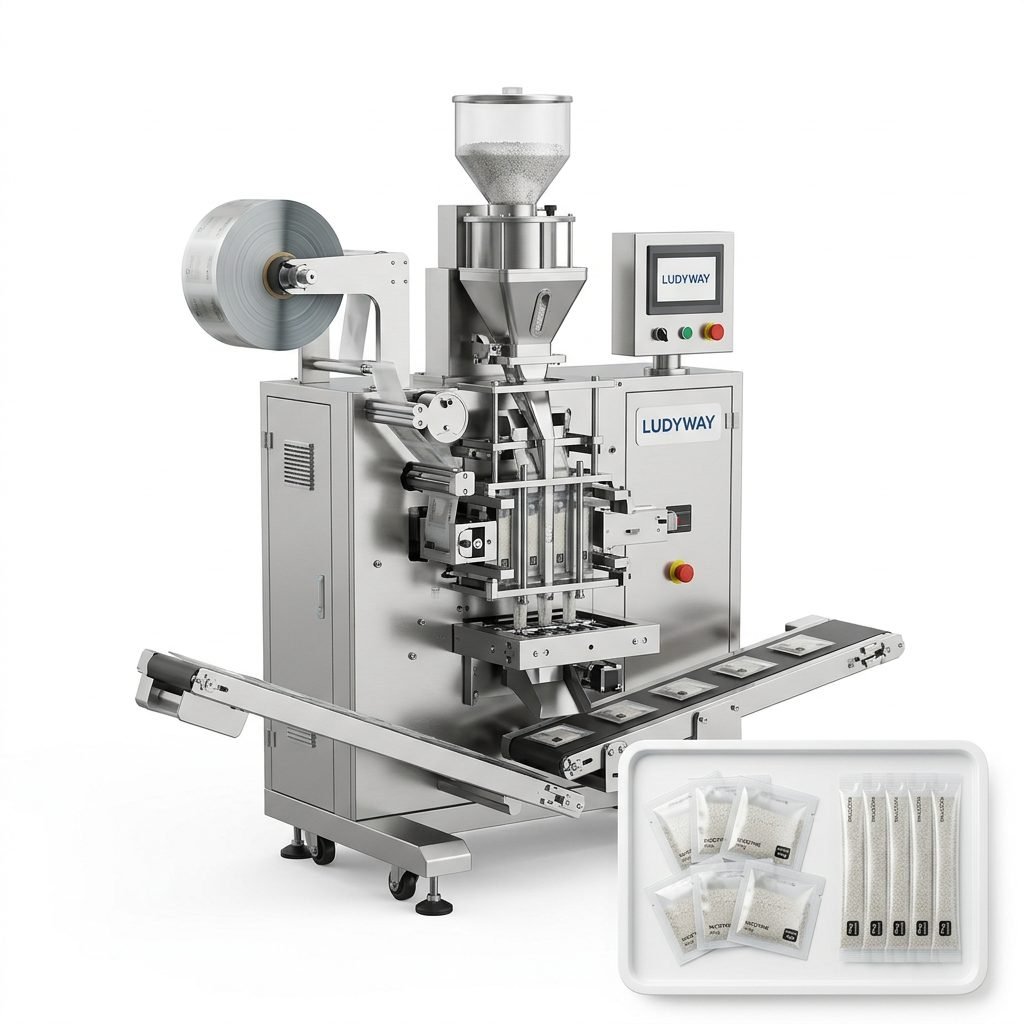
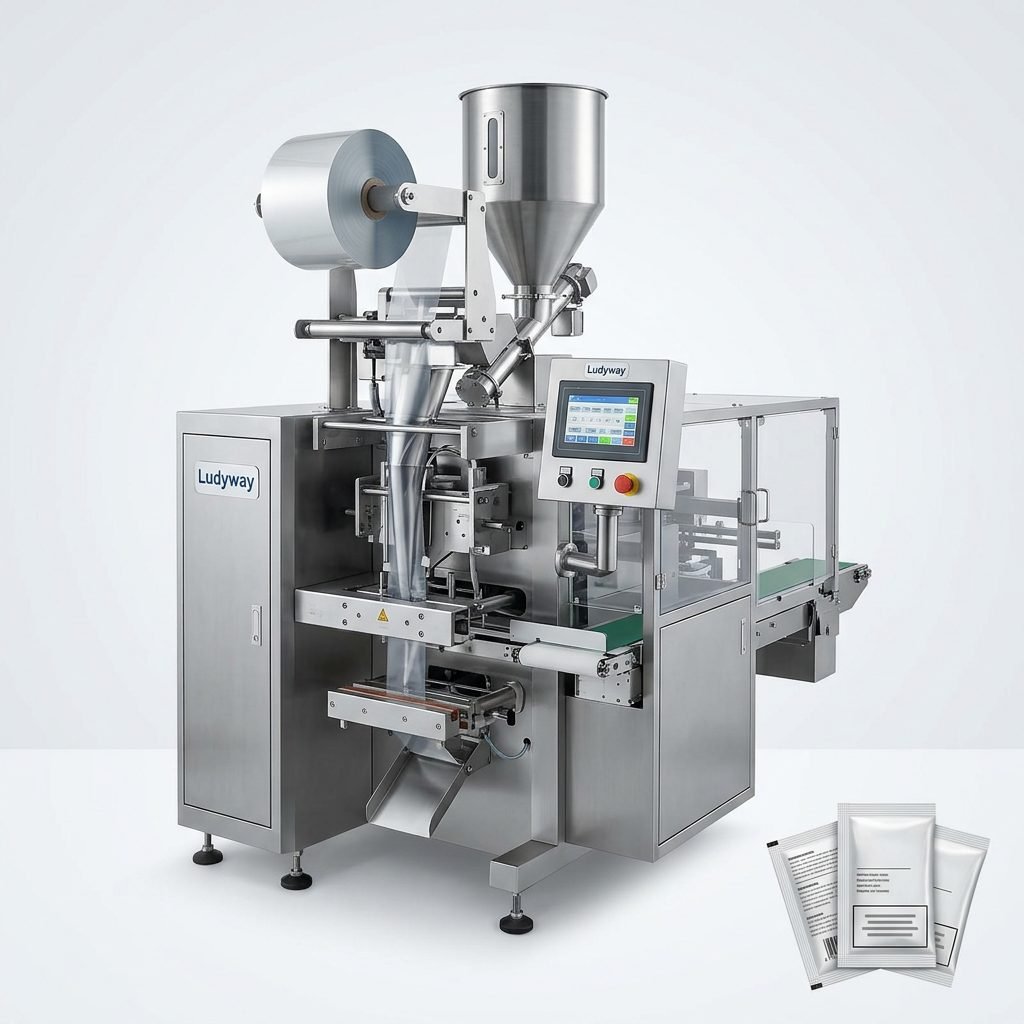
1. Sachet Packaging Machines
Ideal for portions of sauces, condiments, dressings, sugar, and spices. These machines create small, sealed packets from roll stock film. They are perfect for takeaway orders, reducing waste and ensuring hygiene.
- Best For: Sauces (ketchup, soy), jams, butter, creamers, single-serve toppings.
- Key Consideration: Speed (packs per minute) and ability to handle different viscosities.
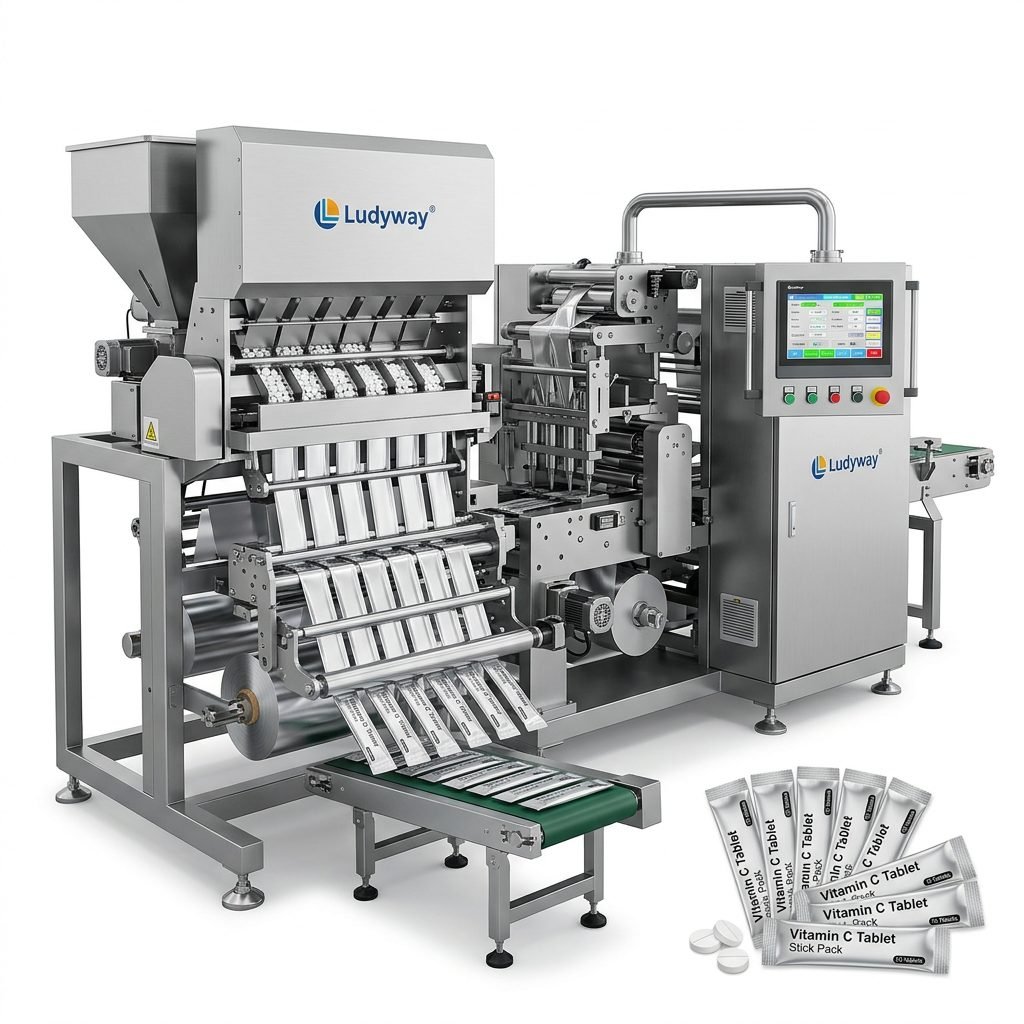
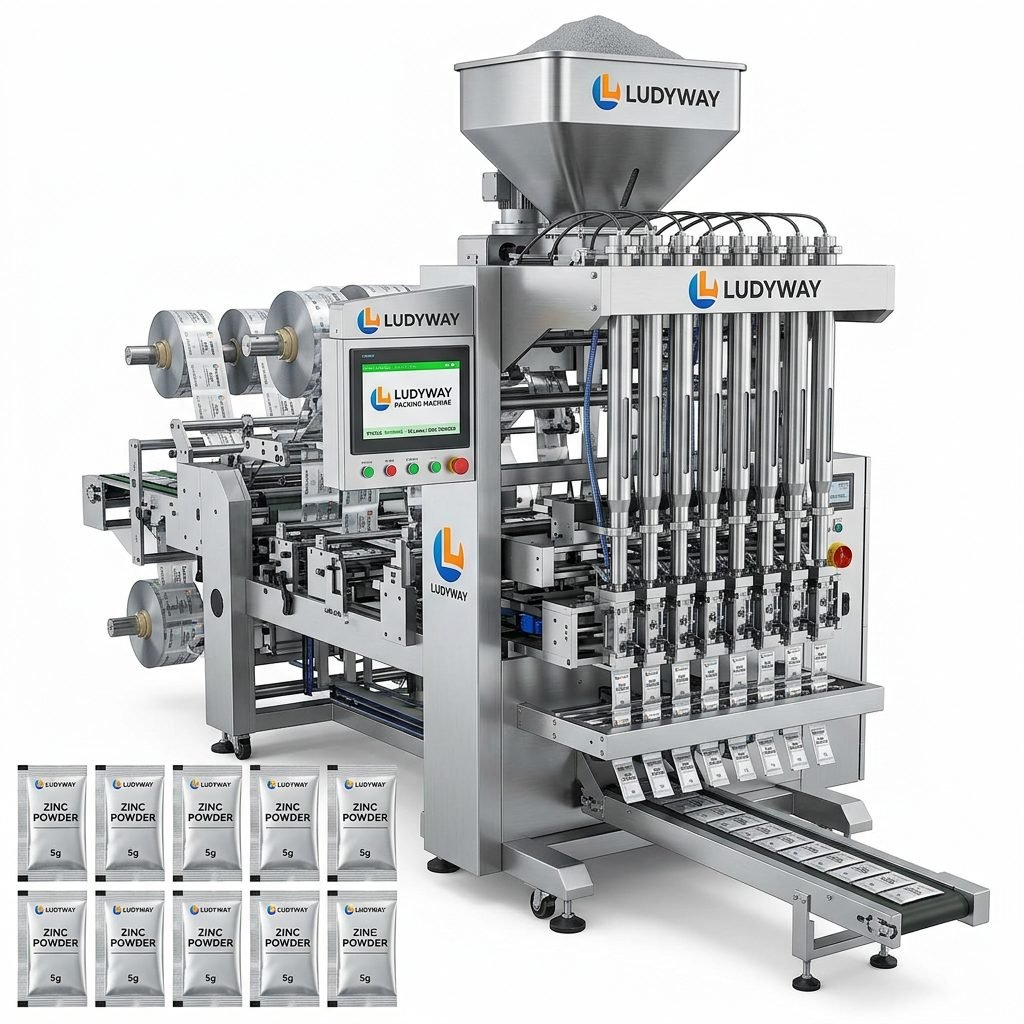
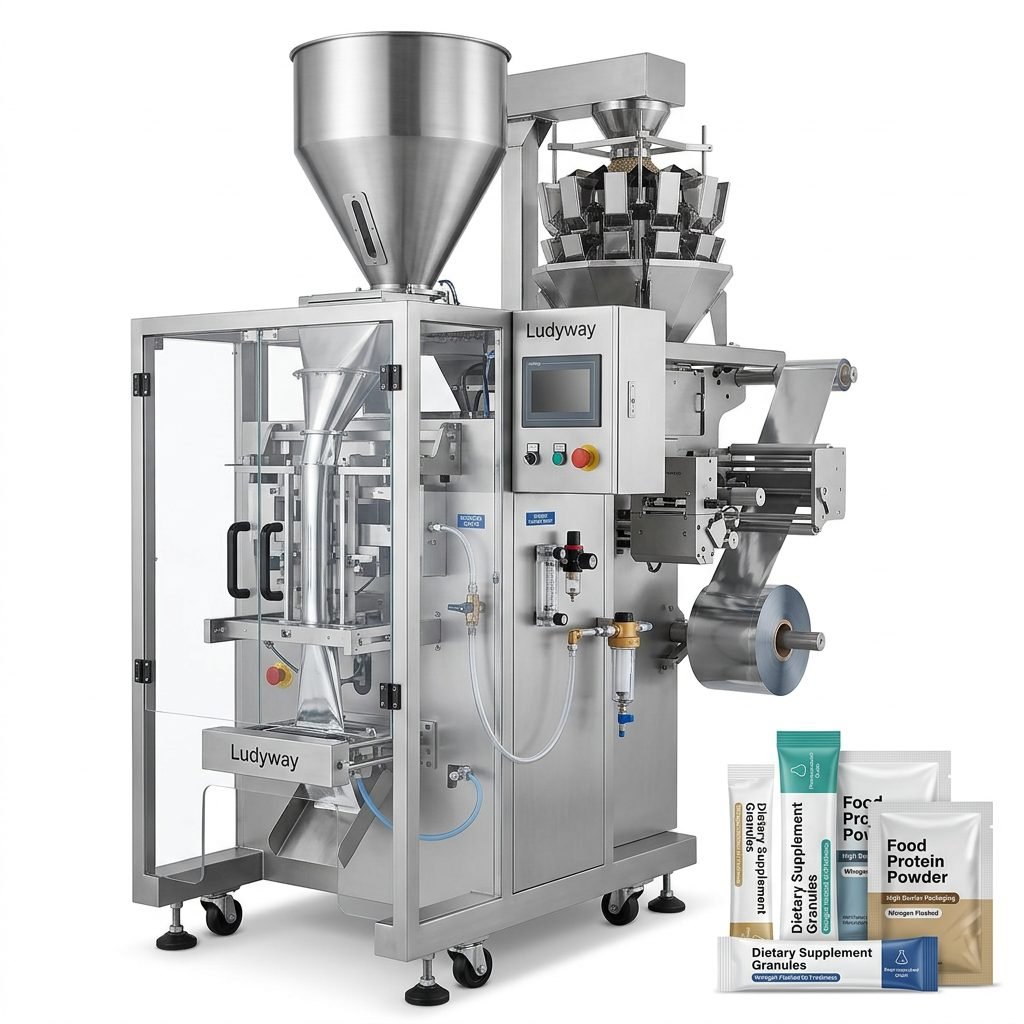
2. Stick Pack Packaging Machines
Similar to sachets but in a long, narrow “stick” shape. They are space-efficient and offer a sleek, modern look, often used for drink mixes, instant coffee, protein powders, and sugar sticks.
- Best For: Powdered beverages, instant soup mixes, grated cheese, drink stirrers.
- Key Consideration: Excellent for products that need to be dissolved or poured easily.
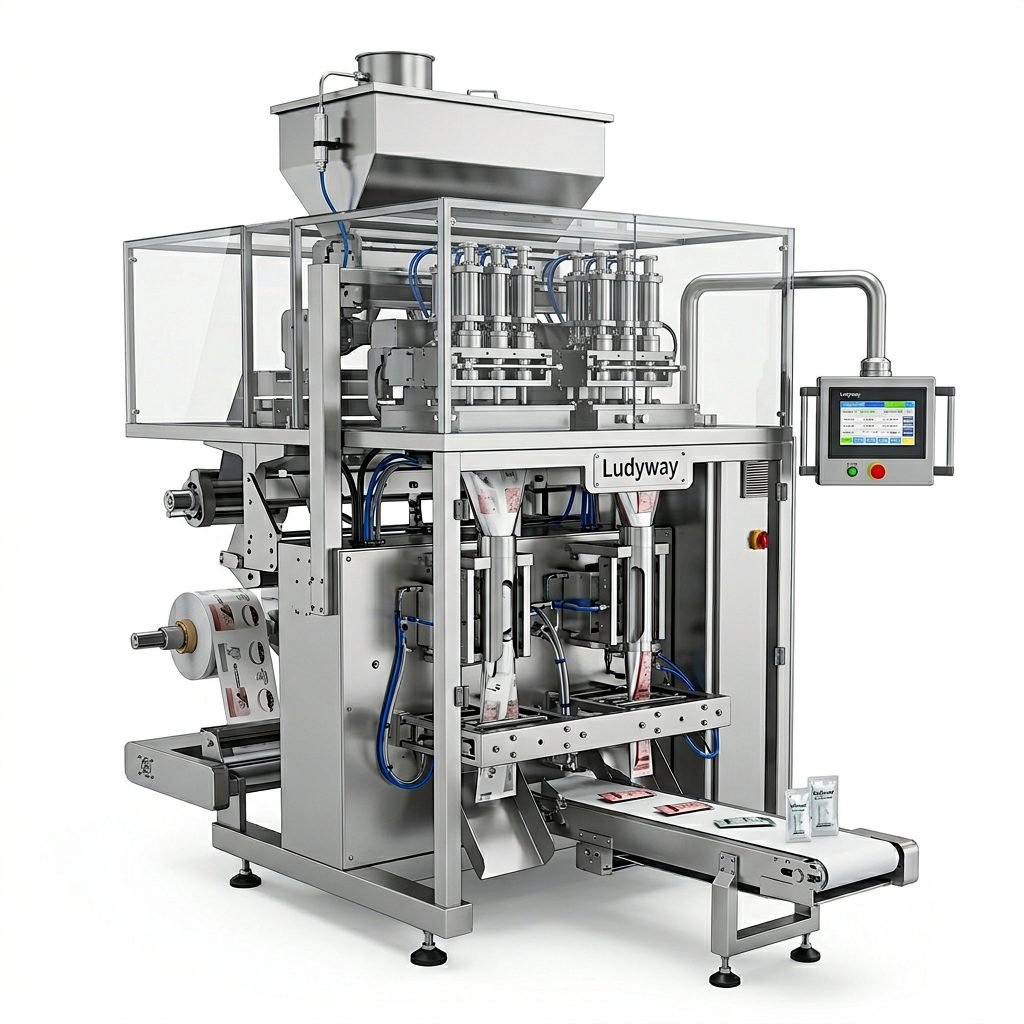
3. Pouch Packaging Machines (Stand-up, Flat, Side-Seal)
This versatile category handles a wide variety of food products. Machines can form, fill, and seal pouches of different sizes and styles.
- Stand-Up Pouches (Doypack): For liquids, granules, and solids like snacks, nuts, or pre-cooked meals. They retail well on shelves.
- Flat Pouches: For dried fruits, baked goods, or flat items.
- Three-Side Seal / Four-Side Seal: Common for tea bags, frozen vegetables, and hardware items like cutlery sets.
4. Tray Sealing Machines
Used with pre-formed plastic, aluminum, or compostable trays. A film lid is heat-sealed over the top, creating a tamper-evident and leak-proof package. Essential for ready-to-eat meals, salads, desserts, and fresh produce.
5. Cup Filling and Sealing Machines
Designed for yogurt, pudding, dips, sauces, and desserts. They fill pre-made cups or containers and then apply a foil or plastic lid.
6. Vacuum Packaging Machines
Remove air from the package before sealing, significantly extending shelf life by inhibiting bacterial growth. Critical for fresh meats, cheeses, smoked fish, and sous-vide products.
7. Flow Wrap Machines
Also known as horizontal form-fill-seal machines. They wrap products in a single film, creating a sealed package around items like sandwiches, burgers, pastries, bars, and bundles of utensils.
Factors Influencing Machine Prices: A Detailed Breakdown
The cost of a restaurant food packaging machine is not a single figure but a spectrum influenced by multiple factors. Prices can range from a few thousand dollars for a basic, semi-automatic model to several hundred thousand dollars for a fully integrated, high-speed automated line.
Primary Cost Determinants:
Automation Level: Semi-automatic machines (requiring manual product placement) are the most affordable. Fully automatic machines (integrated with feeders, conveyors, and PLC controls) command a premium but offer vastly higher output and labor savings.
Production Speed & Output: Measured in packs per minute (PPM). A machine rated at 60 PPM will cost significantly less than one rated at 200 PPM, but it may not meet the demands of a high-volume operation.
Machine Versatility & Changeover: Can it handle multiple package sizes or shapes? Machines with quick-change parts and digital size adjustment are more expensive but reduce downtime when switching products.
Construction & Durability: Machines built with stainless steel food-grade components, precision servo motors, and industrial-grade PLCs are more reliable and have a longer lifespan, justifying a higher initial investment.
Brand & Technical Support: Established brands like Ludyway Packaging Machinery often price their machines to reflect decades of engineering experience, reliable performance, and comprehensive after-sales service, including installation, training, and spare parts availability.
Additional Features: Nitrogen flushing for freshness, date coding, check-weighing systems, vision inspection, and integration with upstream/downstream equipment all add to the cost.
How to Choose the Best Solution for Your Restaurant or Food Business
Selecting the right machine is a process that requires careful analysis of your current and future needs. Follow this step-by-step guide.
Step 1: Define Your Product & Packaging Requirements
Start with the product itself. What is its physical state (liquid, powder, granule, solid)? What are its sensitivity factors (moisture, oxygen, light)? This determines the required packaging material (PET/PE, aluminum laminate, compostable film) and the machine type capable of handling it.
Step 2: Assess Your Production Volume
Be realistic about your daily, weekly, and seasonal output. Calculate your required Packs Per Minute (PPM). Buying an overpowered machine wastes capital, while an underpowered one creates bottlenecks. Consider future growth—can the machine scale with you?
Step 3: Evaluate Your Available Space & Labor
Measure your production floor space. A compact, vertical machine might be ideal for a small kitchen. Also, assess your labor situation. A fully automatic pouch packing machine might have a higher upfront cost but can pay for itself by reducing reliance on multiple manual packers.
Step 4: Set a Realistic Budget (Total Cost of Ownership)
Look beyond the purchase price. Consider the Total Cost of Ownership (TCO), which includes:
• Machine cost
• Installation & training
• Packaging material costs and waste
• Maintenance, parts, and energy consumption
• Potential downtime costs
A slightly more expensive, robust machine from a reputable supplier often has a lower TCO than a cheap, unreliable alternative.
Step 5: Prioritize Hygiene, Safety, and Compliance
For food contact, machines must be easy to clean, often requiring stainless steel construction and CIP (Clean-in-Place) capabilities. Ensure the machine and the packaging materials comply with local food safety regulations (e.g., FDA, EU standards).
Step 6: Research Suppliers and Request Demos
Choose a supplier with proven expertise in the food industry. Look for case studies and client testimonials. A reputable company like Ludyway will offer to run a product sample test on their equipment. Always insist on a live or video demonstration with your actual product to see the machine in action.
Step 7: Analyze After-Sales Service & Support
The relationship begins after the sale. What is the warranty period? How quickly can they provide technical support or spare parts? Do they offer operator training and maintenance manuals? Reliable support is invaluable for minimizing operational disruptions.
Conclusion: Investing in Efficiency and Brand Growth
Choosing the right restaurant food packaging machine is a strategic investment that goes beyond mere automation. It is an investment in product consistency, brand integrity, operational scalability, and customer trust. By thoroughly understanding the types of machines available, the factors that drive their cost, and following a disciplined selection process, you can find a solution that not only meets your current packaging needs but also fuels the future growth of your food business. Partnering with an experienced supplier ensures you get a reliable system backed by the expertise to keep your production line running smoothly.
Frequently Asked Questions (FAQs)
1. What is the typical price range for a starter food packaging machine?
For small restaurants or startups, basic semi-automatic machines (like a vacuum sealer or a manual pouch sealer) can start from $1,000 – $5,000. Entry-level automatic sachet or stick pack machines often range from $10,000 to $30,000. Prices scale significantly with speed, automation, and complexity.
2. Can one machine handle different types of food packaging?
Some machines are designed for versatility. Many modern form-fill-seal machines can produce different pouch styles (stand-up, flat) by changing the forming parts. However, switching between vastly different formats (e.g., from pouches to cups) typically requires different, specialized machines.
3. How important is after-sales service when purchasing a packaging machine?
Extremely important. Even the best machines require maintenance and occasional troubleshooting. A supplier with strong after-sales support provides peace of mind, ensures minimal downtime, and protects your long-term investment through readily available spare parts and expert technical assistance.
4. What are the key maintenance requirements for these machines?
Daily cleaning of food contact parts is essential. Regular maintenance includes lubricating moving parts, checking and replacing sealing jaws or cutting blades, inspecting sensors, and ensuring electrical connections are secure. Always follow the manufacturer’s maintenance schedule.
5. Are there eco-friendly packaging options compatible with these machines?
Yes. The market is rapidly evolving with compostable, biodegradable, and recyclable films made from materials like PLA (corn starch). Many modern machines can run these sustainable materials, though they may require adjustments to sealing temperature and tension settings. It’s crucial to discuss your sustainability goals with your machine supplier during the selection process.