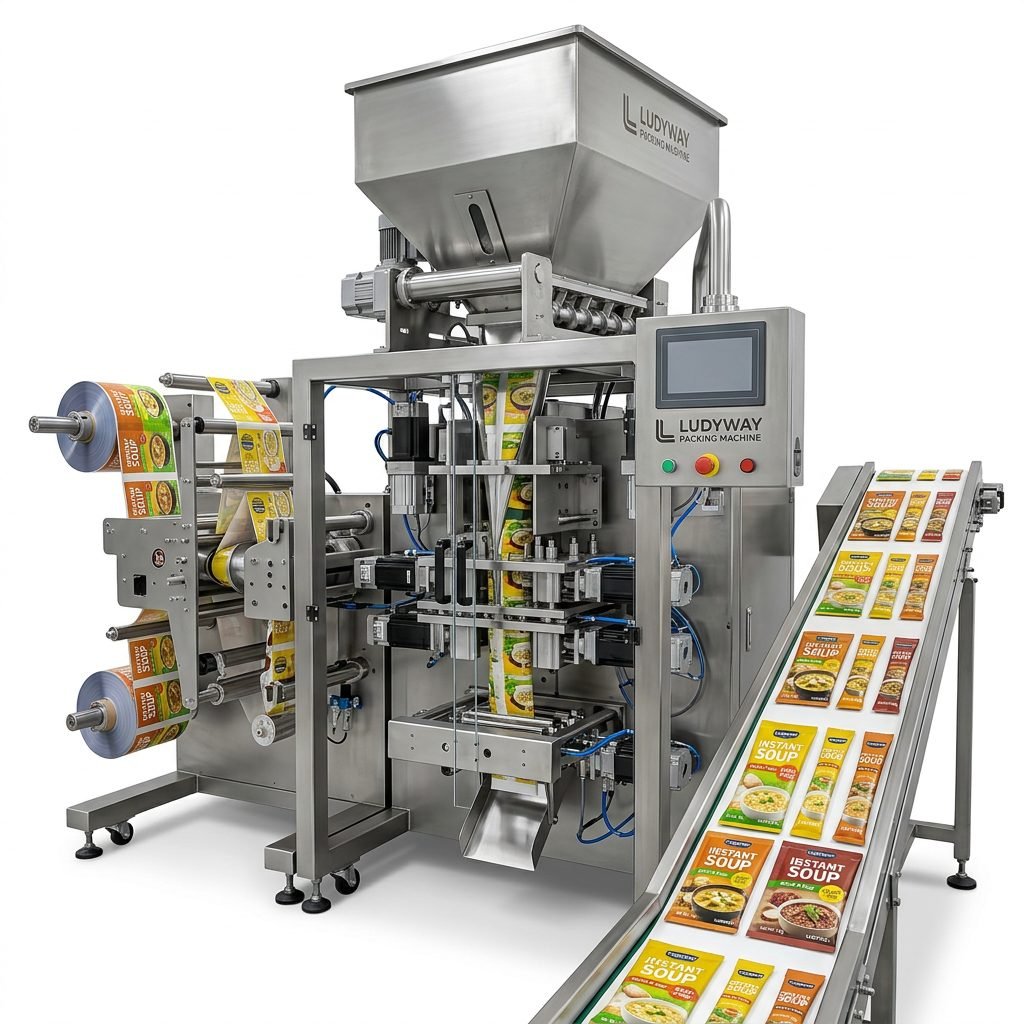
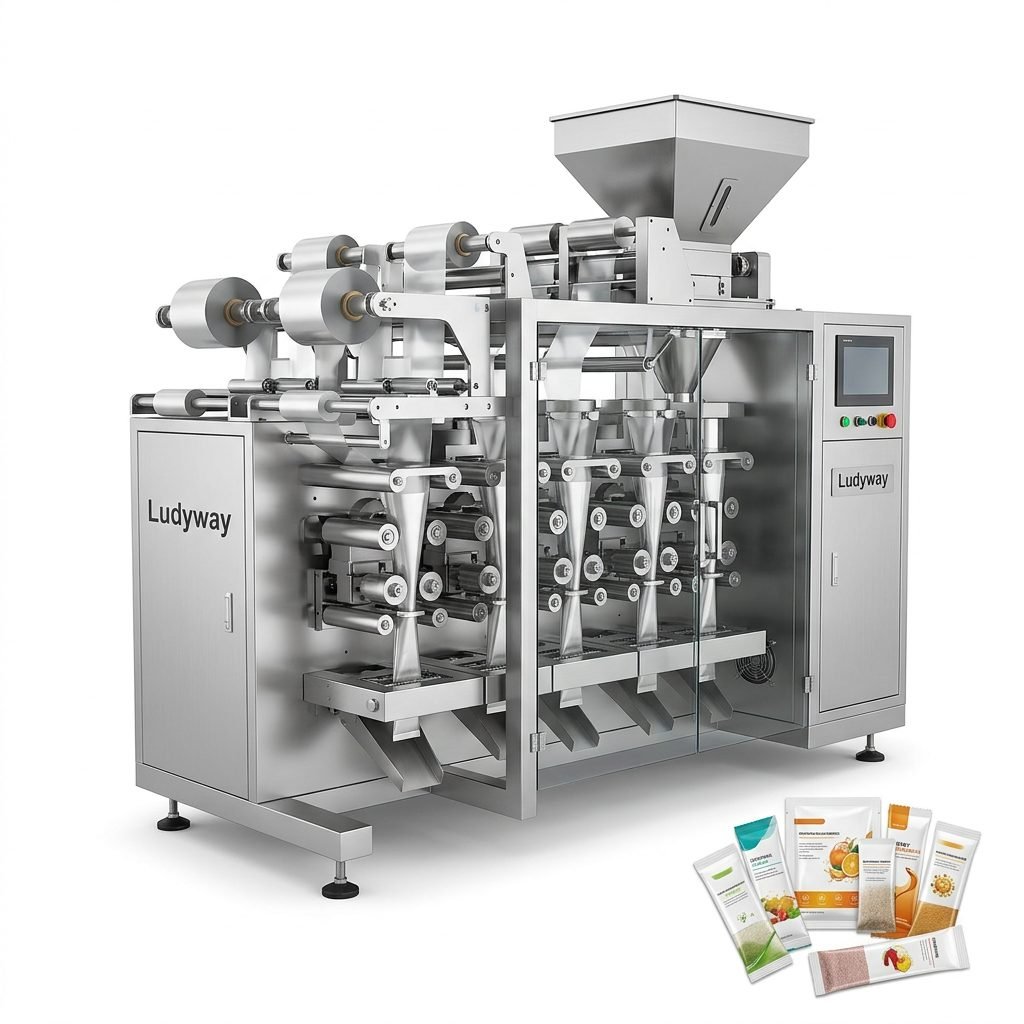
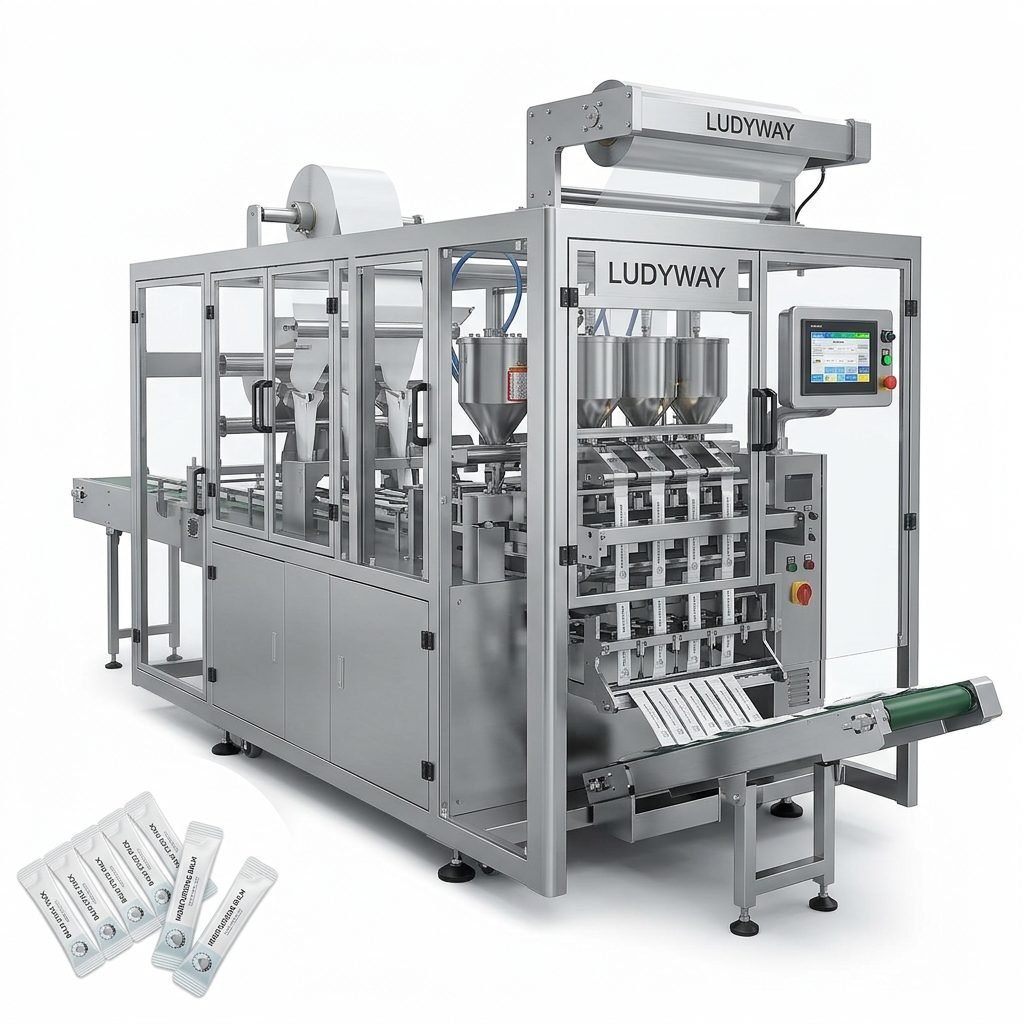
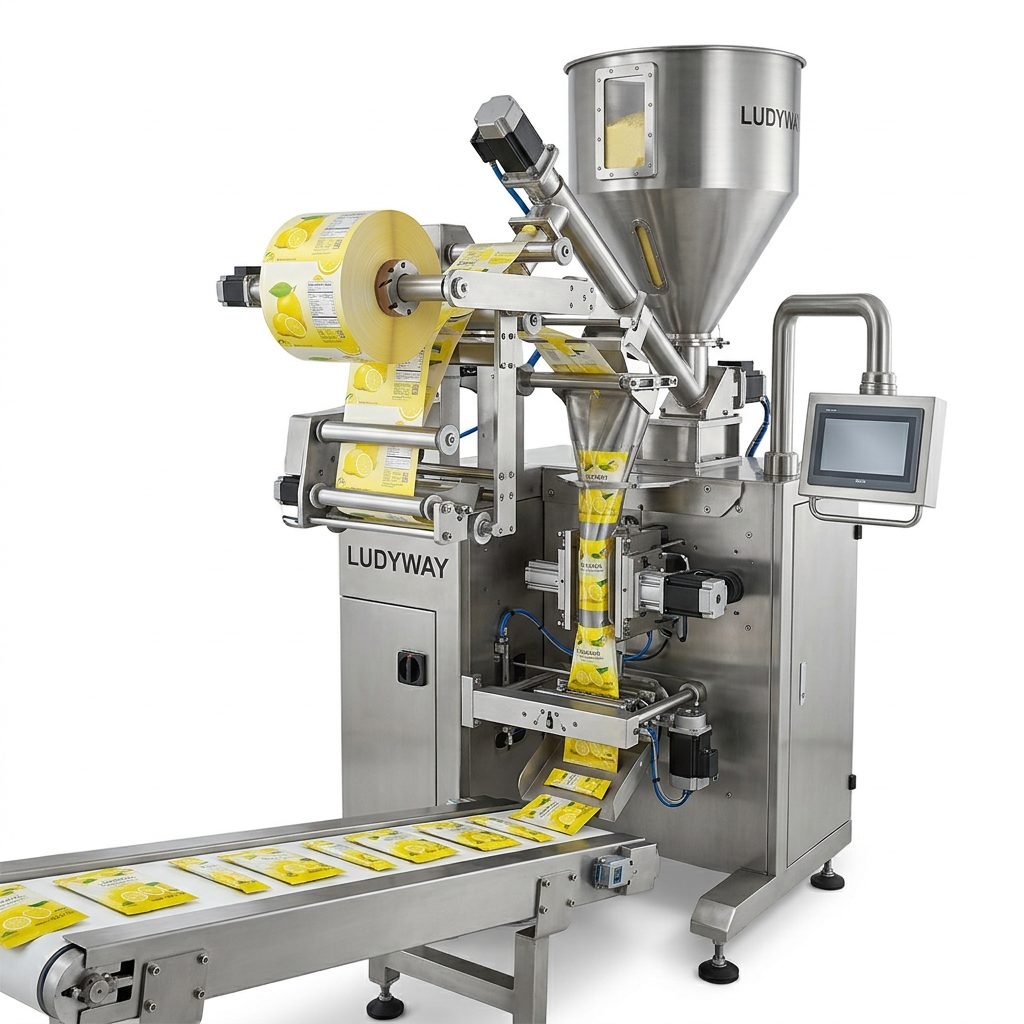
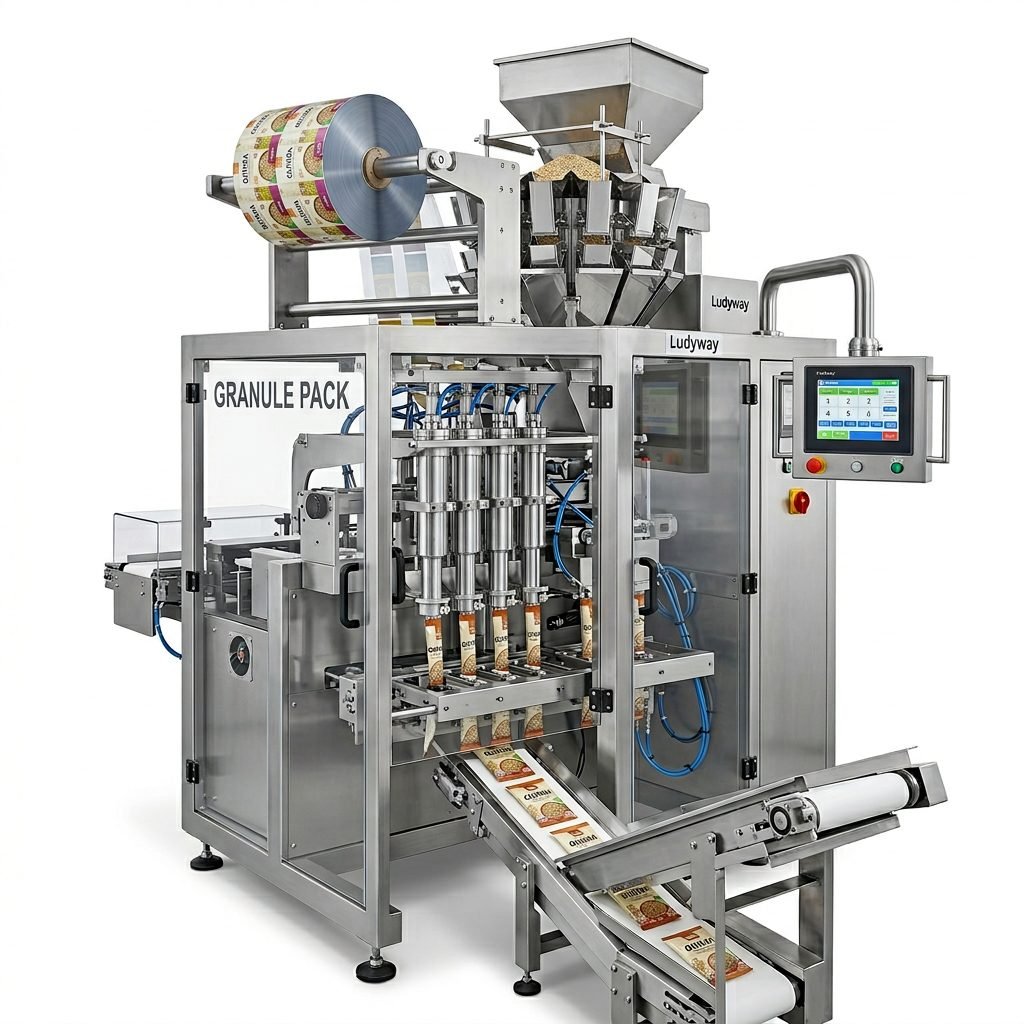
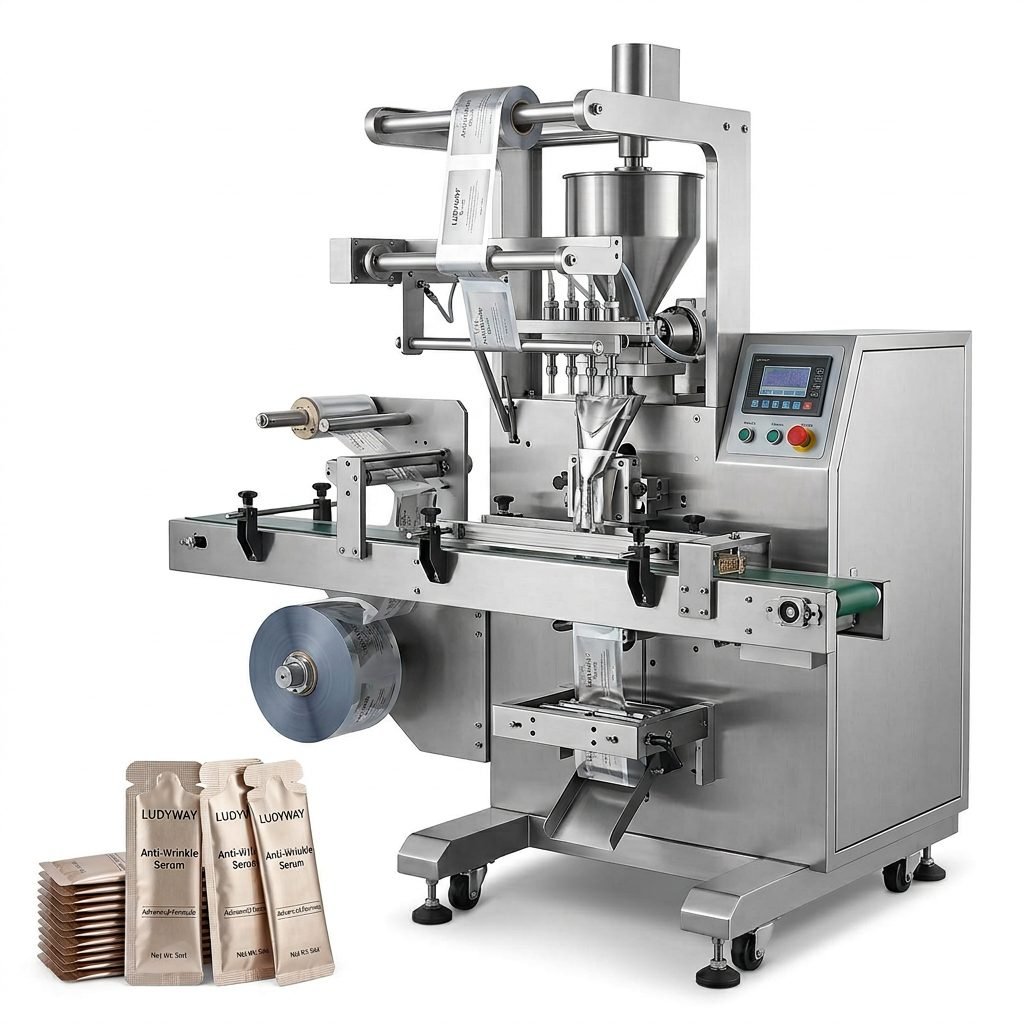
In the fast-paced world of manufacturing, selecting the right rigid packaging machine is a critical decision that impacts efficiency, product integrity, and overall operational success. This comprehensive guide delves into the various types of rigid packaging systems, their core applications, and provides a structured framework to help you choose the optimal equipment for your specific production needs. Whether you are in the food, pharmaceutical, or consumer goods sector, understanding these machines is the first step toward a more streamlined and profitable packaging line.
Understanding Rigid Packaging Machinery
Rigid packaging refers to containers that retain their shape under normal conditions, such as tins, cans, jars, trays, and clamshells. Machines that handle these materials are engineered for precision, durability, and high-speed operation. They are distinct from flexible packaging systems, which deal with pouches or bags, and require robust mechanisms to form, fill, and seal sturdy containers reliably.
Key Insight: The primary advantage of rigid packaging is superior product protection. It offers excellent barrier properties against moisture, oxygen, and physical damage, which is paramount for extending shelf life and maintaining product quality during shipping and storage.
Core Components of a Rigid Packaging System
A typical rigid packaging machine integrates several key stations into one synchronized line:
- Container Feeding & Unscrambling: Orients and supplies empty containers (like jars or cans) to the line in an orderly fashion.
- Product Filling: Precisely dispenses the product—be it liquid, powder, granules, or solids—into each container. Accuracy here is non-negotiable for cost control and compliance.
- Capping or Lidding: Applies and tightens caps, lids, or covers to ensure a hermetic or secure seal.
- Labeling & Coding: Applies labels and prints batch codes, expiry dates, or other variable information.
- Inspection & Quality Control: Often includes checkweighers, metal detectors, or vision systems to reject under/over-filled or contaminated packages.
Major Types of Rigid Packaging Machines
The market offers a diverse range of machinery, each suited to specific container types and production volumes.
1. Rotary Volumetric & Piston Fillers
These are the workhorses for liquids, creams, and pastes. Rotary fillers feature multiple filling heads on a rotating carousel, enabling very high speeds. Piston fillers use a cylinder and piston mechanism to draw and dispense a highly accurate volume of product, making them ideal for viscous products like sauces, yogurts, or chemicals.
2. Auger Fillers for Powders & Granules
Designed for dry products such as coffee, spices, protein powder, or pharmaceuticals. An auger (a screw conveyor) rotates within a hopper, pushing product down through a nozzle into the container. They excel in handling fine, dusty, or non-free-flowing materials with excellent precision.
3. Vacuum Sealing Machines
Essential for products requiring an extended shelf life. These machines remove air from the container before sealing, significantly slowing oxidation and microbial growth. They are widely used for coffee, nuts, dried foods, and certain medical supplies.
4. Tray Sealing & Thermoforming Machines
These systems form a rigid or semi-rigid tray from a roll of plastic material (thermoforming), fill it, and then seal it with a lidding film. They are prevalent in the food industry for ready meals, fresh produce, and meat packaging, offering a high degree of automation and appealing retail presentation.
5. Capping Machines
A critical standalone or integrated component. Types include spindle cappers (for screw caps), chuck cappers, press-on cappers (for snap lids), and roller cappers. Choosing the right capper depends on the cap type, torque requirements, and line speed.
💡 Pro Tip for Selection: Don’t just match the machine to your product. Consider the container material (glass, plastic, metal) and its physical characteristics (neck finish, wall thickness). A machine designed for lightweight plastic jars may struggle with heavy glass bottles.
Primary Industry Applications
Rigid packaging machines serve as the backbone of production in numerous sectors.
Food & Beverage Industry
This is the largest application area. Machines here must often be built with hygienic, easy-clean designs (sometimes meeting USDA or FDA standards). They package everything from soups and sauces in cans to spices in jars, nuts in tins, and dairy products in cups. Speed and hygiene are the top priorities.
Pharmaceutical & Healthcare
Precision and contamination control are paramount. Machines for this sector often operate in cleanroom environments and handle tablets, capsules, powders, and ointments in bottles or vials. They must support stringent traceability and validation protocols, often integrating sophisticated track-and-trace serialization systems.
Chemicals & Household Goods
From motor oil and lubricants in cans to laundry detergent pods in tubs, these machines handle a wide range of often aggressive or hazardous substances. Durability, corrosion resistance, and safety features are critical considerations.
How to Choose the Right Rigid Packaging System
Selecting equipment is a strategic investment. Follow this decision-making framework to align your choice with your business goals.
Step 1: Analyze Your Product & Container
Define your product’s physical state (liquid, powder, solid), viscosity, abrasiveness, and sensitivity (to air, light, moisture). Simultaneously, finalize your container’s material, size, shape, and closure type. The machine must be compatible with both.
Step 2: Determine Your Production Requirements
- Output Speed (Units Per Minute): Calculate your required output based on current and projected demand. Ensure the machine can meet your peak requirements with a slight buffer.
- Flexibility: Will you run the same container size 24/7, or do you need quick changeovers for multiple SKUs? Machines with tool-less changeover features reduce downtime but may have a higher initial cost.
- Floor Space & Layout: Measure your available space. Some systems, like rotary fillers, have a larger footprint than linear machines.
Step 3: Evaluate Machine Features & Technology
Look beyond the basic function. Prioritize features that enhance efficiency and reliability:
- Control System: A user-friendly, programmable logic controller (PLC) with a touchscreen HMI (Human-Machine Interface) simplifies operation, recipe storage, and diagnostics.
- Construction & Hygiene: Stainless steel (grade 304 or 316) contact parts are standard for food and pharma. Look for smooth surfaces and easy access for cleaning.
- Integration Capability: Can the machine easily connect with upstream (e.g., unscramblers) and downstream (e.g., labelers, cartoners) equipment? Modern packaging line integration is key to automation.
- Safety & Compliance: Ensure the machine meets all relevant local and international safety standards (e.g., CE, UL).
Step 4: Assess Supplier Credibility & Support
The machine is only as good as the company behind it. Choose a supplier with a proven track record.
Why Partner with an Experienced Supplier?
A supplier like Ludyway Machinery, with over 30 years of industry experience, brings invaluable expertise. They offer more than just a machine; they provide a solution. From their 20,000㎡ modern production facility, they deliver reliable, intelligent packaging systems backed by strong engineering support. Their portfolio of 50+ machine models demonstrates a deep understanding of diverse application needs, from granule to liquid packaging. This experience translates into better guidance during selection, higher machine reliability, and accessible technical support throughout the machine’s lifecycle, ensuring your investment delivers long-term value.
Evaluate their after-sales service, availability of spare parts, training programs, and warranty terms. Request references from clients in a similar industry.
Step 5: Consider Total Cost of Ownership (TCO)
Look beyond the purchase price. Calculate TCO by factoring in installation costs, energy consumption, maintenance, expected downtime, and the cost of consumables (like change parts). A slightly more expensive, robust machine with higher efficiency and lower maintenance can offer a far better return on investment over time.
Conclusion
Navigating the landscape of rigid packaging machinery requires a careful balance of technical understanding and strategic planning. By thoroughly assessing your product needs, production goals, and the capabilities of potential equipment and suppliers, you can implement a system that not only packages your product but also enhances your operational resilience, brand reputation, and bottom line. Investing time in the selection process is an investment in your future production success.
Frequently Asked Questions (FAQs)
Q1: What is the main difference between rigid and flexible packaging machines?
A: The core difference lies in the container being handled. Rigid packaging machines form, fill, and seal pre-made or formed hard containers like jars, cans, and tubs. Flexible packaging machines typically use roll-stock film to form pouches or bags, which are then filled and sealed. The mechanics, tooling, and often the line speeds differ significantly.
Q2: How can I reduce changeover time when switching between different container sizes?
A: Opt for machines designed with quick-change features. This includes tool-less adjustments for filling heads, guide rails, and capping chucks. Some advanced systems allow for storing changeover parameters digitally, so operators can recall a previous setup with the push of a button, dramatically reducing downtime.
Q3: What hygiene certifications should I look for in a food or pharmaceutical packaging machine?
A: For food, look for machines constructed with food-grade stainless steel (AISI 304 or 316) and designs that are easy to clean without harboring bacteria (no dead spaces). Certifications may include compliance with FDA regulations or EHEDG guidelines. For pharmaceuticals, requirements are stricter, often necessitating machines suitable for cleanroom use and designed for CIP (Clean-in-Place) or SIP (Sterilize-in-Place) processes.
Q4: Can a single rigid packaging machine handle both liquids and powders?
A: Generally, no. The filling technology is fundamentally different. Liquid fillers use volumetric or net weight principles (like pistons or pumps), while powder fillers typically use augers or weigh-cell technology. While some machines can be retrofitted with different filling heads, it’s often more efficient to choose a machine purpose-built for your primary product type.
Q5: How important is after-sales support when purchasing packaging machinery?
A: It is critically important. Machinery will require maintenance, occasional repairs, and spare parts. A supplier with a responsive, knowledgeable technical support team and a well-stocked parts inventory minimizes costly production downtime. Always inquire about service contracts, response times, and the availability of training for your operators.