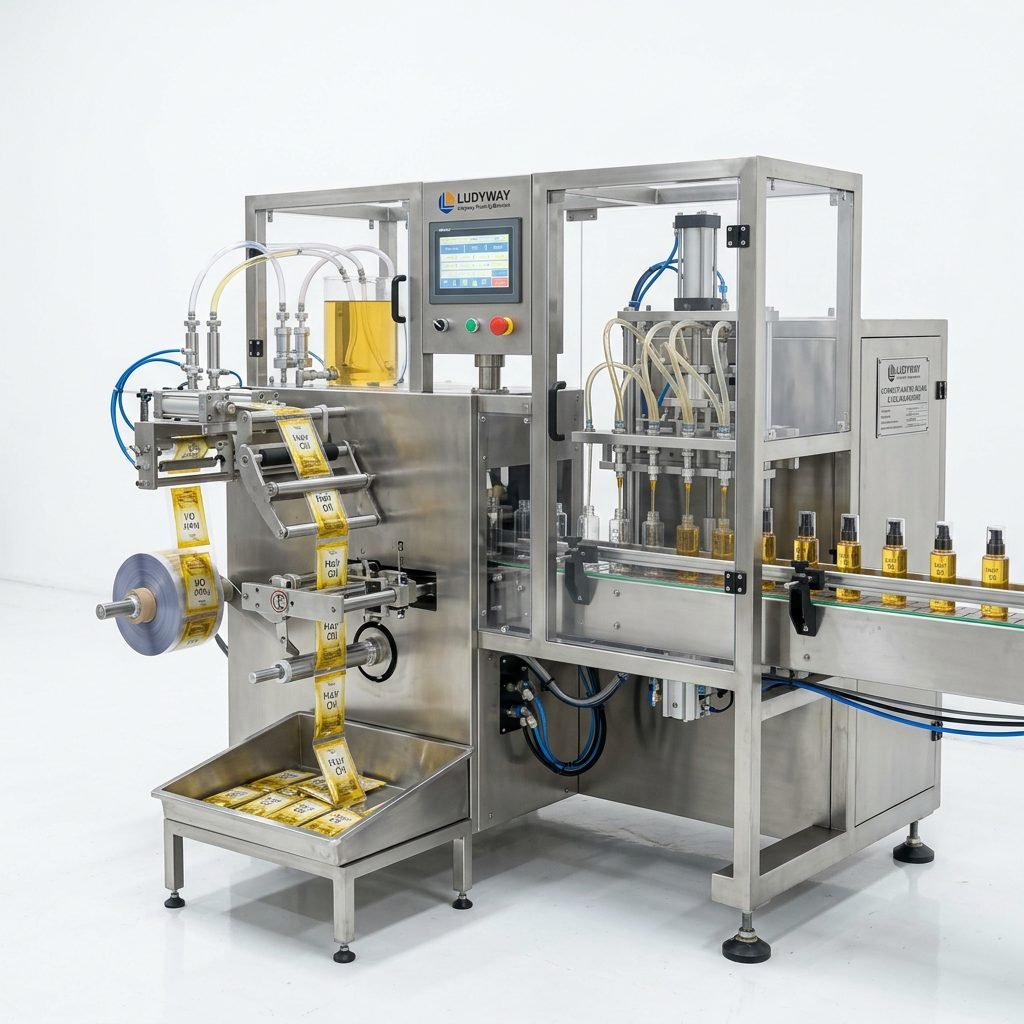
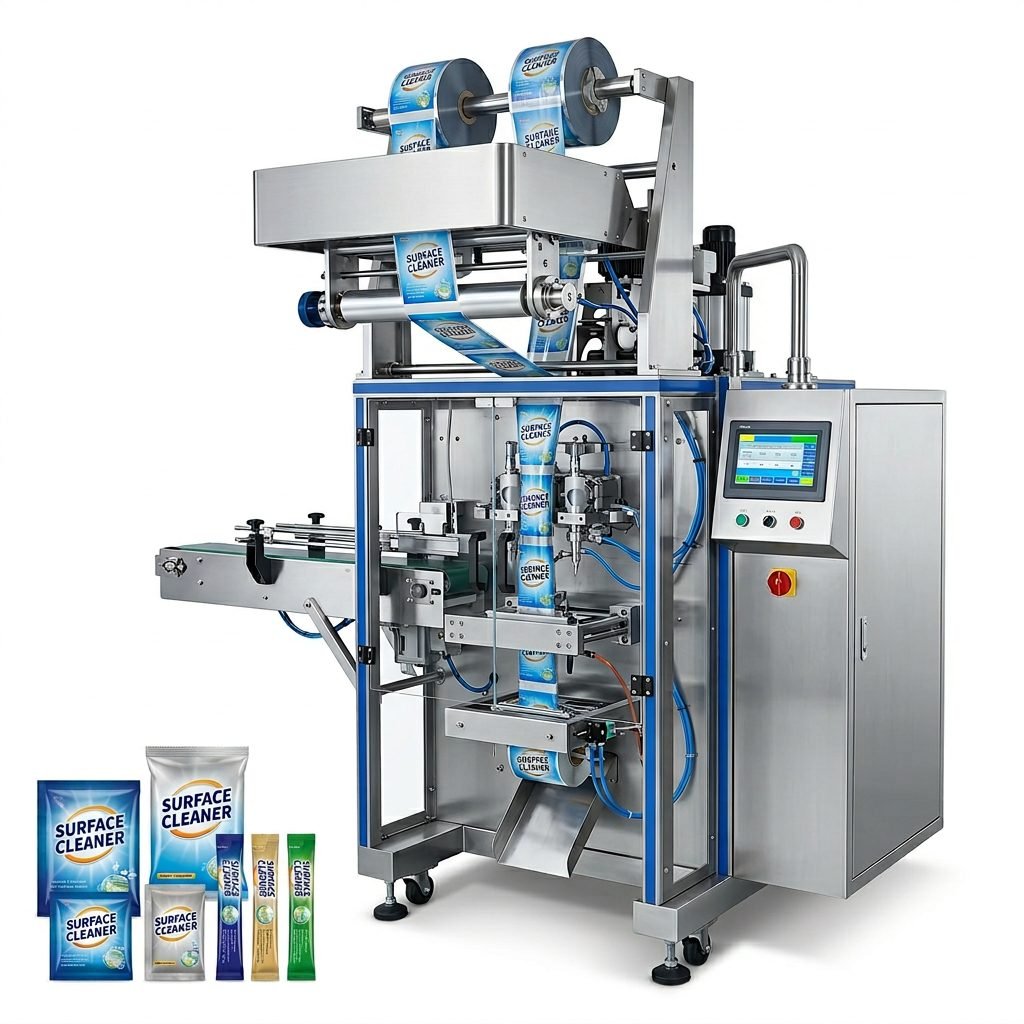
Packaging equipment systems are the backbone of modern production. Whether a business packs snacks, spices, supplements, pharmaceuticals, liquids, or industrial materials, the right system can dramatically improve speed, consistency, safety, and profitability. Instead of relying on isolated machines, more manufacturers now prefer integrated packaging systems that connect feeding, dosing, forming, filling, sealing, coding, inspection, cartoning, and end-of-line automation into one efficient workflow.
In this guide, you will learn what packaging equipment systems include, how they work, which industries use them, and how to choose the best setup for long-term operational efficiency.
What Are Packaging Equipment Systems?
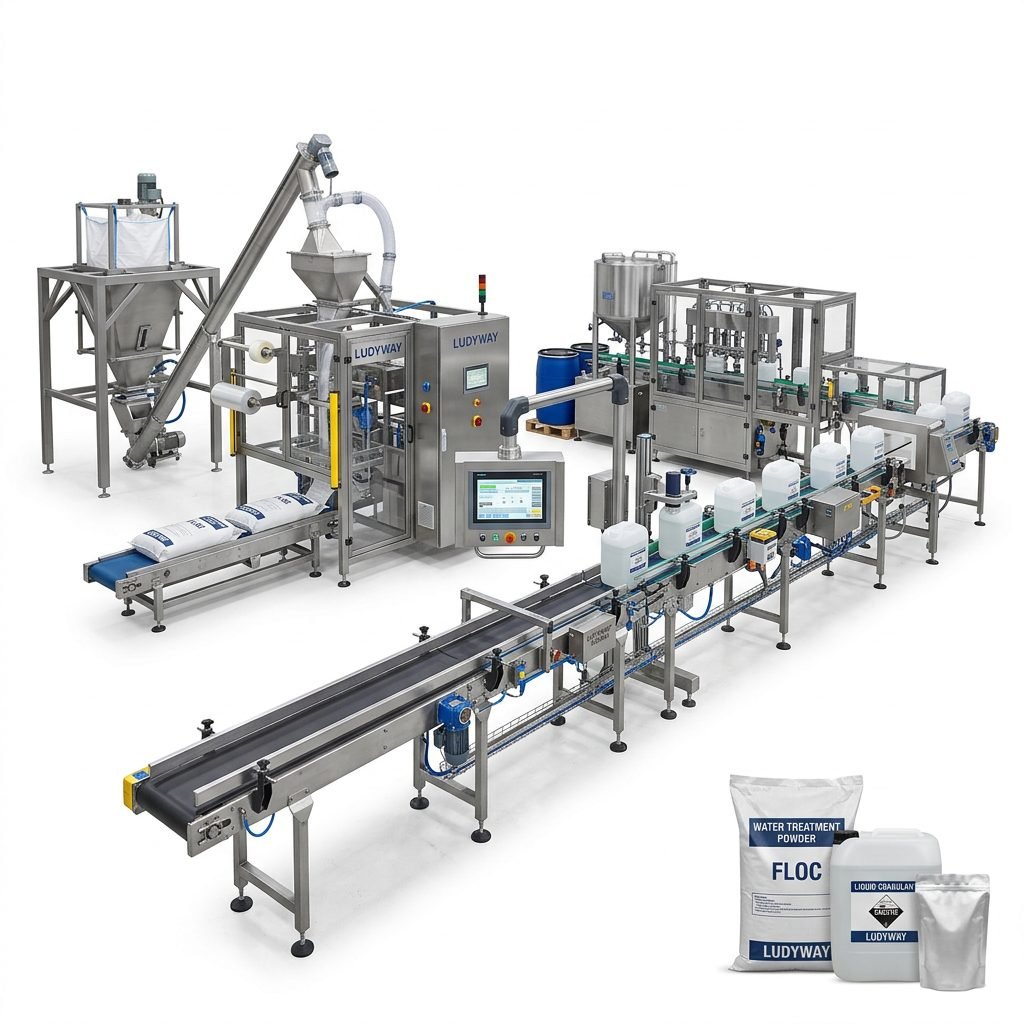
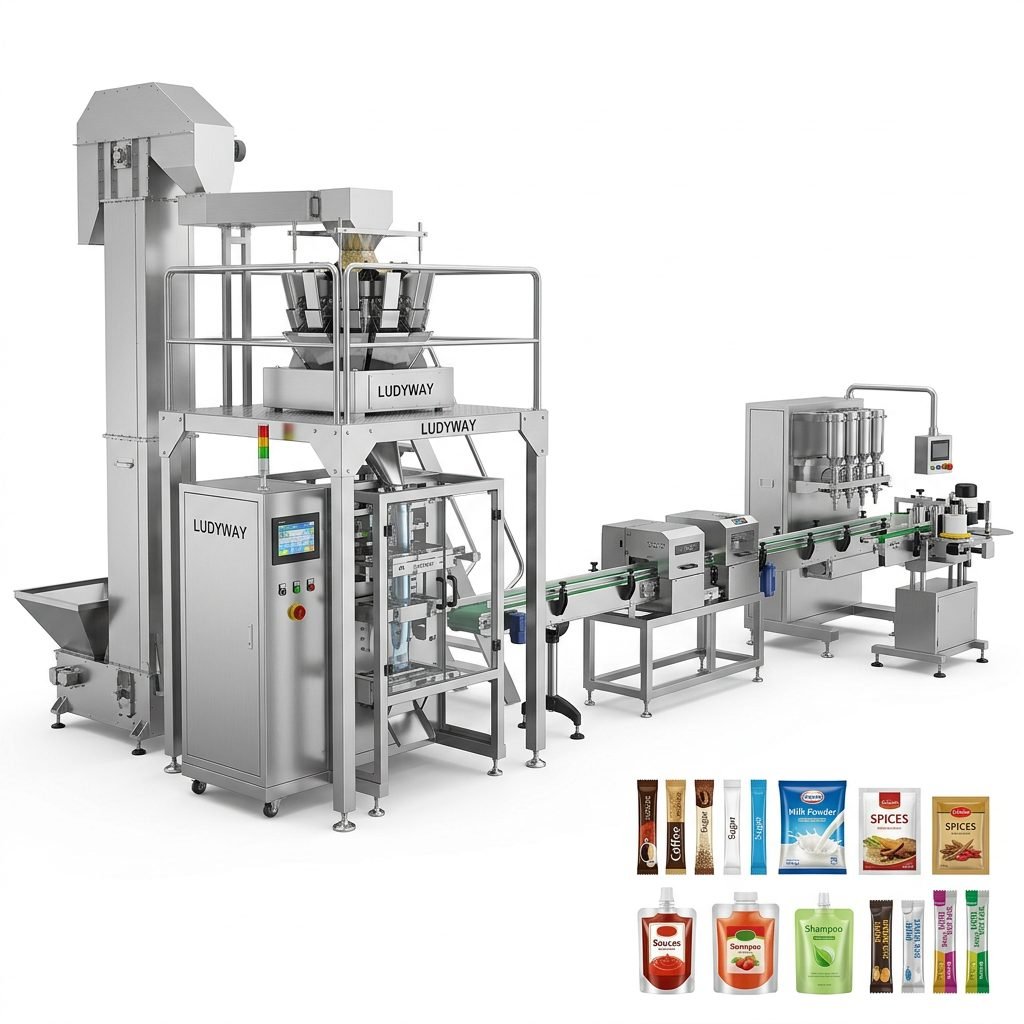
Packaging equipment systems are coordinated groups of machines and automation components designed to package products efficiently from start to finish. A complete system often includes product feeding, measuring, primary packaging, secondary packaging, inspection, labeling, and palletizing.
Unlike standalone equipment, a system-based approach helps manufacturers reduce manual handling, minimize downtime, and create a more predictable production flow. This is especially important for businesses managing high-volume output or strict quality requirements.
Typical functions in a packaging system
- Product conveying and feeding
- Weighing, counting, or volumetric dosing
- Form-fill-seal packaging
- Pouch filling and sealing
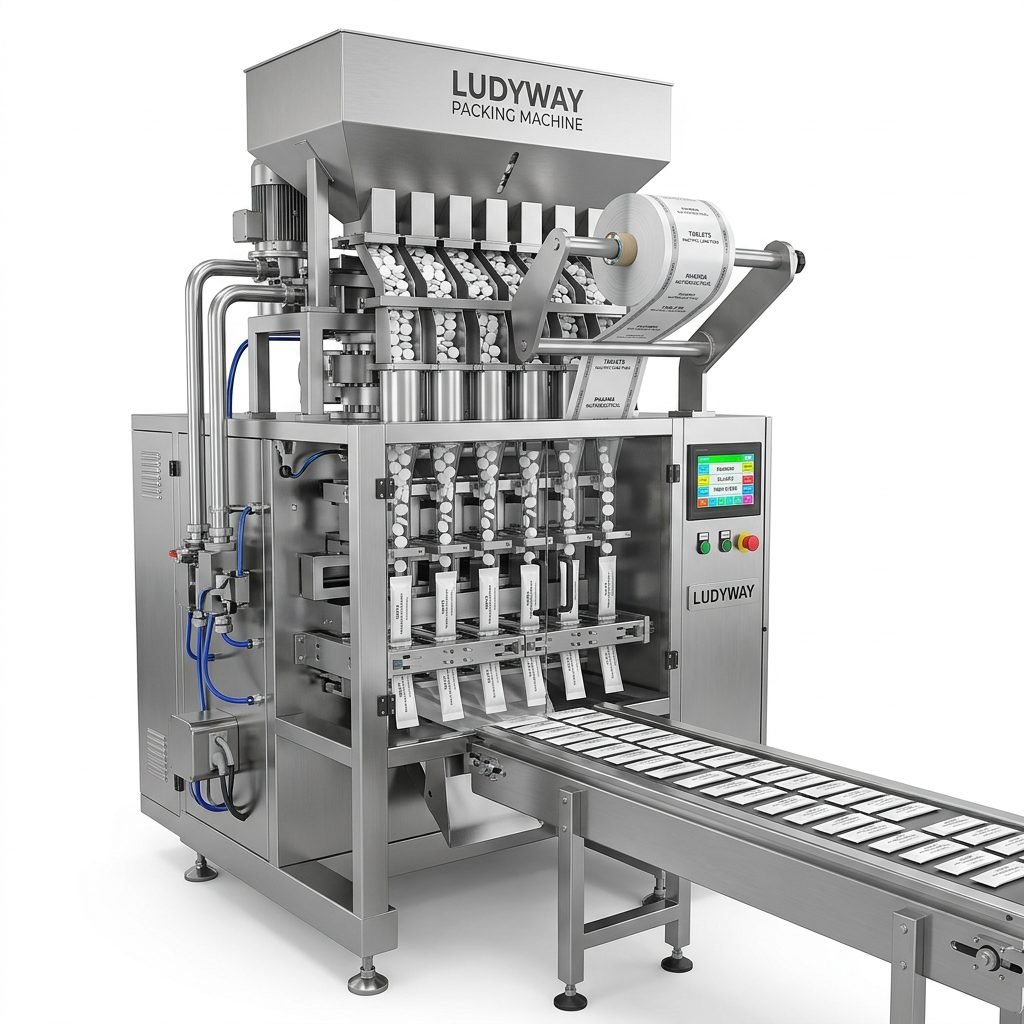
- Stick pack and sachet packaging
- Bottle or jar filling
- Date coding and batch printing
- Checkweighing and inspection
- Cartoning and case packing
- Palletizing and warehouse handling
Why Efficient Packaging Systems Matter
An efficient packaging solution does more than wrap a product. It helps a manufacturer control costs, maintain product quality, and respond faster to market demand. As labor costs rise and consumers expect better packaging appearance and reliability, automation becomes a strategic investment rather than a simple equipment purchase.
| Benefit | Operational Impact |
|---|---|
| Higher throughput | Increases output per shift and reduces bottlenecks |
| Consistent pack quality | Improves sealing accuracy, fill consistency, and visual presentation |
| Labor savings | Reduces repetitive manual tasks and improves workforce allocation |
| Better hygiene and safety | Supports controlled handling in food, pharma, and health sectors |
| Scalability | Makes it easier to expand lines or add new SKUs |
| Lower waste | Improves material usage and reduces reject rates |
Main Types of Packaging Equipment Systems
1. Vertical Form Fill Seal Systems
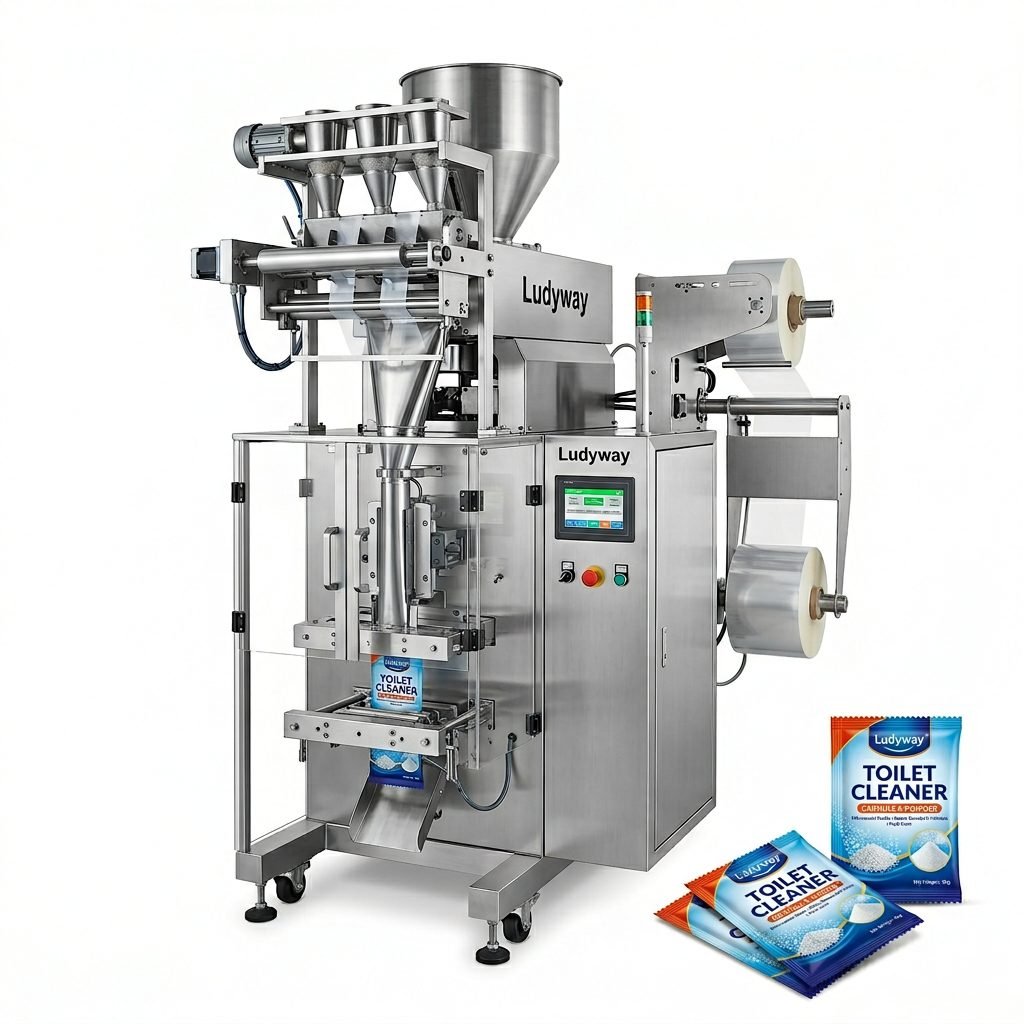
Vertical form fill seal systems are widely used for powders, granules, and some liquids. These machines form the package from roll film, fill the product, and seal it automatically. They are popular for food powders, seasonings, grains, coffee, sugar, and pharmaceutical granules.
Best for
- Powders and granules
- Pillow bags and back-seal pouches
- High-volume automated production
2. Sachet and Stick Pack Systems
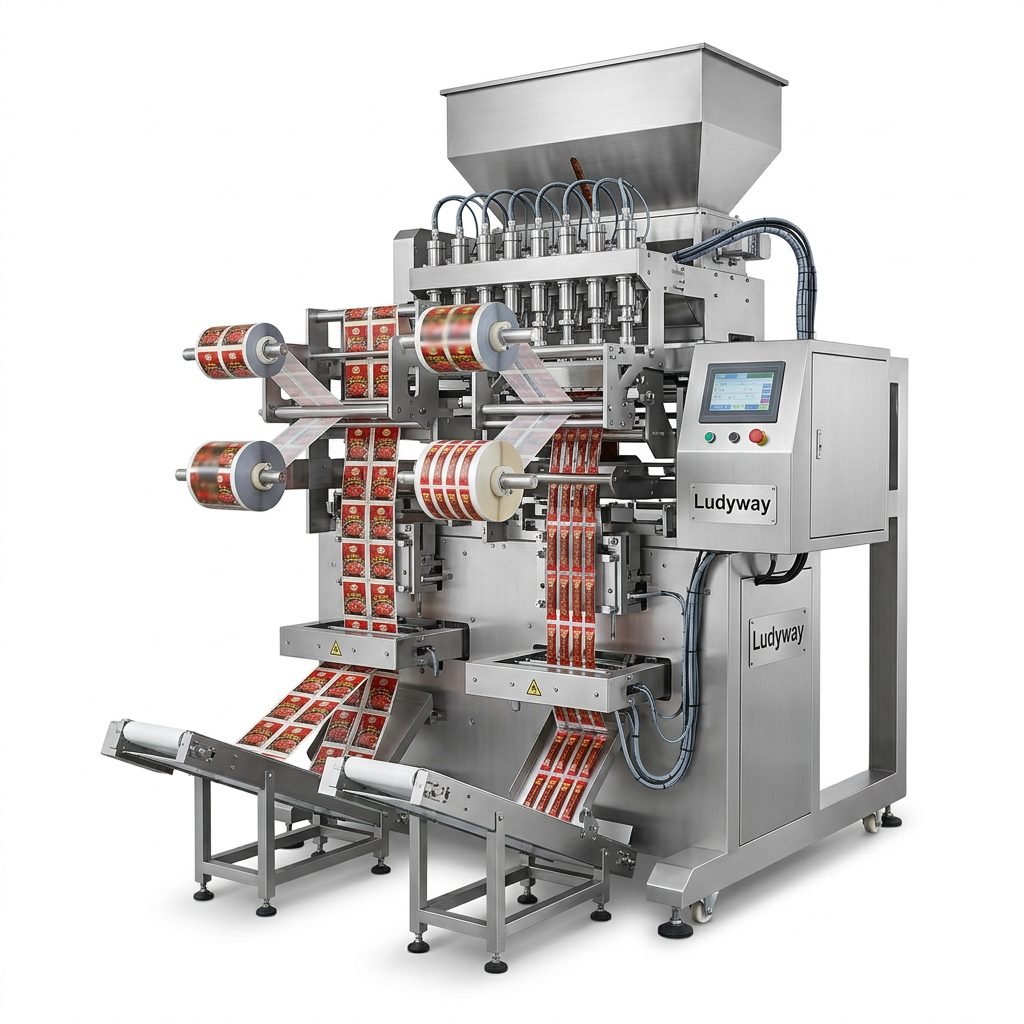
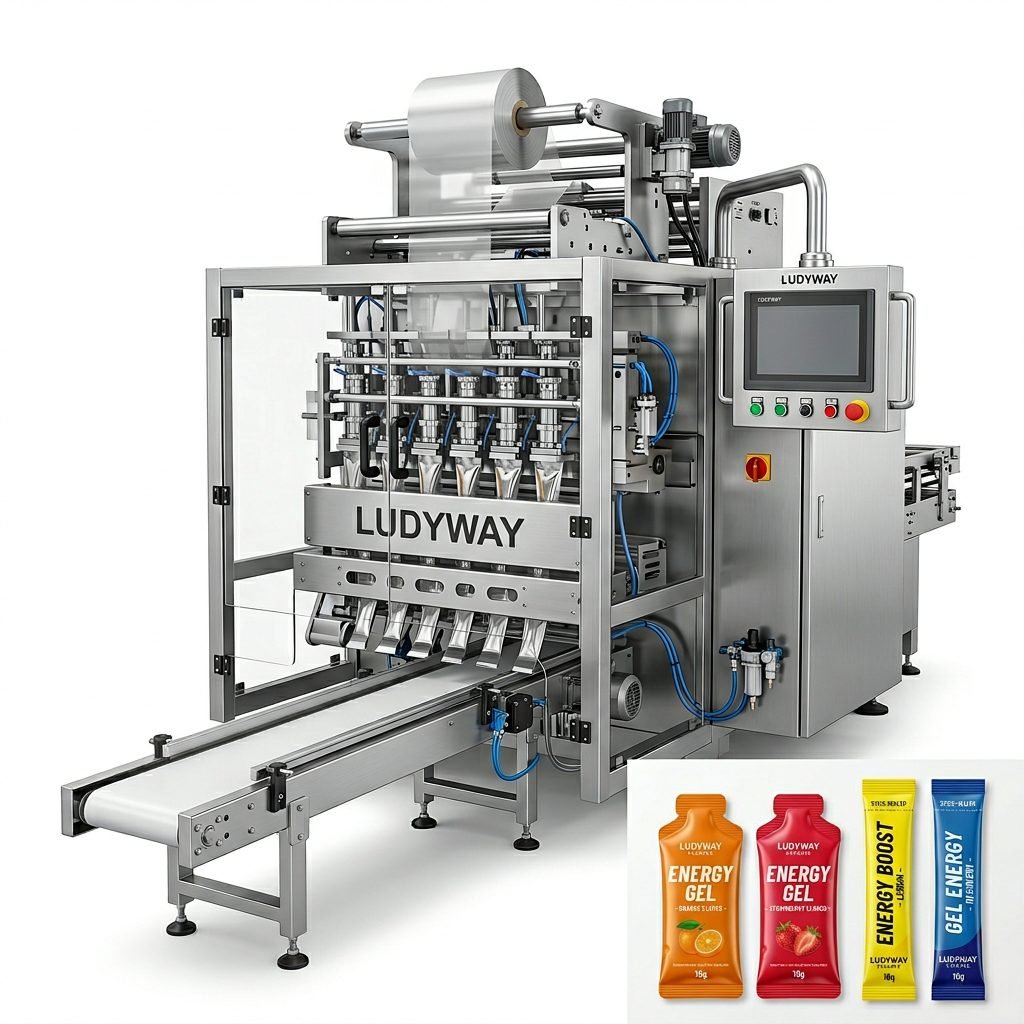
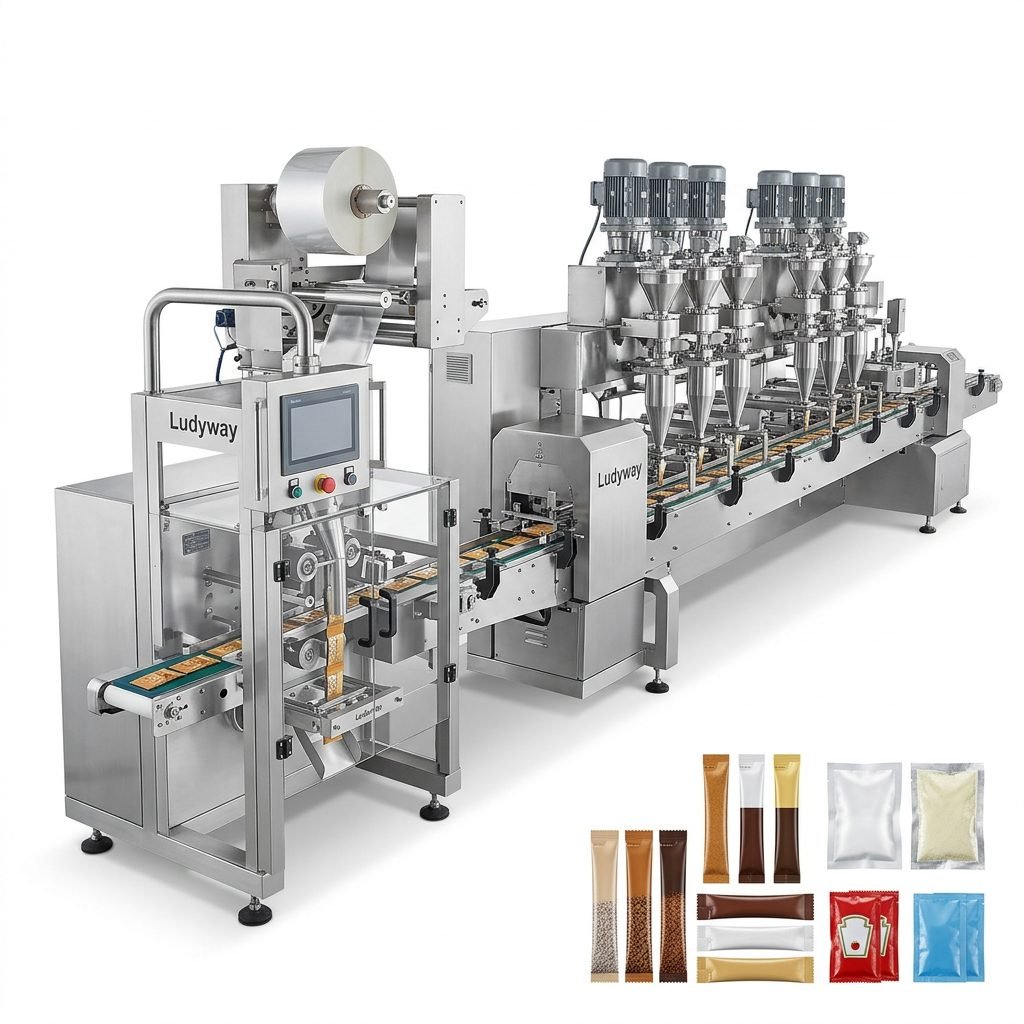
These systems are ideal for single-serve products and high-speed multi-lane production. They are commonly used for instant beverages, health supplements, sauces, creams, and pharmaceutical powders. Stick packs and sachets help brands offer portable packaging with accurate dosing.
3. Premade Pouch Packaging Systems
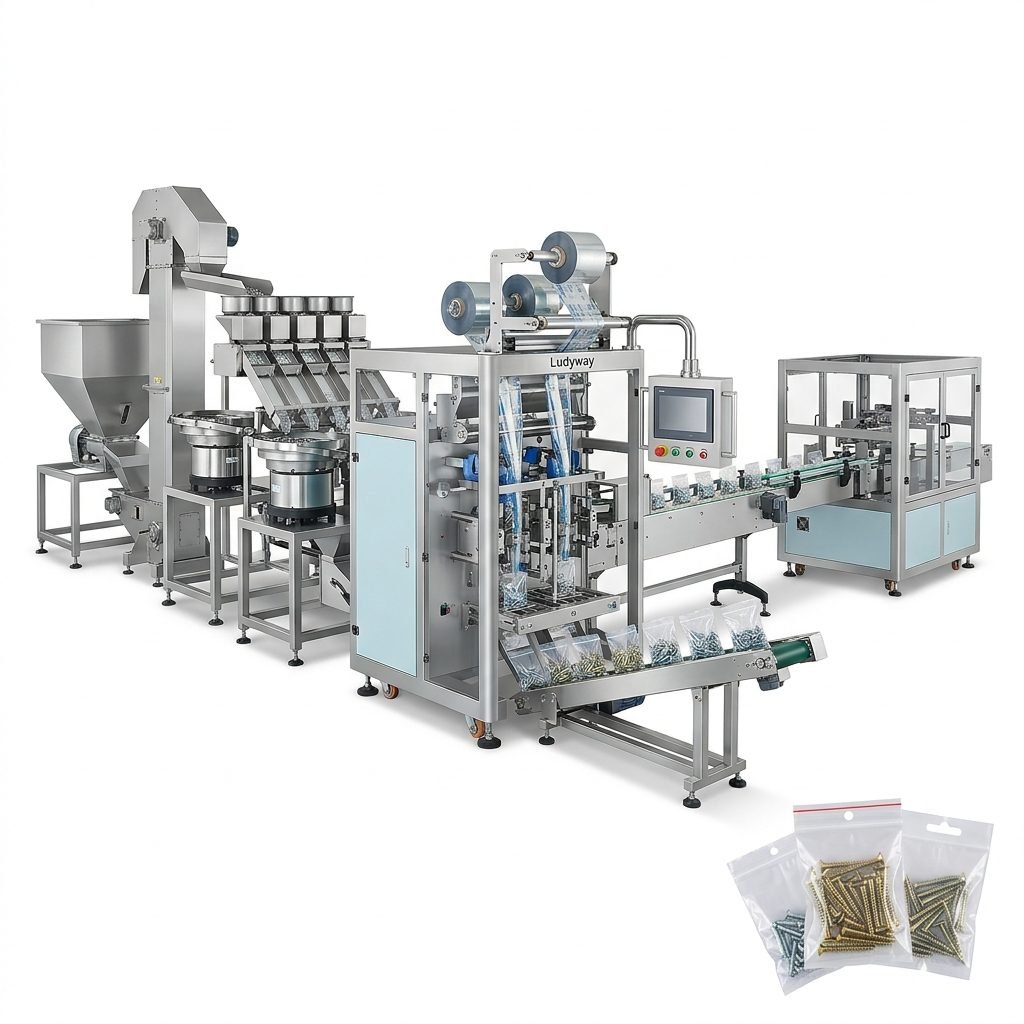
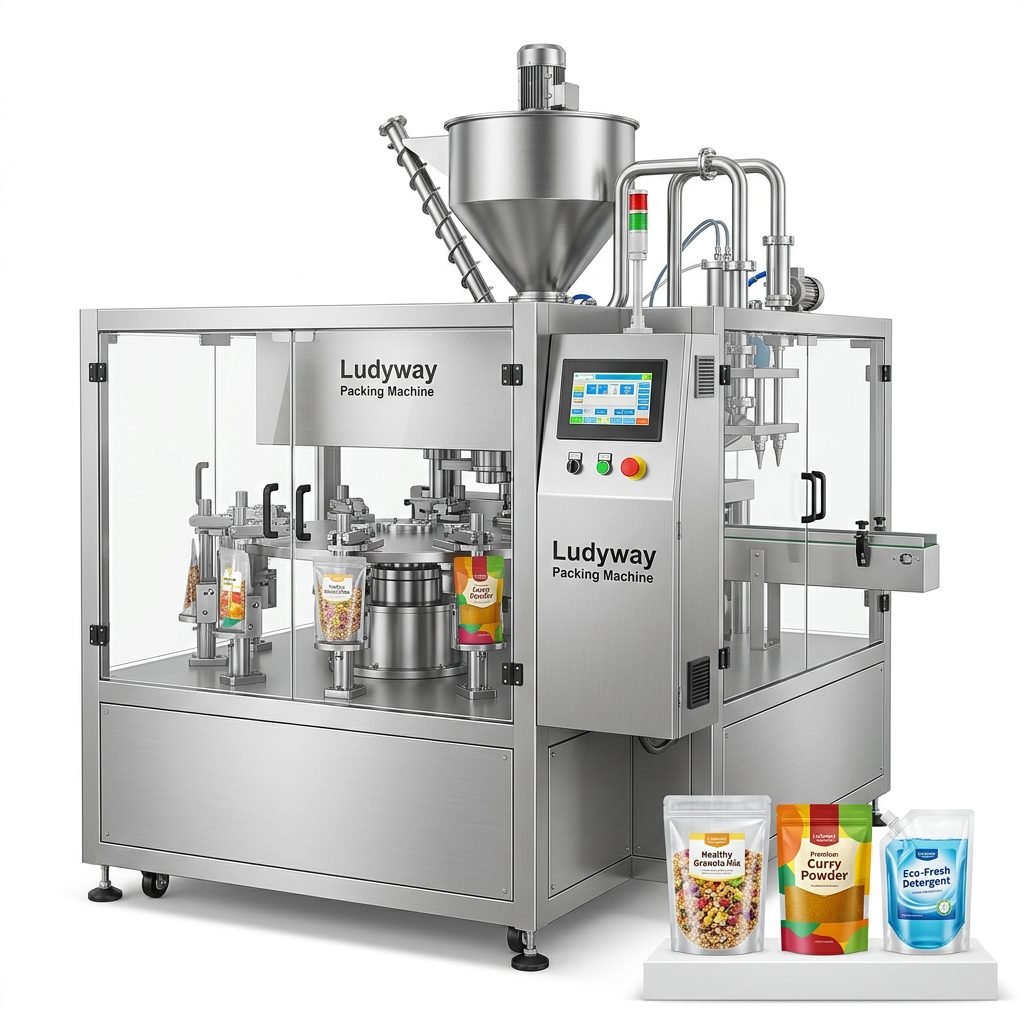
Premade pouch systems fill and seal ready-made bags such as zipper pouches, stand-up pouches, and flat pouches. They are a strong choice for premium retail packaging and products that need shelf appeal.
4. Bottle and Jar Filling Systems
These lines typically include unscramblers, fillers, cappers, labelers, and inspection units. They suit tablets, capsules, powders, liquids, oils, and health products requiring rigid packaging formats.
5. Cartoning and End-of-Line Systems
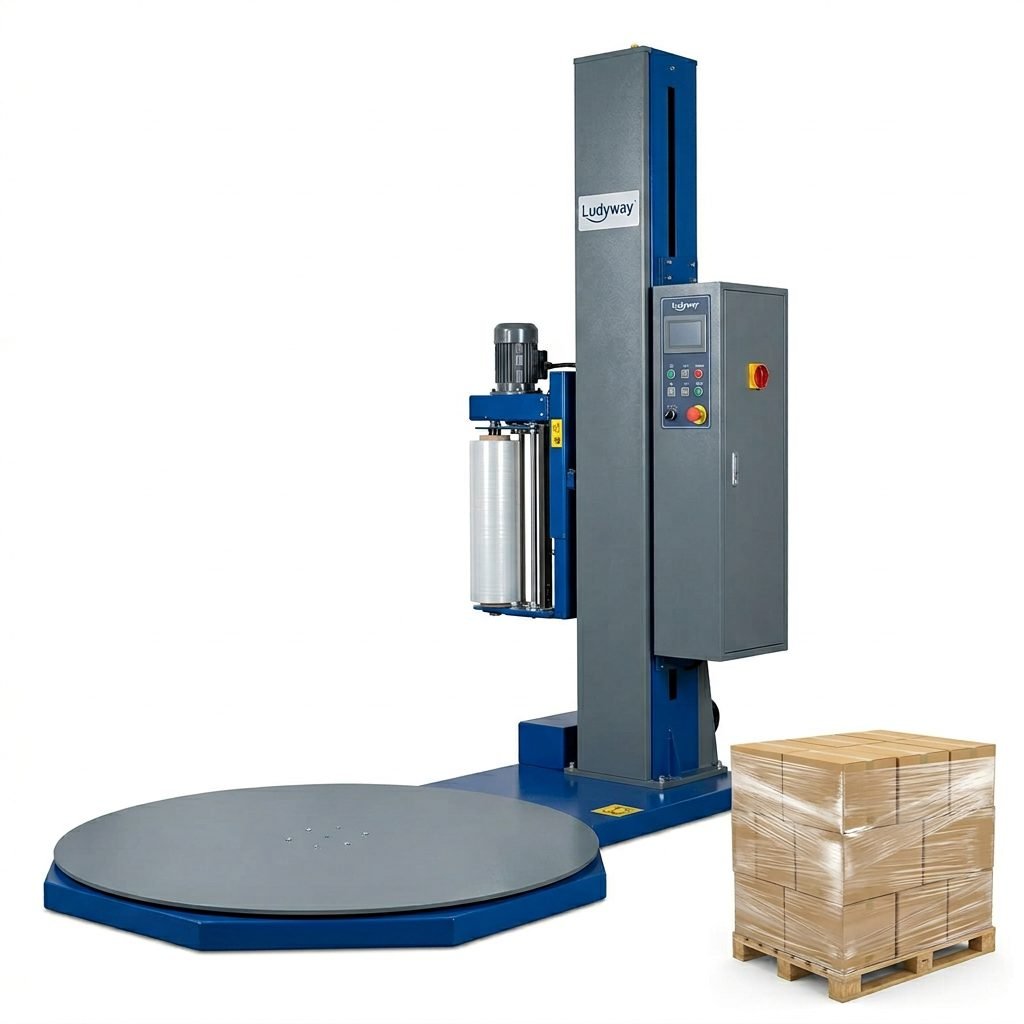
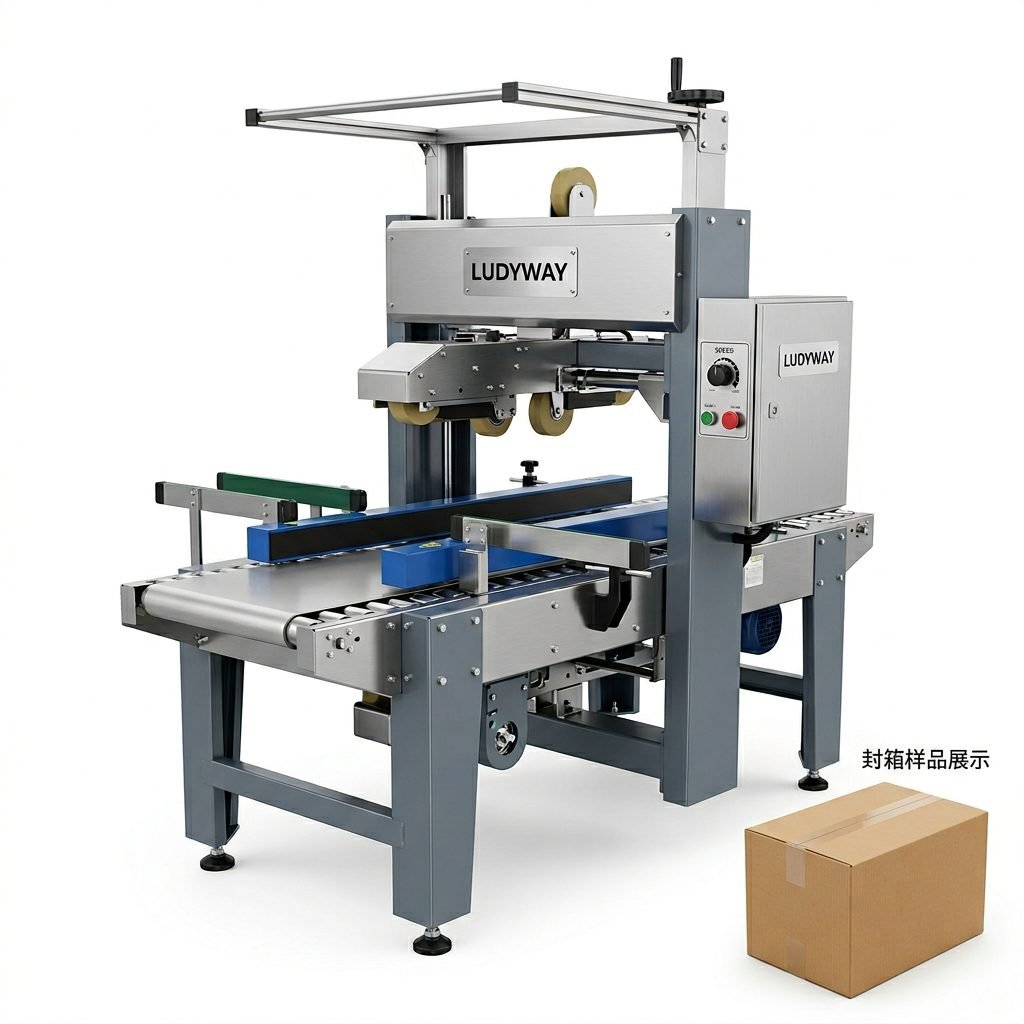
Once primary packaging is complete, cartoning, case packing, sealing, palletizing, and wrapping systems prepare products for transport and distribution. This stage is essential for efficiency in warehouse and logistics operations.
Core Components of a Complete Packaging Line
A high-performing packaging line is built from compatible modules. The exact configuration depends on product type, package format, output target, and factory layout, but most systems include the following core elements:
| Component | Purpose |
|---|---|
| Feeding system | Transfers product steadily to the packaging machine |
| Dosing or weighing unit | Ensures accurate fill quantity |
| Packaging machine | Forms, fills, and seals the package |
| Printing system | Applies date, lot code, barcode, or traceability information |
| Inspection equipment | Checks weight, metal contamination, or seal quality |
| Secondary packaging | Groups products into cartons or cases |
| Palletizing system | Stacks finished cases for shipment |
Industries That Rely on Packaging Equipment Systems
Food and beverage
Food producers use automated systems for coffee, sugar, snacks, spices, dairy powder, instant drink mixes, cereals, sauces, and frozen products. Hygiene, speed, and shelf-life protection are major priorities.
Pharmaceutical and nutraceutical
These sectors need precise dosing, lot traceability, clean design, and stable sealing performance. Packaging systems are often used for powders, granules, oral liquids, sachets, stick packs, tablets, and capsules.
Cosmetics and personal care
Creams, serums, shampoos, facial masks, lotions, and sample packs benefit from multi-lane sachet and stick pack systems as well as bottle and tube filling lines.
Chemical and industrial products
Detergents, cleaners, additives, powders, and liquid chemicals require durable equipment, sealing reliability, and packaging materials suited to more demanding formulations.
Animal feed and pet nutrition
Granules, pellets, powders, freeze-dried products, and supplements are commonly packed through automated weighing, bagging, pouching, or sachet systems to support higher production efficiency.
How to Choose the Right Packaging Equipment System
Selecting the right system requires more than comparing machine prices. A lower initial cost may result in higher operating costs, unstable output, and expensive downtime. A better approach is to evaluate the entire production objective.
Key selection factors
- Product characteristics — powder, granule, liquid, paste, tablet, fragile snack, or irregular shape
- Packaging format — sachet, stick pack, pouch, bottle, jar, bag, carton, or bulk pack
- Target output — packs per minute, shift capacity, and annual volume
- Accuracy requirement — especially important for pharma, health products, and premium ingredients
- Automation level — semi-automatic, fully automatic, or turnkey line integration
- Factory space — line layout, operator access, maintenance area, and future expansion room
- Compliance needs — food-grade design, GMP-oriented needs, traceability, or export standards
- After-sales support — commissioning, spare parts, training, and technical response
Tip: The best packaging solution is not always the fastest machine. It is the system that delivers stable performance, easy changeover, reliable sealing, and the lowest total cost of ownership over time.
Standalone Machines vs Turnkey Packaging Systems
Some buyers begin with a single packaging machine, while others invest directly in a fully integrated line. The right choice depends on budget, production maturity, and growth plans.
| Option | Best For | Considerations |
|---|---|---|
| Standalone machine | Smaller operations or targeted production needs | May require more manual handling and future integration work |
| Turnkey packaging system | Growing manufacturers and large-volume projects | Higher upfront planning, but better line coordination and scalability |
Features That Improve Packaging Efficiency
Modern packaging systems increasingly include smart functions that make operation easier and more reliable. These features help reduce changeover time, operator errors, and quality variation.
- Servo-driven control for precise movement
- Touchscreen HMI for easy parameter setting
- Recipe storage for quick product switching
- Automatic film tracking and tension control
- Integrated reject systems for defective packs
- Remote diagnostics and maintenance support
- Data collection for production monitoring
- Modular design for future upgrades
Common Challenges in Packaging Operations
Even advanced lines can face production issues if the system is poorly matched to the product or operating environment. Understanding common problems helps buyers make better equipment decisions.
Frequent issues
- Inconsistent fill weights
- Seal leaks or poor package appearance
- Frequent stoppages due to unstable feeding
- Long changeover times between SKUs
- Material waste from incorrect film or pouch settings
- Limited compatibility with new package formats
- Weak integration between machines from different suppliers
These issues can often be reduced through proper system engineering, product testing, operator training, and choosing an experienced packaging line manufacturer.
The Value of Custom Packaging Solutions
Not every factory needs the same equipment configuration. Product density, flowability, moisture sensitivity, package size, and target speed all influence system design. That is why many buyers choose custom packaging solutions instead of generic setups.
Customized systems may include:
- Specialized auger fillers for fine powders
- Multi-head weighers for irregular granules
- Liquid pumps for viscous sauces or creams
- Dust collection for powder handling
- Nitrogen flushing for shelf-life extension
- Custom line layouts for compact plants
- Industry-specific compliance configurations
Choosing a Reliable Packaging Equipment Manufacturer
The supplier matters as much as the machine itself. A reliable manufacturer should understand both equipment design and real production application. Buyers should look for proven export experience, engineering depth, machine variety, and the ability to support complete line integration.
For businesses seeking scalable automation, packaging equipment systems from Ludyway are often considered for food, pharmaceutical, health supplement, cosmetic, chemical, and pouch-based production projects. With more than 30 years of manufacturing experience, a factory area of over 20,000 square meters, and a broad portfolio of automated machines and turnkey lines, the company supports a wide range of packaging applications for global markets.
What to ask before buying
- Can the system run my actual product samples?
- What is the realistic output under working conditions?
- How easy is cleaning and maintenance?
- What spare parts are recommended for startup?
- How long does installation and commissioning take?
- Can the line be expanded later?
- What technical support is available after delivery?
Future Trends in Packaging Equipment Systems
The packaging industry is moving toward smarter, more flexible, and more connected production. Manufacturers increasingly want systems that can handle multiple SKUs, integrate with factory data systems, and support more sustainable packaging materials.
Trends to watch
- Smart automation with real-time monitoring
- More flexible multi-format packaging capability
- Higher demand for compact, modular lines
- Integration of inspection and traceability systems
- Support for recyclable and lightweight packaging materials
- Greater use of robotics in cartoning and palletizing
Final Buying Perspective
Investing in packaging equipment systems is really about building a more competitive operation. The right solution improves productivity, supports stable quality, reduces labor dependence, and helps brands scale with confidence. Whether you need a sachet machine, a stick pack system, a bottle filling line, or a complete turnkey production line, the best results come from matching the equipment to your product, packaging format, and long-term business goals.
If efficiency, flexibility, and reliable automation are your priorities, a well-designed packaging system can become one of the most valuable assets in your production facility.