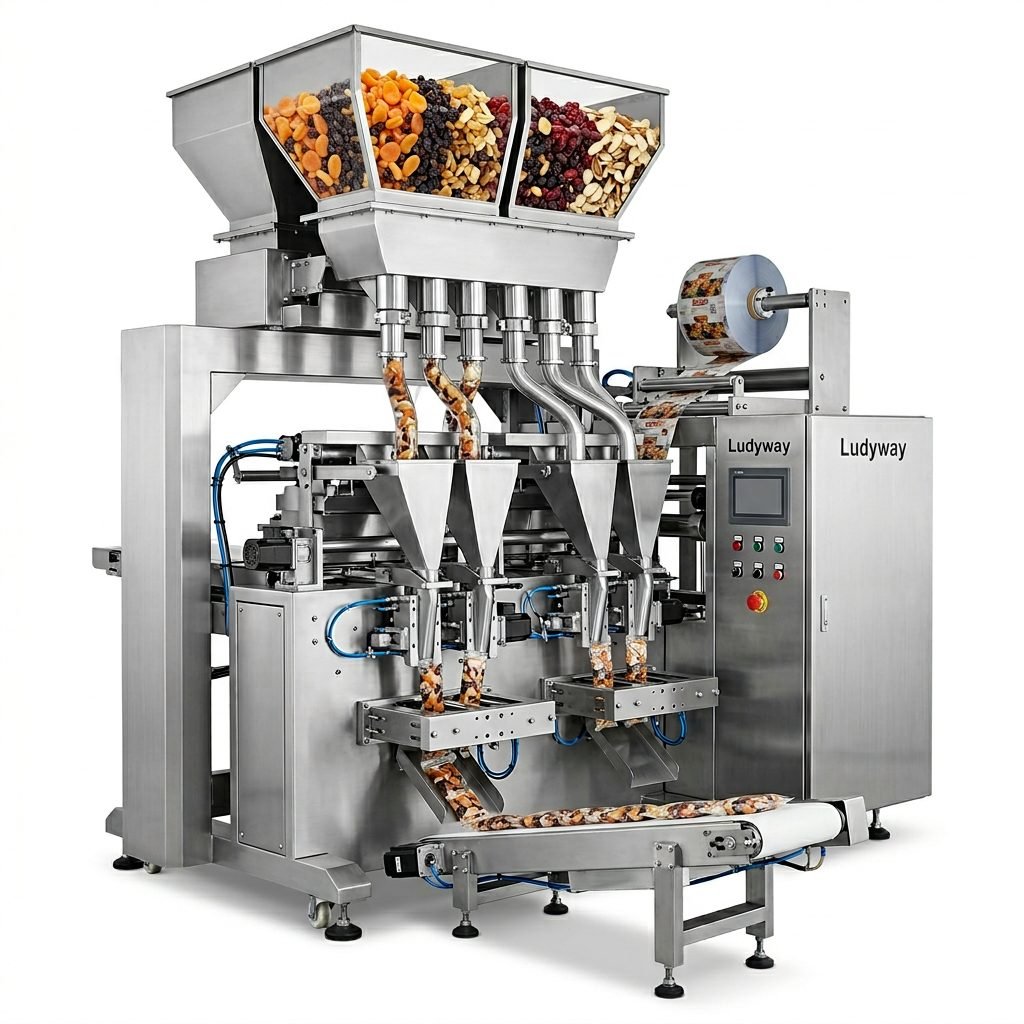
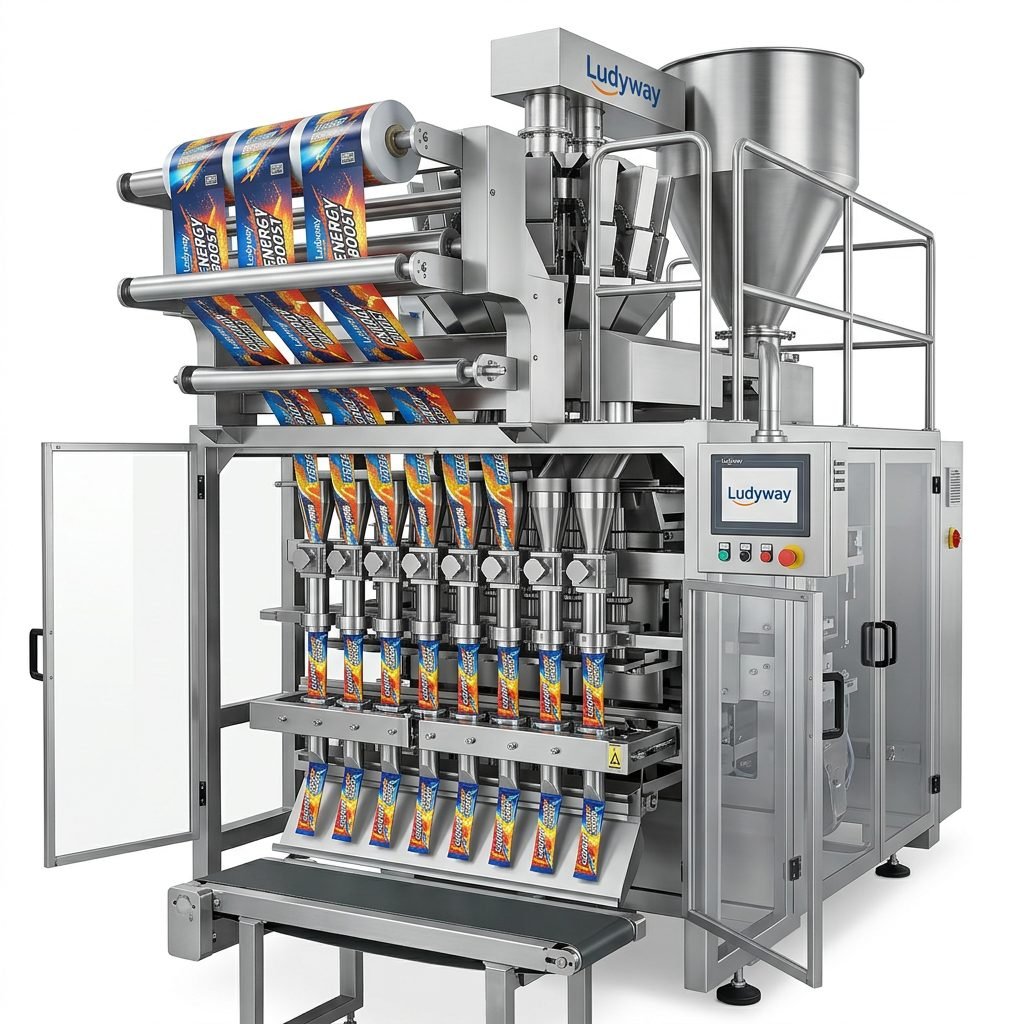
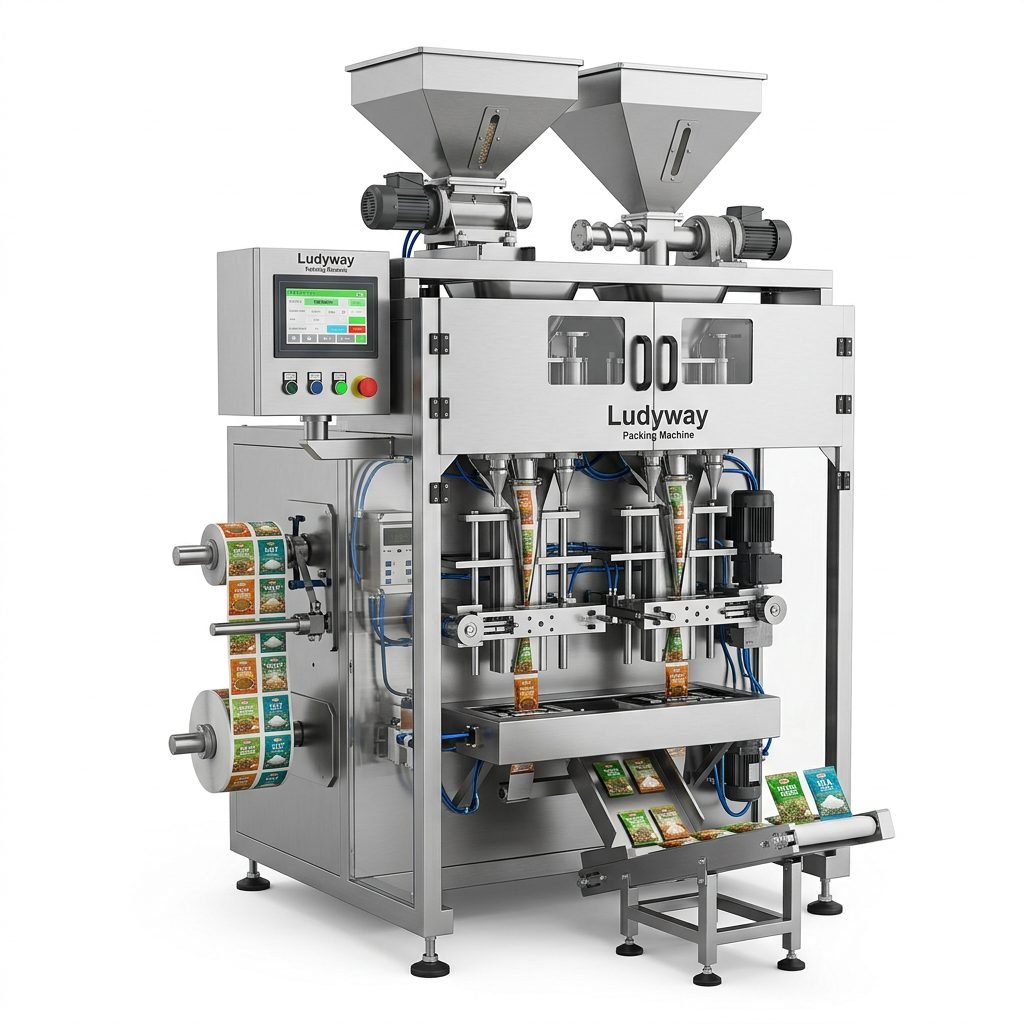
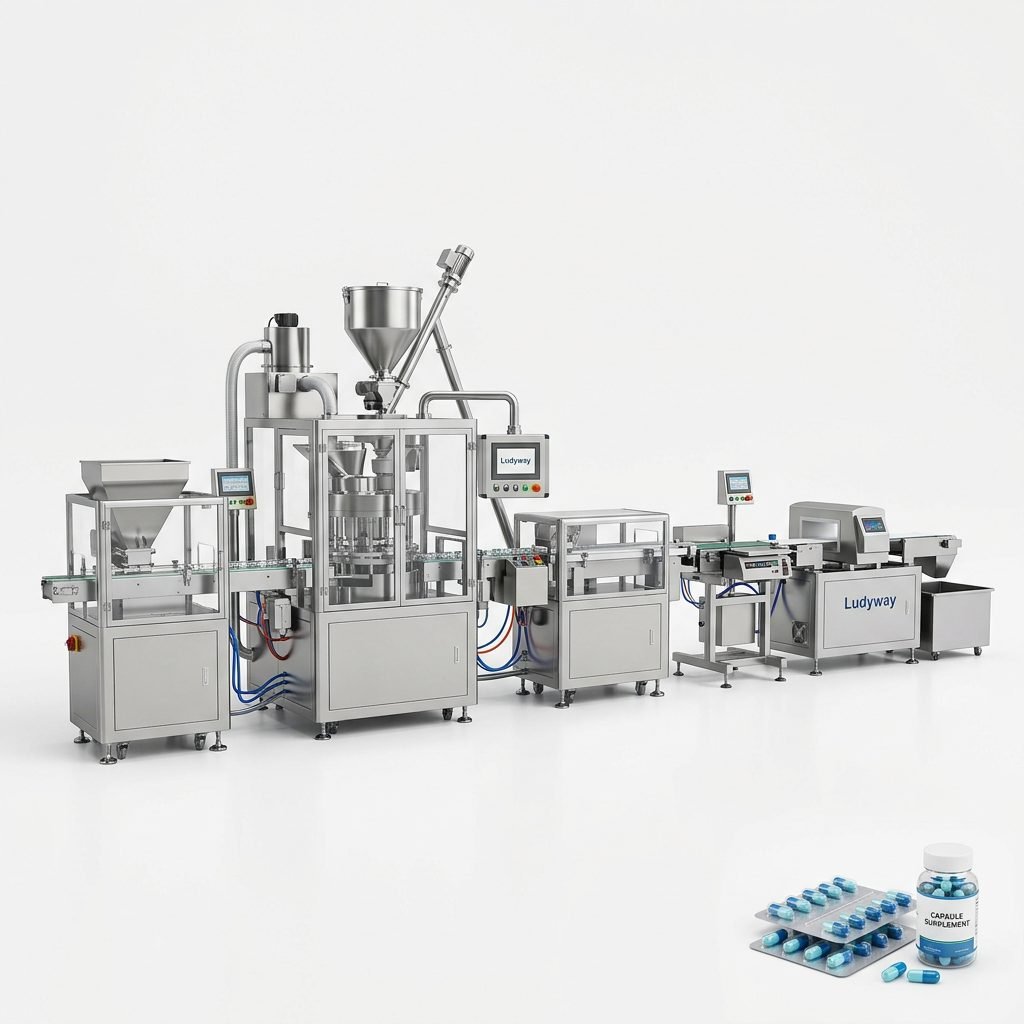
Skin film packaging, also known as skin packaging or skin pack, is a versatile and widely used method for protecting and presenting products. At the heart of this process is the skin film packaging machine, a sophisticated piece of equipment that creates a tight, transparent film over a product and a backing card. This method is prevalent across numerous industries, from consumer electronics and hardware to food and pharmaceuticals, due to its excellent product visibility and protective qualities. Understanding how these machines work, their benefits, and what to consider when purchasing one is crucial for businesses looking to enhance their packaging operations.
The Core Mechanism: How a Skin Film Packaging Machine Works
The operation of a skin film packaging machine is a precise, multi-step process that transforms a roll of plastic film into a secure, form-fitting package. While specific models may vary, the fundamental workflow remains consistent across most machines.
Step 1: Product Loading and Film Feeding
The process begins by placing the product onto a pre-cut backing card, typically made of paperboard or corrugated material. This card-product assembly is then positioned on the machine’s loading platform or conveyor. Simultaneously, a roll of specialized thermoplastic film—often PVC, PET, or PE—is fed into the machine above the product.
Step 2: Heating and Softening the Film
The film passes over a heating element, which softens it to a pliable state. Precise temperature control is critical here; the film must be heated enough to become stretchable without melting or burning. Modern machines feature advanced digital thermostats to maintain consistent heating for uniform results.
Step 3: Draping and Vacuum Sealing
This is the most critical phase. The softened film is draped over the product and card. A vacuum system underneath the platform then activates, sucking all the air out from between the film and the card. This vacuum action pulls the film tightly down, conforming it exactly to the contours of the product and sealing it to the porous backing card. The vacuum must be strong and consistent to eliminate all air pockets and ensure a wrinkle-free, “second-skin” fit.
Step 4: Cooling and Trimming
Once sealed, the package is cooled, often with the help of fans or a cooling plate, to solidify the film and set the seal. Finally, the excess film around the edges of the card is trimmed off, resulting in a clean, finished package ready for display or shipping.
Key Benefits of Implementing Skin Packaging Machinery
Investing in a skin film packaging system offers a multitude of advantages that can significantly improve product presentation, protection, and operational efficiency.
Superior Product Protection and Security
The skin-tight seal acts as a robust barrier against dust, moisture, and tampering. Products are held firmly in place, preventing movement and damage during transit. This is especially valuable for items with multiple components or fragile parts.
Enhanced Visual Appeal and Merchandising
The crystal-clear film provides 360-degree visibility, allowing customers to inspect the product without opening the package. This “try-before-you-buy” visual appeal is a powerful sales tool on retail shelves. The backing card offers ample space for branding, instructions, and graphics.
Operational Efficiency and Versatility
Modern machines are designed for speed and ease of use. Automated models can significantly increase output compared to manual methods. Furthermore, a single machine can often handle a wide range of product sizes and shapes by simply adjusting settings or tooling, making it a flexible asset for diverse product lines.
Material and Cost Efficiency
Skin packaging typically uses less plastic than traditional clamshell blisters, as the film is drawn tightly to the product’s shape. This reduces material costs and can contribute to more sustainable packaging goals by minimizing waste. The process also often eliminates the need for expensive custom-molded plastic trays.
Essential Buying Guide: Choosing the Right Machine
Selecting the ideal skin film packaging machine requires careful consideration of your specific production needs. Here are the key factors to evaluate.
1. Assess Your Production Requirements
Start by defining your output volume (packages per hour), product dimensions, and the types of materials you plan to use (film and card stock). This will determine whether you need a manual, semi-automatic, or fully automatic machine. High-volume operations will benefit from the speed of an automatic skin packaging machine with integrated feeding and trimming systems.
2. Evaluate Machine Features and Build Quality
Look for robust construction with durable components like stainless steel frames. Critical features include:
✓ Precise Digital Temperature Control: For consistent film softening.
✓ Powerful Vacuum System: Measured in horsepower or cubic feet per minute (CFM), crucial for a perfect seal.
✓ Adjustable Cycle Time: Allows optimization for different products.
✓ User-Friendly Interface: Simplifies operation and changeovers.
3. Consider Technical Support and Service
The reliability of the manufacturer is as important as the machine itself. Choose a supplier with a proven track record, like Ludyway Packing Machine, known for offering comprehensive support. Ensure they provide clear documentation, readily available spare parts, and responsive technical service to minimize potential downtime.
4. Plan for Integration and Future Needs
Consider how the machine will fit into your existing production line. Does it require special utilities (electrical, compressed air)? Also, think about scalability—will the machine accommodate potential future increases in production or new product designs? Some suppliers offer customized packaging solutions to meet evolving needs.
Frequently Asked Questions (FAQs)
What types of products are best suited for skin packaging?
Skin packaging is exceptionally versatile. It is ideal for hardware (tools, fittings), consumer goods (electronics, toys), food items, medical devices, and industrial parts. Essentially, any product that benefits from being securely held and visually displayed can be a good candidate.
What is the difference between skin packaging and blister packaging?
The key difference lies in the forming process. Blister packaging uses a pre-formed rigid plastic cavity (the blister) that is heat-sealed to a card. Skin packaging uses a film that is heated and vacuum-drawn directly over the product on the card, creating a tighter, conforming fit that uses less plastic.
How do I choose the right film for my skin packaging machine?
Film selection depends on your product and desired package characteristics. Common options include PVC (clear, cost-effective), PET (stiffer, more eco-friendly), and PE (soft, good for heavy items). Consult with your machine supplier or film manufacturer to match the film gauge and type to your specific application.
Can skin packaging machines handle irregularly shaped or heavy items?
Yes, one of the strengths of skin packaging is its ability to conform to complex shapes. For heavy items, a stronger, thicker film (like high-density PE) and a machine with a powerful vacuum system are necessary to ensure a secure seal that can support the weight.
What maintenance does a skin packaging machine require?
Regular maintenance is essential for longevity and consistent performance. This typically includes daily cleaning of the heating plate and seal area, checking and cleaning vacuum filters, lubricating moving parts as per the manual, and periodically inspecting electrical connections and seals. Always follow the manufacturer’s maintenance schedule.