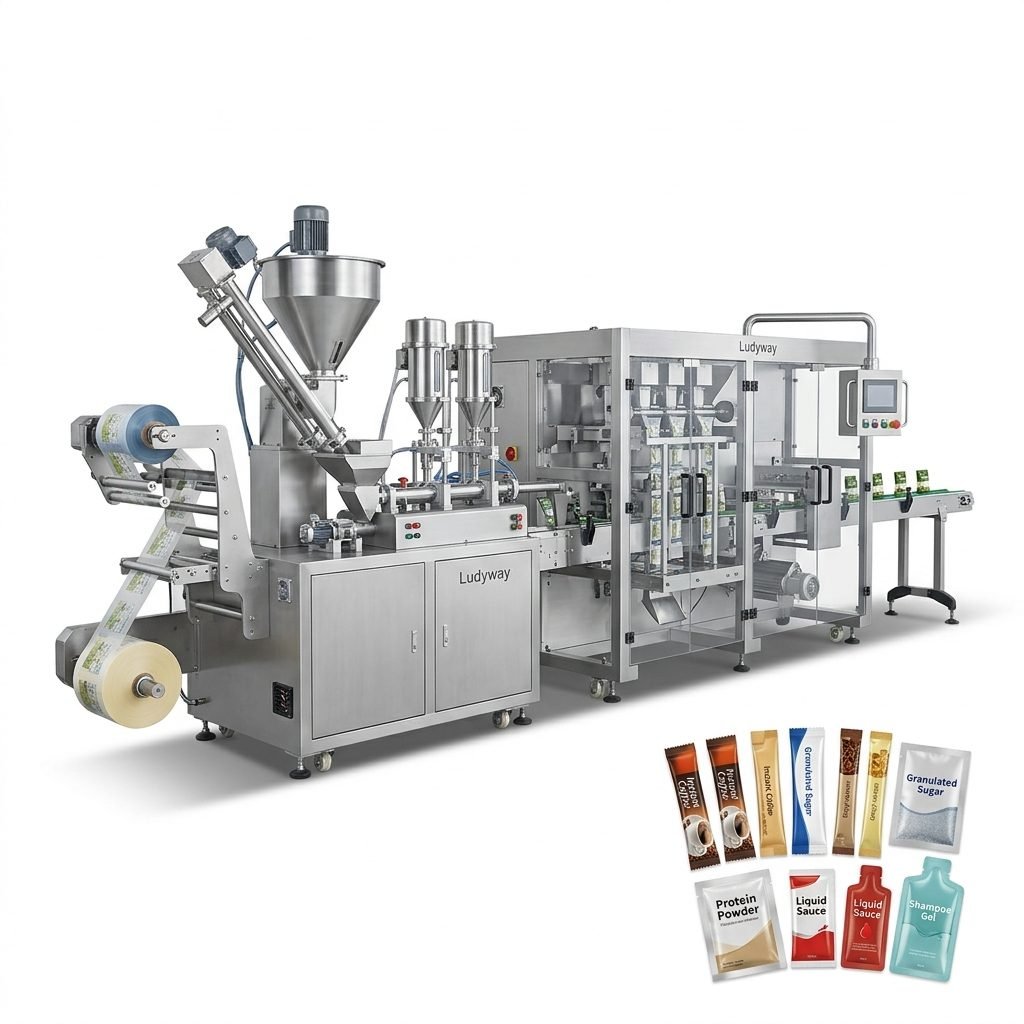
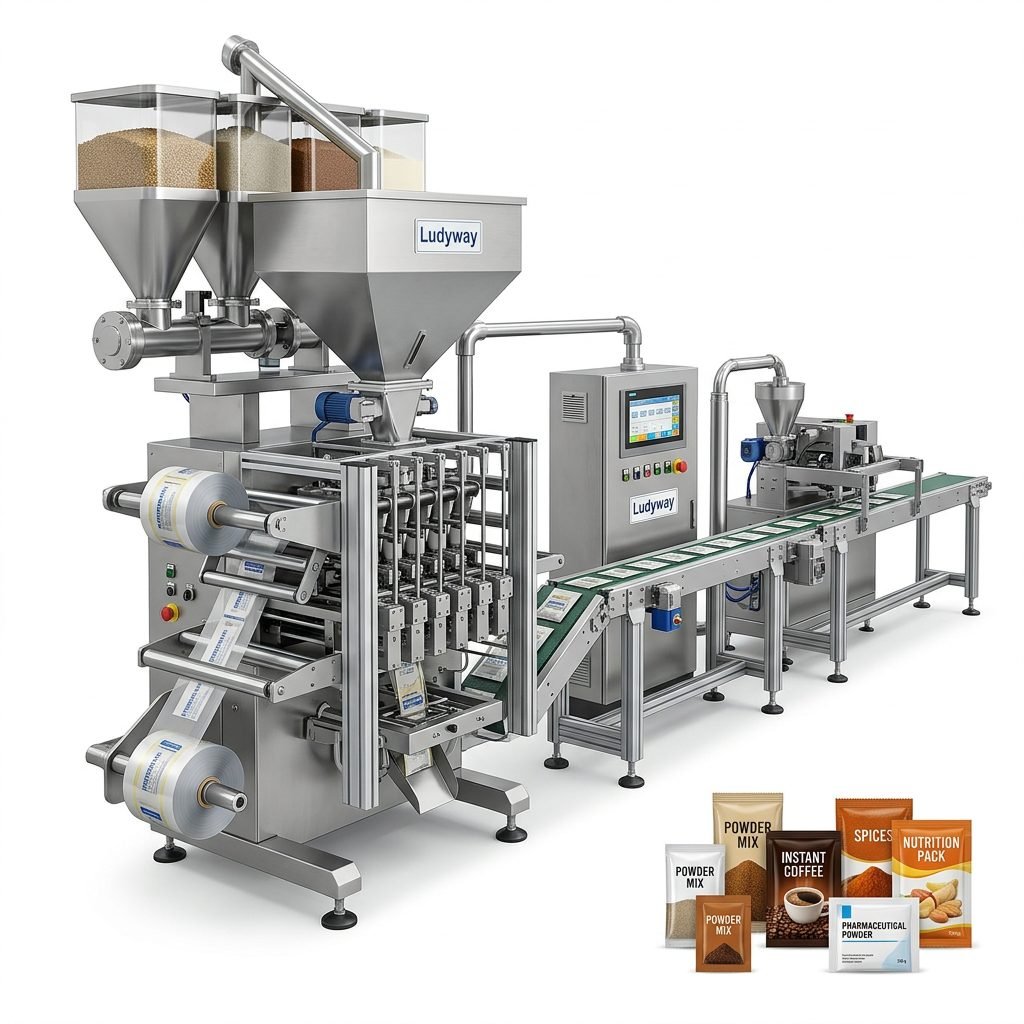
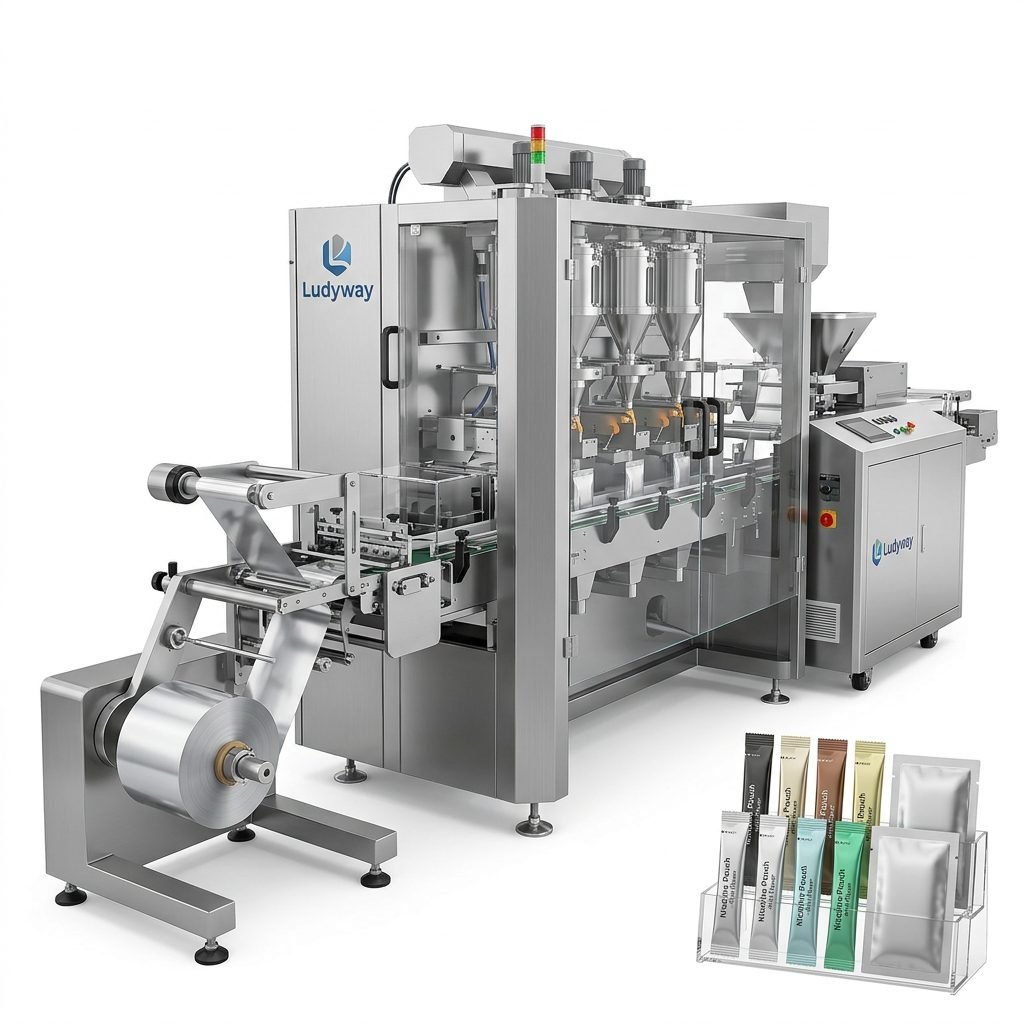
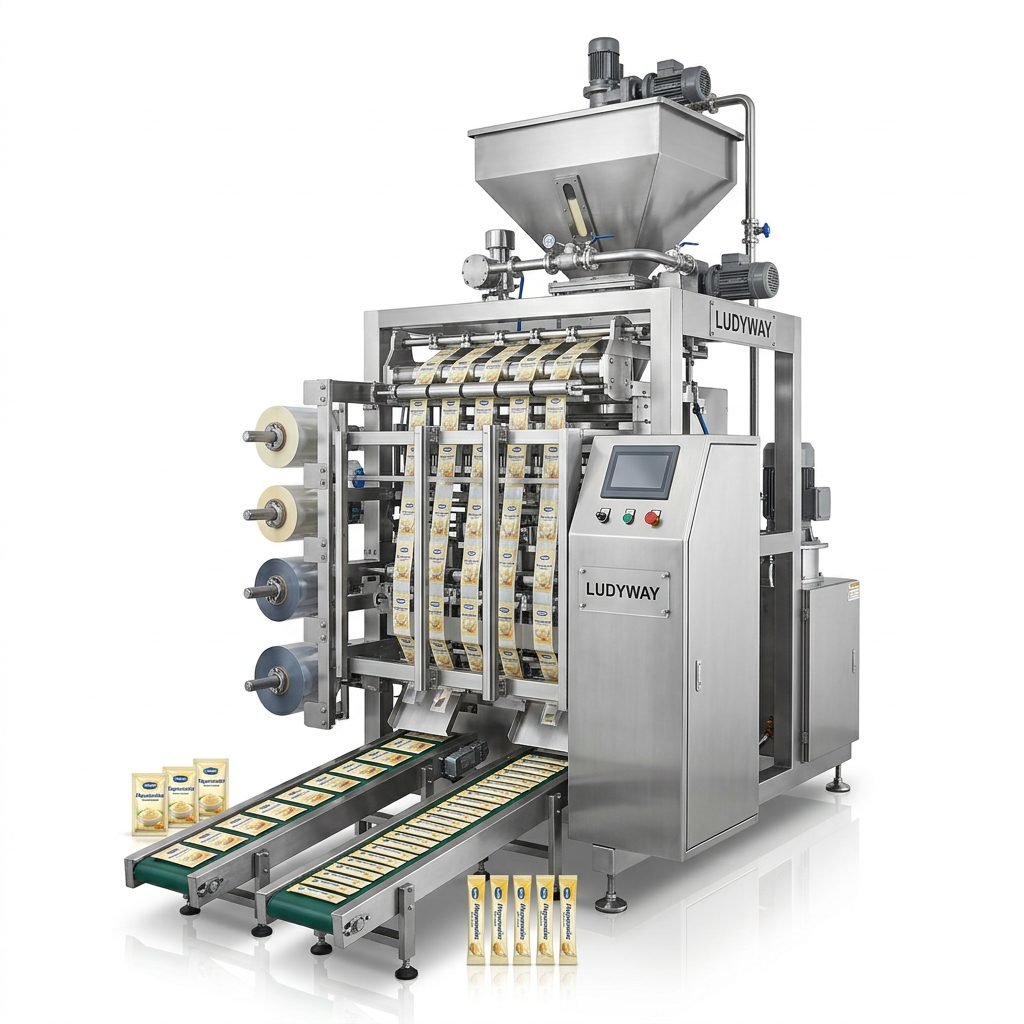
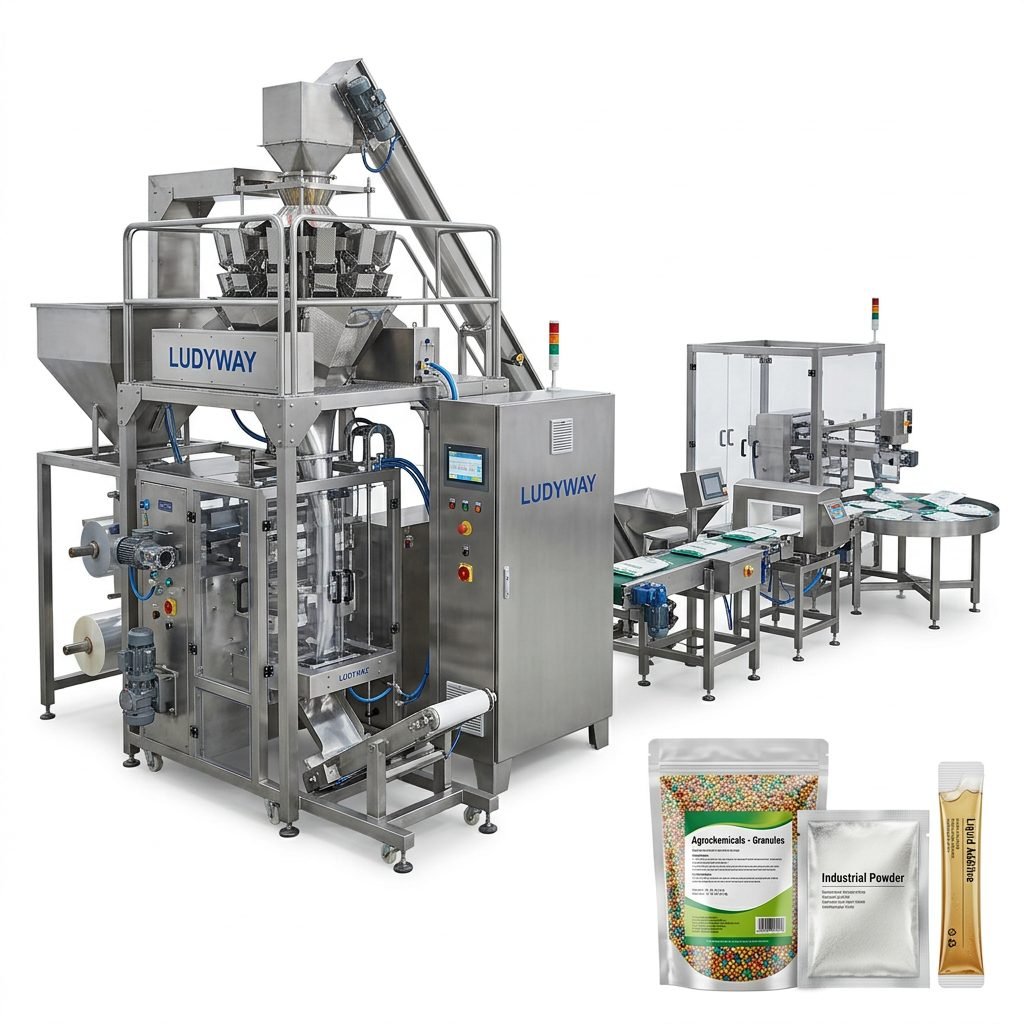
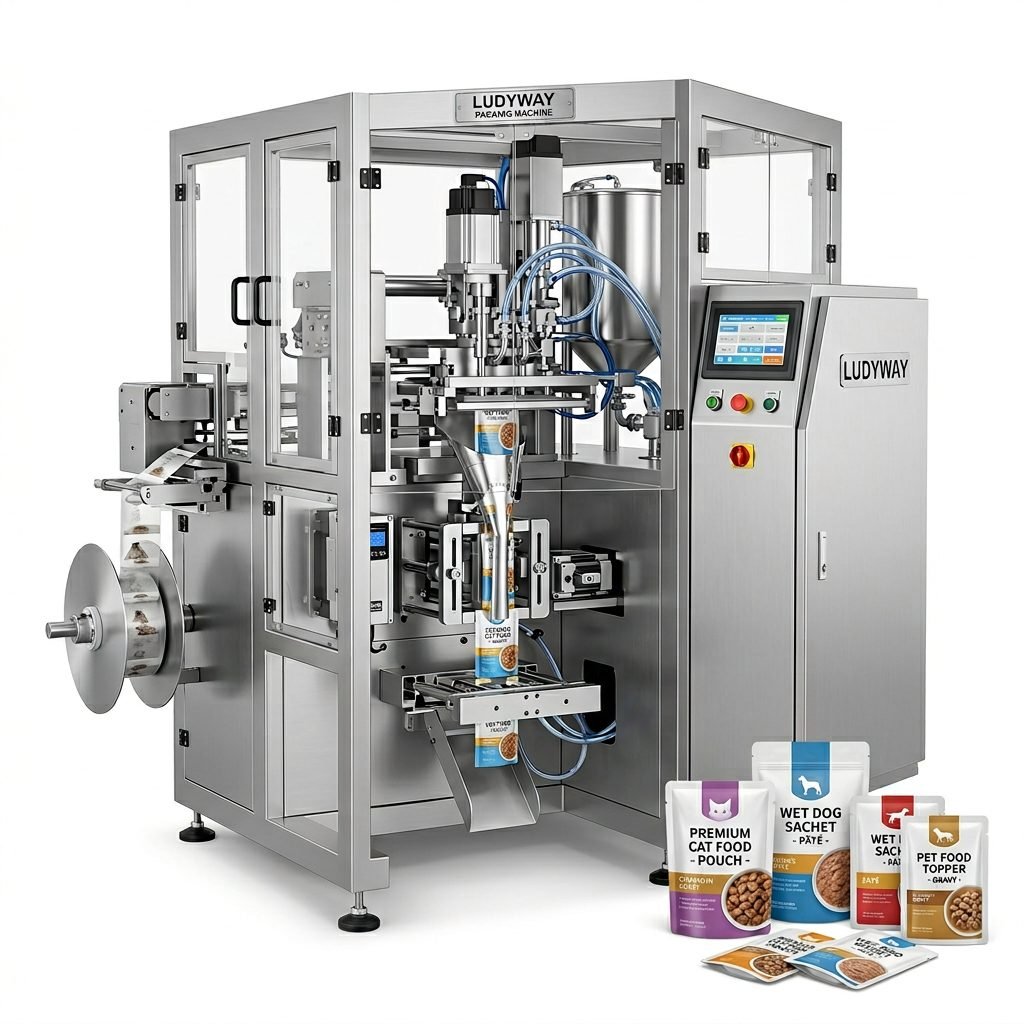
Navigating the world of small bottle packaging machinery can be a complex task, especially for businesses looking to scale production or enhance efficiency. Whether you’re packaging pharmaceuticals, cosmetics, beverages, or food products, selecting the right system is crucial for operational success. This guide will explore the various types of small bottle packaging machines, their key features, and provide a structured approach to choosing the system that best fits your production needs.
Understanding Different Types of Small Bottle Packaging Machines
The market offers a diverse range of equipment tailored to different bottle sizes, materials, and production volumes. Understanding these categories is the first step toward making an informed decision.
Volumetric Filling Machines
These machines are ideal for filling bottles with liquids, creams, or gels using a precise volumetric measurement system. They are commonly used in industries like cosmetics and pharmaceuticals where accuracy is paramount. Key advantages include high precision and suitability for a wide range of viscosities.
Auger Filling Machines
Designed for powders, granules, and other dry products, auger fillers use a rotating screw to dispense product into bottles. They offer excellent control over fill weight and are perfect for spices, supplements, or powdered chemicals.
Piston Filling Machines
Piston fillers are versatile systems capable of handling thick pastes, sauces, and semi-liquid products. They work by drawing product into a cylinder and then pushing it out into the container, ensuring consistent fills even with challenging viscosities.
Gravity Filling Machines
Simple and cost-effective, gravity fillers rely on the product’s own weight to flow into bottles. They are best suited for free-flowing liquids like water, oils, or simple solvents in low to medium-speed production environments.
Essential Features to Evaluate in a Packaging System
Beyond the type of filling mechanism, several critical features determine a machine’s performance, reliability, and integration into your production line.
Accuracy and Precision
For many products, especially in regulated industries, fill weight or volume accuracy is non-negotiable. Look for machines with advanced control systems, such as load cell weighing or high-resolution volumetric controls, to minimize waste and ensure compliance.
Speed and Production Capacity
Your required output dictates the necessary machine speed. Systems range from manual semi-automatic fillers to high-speed rotary machines capable of handling hundreds of bottles per minute. Consider not only peak speed but also sustainable, reliable throughput.
Versatility and Changeover Flexibility
If you package multiple products or frequently change bottle sizes, a machine with easy changeover capabilities is vital. Features like quick-adjustment mechanisms for bottle guides, fill heads, and height settings can drastically reduce downtime.
Automation and Integration Level
Modern packaging lines often integrate filling, capping, labeling, and sealing. Evaluate how well a potential machine can connect with upstream and downstream equipment. Look for compatibility with common conveyor systems and programmable logic controller (PLC) interfaces for seamless automation.
Construction and Durability
The build quality directly impacts longevity and maintenance costs. Machines constructed with stainless steel or other corrosion-resistant materials, and featuring high-quality drives and seals, are better suited for demanding production environments and offer a longer service life.
A Step-by-Step Guide to Choosing the Right System
Selecting a machine isn’t just about features; it’s a strategic decision that aligns with your business goals. Follow this practical framework.
Step 1: Define Your Core Requirements
Start by listing your specific needs: product type (liquid, powder, paste), bottle size and material, required fill accuracy, target production speed (bottles/hour), and available factory space. This creates your essential checklist.
Step 2: Assess Your Budget and ROI
Consider both the initial capital investment and the long-term operational costs. A more expensive, highly automated machine might offer a better return on investment through reduced labor, higher output, and less product giveaway compared to a cheaper, slower option.
Step 3: Prioritize Ease of Operation and Maintenance
Evaluate the machine’s user interface, training requirements, and accessibility for routine cleaning and maintenance. A system that is easy for your operators to run and service will improve overall line efficiency and reduce dependency on specialized technicians.
Step 4: Verify Compliance and Safety Standards
Ensure the machine meets all relevant industry and safety standards for your region and product type. This is particularly critical for food, pharmaceutical, and chemical packaging to avoid regulatory issues.
Step 5: Research Supplier Reputation and Support
The supplier’s expertise and after-sales service are as important as the machine itself. Investigate their company profile and industry experience. A reliable supplier should offer comprehensive support, including installation, training, spare parts availability, and technical assistance. For instance, exploring a supplier’s background and history can provide insights into their stability and commitment to innovation.
Conclusion and Final Considerations
Investing in a small bottle packaging machine is a significant step toward optimizing your production line. By thoroughly understanding the different machine types, scrutinizing key features like accuracy and versatility, and following a structured selection process, you can make a choice that enhances productivity, ensures product quality, and supports your business growth for years to come. Remember, the best machine is one that not only meets your technical specifications but also integrates smoothly into your operational workflow and is backed by a trustworthy supplier with a proven track record, as detailed in their development journey.
Frequently Asked Questions (FAQs)
What is the typical speed range for automatic small bottle fillers?
Speeds vary widely based on automation level and bottle size. Semi-automatic machines may fill 10-30 bottles per minute, while fully automatic rotary fillers can achieve 60-300 bottles per minute or more for smaller containers.
Can one machine handle both liquids and powders?
Generally, machines are specialized. A volumetric or piston filler is designed for liquids/pastes, while an auger filler is for powders. Some advanced modular systems allow for changeover between different filler types, but this requires significant investment and configuration.
How important is machine material (e.g., stainless steel) for food packaging?
It is crucial. Stainless steel (often 304 or 316 grade) is preferred for food and pharmaceutical applications due to its corrosion resistance, ease of cleaning, and compliance with hygiene standards. It ensures product safety and machine durability.
What are the key maintenance tasks for these machines?
Regular maintenance includes daily cleaning of fill heads and contact parts, periodic lubrication of moving components, inspection and replacement of seals or gaskets, and calibration of the filling measurement system to maintain accuracy.
Is it possible to get a customized machine for a unique bottle shape?
Yes, many suppliers offer customization. This may involve designing specific bottle grippers, guides, or fill nozzles to accommodate non-standard shapes. It’s essential to discuss this possibility early in the selection process with your supplier.