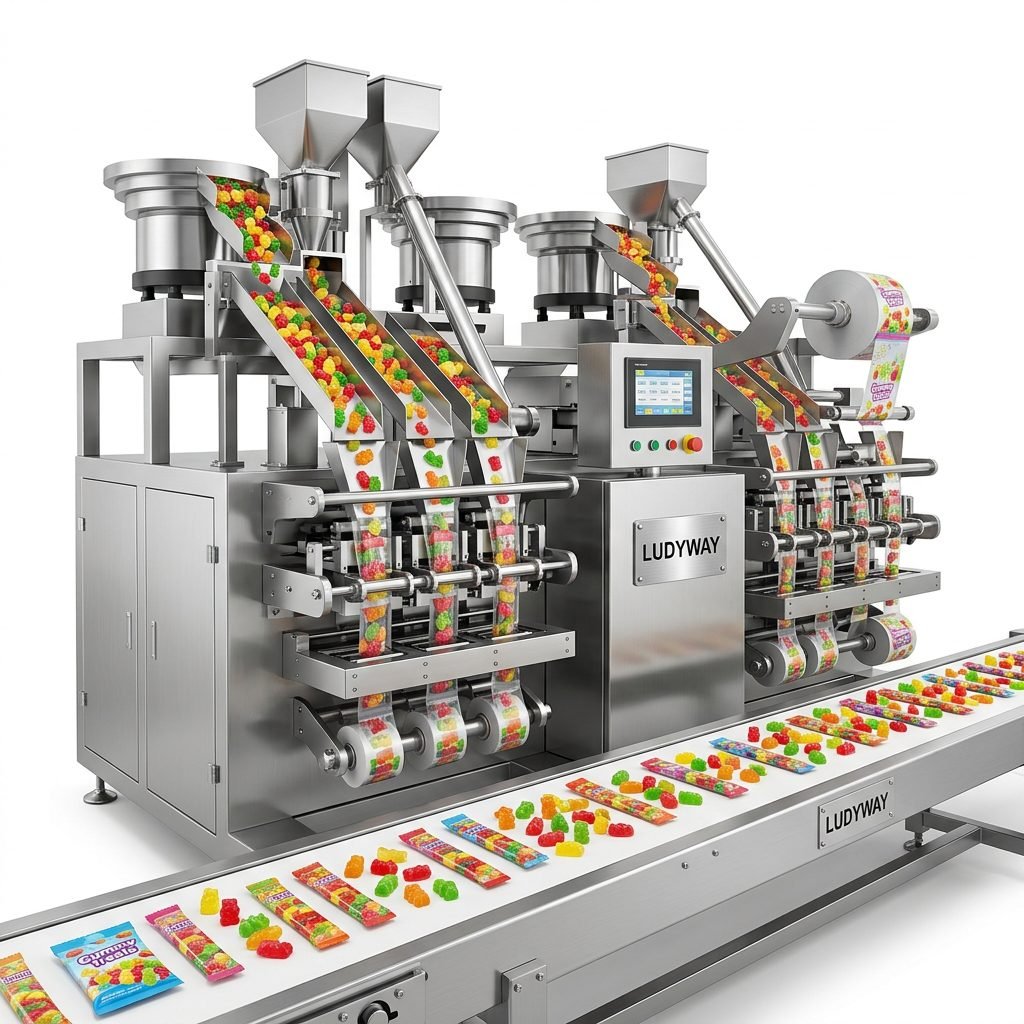
Selecting the right soap packaging machine is a critical decision for manufacturers aiming to enhance efficiency, maintain product integrity, and build a strong brand presence. The market offers a vast array of options, from simple manual systems to fully automated, intelligent production lines. This guide will help you navigate the landscape of top manufacturers and provide a clear framework for choosing the supplier that best aligns with your operational needs and growth ambitions.
Understanding Your Soap Packaging Requirements
Before evaluating manufacturers, it’s essential to define your specific requirements. Soap products vary widely—bar soaps, liquid soaps, specialty soaps, and detergent bars all have unique packaging demands. Consider your primary needs:
→ Production Volume & Speed: Are you a small-batch artisan producer or a large-scale manufacturer? Required output (e.g., packs per minute) directly influences the type of machine needed.
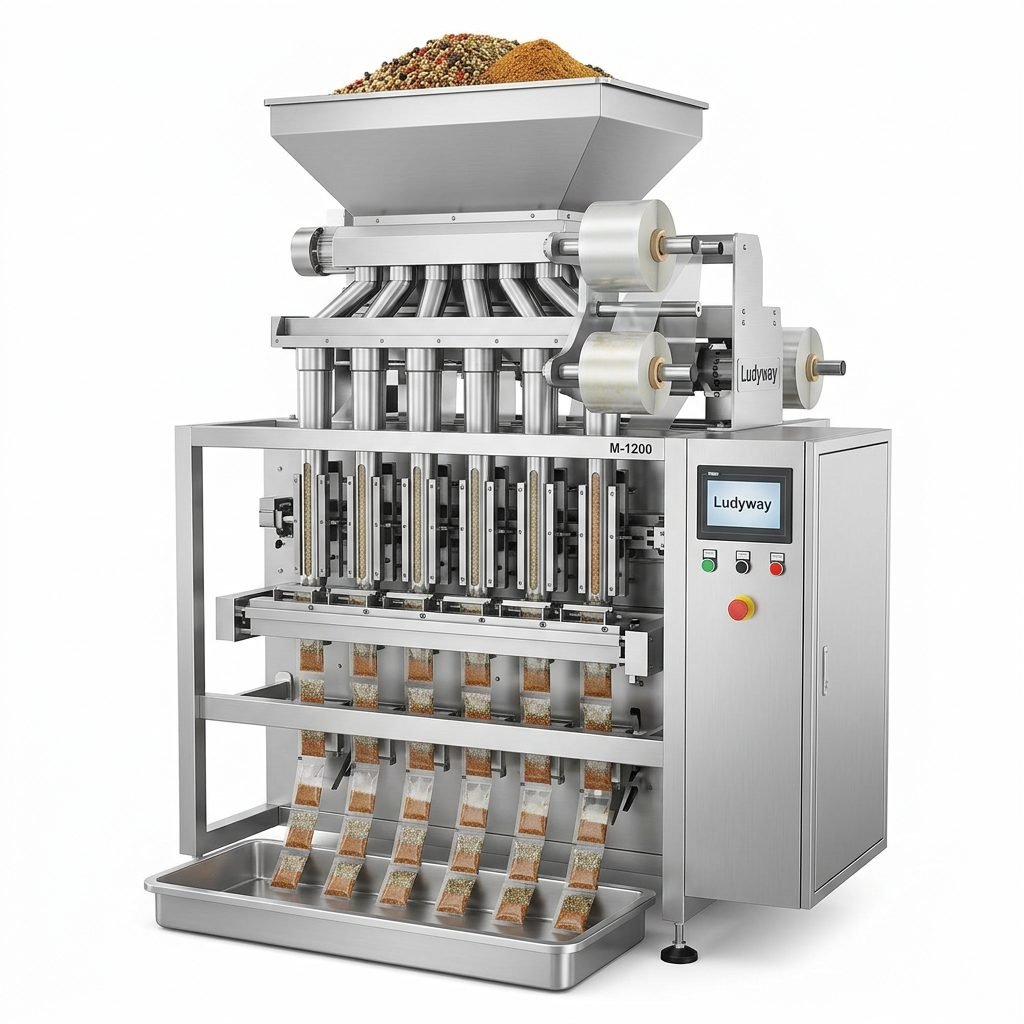
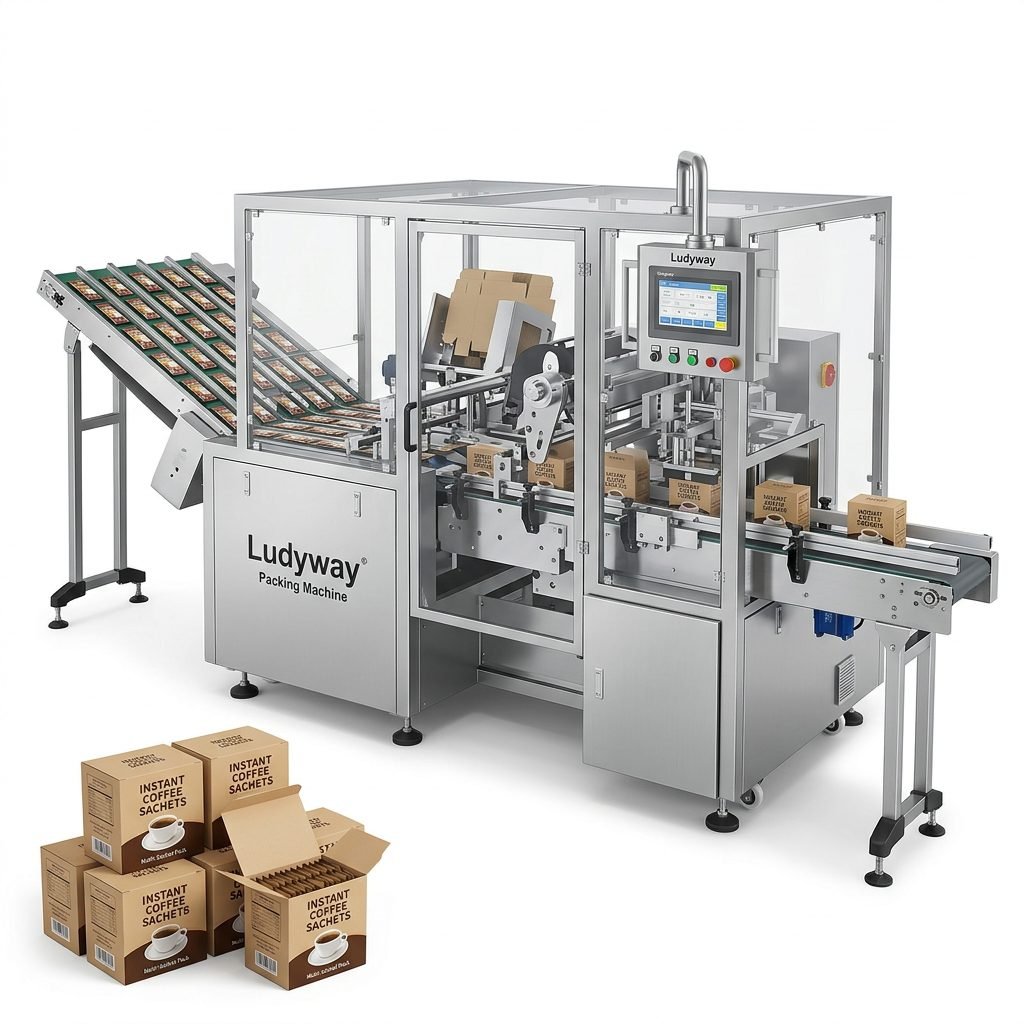
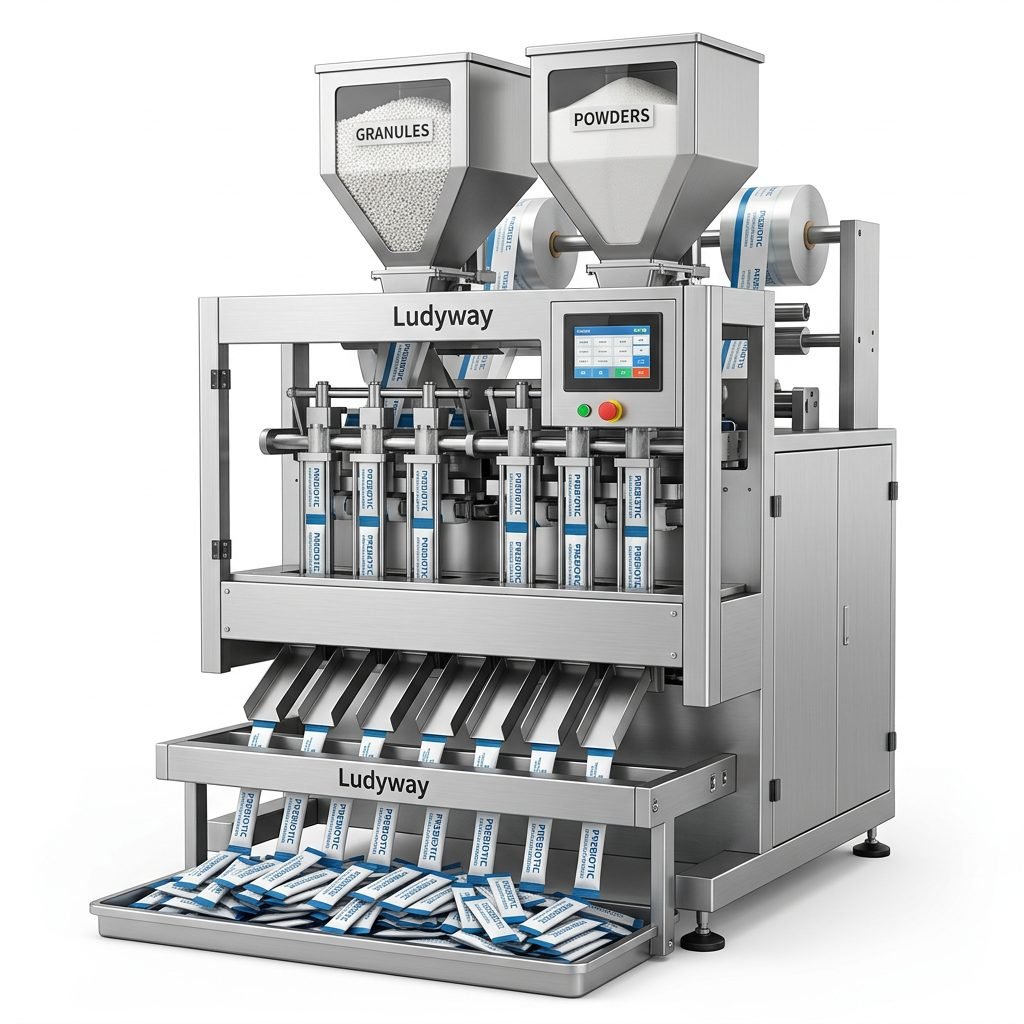
→ Packaging Formats: Do you need stick packs, sachets, flow wraps, cartons, or shrink wrapping? The machine must be compatible with your desired final presentation.
→ Material Compatibility: Machines must handle materials like laminated films, paper, or biodegradable polymers without compromising seal integrity.
→ Automation Level: Determine if you need a manual, semi-automatic, or fully automated system with integrated filling, weighing, and labeling.
Key Features of High-Performance Soap Packaging Machines
Modern soap packaging equipment incorporates advanced features to ensure precision, hygiene, and reliability. Look for these capabilities:
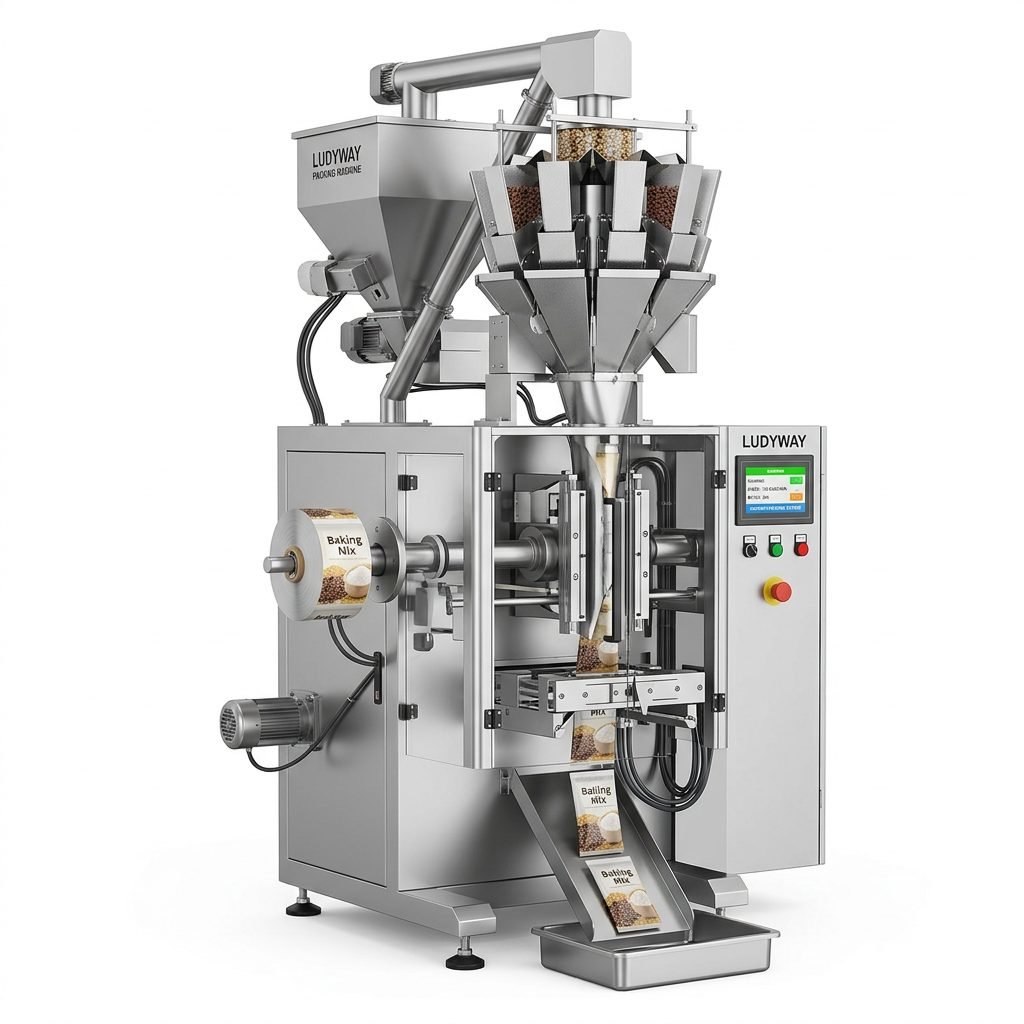
Precision Dosing & Filling: Consistent and accurate filling of liquid, granule, or powder soap is non-negotiable for product quality and cost control. Gravimetric or volumetric fillers are common.
Strong Sealing Technology: A hermetic seal is crucial to prevent leakage, preserve fragrance, and extend shelf life. Look for robust heat sealing or ultrasonic sealing systems.
User-Friendly HMI & PLC Control: An intuitive human-machine interface (HMI) and programmable logic controller (PLC) allow for easy operation, quick changeovers between products, and minimal downtime.
Hygienic & Easy-to-Clean Design: Construction with stainless steel or food-grade materials and designs with minimal crevices facilitate cleaning and meet industry hygiene standards.
Evaluating Top Soap Packaging Machine Manufacturers
The global market features established multinational corporations and specialized niche providers. A leading manufacturer typically demonstrates strength in several areas:
1. Engineering Expertise and Innovation
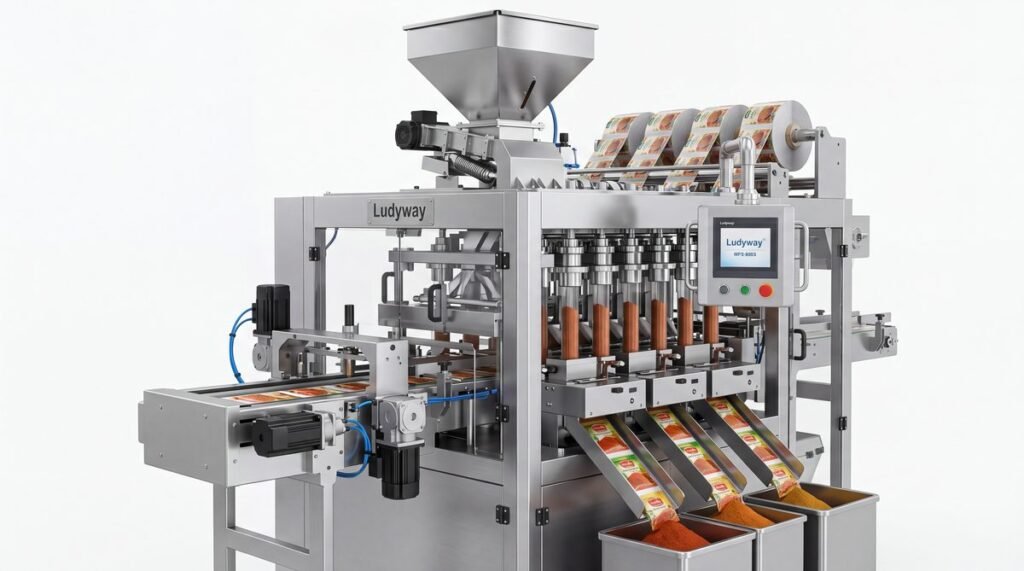
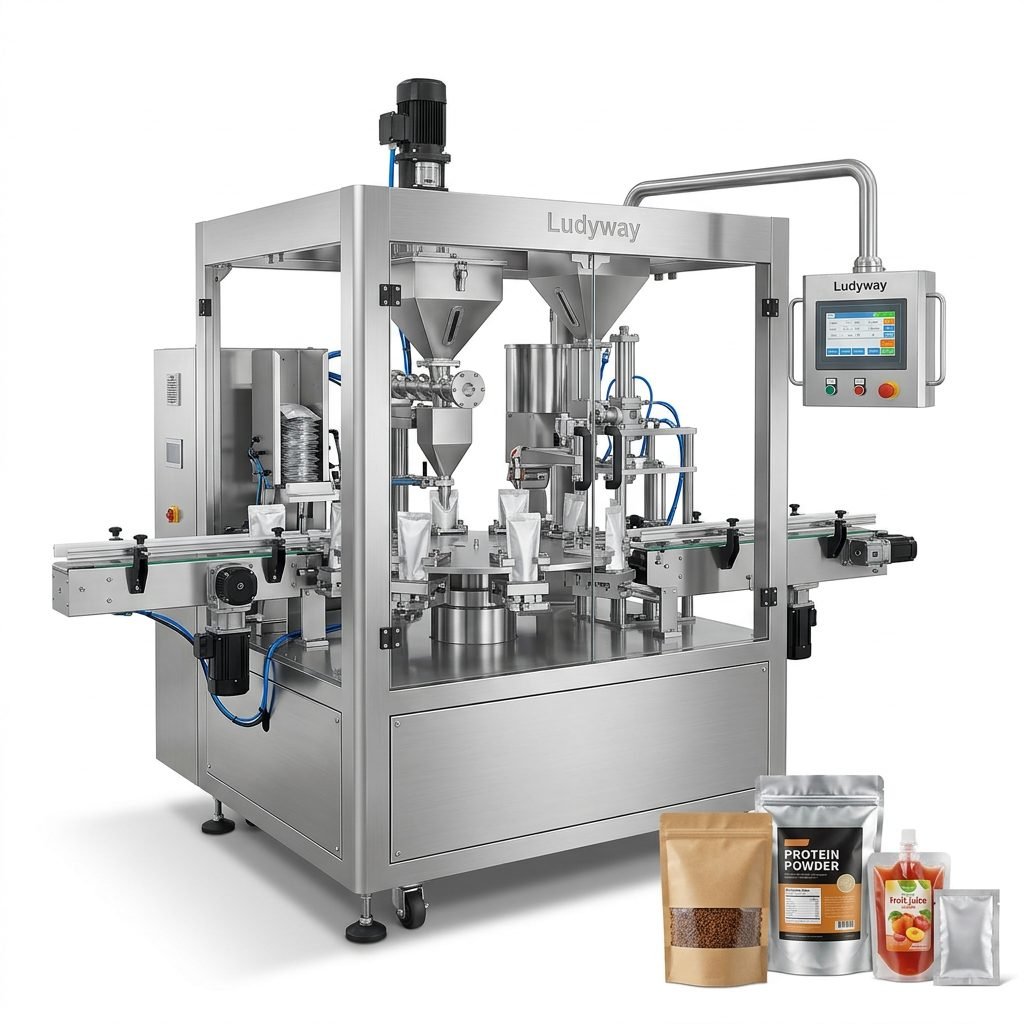
Top manufacturers invest heavily in R&D to develop machines that are faster, more efficient, and adaptable. They often hold patents for specific mechanisms, like unique film feeding systems or energy-saving sealing jaws. For instance, Ludyway Machinery, with over 30 years of industry experience, exemplifies how deep technical knowledge translates into reliable and intelligent packaging solutions, offering more than 50 machine models tailored to diverse needs.
2. Manufacturing Scale and Quality Control
The scale of a manufacturer’s production facility often correlates with its ability to maintain consistent quality and meet delivery schedules. A facility spanning thousands of square meters, equipped with modern CNC machinery, indicates strong production capacity. Rigorous quality control at every stage—from sourcing components to final testing—ensures the machine’s longevity and performance.
3. Global Support and Service Network
Your relationship with the supplier doesn’t end at purchase. The best manufacturers provide comprehensive after-sales support, including installation supervision, operator training, readily available spare parts, and responsive technical assistance. A global service network is vital for international clients to minimize operational disruptions.
4. Customization and Turnkey Solutions
Off-the-shelf machines may not suit every production line. Leading suppliers offer customization—modifying machine dimensions, integrating specific fillers, or creating complete turnkey production lines. This flexibility is crucial for manufacturers with unique soap shapes, packaging materials, or automated logistics requirements.
How to Choose the Right Supplier: A Step-by-Step Guide
Selecting a partner is as important as selecting the machine. Follow this structured approach to make an informed decision.
Step 1: Conduct Thorough Market Research
Start by creating a longlist of potential suppliers. Use industry directories, trade shows (like PACK EXPO or interpack), and professional referrals. Examine their online presence, product catalogs, and client case studies, particularly those in the soap and detergent sector.
Step 2: Assess Technical Capability and Compatibility
Reach out to shortlisted suppliers with your detailed specifications. Request technical drawings, operation videos, and a list of recommended machine models. A reputable supplier like Ludyway Packaging Machinery will proactively ask detailed questions to understand your process and may even suggest optimizations you hadn’t considered.
Step 3: Evaluate Company Credibility and History
Investigate the company’s track record. How long have they been in business? What is their financial stability? A company founded on a vision of reliability, such as one established in 2010 with steady growth through innovation and strong partnerships, often indicates a commitment to long-term customer relationships. Request and contact client references.
Step 4: Analyze Cost vs. Value Proposition
Obtain detailed quotations. The cheapest option is rarely the most cost-effective in the long run. Analyze the total cost of ownership, which includes the machine price, expected energy consumption, maintenance costs, and potential cost of downtime. A slightly higher initial investment in a robust, efficient machine from a reliable supplier usually yields a better ROI.
Step 5: Review After-Sales Service and Warranty Terms
Scrutinize the warranty coverage, terms for spare parts, and the structure of the service agreement. Clarify response times for technical support and the availability of local service engineers. A strong warranty and clear support plan are signs of a supplier confident in their product’s quality.
Step 6: Request a Product Sample or Factory Test
If possible, provide your packaging materials and soap product to the supplier for a live machine test. This is the most reliable way to verify performance, sealing quality, and speed. Observing the machine in action at their facility or via live video feed provides invaluable insight.
Future Trends in Soap Packaging Machinery
The industry is evolving rapidly. Staying ahead means considering suppliers who are investing in future technologies:
Sustainability Focus: Machines designed to handle recycled, biodegradable, or thinner mono-material films are in high demand to reduce environmental impact.
Industry 4.0 & IoT Integration: Smart machines with IoT sensors can predict maintenance needs, monitor production data in real-time, and integrate seamlessly with factory management systems for optimal efficiency.
Enhanced Flexibility: Quick-changeover systems that allow producers to run smaller, customized batches economically are becoming a standard requirement in competitive markets.
Frequently Asked Questions (FAQs)
1. What is the typical lead time for a new soap packaging machine?
Lead times vary significantly based on machine complexity and customization. For standard models, it can range from 8 to 16 weeks. Fully customized or turnkey lines may require 20 weeks or more. Always confirm the timeline with your supplier during the quotation process.
2. Can one machine handle different types of soap (e.g., liquid and bar soap)?
Generally, no. Liquid soap filling and bar soap wrapping are fundamentally different processes requiring specialized equipment. Some manufacturers offer modular systems, but significant format changes usually require separate machines or major component swaps.
3. How important is after-sales support, and what should it include?
Extremely important. Comprehensive support should include detailed installation guidance (or on-site supervision), thorough operator and maintenance training, a clear warranty (typically 12-24 months), access to a readily available spare parts inventory, and prompt remote or on-site technical assistance.
4. What are the key maintenance routines for a soap packaging machine?
Daily cleaning to remove soap residue and dust is crucial. Regular lubrication of moving parts, inspection and replacement of wear items like sealing jaws and cutting blades, and calibration of weighing/filling systems should be performed as per the manufacturer’s schedule to ensure consistent performance.
5. How do I choose between a domestic and an international supplier?
Domestic suppliers may offer faster service response and lower shipping costs. International suppliers often provide more competitive pricing for advanced technology and have experience with global standards. The decision hinges on your priority: localized support versus technological edge and cost. Many top international firms have local offices or agents to bridge this gap.