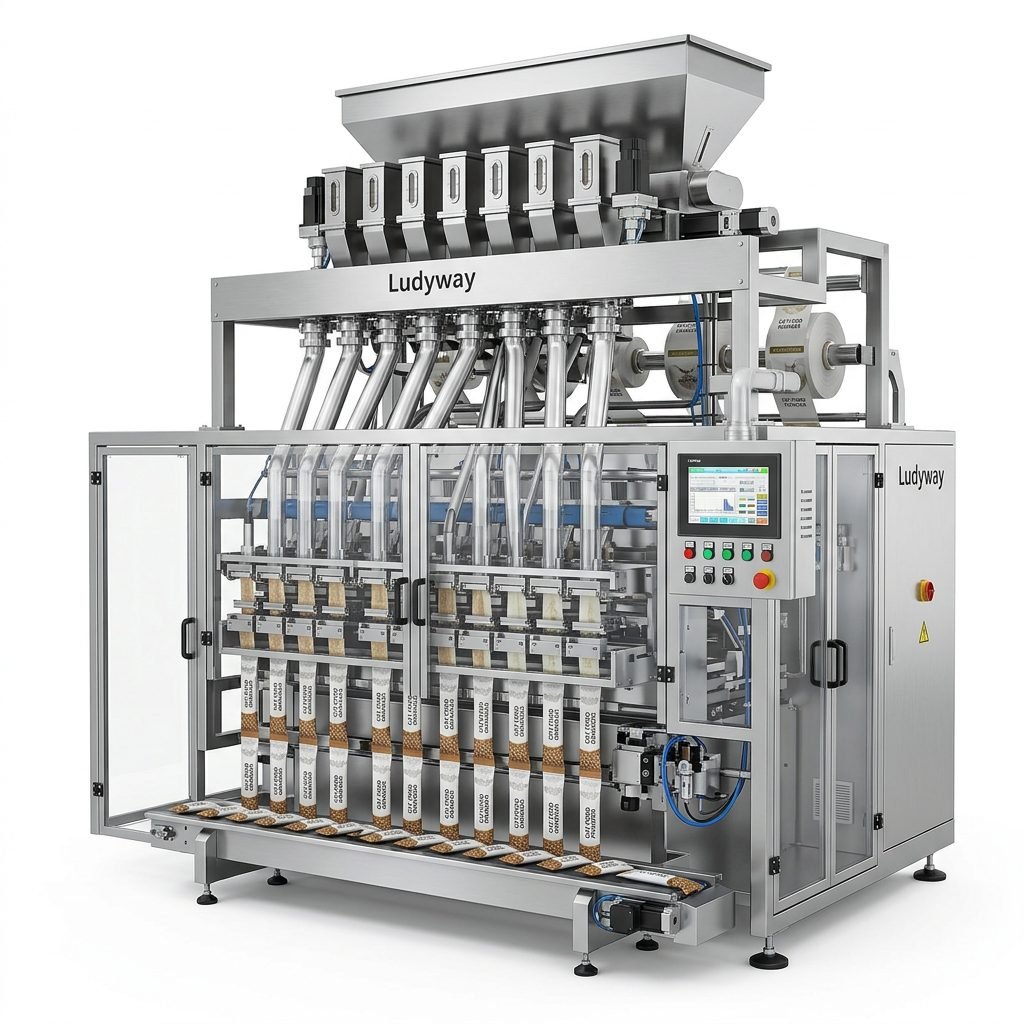
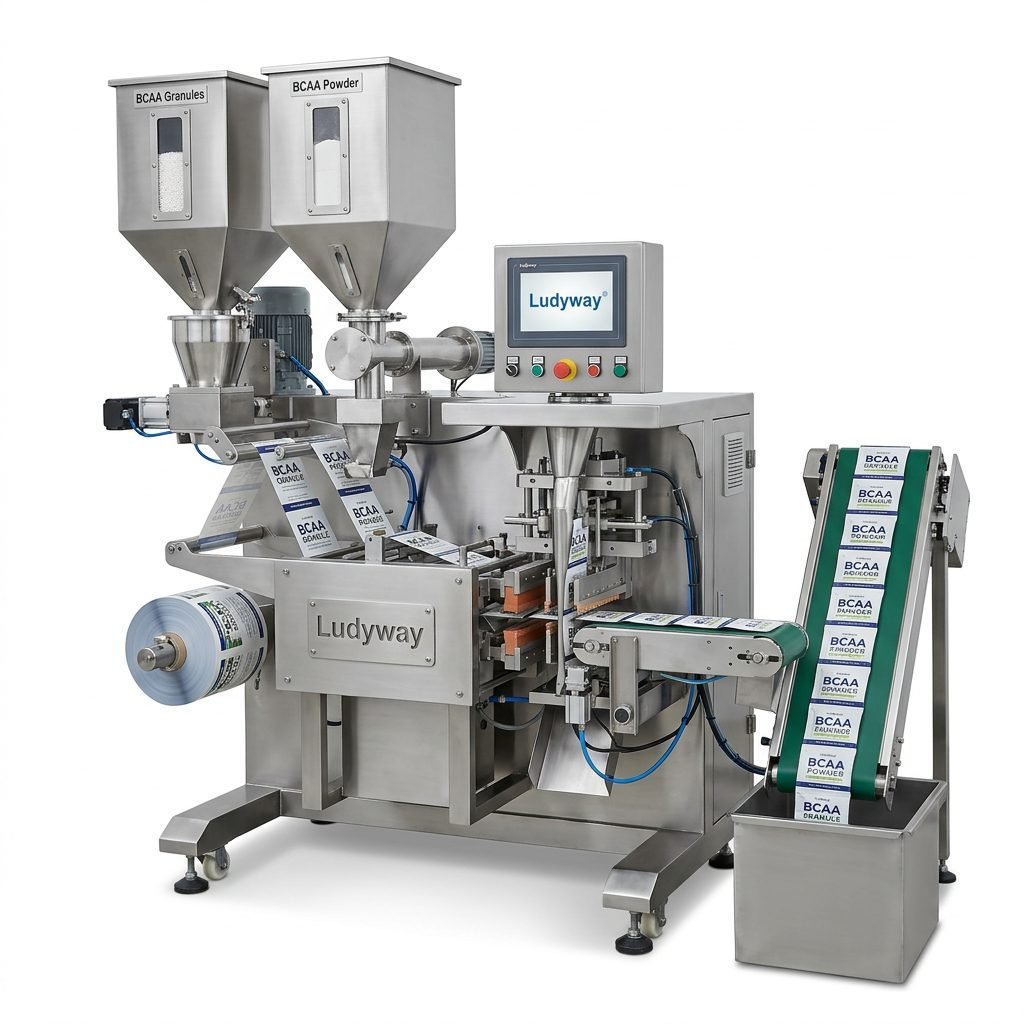
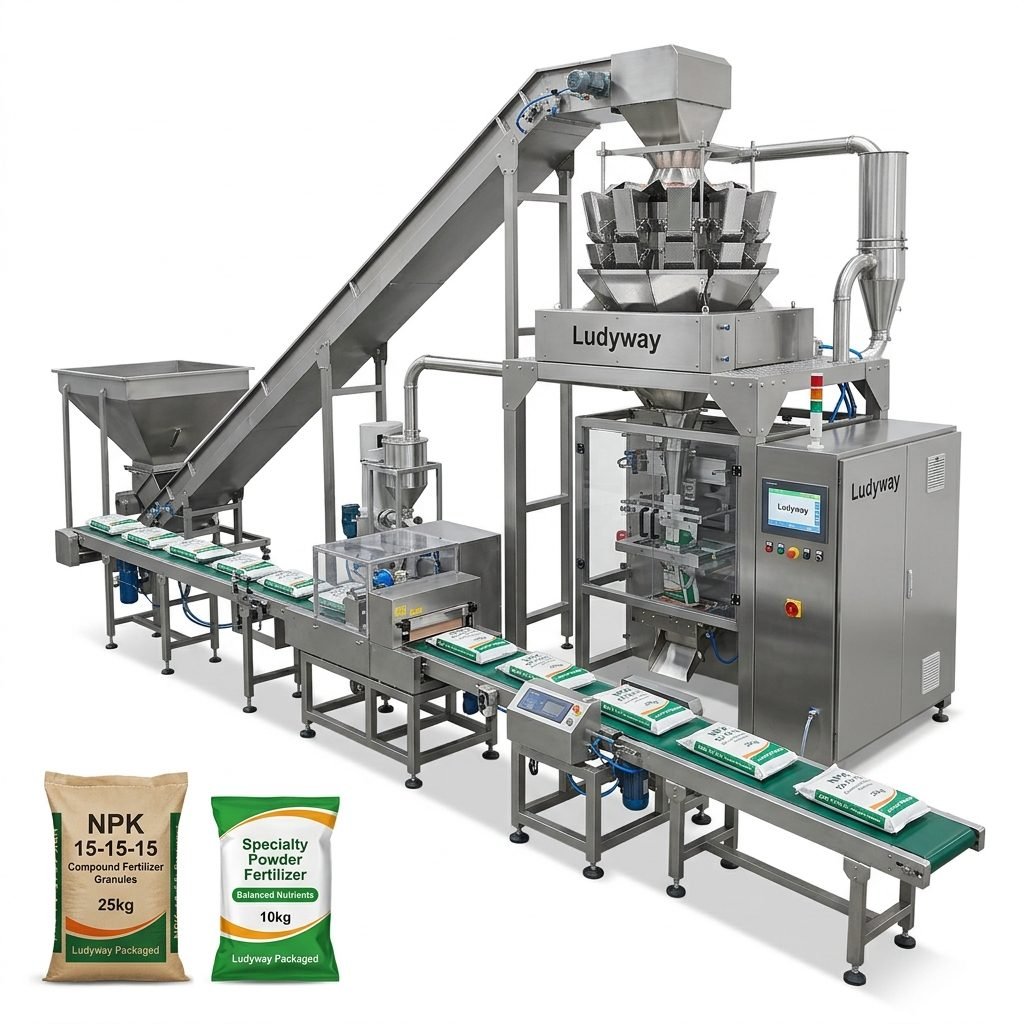
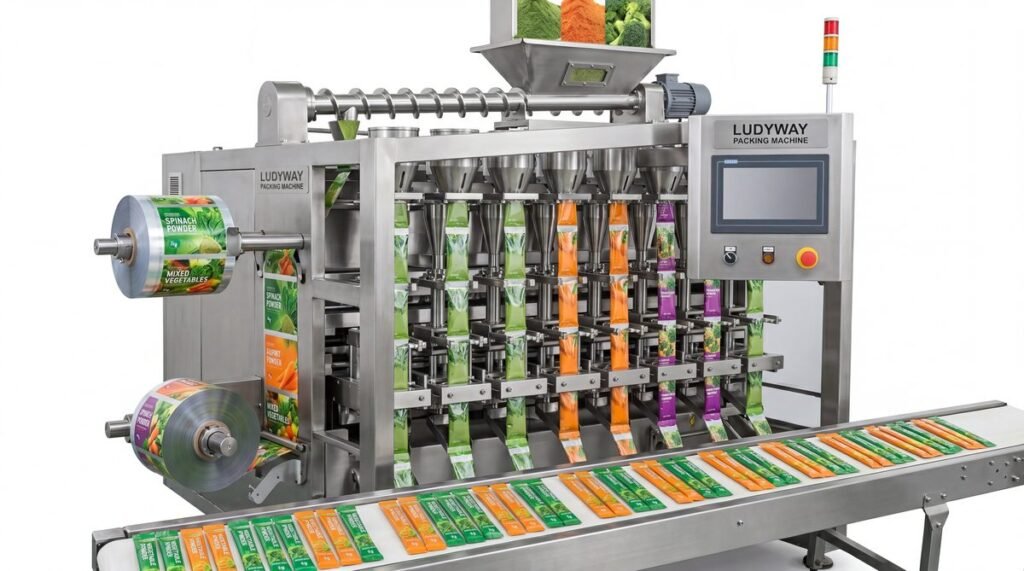
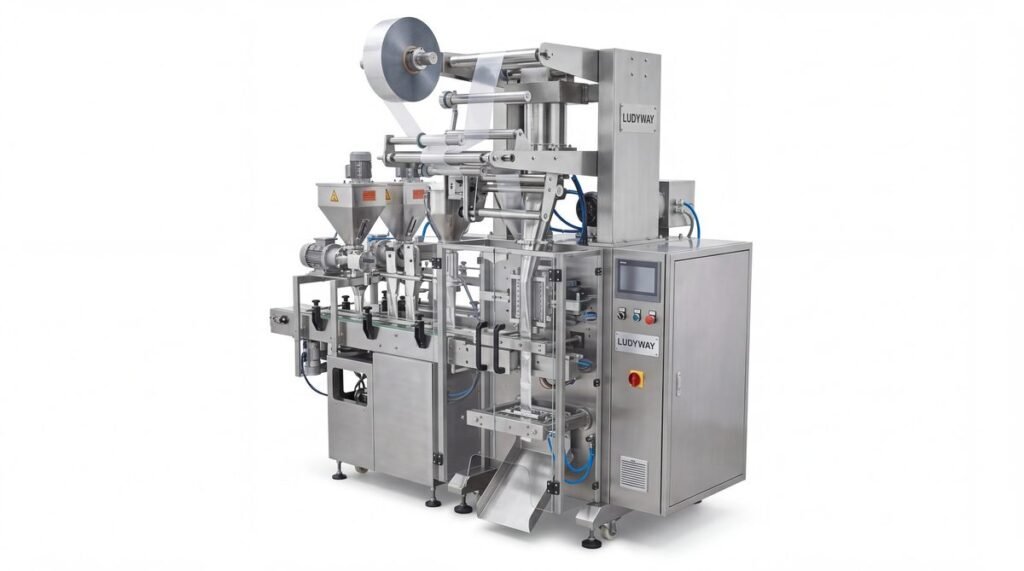
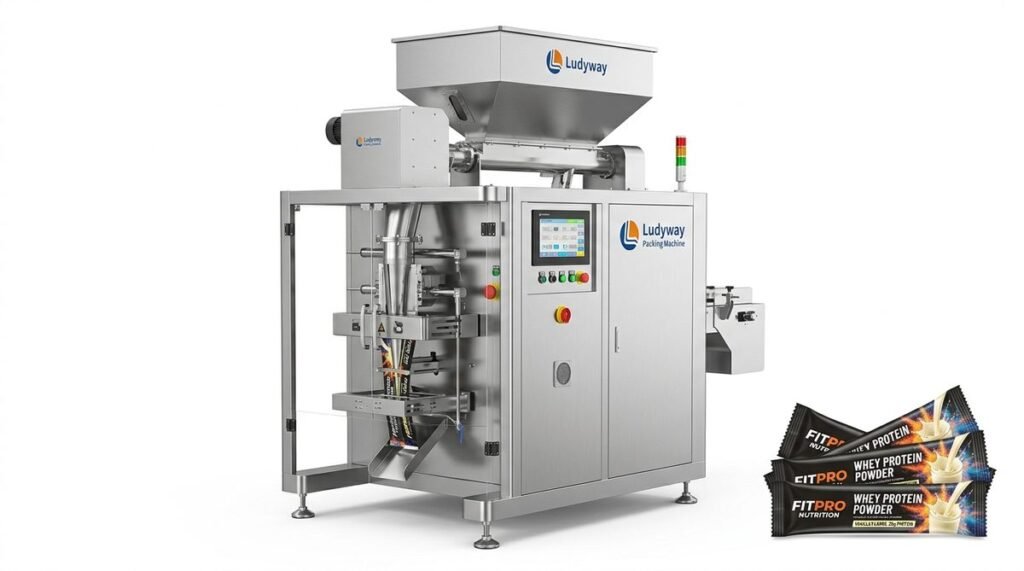
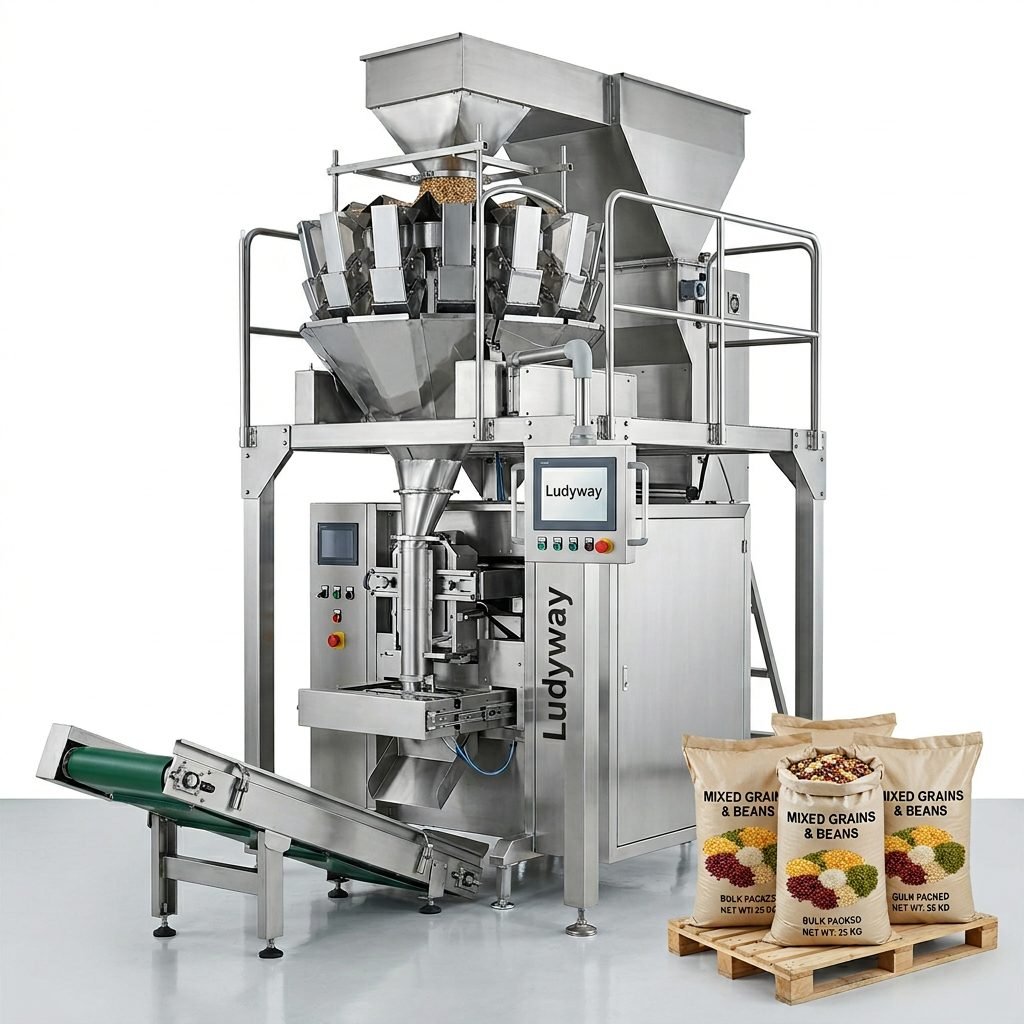
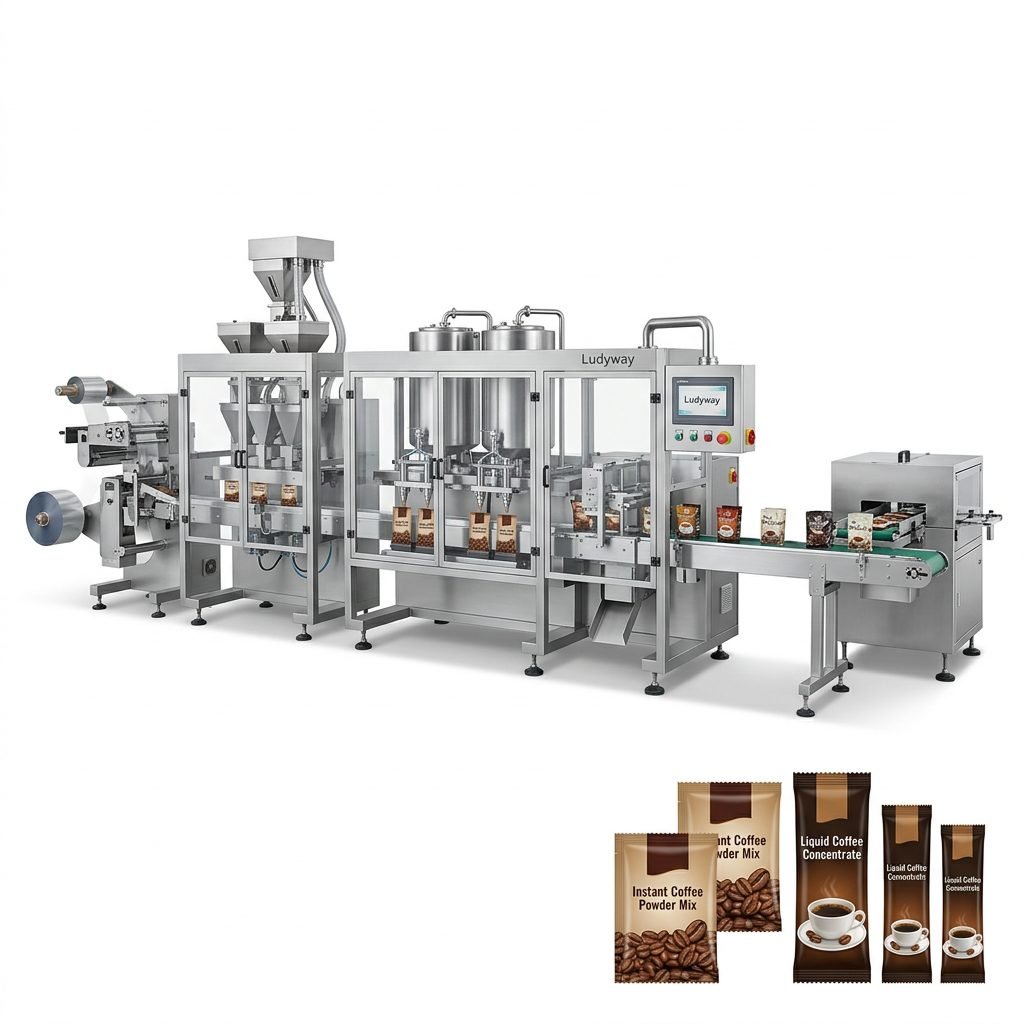
In today’s competitive manufacturing landscape, optimizing production lines is crucial for maintaining profitability. For businesses handling powders, granules, or small solid items, used vertical packaging equipment presents a compelling opportunity. It allows companies to access automation and increase output without the steep capital investment of brand-new machinery. However, navigating the secondary market requires careful consideration to ensure reliability and true cost savings.
Understanding the Appeal of Pre-Owned Vertical Packaging Machines
The primary driver for choosing used equipment is financial. A pre-owned vertical form-fill-seal (VFFS) machine can cost a fraction of its new counterpart, significantly lowering the barrier to entry for automation. This is especially valuable for small to medium-sized enterprises, startups, or companies testing a new product line. Furthermore, lead times are often shorter, allowing for quicker production line upgrades or expansions.
Key Advantage: The most significant benefit is cost reduction on capital expenditure. This freed-up capital can be redirected towards marketing, R&D, or raw materials.
Core Components to Inspect in a Used VFFS Machine
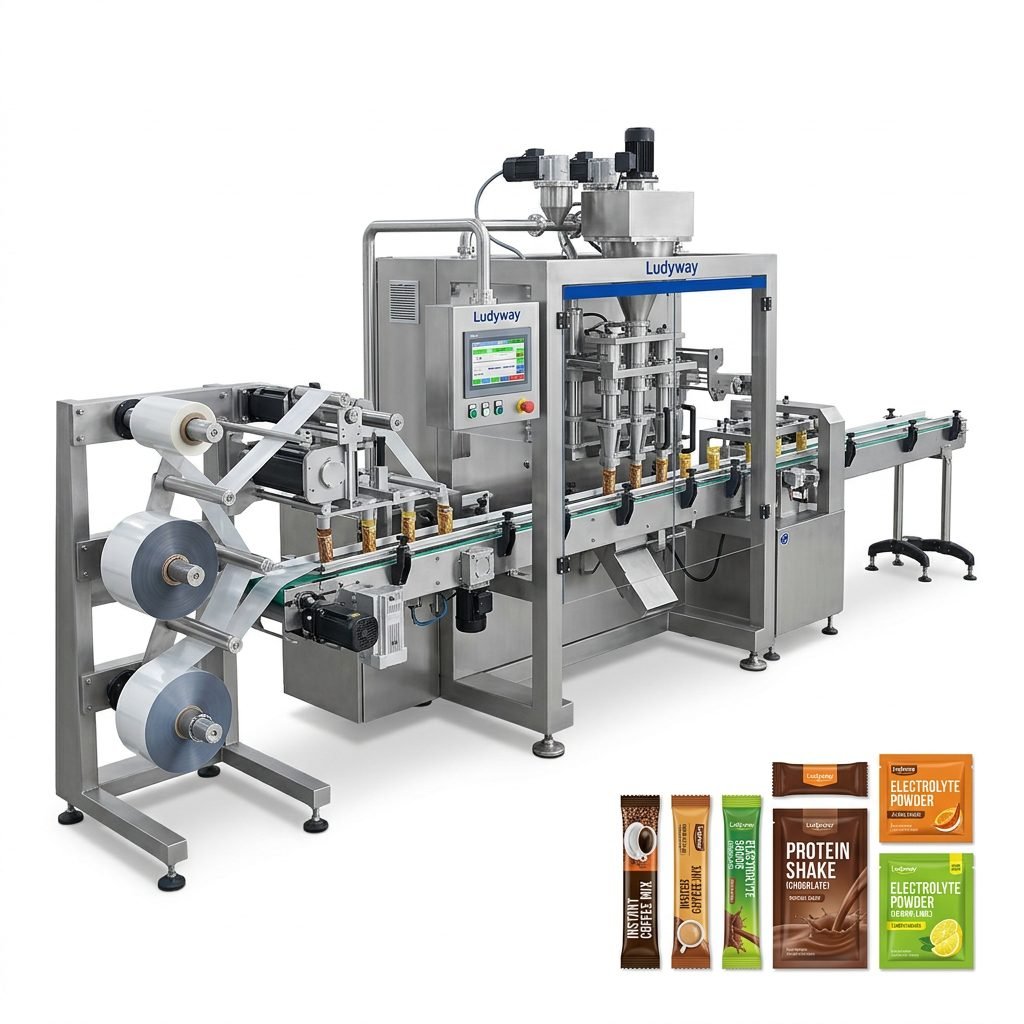
Before purchasing, a thorough evaluation of the machine’s critical systems is non-negotiable. Focus your inspection on these key areas:
1. The Film Feeding and Forming System
Examine the film unwind assembly, guiding rollers, and the forming collar. Look for signs of excessive wear, corrosion, or damage. The forming collar should be smooth and free of deep scratches that could cause film tearing or inconsistent package shape.
2. The Sealing Jaws and Heating Elements
This is the heart of the sealing process. Inspect the sealing jaws for pitting, scoring, or warping. Check the condition of the heating elements or impulse sealing wires. Ask for maintenance records to see how often they were replaced.
3. The Drive System and Servo Motors
Listen for unusual noises from gears, chains, or servo motors during a test run. Inquire about the service history of the main drive and servo systems. Modern machines with servo-driven components often offer better longevity and precision.
4. The Control System and Human-Machine Interface (HMI)
Power on the machine and test the HMI or PLC interface. Ensure all functions are accessible, parameters can be set and saved, and that there are no persistent error codes. Outdated controls may be difficult to troubleshoot or find parts for.
A Strategic Guide to Choosing Reliable Used Equipment
Finding a dependable machine involves more than just a physical inspection. Follow this strategic approach to mitigate risk.
Step 1: Define Your Precise Requirements
Clearly outline your needs: package type (pouch, sachet, stick pack), film material (laminate, polyethylene), required speed (bags/minute), and product characteristics (hygroscopic, abrasive). This narrows your search to compatible models.
Step 2: Source from Reputable Channels
Consider established dealers specializing in used packaging machinery, direct auctions from reputable manufacturers, or trusted brokers. Companies with a history in the industry, like Ludyway Machinery, which entered the international market in 2010, often have insights into reliable equipment sources and can provide valuable context on machine history.
Step 3: Conduct a Rigorous Pre-Purchase Audit
Always insist on a live or video demonstration running a material similar to yours. Review all available documentation: manuals, electrical diagrams, and most importantly, maintenance and service logs. Factor in the cost and availability of spare parts.
Step 4: Plan for Installation and Support
Account for installation, calibration, and operator training costs. Ensure you have access to technical support, either from the seller or a third-party service provider familiar with the machine brand. Reliable after-sales support is critical for minimizing downtime.
Maximizing Savings Beyond the Purchase Price
True cost savings are realized over the machine’s operational life. Here’s how to ensure your investment pays off:
Minimize Downtime: Invest in a comprehensive service immediately after purchase. Replace worn seals, belts, and filters. This proactive overhaul prevents unexpected failures. Establishing a relationship with a knowledgeable technician or a partner like Ludyway Packing Machine can provide access to expertise built on decades of industry experience.
Optimize Material Usage: Fine-tune the machine to reduce film waste. Properly adjusted tension controls, precise sealing parameters, and using the correct film grade for your product can lead to substantial annual savings on packaging materials.
Train Your Operators: Well-trained personnel can identify minor issues before they become major breakdowns, perform basic adjustments, and maintain the machine correctly, extending its service life.
💡 Pro Tip for Long-Term Value
Consider machines from manufacturers known for robust construction and standardized components. Sometimes, paying a slight premium for a used machine from a top-tier brand with better part availability results in lower total cost of ownership than a cheaper, obscure model.
Common Questions About Used Vertical Packaging Equipment
1. What is the biggest risk when buying a used VFFS machine?
The greatest risk is hidden mechanical or electrical wear that leads to catastrophic failure shortly after purchase. This risk is mitigated by a thorough inspection, a test run with your product (or a proxy), and purchasing from a source that offers some form of warranty or guarantee.
2. How can I verify the machine’s operational history?
Request maintenance logs, service records, and ask about its previous application. Reputable sellers should provide this. The machine’s overall condition and wear patterns often tell a story consistent (or inconsistent) with the claimed history.
3. Are spare parts readily available for older models?
This varies greatly. Before purchasing, research the availability of critical spare parts like sealing jaws, film pull belts, and PLC components. For some older or discontinued models, parts may be scarce or require custom machining, increasing cost and downtime. Partnering with a supplier that has strong engineering capabilities can help navigate these challenges.
4. Is a used machine suitable for food or pharmaceutical products?
Yes, but with strict precautions. The machine must undergo a complete and documented deep cleaning, sanitization, and potentially part replacement (e.g., all contact surfaces, seals) to meet relevant hygiene standards. Always consult your quality assurance protocols.
5. Should I buy a used machine or a new, lower-cost model?
This depends on your needs. A used high-end machine may offer superior durability, speed, and precision compared to a new entry-level model. Compare specifications, total cost of ownership (including expected maintenance), and your production requirements carefully. Exploring the range of intelligent packaging machine models available can provide a useful benchmark for capability at different price points.