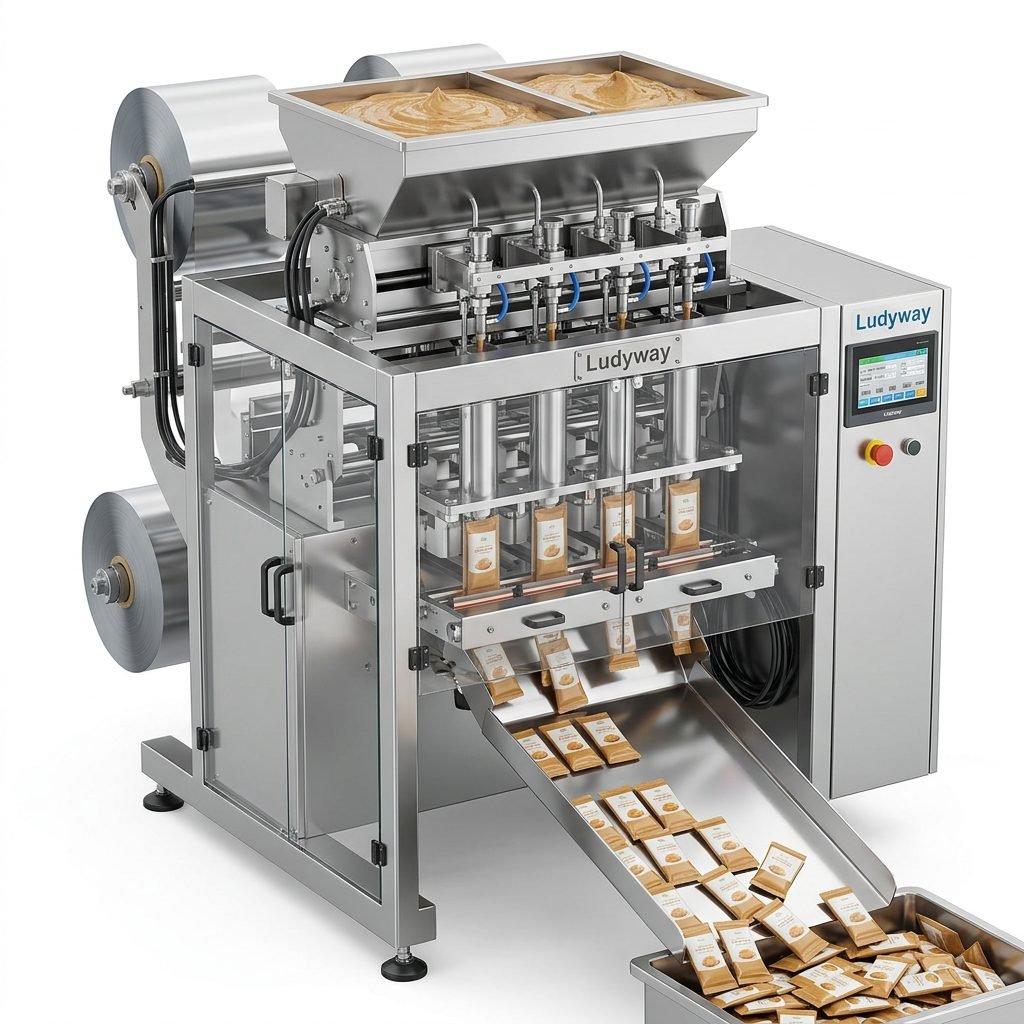
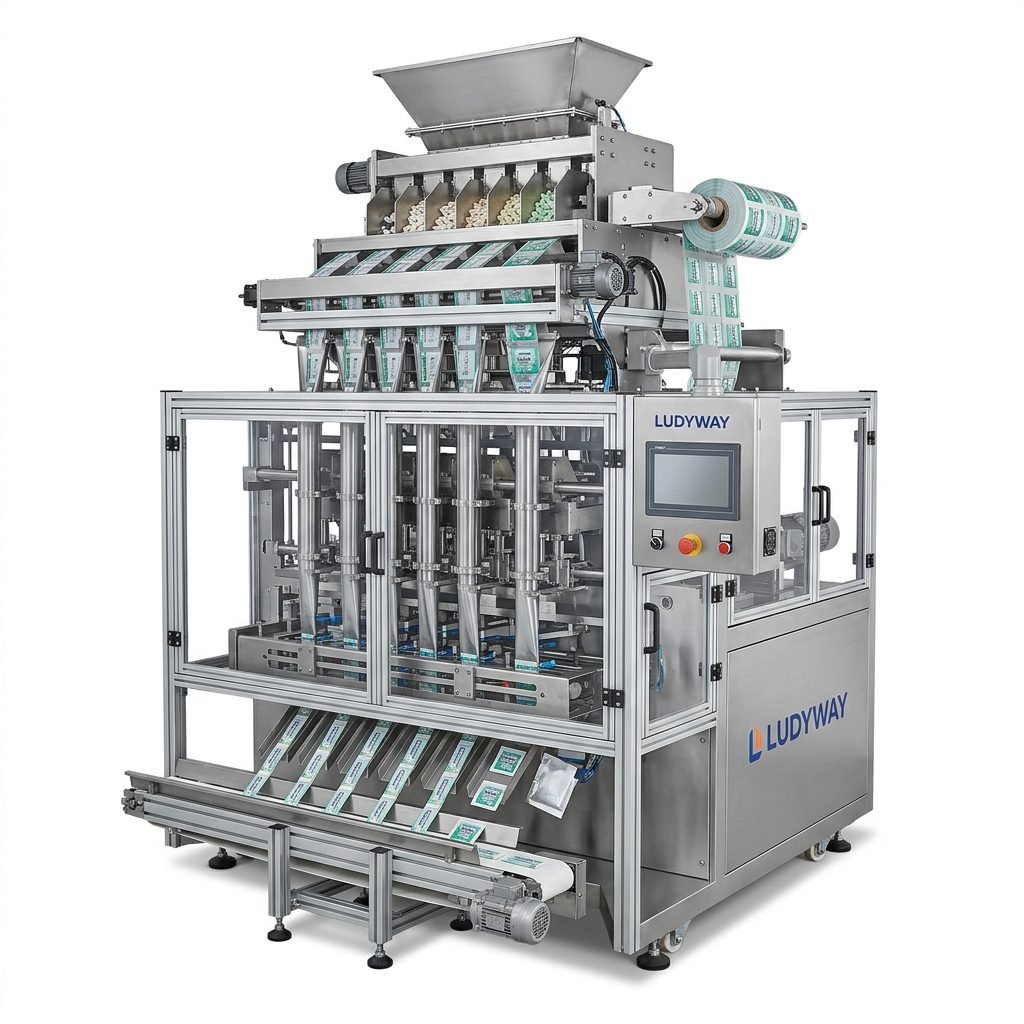
Coffee brands that want to scale efficiently need more than a single machine. They need a coordinated system that handles roasting, grinding, and packing with consistent quality, reliable output, and low product loss. Whether you produce whole beans, ground coffee, instant coffee, or single-serve sachets, the right equipment setup can directly improve freshness, labor efficiency, and market competitiveness.
This guide explains how a modern coffee roasting, grinding, and packing machine system works, what equipment is typically included, and how to choose the best configuration for your factory or private-label operation.
Why Integrated Coffee Processing Equipment Matters
In coffee production, each stage affects the next. Poor roasting creates uneven flavor. Inconsistent grinding causes unstable extraction performance. Weak packaging exposes coffee to oxygen, moisture, and aroma loss. An integrated line helps align these steps and creates a smoother production flow.
- Better product consistency from batch to batch
- Higher automation with reduced manual handling
- Improved freshness protection through proper sealing and gas management
- Lower waste in dosing, conveying, and packaging
- Greater scalability for growing coffee brands and contract packers
What Is a Coffee Roasting, Grinding, and Packing Machine System?
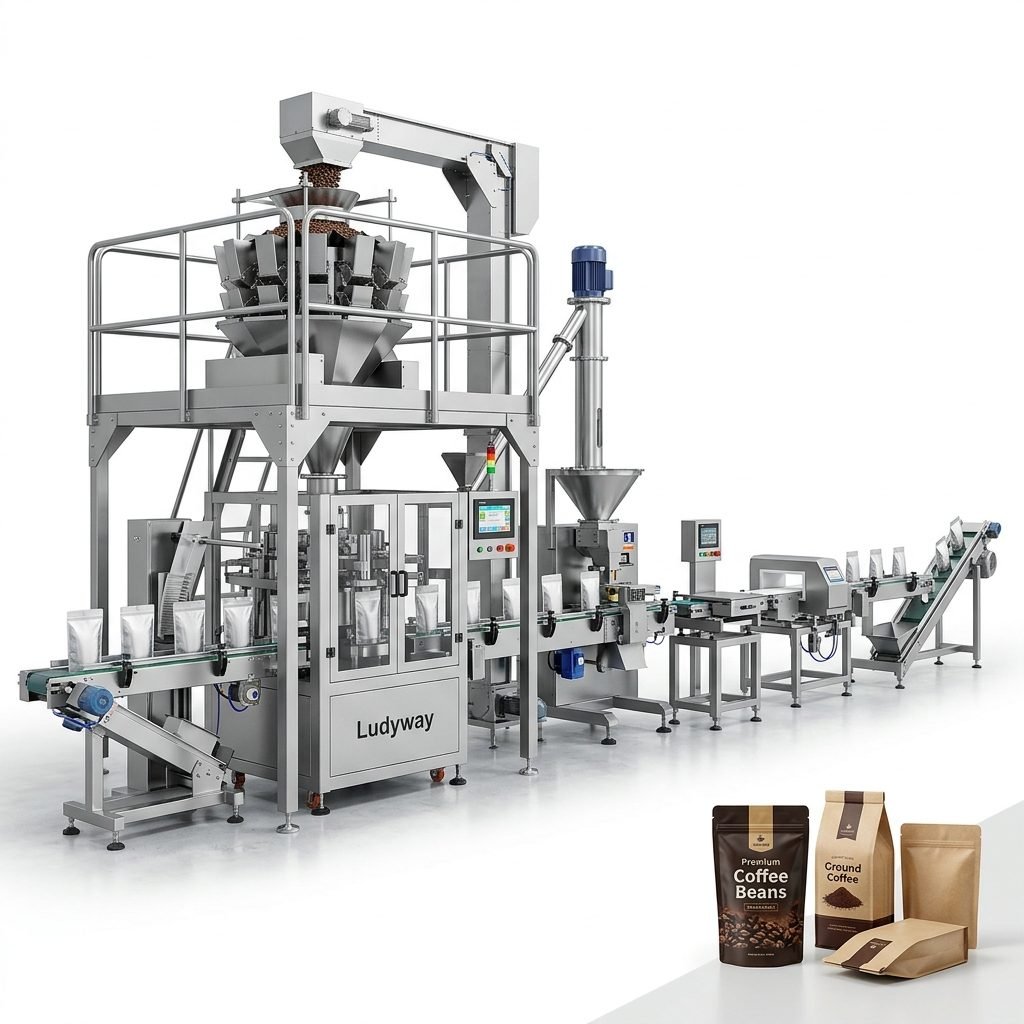
A complete coffee processing system is usually a combination of connected machines rather than one standalone unit. It may include raw bean feeding, roasting, cooling, grinding, powder transfer, weighing or dosing, filling, sealing, coding, inspection, and final case packing.
Depending on your product type, the line can be designed for:
- Whole roasted coffee beans
- Ground coffee in bags or pouches
- Instant coffee in stick packs or sachets
- Drip coffee or single-serve applications
- Bulk coffee packaging for foodservice or industrial customers
Core Machines in a Complete Coffee Processing Line
1. Coffee Roasting Machine
The roasting machine transforms green beans into aromatic roasted coffee. Key control points include roasting temperature, drum speed, airflow, roasting profile, and cooling efficiency. For commercial production, stable heat transfer and repeatability are essential.
Important features to consider:
- Batch capacity
- Roast profile control
- Temperature accuracy
- Cooling speed
- Smoke and exhaust management
- Energy efficiency
2. Coffee Grinder
After roasting and cooling, coffee beans move to the grinder. The selected grinder must match your target product. Espresso grind, filter grind, coarse grind, and instant beverage powder applications all require different particle-size control.
Good grinding performance helps maintain:
- Uniform particle distribution
- Reduced heat buildup
- Lower aroma loss
- Accurate downstream filling
3. Feeding and Conveying Equipment
Vacuum feeders, screw conveyors, bucket elevators, and intermediate hoppers connect the processing stages. In coffee powder handling, dust control and gentle transfer matter because coffee is aromatic and can bridge or compact under poor conditions.
4. Coffee Packing Machine
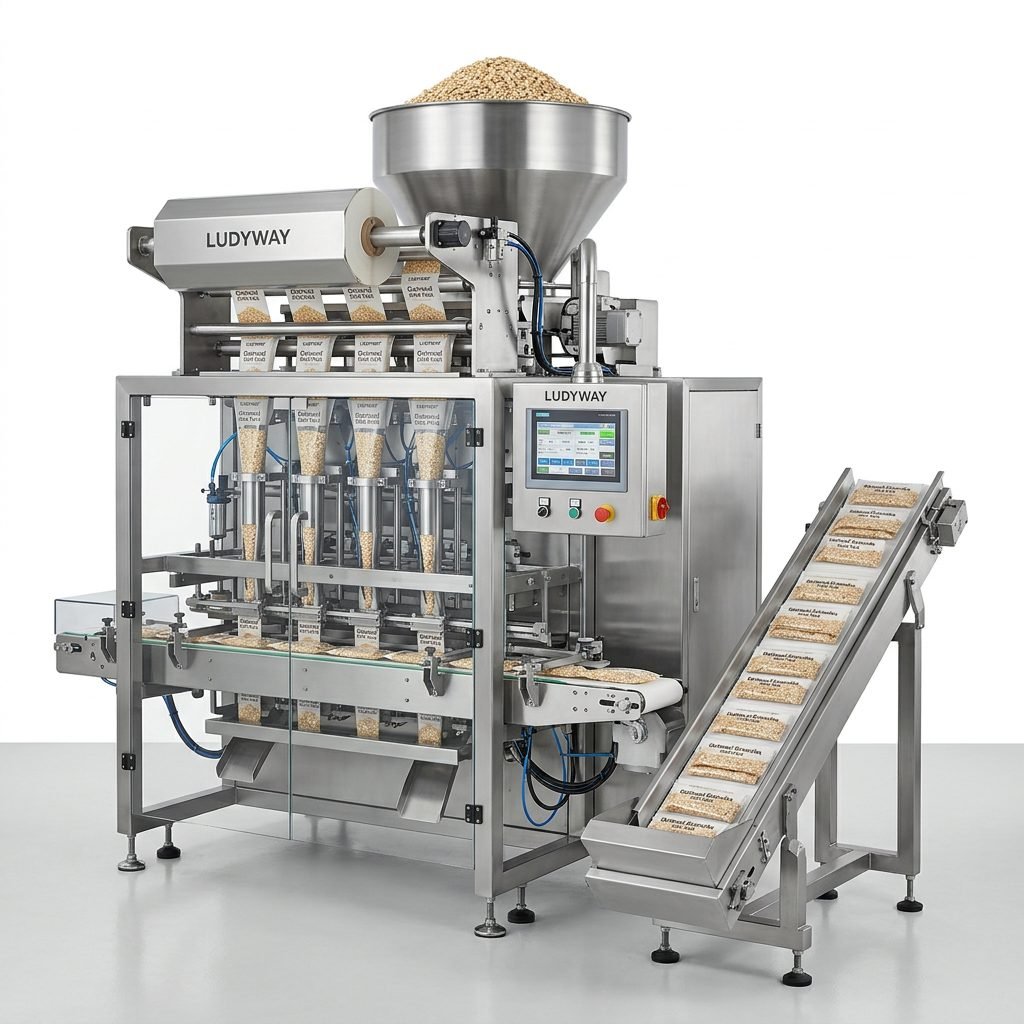
The packaging stage protects flavor and creates retail-ready products. Machine selection depends on coffee format, pack style, and speed requirement. Common solutions include:
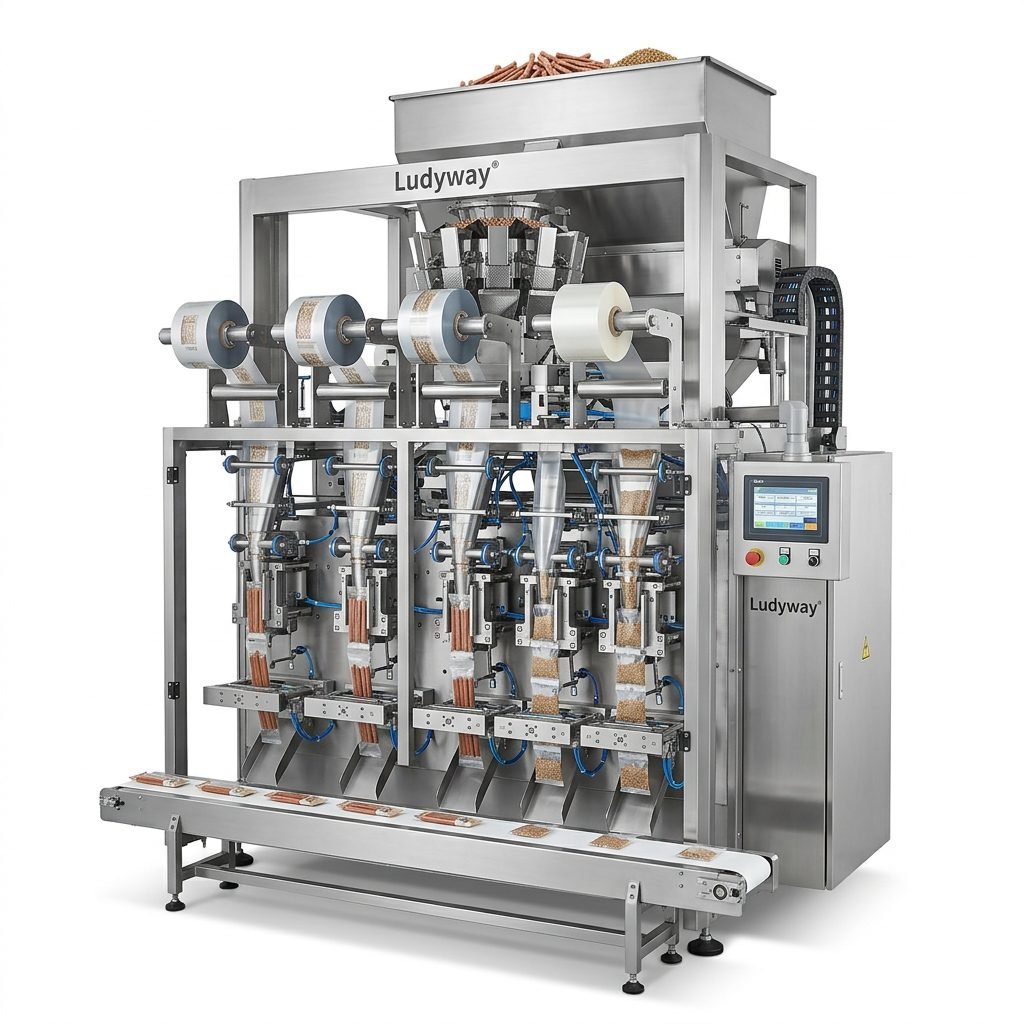
- Pillow bag packing for beans and ground coffee
- Premade pouch filling and sealing
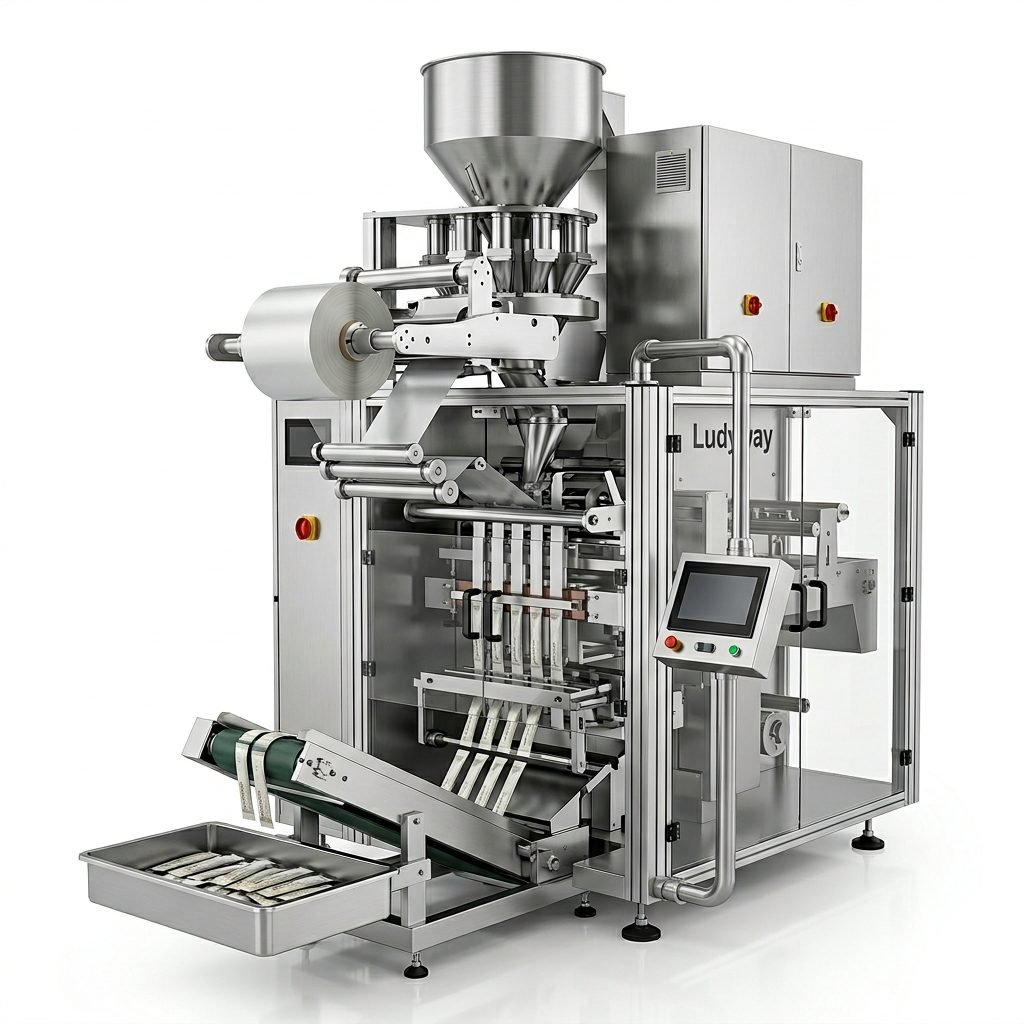
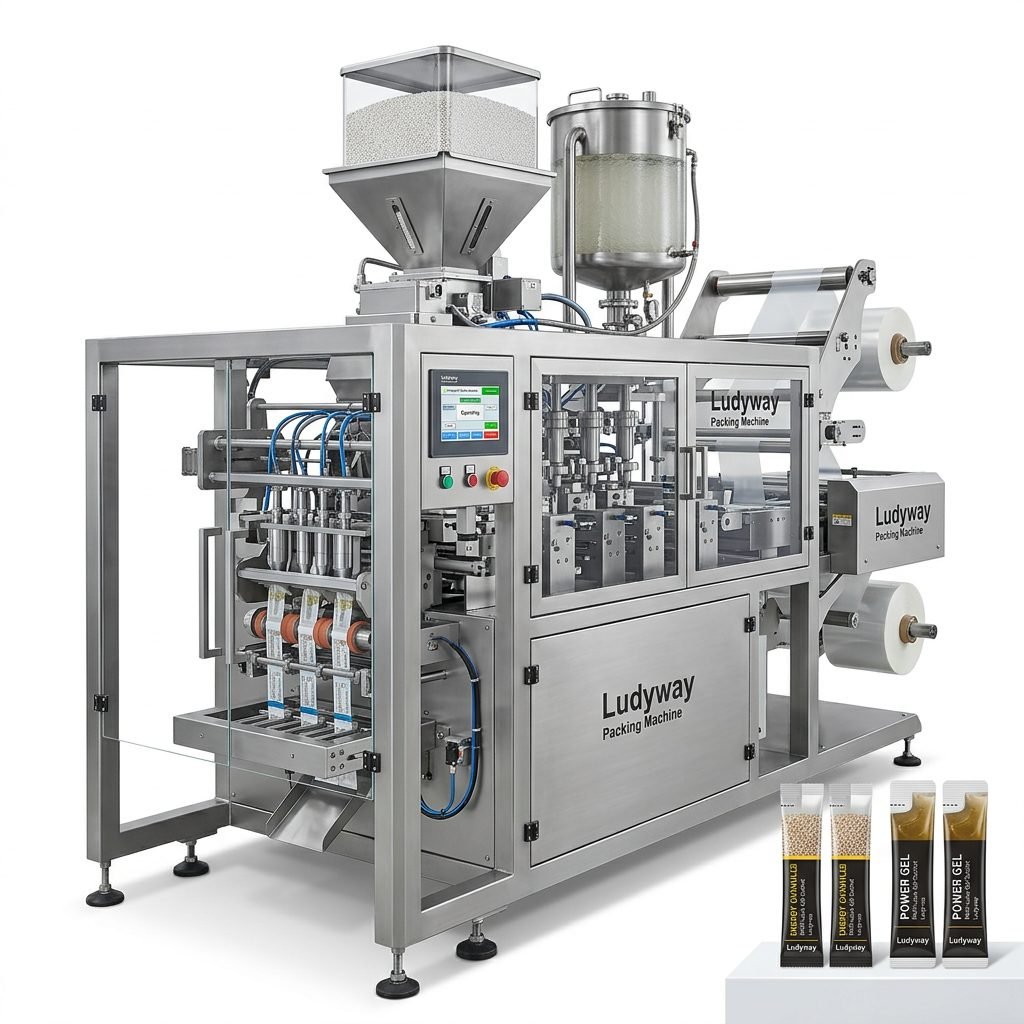
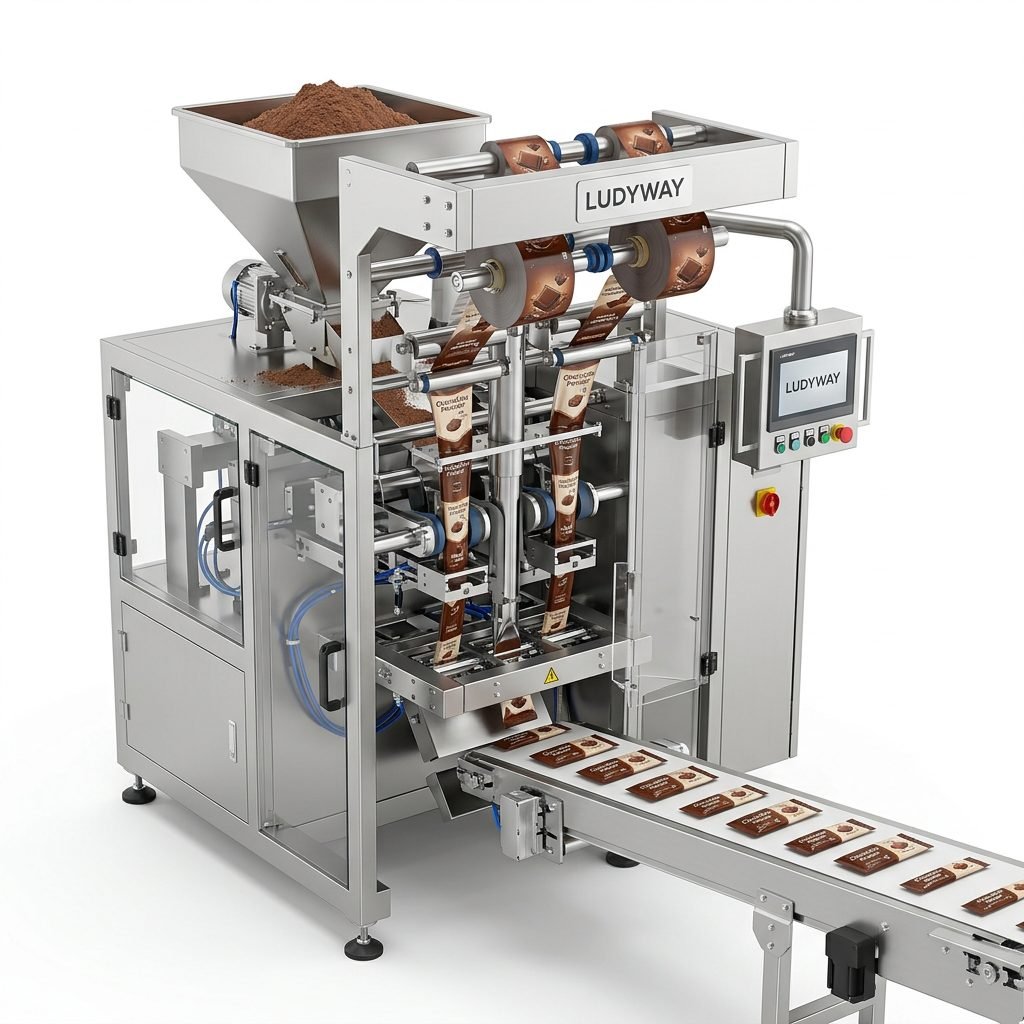
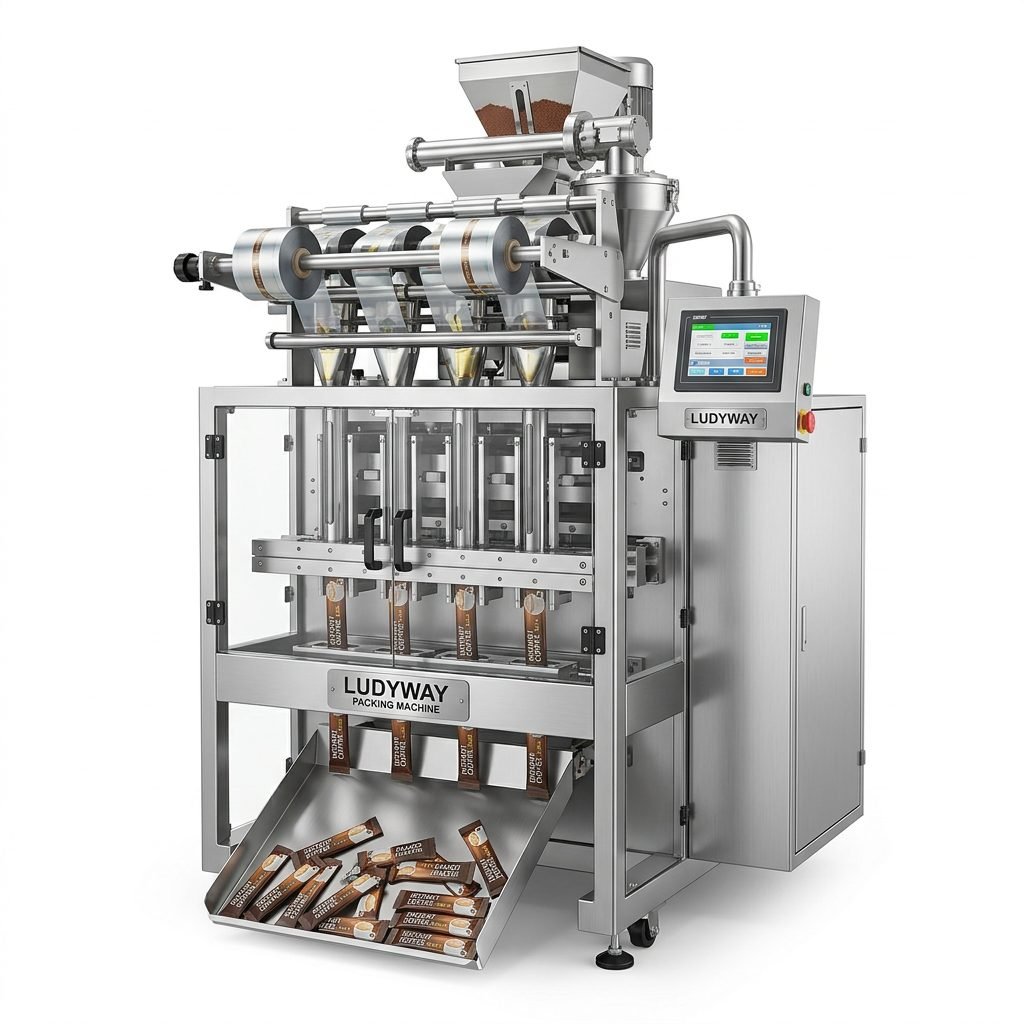
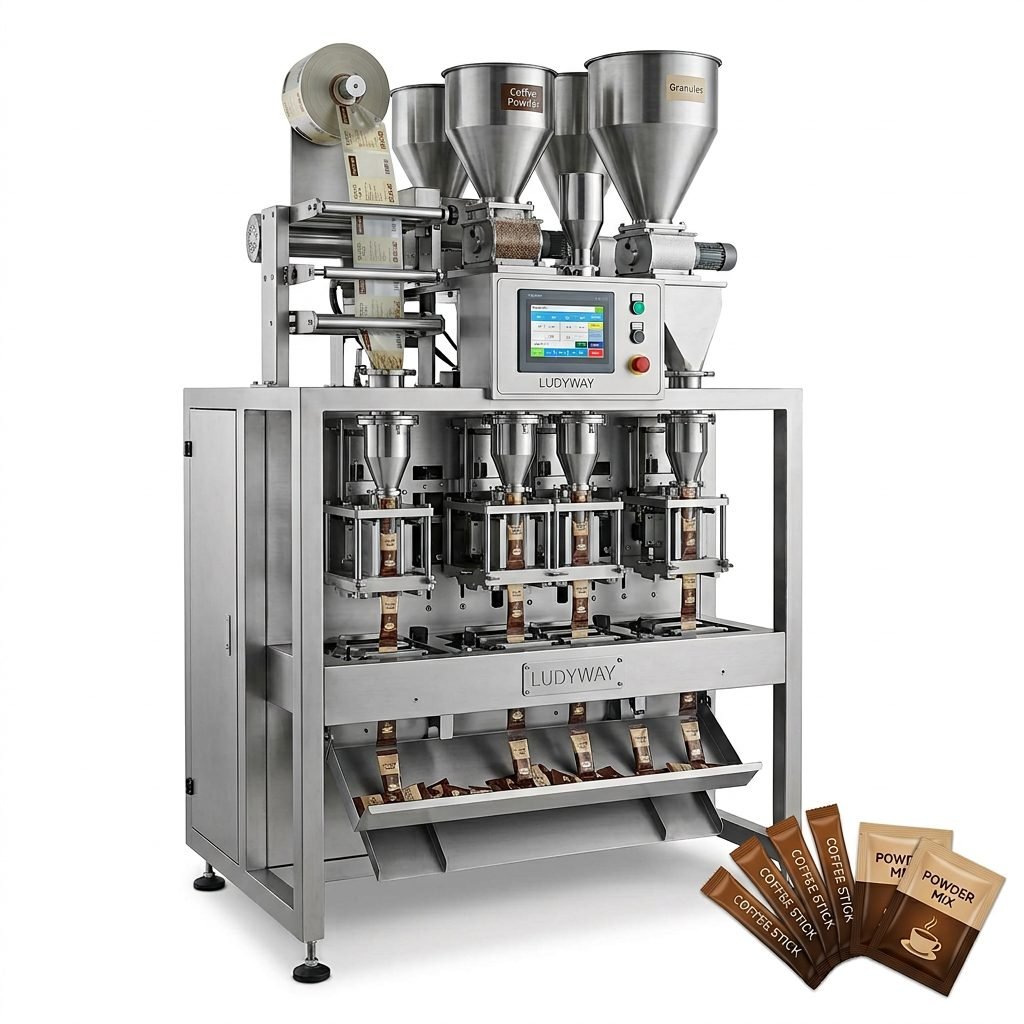
- Stick pack and sachet machines for instant coffee
- Vacuum or nitrogen-flush packaging systems
- Valve bag solutions for roasted whole beans
Typical Workflow of Coffee Roasting, Grinding, and Packing
| Processing Stage | Main Function | Key Control Point |
|---|---|---|
| Green Bean Loading | Feeds raw coffee into the roasting process | Clean input and stable feeding |
| Roasting | Develops flavor, aroma, and color | Temperature profile consistency |
| Cooling | Stops roast development quickly | Fast, even cooling |
| Grinding | Creates target particle size | Uniform grind distribution |
| Dosing / Filling | Measures coffee into packs | Weight accuracy |
| Sealing / Gas Protection | Preserves freshness and shelf life | Seal integrity and oxygen control |
| Coding / Inspection | Adds traceability and checks pack quality | Readable codes and defect detection |
Different Packaging Options for Coffee Products
Whole Bean Coffee Packaging
Whole beans are often packed in valve bags or nitrogen-flushed pouches to preserve aroma while allowing gas release. This format is ideal for specialty roasters and premium retail coffee.
Ground Coffee Packaging
Ground coffee is more sensitive to oxidation than whole beans. A reliable filling and sealing system is essential. Many producers choose multi-layer pouches, pillow bags, or premade stand-up pouches.
Instant Coffee Sachet and Stick Pack Packaging
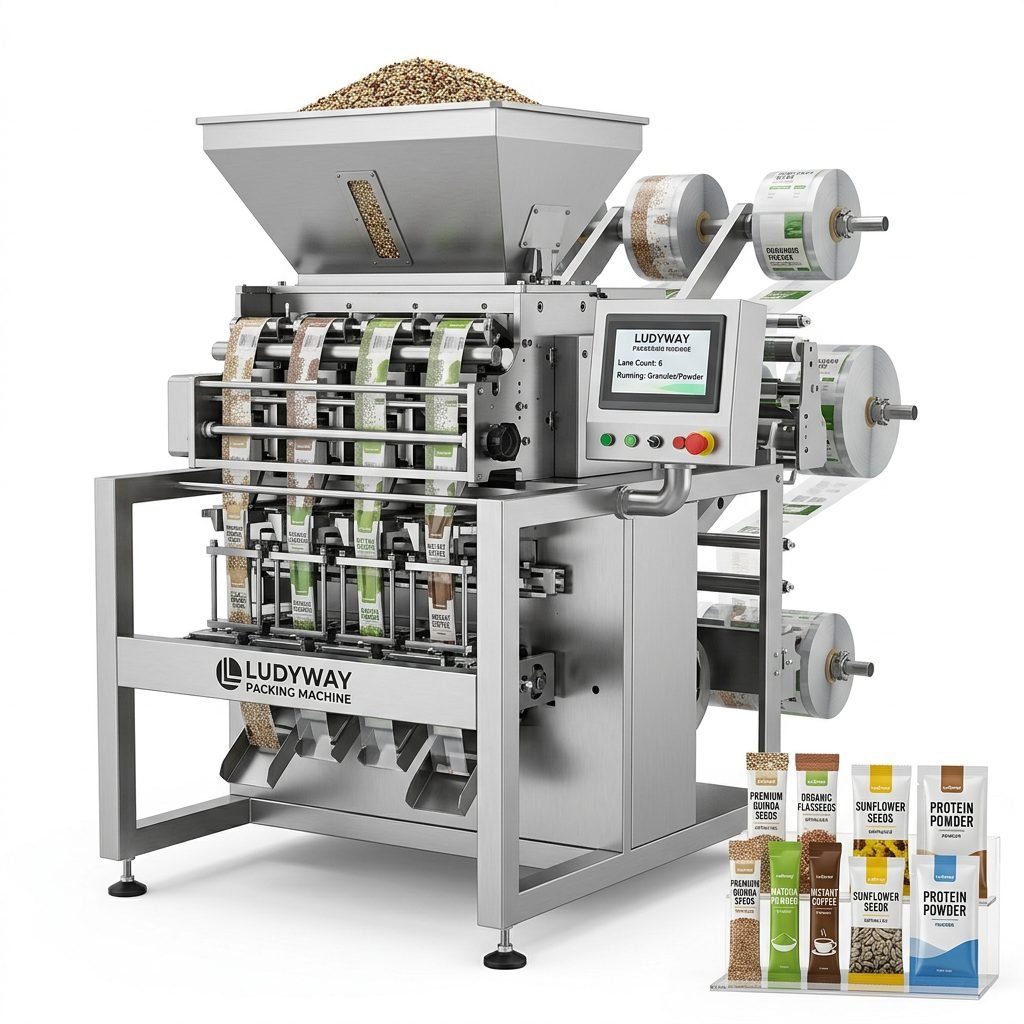
For single-serve products, multi-lane stick pack and sachet machines offer high efficiency, compact pack size, and strong retail convenience. This is especially suitable for hotels, offices, airlines, vending channels, and export brands.
Bulk Coffee Packaging
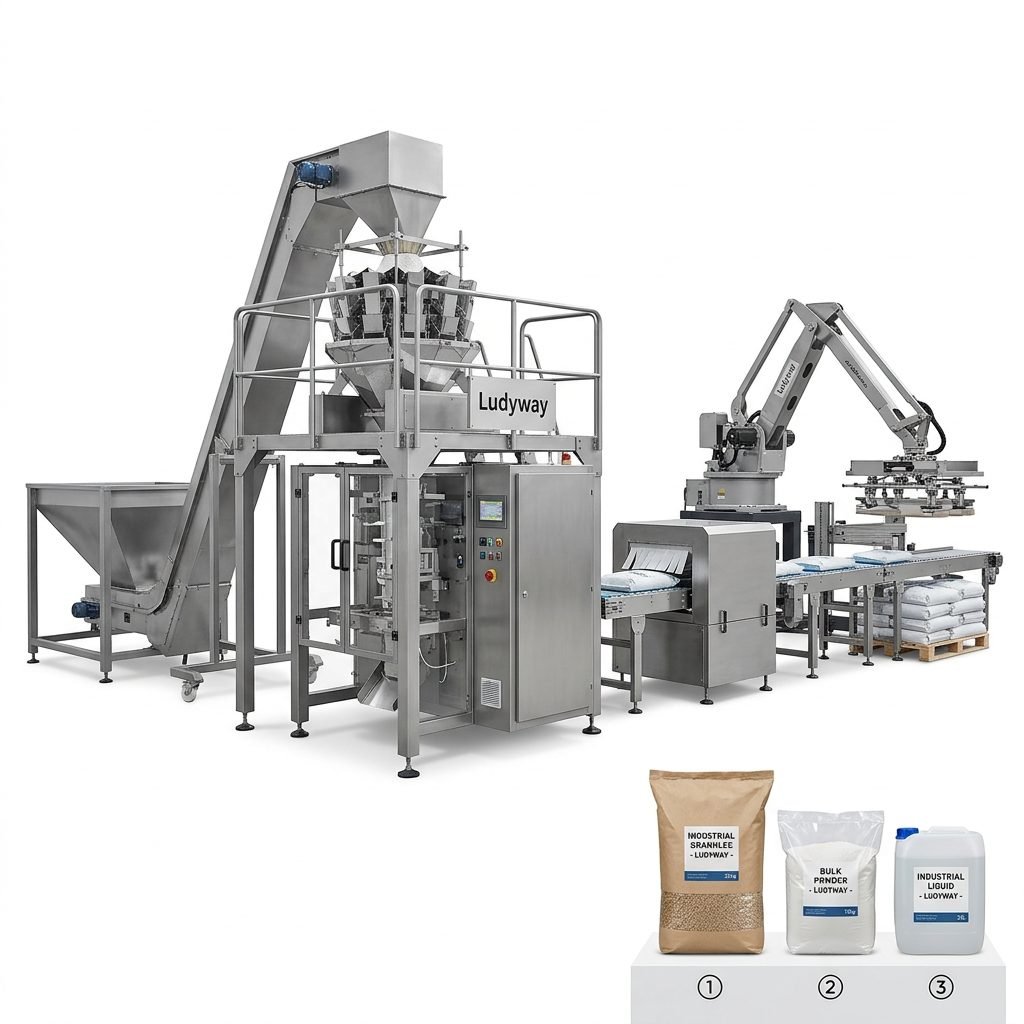
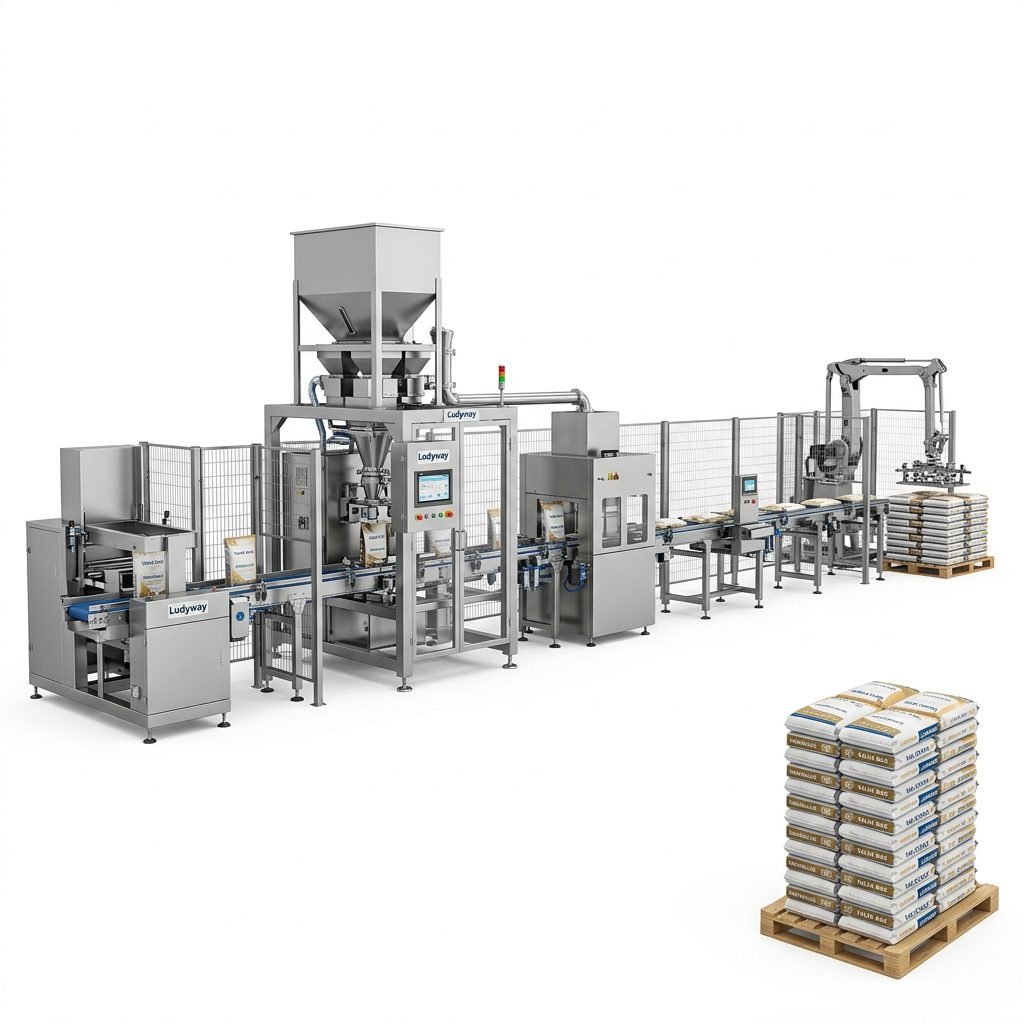
Industrial customers and foodservice buyers may require larger bags or sacks. In these cases, a line may include auger filling, weighing systems, bagging machines, sealing units, and palletizing equipment.
How to Choose the Right Coffee Roasting, Grinding, and Packing Machine
Match the Machine to Your Coffee Type
Start by identifying whether you process roasted beans, fine ground coffee, instant coffee powder, or multiple products. Each format needs different handling, dosing, and packaging technology.
Define Your Required Capacity
A small specialty roaster may focus on flexibility and product variety, while a large factory may prioritize continuous operation and high output. Capacity planning should include both current production and future expansion.
Consider Freshness Protection
Coffee quality drops quickly when exposed to oxygen and moisture. Look for systems that support:
- Nitrogen flushing
- High-quality sealing
- Degassing valve application where needed
- Minimal open-air transfer time
Check Dosing Accuracy
Weight variation can directly affect cost control and customer satisfaction. Powder coffee and instant coffee benefit from accurate auger fillers or precision dosing systems.
Evaluate Automation Level
A more automated line can reduce labor dependence, lower handling contamination risk, and improve production data visibility. This becomes increasingly valuable as output grows.
Review Maintenance and Cleaning Design
Coffee oils and powder dust can build up over time. Machines should be easy to access, clean, and maintain to reduce downtime and preserve hygiene.
Key Technical Features to Look For
| Feature | Why It Matters |
|---|---|
| Precise temperature control | Ensures stable roast flavor and repeatability |
| Consistent grinding system | Supports uniform extraction and smooth filling |
| Dust-controlled transfer | Reduces waste and protects hygiene |
| Accurate auger or weighing filler | Improves pack weight consistency |
| Nitrogen flushing compatibility | Extends freshness and shelf stability |
| Servo-driven packaging controls | Enhances precision and operating efficiency |
| Date coding and inspection integration | Supports traceability and quality assurance |
Benefits of an Automated Coffee Packing Line
A modern automated line does more than increase speed. It helps standardize product quality and improves production management across the plant.
- Reduced labor costs through less manual feeding and packing
- Better pack appearance with stable forming and sealing
- Higher production efficiency for growing orders
- Improved hygiene with enclosed transfer systems
- Easier scale-up from semi-auto to full turnkey lines
Who Needs This Type of Coffee Equipment?
Coffee roasting, grinding, and packing systems are suitable for a wide range of manufacturers and brand owners:
- Specialty coffee roasters
- Private-label coffee suppliers
- Instant coffee producers
- Food and beverage contract packers
- E-commerce coffee brands
- Export-focused coffee manufacturers
- Hotels, office coffee suppliers, and single-serve product makers
Common Challenges in Coffee Processing and How Equipment Solves Them
Flavor Variation Between Batches
This is usually linked to unstable roasting parameters or inconsistent cooling. Advanced roasting controls help create a repeatable roast profile.
Dust and Product Loss During Grinding
Coffee powder can create a dusty environment and reduce yield. Sealed conveying and proper powder dosing systems reduce this issue.
Short Shelf Life
If packaging materials or sealing quality are poor, freshness declines quickly. Nitrogen flushing and strong heat sealing improve protection.
Inaccurate Pack Weight
This problem increases giveaway cost and may create complaints. Precision filling systems and checkweighing improve control.
Turnkey Solutions for Coffee Processing
Many manufacturers prefer a turnkey line instead of purchasing separate machines from multiple suppliers. A turnkey solution can reduce integration risks and improve compatibility between roasting, grinding, conveying, filling, and final packaging equipment.
For businesses seeking scalable automation and flexible packaging configurations, coffee packaging machine solutions from Ludyway can support standalone equipment needs as well as complete turnkey packaging line projects for coffee powder, granules, sachets, stick packs, and pouch applications.
Questions to Ask Before Buying
- What coffee products do you plan to pack now and later?
- What is your target hourly or daily output?
- Do you need whole bean, ground coffee, or instant coffee packaging?
- Will your line require nitrogen flushing or degassing valves?
- What packaging format best fits your market?
- How much floor space is available?
- Do you need semi-automatic or fully automatic operation?
- What inspection, coding, and end-of-line equipment are required?
Final Buying Insight
The best coffee roasting, grinding, and packing machine is not simply the fastest model. It is the system that fits your coffee type, protects freshness, supports your target capacity, and gives you room to grow. When the roasting profile, grinding consistency, and packaging quality work together, your production becomes more efficient and your coffee reaches customers in better condition.
If you are planning to upgrade your coffee factory or launch a new coffee packaging line, choosing a well-matched and integrated solution will help you improve productivity, reduce operating costs, and maintain a stronger product standard in a competitive market.