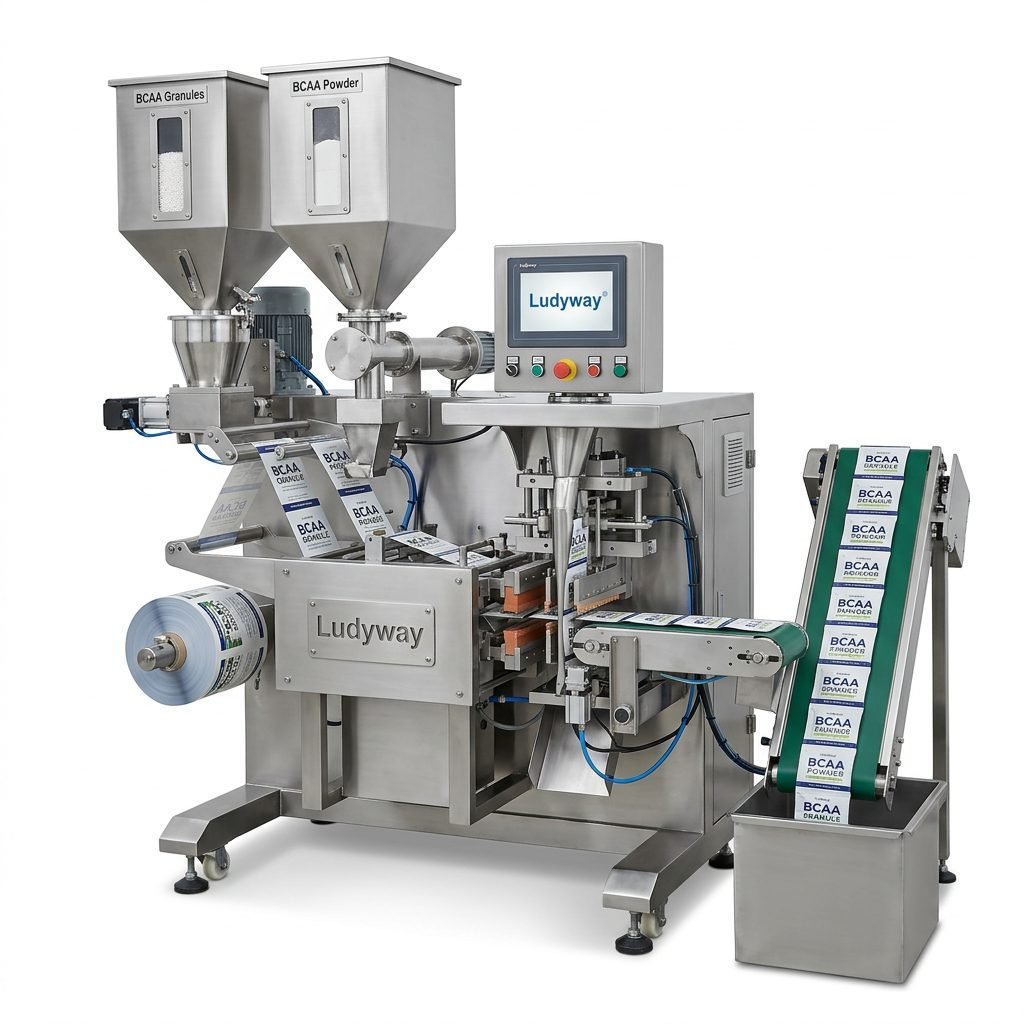
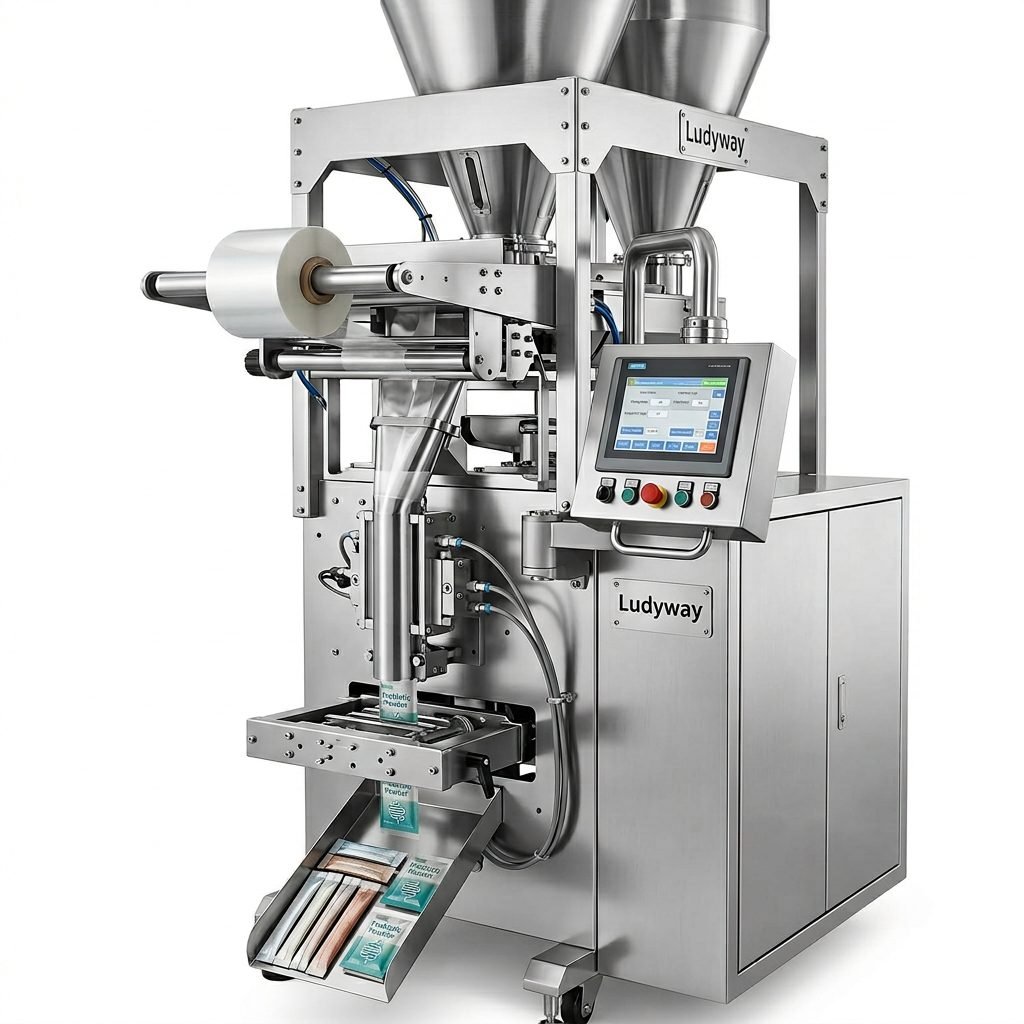
Standing pouch packaging has revolutionized product presentation and functionality across numerous industries, from food and beverages to pharmaceuticals and cosmetics. These versatile, self-standing bags offer superior shelf presence, enhanced product protection, and consumer convenience. At the heart of producing these modern packages lies the standing pouch packaging machine—a sophisticated piece of automation that transforms flat film into filled, sealed, and finished pouches ready for distribution. This comprehensive guide delves into the types of machines available, explains their intricate working processes, and provides a detailed framework for selecting the perfect equipment for your production needs.
Understanding Standing Pouch Packaging Machines
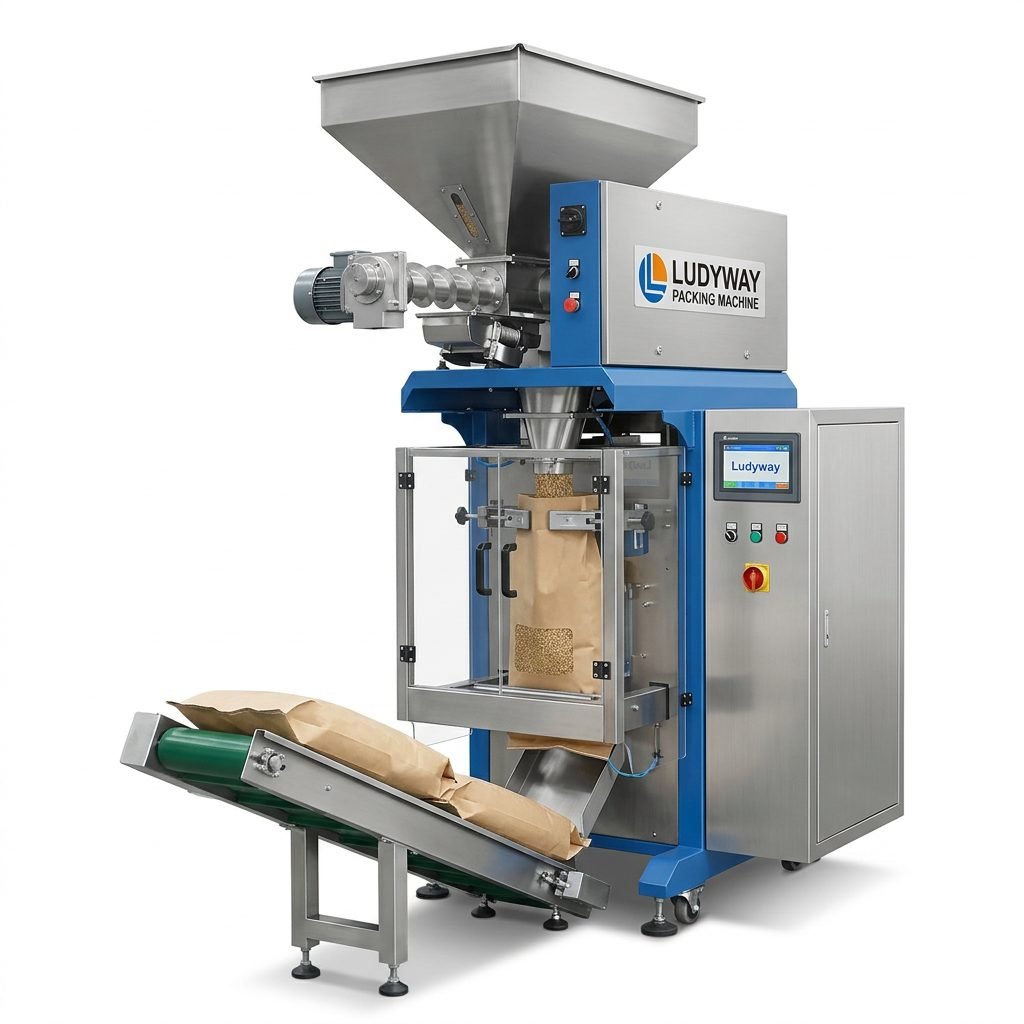
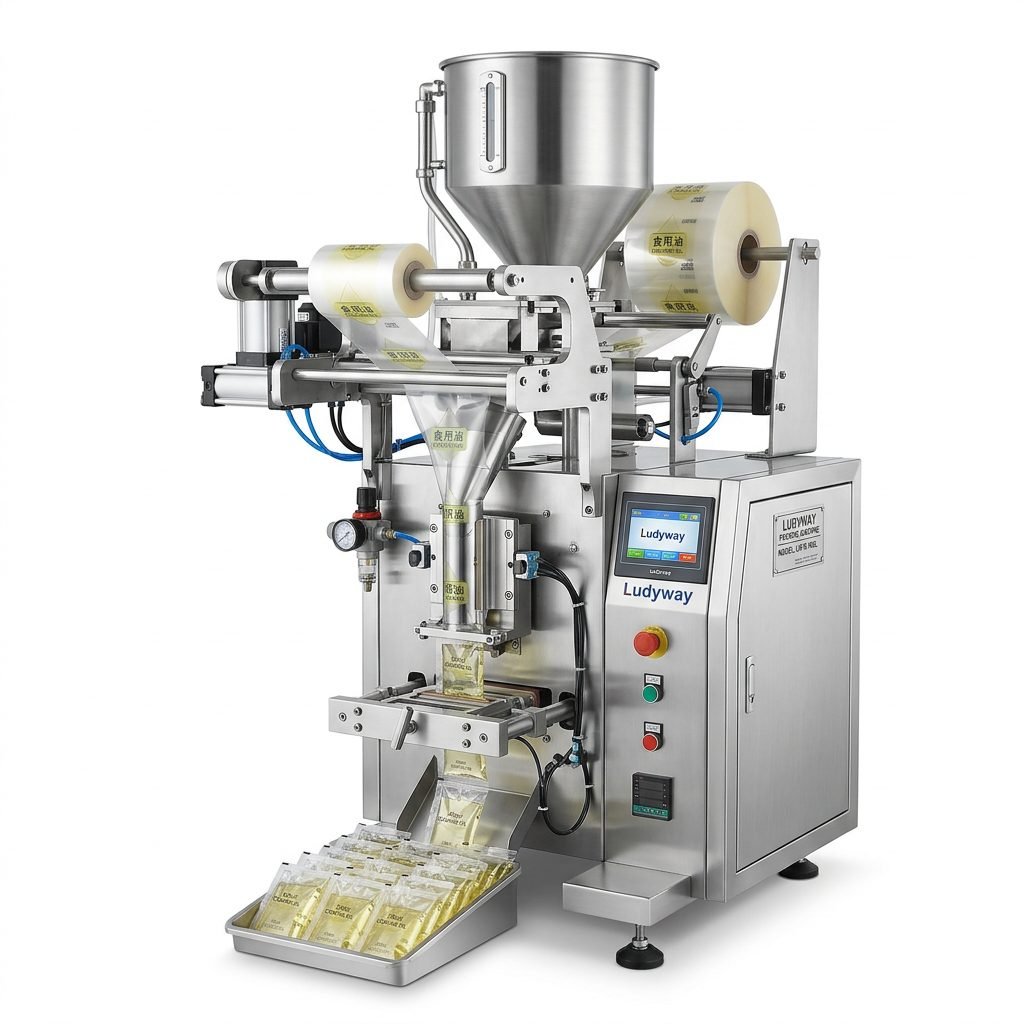
A standing pouch packaging machine is an automated system designed to form, fill, and seal flexible packaging materials into pouches that can stand upright on retail shelves. Unlike traditional flat pouches, standing pouches (also known as stand-up pouches or doy packs) feature a gusseted bottom, providing stability and a larger surface area for branding and product information. These machines integrate various technologies—from precision mechanical forming to advanced servo control and touch-screen HMIs—to handle a wide range of products, including liquids, powders, granules, and solids.
Key Advantage: The primary benefit of automated standing pouch machines is their ability to deliver high-speed, consistent, and hygienic packaging, significantly reducing labor costs and minimizing human error while ensuring every pouch meets strict quality standards for seal integrity and fill accuracy.
Core Components of a Typical Machine
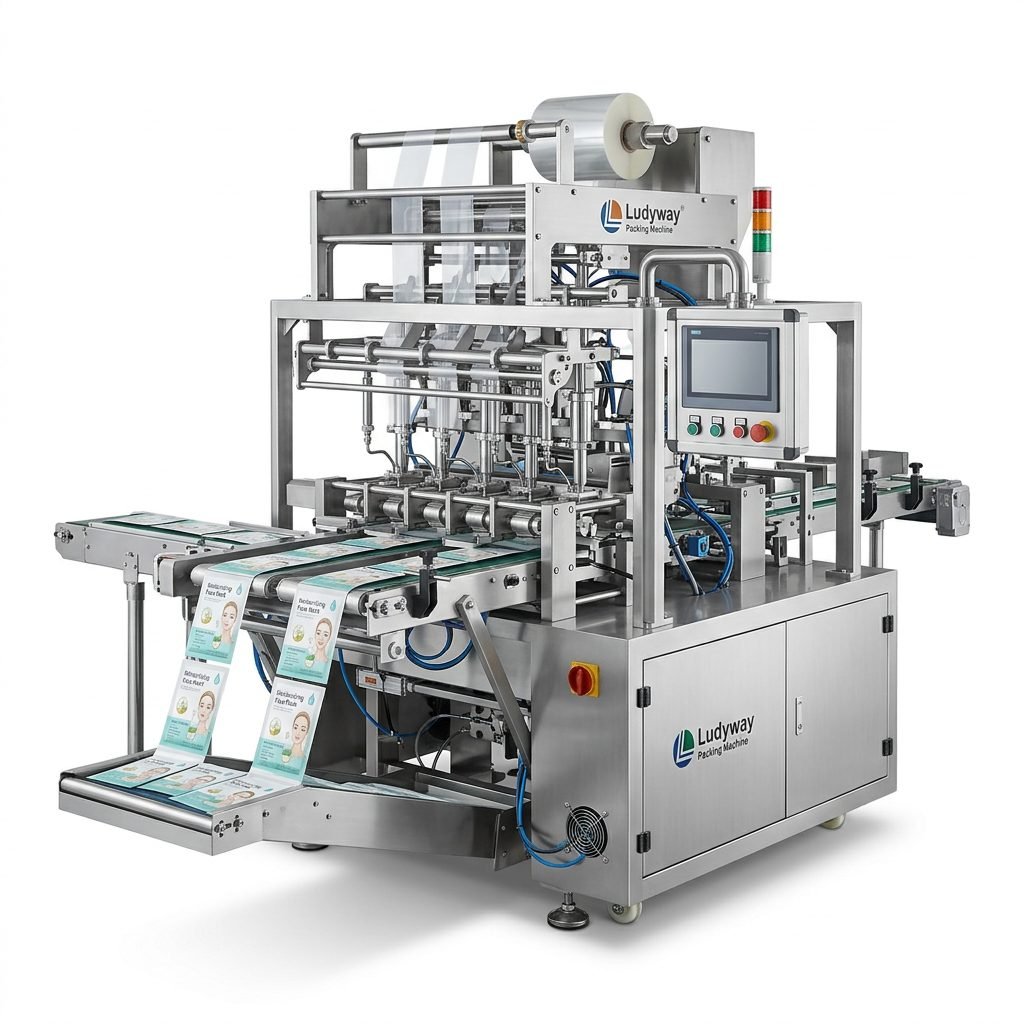
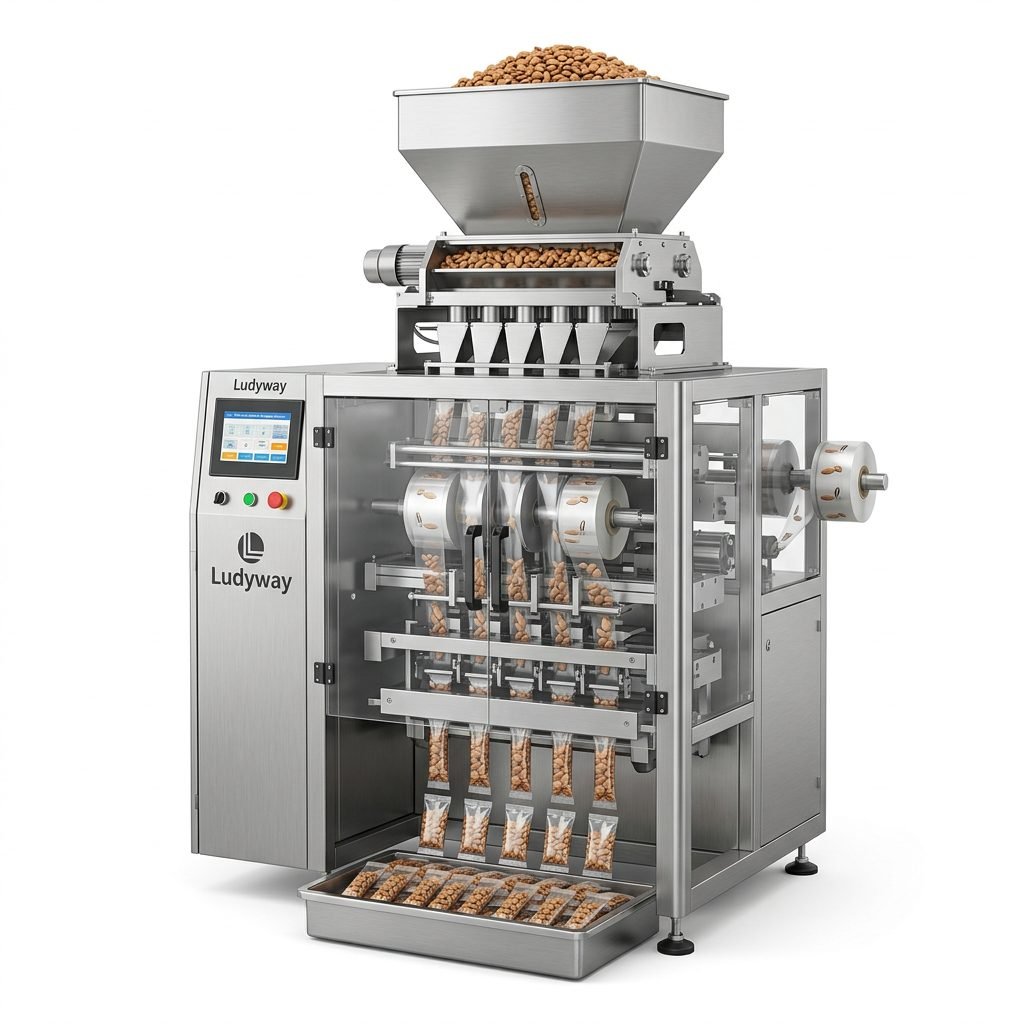
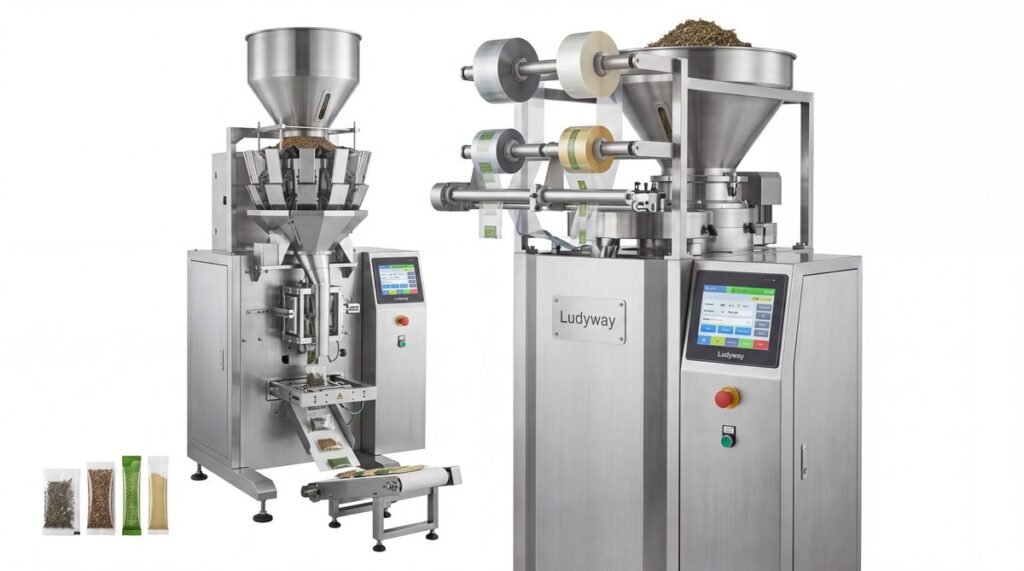
While designs vary, most standing pouch packaging systems consist of several key modules:
- Unwinding & Feeding System: Controls the payout of roll stock film, often with automatic splicing for non-stop production.
- Forming Section: Uses forming collars or boxes to shape the flat film into a tube and create the bottom gusset.
- Vertical Transversal Sealing Jaws: Create the back seam and the top and bottom seals of individual pouches.
- Filling System: A precisely timed auger, pump, or volumetric filler deposits the product into the formed pouch.
- Gas Flushing System (Optional): For modified atmosphere packaging (MAP) to extend shelf life.
- Discharge & Conveying: Transfers finished pouches to downstream equipment like checkweighers or cartoners.
Main Types of Standing Pouch Packaging Machines
Selecting the right machine begins with understanding the different configurations available, each suited to specific production volumes, pouch styles, and product characteristics.
1. Vertical Form-Fill-Seal (VFFS) Machines
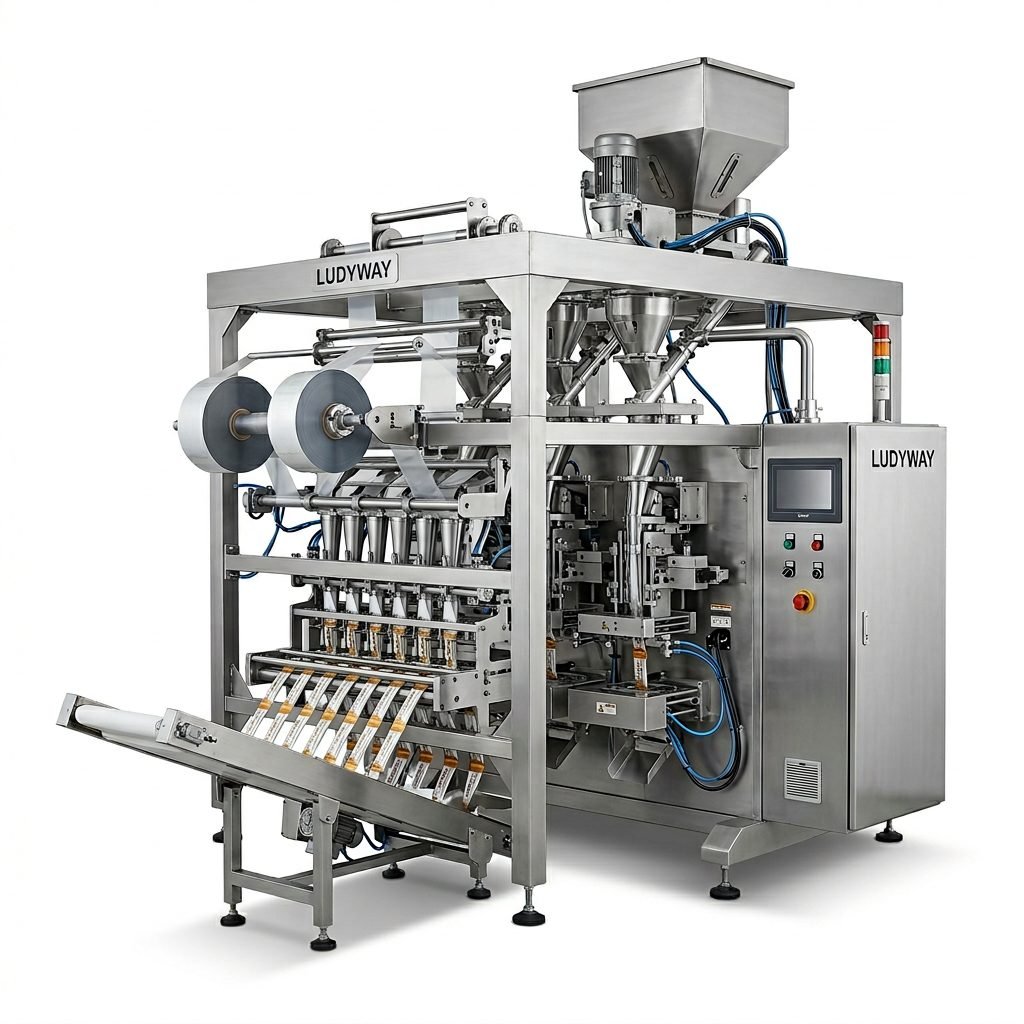
The most common and versatile type. A roll of flat film is fed vertically, formed into a tube around a filling pipe, sealed transversely to create the bottom, filled with product, and then sealed again at the top before being cut off. VFFS machines are ideal for granules, powders, and liquids and are highly efficient for medium to high-volume production. They offer quick changeover between pouch sizes.
2. Pre-Made Pouch Machines
These machines use pre-manufactured, flat-bottomed pouches that are automatically fed from a magazine, opened, filled, and then sealed. This method is excellent for delicate products, complex pouch shapes (like spouted or zippered pouches), and applications where the printing quality on the pouch is critical, as pre-printing avoids distortion. They often run at slightly lower speeds than VFFS but offer great flexibility in pouch design.
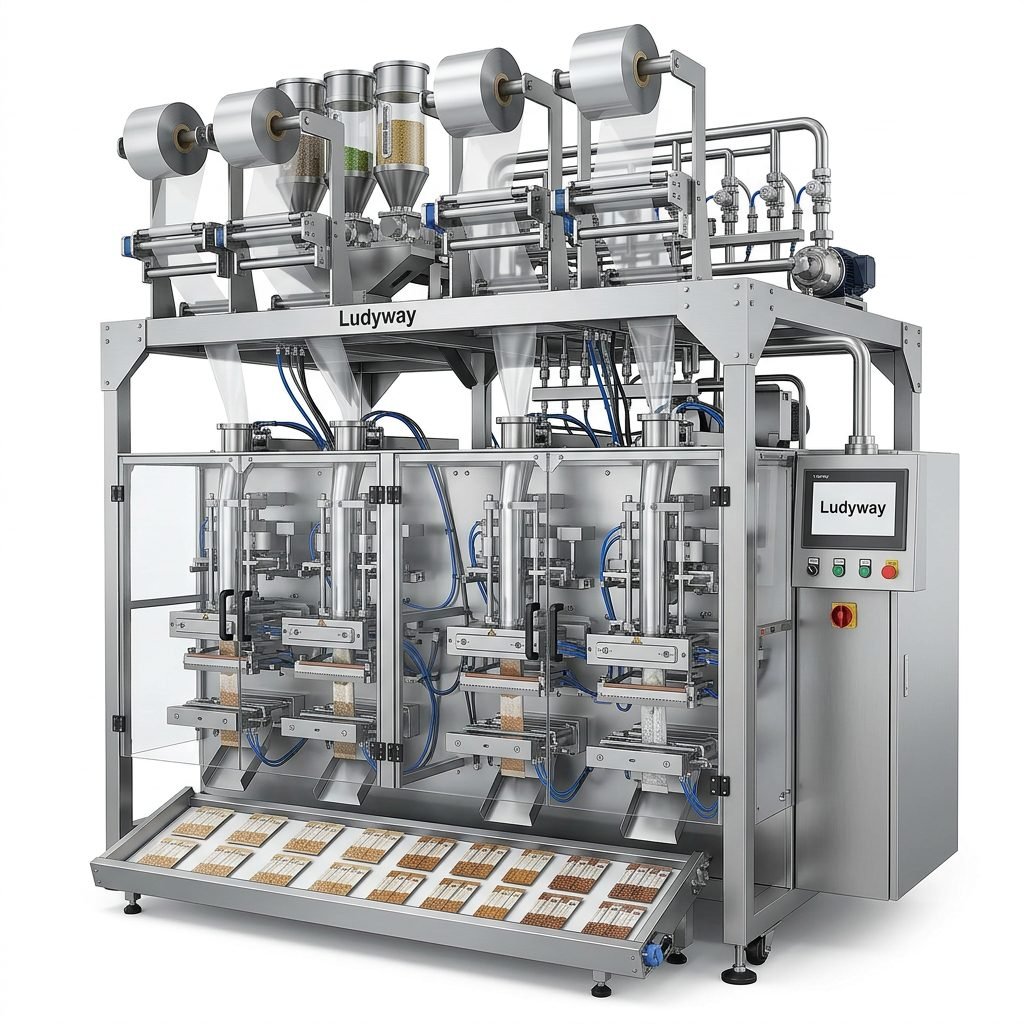
3. Hybrid or Modular Systems
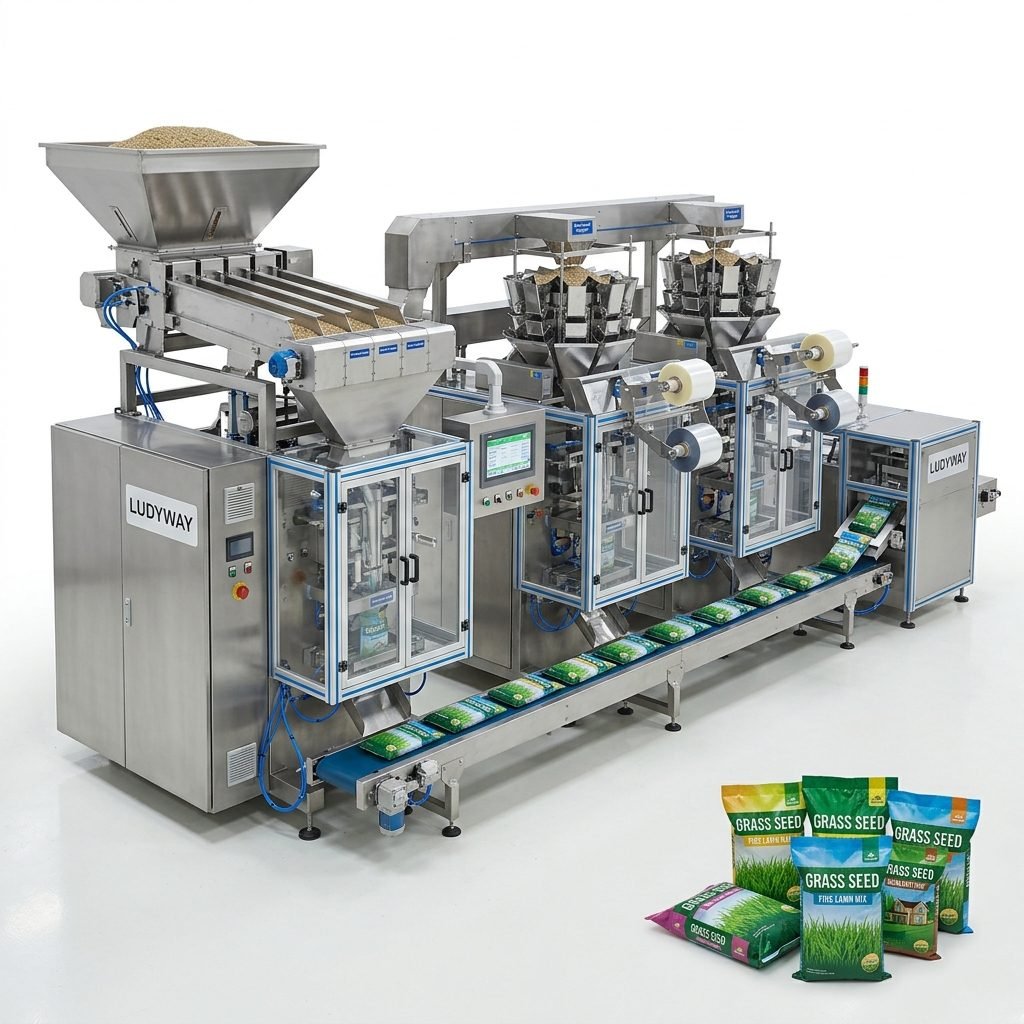
Advanced lines combine multiple technologies. For instance, a VFFS machine may be integrated with a robotic pick-and-place system for inserting solid items or a cap sealing station for spouted pouches. These turnkey solutions are tailored for complex, high-value products requiring multiple packaging steps in one continuous line.
Technology Spotlight: Servo-Driven vs. Mechanical Machines
Modern machines are increasingly servo-driven. Every major movement—film pull, sealing jaw action, filler operation—is controlled by independent servo motors. This offers unparalleled flexibility, precision, and ease of changeover via a touchscreen, with minimal mechanical adjustments. Traditional mechanical machines, driven by a central camshaft, are robust and often have a lower initial cost but are less flexible and slower to change over.
The Working Process: From Film Roll to Finished Pouch
The automated journey of creating a standing pouch is a marvel of engineering synchronization. Here’s a step-by-step breakdown:
- Film Feeding & Registration: The roll stock film is fed through a series of tensioners and guides. An optical sensor reads registration marks (eyemarks) to ensure print alignment is perfect on every pouch.
- Forming: The film passes over a forming shoulder, which wraps it into a vertical tube. A special gusseting device tucks and folds the film at the bottom to create the stand-up base.
- Back Sealing: The longitudinal back seal of the tube is created using a hot bar or impulse sealer.
- Bottom Sealing & Cutting: Transversal sealing jaws close to fuse the front and back layers (and the gusset), creating the airtight bottom seal of one pouch and the top seal of the pouch below. A knife within the jaws simultaneously cuts the pouches apart.
- Filling: As the newly formed pouch is held open, the precise dose of product is injected or dropped in. For liquids, this may involve a nozzle that descends into the pouch to prevent splashing.
- Top Sealing & Gas Flushing: The open top is then sealed. If required, a burst of inert gas (like nitrogen) is injected just before the final seal to displace oxygen, a process critical for snack foods and coffee.
- Discharge & Secondary Operations: The finished pouch is ejected onto a conveyor, which may transport it to a checkweigher, metal detector, date coder, or case packing system.
How to Choose the Right Standing Pouch Machine
Investing in the right equipment is critical for operational success. Consider these factors systematically:
1. Product Characteristics
Your product dictates the machine’s core requirements. Is it a free-flowing powder, a viscous liquid, a sticky paste, or a solid item? This determines the filling technology (auger, pump, volumetric cup, scale, piston). Abrasive products require hardened components, while hygroscopic powders may need a dehumidified filling zone.
2. Production Volume & Speed Requirements
Calculate your required output in pouches per minute (PPM). High-speed lines can exceed 200 PPM, while smaller, versatile machines may range from 40-100 PPM. Match the machine’s rated speed to your peak and average demand, allowing for some future growth. Remember, efficiency (uptime) is often more important than maximum theoretical speed.
3. Pouch Specifications & Materials
Define your pouch size range (width, length, gusset depth), desired seal type (4-side seal, 3-side seal, round-corner), and any special features like resealable zippers, spouts, or tear notches. The machine must be compatible with your chosen laminate film structure (e.g., PET/AL/PE, MET-PET/PE) and its sealing properties.
🛠️ Pro-Tip: The Changeover Factor
If you run multiple SKUs with different pouch sizes or products, quick changeover capability is paramount. Look for machines with servo-driven adjustments and recipe storage on the HMI. Tool-less changeovers, where operators simply enter new dimensions on a screen, can reduce downtime from hours to minutes, boosting overall equipment effectiveness (OEE).
4. Automation & Integration Level
Consider the desired level of automation. Do you need automatic film splicing, an integrated weight checker with feedback control to the filler, automatic rejection of defective pouches, or a robotic palletizer at the end of the line? Planning for future integration from the start is more cost-effective than retrofitting later.
5. Supplier Expertise & Support
The machine is only as good as the company behind it. Choose a supplier with proven experience in standing pouch technology, like Ludyway Machinery, which brings over 30 years of industry expertise. Evaluate their after-sales service, availability of spare parts, training programs, and ability to provide a complete turnkey solution—from initial design and factory acceptance testing to installation and ongoing technical support. A reliable partner ensures your investment delivers long-term value.
Frequently Asked Questions (FAQs)
1. What is the typical lifespan of a standing pouch packaging machine?
With proper maintenance and operation, a well-built standing pouch machine from a reputable manufacturer can have a productive lifespan of 15 years or more. Key factors include the quality of components (e.g., servo motors, PLCs, sealing jaws), adherence to preventive maintenance schedules, and the operating environment (cleanliness, humidity control).
2. Can one machine handle both liquid and powder products?
Some versatile machines are designed with interchangeable filling systems. You might have an auger filler for powders and a piston pump filler for liquids that can be swapped out for changeovers. However, thorough cleaning and validation are required when switching between such different product types, especially in food or pharmaceutical applications, to prevent cross-contamination.
3. How important is Modified Atmosphere Packaging (MAP) capability?
For products prone to oxidation (like nuts, cured meats, or premium coffee) or where shelf life extension is a key market advantage, MAP is essential. It involves flushing the pouch with an inert gas like nitrogen before sealing. If this is a current or future need, specify a machine with an integrated, precision gas flushing system from the outset.
4. What are the most common causes of seal defects, and how are they prevented?
Common seal issues (leaks, wrinkles, weak seals) are often caused by incorrect temperature/pressure/dwell time settings, contaminated sealing jaws, poor film quality, or misaligned registration. Prevention relies on consistent film specifications, regular jaw cleaning, and a machine with precise, digitally controlled sealing parameters that can be locked into recipes for repeatability.
5. What training is required for operators and maintenance staff?
Comprehensive training is crucial for success. Reputable suppliers should provide on-site training covering normal operation, changeover procedures, basic troubleshooting, routine maintenance (lubrication, cleaning), and safety protocols. This empowers your team to run the line efficiently and identify minor issues before they cause major downtime.