Selecting the right sweet packaging machine is a critical decision for any confectionery manufacturer, directly impacting production efficiency, product presentation, and overall profitability. This comprehensive guide delves into the various types of packaging machines available, their key features, and a structured approach to choosing the best equipment for your specific needs. Whether you are packaging hard candies, chocolates, gummies, or other sweet treats, understanding the machinery landscape is the first step toward optimizing your packaging line.
Understanding the Different Types of Sweet Packaging Machines
The packaging process for sweets can vary dramatically based on product form, sensitivity, and desired shelf appeal. Consequently, a range of specialized machinery has been developed to handle these diverse requirements efficiently.
Flow Wrappers for Individual Items
Flow wrappers, or horizontal form-fill-seal (HFFS) machines, are incredibly versatile and commonly used for wrapping individual candy bars, chocolate pieces, or small bundles of candies. The product is placed on a continuous roll of film, which is then formed around it, sealed longitudinally and at the ends, and cut into individual packages. This method is ideal for achieving a tight, snug fit that protects the product from air and moisture, crucial for maintaining freshness.
Vertical Form-Fill-Seal (VFFS) Machines for Bulk Packing
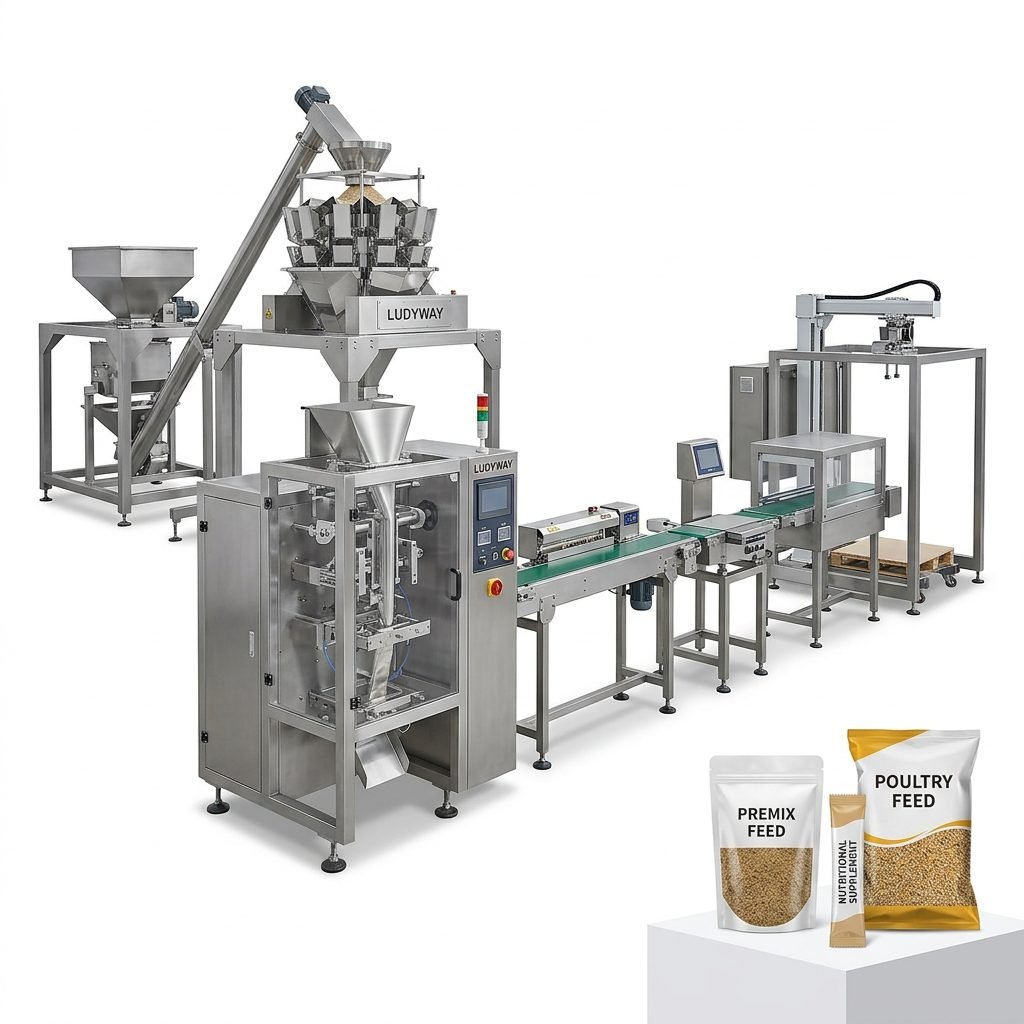
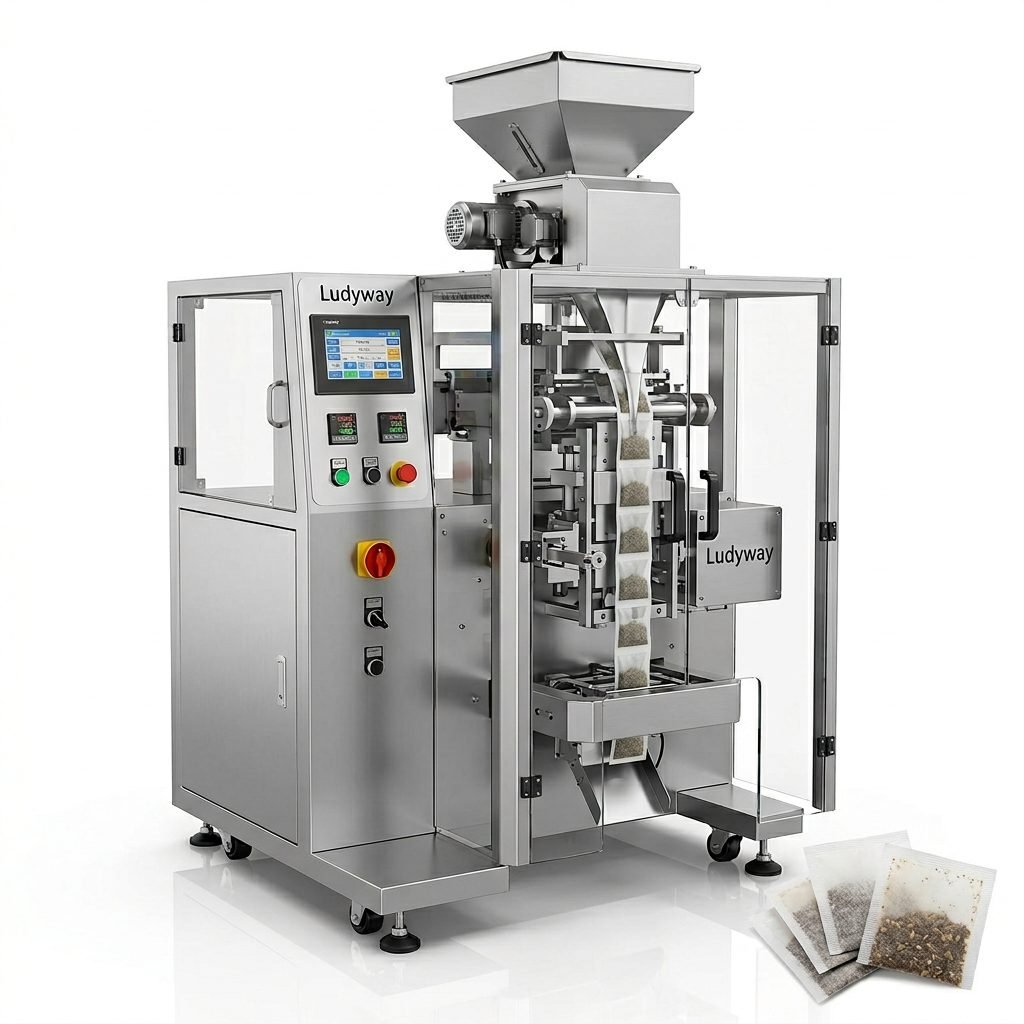
For packing loose sweets like jelly beans, hard candies, or chocolate drops into bags, Vertical Form-Fill-Seal machines are the industry standard. These machines form a bag from a roll of film, fill it with a pre-measured volume or weight of product, and then seal it. Modern VFFS systems offer high speeds and can incorporate features like gas flushing for extended shelf life or zip-lock re-closable seals for consumer convenience.
Stick Pack and Sachet Machines for Portion Control
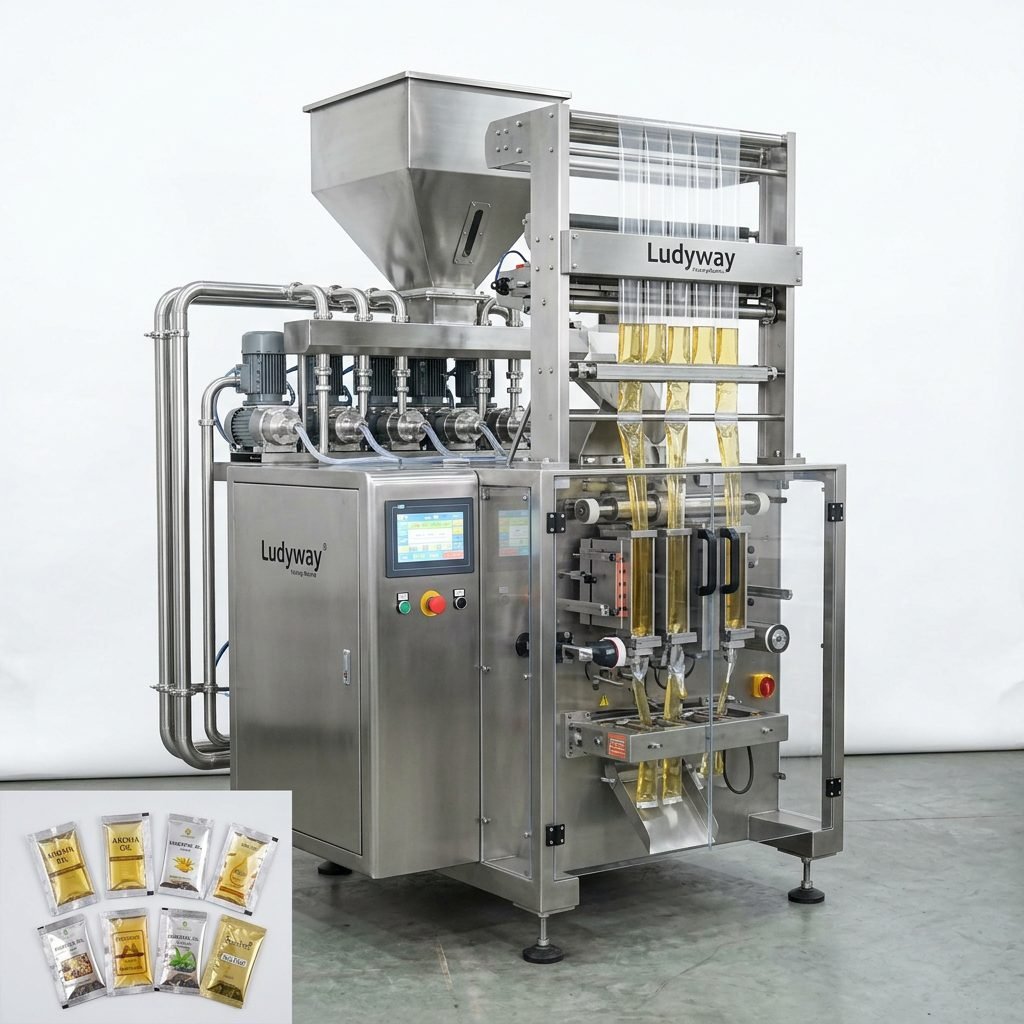
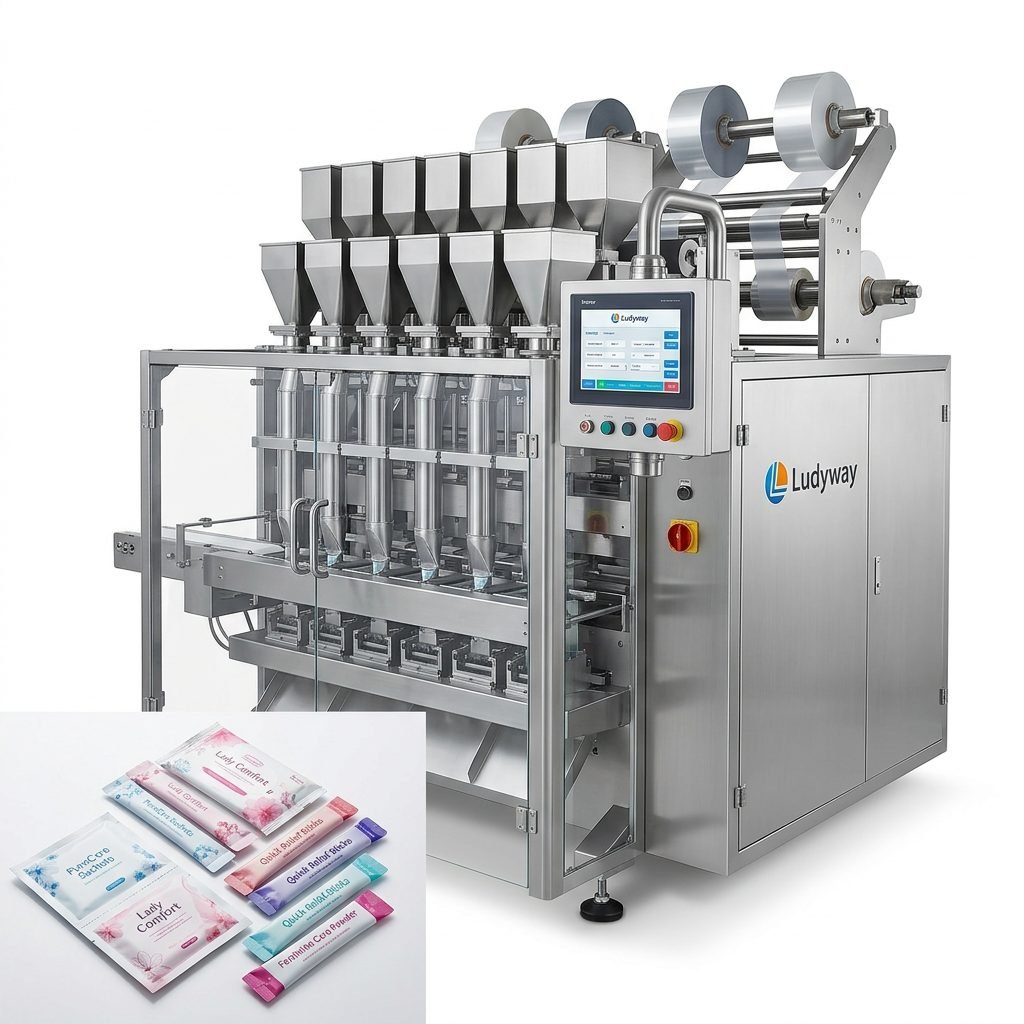
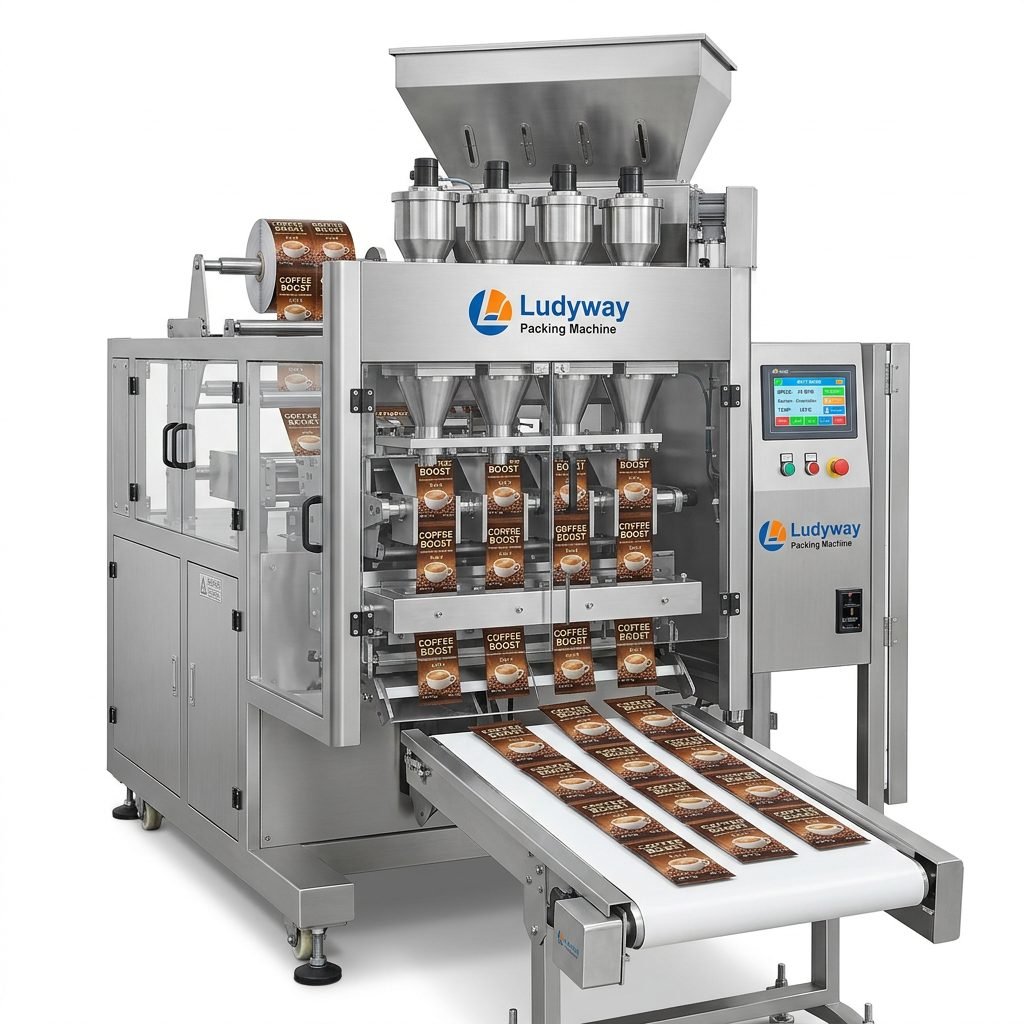
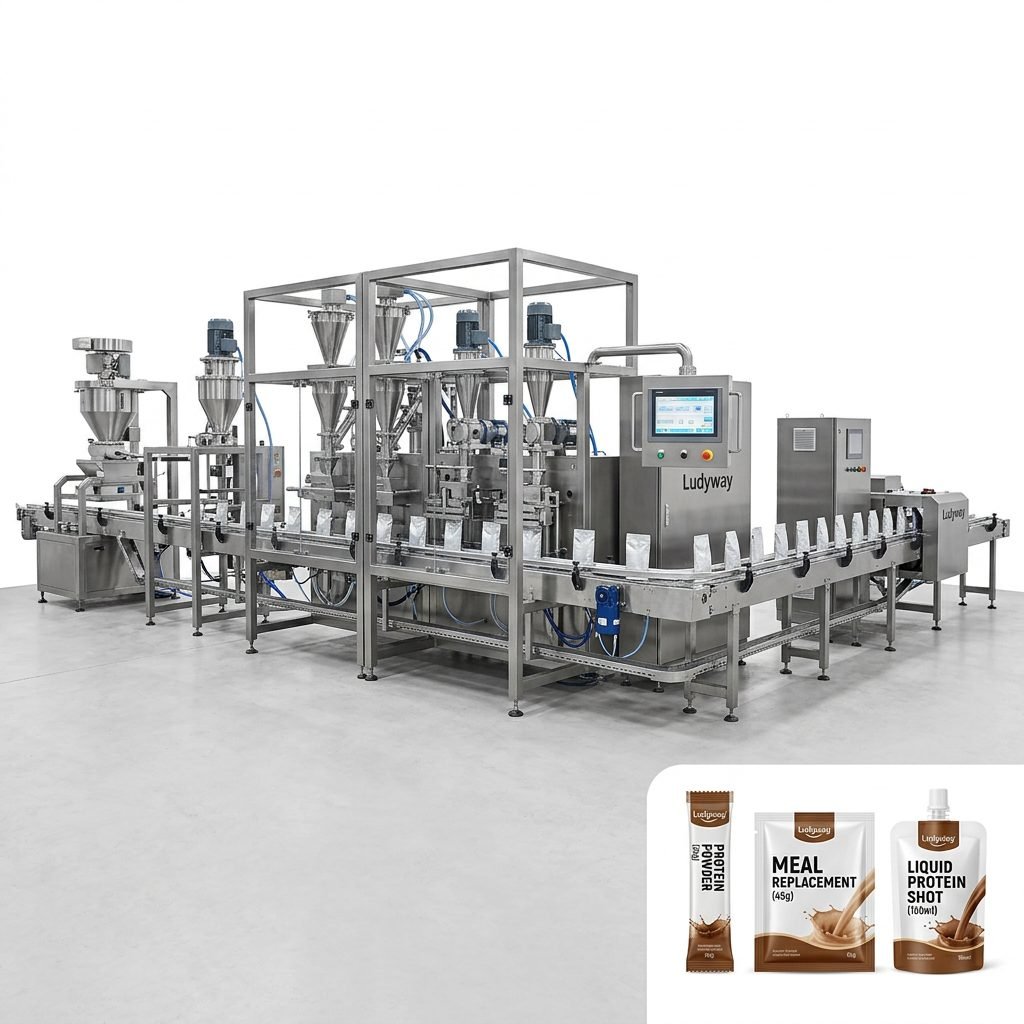
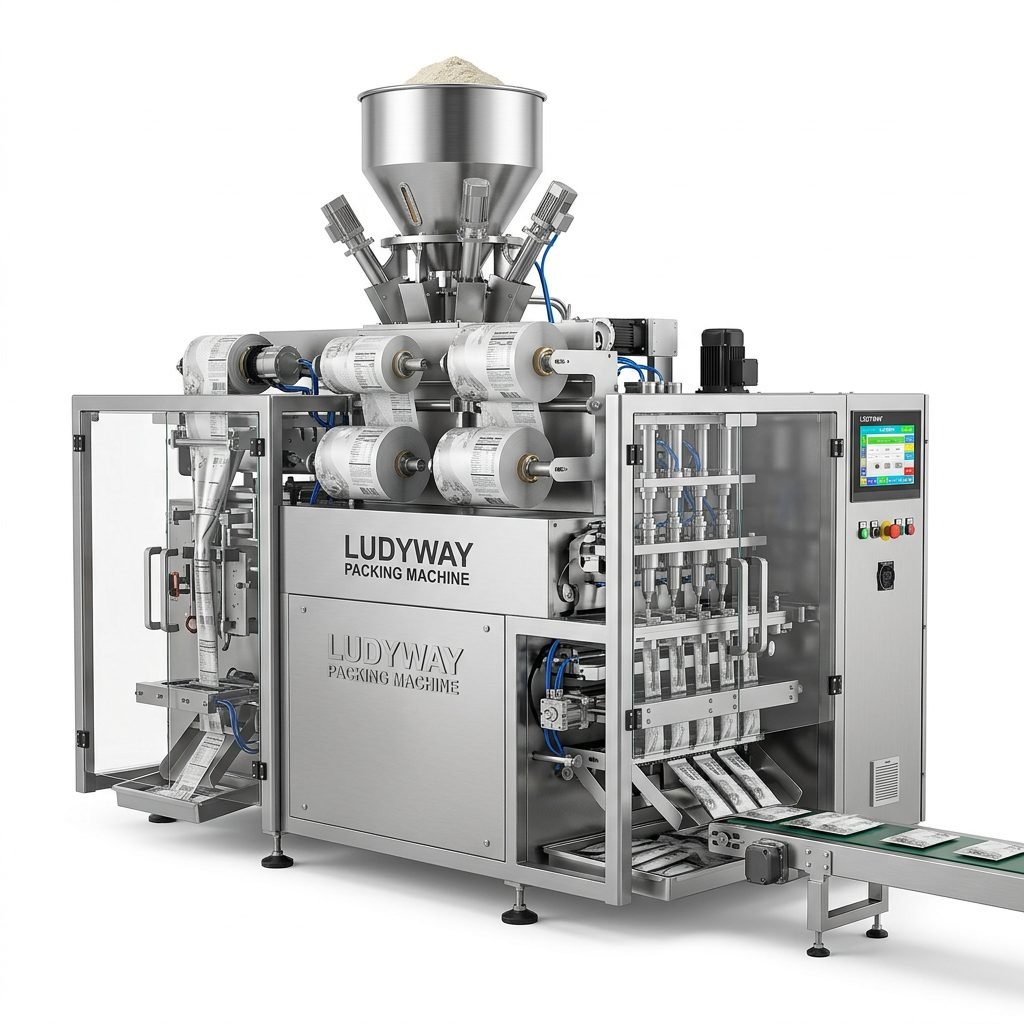
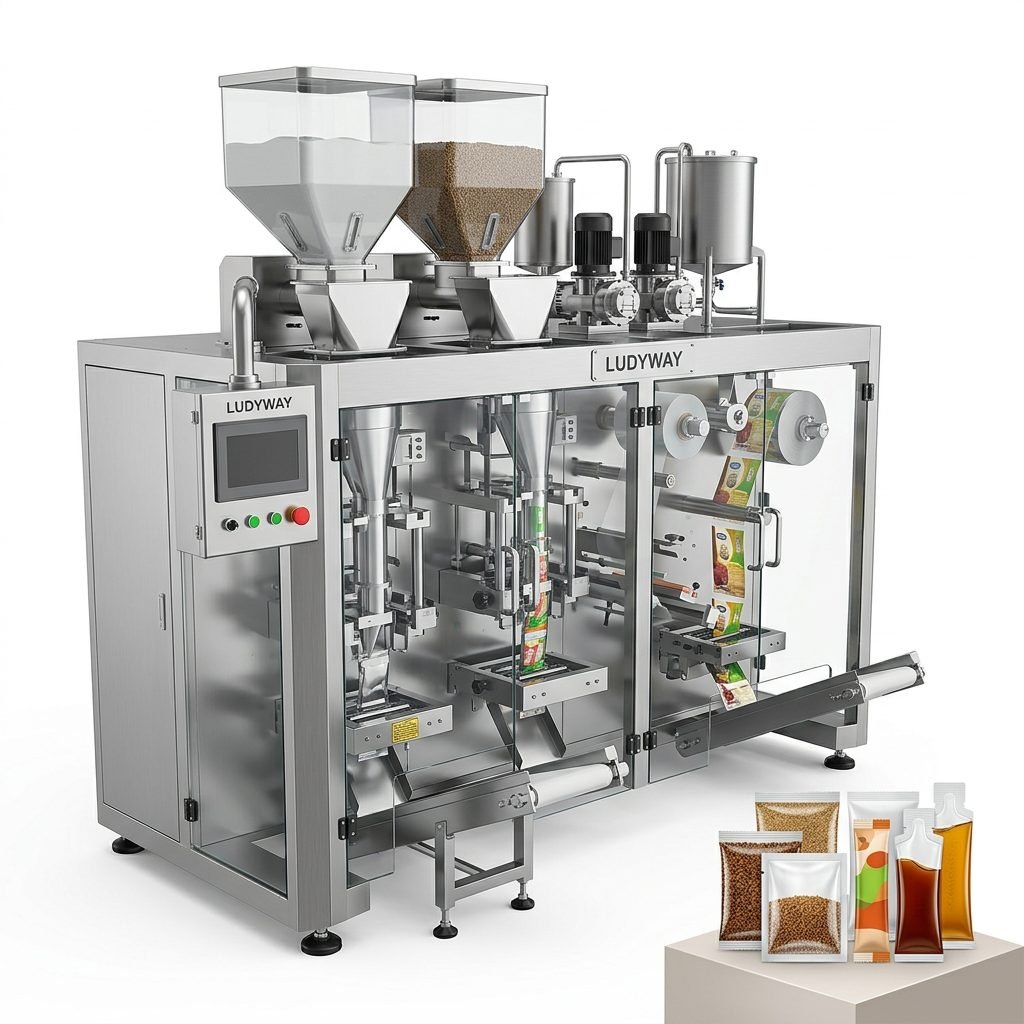
The demand for single-serve and portion-controlled packaging has grown significantly. Stick pack and sachet packaging machines are perfect for packaging powdered drink mixes, sugar, or small candy pieces. These machines create small, sealed pouches from roll stock, offering excellent barrier properties and a modern, sleek look. They are particularly popular in markets where on-the-go consumption is common.
Tray Sealing and Skin Packaging for Premium Presentation
For high-end chocolates, gift boxes, or assortments, tray sealing and skin packaging provide superior presentation and protection. A pre-formed plastic or paperboard tray is loaded with product, and a lidding film is heat-sealed over the top. This method offers excellent visibility, tamper evidence, and a premium unboxing experience that can significantly enhance brand perception.
Key Features to Evaluate in a Packaging Machine
Beyond the basic type, several advanced features differentiate a standard machine from a high-performance asset for your production floor.
1. Speed and Production Capacity
Measured in packages per minute (PPM), the machine’s speed must align with your current and projected output. It’s crucial to balance peak speed with consistent, reliable operation to avoid costly downtime.
2. Flexibility and Changeover Ease
Can the machine handle multiple product sizes and packaging materials? Quick-change systems for forming tools, film reels, and feeding mechanisms are invaluable for manufacturers with diverse SKUs, minimizing changeover time and waste.
3. Precision Weighing and Filling Systems
Accurate filling is non-negotiable for cost control and regulatory compliance. Look for machines with multi-head weighers, auger fillers, or volumetric cup fillers that offer the precision required for your specific product, whether it’s uniform pieces or free-flowing granules.
4. Integrated Automation and Smart Controls
Modern packaging machines are increasingly connected. Features like a user-friendly Human-Machine Interface (HMI), programmable logic controllers (PLCs), and connectivity for Industry 4.0 data collection allow for better monitoring, predictive maintenance, and overall equipment effectiveness (OEE) tracking.
5. Hygienic Design and Construction
For food contact, especially with sticky or oily products like sweets, machines must be easy to clean. Stainless steel contact parts, smooth surfaces without crevices, and CIP (Clean-in-Place) capabilities are major advantages for maintaining food safety standards.
How to Choose the Best Sweet Packaging Machine: A Step-by-Step Guide
Making an informed investment requires a systematic evaluation of your needs against the available solutions.
Step 1: Analyze Your Product and Packaging Requirements
Start with the basics: What are you packaging? Define the product’s physical state (solid, powder, liquid), its fragility, and any special needs like moisture or oxygen sensitivity. Then, define your desired package type, size, and material (e.g., polypropylene, metallized film).
Step 2: Assess Your Production Volume and Growth Plans
Be realistic about your current daily/weekly output and your growth forecast for the next 3-5 years. Choosing a machine that is slightly above your current needs is often wiser than one that is already at maximum capacity.
Step 3: Evaluate Total Cost of Ownership (TCO)
Look beyond the initial purchase price. Consider operational costs like energy consumption, required labor, maintenance schedules, and the availability/cost of spare parts. A reliable machine from a reputable supplier like Ludyway Machinery may have a higher upfront cost but a lower TCO due to durability and support.
Step 4: Prioritize Supplier Support and Service
The machine is only as good as the support behind it. Investigate the supplier’s reputation, their experience in the confectionery sector, and the comprehensiveness of their after-sales service. This includes installation, training, technical support, and access to a reliable supply of genuine spare parts.
Step 5: Request a Product Test and See References
Always insist on a live machine test using your actual product and packaging materials. This is the only way to verify performance claims. Additionally, ask for case studies or contact references from companies with similar applications to yours.
Partnering with an Experienced Packaging Solutions Provider
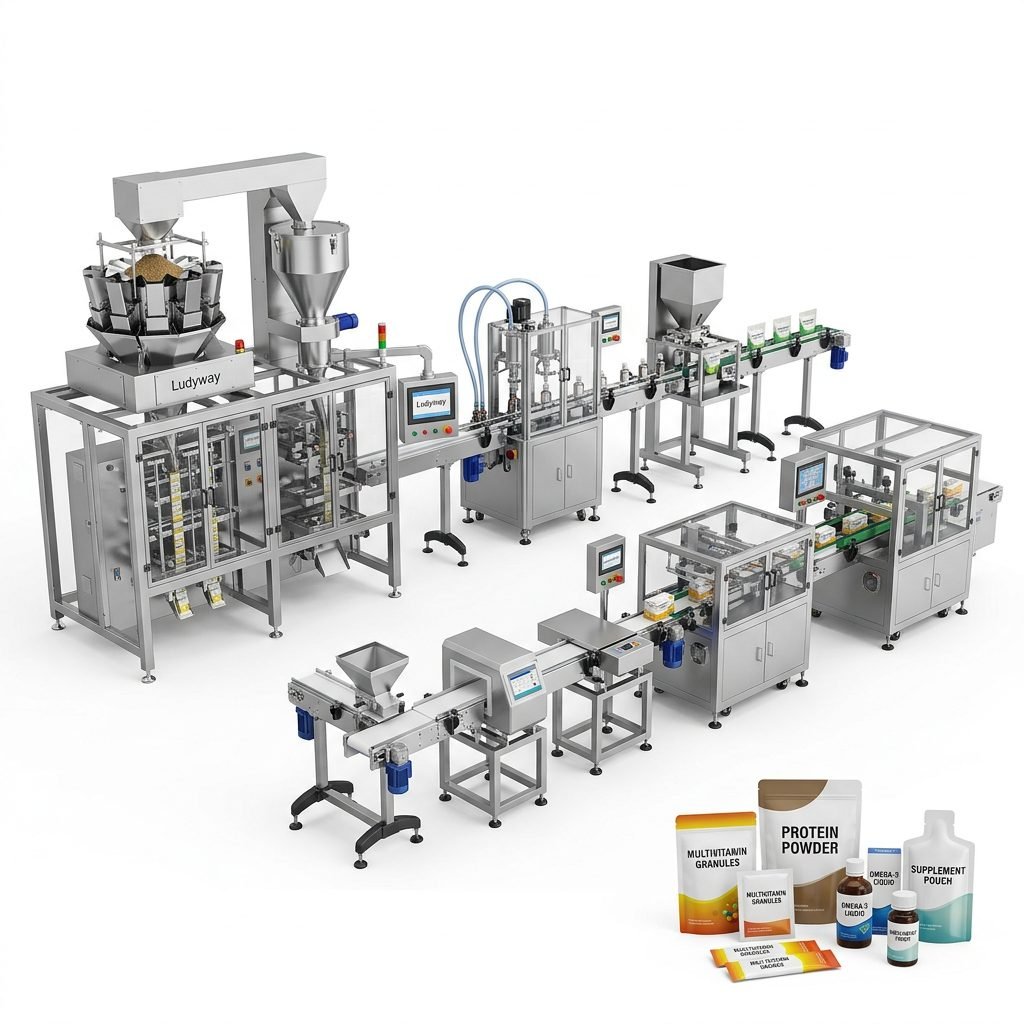
Navigating the complex world of packaging automation is challenging. Partnering with a specialist who understands the nuances of sweet packaging can streamline the entire process. A provider with deep industry experience, like Ludyway Machinery, can offer more than just a machine; they can deliver a tailored solution. With over 30 years of collective experience and a portfolio of over 50 intelligent machine models, such a partner can help you design an efficient, future-proof packaging line that meets global production standards and enhances your brand’s market presence. Their expertise in turnkey solutions ensures that all components, from feeding and weighing to sealing and coding, work in seamless harmony.
Frequently Asked Questions (FAQs)
1. What is the most important factor when choosing a sweet packaging machine?
While speed and cost are critical, reliability and product compatibility are paramount. A machine must run consistently with your specific product (e.g., sticky caramel, fragile wafer) and chosen packaging material without excessive downtime or waste.
2. How can I reduce packaging material waste with a new machine?
Opt for machines with advanced film tracking and tension control systems. Additionally, choose a supplier that can help you optimize your package design for material efficiency and ensure the machine is precisely calibrated to minimize trim waste and sealing errors.
3. Can one machine handle different types of sweets and package sizes?
Many modern machines are designed for flexibility. Look for models with quick-change tooling and programmable settings that allow for rapid switchovers between different products and package dimensions, making them ideal for small to medium batch production.
4. What kind of after-sales support should I expect?
Comprehensive support should include detailed installation supervision, thorough operator and maintenance training, readily available technical assistance (remote and on-site), and a clear supply chain for genuine spare parts. Review the supplier’s service level agreements carefully.
5. How do I future-proof my packaging investment?
Select machinery with a modular design and upgradable software/controls. Choose a supplier with a strong innovation roadmap who can offer integration paths for additional automation, such as robotic cartoning or vision inspection systems, as your needs evolve. Exploring a partner’s full range of packaging solutions can provide insights into scalable options.