The takeaway food industry has experienced explosive growth worldwide, driven by digital platforms and changing consumer lifestyles. A critical yet often overlooked component of this ecosystem is the packaging that ensures food arrives fresh, hot, and intact. A specialized Takeaway Food Sealing Packaging Machine is the backbone of this process, automating the sealing of containers, bags, and trays to guarantee hygiene, temperature retention, and leak prevention. Choosing the right machine directly impacts operational efficiency, customer satisfaction, and brand reputation.
Core Types of Takeaway Food Sealing Machines
Understanding the different machine types is the first step in selecting the right equipment for your operation.
Tray Sealing Machines
These are the most common machines for sealing pre-formed plastic or compostable food containers with a lidding film. They are ideal for meals with sauces, curries, rice bowls, and salads.
Key Features: Often include features for creating a modified atmosphere (MAP) to extend freshness, and can handle various film types including anti-fog films to keep the food visible and appealing.
Bag Sealing Machines
Used for sealing bags containing items like bread, pastries, sandwiches, or fried foods. They range from simple impulse sealers to continuous band sealers for high-volume operations.
Pouch Sealing & Form-Fill-Seal (FFS) Machines
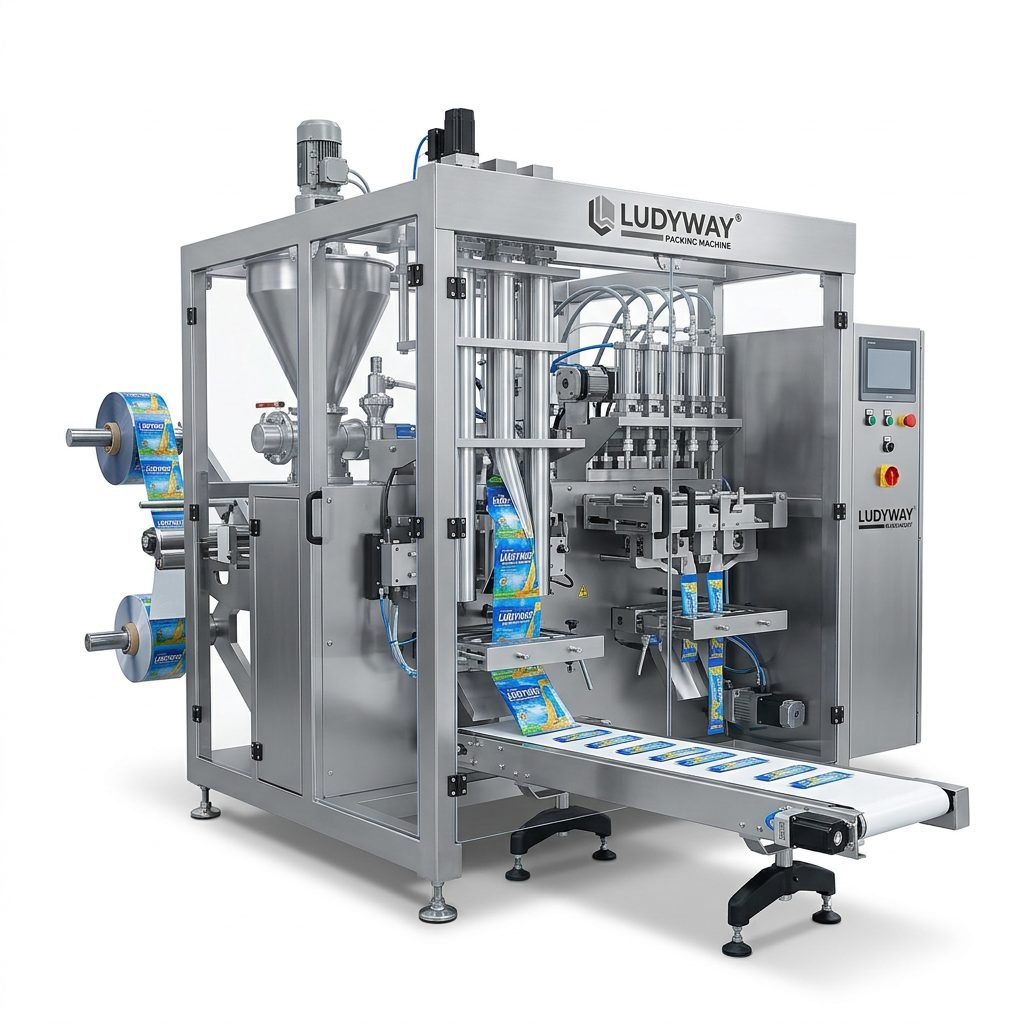
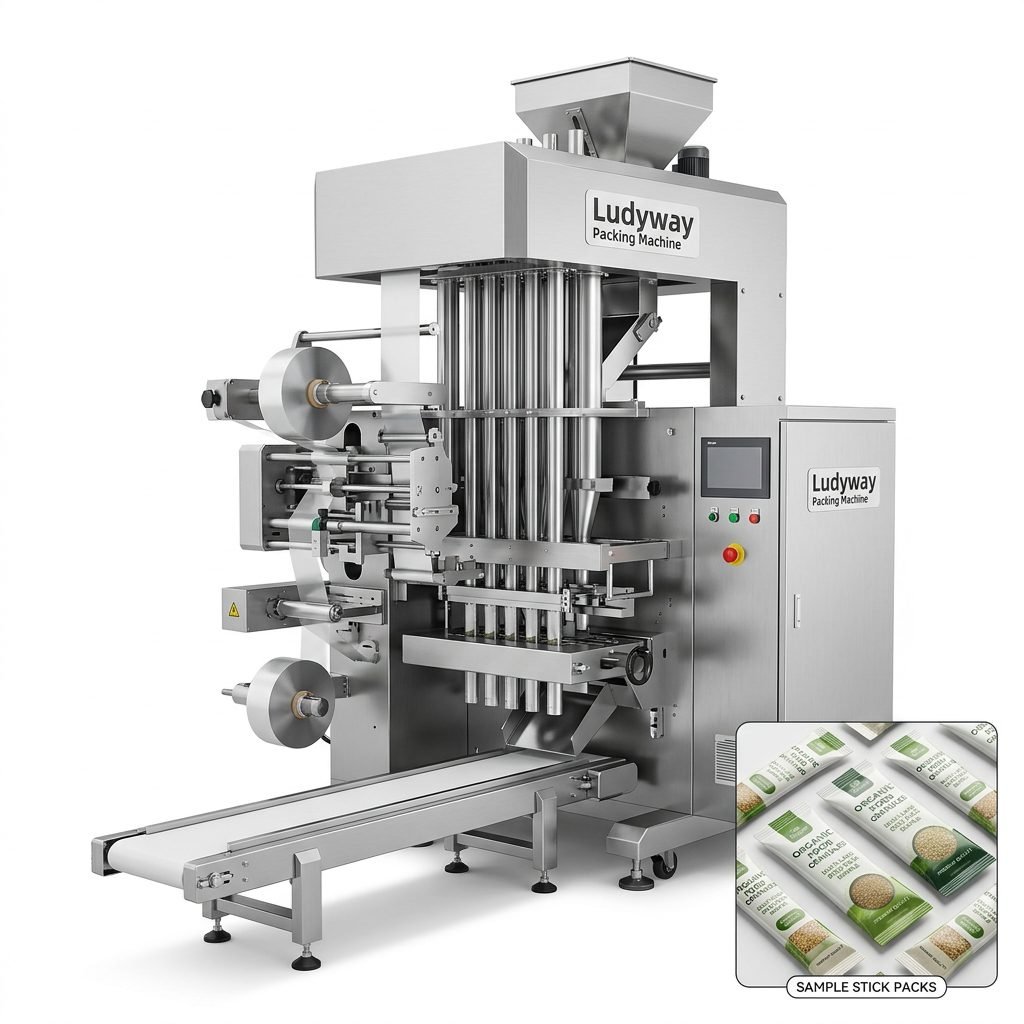
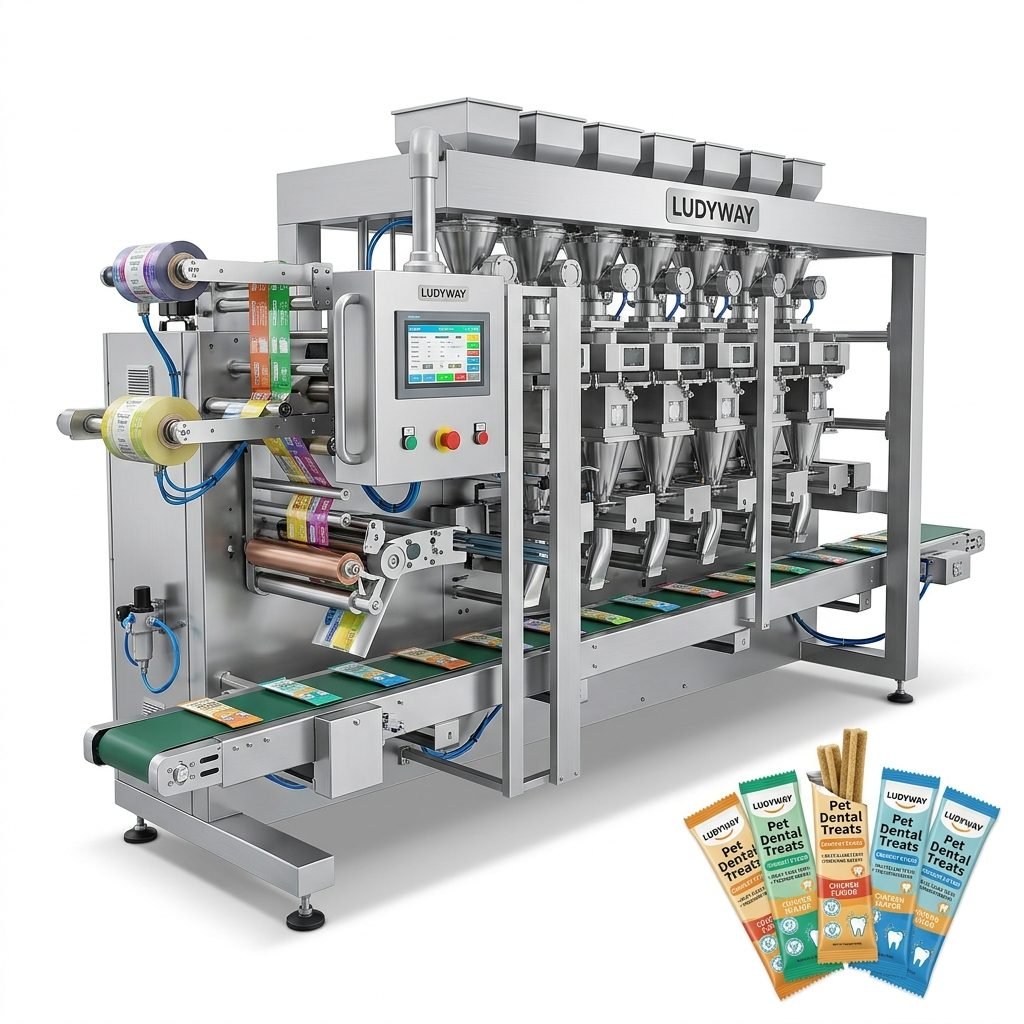
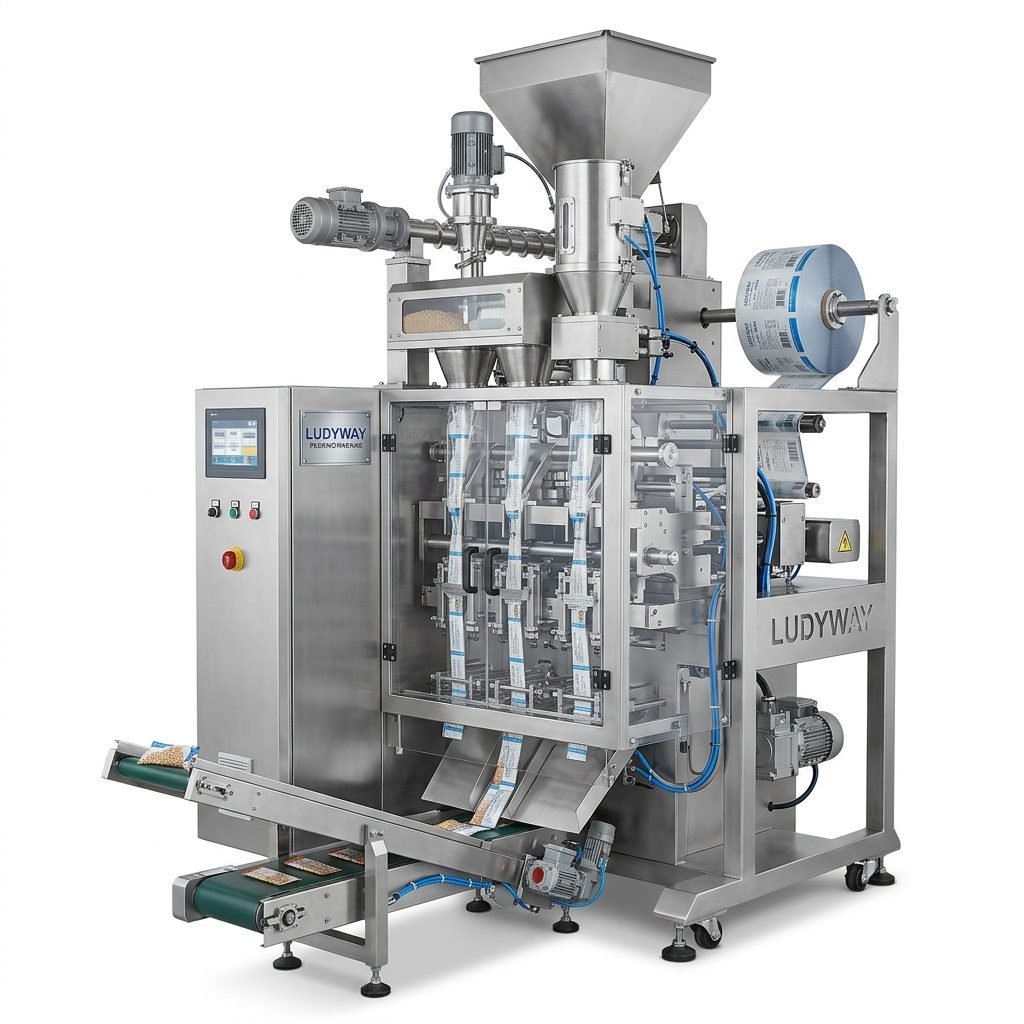
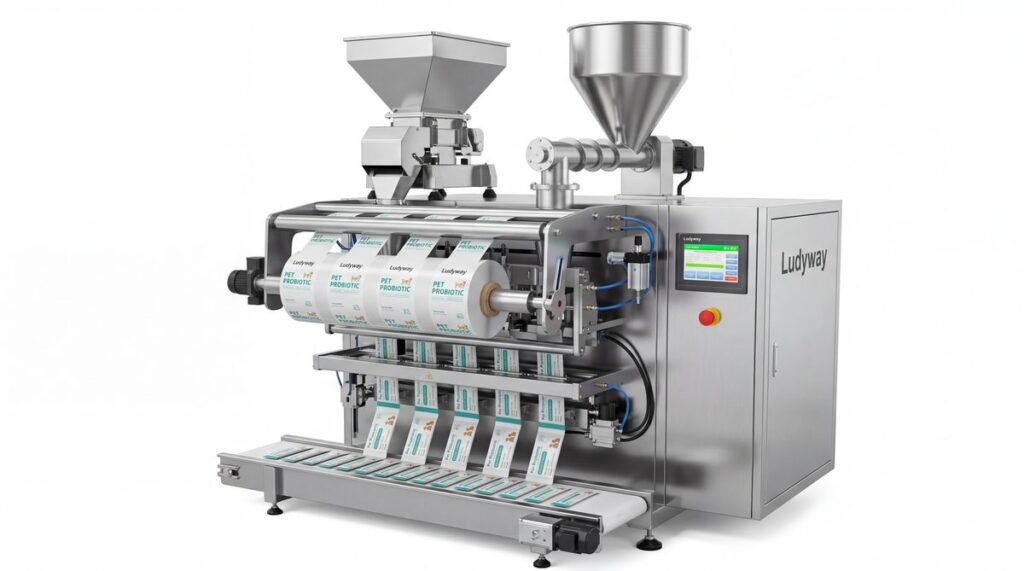
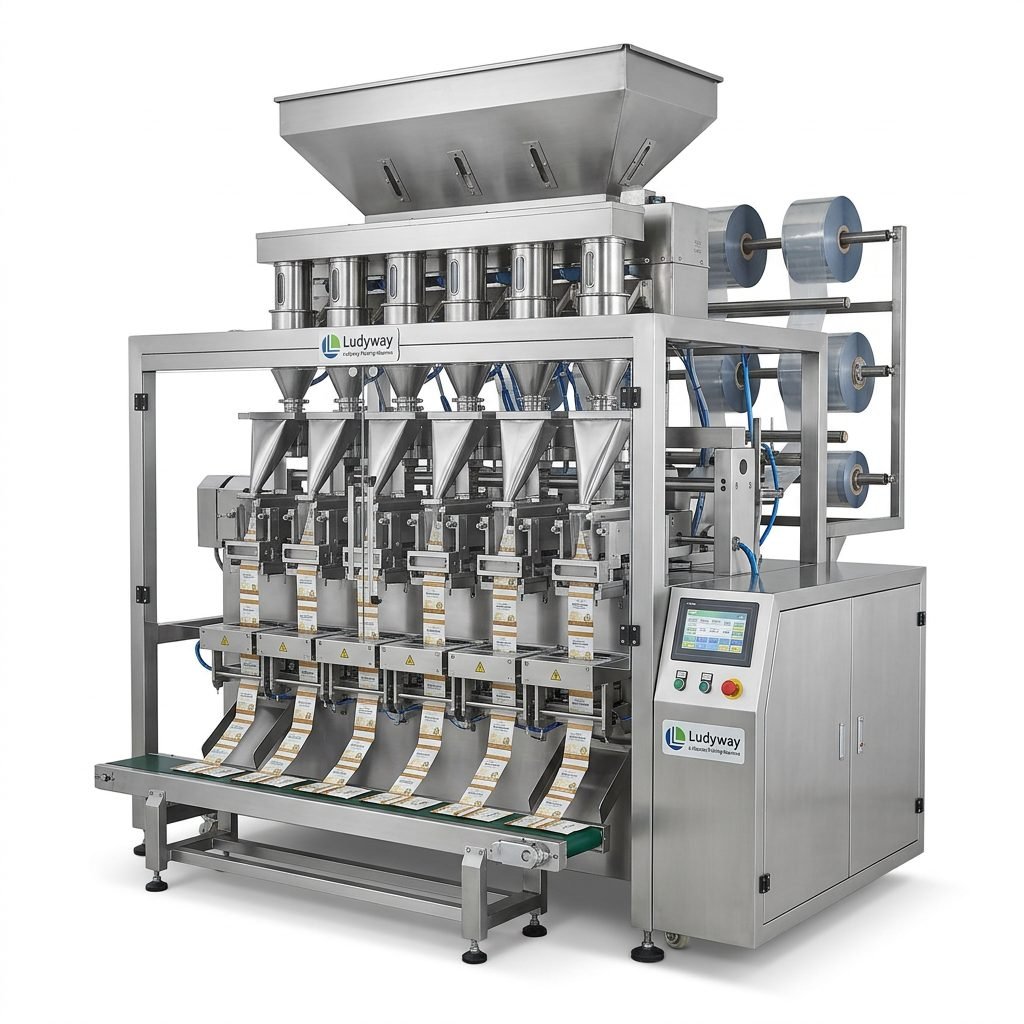
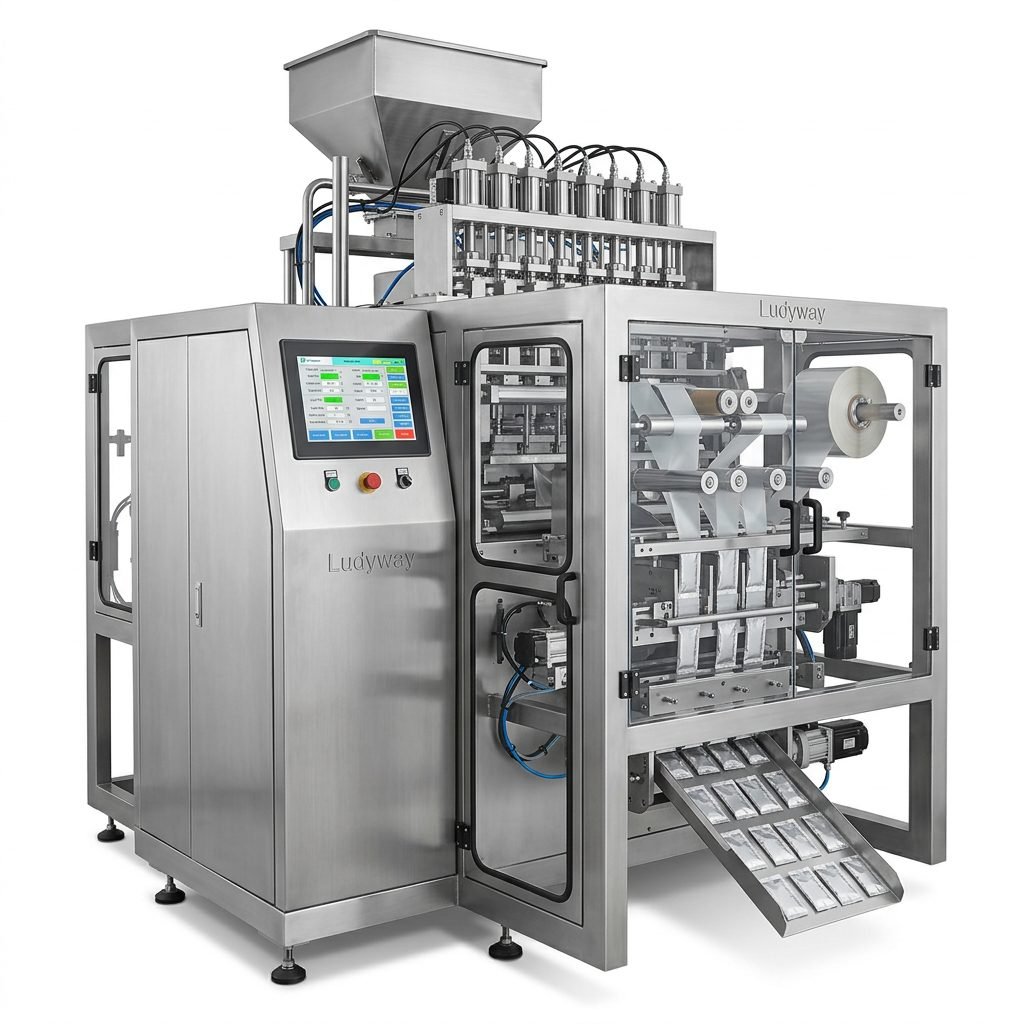
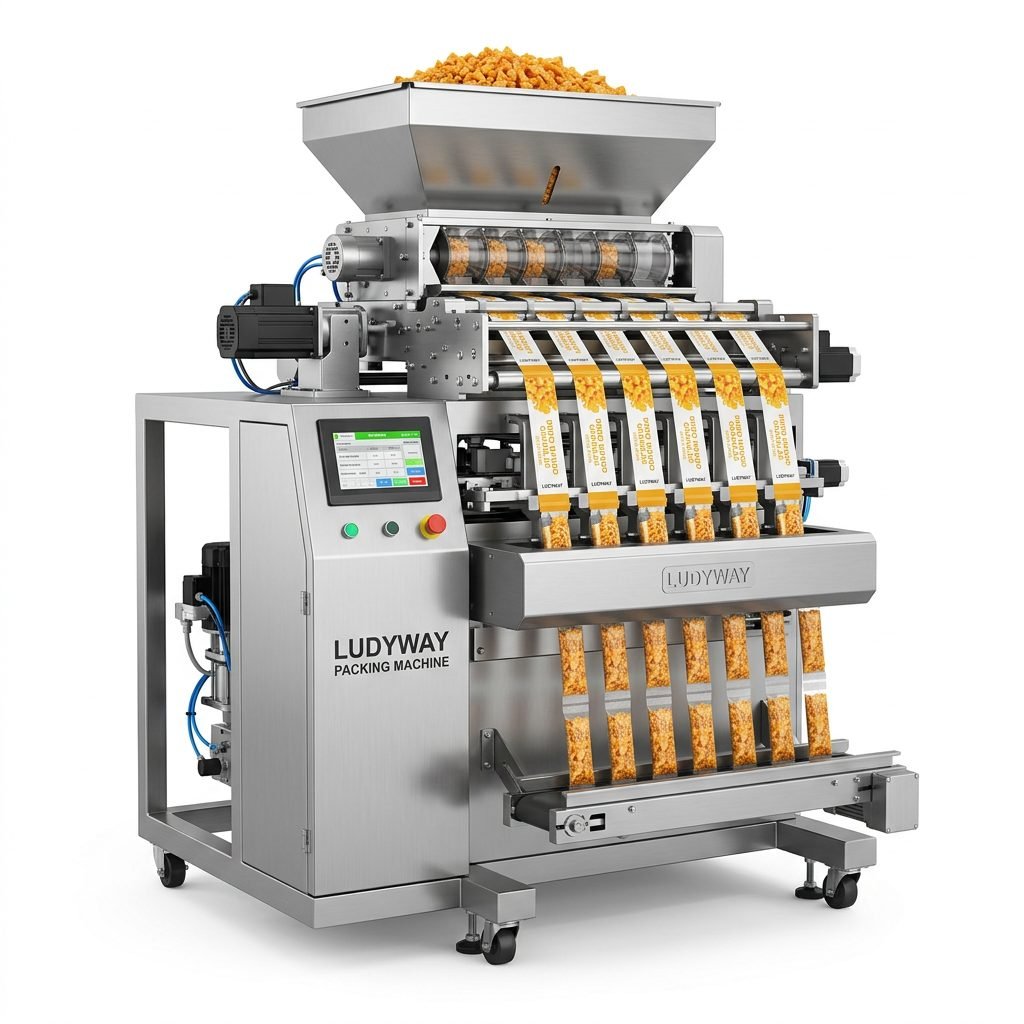
While tray sealers handle pre-made containers, FFS machines create the pouch from a roll of film, fill it with product (like sauces, condiments, or dry snacks), and then seal it. This is perfect for portion-controlled sides or dips included with a meal.
Cup Sealing Machines
Designed specifically for sealing cups, commonly used for soups, desserts like puddings or yogurts, and beverages like bubble tea. They provide a secure, tamper-evident seal.
Essential Features & Technological Considerations
Modern sealing machines offer a range of features that enhance functionality, safety, and ease of use.
Sealing Mechanism & Heating Element
The heart of the machine. Common types include impulse sealing (heating a wire for a quick seal, good for bags), constant heat sealing (a continuously hot bar, ideal for faster production), and induction sealing (used for foil seals on plastic containers, creating an airtight bond without heating the container itself).
Automation Level & Production Speed
Machines range from manual (operator places and removes each container) to semi-automatic and fully automatic (integrated with conveyors for hands-free operation). Your required output (seals per minute/hour) is a primary driver of cost and choice.
Operational Tip: Always factor in peak-hour demand, not just average output. A machine that can handle your rush periods without bottlenecking is crucial for maintaining service speed.
Versatility & Changeover
Can the machine handle different container sizes and shapes? How quickly and easily can tools be changed? Look for machines with quick-change模具 (molds/tooling) if your menu uses multiple container types.
Hygiene & Safety Features
Stainless steel contact parts, easy-clean designs, and protective guards are essential in a food production environment. Safety features like thermal overload protection and emergency stop buttons are non-negotiable.
Control System & User Interface
A user-friendly digital interface (often a touchscreen PLC) allows for precise control of sealing time, temperature, and pressure. It also facilitates recipe storage for different packaging types.
How to Choose the Right Machine: A Step-by-Step Guide
Selecting the perfect sealer requires a systematic evaluation of your specific needs.
Step 1: Analyze Your Packaging & Product
- Container Material: PP, PET, PLA (compostable), aluminum? Each material has different sealing requirements.
- Container Shape & Size: Round, rectangular, deep, shallow? The machine must accommodate your specific dimensions.
- Food Type: Is it dry, wet, oily, or liquid? This affects the seal strength and type of lidding film needed (e.g., anti-fog for hot, moist food).
Step 2: Define Your Production Requirements
- Output Speed: Calculate your current and projected future volume (meals per hour).
- Available Space: Measure your kitchen or production area footprint.
- Power Supply: Check available voltage (e.g., 110V/220V) and air supply if the machine is pneumatic.
Step 3: Evaluate Key Machine Specifications
Create a checklist based on the features discussed earlier: sealing type, automation level, versatility, and safety standards. Prioritize what is critical for your operation.
Step 4: Consider Supplier Reliability & Support
The machine is a long-term investment. Partnering with a reliable supplier is as important as the machine itself. Look for a provider with proven industry experience and a strong support network. For instance, Ludyway Machinery, with over 30 years of industry expertise, offers a range of intelligent packaging solutions and understands the critical needs of food service businesses for reliable, hygienic sealing technology. Their global service ensures you have support when you need it.
💡 Pro Advice: Always request a live or video demonstration using your actual packaging samples. This is the only way to truly test seal integrity and machine compatibility.
Step 5: Total Cost of Ownership (TCO) Analysis
Look beyond the initial purchase price. Factor in costs for:
➤ Consumables (lidding film rolls).
➤ Maintenance and spare parts.
➤ Energy consumption.
➤ Potential downtime costs.
A slightly more expensive but robust and efficient machine often has a lower TCO.
Integration and Future-Proofing Your Operation
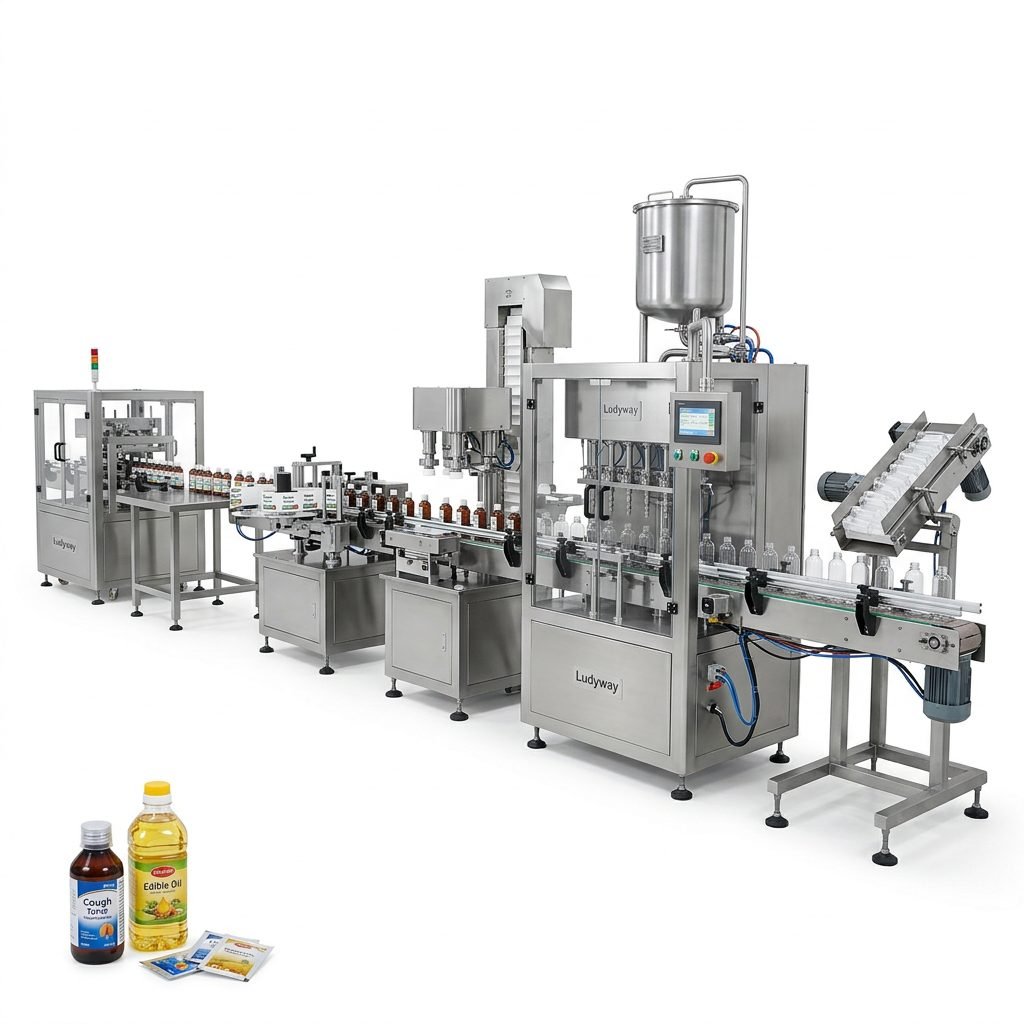
A sealing machine should not be an island. Consider how it fits into your workflow. Can it be integrated with a filling system or conveyor line for a smooth production flow? Furthermore, with sustainability becoming a major consumer concern, ensure your chosen machine can work with emerging biodegradable or compostable packaging materials. Investing in a versatile, well-supported machine from a forward-thinking supplier like Ludyway helps future-proof your business against regulatory changes and market trends.
Frequently Asked Questions (FAQs)
What is the difference between a tray sealer and a vacuum sealer for takeaway food?
Tray sealers primarily create a secure closure (often with optional gas flushing for MAP) on a rigid container to contain and present the food. Vacuum sealers remove air from a flexible bag before sealing, which is more common for ingredient storage or sous-vide cooking, not typically for final meal delivery.
Can one machine seal different sizes and shapes of containers?
Yes, many semi-automatic and automatic machines offer quick-change tooling systems. However, you will likely need to purchase separate sealing模具 (molds) for each distinct container shape and size range. Always verify changeover time and complexity.
How important is Modified Atmosphere Packaging (MAP) for takeaway?
MAP replaces the air in the package with a gas mix (like Nitrogen and CO2) to drastically slow down oxidation and bacterial growth. It is highly beneficial for extending the shelf-life and visual freshness of prepared meals, especially salads, cooked meats, and prepared vegetables, making it a valuable feature for cloud kitchens or meal prep services.
What maintenance does a food sealing machine require?
Regular daily cleaning of the sealing jaw and film path is essential. Periodic maintenance includes checking and calibrating sealing temperature/pressure, inspecting and replacing the non-stick coating on sealing jaws, and lubricating moving parts as per the manufacturer’s manual. A good supplier will provide clear maintenance guidelines.
Are there machines suitable for small restaurants just starting with takeaway?
Absolutely. Manual or semi-automatic benchtop tray sealers are a cost-effective entry point. They require more operator involvement but have a lower upfront cost and footprint, perfect for businesses testing the market or with lower volume. As demand grows, you can scale up to more automated systems.