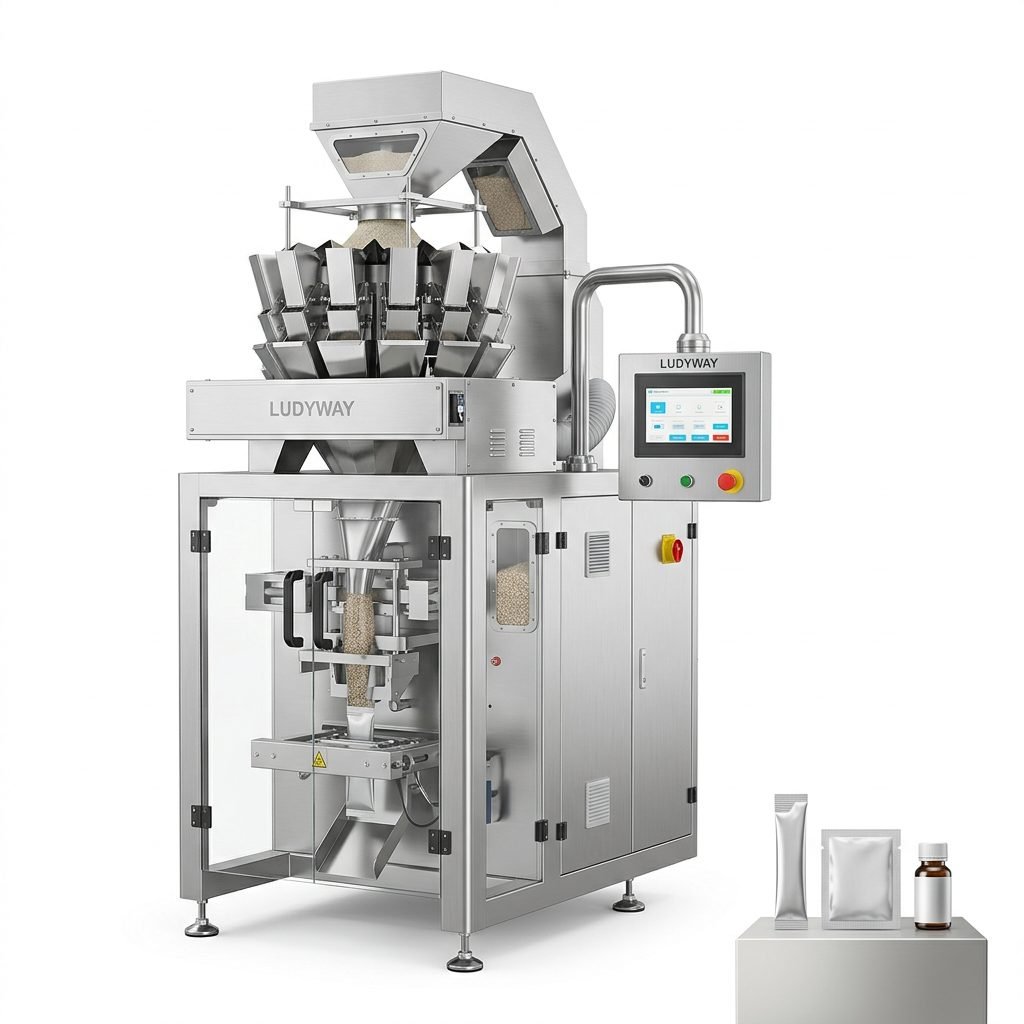
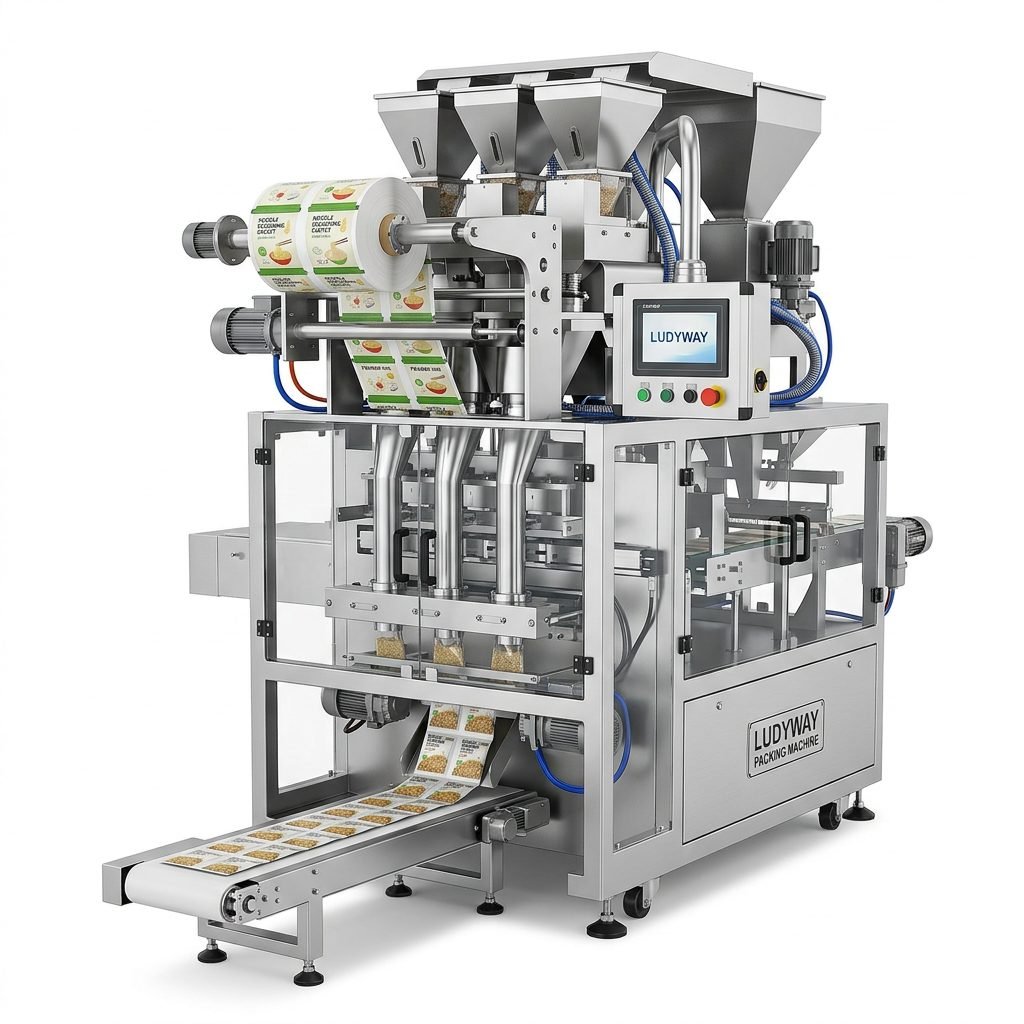
In modern manufacturing and distribution, material packaging equipment plays a critical role in ensuring product integrity, efficiency, and market appeal. From food and pharmaceuticals to chemicals and consumer goods, the right packaging system can significantly impact operational costs, product safety, and brand perception. This guide explores the various types of packaging machinery, their key applications across industries, and provides a structured approach to selecting the optimal system for your specific production needs.
Understanding Core Types of Material Packaging Equipment
The landscape of packaging machinery is diverse, with each type designed for specific functions and materials. Understanding these categories is the first step toward making an informed investment.
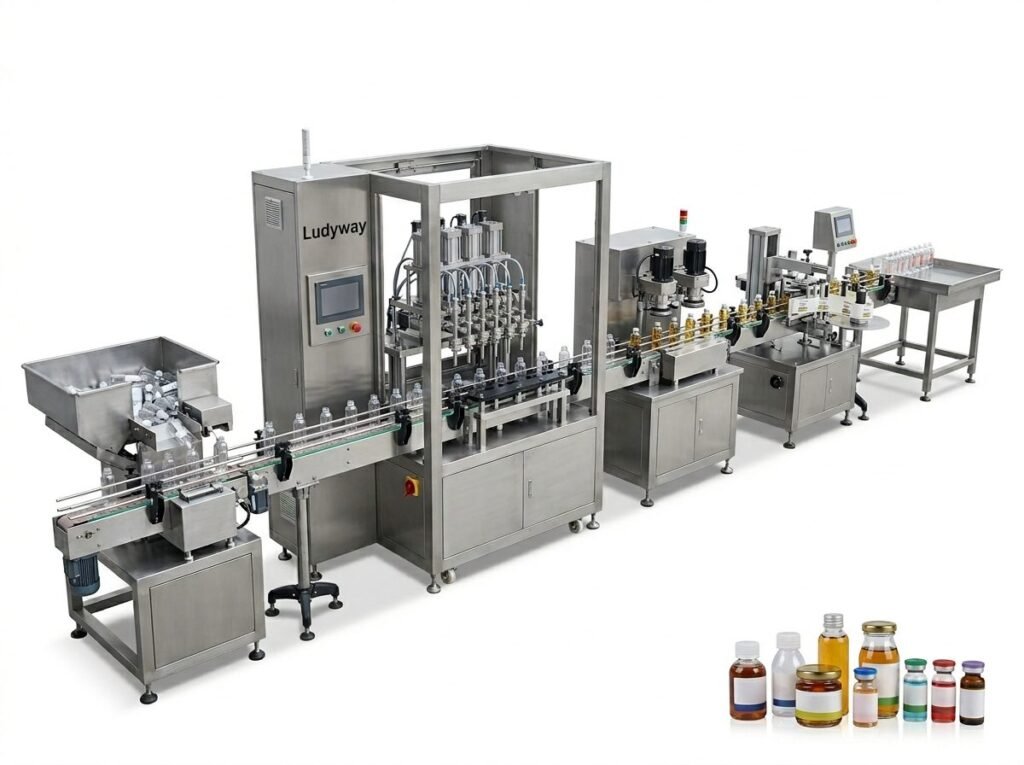
Filling and Dosing Machines
These systems are responsible for accurately measuring and dispensing product into containers or packages. They are categorized by the product form they handle:
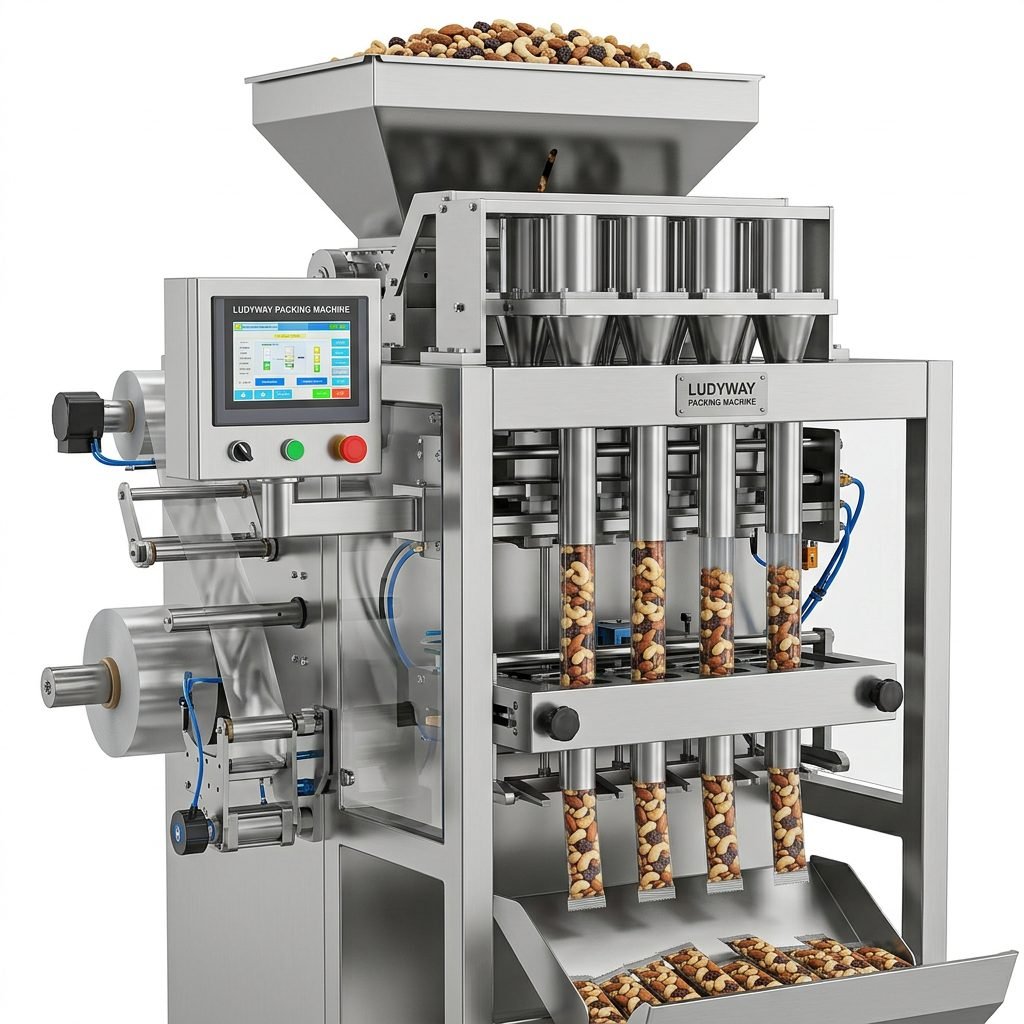
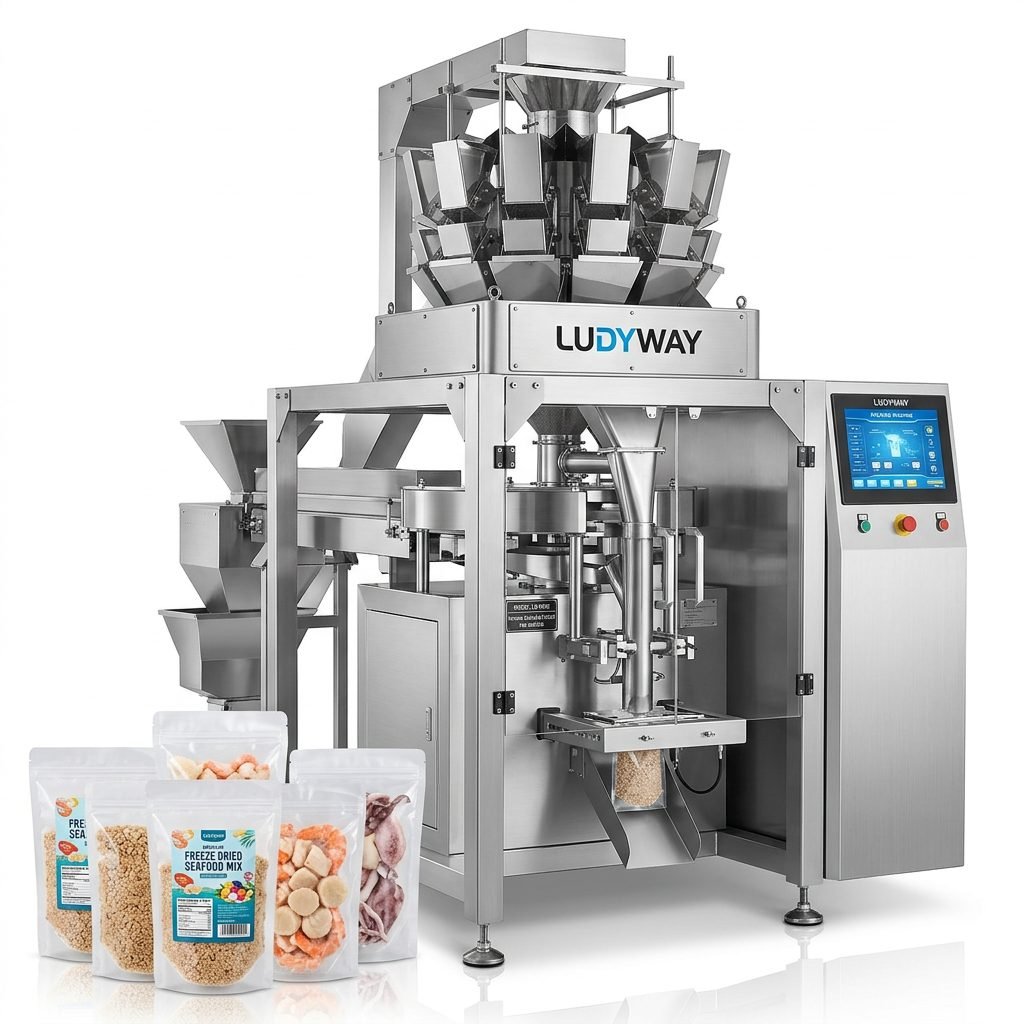
Granule Fillers: Ideal for products like coffee beans, nuts, seeds, and granular chemicals. They often use auger or cup filling mechanisms for precise volumetric measurement.
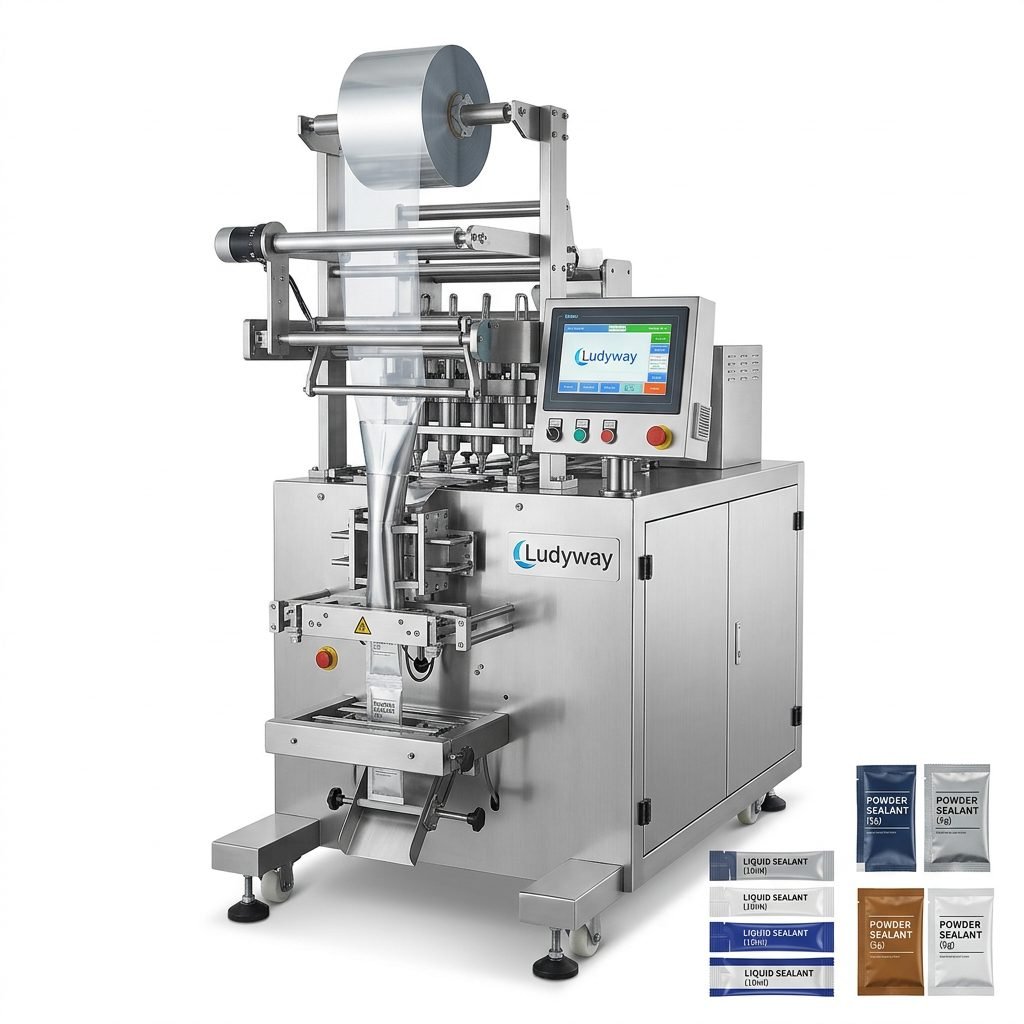
Powder Fillers: Designed for fine, free-flowing, or non-free-flowing powders such as milk powder, flour, spices, and pharmaceuticals. Auger fillers with anti-bridging technology are common.
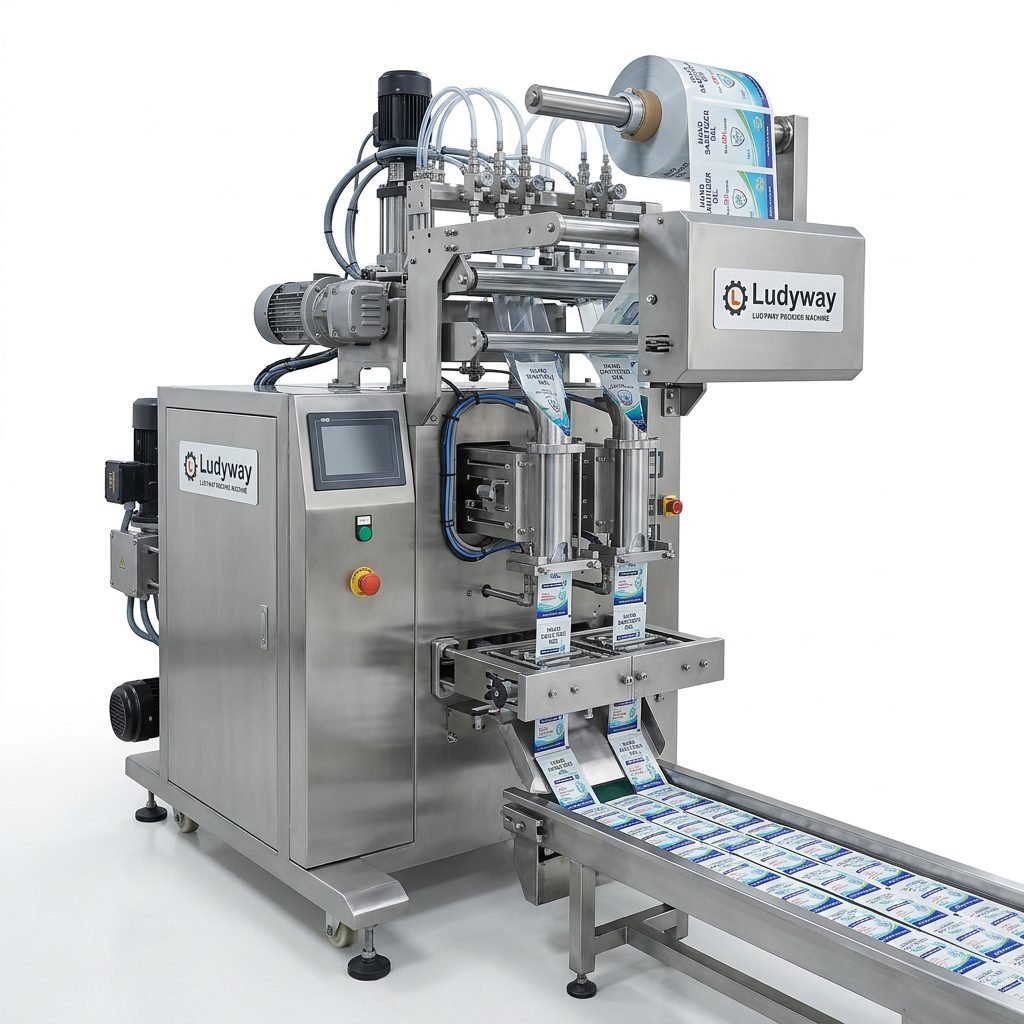
Liquid Fillers: Used for water, oils, sauces, shampoos, and chemicals. Technologies include piston fillers, gravity fillers, and vacuum fillers, chosen based on viscosity and fill accuracy requirements.
Form-Fill-Seal (FFS) Machines
FFS machines are highly versatile and efficient, forming packaging from a roll of film, filling it with product, and sealing it in one continuous operation. Common variants include:
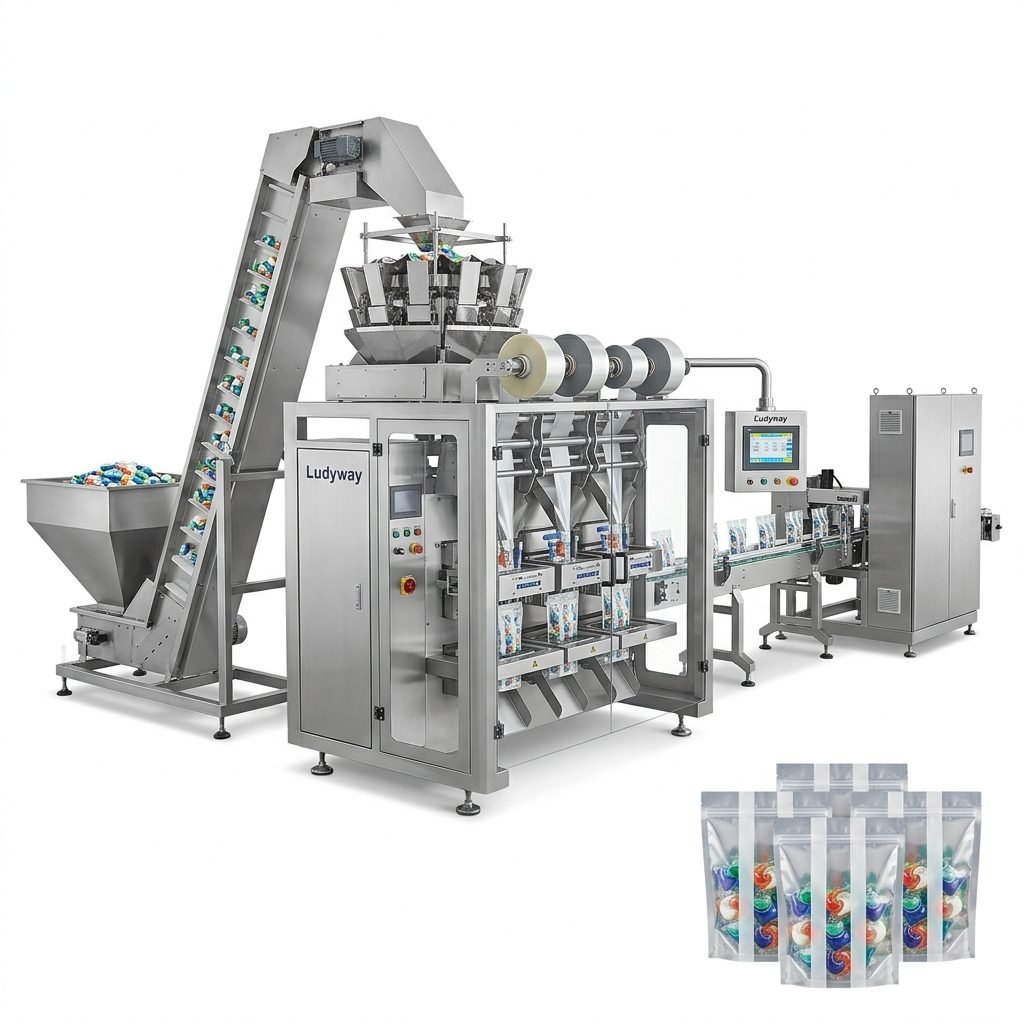
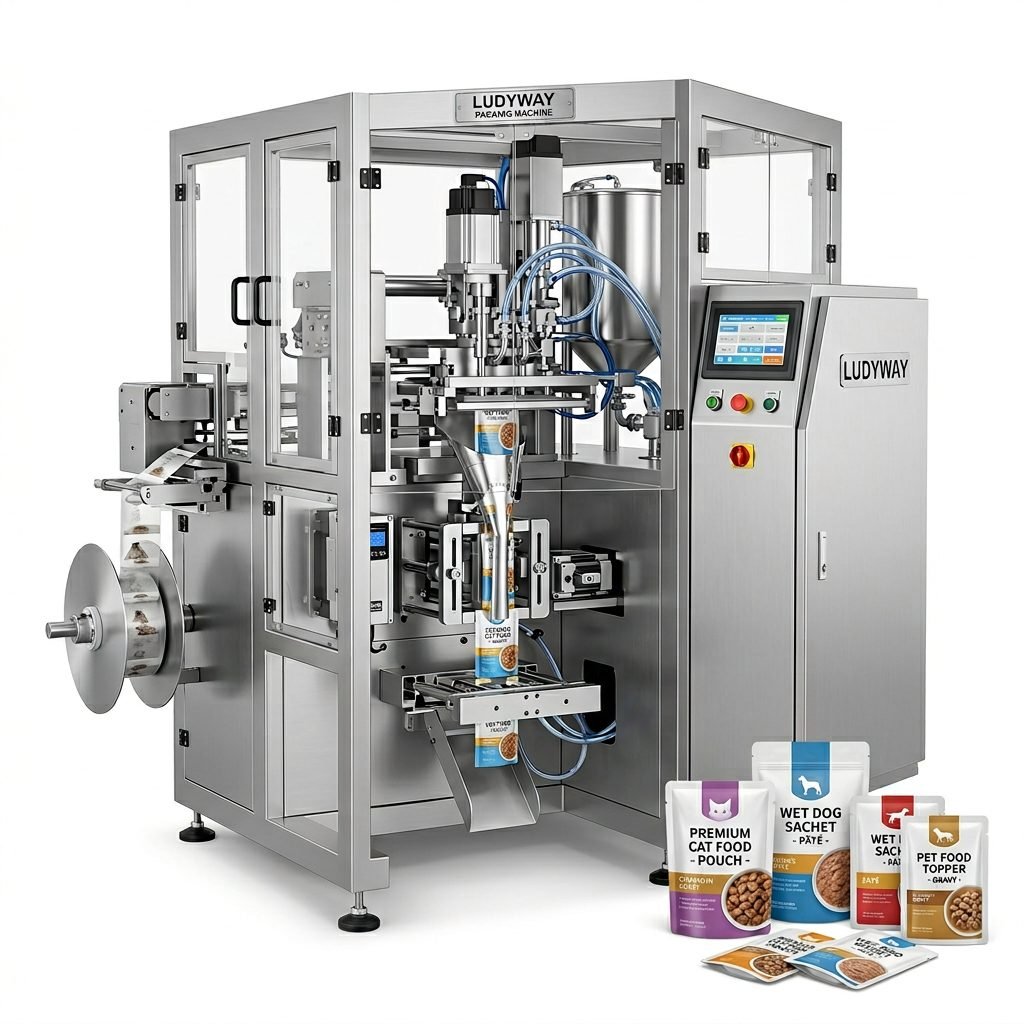
- Vertical Form-Fill-Seal (VFFS): Perfect for packaging granules, powders, and liquids into bags, sachets, or pouches. They are space-saving and ideal for high-speed applications.
- Horizontal Form-Fill-Seal (HFFS): Often used for placing multiple items (like biscuits or bars) into trays or flow-wrap packages. Excellent for product presentation.
- Stick Pack Machines: A specialized type of VFFS machine that creates long, slender single-serve packages, extremely popular for powdered beverages, supplements, and condiments.
Capping, Sealing, and Labeling Equipment
This category handles the final closure and identification of the packaged product:
Cappers: Automatically place and tighten screw caps, snap-on lids, or press-on caps onto bottles and containers. Torque control is crucial for consistency and safety.
Sealers: Apply induction seals for tamper evidence, heat seal lidding films on trays, or create airtight seals on pouches.
Labelers: Apply pressure-sensitive labels, wrap-around labels, or print & apply labels with variable data (like batch codes or expiry dates).
Primary Applications Across Key Industries
The choice of packaging equipment is heavily influenced by the industry sector and its unique regulatory and market demands.
Food & Beverage Industry
This sector demands hygiene, speed, and versatility. Equipment must often be made of food-grade stainless steel and be easy to clean (CIP/SIP capabilities). Applications range from packaging snacks and coffee in stand-up pouches using VFFS machines, to filling sauces and oils with liquid piston fillers, and creating single-serve stick packs for drink mixes.
Pharmaceutical & Nutraceutical Industry
Precision and compliance are non-negotiable. Packaging lines must ensure dosing accuracy, product purity, and traceability. Machines often operate in controlled environments and may require features like dust extraction, weight checkers, and integration with serialization systems. Blister packaging, powder filling into vials, and sachet packaging for powders or liquids are common applications.
Chemical & Industrial Products
Durability and safety take precedence. Equipment needs to handle corrosive, abrasive, or hazardous materials. This often requires specialized construction materials and sealing methods to prevent leakage. Bagging systems for granules, filling lines for lubricants or solvents, and robust form-fill-seal machines for detergents are typical in this field.
A Step-by-Step Guide to Choosing the Right System
Selecting packaging machinery is a significant capital decision. A methodical evaluation process prevents costly mistakes and ensures a strong return on investment.
1. Analyze Your Product and Production Requirements
Start with a deep understanding of what you are packaging and at what scale.
- Product Characteristics: Form (solid, granule, powder, liquid), viscosity, abrasiveness, hygroscopicity, and sensitivity (to air, light, moisture).
- Output Speed (Packages Per Minute): Determine your current and future throughput needs. Don’t just buy for today; consider scalability.
- Packaging Materials: Type of film (laminate, monolayer), bag style, container type. Your machine must be compatible with your chosen materials.
2. Evaluate Machine Features and Technology
Look beyond the basic function and assess the technological sophistication that adds value.
→ Accuracy & Consistency: What is the fill weight tolerance? Does it have feedback systems (like weigh cells) for real-time correction?
→ Flexibility & Changeover: How quickly can you switch between different package sizes or products? Look for machines with tool-less or quick-change parts.
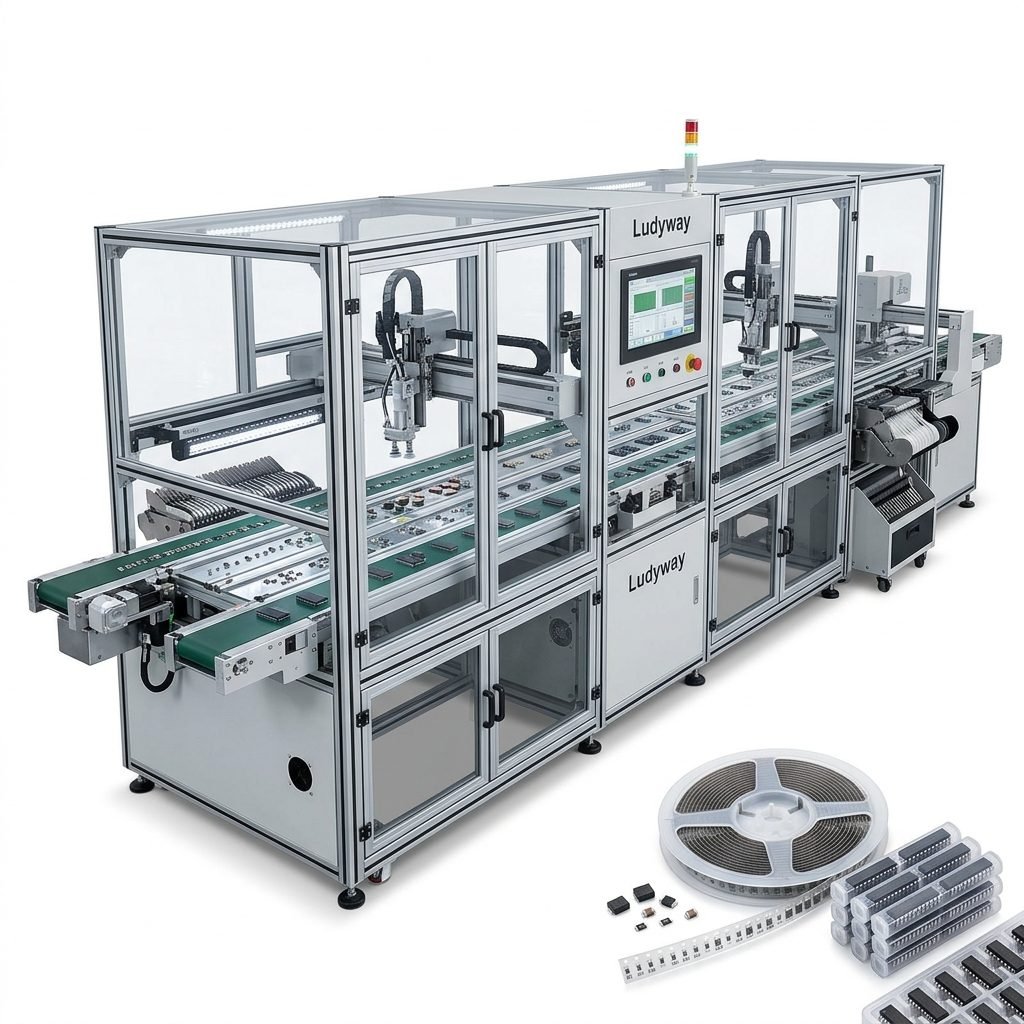
→ Automation & Integration: Can it integrate with upstream (feeder) and downstream (cartoner, case packer) equipment? Does it support Industry 4.0 data collection?
→ Hygiene & Cleanability: Is the design sanitary with smooth surfaces and minimal crevices? Is it easy to disassemble for cleaning?
3. Assess Supplier Credibility and Support
The machine is only as good as the company behind it. Partnering with a reliable supplier like Ludyway Machinery is crucial.
- Experience & Reputation: Look for a supplier with a proven track record in your specific industry. Ludyway, with over 30 years of collective industry experience, offers deep practical knowledge.
- Technical Support & Service: Ensure they provide comprehensive installation, training, and after-sales support. Availability of spare parts and remote diagnostics is a major advantage.
- Customization Capability: Can they tailor the machine to your unique needs, rather than offering a one-size-fits-all solution?
4. Consider Total Cost of Ownership (TCO)
The purchase price is just the beginning. A holistic view of costs includes:
Operational Costs: Energy consumption, required compressed air, material waste (give-away), and labor needed to operate the line.
Maintenance Costs: Predictability and cost of routine maintenance, part replacement cycles, and ease of servicing.
Lifecycle & ROI: Calculate the expected lifespan of the equipment and project the return on investment based on increased efficiency, reduced waste, and lower labor costs.
Conclusion
Investing in the right material packaging equipment is a strategic decision that directly affects your bottom line, product quality, and operational agility. By thoroughly understanding the different machine types, aligning them with your industry-specific applications, and following a disciplined selection process that emphasizes both technical specs and supplier partnership, you can build a packaging line that is not just functional, but a competitive asset. Partnering with an experienced provider ensures you get a solution that is reliable, efficient, and grows with your business.
Frequently Asked Questions (FAQs)
What is the main difference between vertical and horizontal form-fill-seal machines?
Vertical Form-Fill-Seal (VFFS) machines create bags from a roll of film oriented vertically. They are primarily used for free-flowing products like granules, powders, and liquids that can be poured into the forming tube. Horizontal Form-Fill-Seal (HFFS) machines use a horizontal approach, often placing pre-formed or counted products onto a web of film before wrapping. HFFS is typically used for solid items like candy bars, biscuits, or multiple-component packages where product presentation is key.
How important is machine flexibility for a growing business?
Extremely important. Flexibility, often measured by changeover time and the range of package sizes a machine can handle, protects your investment. As your product line expands or market demands shift, a flexible machine can adapt without requiring a complete new capital expenditure. Look for features like servo-driven adjustments and digital recipes that allow for quick and repeatable changeovers.
What should I prioritize: speed or accuracy?
While both are vital, accuracy should never be compromised for speed. Inaccurate filling leads to product give-away (costing you money) or under-filling (which is illegal in many markets and damages brand trust). Modern high-quality machines are designed to deliver high accuracy at their rated speeds. The key is to choose a machine whose rated speed meets your output needs while guaranteeing the fill accuracy your product and regulations demand.
Can one machine handle both powders and granules?
Some machines, particularly certain auger-based fillers and VFFS systems, can be adapted to handle both with appropriate change parts and adjustments. However, the optimal performance for each product type may require specific tooling (e.g., different auger designs for non-flowing powder vs. free-flowing granules). It’s essential to discuss your specific product range with the supplier to ensure the machine can be configured effectively for both.
Why is after-sales support critical when buying packaging equipment?
Packaging machinery is complex and integral to your production. Even with the most reliable equipment, you will need spare parts, occasional maintenance, and technical assistance. A supplier with strong after-sales support minimizes costly downtime. This includes readily available spare parts, knowledgeable service technicians (onsite or remote), and comprehensive operational training for your staff to ensure smooth long-term performance.