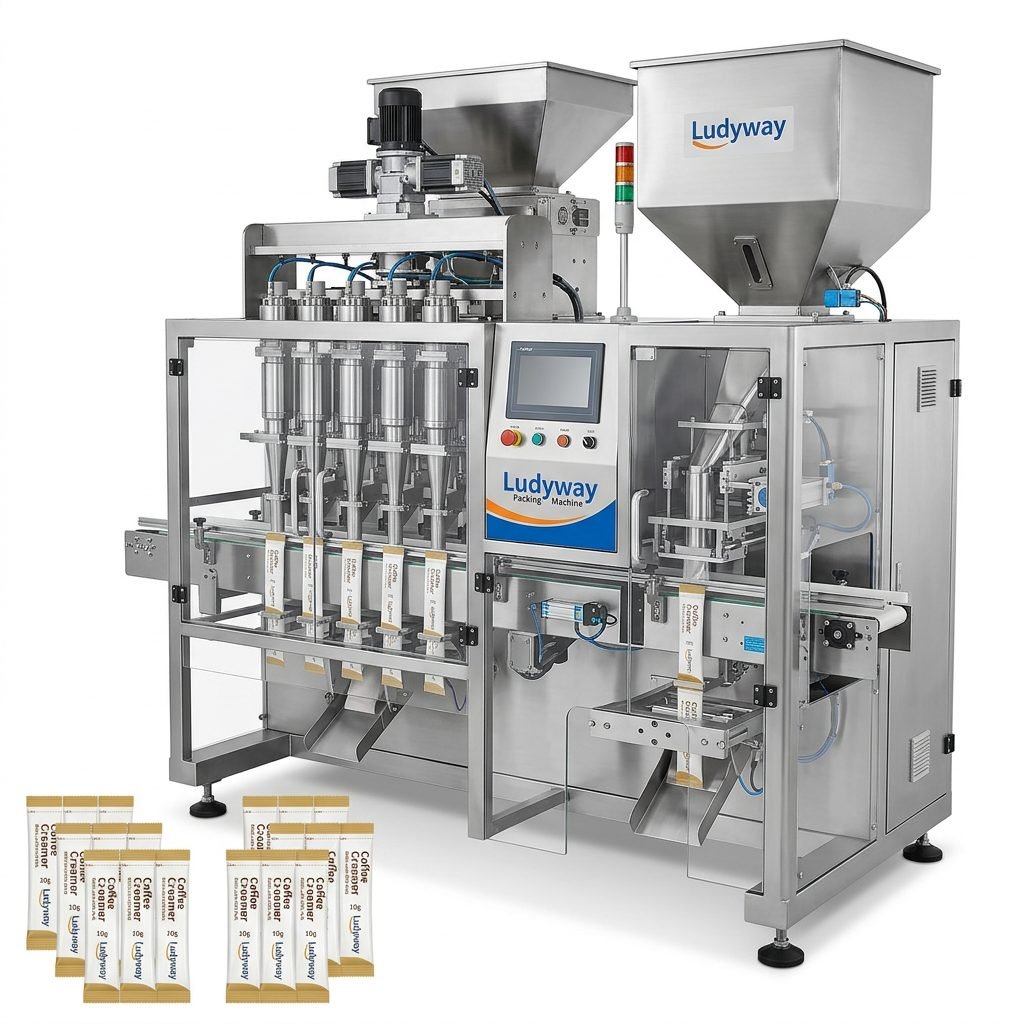
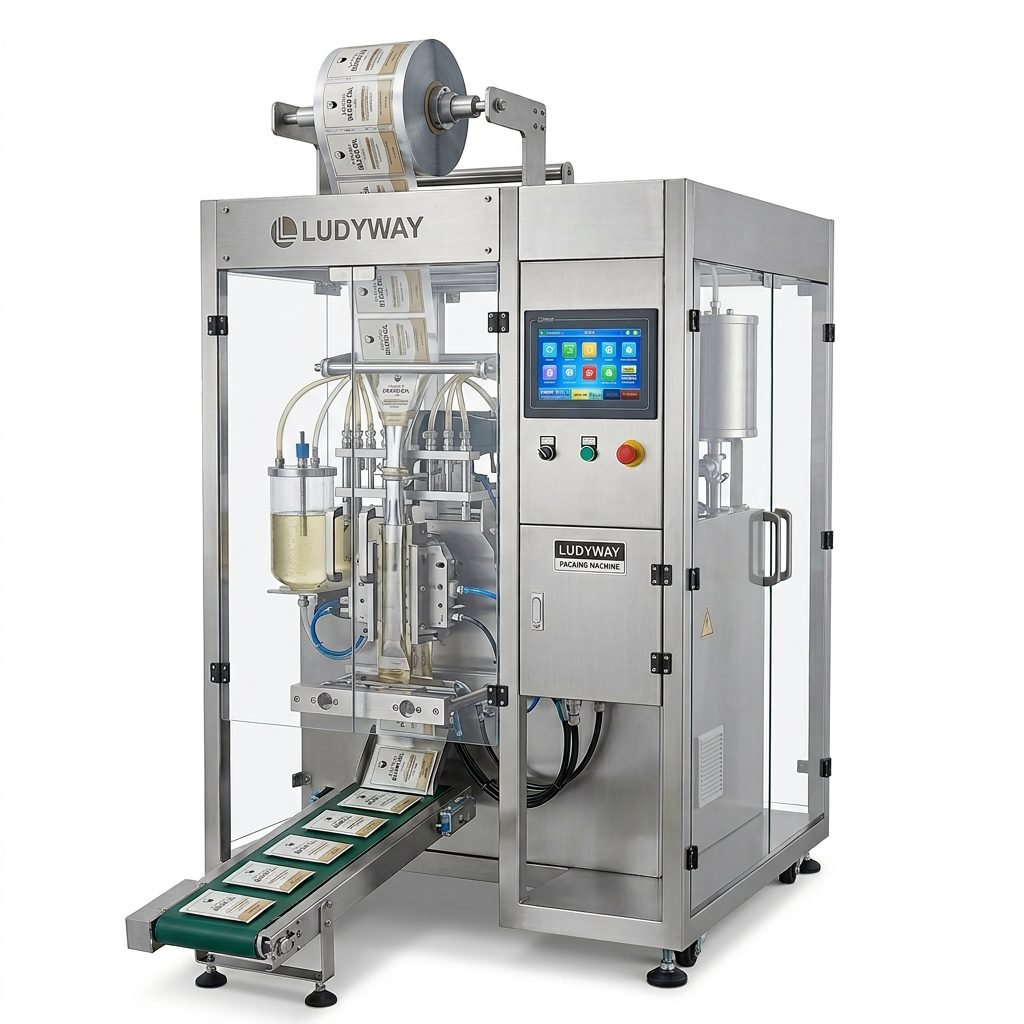
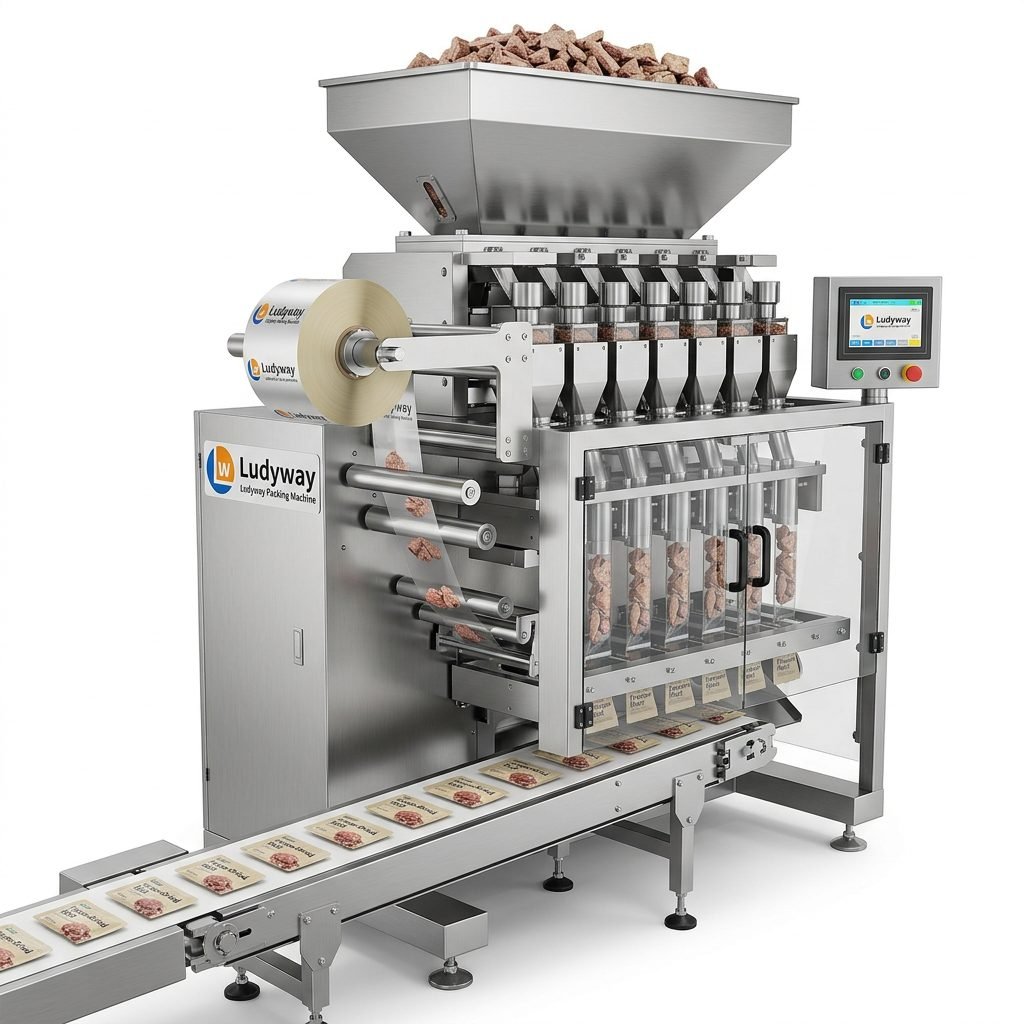
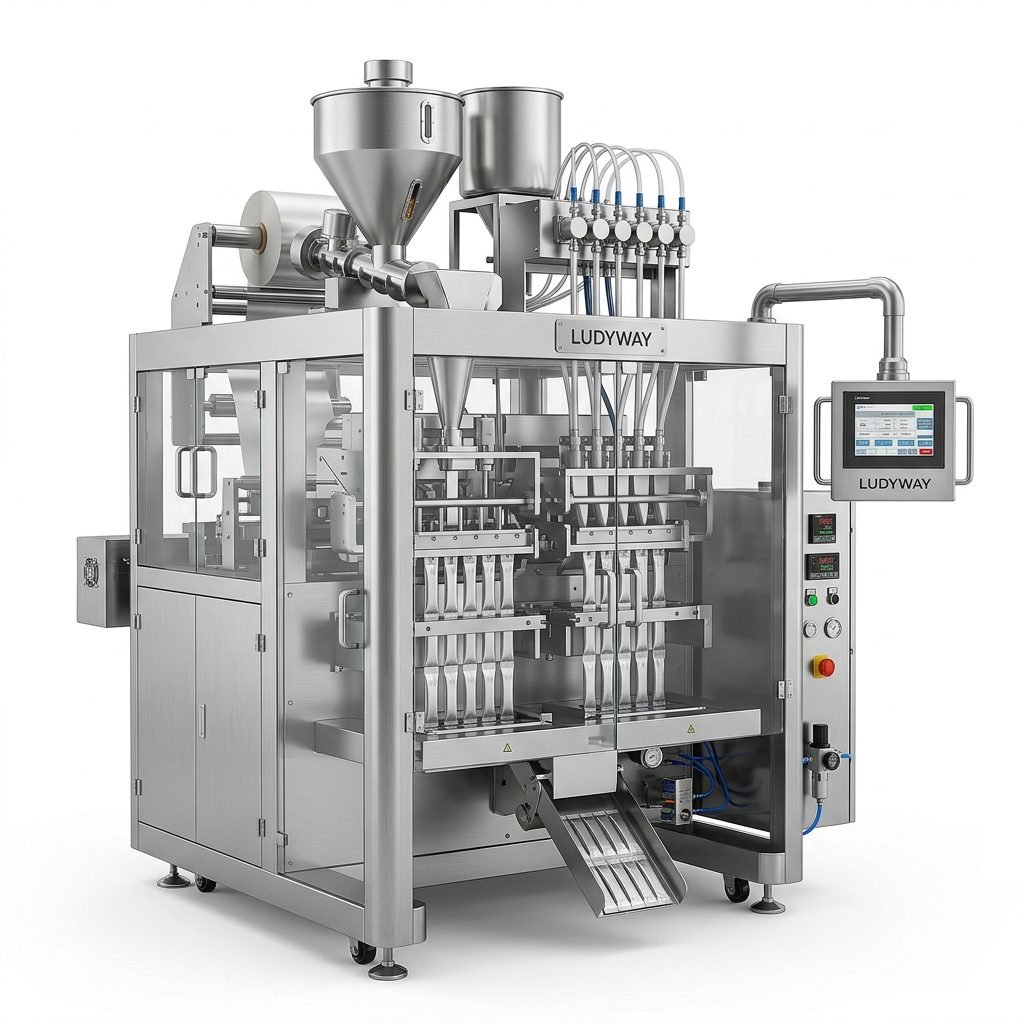
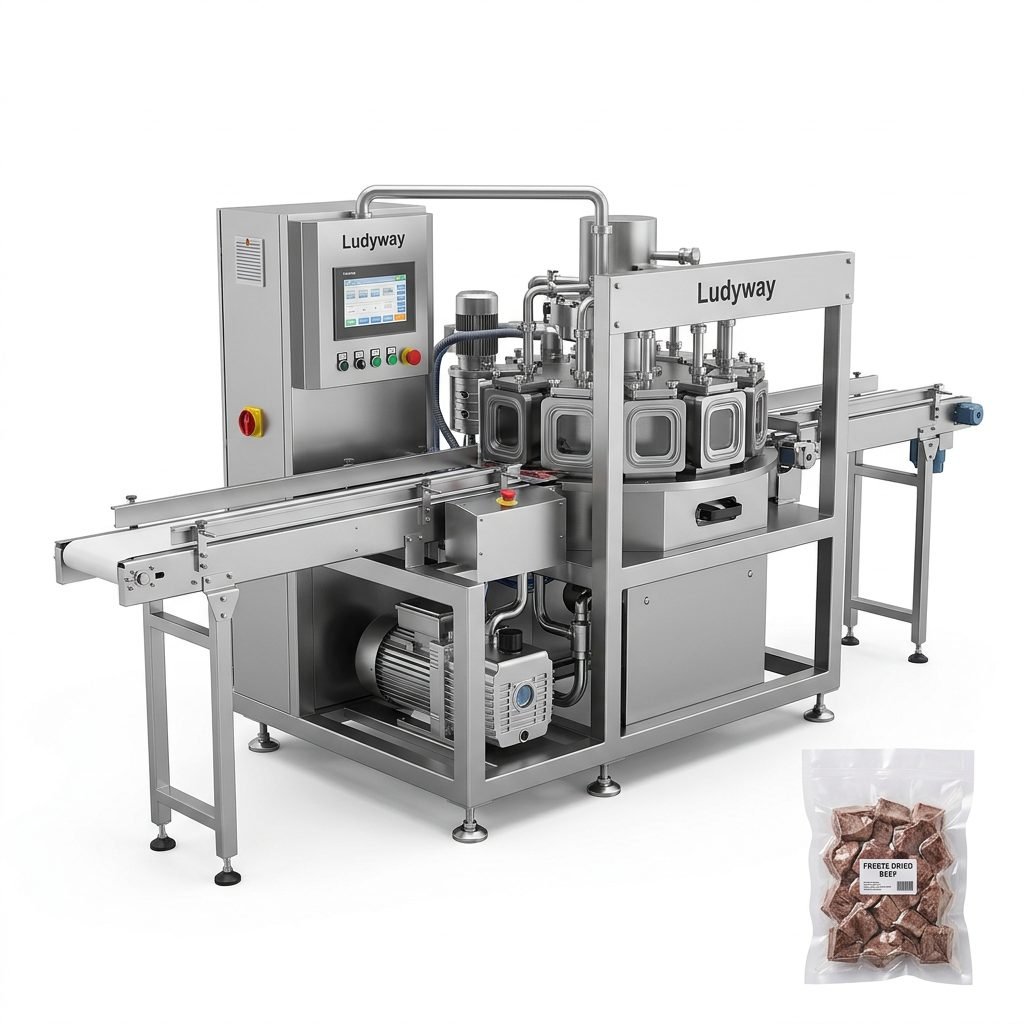
In the world of modern manufacturing and logistics, ensuring product integrity from production line to end-user is paramount. For temperature-sensitive goods—ranging from pharmaceuticals and biologics to gourmet foods and high-tech electronics—this integrity hinges on one critical piece of equipment: the thermal packaging machine. These sophisticated systems are the guardians of product quality, creating a controlled thermal environment that protects against external temperature fluctuations. This guide delves into the essential types of thermal packaging machines, their diverse applications, and provides a strategic framework for selecting the perfect system for your operational needs.
Core Types of Thermal Packaging Machines
The landscape of thermal packaging machinery is diverse, with each type engineered for specific materials, production scales, and thermal assurance levels. Understanding these categories is the first step in making an informed choice.
1. Vacuum Insulation Panel (VIP) Packers
These machines are designed to handle high-performance vacuum insulation panels. VIPs are ultra-thin, highly efficient insulating materials used in premium packaging for sensitive pharmaceuticals like vaccines and biologics, or high-value electronics. The packers precisely cut, place, and seal these panels into shipping containers or product enclosures. They are characterized by their clean-room compatibility, precision handling to avoid panel puncture, and high-speed automation for large-scale production runs where maximum thermal protection in a minimal space is required.
2. Expanded Polystyrene (EPS) & Polyurethane (PU) Foam Molders
This category encompasses machines that create custom insulating containers or liners from foam materials. They work by injecting beads (for EPS) or liquid components (for PU) into a mold, where they expand and fuse to form a rigid, insulating shape. These are ubiquitous in the food industry for shipping fresh and frozen goods, and in the diagnostic & laboratory sector for transporting medical samples. The machines vary from simple, single-cavity presses to large, multi-cavity, fully automated production lines capable of producing complex, nested insulation pieces.
3. Refrigerant & Gel Pack Insertion Systems
Focused on the assembly of parcel-style shipping boxes, these automated lines place phase-change materials (PCMs)—like gel packs, ice packs, or dry ice—alongside the product. They often integrate with carton erectors, product placers, and sealers to create a complete “cold chain in a box” solution. Key features include precise placement of refrigerants for optimal cold distribution, the ability to handle different PCM types and states (frozen/gel), and integration with temperature monitoring device insertion. They are vital for e-commerce fulfillment of meal kits, frozen foods, and specialty pharmaceuticals.
4. Insulated Bag & Pouch Sealers
For flexible packaging formats, these machines seal insulated bags or foil-lined pouches. They often use impulse sealing, constant heat sealing, or vacuum sealing technologies to create an airtight, insulated barrier. Common in direct-to-consumer shipping for perishable groceries and smaller pharmaceutical deliveries, these sealers prioritize speed, seal integrity verification, and sometimes, gas flushing (for modified atmosphere packaging) to extend product shelf life during transit.
Primary Industrial Applications and Uses
The application of thermal packaging machines spans critical industries where product viability is non-negotiable.
Pharmaceuticals & Life Sciences
This is the most regulated and critical sector. Machines here must produce packaging that complies with strict FDA, EMA, and WHO guidelines for temperature-controlled logistics. Applications include packaging for vaccines, clinical trial materials, insulin, biologics, and laboratory reagents. The machinery often incorporates data logging capabilities, serialization for track-and-trace, and is built for easy cleaning and validation (GxP compliance).
Food & Beverage
From farm-to-table meal kits to gourmet chocolate and seafood, thermal packaging maintains freshness and safety. Machines in this sector handle a wide variety of box sizes and insulating materials, often at very high speeds to match food production lines. There is a growing demand for sustainable insulating materials, pushing machinery innovation towards handling molded fiber, cellulose-based pads, or biodegradable foams.
Diagnostics & Medical Devices
Temperature-sensitive diagnostic kits, blood samples, and certain medical devices require precise thermal protection. Packaging machines for this field are typically smaller in scale, highly precise, and may include desiccant or humidity control packet insertion alongside thermal components.
Chemical & Industrial Products
Certain adhesives, specialty chemicals, and industrial samples require stable temperatures during shipping. The packaging solutions are often robust and designed for larger, heavier payloads, utilizing thick foam insulation or VIP-based systems.
How to Choose the Right Thermal Packaging Machine: A Strategic Framework
Selecting a thermal packaging machine is a significant capital investment. A methodical evaluation based on your specific needs will ensure a successful outcome.
Step 1: Define Your Product & Thermal Profile
Start with the fundamentals. What is the required temperature range (e.g., 2-8°C, -20°C, ambient)? What is the product’s thermal mass and sensitivity? How long is the required hold time during transit (24, 48, 72+ hours)? This profile dictates the insulation performance needed, which in turn points to the type of machine (e.g., VIP for long holds, foam for short/medium).
Step 2: Analyze Production Volume & Flexibility
Assess your required output (units per hour/day). High-volume operations need fully automated, high-speed lines, while low-volume or R&D settings may benefit from semi-automatic or manual systems. Also, consider product changeover frequency. If you pack multiple SKUs in various sizes, prioritize machines with quick-change tooling and easy-to-adjust parameters.
Step 3: Evaluate Material Compatibility & Sustainability Goals
The machine must be compatible with your chosen insulating material. If your corporate policy emphasizes sustainability, explore machines designed for newer, eco-friendly materials like molded pulp, recycled PET foam, or starch-based loose-fill. Ensure the machine’s sealing, cutting, or molding process works efficiently with these alternatives.
Step 4: Consider Integration & Automation Level
Will the machine stand alone, or integrate into a larger packaging line with upstream fillers and downstream labelers? Check compatibility with Packaging Solutions like conveyors and PLC systems. Determine the desired automation level: fully automatic (product in, finished parcel out), semi-automatic (operator assists with loading), or manual.
Step 5: Scrutinize Total Cost of Ownership (TCO)
Look beyond the initial purchase price. Factor in operational costs (energy consumption, material waste), maintenance costs (availability and price of spare parts, recommended service intervals), and downtime costs. A slightly more expensive machine with higher reliability and local technical support often has a lower TCO.
Step 6: Verify Compliance and Supplier Credentials
For regulated industries, ensure the machine manufacturer can provide documentation and design features that support your validation process. Research the supplier’s reputation, experience in your specific industry, and the quality of their after-sales service, parts supply, and operator training programs.
Frequently Asked Questions (FAQs)
What is the main difference between an active and passive thermal packaging system?
An active system uses powered components, like a small compressor and refrigerant, to actively cool the interior (e.g., a refrigerated truck or parcel). A passive system, created by thermal packaging machines, uses insulation and phase-change materials (PCMs like gel packs) to maintain a temperature without external power. Most parcel shipping uses passive systems due to their reliability and lower cost for one-way transit.
How do I validate that my thermal packaging process is effective?
Validation involves performing pre-qualification, operational qualification, and performance qualification (PQ) tests. The PQ test is critical: it places temperature data loggers with a simulated product load inside the packaged system and subjects it to a controlled thermal challenge in an environmental chamber, simulating summer/winter transit conditions. The data must prove the internal temperature stays within the required range for the entire declared duration.
Can one machine handle different box sizes and product types?
Many modern machines offer a high degree of flexibility through quick-change tooling (e.g., interchangeable mold inserts, adjustable sealing jaws, programmable robotic arms). However, there are always limits to the size range. It’s crucial to define your current and foreseeable future size spectrum and ensure the machine can accommodate it with minimal changeover time and cost.
What are the key maintenance requirements for a thermal packaging machine?
Common maintenance includes regular cleaning of sealing surfaces, lubrication of moving parts per the manufacturer’s schedule, inspection and replacement of wear items like cutting blades or heater bands, and calibration of temperature and pressure sensors. A robust preventive maintenance plan, often provided by the supplier, is essential to prevent unplanned downtime.
Are there sustainable alternatives to traditional foam insulation for thermal packaging?
Yes, the market is rapidly evolving. Alternatives include molded fiber (from recycled paper), cellulose-based padded liners, biodegradable foam (e.g., from PLA or starch), and even reusable insulated containers with dedicated washing and refurbishment cycles. When choosing a machine, consider its ability to process these newer materials effectively.