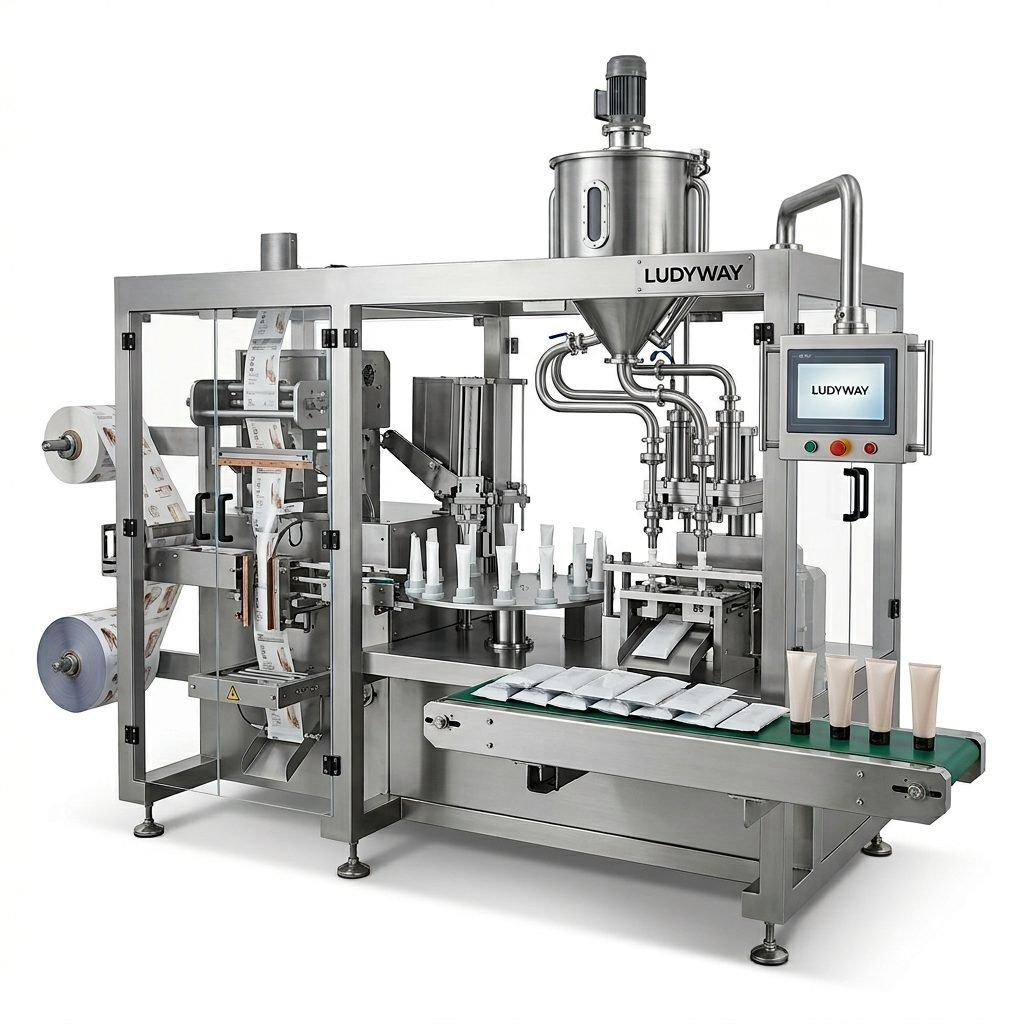
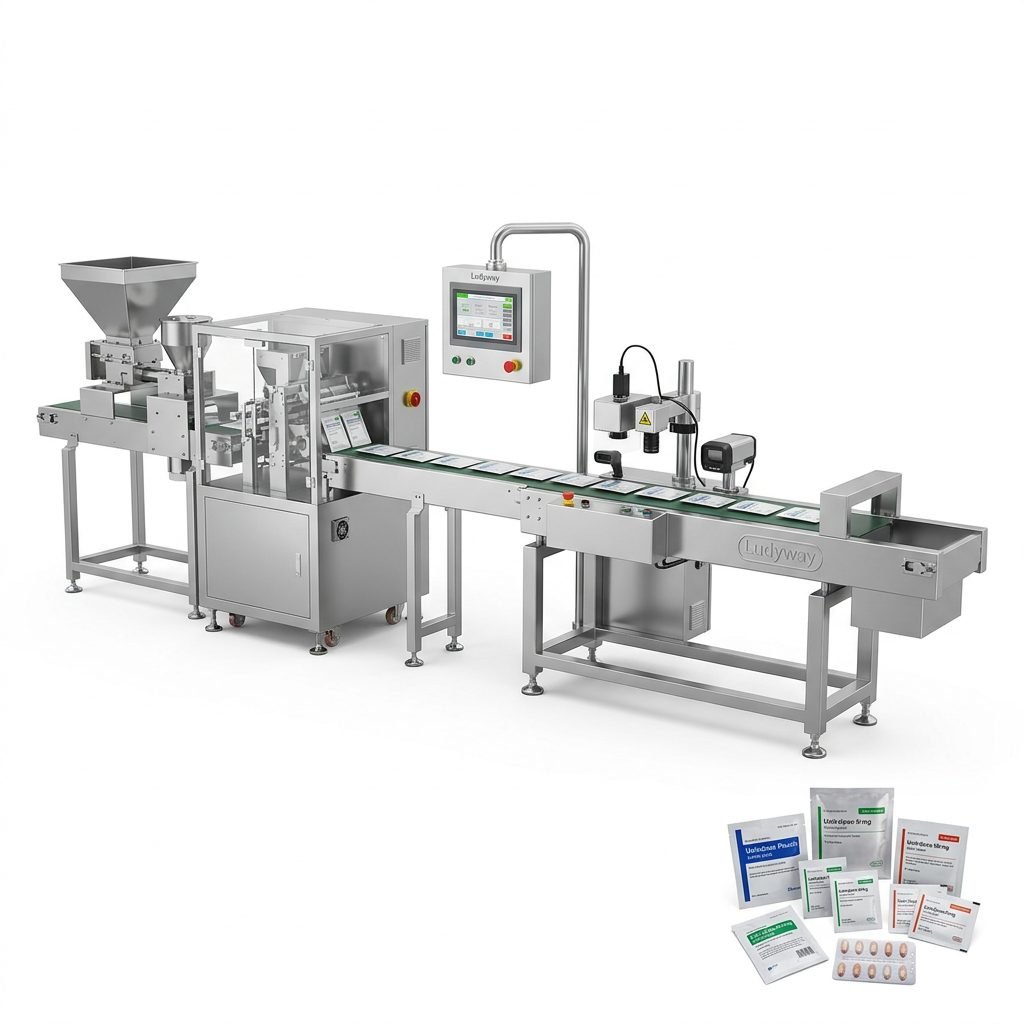
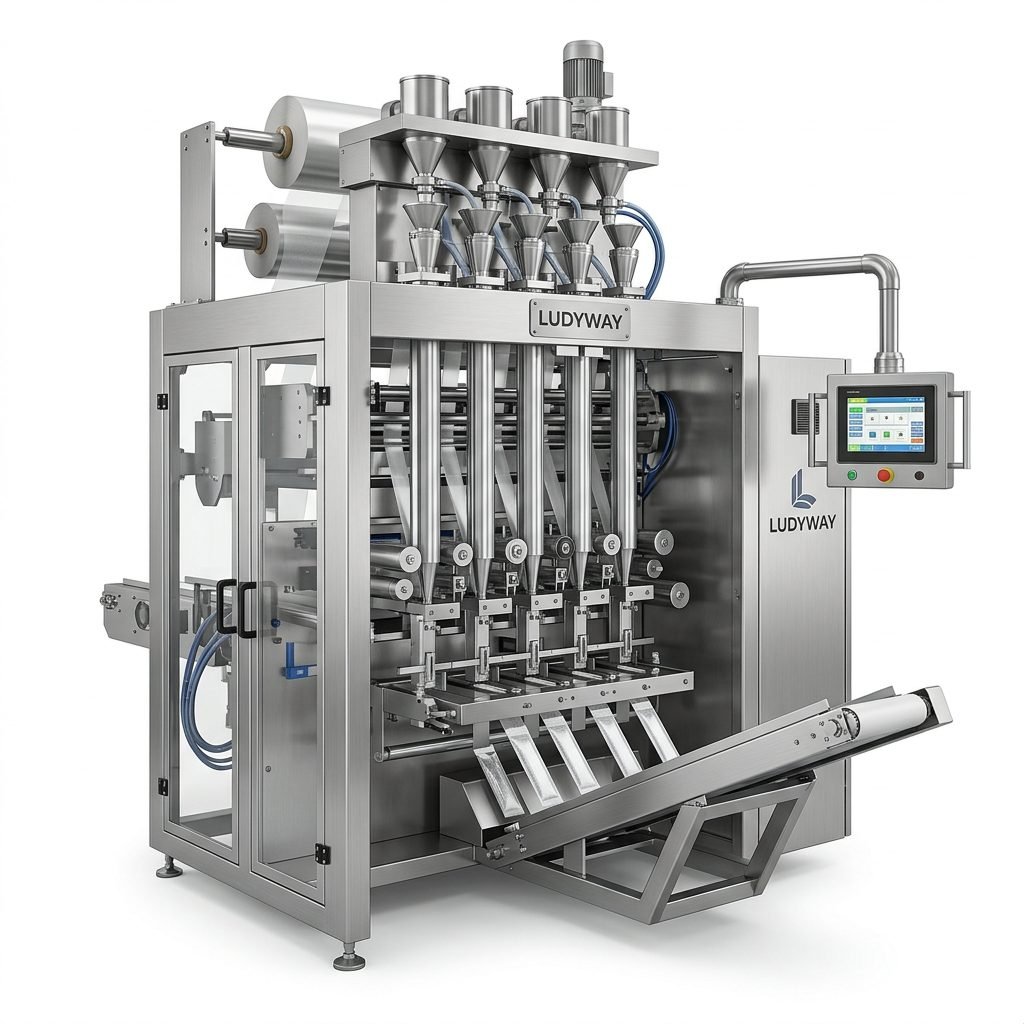
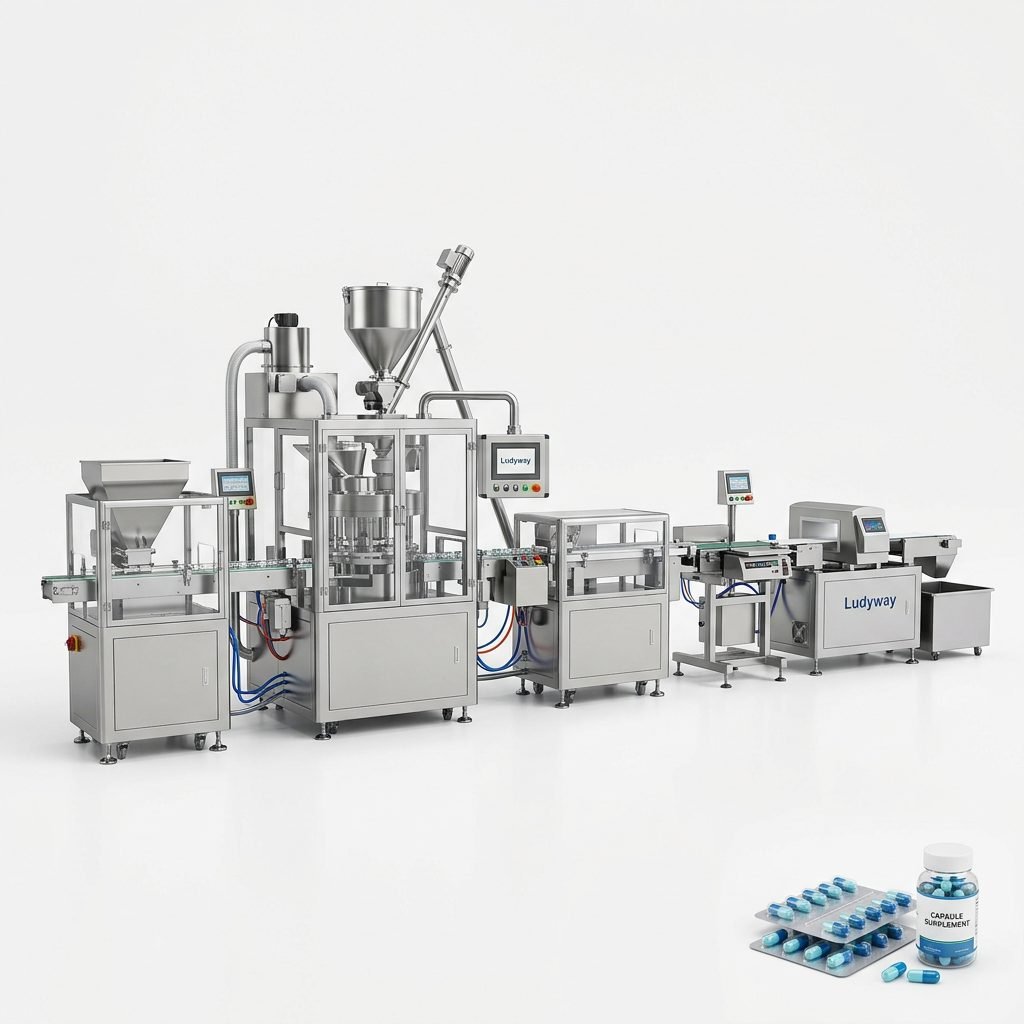
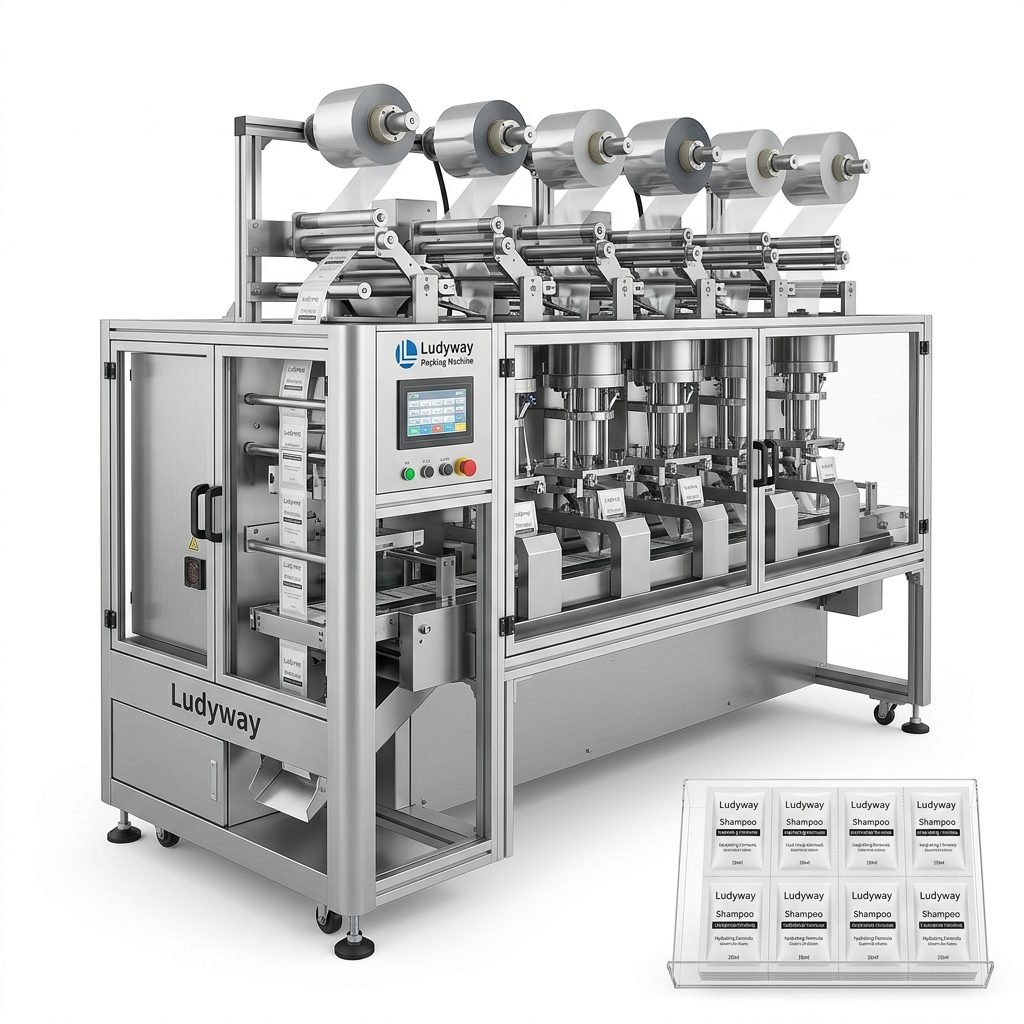
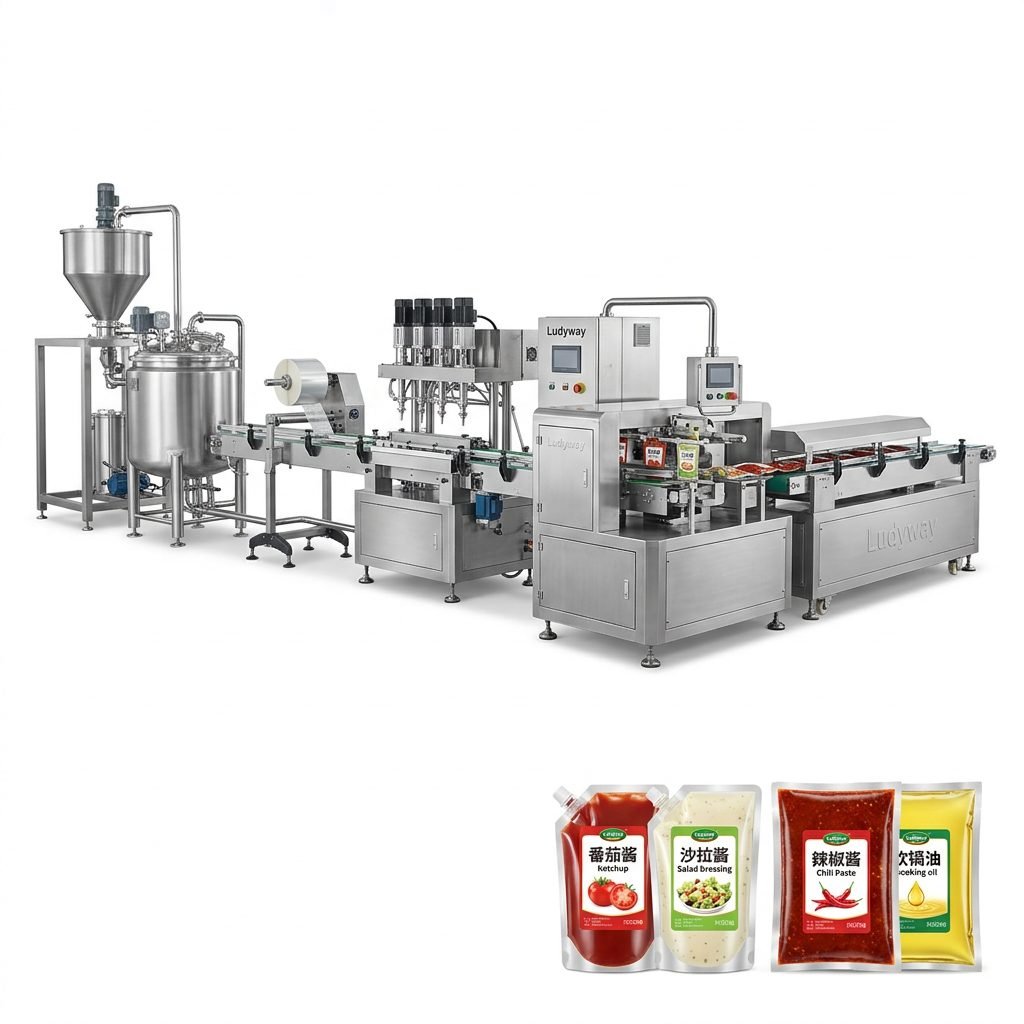
Selecting the right thermoforming food packaging machine is a critical decision that directly impacts your production efficiency, product quality, and overall operational costs. An automatic thermoforming solution streamlines the process of forming, filling, and sealing trays or containers from a roll of plastic film, making it ideal for a wide range of food products. This guide will walk you through the key factors to consider to ensure you choose the best automatic solution tailored to your specific production needs.
Understanding Thermoforming Packaging Technology
At its core, a thermoforming packaging machine uses heat and pressure to mold a continuous sheet of thermoplastic material into specific shapes (cavities). These cavities then move through filling stations before a top web (lidding film) is sealed onto them. The final product is a hermetically sealed, ready-for-distribution package. The automation of this process—from film unwinding and forming to cutting and final product discharge—is what defines an automatic thermoforming machine. This technology is renowned for its versatility, excellent product presentation, and strong barrier properties essential for food preservation.
Core Advantages of Automation
Investing in an automatic system brings transformative benefits:
→ High-Speed Production: Capable of producing hundreds of packages per minute, drastically outpacing semi-automatic or manual methods.
→ Consistent Quality & Hygiene: Automated processes minimize human contact, ensuring uniform seal integrity and superior hygiene standards, crucial for food safety compliance.
→ Reduced Labor Costs & Waste: One operator can often oversee multiple lines, and precise material control leads to significant savings on packaging film and product giveaway.
→ Enhanced Flexibility: Modern machines allow for quick changeovers between different package sizes and shapes, supporting diverse product lines.
Key Factors for Choosing Your Machine
Navigating the market requires a methodical evaluation of your requirements against machine capabilities. Do not compromise on these fundamental aspects.
1. Production Requirements & Output
This is your starting point. Clearly define your current and projected production volumes. Machine speeds are rated in cycles per minute (CPM). A machine rated for 40 CPM with a 4-cavity mold produces 160 packages per minute. Ensure the machine’s maximum output comfortably exceeds your peak demand to allow for maintenance and future growth. Under-sizing your equipment leads to bottlenecks, while over-sizing increases unnecessary capital expenditure.
2. Product Characteristics
The nature of your food product dictates many machine specifications.
- Form: Is it solid (like cheese slices), liquid (soup, sauce), viscous (yogurt, pudding), or powdered (spices, drink mixes)?
- Sensitivity: Does it require gas flushing (Modified Atmosphere Packaging – MAP) for extended shelf life? This necessitates integrated gas flushing systems.
- Fill Volume & Accuracy: Choose between volumetric cup fillers, piston fillers for liquids/pastes, or auger fillers for powders. The filling system must deliver precise, consistent amounts to avoid costly overfills or underfills.
3. Film & Material Compatibility
The machine must be compatible with your chosen packaging materials. Consider the type of base web (PP, PET, PS, APET) and lidding film (foil, peelable seal films, high-barrier laminates). The forming station’s heating technology (contact heating, radiant heating, or a combination) must be suitable for your film’s thickness and composition to achieve perfect, wrinkle-free cavities without burning or weakening the material.
Critical Technical Specifications Checklist
Use this list when reviewing machine proposals:
• Maximum Machine Speed: Cycles per minute (CPM).
• Forming Area & Depth: Determines the maximum package size you can produce.
• Sealing Method: Thermal sealing, ultrasonic sealing, or a combination.
• Tooling Changeover Time: How quickly can molds and dies be swapped?
• Integrated Options: Check for options like MAP systems, date coders, leak detection, or vision inspection systems.
• Utility Requirements: Electrical power (voltage, phases), compressed air (CFM, pressure), and cooling water needs.
4. Automation & Integration Level
A truly “automatic” solution extends beyond the primary former-sealer. Evaluate the upstream and downstream integration. Does the system include automatic film loading? Can it be integrated with robotic product loaders, checkweighers, or case packing systems? A higher degree of factory automation integration future-proofs your investment and maximizes the ROI by creating a seamless production line. Partnering with a supplier like Ludyway Machinery, which offers turnkey solutions, can simplify this complex integration process.
5. Supplier Reliability & Support
The machine is a long-term asset, and the supplier is your long-term partner. Prioritize manufacturers with a proven track record in the food packaging industry. Assess their:
- Technical Expertise & Experience: Look for over 30 years of industry experience as it indicates deep practical knowledge.
- Service & Parts Network: Ensure they offer prompt technical support, comprehensive training, and readily available spare parts.
- Customization Capability: Can they tailor the machine to your unique product or process needs?
- Manufacturing Quality: A robust production facility (e.g., a 20,000㎡ plant) often correlates with better build quality and control.
Implementing Your New Thermoforming Line
Once you’ve selected your machine, successful implementation is key. Plan for adequate factory floor space, including room for material storage and maintenance access. Schedule thorough operator and maintenance technician training with the supplier. Begin with a rigorous testing phase using your actual product and packaging materials to fine-tune all parameters—forming temperature, sealing pressure, gas mix (if applicable)—before full-scale production runs.
Future-Proofing Your Investment
The packaging industry evolves rapidly. Choose a machine platform that offers modularity. The ability to add features like advanced inspection systems, smarter HMI controls, or Industry 4.0 data connectivity for predictive maintenance and OEE tracking will protect your investment from premature obsolescence and keep you competitive.
Frequently Asked Questions (FAQs)
1. What is the typical price range for an automatic thermoforming food packaging machine?
Prices vary widely based on size, speed, and features. Entry-level automatic machines may start around $80,000, while high-speed, fully integrated lines with MAP and advanced controls can exceed $500,000. A detailed quote based on your specific requirements is essential for accurate budgeting.
2. How long does it take to change over to a different package size?
Changeover time depends on the machine’s design. Modern machines with quick-change mold systems and servo-driven adjustments can achieve changeovers in 20-45 minutes. Traditional machines with manual adjustments may take several hours. This is a critical factor for producers with multiple SKUs.
3. Can one machine handle both liquid and solid food products?
While the core forming and sealing process is similar, the filling system is product-specific. Many machines are sold as “platforms,” where you select the appropriate filler (piston, auger, volumetric) for your product. A machine configured for liquids would need significant modification to handle powders efficiently.
4. What maintenance does an automatic thermoforming machine require?
Daily maintenance includes cleaning and basic inspections. Regular preventive maintenance (weekly/monthly) involves lubricating moving parts, checking seal integrity, and calibrating sensors and fillers. An annual overhaul by a qualified technician is recommended to ensure long-term reliability and performance.
5. How do I ensure the machine meets food safety regulations (like FDA, EU standards)?
Reputable manufacturers design machines with food safety in mind, using food-grade lubricants and easy-to-clean surfaces. Always request documentation stating compliance with relevant standards (e.g., EHEDG, USDA, 3-A for certain products). The machine’s design should facilitate hygienic operation and prevent contamination risks.