In the fast-paced world of tire manufacturing and distribution, ensuring that products reach their destination in pristine condition is paramount. This is where tire wrapping packaging machines come into play, revolutionizing the way tires are packed, stored, and shipped. These automated systems are designed to provide efficient, secure, and cost-effective packaging solutions, making them an indispensable asset for any modern tire handling operation.
The Core Function: How Tire Wrapping Machines Work
At their heart, tire wrapping machines automate the process of applying a protective film—typically stretch film or shrink film—around one or multiple tires. The process begins with an operator or automated system placing the tire(s) onto a rotating platform or mandrel. The machine then precisely dispenses and stretches the film around the tire’s circumference, creating a tight, uniform seal. Advanced models can handle various tire sizes, from passenger car tires to large truck and agricultural tires, and can be configured for different wrapping patterns (spiral, full web) to optimize film usage and protection.
Key Advantages of Automated Tire Wrapping
- Superior Protection: The tight wrap shields tires from dust, moisture, UV light, and scratches during storage and transit.
- Enhanced Stability: Wrapped tires are less likely to shift or topple, improving pallet stability and warehouse safety.
- Significant Labor Savings: Automation drastically reduces the manual effort and time required compared to hand-wrapping.
- Material Efficiency: Machines control film tension and overlap precisely, minimizing film waste and reducing packaging costs.
- Professional Presentation: Consistently wrapped tires present a clean, professional image to customers and distributors.
Choosing the Right Machine for Your Operation
Selecting the optimal tire wrapping system depends on several critical factors. Production volume is the primary driver; high-throughput facilities may require fully automatic inline systems that integrate with conveyor belts, while smaller operations might benefit from semi-automatic or manual turntable models. The range of tire sizes and types (e.g., with or without rims) you handle will determine the required machine adaptability. Furthermore, consider the type of film (pre-stretch, cling, shrink) and the desired wrap style to meet your specific protective and aesthetic needs.
Integration with Broader Packaging Lines
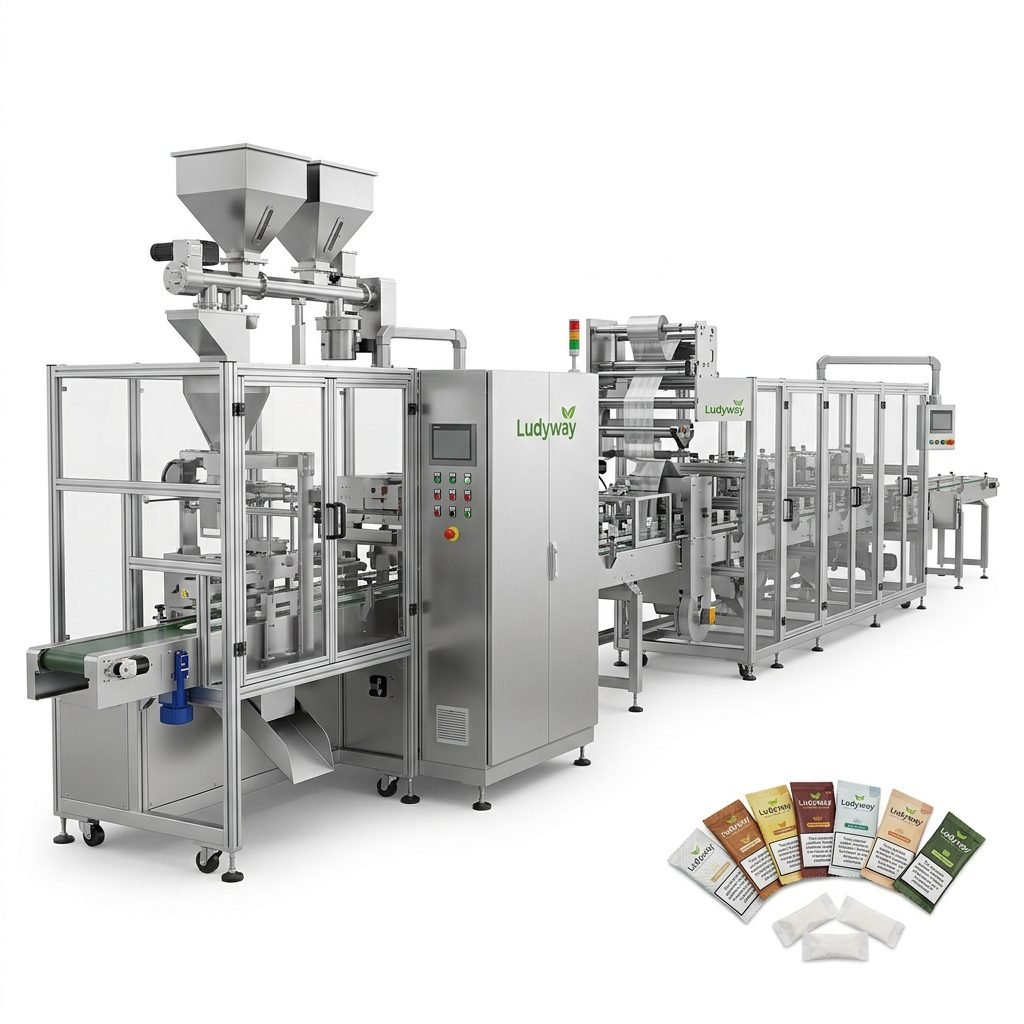
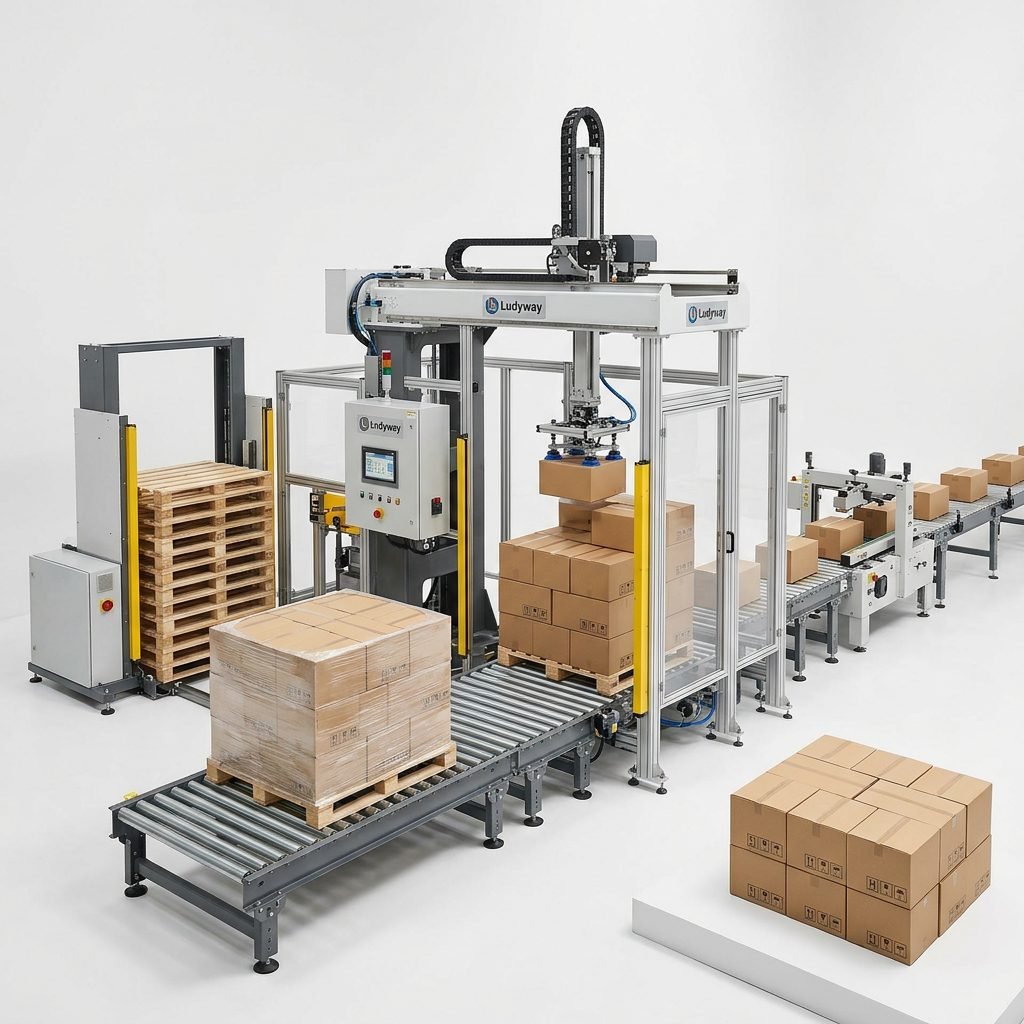
For maximum efficiency, tire wrapping machines are often part of a larger automated packaging line. They can be seamlessly integrated downstream from tire labeling systems and upstream from palletizing robots. This creates a continuous flow from production to shipping, minimizing human intervention and maximizing throughput. Some advanced solutions even incorporate vision systems to inspect the wrap quality automatically, ensuring every tire meets the packaging standard before it leaves the facility.
Technological Innovations Driving Efficiency
The latest generation of tire wrappers incorporates smart technologies to push the boundaries of efficiency and security. IoT-enabled machines can provide real-time data on production counts, film usage, and maintenance alerts, facilitating predictive maintenance and reducing downtime. Energy-efficient motors and optimized pre-stretch systems lower operational costs. Furthermore, user-friendly touchscreen HMIs (Human-Machine Interfaces) allow for quick changeovers between different tire profiles, storing recipes for various products to ensure consistent results with minimal setup time.
Security Beyond the Wrap: The Role of Data and Traceability
Modern packaging is about more than just physical protection. High-end tire wrapping systems can be integrated with printing and applicator systems to attach barcode or RFID labels under the protective film. This secures the label from damage or removal, enabling robust track-and-trace capabilities throughout the supply chain. This is crucial for inventory management, recall processes, and authenticating products in the market.
Return on Investment and Sustainability
Investing in an automated tire wrapping machine offers a compelling ROI. The savings accrued from reduced labor, lower film consumption, decreased damage-related losses, and improved warehouse space utilization typically lead to a quick payback period. From a sustainability perspective, these machines contribute significantly by optimizing material use and reducing waste. Using thinner, high-performance pre-stretched films without compromising protection means less plastic consumption per tire, aligning with corporate environmental goals and reducing the overall carbon footprint of the logistics operation.
Partnering with a Specialist for Your Solution
Implementing the right packaging automation requires expertise. Partnering with an experienced provider like Ludyway Machinery ensures access to tailored solutions. With over 30 years of industry experience, they understand the nuanced demands of tire packaging. Their approach involves analyzing your specific workflow, volume, and challenges to recommend or customize a machine that fits seamlessly, ensuring efficient and secure tire packing from day one. Their global service network provides crucial support for installation, training, and maintenance, safeguarding your operational continuity.
Frequently Asked Questions (FAQs)
1. What types of film can a tire wrapping machine use?
Most machines are designed to use standard linear low-density polyethylene (LLDPE) stretch film. However, they can often be adapted for specialty films, including UV-resistant, colored, or high-cling films. It’s essential to confirm compatibility with your machine supplier to ensure optimal performance and film unwinding.
2. Can one machine handle different tire diameters and widths?
Yes, many modern semi-automatic and automatic machines are highly adjustable. Key components like the turntable diameter, film carriage height, and wrapping programs can be modified to accommodate a wide range of passenger, truck, and off-road tire sizes. Quick-change features are vital for operations with high product variability.
3. How does automated wrapping improve warehouse safety?
Automated wrapping creates uniformly stable loads. By securely binding tires together on a pallet, it prevents shifting during forklift handling or storage racking. This reduces the risk of load collapse, product damage, and workplace accidents, creating a safer environment for warehouse personnel.
4. What is the typical maintenance required for these machines?
Routine maintenance is generally straightforward and includes cleaning film debris from rollers and cutters, checking and tightening drive chains or belts, and lubricating moving parts as specified in the manual. Regular inspection of the film carriage and pre-stretch mechanism is recommended to maintain consistent wrap quality.
5. Is it possible to integrate a wrapping machine into an existing production line?
Absolutely. Reputable suppliers like Ludyway Machinery specialize in turnkey solutions and integration. They can design the machine interface (conveyor speeds, activation sensors, communication protocols) to connect with your upstream and downstream equipment, such as labelers, accumulators, or palletizers, creating a cohesive automated line.