Choosing the right packaging machine for tomato paste is a critical decision that directly impacts production efficiency, product quality, and overall profitability. This guide provides a comprehensive overview of the types of tomato paste packaging machines, their key features, and essential factors to consider when selecting the best equipment for your specific needs.
Understanding the Importance of Proper Tomato Paste Packaging
Tomato paste is a versatile and widely used food ingredient, valued for its rich flavor and long shelf life. Its packaging must protect against contamination, oxidation, and moisture loss while maintaining its thick, concentrated consistency. The right packaging machine ensures these qualities are preserved from the production line to the consumer’s kitchen. In many cultures, especially in regions with strong culinary traditions around tomato-based sauces like Italy or the Mediterranean, the visual appeal and integrity of the packaging are also closely tied to perceived quality and brand trust. A reliable machine delivers consistent, secure, and attractive packages that meet both functional and market expectations.
Key Point: The primary goal of tomato paste packaging is to create a hermetic seal that locks in flavor, prevents spoilage, and provides a convenient format for both retail and food service use. The packaging process must handle the product’s viscosity without causing separation or introducing air.
Common Packaging Formats for Tomato Paste
Tomato paste is packaged in several formats, each requiring specific machinery:
- Stand-up Pouches (Doypacks): Popular for retail due to their shelf presence and resealable zippers.
- Sachets and Stick Packs: Ideal for single-serve portions in food service or as recipe additives.
- Cans and Tins: Traditional method offering excellent barrier properties for long-term storage.
- Tubes: Convenient for direct consumer use, allowing easy dispensing and reduced waste.
- Bags-in-Box: Used for bulk food service or industrial supply.
Types of Tomato Paste Packaging Machines
The machinery varies based on the packaging format, automation level, and production scale.
1. Vertical Form-Fill-Seal (VFFS) Machines
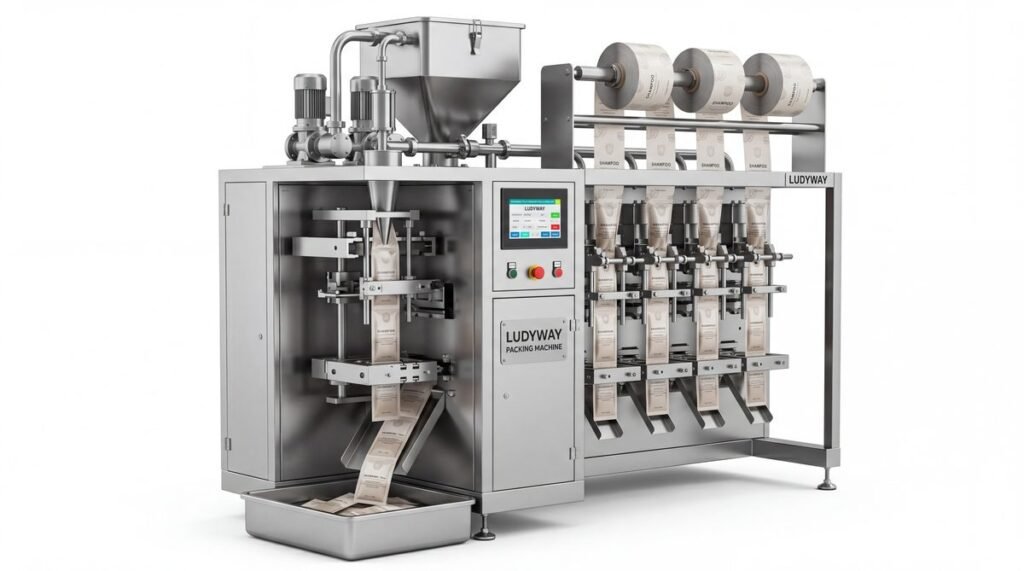
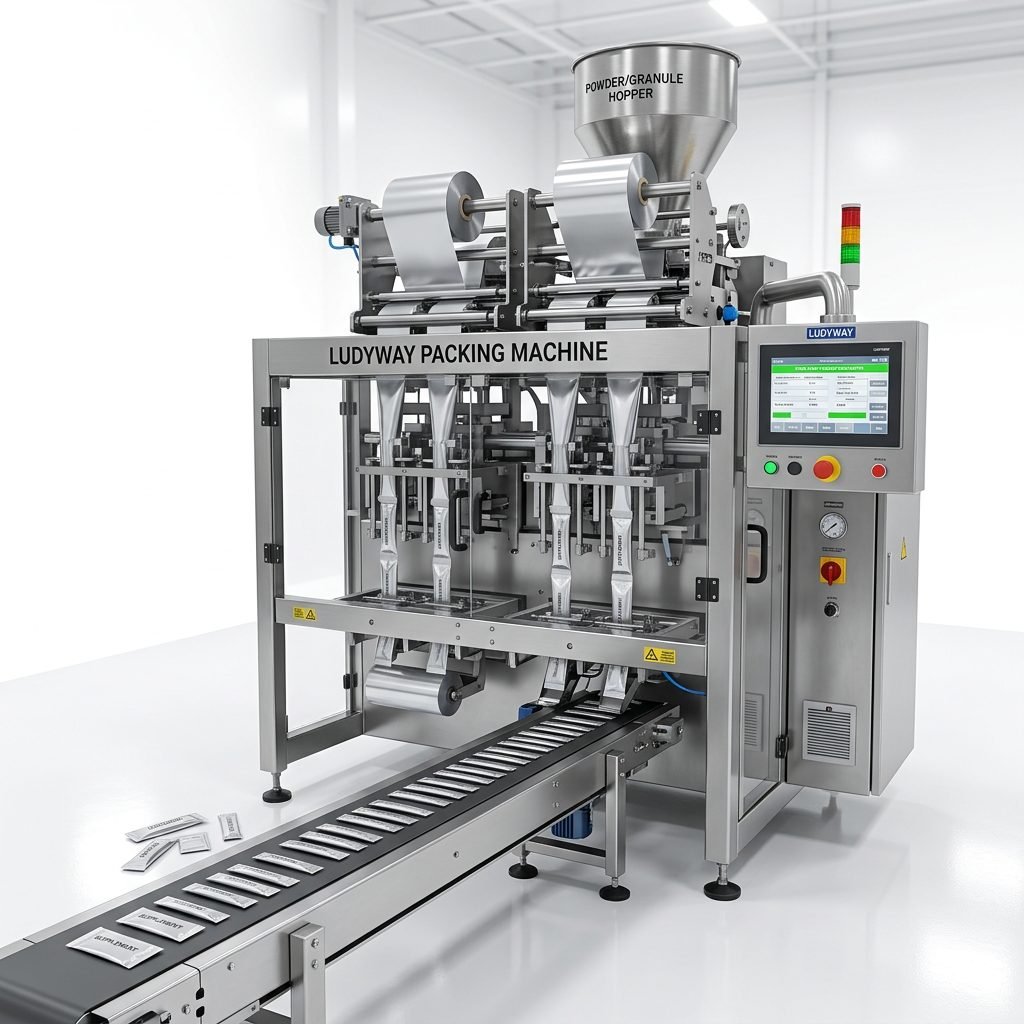
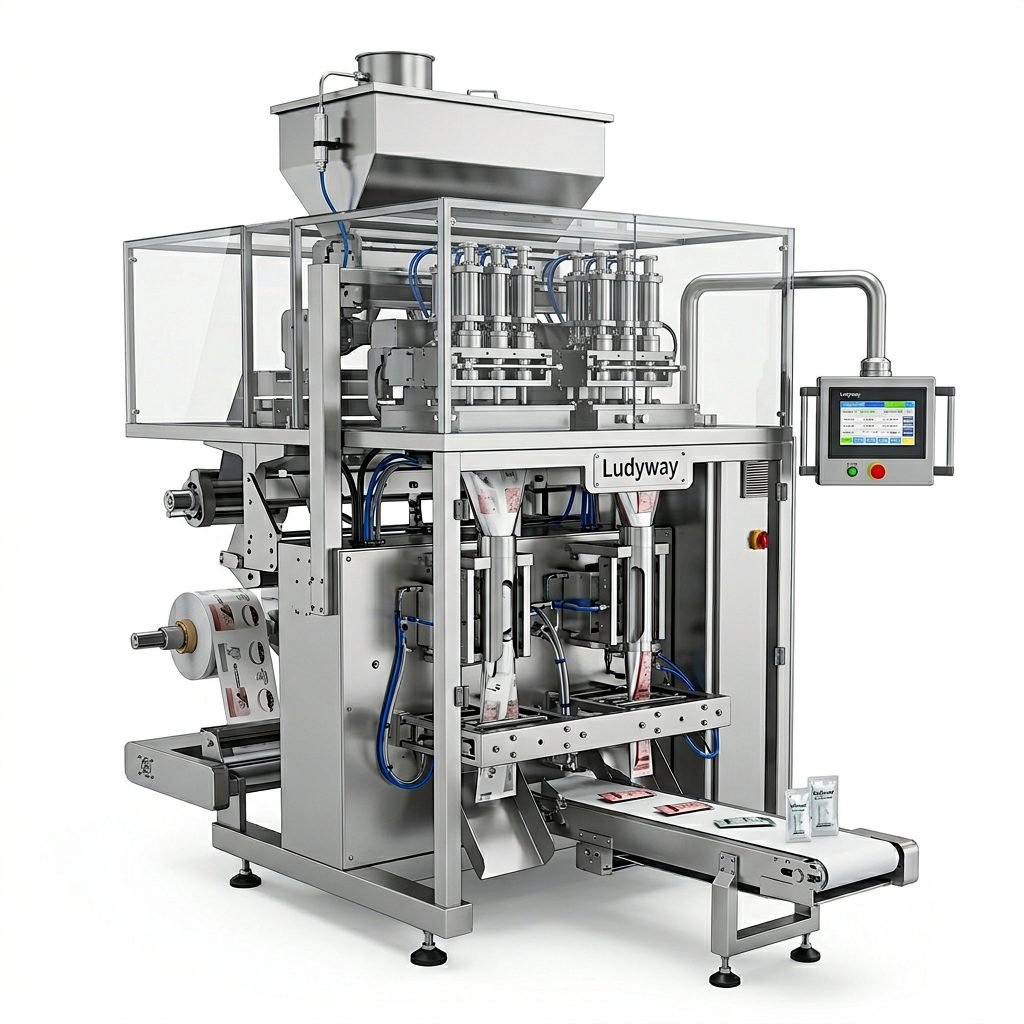
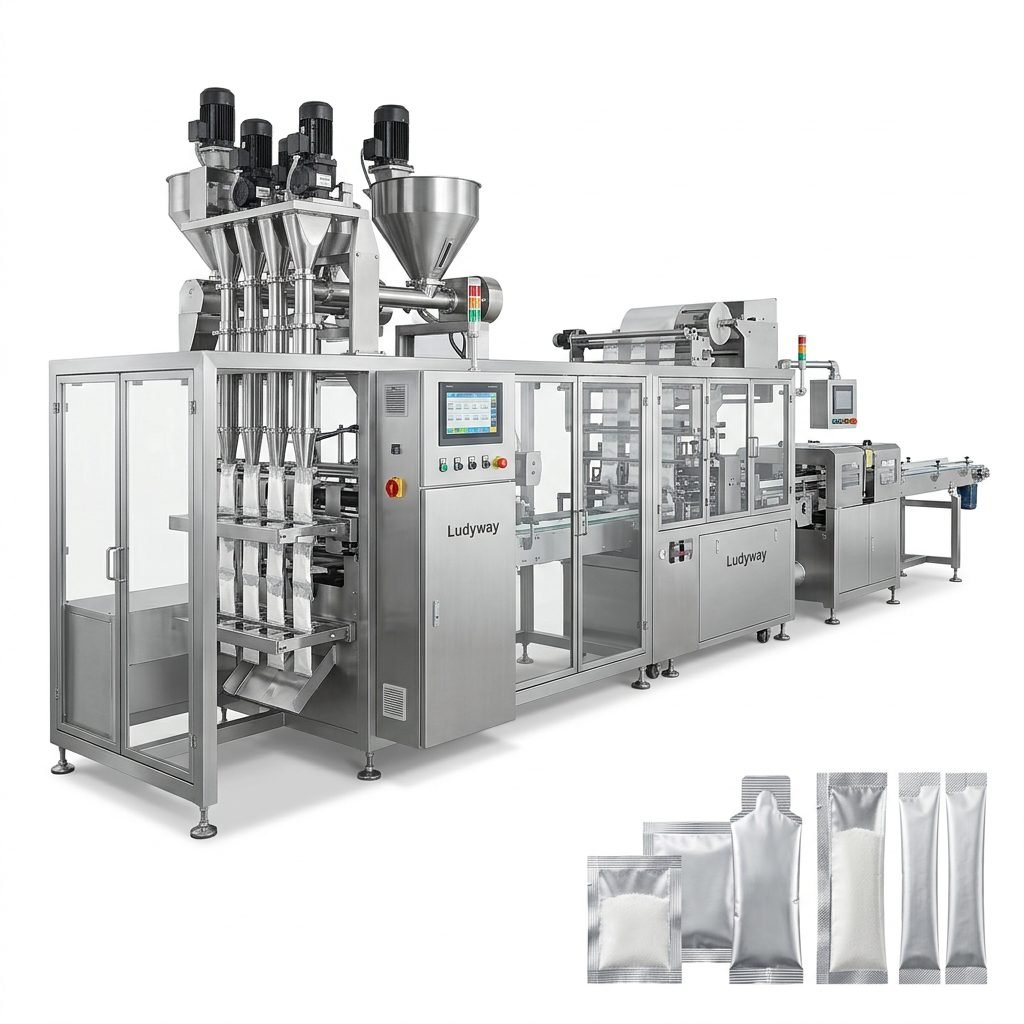
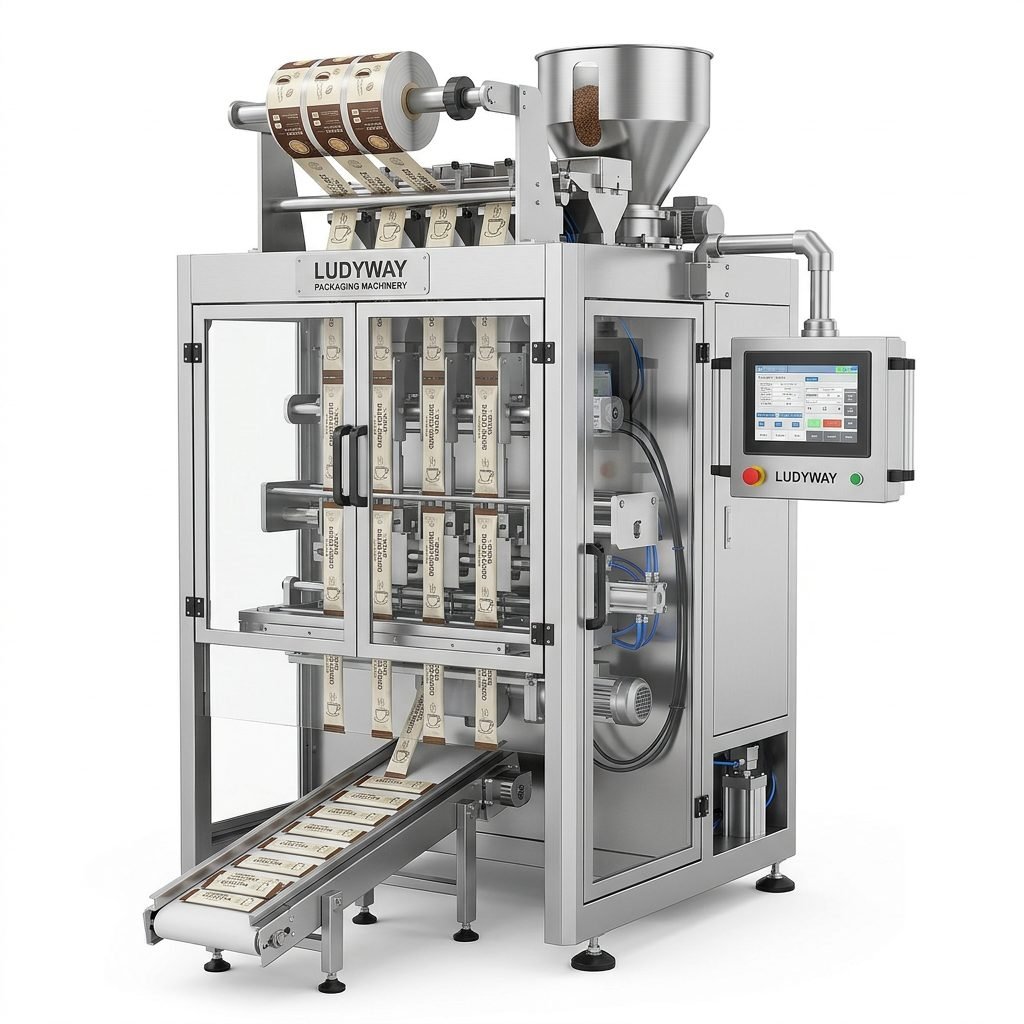
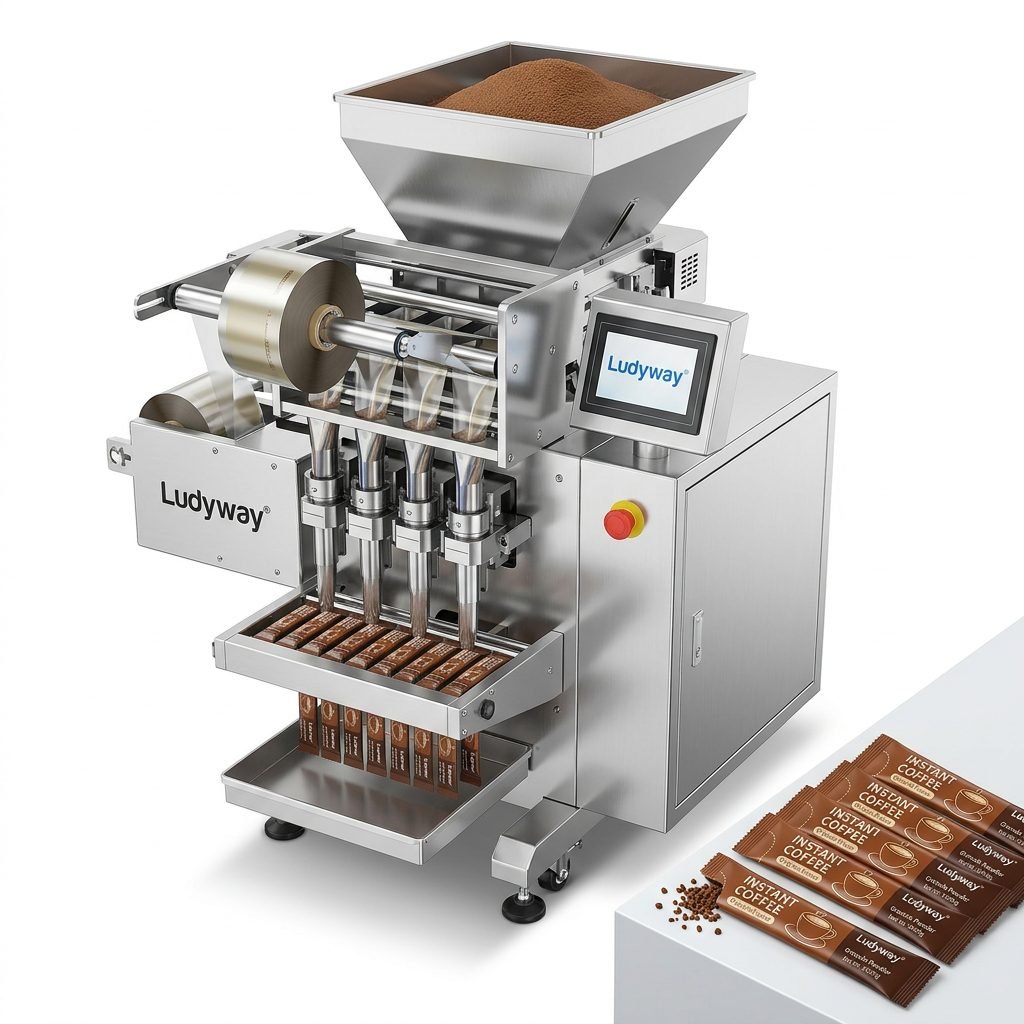
These are the most common machines for packaging tomato paste into pouches and sachets. They form the package from a roll of film, fill it with a precise amount of paste, and then seal it. Modern VFFS machines for viscous products like tomato paste often include piston fillers or auger fillers for accurate dosing. They are highly versatile and can be integrated with multilane systems for high-speed production.
→ Best For: Medium to high-volume production of flexible pouches and sachets. Ideal for businesses looking to package various portion sizes.
2. Piston Filling and Sealing Machines
Specifically designed for thick, viscous products, these machines use a piston cylinder to draw a precise volume of tomato paste and dispense it into pre-made containers like tubes, cans, or tubs. They are often paired with capping, lidding, or sealing stations to create a complete line. Accuracy and minimal product waste are their main advantages.
3. Liquid Filling Machines with Specialized Valves
While often used for thinner liquids, certain models equipped with positive displacement pumps and time-pressure fill systems can handle tomato paste. The filling nozzles are designed to prevent clogging and ensure a clean cut-off of the product flow, which is crucial for maintaining package cleanliness.
4. Automated Canning Lines
For traditional metal packaging, fully automated canning lines perform filling, exhausting (to remove air), seaming, and sterilization. These are significant investments suited for large-scale industrial production but offer unmatched shelf life and durability.
5. Tube Filling and Sealing Machines
These machines automatically fill laminated or plastic tubes with tomato paste and seal them (via heat sealing or fold crimping). They often include functions for coding and cartoning. This format is gaining popularity for consumer convenience.
Comparing Machine Types at a Glance
- VFFS Machine: High flexibility, moderate speed, suitable for pouches.
- Piston Filler: High accuracy for viscous paste, slower speed, for pre-formed containers.
- Canning Line: Very high speed and longevity, very high initial cost.
- Tube Filler: Excellent for consumer convenience, moderate speed.
Essential Features to Look For in a Tomato Paste Packaging Machine
Not all packaging machines are created equal. When dealing with a product as specific as tomato paste, certain features are non-negotiable.
✔️ Viscosity Handling and Filling Accuracy
The machine must have a filling system engineered for pastes. Piston fillers are typically the gold standard for accuracy (±0.5-1%). Look for machines with stainless steel contact parts and easy-to-clean piston assemblies to maintain hygiene and prevent cross-contamination.
✔️ Seal Integrity and Strength
A weak seal can lead to leakage and spoilage. The machine should provide consistent heat control (for plastic films) or precise seaming (for cans). Cooling jaws on VFFS machines help set the seal properly on thick, multi-layered films often used for paste.
✔️ Hygiene and Cleanability (Sanitary Design)
Given that tomato paste is a food product, the machine should comply with food-grade standards. Features like quick-release parts, rounded edges, and food-grade lubricants are crucial. A sanitary design minimizes downtime for cleaning and reduces contamination risk.
✔️ Automation and Control Systems
Modern machines offer PLC (Programmable Logic Controller) touchscreens for easy operation. Look for features like recipe storage (for different package sizes), automatic fault detection, and production data tracking. These enhance efficiency and reduce operator error.
✔️ Changeover Flexibility
If you produce multiple package sizes (e.g., 70g sachets and 1kg pouches), quick changeover capability is vital. Machines with tool-less adjustments or change parts can significantly reduce downtime between production runs.
✔️ Material Compatibility
Ensure the machine can handle the specific packaging material you plan to use, whether it’s aluminum laminate for sachets, PET/PE for stand-up pouches, or pre-formed tubes. The sealing mechanism must be compatible with the material’s melting point and layers.
How to Choose the Best Tomato Paste Packaging Machine: A Step-by-Step Guide
Selecting the right equipment involves a careful evaluation of your business needs and technical requirements.
Step 1: Assess Your Production Requirements
- Output Speed (Packages per Minute): Calculate your current and projected future needs.
- Package Size and Format: Define the exact range of weights and types of packages.
- Available Factory Space: Measure the footprint for the machine and upstream/downstream equipment.
Step 2: Define Your Product Specifications
Provide potential suppliers with detailed product characteristics: Brix (concentration) level, temperature during filling, particle size (if any), and acidity. This determines the required material grade and machine compatibility.
Step 3: Evaluate Machine Suppliers
Look for suppliers with proven experience in food packaging, especially with viscous products. Request references and, if possible, arrange a product sample test at their facility. A reputable supplier like Ludyway Packaging Machinery, with over 30 years of industry experience, can provide valuable guidance and reliable turnkey solutions.
Step 4: Consider Total Cost of Ownership (TCO)
Look beyond the initial purchase price. Factor in:
• Operating Costs: Energy consumption, compressed air usage.
• Maintenance: Availability and cost of spare parts.
• Material Waste: A more accurate filler reduces product giveaway.
• After-sales Support: Technical support, training, and warranty.
Step 5: Plan for Integration and Support
Ensure the machine can integrate with your existing conveyors, checkweighers, or cartoners. Discuss installation, operator training, and the availability of local technical support with the supplier. A smooth startup is critical for ROI.
⚠️ Critical Red Flags to Avoid
• Supplier cannot perform a product test.
• Machine design is difficult to clean thoroughly.
• Limited or unclear documentation and training.
• No local service network or long lead times for spare parts.
Future Trends in Tomato Paste Packaging
The industry is moving towards greater sustainability and smart technology. Expect increased demand for machines that can handle mono-material or recyclable films, reduce plastic usage, and incorporate Industry 4.0 features for predictive maintenance and real-time production analytics. Flexibility will remain key as consumer preferences for portion sizes and packaging formats continue to evolve.
Frequently Asked Questions (FAQs)
Q1: What is the most accurate filling method for tomato paste?
A: Piston filling is generally considered the most accurate method for thick, viscous products like tomato paste. It provides excellent volumetric control, minimizing product giveaway and ensuring consistent fill weights, which is crucial for cost control and regulatory compliance.
Q2: Can one machine package tomato paste in both sachets and stand-up pouches?
A: It depends on the machine’s design. Many modern Vertical Form-Fill-Seal (VFFS) machines are highly flexible and can produce different package styles by changing the forming collars and sealing jaws. However, switching between formats like a flat sachet and a gusseted stand-up pouch typically requires a changeover of parts, which should be quick and tool-less for optimal efficiency.
Q3: How important is the sanitation design of the machine?
A: Extremely important. Tomato paste is a low-acid food that can support microbial growth if contaminated. A machine with a sanitary design—featuring stainless steel surfaces, easy disassembly, clean-in-place (CIP) capabilities, and protected lubrication points—reduces cleaning time, prevents bacterial harborage points, and ensures product safety, helping you meet stringent food safety standards like HACCP and FDA regulations.
Q4: What maintenance does a tomato paste packaging machine require?
A: Regular maintenance is vital. Daily tasks include cleaning all product contact surfaces and inspecting seals. Weekly or monthly maintenance involves lubricating moving parts (with food-grade lubricant), checking pneumatic filters, and calibrating the filling system. Always follow the manufacturer’s maintenance schedule. Choosing a supplier that offers comprehensive technical support and spare parts is essential for minimizing unplanned downtime.
Q5: Is it better to buy a standalone machine or a complete production line?
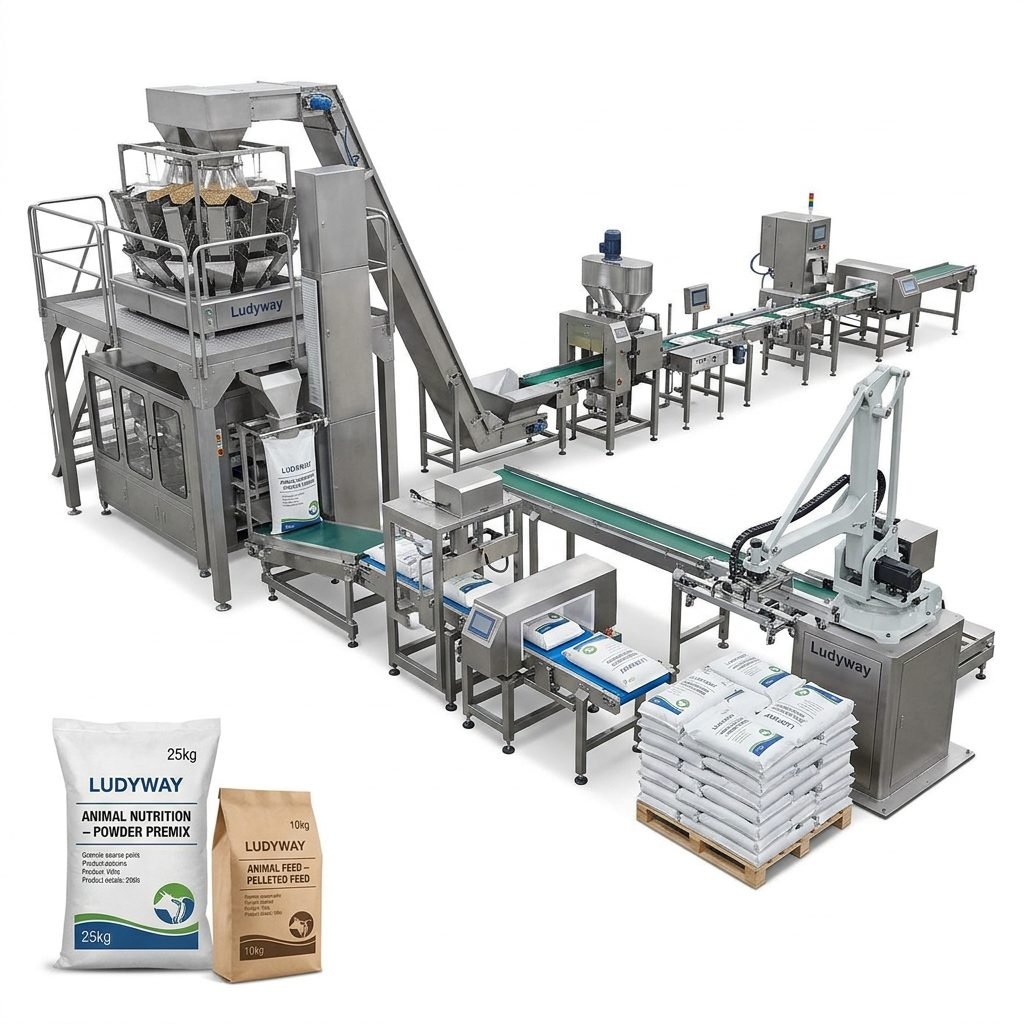
A: The choice depends on your scale and operational maturity. A standalone filler is suitable for small to medium operations or as an upgrade. A complete turnkey production line—integrating filling, sealing, coding, and cartoning—is ideal for new, high-volume facilities as it ensures synchronized operation, higher overall efficiency, and single-source accountability. Suppliers like Ludyway specialize in providing such integrated solutions tailored to specific production goals.