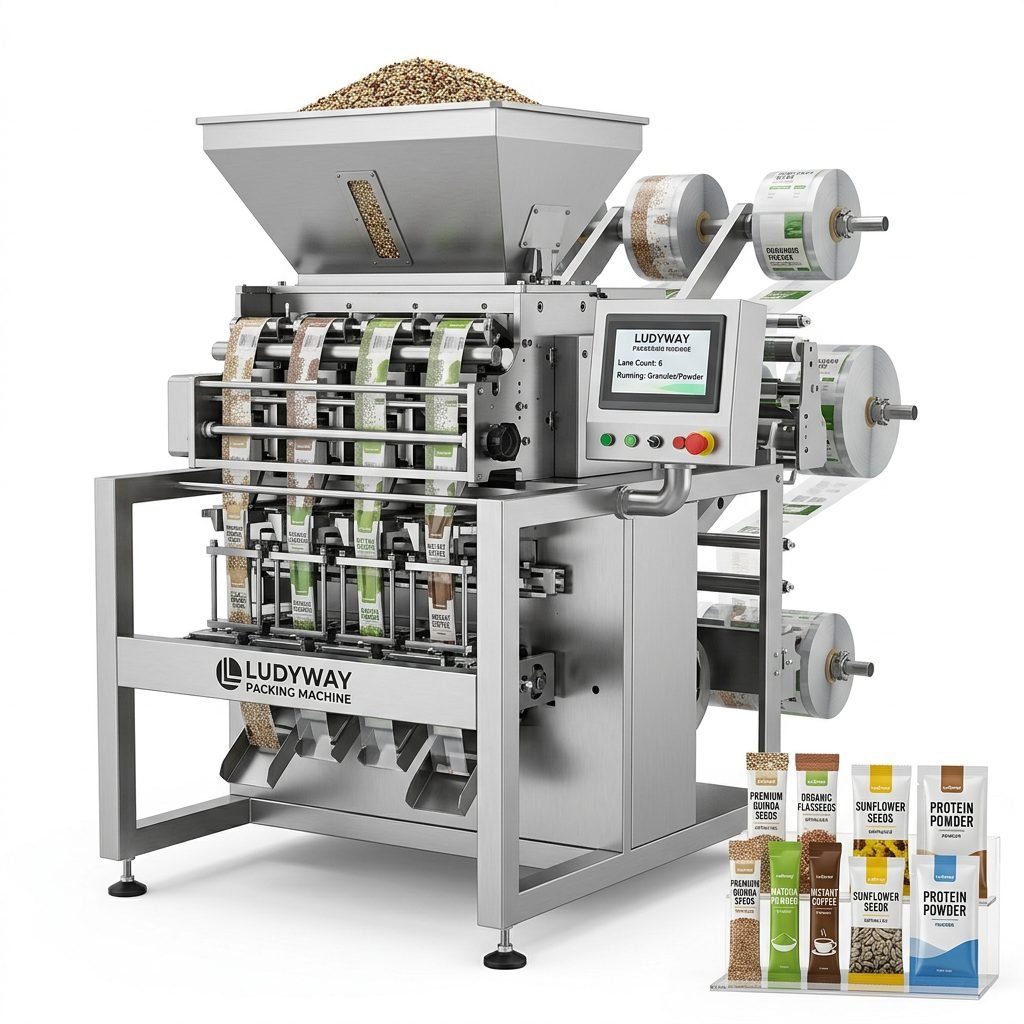
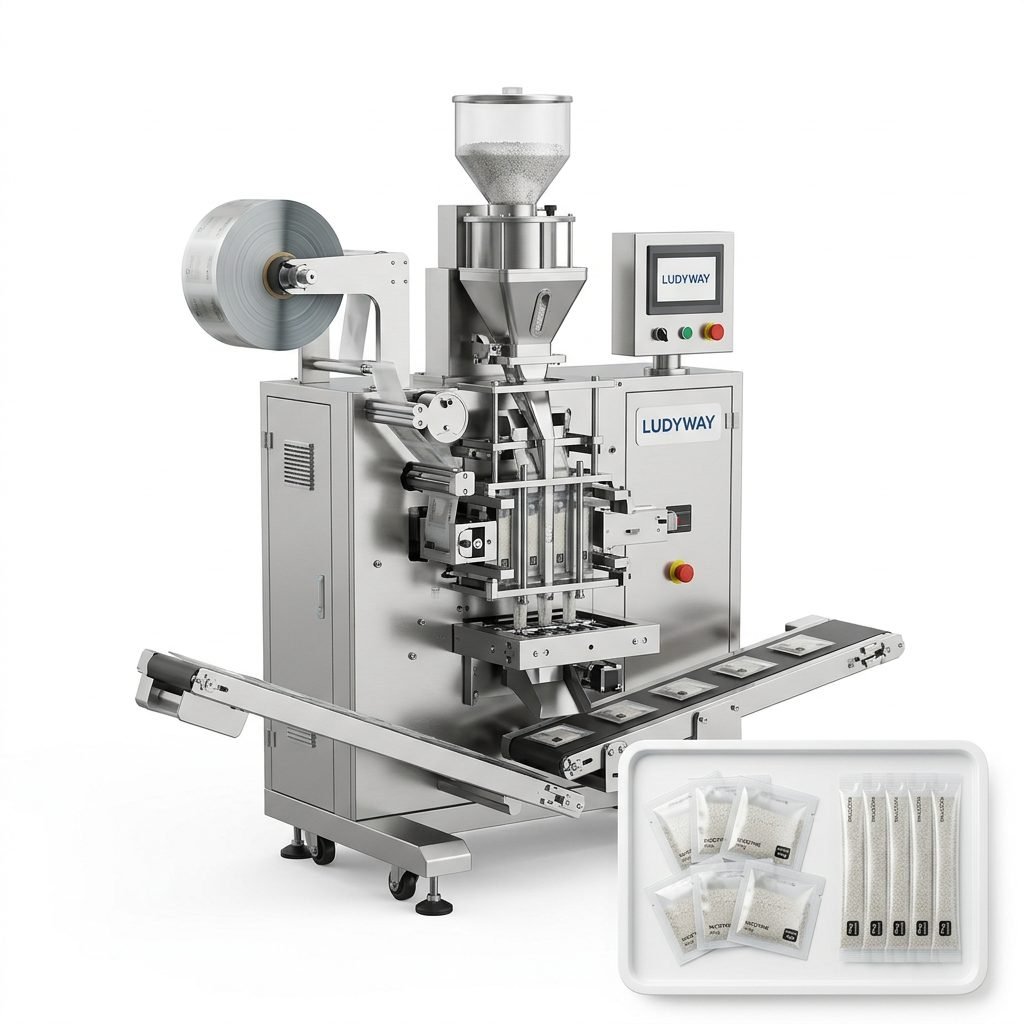
Vacuum packaging machines have become indispensable tools in modern food preservation, commercial kitchens, and industrial production. By removing air from the packaging, these machines create a near-perfect environment for extending shelf life, maintaining quality, and preventing spoilage. This comprehensive guide explores the best uses for vacuum packaging machines, explains how they work, details their benefits, and provides essential buying tips to help you make an informed decision.
How a Vacuum Packaging Machine Works
The core principle behind vacuum packaging is simple yet highly effective. The process involves placing a product—such as food, medical supplies, or electronic components—into a specialized plastic bag. The open end of the bag is then placed over the machine’s sealing bar. When activated, the machine’s pump extracts nearly all the air from inside the bag, creating a vacuum. Once the desired vacuum level is reached, the machine instantly heat-seals the bag’s opening, trapping the product in an airtight environment. This removal of oxygen significantly slows down the growth of aerobic bacteria and fungi, which are the primary causes of decay and spoilage.
Key Takeaway: The sealing process is critical. A strong, consistent seal ensures the vacuum is maintained. Most machines use a heated element to melt the layers of the bag together, forming a permanent bond that is as strong as the bag material itself.
Types of Vacuum Packaging Machines
Understanding the different types available is crucial for choosing the right machine for your needs.
- Chamber Vacuum Machines: The bag is placed entirely inside a sealed chamber. The entire chamber is evacuated of air, and then the bag is sealed. This is the most powerful method, ideal for liquids and moist foods, as it prevents liquid from being sucked into the pump.
- External (or Nozzle) Vacuum Machines: A suction nozzle is inserted into the bag’s opening to draw out the air before sealing. These are common for home use and are excellent for dry goods.
- Single-Chamber vs. Double-Chamber: Industrial models often feature double chambers for continuous operation—one chamber can be loaded while the other is in the vacuum cycle, dramatically increasing output.
Best Uses for a Vacuum Packaging Machine
The applications for vacuum sealing extend far beyond just storing leftovers. Here are some of the most effective and popular uses.
1. Food Preservation & Sous Vide Cooking
This is the most common application. Vacuum sealing locks in freshness, flavor, and nutrients for meats, fish, cheese, vegetables, and prepared meals. It prevents freezer burn by eliminating air exposure, allowing food to be stored in the freezer for months without quality loss. For culinary enthusiasts, vacuum sealing is essential for sous vide cooking, where food is cooked to precise temperatures in a water bath while sealed in a bag, resulting in perfectly cooked, tender, and flavorful dishes.
2. Commercial & Industrial Food Service
Restaurants, butchers, caterers, and food manufacturers rely on vacuum packaging for bulk storage, portion control, and extending the shelf life of ingredients. It helps reduce food waste, maintain consistent quality, and comply with food safety standards. Pre-portioned, vacuum-sealed ingredients streamline kitchen operations during busy service times.
3. Marinating Meats
Vacuum sealing accelerates marination. The vacuum pressure forces marinades deep into the meat fibers in minutes rather than hours. This technique is a game-changer for food service operations and home cooks alike, ensuring maximum flavor penetration quickly and efficiently.
4. Protecting Non-Food Items
Vacuum bags are excellent for protecting sensitive items from moisture, dust, and oxidation. Common uses include:
- Storing important documents, photographs, or collectibles.
- Protecting electronic components, tools, or silverware from tarnishing.
- Creating compact, waterproof storage for emergency kits, camping gear, or first-aid supplies.
Key Benefits of Using a Vacuum Packaging Machine
Primary Advantages at a Glance
Extended Shelf Life: Reduces oxygen exposure, slowing down spoilage by 3 to 5 times compared to conventional storage.
Preserved Quality: Maintains the original taste, texture, color, and nutritional value of food.
Reduced Food Waste: Saves money by allowing you to buy in bulk, prepare meals in advance, and store food for much longer.
Space Efficiency: Vacuum-sealed bags are compact and stackable, freeing up valuable refrigerator, freezer, and pantry space.
Prevention of Freezer Burn: Creates an airtight barrier that prevents ice crystals from forming on food surfaces.
Buying Tips: How to Choose the Right Machine
Selecting the perfect vacuum sealer depends on your intended use, volume, and budget. Here are the critical factors to consider.
1. Determine Your Primary Use Case
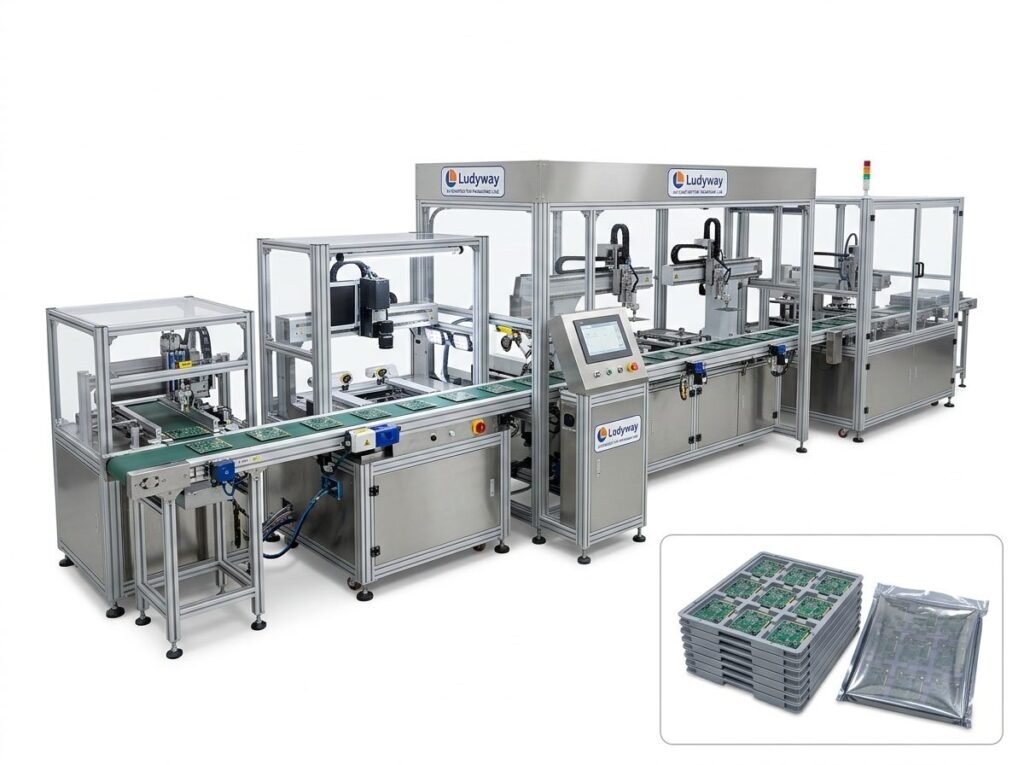
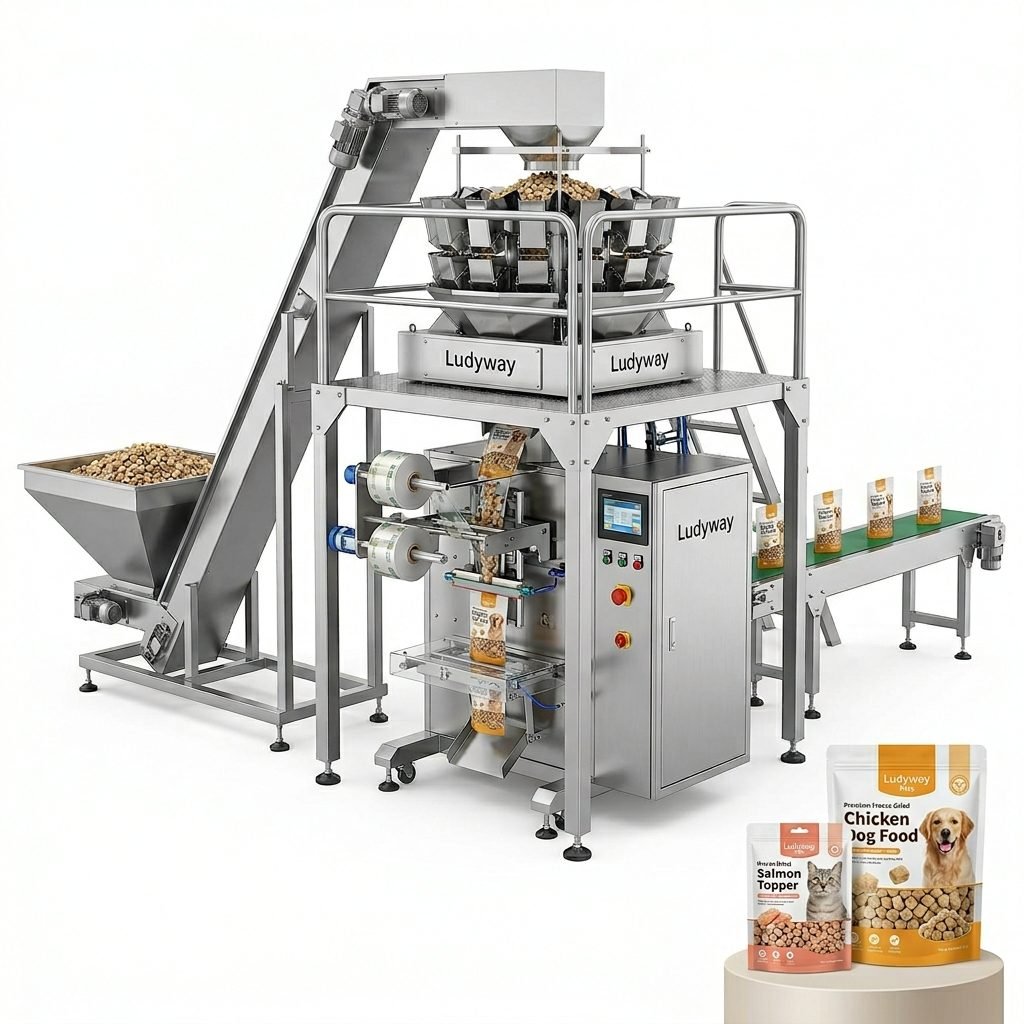
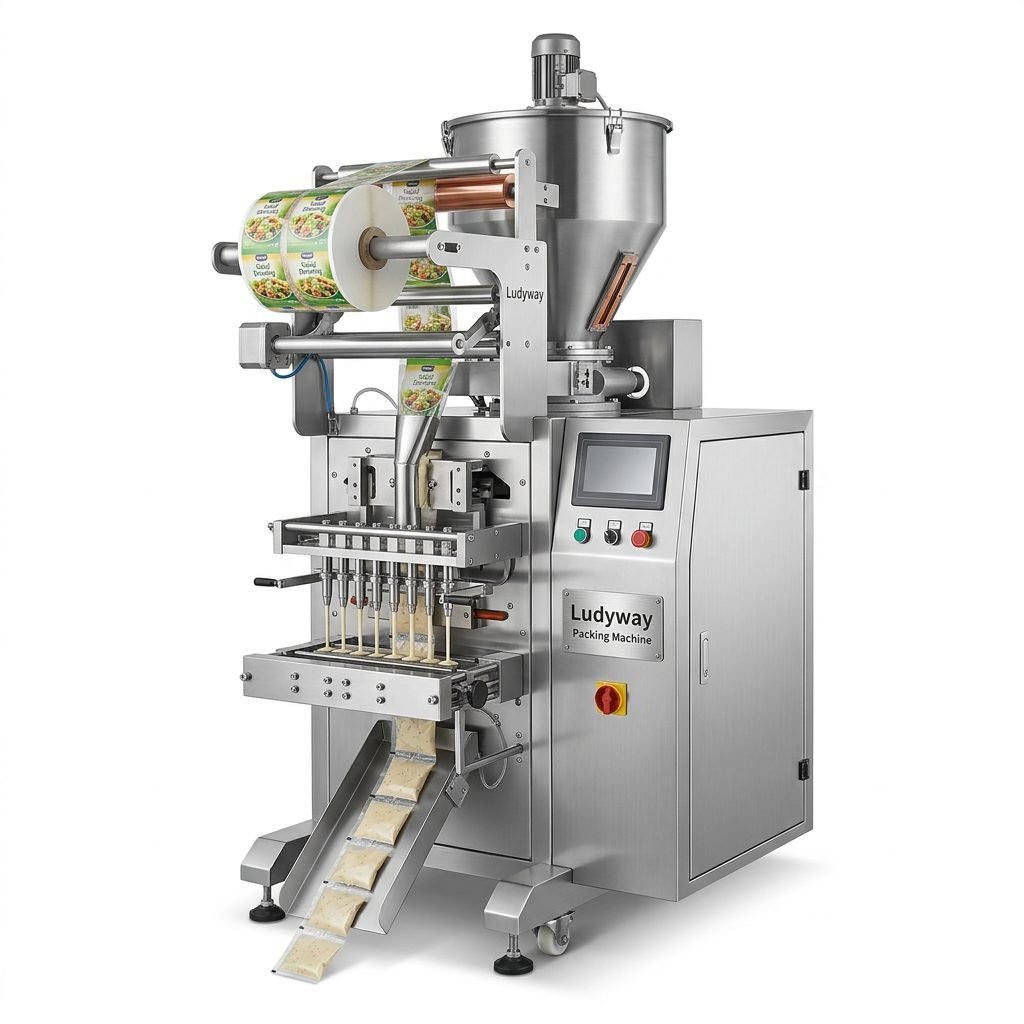
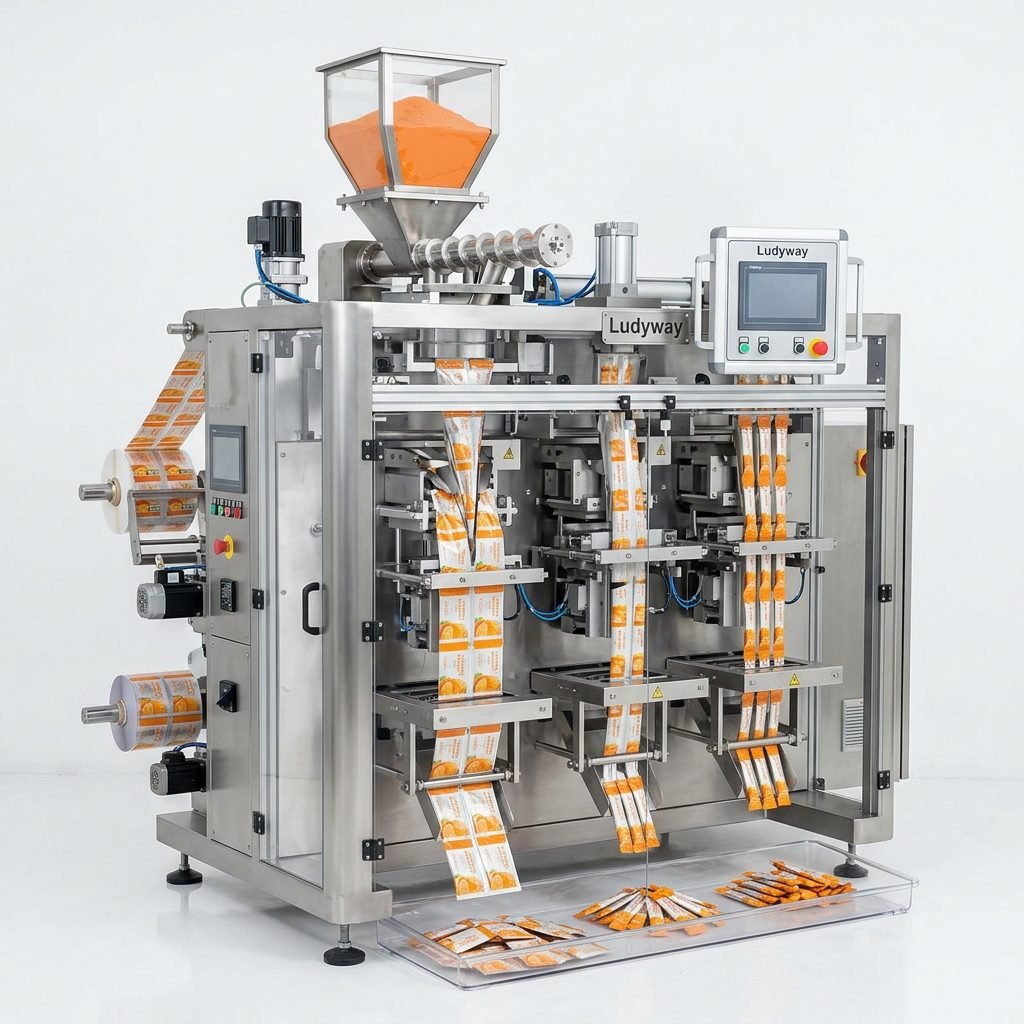
Are you a home cook looking to store leftovers and marinate meats? A countertop external sealer may suffice. For serious meal preppers, sous vide cooks, or small businesses dealing with liquids and moist foods, a chamber vacuum machine is a necessary investment. For high-volume industrial applications, automated double-chamber or belt-chamber systems from professional suppliers like Ludyway Packing Machine are required.
2. Consider the Seal Quality and Bag Compatibility
The machine’s sealing bar must create a strong, reliable seal every time. Check if the machine can seal through small amounts of liquid or powder. Also, verify what types of bags it uses—some machines are locked into proprietary bags, while others can use generic roll stock, which is often more cost-effective in the long run.
3. Evaluate Power and Vacuum Strength
Vacuum strength is measured in bar or Pascal. A stronger vacuum (e.g., 99% air removal) is better for long-term storage and delicate items. Chamber machines typically achieve a higher vacuum than external models. For commercial needs, look for machines with robust pumps designed for continuous operation.
4. Look for Useful Features
- Pulse/Dry-Moist Settings: Allows control over the vacuum process for delicate items like chips or bread.
- Gas Flushing (for Chamber Machines): Replaces air with an inert gas like nitrogen, ideal for preserving the color and texture of red meat or sensitive snacks.
- Digital Controls: Offer precise settings for vacuum time, seal time, and cool-down time.
- Accessory Port: Allows connection of hose attachments for sealing containers or specialized bags.
5. Assess Durability and Warranty
For frequent or commercial use, build quality is paramount. Look for machines with metal sealing bars, sturdy housings, and reliable components. A strong warranty and accessible customer support from the manufacturer or distributor, such as the team behind Ludyway’s packaging solutions, are strong indicators of a quality product.
Frequently Asked Questions (FAQs)
1. Can I vacuum seal liquids?
Yes, but only with a chamber vacuum machine. External sealers will suck the liquid into the pump, causing damage. Chamber machines remove air from the entire chamber, so the liquid doesn’t get drawn upward.
2. How long does vacuum-sealed food last?
It varies by food type. In the refrigerator, most perishables last 1-2 weeks longer. In the freezer, properly vacuum-sealed food can maintain quality for 2-3 years, compared to 6-12 months with conventional wrapping.
3. Are vacuum-sealed bags reusable?
Most bags designed for vacuum sealing are single-use for food safety reasons, as they are difficult to clean and sanitize thoroughly. However, they can often be reused for non-food items like hardware or documents.
4. What’s the difference between a food saver and a chamber vacuum sealer?
A “food saver” typically refers to a consumer-grade external vacuum sealer. A chamber sealer is a more professional, powerful, and versatile machine that can handle liquids, finer powders, and provides a stronger vacuum, making it suitable for both serious home and commercial use.
5. Where can I find reliable industrial vacuum packaging solutions?
For businesses requiring high-volume, automated, or customized vacuum packaging systems, partnering with an experienced manufacturer is key. Companies with deep industry expertise, like Ludyway Machinery, offer a range of intelligent packaging machines and turnkey solutions tailored to specific production needs in the food and pharmaceutical sectors.