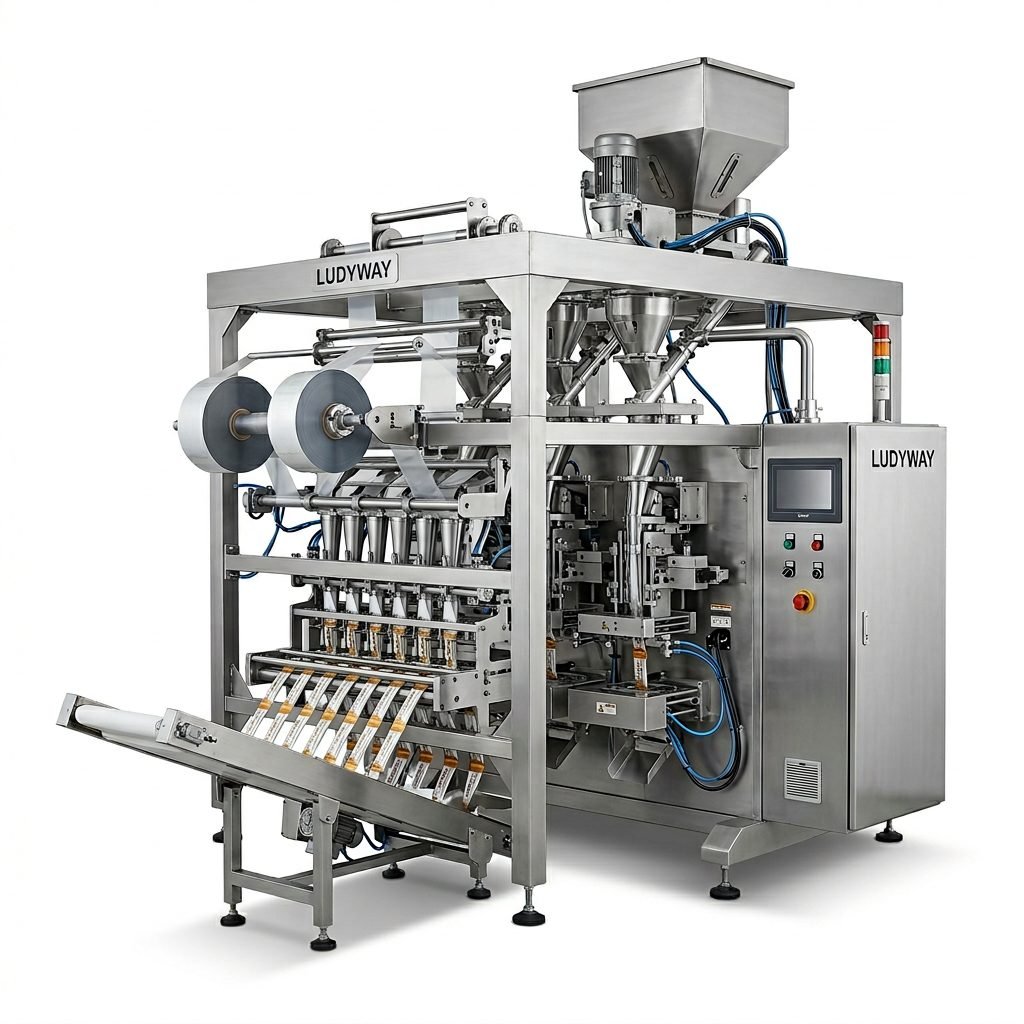
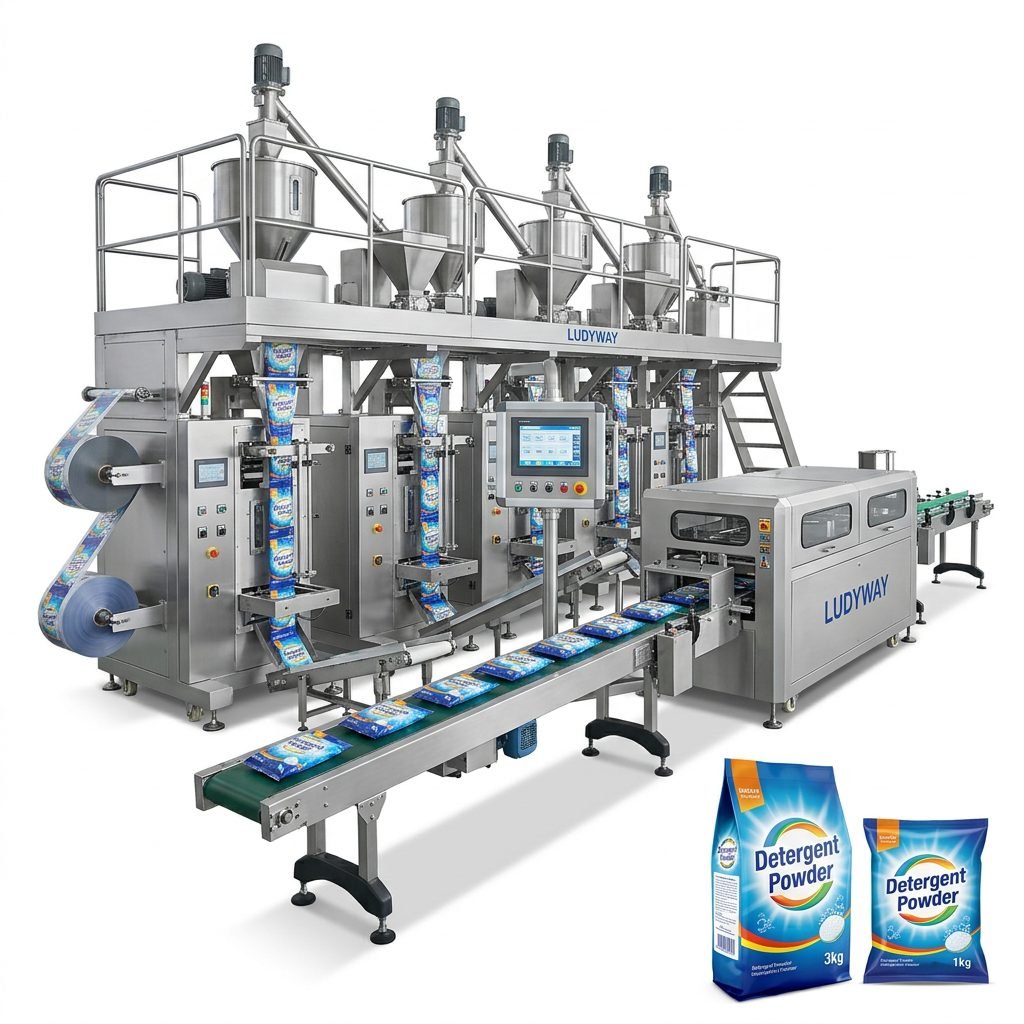
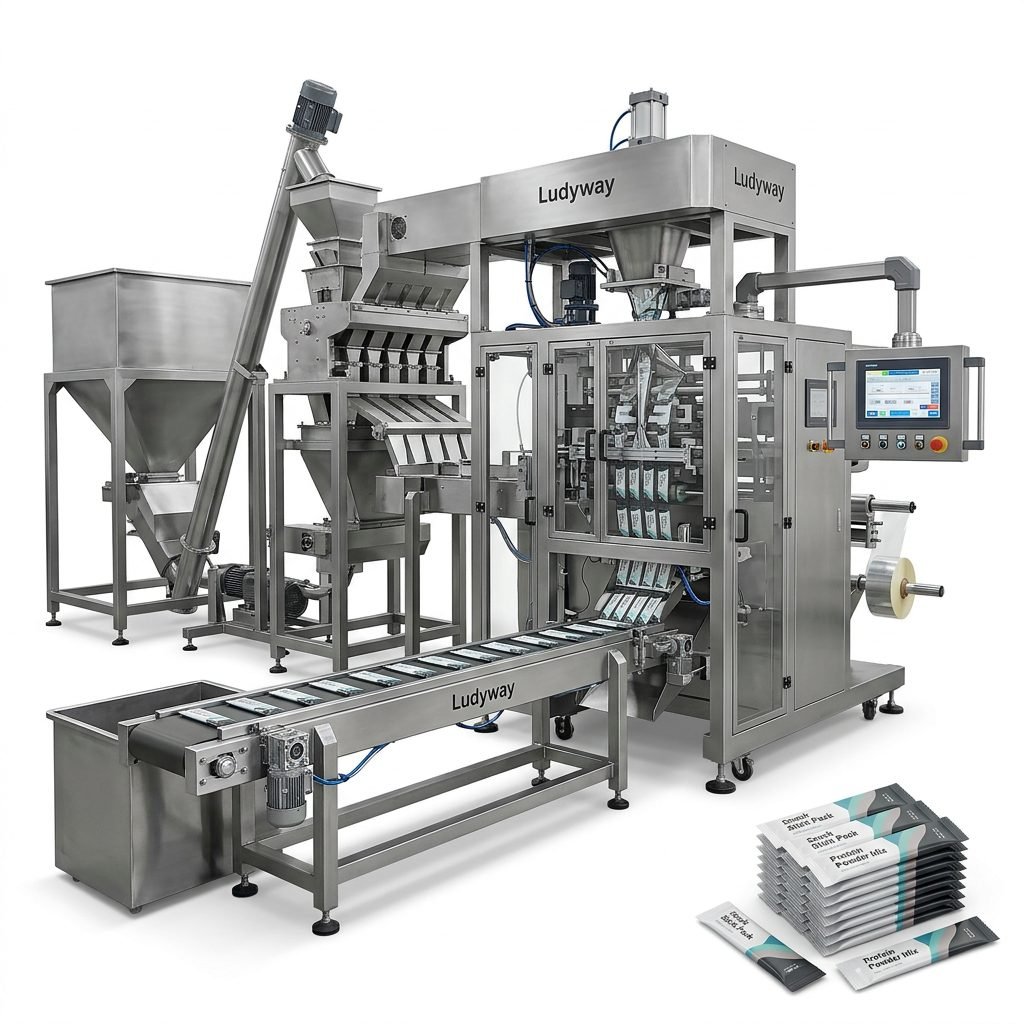
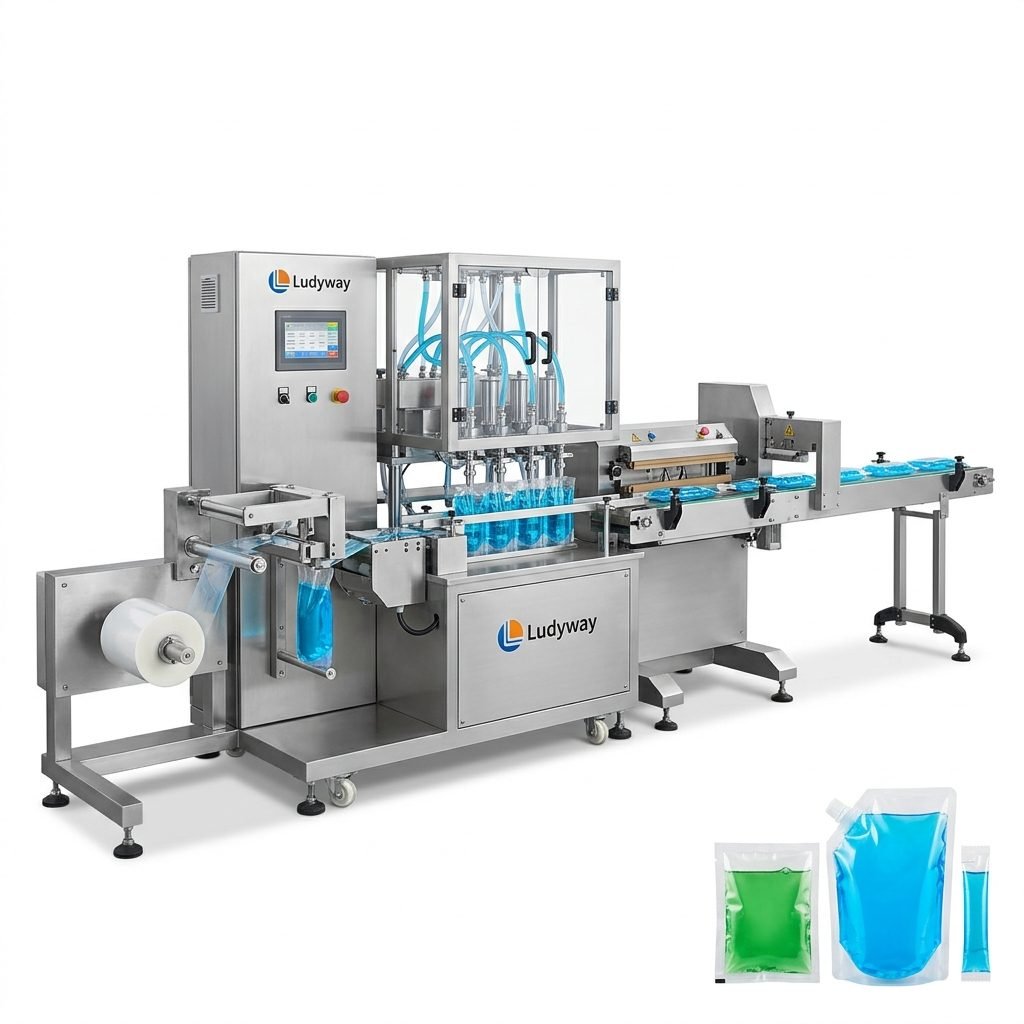
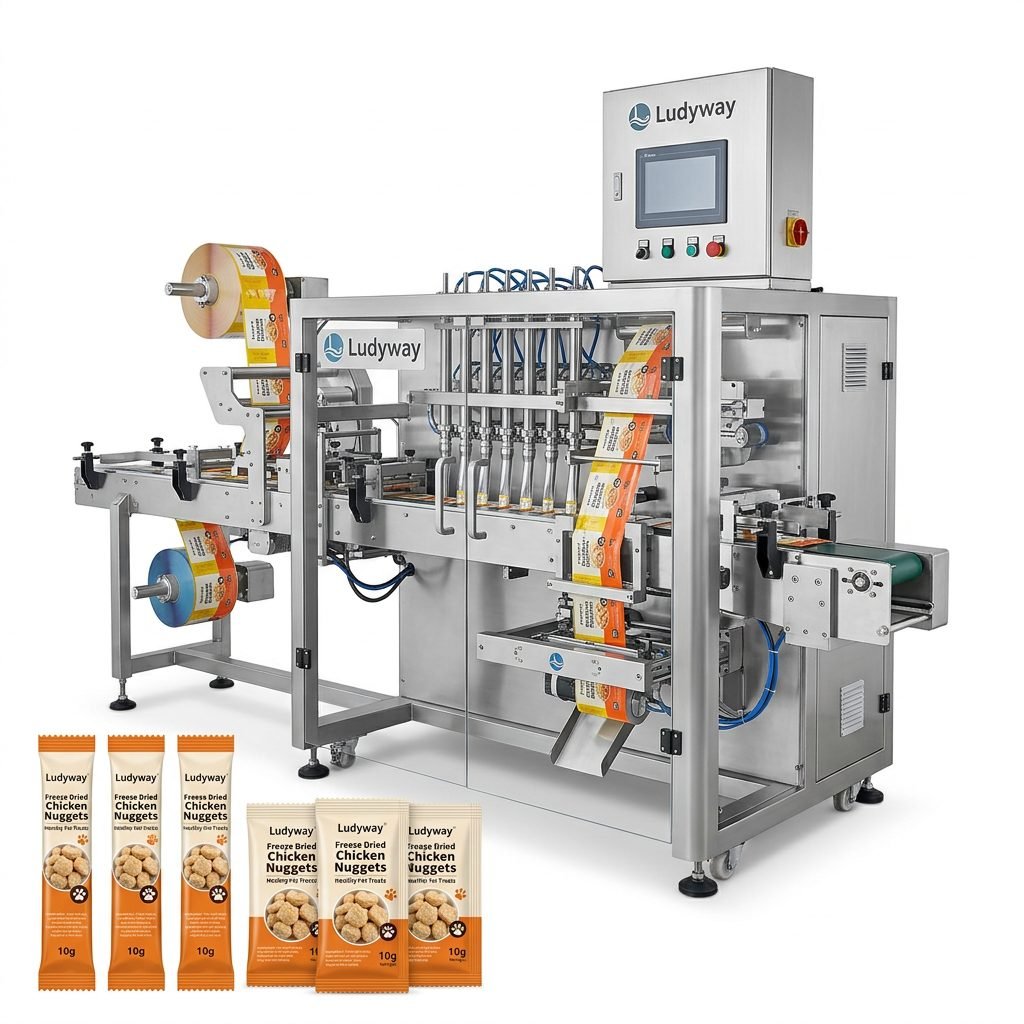
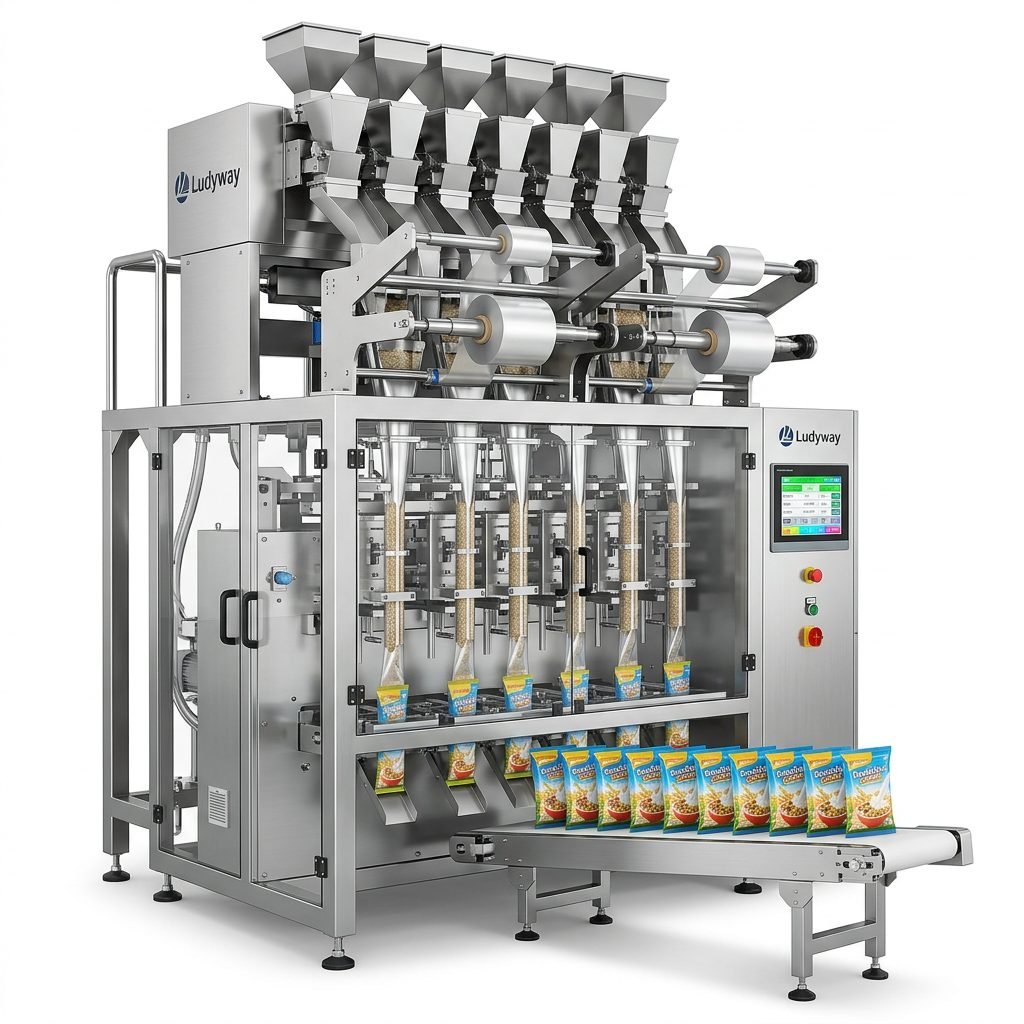
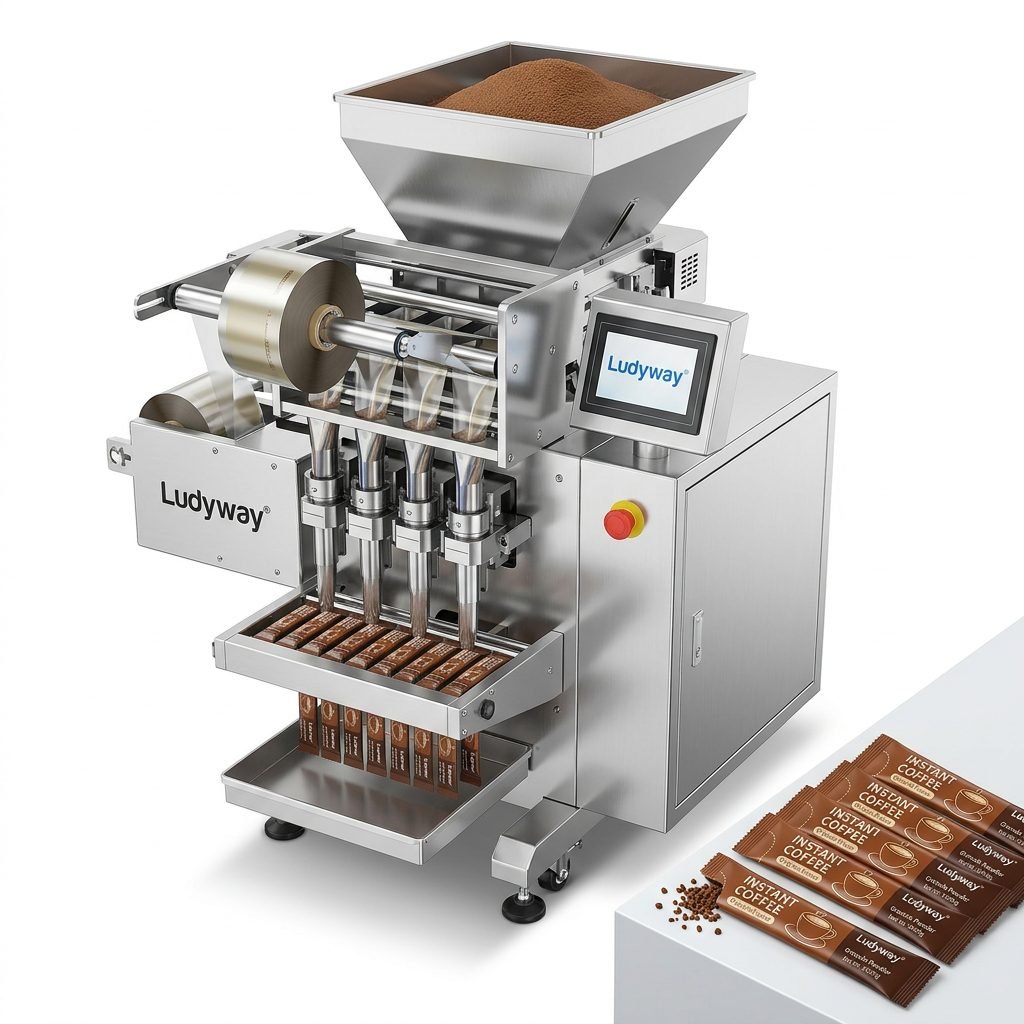
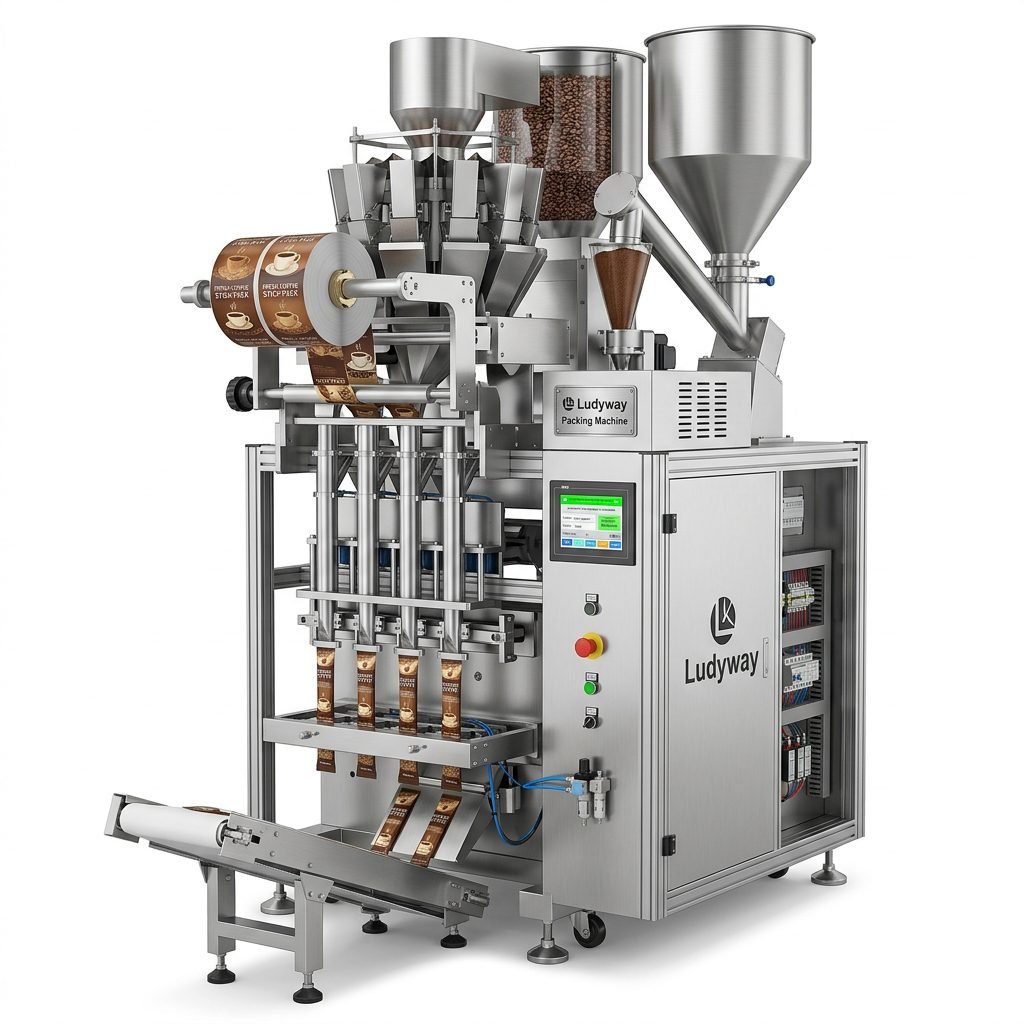
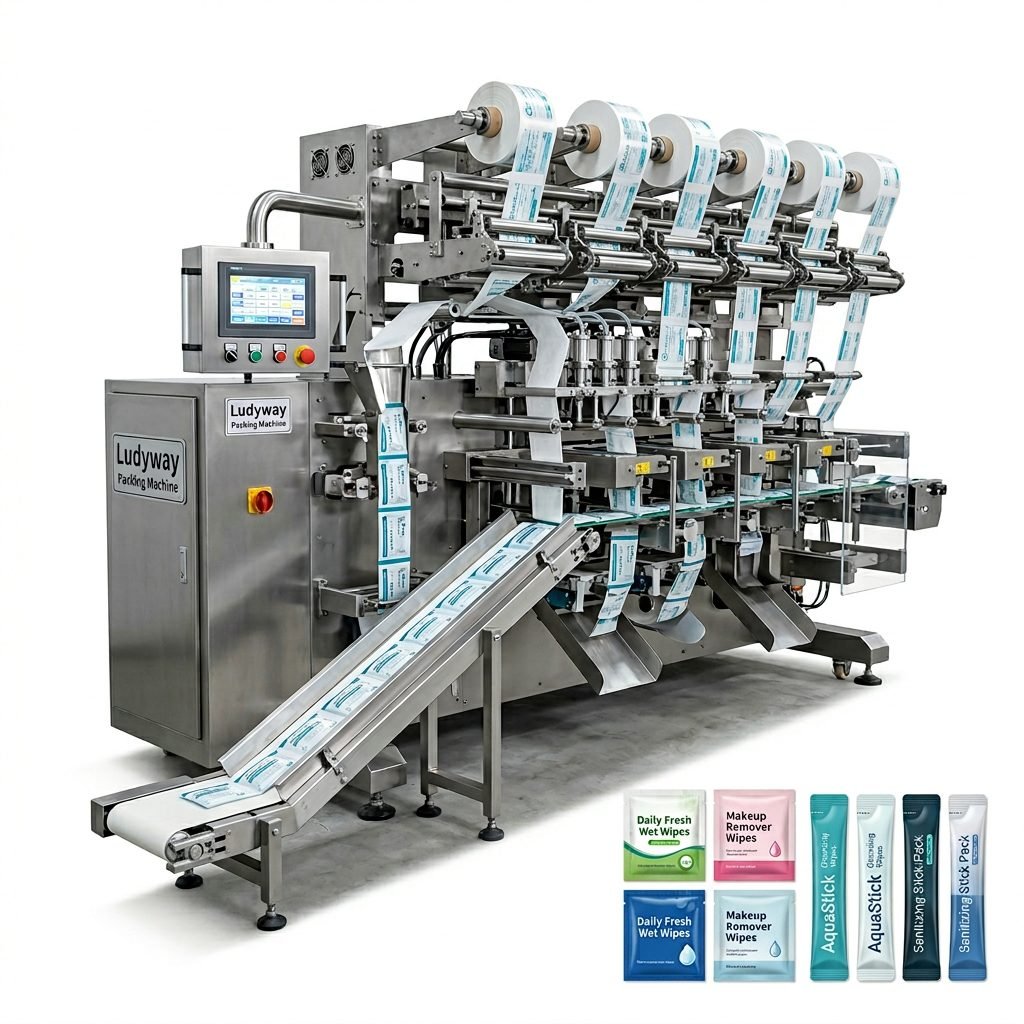
Selecting the right packaging machine manufacturer is a critical decision for businesses in Bangladesh looking to enhance production efficiency, ensure product quality, and maintain competitiveness. The country’s growing manufacturing sectors, including food processing, pharmaceuticals, agriculture, and consumer goods, demand reliable and technologically advanced packaging solutions. This guide outlines the key factors and practical tips to help you make an informed choice when sourcing packaging equipment from manufacturers, with a focus on both local needs and international suppliers like Ludyway and other leading Chinese firms.
Understanding Your Production Requirements in the Bangladeshi Context
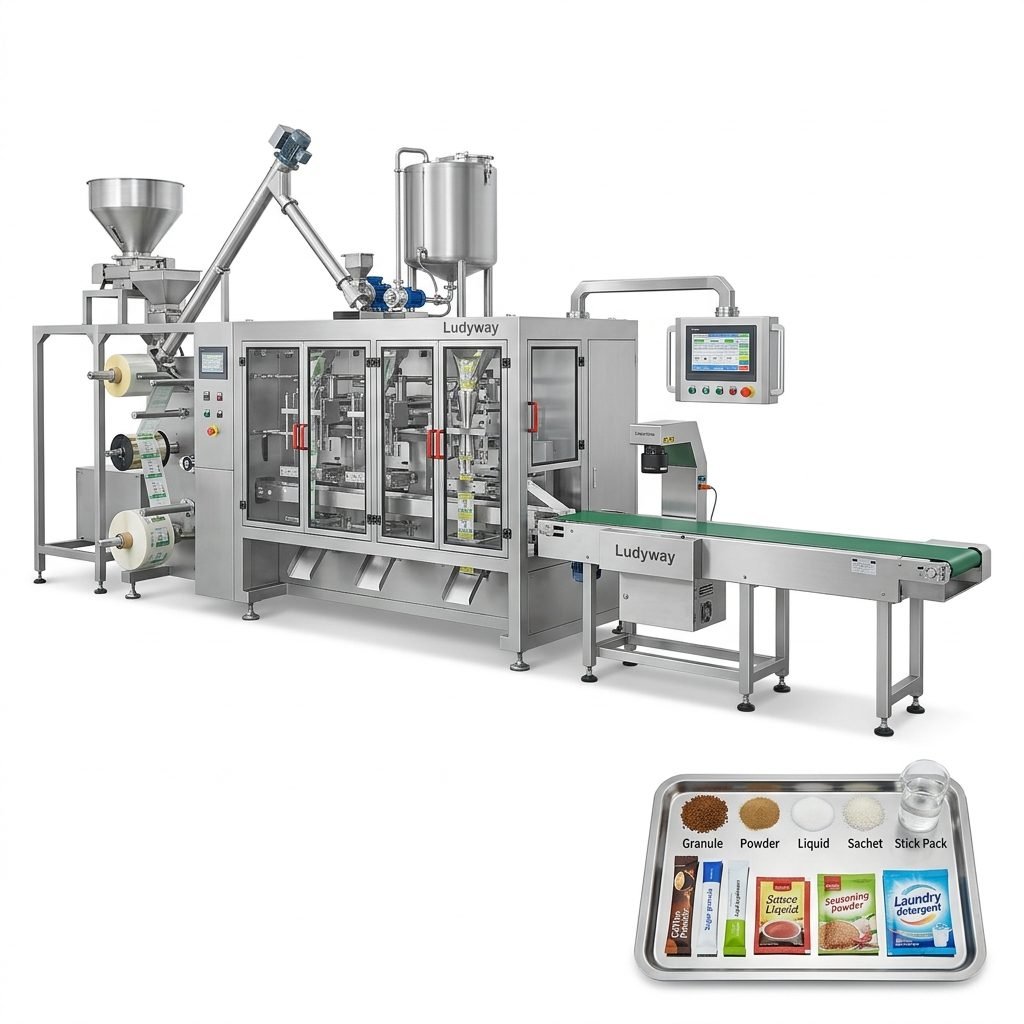
Before evaluating manufacturers, clearly define your specific packaging needs. Consider the type of products you handle—whether granules, powders, liquids, or pouches—common in Bangladesh’s spice, pharmaceutical, and agricultural export industries. Determine your required speed (packages per minute), bag or pouch sizes, and the level of automation needed. For instance, a food company in Dhaka needing high-speed sachet packaging for spices has different requirements than a pharmaceutical plant in Chittagong requiring sterile pouch filling for medical supplies. Aligning your operational goals with the machine’s capabilities is the first step toward a successful investment.

Evaluating Manufacturer Expertise and Industry Experience
The manufacturer’s track record is paramount. Look for companies with proven experience in your specific industry. Ludyway, with over 30 years in the field, specializes in solutions for food, pharma, and health products, offering valuable insight into regulatory and operational challenges. Similarly, assess other manufacturers like Packmate Machinery or PacklineOEM for their niche expertise. A manufacturer familiar with Bangladesh’s humid climate, frequent power fluctuations, and common raw material types can recommend machines with appropriate durability, sealing integrity, and energy-efficient designs.
Key Tip: Always request case studies or references from projects in South Asia or similar environments. A manufacturer’s ability to provide after-sales support remotely or through local partners is crucial for minimizing downtime in Bangladesh.
Assessing Technology, Innovation, and Machine Quality
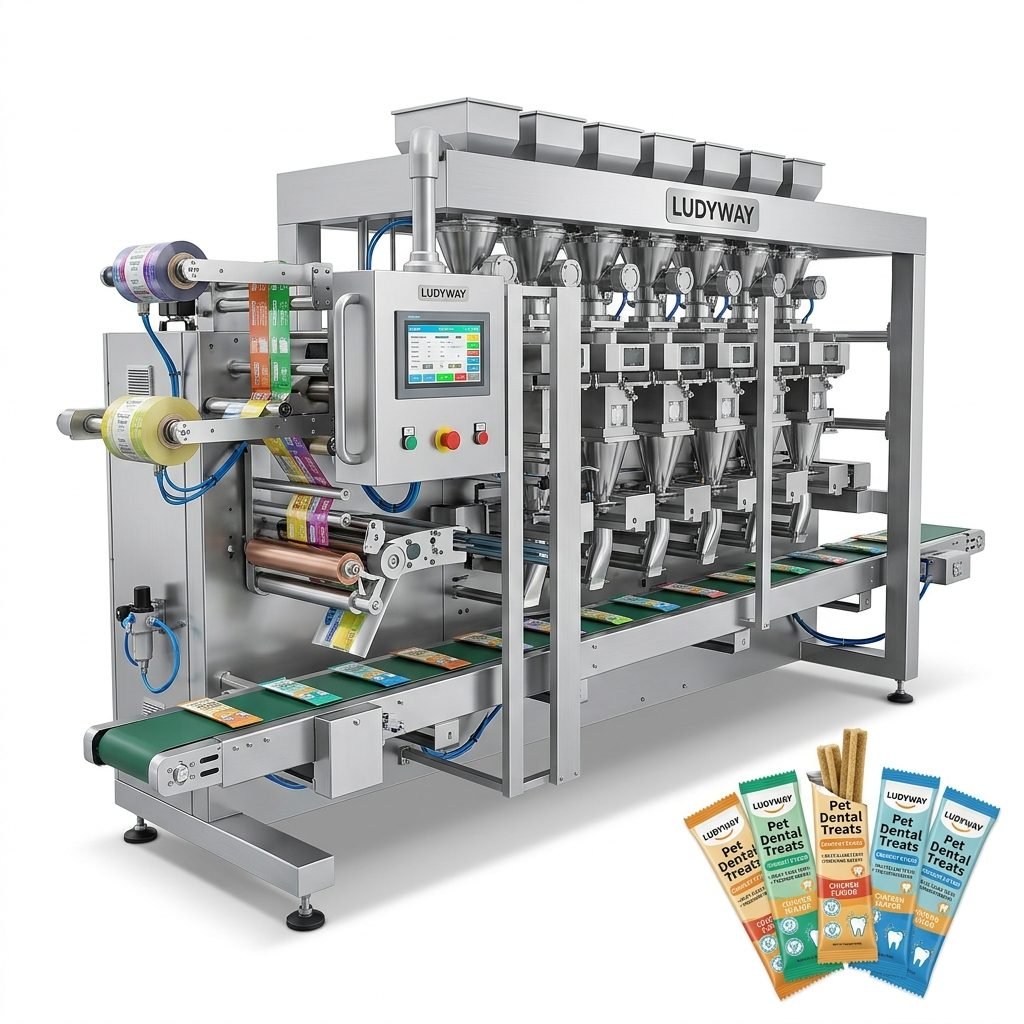
Inspect the technological sophistication of the equipment. Modern packaging lines should offer features like precision weighing, multi-lane filling, nitrogen flushing for freshness, and easy integration with existing production lines. High-quality components (e.g., stainless steel contact parts, servo motors) ensure longevity and consistent performance, which is vital for maintaining high output in Bangladesh’s competitive market. Manufacturers like Ludyway operate large modern facilities (20,000㎡) and offer over 50 intelligent machine models, indicating a commitment to R&D and quality control. Compare this with the offerings from PackingMachineOEM, known for custom non-standard solutions.
Analyzing Cost-Effectiveness and Total Value Proposition
While upfront cost is important, consider the total cost of ownership. This includes energy consumption, maintenance costs, spare part availability, and potential production losses due to machine failure. A slightly higher initial investment in a robust, efficient machine from a reputable manufacturer can lead to significant long-term savings. For businesses in Bangladesh, where operational costs are carefully managed, machines with high uptime and low maintenance requirements provide the best return on investment. Obtain detailed quotations from multiple suppliers, including Ludyway and competitors like SnusMachinery (specializing in oral pouch systems), to compare not just price, but the scope of supply, warranty, and payment terms.
Verifying After-Sales Support and Service Network
Reliable after-sales support is non-negotiable, especially when importing machinery into Bangladesh. Evaluate the manufacturer’s service structure: Do they have local technicians or authorized partners in the region? What is the average response time for spare parts delivery? Comprehensive support includes installation supervision, operator training, readily available spare parts, and remote troubleshooting capabilities. A manufacturer’s willingness to provide training in local languages (Bengali or English) can greatly ease the transition for your staff. Ensure clear service agreements are part of your purchase contract.
Checklist for Manufacturer Evaluation:
- ✅ Proven experience with your product type (granule, powder, liquid, pouch).
- ✅ Manufacturing facility tour (virtual or in-person) to assess quality control.
- ✅ List of clients in similar industries, preferably in South Asia.
- ✅ Detailed technical specifications and compliance certificates (CE, etc.).
- ✅ Transparent pricing with a breakdown of costs and delivery terms (CIF Chittagong/Chattogram port).
- ✅ Clear warranty terms and a defined after-sales service protocol.
- ✅ Availability of operational manuals and training materials in accessible formats.
Considering Customization and Scalability for Future Growth
Your packaging needs may evolve. Choose a manufacturer capable of providing customizable solutions and scalable systems. Whether you need a machine adapted to unique pouch shapes common in local markets or a line that can be upgraded with additional modules (like a cartoner or case packer) later, flexibility is key. Manufacturers like Ludyway and PacklineOEM emphasize customizable and turnkey production lines, which can be a significant advantage for Bangladeshi businesses planning to expand their product range or increase capacity in the future.
Practical Steps for Engagement and Final Decision
Start by shortlisting 3-5 manufacturers based on the criteria above. Initiate contact to discuss your project in detail. Request product videos or live demonstrations of machines handling similar materials. If possible, visit their factory in China or arrange a meeting at an international trade fair. For the final decision, weigh the balance between technical capability, total cost, and the comfort level you have with the manufacturer’s support team. A trustworthy partner will be transparent, ask detailed questions about your operation, and propose a solution tailored to your business goals in Bangladesh.
Common Questions When Choosing a Packaging Machine Manufacturer in Bangladesh
1. How do I handle customs clearance and import duties for machinery in Bangladesh?
Reputable manufacturers often have experience exporting to Bangladesh and can guide you on necessary documentation (like the Import Registration Certificate – IRC). They may work with freight forwarders who handle clearance at Chittagong Port. It’s advisable to consult a local customs agent to understand applicable duties and taxes for packaging machinery.
2. Are there local suppliers, or should I only consider international manufacturers?
While local suppliers offer easier communication and service, international manufacturers like Ludyway, Packmate Machinery, and others often provide more advanced technology, higher production speeds, and better cost-effectiveness for medium to large-scale operations. The best approach is to compare the specifications, total cost, and support offered by both.
3. What is the typical lead time for machine delivery and installation?
Lead times vary based on machine complexity and customization. For standard models, it can range from 30 to 90 days after order confirmation, plus shipping time to Bangladesh. Installation and commissioning typically require 1-2 weeks, often supervised by the manufacturer’s engineers.
4. How can I ensure the machine is suitable for Bangladesh’s power supply (voltage, frequency)?
Specify your local power standards (e.g., 220V/50Hz) during the ordering process. Reliable manufacturers will configure the machine’s electrical systems accordingly and may recommend voltage stabilizers or UPS systems to protect against fluctuations common in some Bangladeshi industrial areas.
5. What training is provided for our operators and maintenance staff?
Professional manufacturers include comprehensive training as part of the purchase. This usually covers machine operation, routine maintenance, troubleshooting, and safety procedures. Training can be conducted at your factory in Bangladesh during installation and via detailed manuals and video guides.