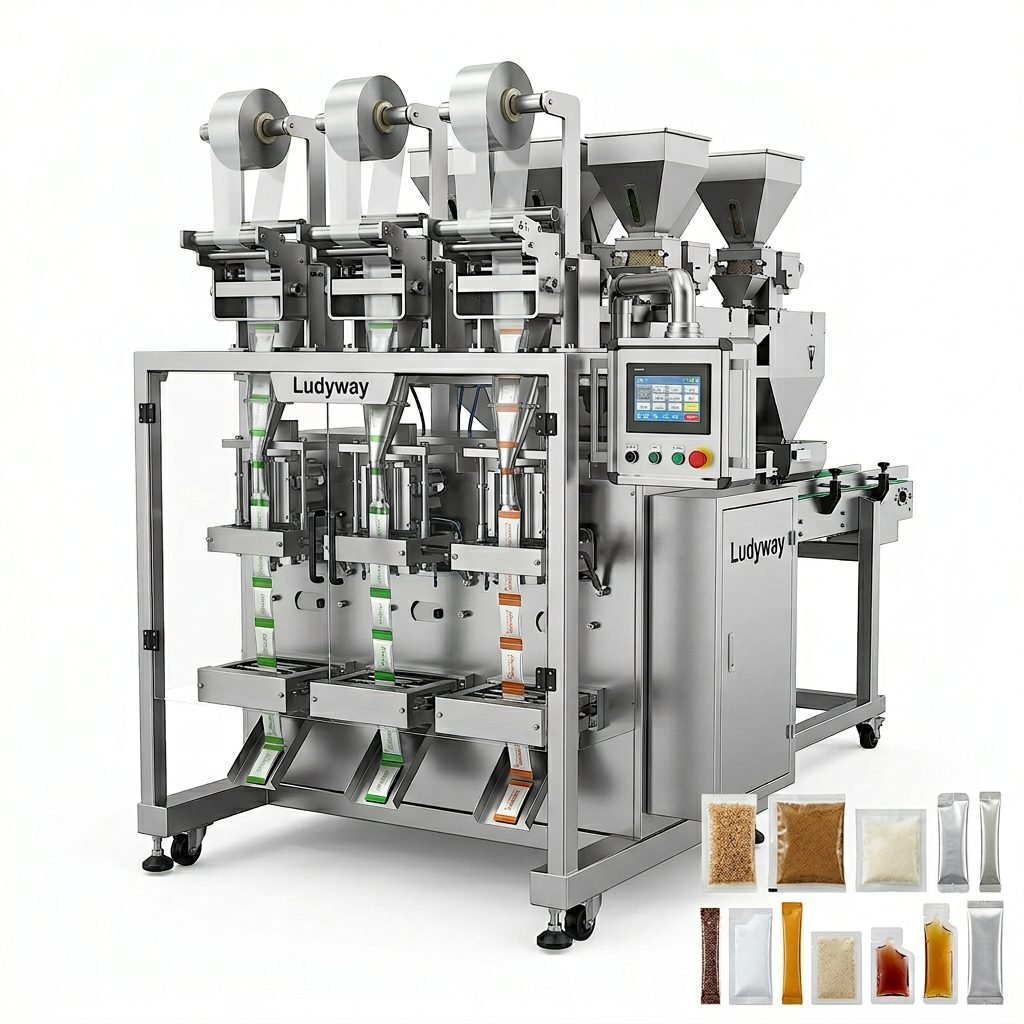
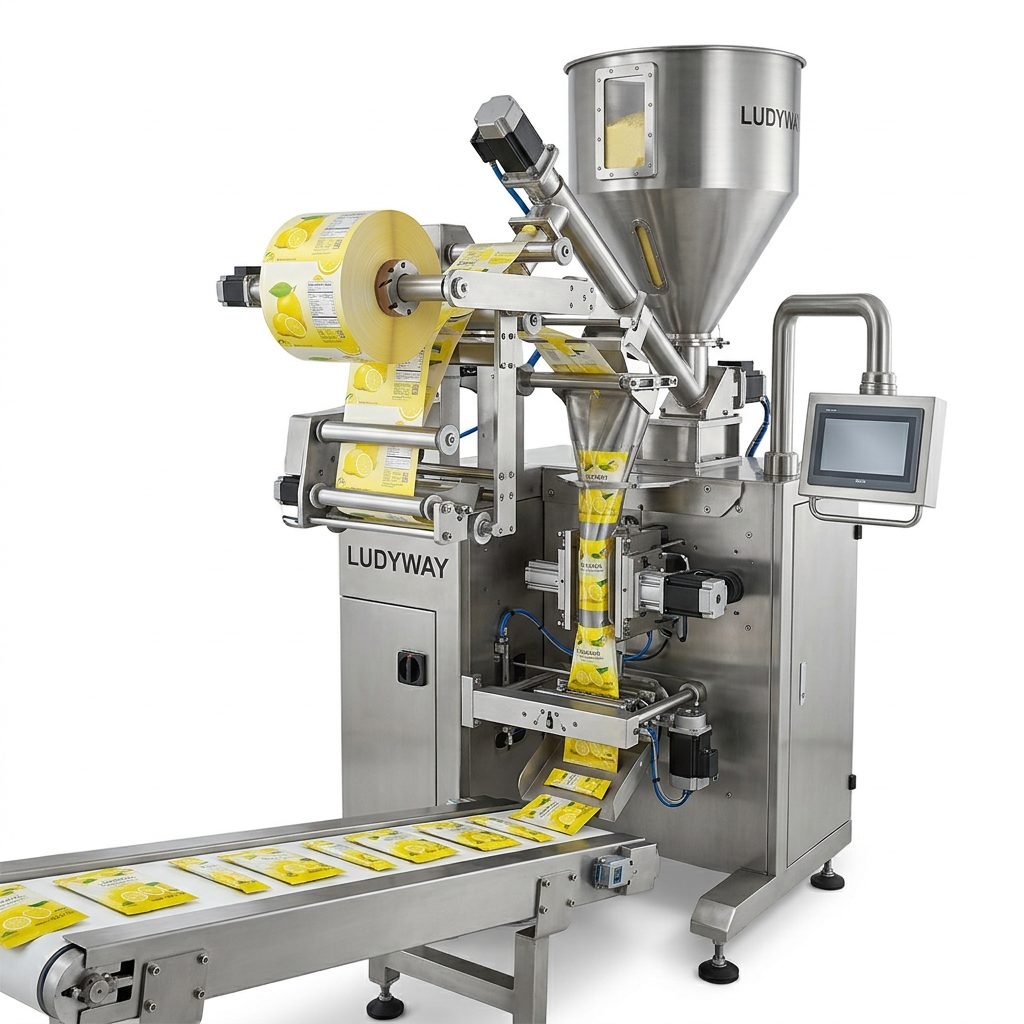
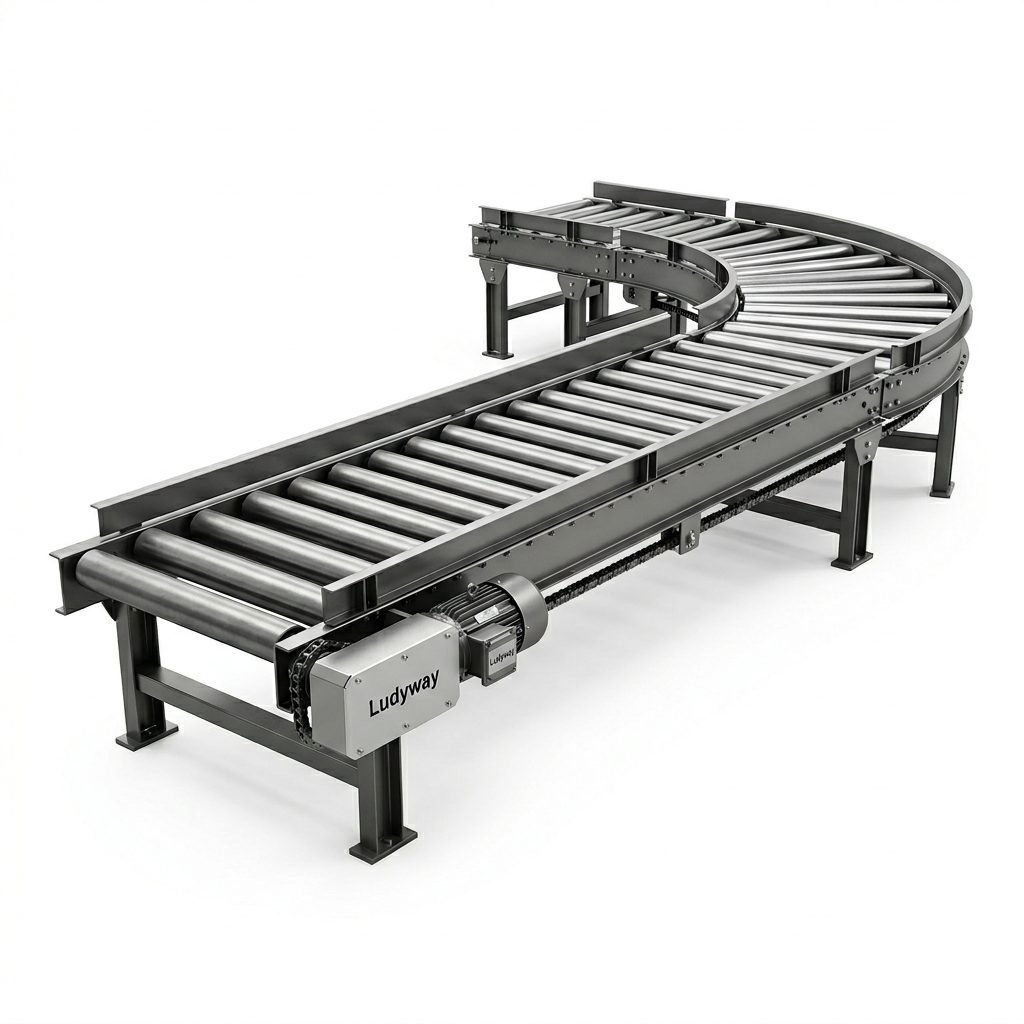
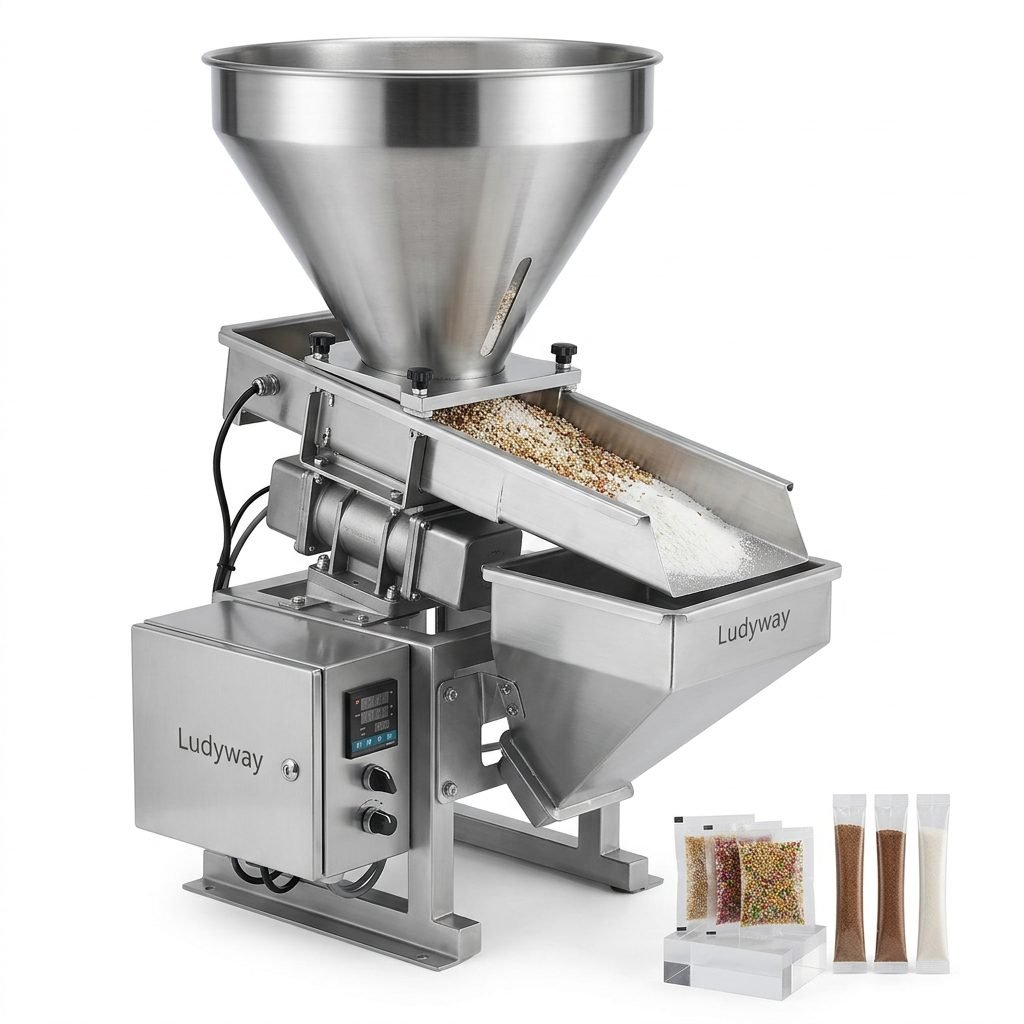
Investing in a Mylar packaging machine is a strategic decision that can significantly impact your production efficiency, product shelf life, and overall operational costs. Mylar — a brand name for biaxially-oriented polyethylene terephthalate (BoPET) film — is widely recognized for its exceptional barrier properties against moisture, oxygen, and light. Choosing the right equipment to handle this high-performance material requires a clear understanding of your product characteristics, packaging format requirements, and long-term production goals. This comprehensive buyer’s guide walks you through the essential factors to evaluate before making your purchase.
Understanding Mylar Packaging and Its Applications
Mylar film is prized across industries for its superior durability and barrier performance. Unlike standard plastic films, Mylar provides a near-impenetrable shield against external elements that degrade product quality. This makes it the material of choice for packaging:
- Coffee and tea products — preserving aroma and preventing oxidation
- Pharmaceuticals and nutraceuticals — ensuring dosage stability and shelf life
- Dried foods and snacks — maintaining crispness and preventing moisture ingress
- Cosmetics and personal care items — protecting sensitive formulations
- Chemicals and industrial products — providing safe containment for reactive substances
- Electronics and components — offering static and moisture protection
According to industry data from the Flexible Packaging Association, demand for high-barrier flexible packaging continues to grow as manufacturers seek longer shelf life and improved product protection. A properly selected Mylar packaging machine can help you capitalize on this trend.
Key Factors to Consider When Choosing a Mylar Packaging Machine
1. Product Characteristics and Compatibility
Before evaluating machine specifications, you must thoroughly analyze your product. The physical properties of what you are packaging directly determine the type of dosing system, sealing parameters, and material handling requirements. Consider:
- Product form: Is it a free-flowing powder, granule, liquid, paste, or solid piece? Each requires a specific filling mechanism.
- Flow characteristics: Cohesive powders behave differently than free-flowing granules and may require agitation or specialized auger fillers.
- Hygroscopic nature: Products that readily absorb moisture demand machines with superior sealing integrity and potentially nitrogen flushing capabilities.
- Particle size and density: These factors influence dosing accuracy and filling speed.
2. Packaging Format and Bag Style
Mylar packaging machines can be configured to produce a variety of bag formats. Your choice should align with both your product requirements and market expectations:
- Stand-up pouches (SUP) — ideal for retail display with excellent shelf presence
- Flat pouches / 3-side seal bags — cost-effective for single-use applications
- Zipper pouches — providing resealable convenience for consumers
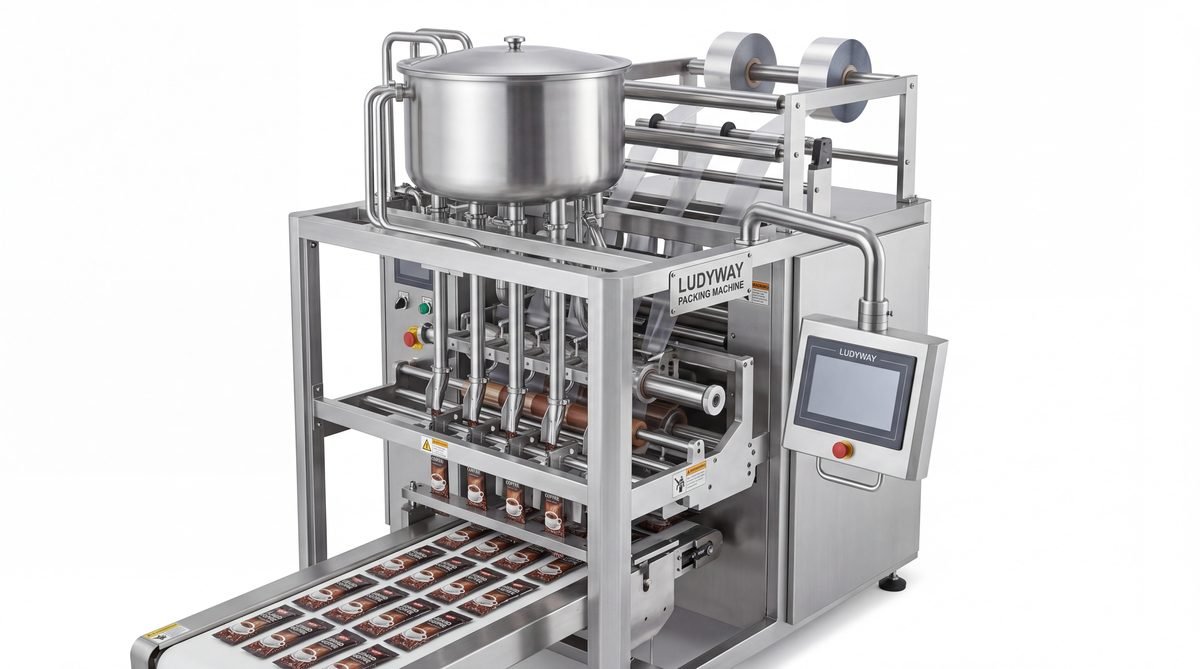
- Stick packs and sachets — perfect for sampling, single-dose, and travel-size products
- Gusseted bags — offering expanded capacity for bulk products
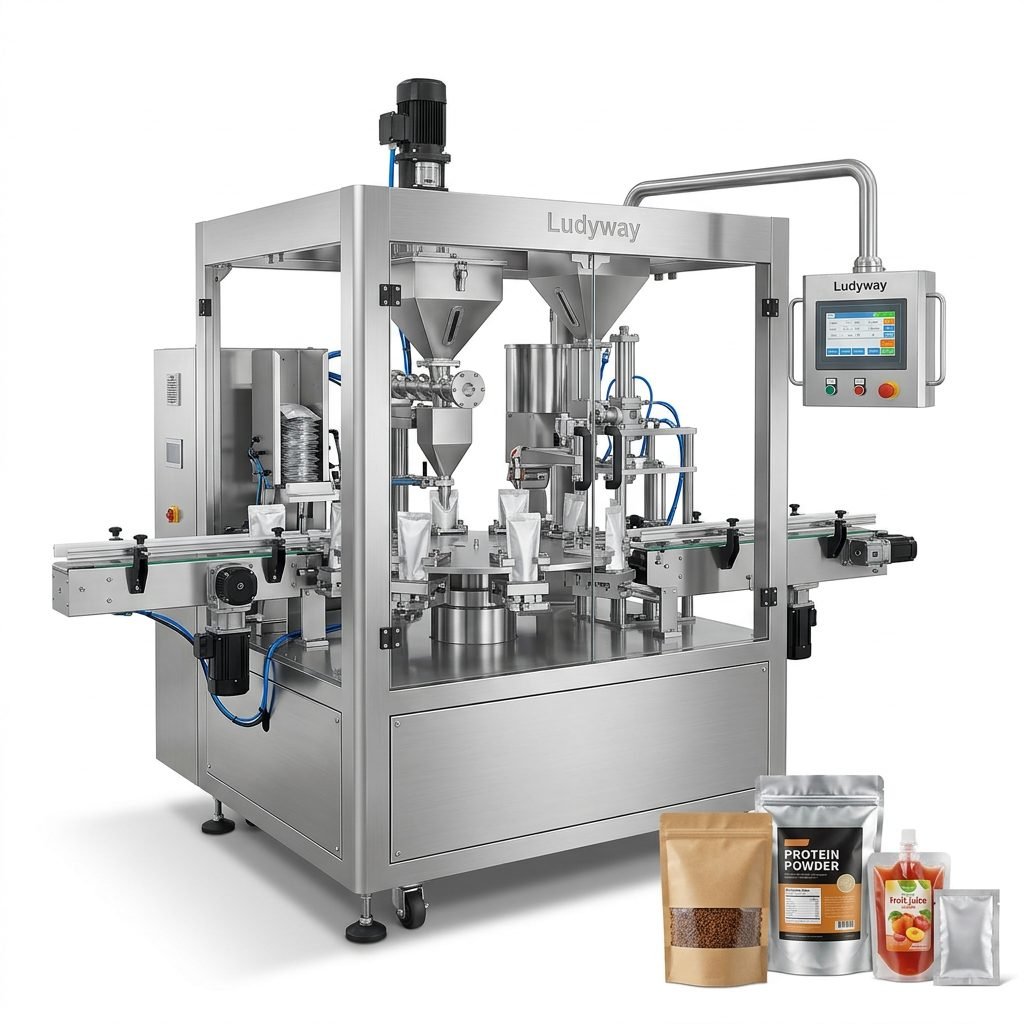
- Pre-made pouches — compatible with rotary or inline pouch filling machines
3. Production Speed and Capacity Requirements
Production speed is a critical specification that directly affects your overall equipment effectiveness (OEE). When evaluating speed, consider:
- Current and projected production volumes — select a machine that can accommodate growth without immediate replacement
- Pouches per minute (PPM) — the standard metric for packaging machine throughput
- Multi-lane configurations — for high-volume stick pack and sachet production, multi-lane systems can multiply output
- Changeover time — faster changeovers reduce downtime between production runs
As noted in PMMI’s State of the Industry reports, manufacturers increasingly prioritize flexibility and speed to meet evolving market demands. A machine that balances both can provide a significant competitive advantage.
4. Sealing Technology and Integrity
The quality of the seal is arguably the most important performance characteristic of any Mylar packaging machine. Poor seals lead to product spoilage, contamination, and costly recalls. Key sealing considerations include:
- Heat sealing temperature control — precise, consistent temperature across the entire seal area
- Dwell time and pressure — adjustable parameters for different film thicknesses and laminate structures
- Seal integrity testing — integrated inspection systems or compatibility with external testing equipment
- Gas flushing capability — nitrogen or CO₂ flushing for modified atmosphere packaging (MAP)
Types of Mylar Packaging Machines at a Glance
The following table compares the most common machine configurations used for Mylar packaging applications:
| Machine Type | Best For | Typical Speed Range | Bag Formats |
|---|---|---|---|
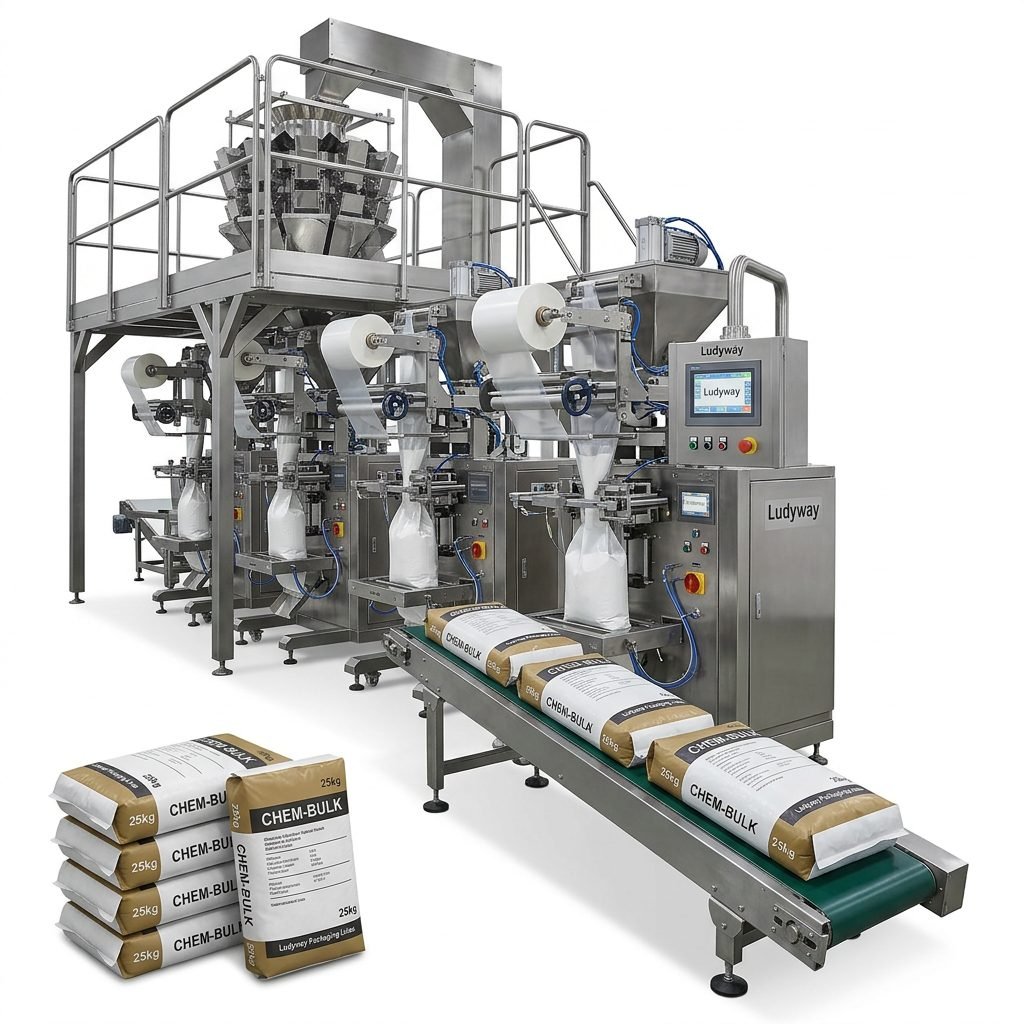
| Vertical Form-Fill-Seal (VFFS) | Powders, granules, snacks, coffee | 40–120+ PPM | Pillow bags, gusseted, stick packs |
| Horizontal Form-Fill-Seal (HFFS) | Solid products, bars, medical devices | 30–100+ PPM | Flat pouches, 3-side seal, 4-side seal |
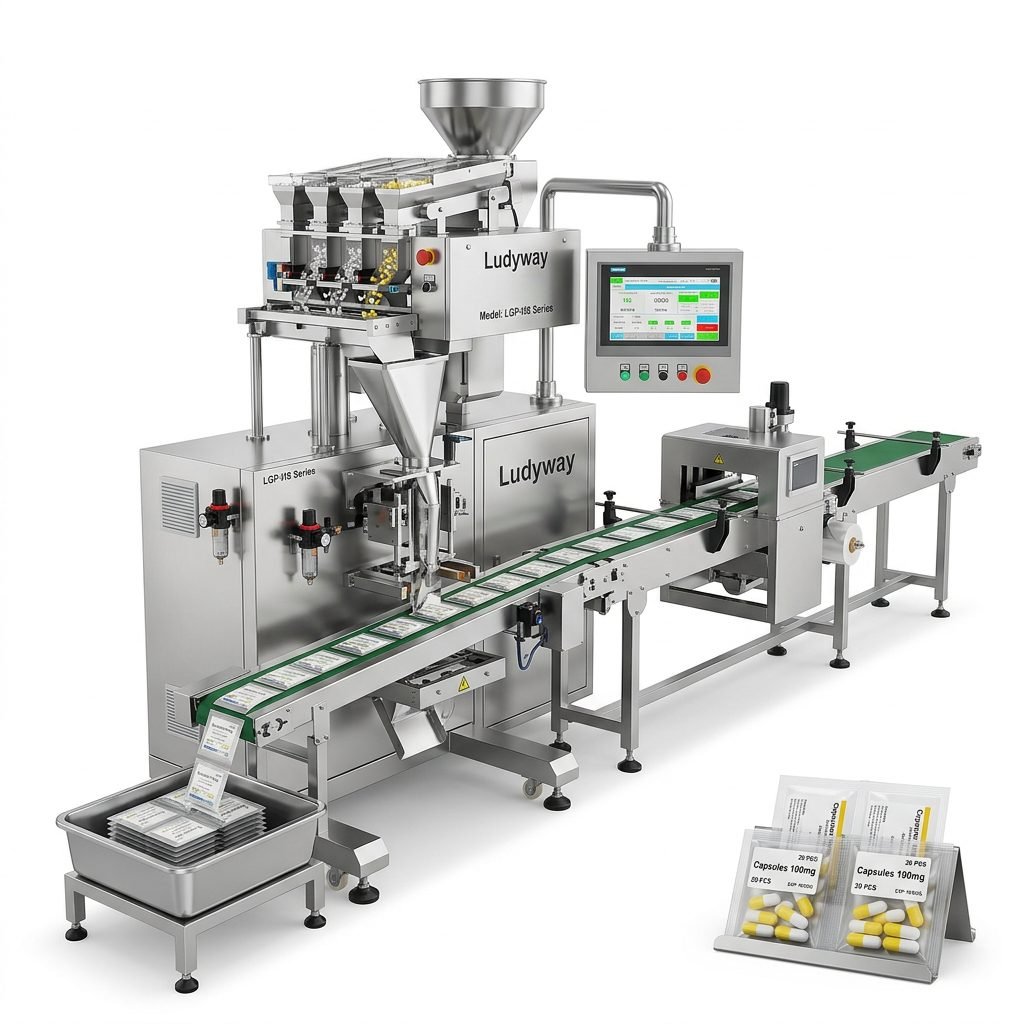
| Premade Pouch Rotary Machine | Liquids, pastes, ready-to-eat foods | 25–80+ PPM | Stand-up, zipper, spouted pouches |
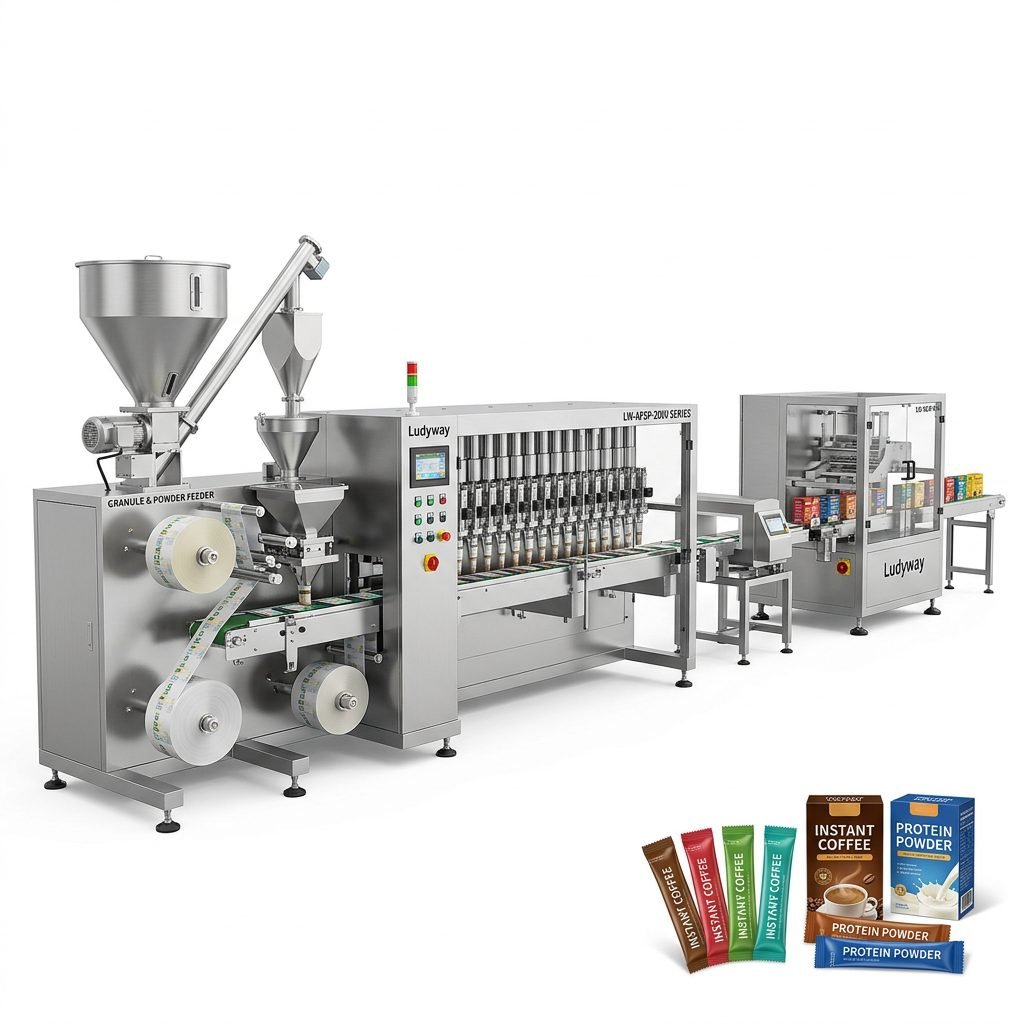
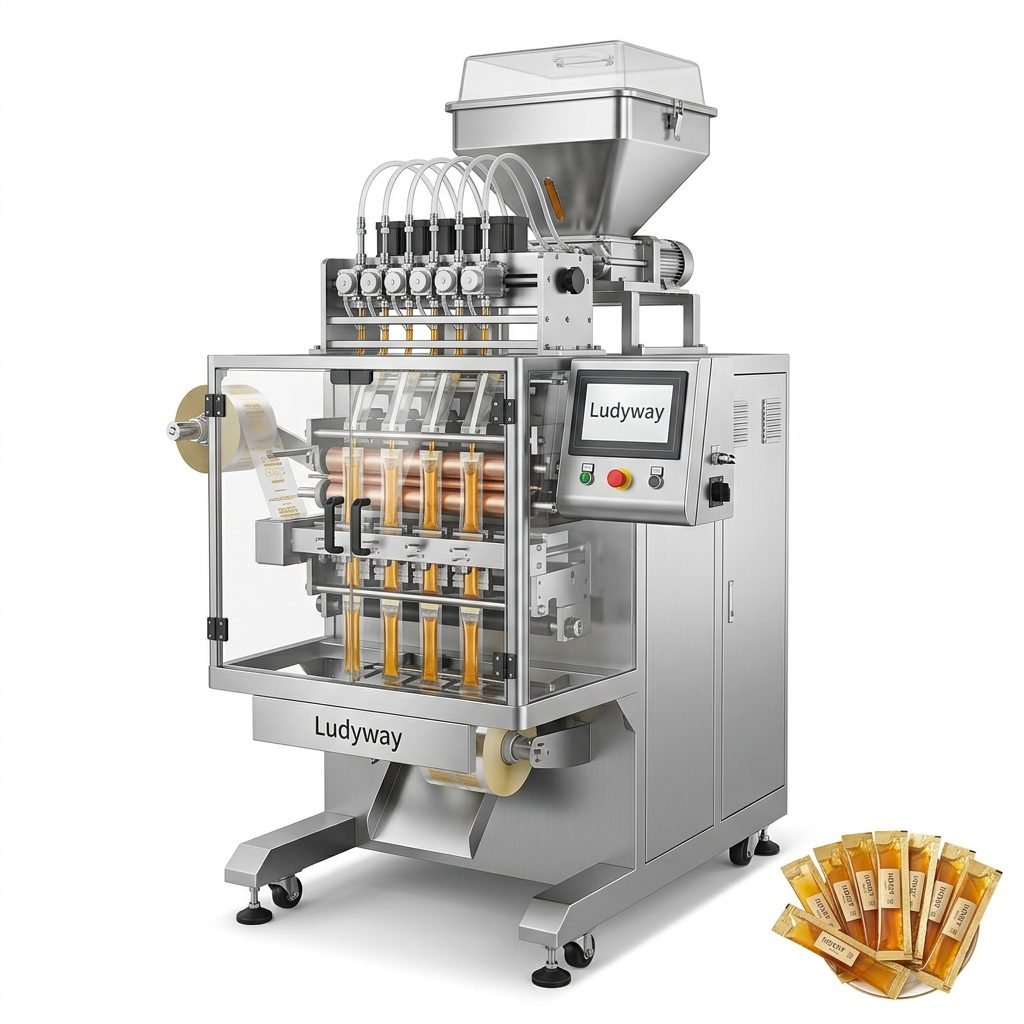
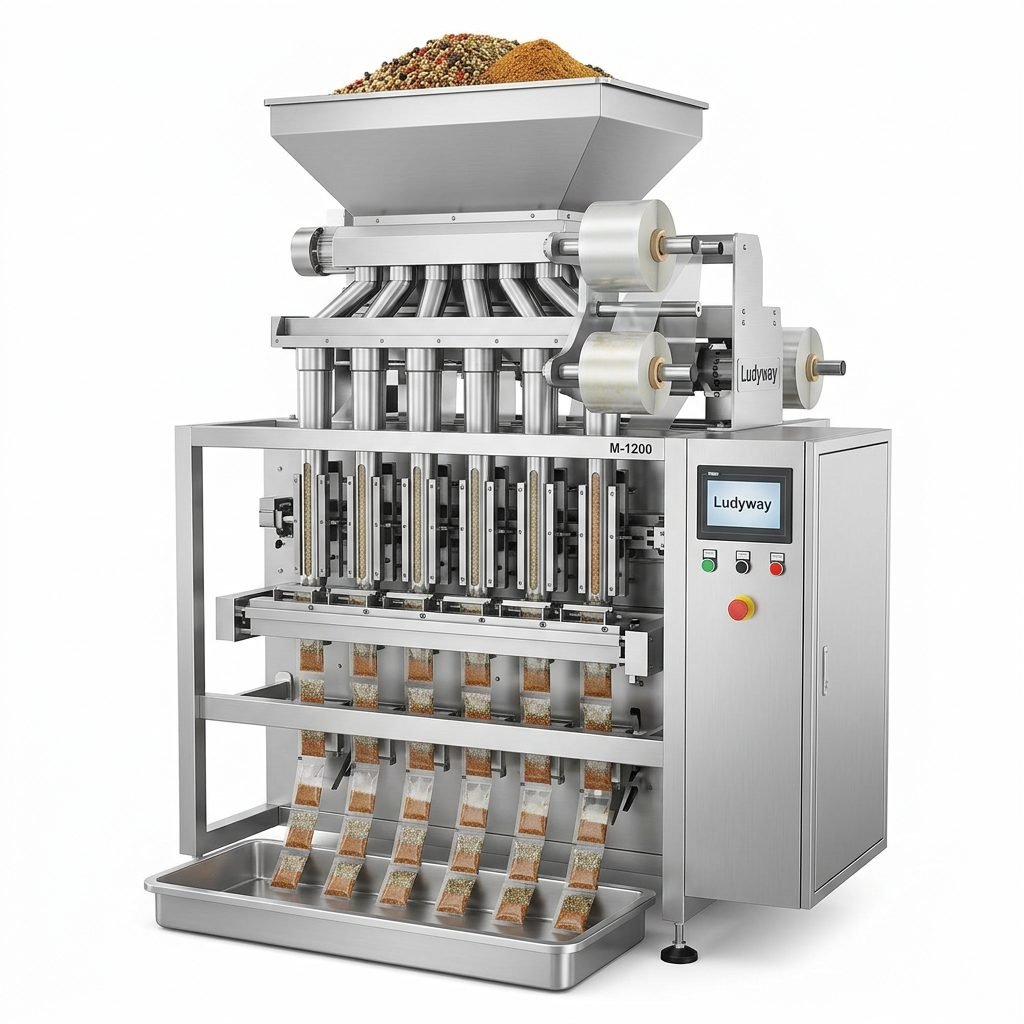
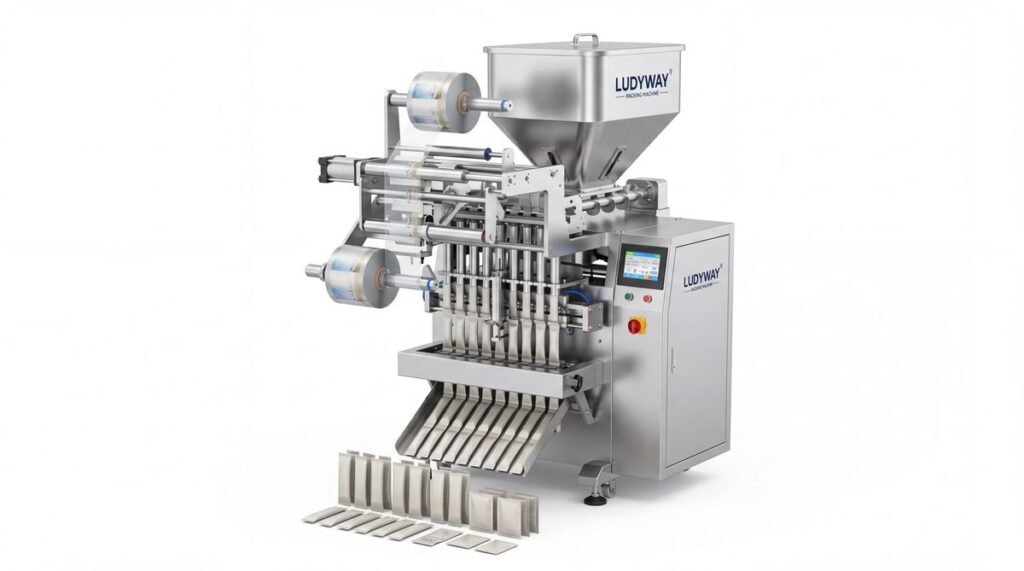
| Multi-Lane Stick Pack Machine | Single-serve powders, liquids, supplements | 200–800+ PPM (combined lanes) | Stick packs, sachets |
| Inline Premade Pouch Machine | Small to medium batches, diverse formats | 15–50+ PPM | Stand-up, flat, zipper, gusseted |
Technical Specifications That Matter
Beyond the basic machine type, several technical specifications can make or break your packaging operation:
- Film width and roll diameter capacity — determines the maximum bag size and reduces reel change frequency
- Filling accuracy and dosing range — volumetric, auger, multi-head weigher, or liquid piston filling systems each offer different precision levels
- Control system and HMI — modern PLC-based controls with touchscreen interfaces simplify operation and recipe management
- Construction materials — stainless steel construction is essential for food, pharmaceutical, and corrosive product applications
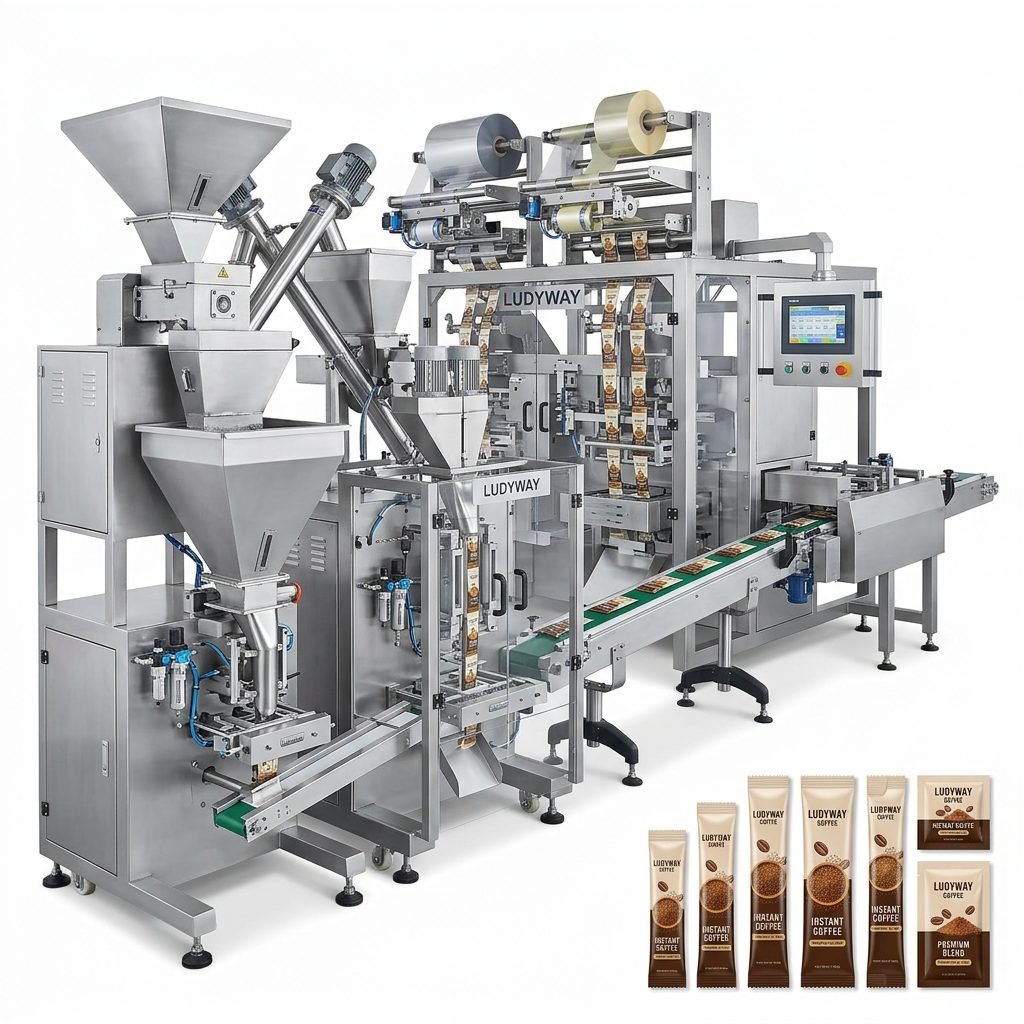
- Automation integration capabilities — compatibility with upstream feeding, downstream cartoning, and palletizing systems
- Compliance features — 21 CFR Part 11, GMP design principles, and cleanroom compatibility where required
Evaluating Packaging Machinery Suppliers
Selecting the right supplier is just as important as selecting the right machine. A reliable packaging machinery manufacturer should demonstrate:
- Industry experience and track record — look for decades of specialized knowledge in flexible packaging
- In-house engineering and manufacturing capabilities — ensures quality control and customization potential
- Comprehensive technical support — from installation and commissioning to operator training and after-sales service
- Spare parts availability — readily available components minimize production downtime
- Global service reach — important for multinational manufacturers or those planning international expansion
- Customization capabilities — the ability to tailor machines to unique product and packaging requirements
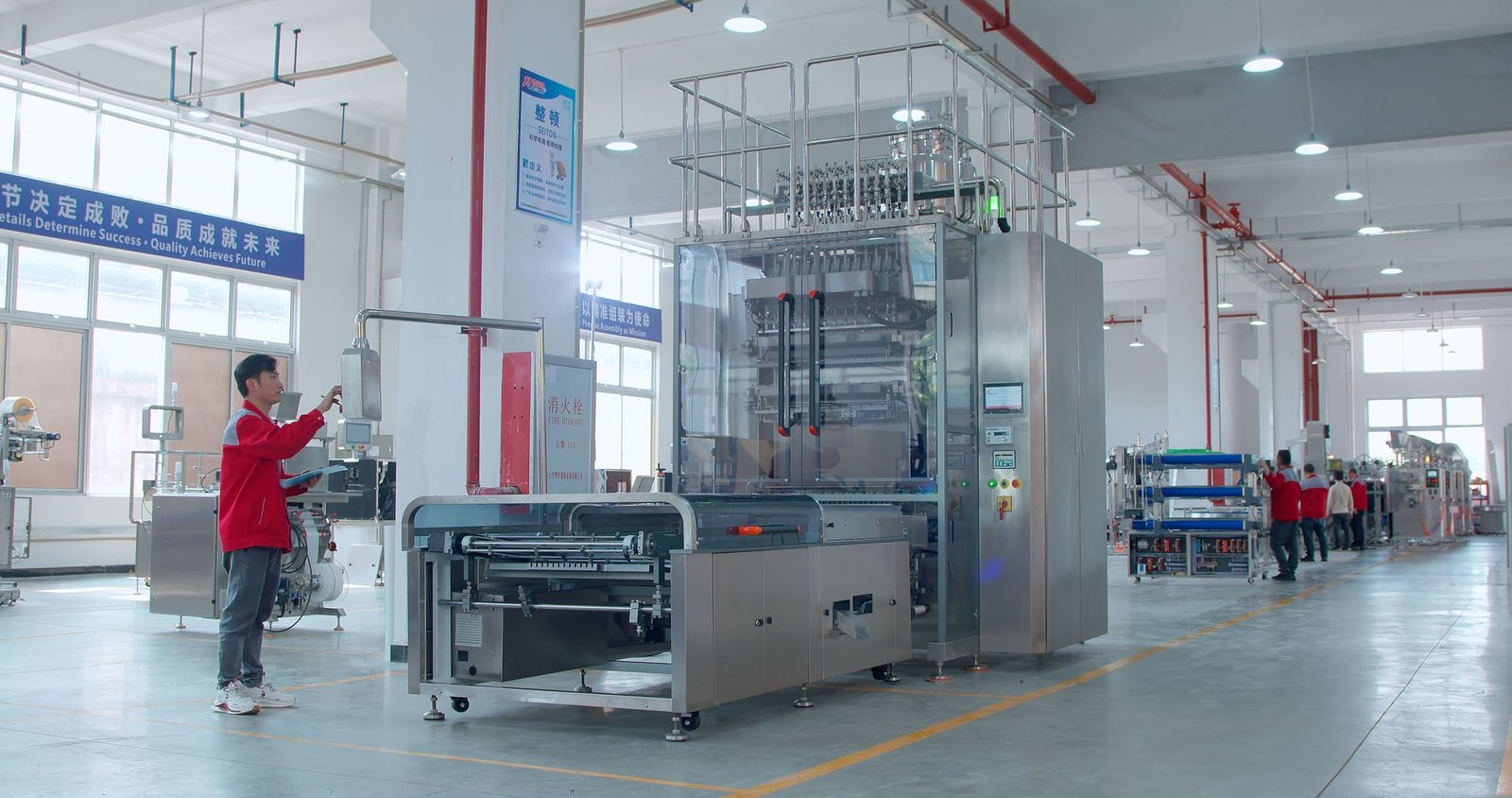
For manufacturers seeking a partner with extensive experience across powder, granule, liquid, sachet, and pouch packaging applications, Ludyway Machinery is a China-based packaging machinery manufacturer and turnkey packaging solution provider with more than 30 years of industry experience. With a 20,000-square-meter manufacturing facility and over 50 packaging machine models, the company provides customized equipment and integrated packaging lines for manufacturers in over 100 countries.
Cost Considerations and Return on Investment
When budgeting for a Mylar packaging machine, look beyond the initial purchase price. A comprehensive cost analysis should include:
- Installation and commissioning costs — including facility preparation and utilities
- Operator training expenses — skilled operators maximize machine efficiency
- Ongoing maintenance and spare parts — budget for preventive maintenance to avoid unplanned downtime
- Packaging material waste rates — precision machines reduce film waste and improve yield
- Energy consumption — more efficient machines lower operational costs over time
- Expected service life — a well-built machine from a reputable manufacturer can operate reliably for 10–15+ years
The true ROI of a Mylar packaging machine is realized through increased throughput, reduced labor costs, minimized product waste, and enhanced product quality that strengthens your brand reputation. According to PMMI’s packaging machinery market research, automation investments in packaging typically pay for themselves within 18 to 36 months through operational savings alone.
Industry Standards and Regulatory Compliance
Depending on your industry and target markets, your Mylar packaging machine may need to meet specific regulatory and quality standards:
- Food packaging: FDA food contact substance regulations and GFSI-recognized certification schemes
- Pharmaceutical packaging: GMP compliance, 21 CFR Part 210/211, and ISO 11607 for terminally sterilized medical devices
- CE marking: Required for machines sold in the European Economic Area
- UL/CSA certification: Important for electrical safety compliance in North American markets
- Sustainability requirements: The European Packaging and Packaging Waste Regulation increasingly influences packaging material and machine design choices
Common Mistakes to Avoid
Even experienced buyers can make costly errors during the selection process. Here are pitfalls to watch for:
- Focusing solely on price — the cheapest machine often results in higher long-term costs through downtime and inefficiency
- Underestimating future capacity needs — a machine running at maximum capacity has no room for business growth
- Neglecting packaging material trials — always test your specific Mylar film on the target machine before purchasing
- Overlooking after-sales support — remote locations require suppliers with strong remote and on-site service capabilities
- Ignoring operator training requirements — even the most advanced machine underperforms without properly trained personnel
Making the Final Decision
Choosing the right Mylar packaging machine is a multifaceted decision that balances technical requirements, commercial considerations, and long-term partnership potential. Start by clearly defining your product specifications and production goals. Research machine types that match your packaging format, then evaluate suppliers based on their engineering capabilities, industry experience, and support infrastructure. Request detailed proposals, conduct on-site demonstrations when possible, and always perform packaging material trials before finalizing your purchase.
A well-chosen Mylar packaging machine becomes a long-term production asset — one that consistently delivers high-quality packaged products, reduces operational costs, and supports your business growth for years to come.