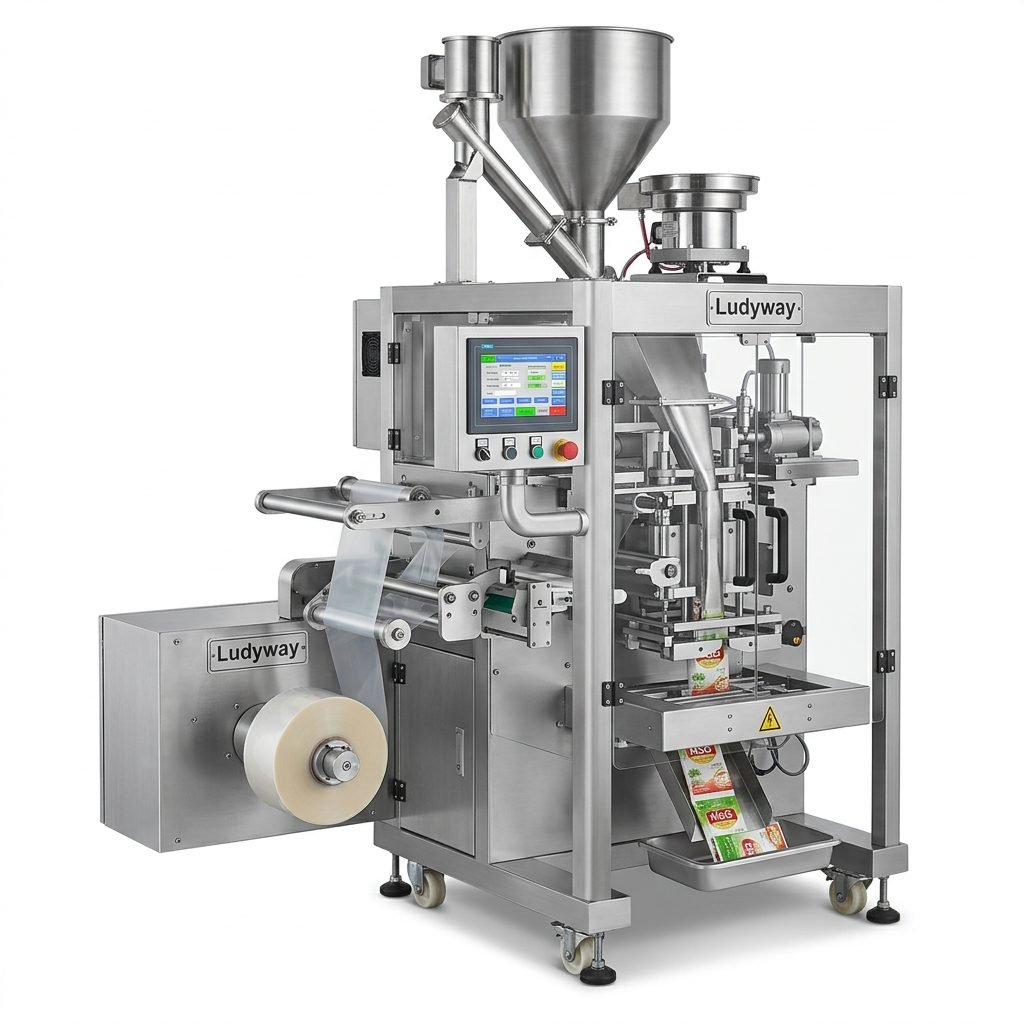
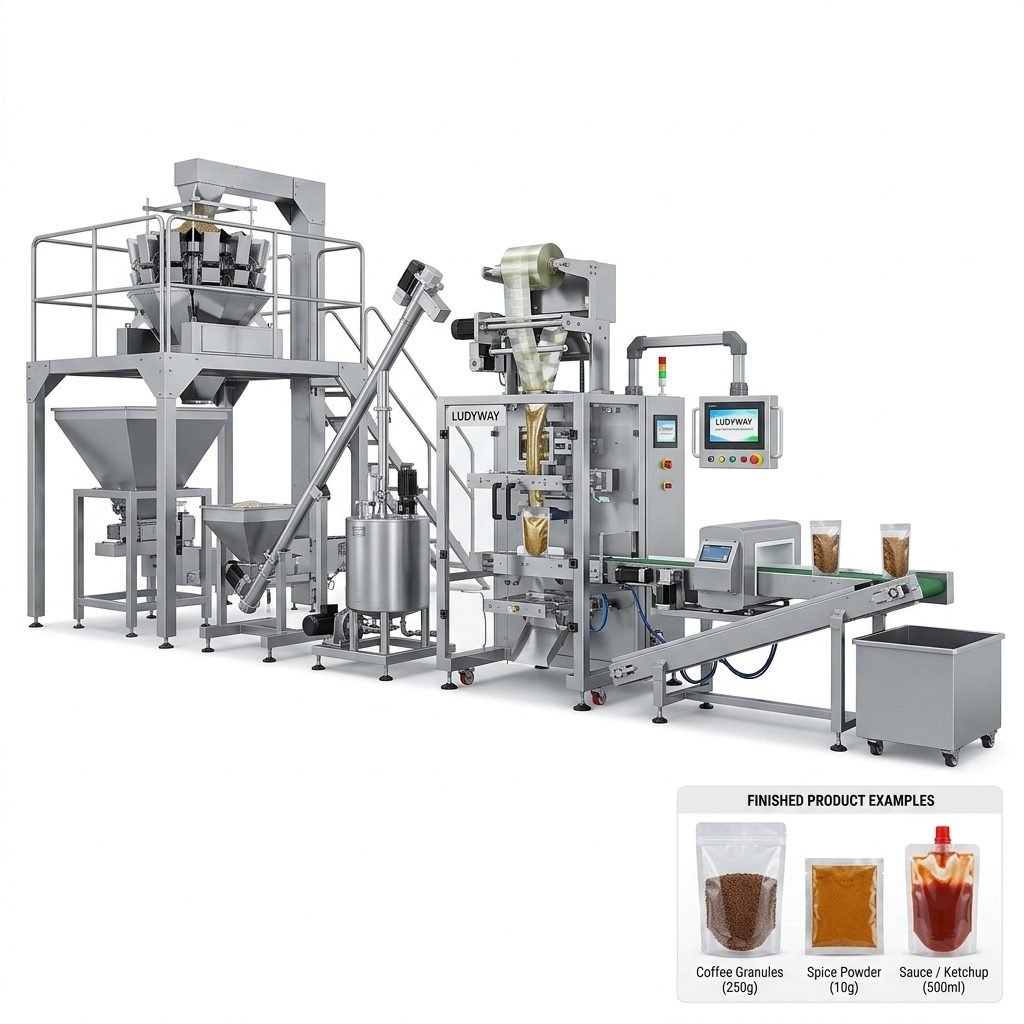
In the fast-paced world of manufacturing and product distribution, packaging is far more than just a final step—it’s a critical component of product protection, brand presentation, and operational efficiency. Choosing the right packaging machine is a pivotal decision that impacts production speed, cost, material waste, and ultimately, customer satisfaction. This comprehensive guide delves into the versatile world of packaging machinery, exploring the different types, their specific uses, and providing a clear framework to help you select the best solution for your unique operational needs.
Understanding the Core Types of Packaging Machines
The landscape of packaging machinery is diverse, with each type designed for specific materials, product forms, and production volumes. Understanding these categories is the first step toward making an informed investment.
Filling and Sealing Machines
These are the workhorses of the packaging industry, designed to accurately measure a product and securely enclose it within its packaging. This broad category includes several key variants:
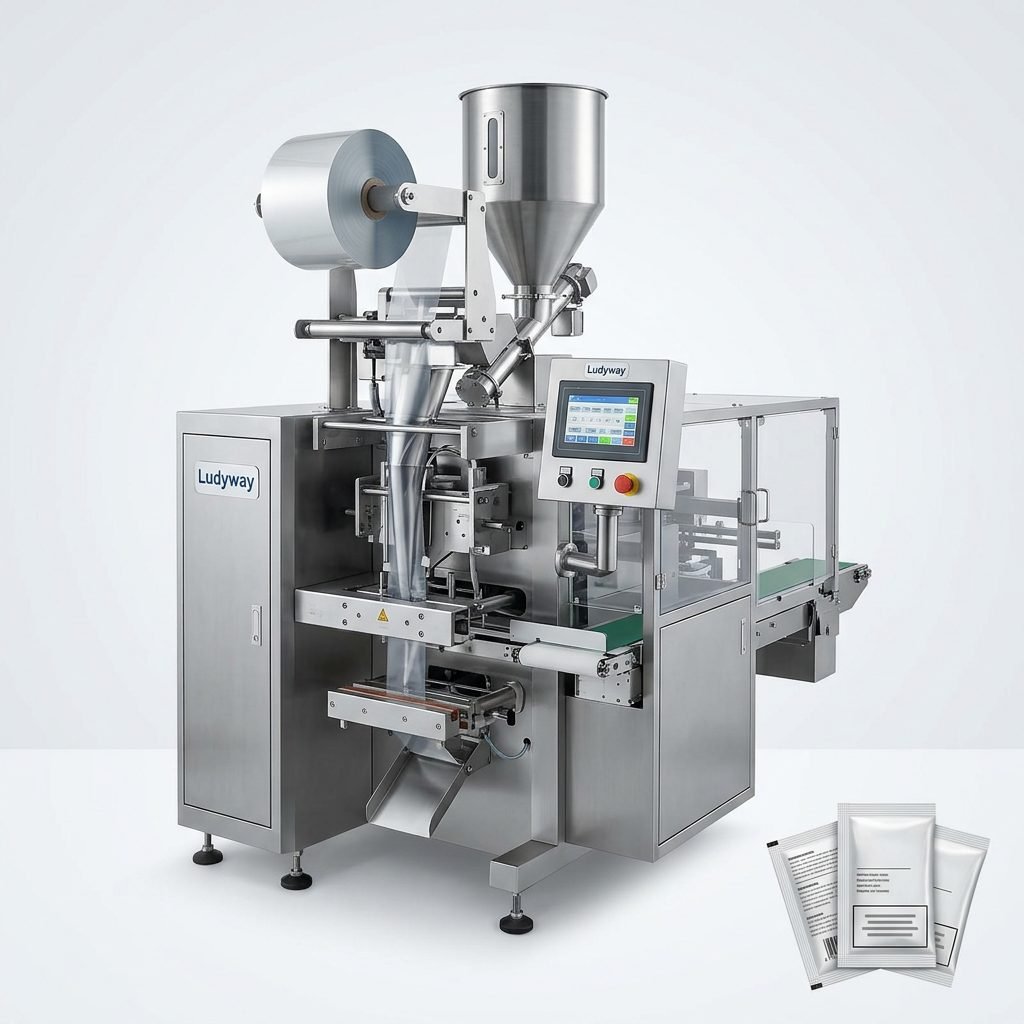
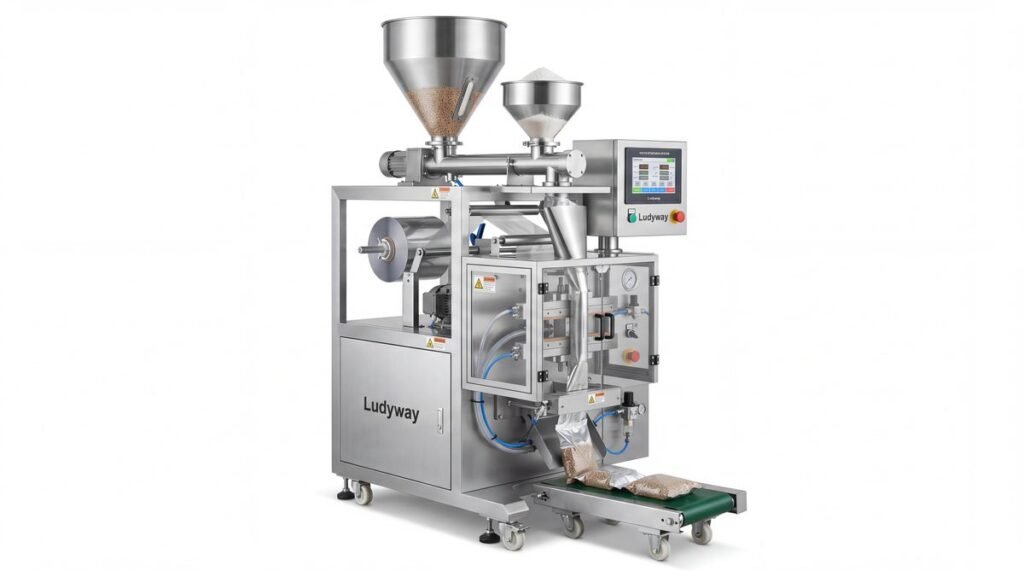
Vertical Form-Fill-Seal (VFFS) Machines: Extremely versatile, these machines form a bag from a roll of film, fill it with product, and seal it—all in one continuous vertical motion. Ideal for granules, powders, snacks, and liquids.
Horizontal Form-Fill-Seal (HFFS) Machines: Products are placed into pre-formed pockets on a film web, which is then sealed with a top layer. Perfect for biscuits, chocolates, medical devices, and blister packs.
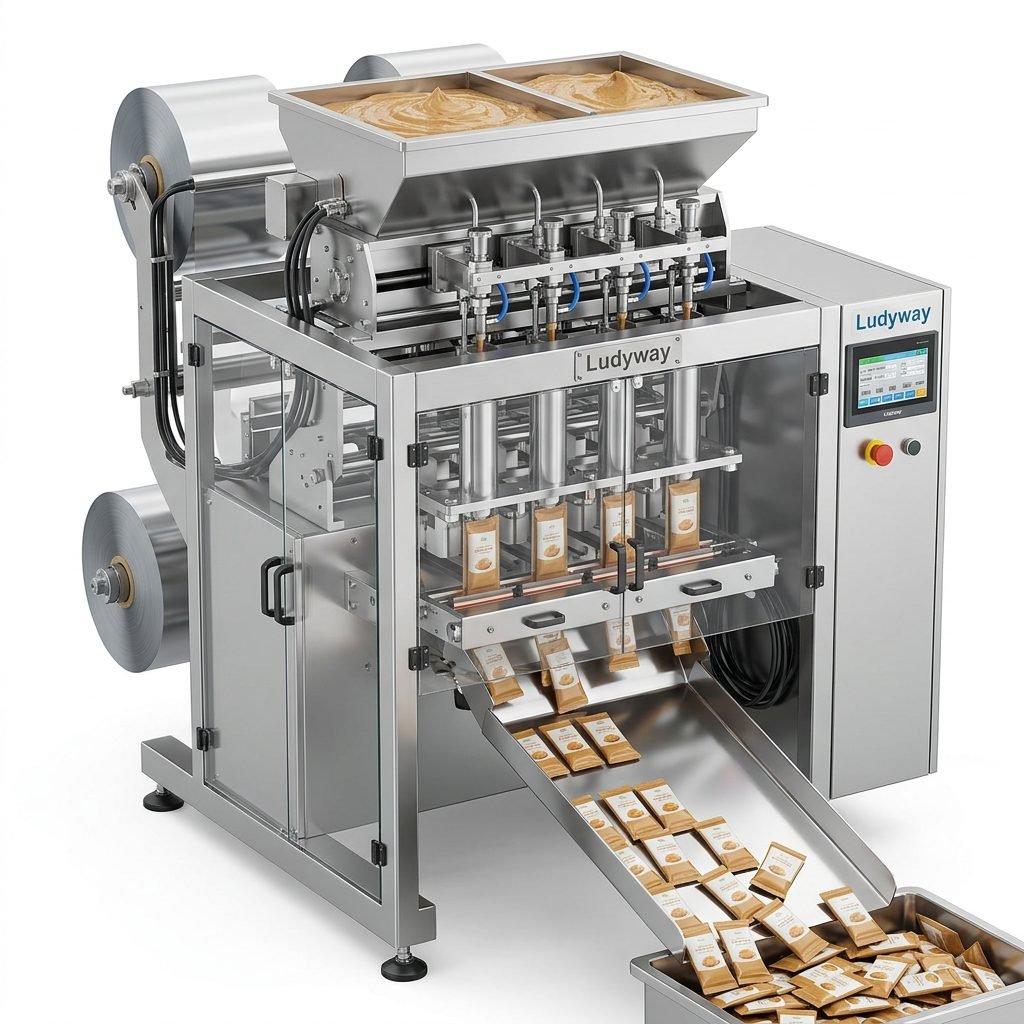
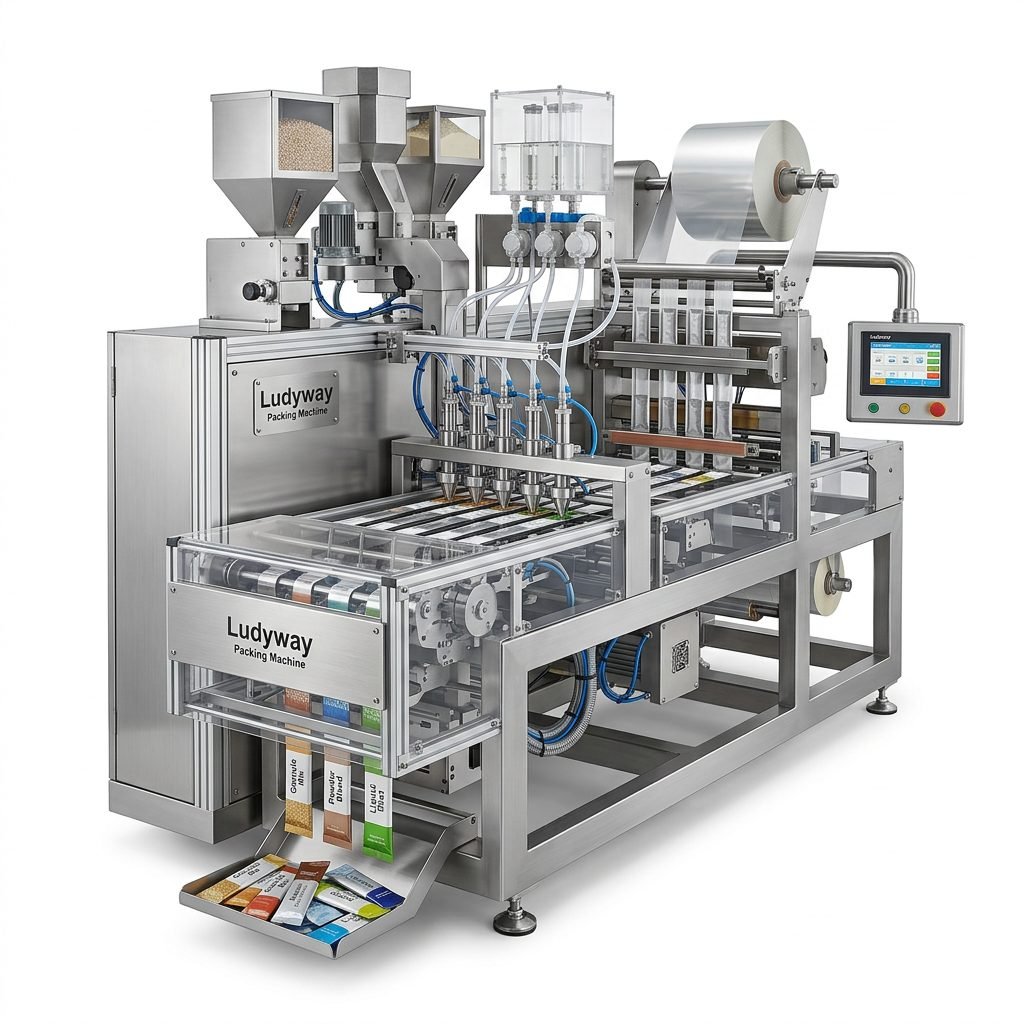
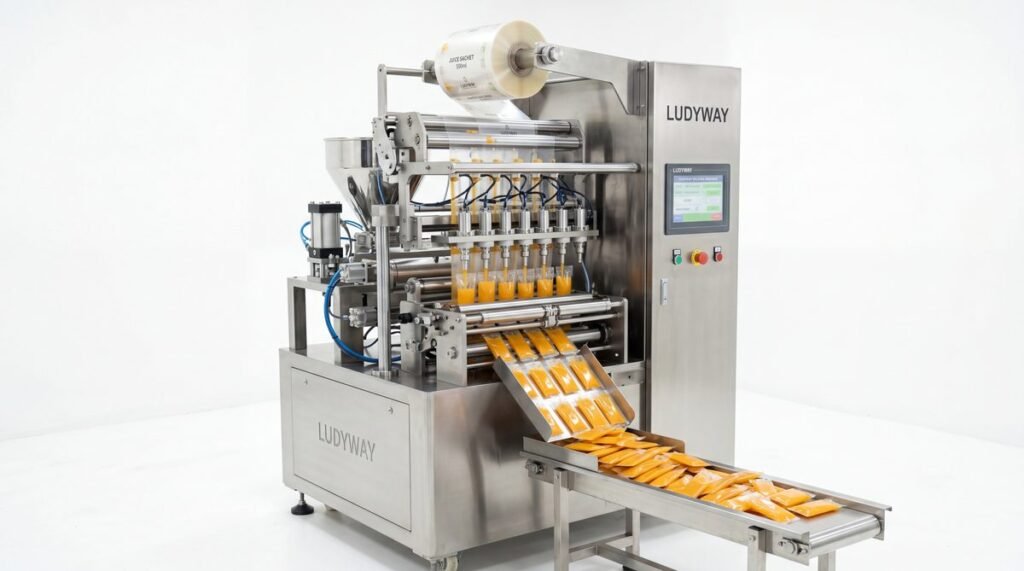
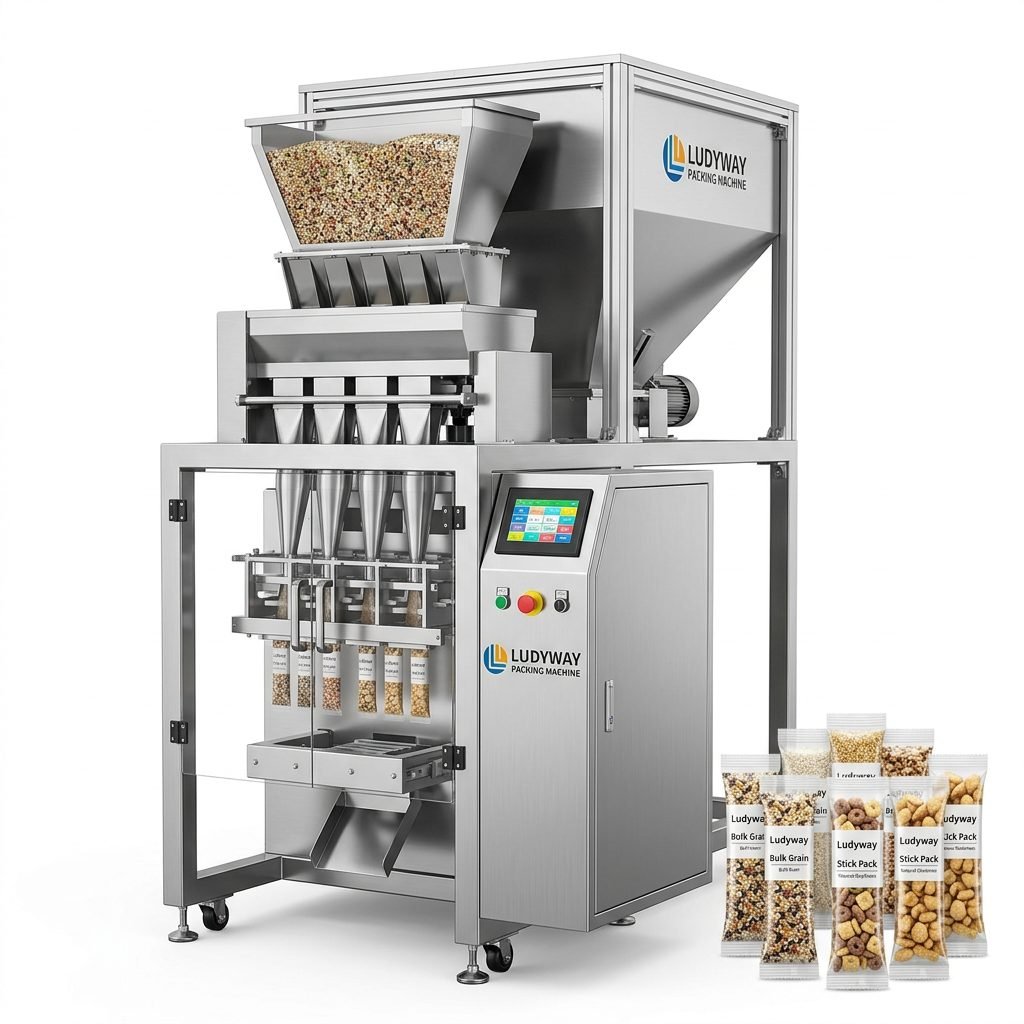
Sachet and Stick Pack Machines: Specialized machines that create small, single-serve packages. They are highly popular in the food, pharmaceutical, and cosmetic industries for products like sugar, instant coffee, shampoo, and medicine powders.
Capping, Labeling, and Cartoning Machines
This group handles the secondary stages of packaging, ensuring the final product is ready for retail.
Capping Machines: Automatically screw, snap, or press-fit caps onto bottles and containers with precise torque control.
Labeling Machines: Apply pressure-sensitive labels, wrap-around labels, or heat-shrink sleeves to containers with high accuracy and speed.
Cartoning Machines: Automatically erect, load, and close cartons. They can be end-load or top-load machines, integrating seamlessly with upstream filling and downstream case packing lines.
Specialized and End-of-Line Equipment
For complete automation, these machines handle bundling, case packing, and palletizing.
Case Packers and Sealers: Automatically place multiple primary packages into shipping cases and seal them with tape or glue.
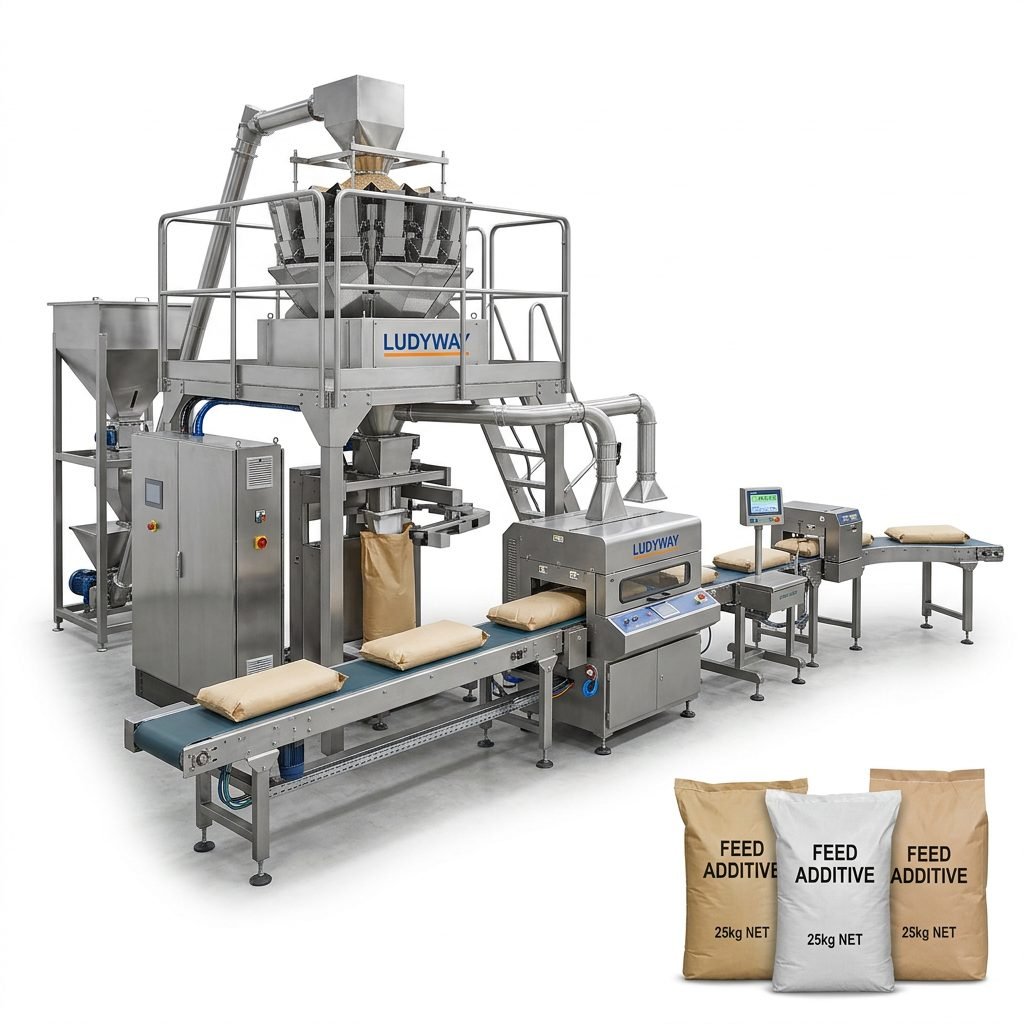
Palletizers: Robotically or mechanically stack cases or bags onto pallets in a stable, transport-ready configuration.
Key Applications and Industry Uses
Packaging machines are tailored to meet the stringent and varied demands of different sectors.
Food & Beverage Industry
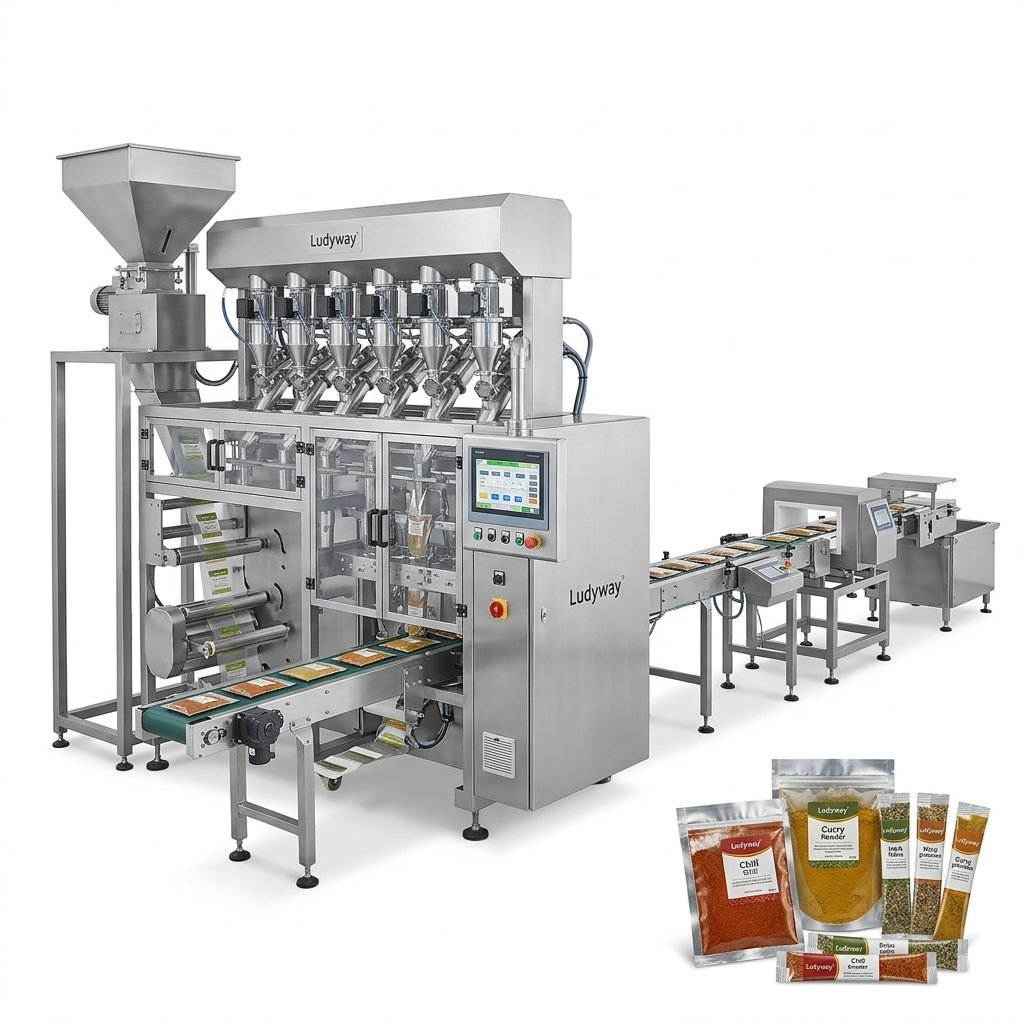
This sector demands machines that ensure hygiene, preserve freshness, and handle a wide variety of product consistencies—from oily snacks to viscous sauces. Multi-lane VFFS machines are common for high-speed snack packaging, while liquid fillers are essential for beverages, oils, and dairy products. Aseptic packaging machines are critical for products requiring extended shelf life without refrigeration.
Pharmaceutical & Healthcare
Precision, cleanliness, and compliance (e.g., with cGMP) are non-negotiable. Machines for this sector often feature easy-clean designs, high-accuracy micro-dosing capabilities for powders, and integrity testing. Stick pack and sachet machines are widely used for unit-dose powders and liquids, while blister packing machines are standard for tablets and capsules.
Cosmetics & Chemicals
Packaging here must be elegant and leak-proof. Machines often handle viscous creams, gels, and liquids, requiring pumps that maintain product consistency. Nitrogen flushing might be used to preserve product quality. The flexibility to run different pouch styles (e.g., stand-up, flat-bottom) is a valuable asset.
How to Choose the Best Packaging Solution: A Step-by-Step Framework
Selecting a machine is a strategic process. Rushing this decision can lead to costly bottlenecks or underutilized assets.
Step 1: Analyze Your Product and Packaging Materials
Start with the fundamentals. What is the physical form of your product (granule, powder, liquid, solid)? What are its characteristics (abrasive, hygroscopic, viscous)? The packaging material (film type, thickness, barrier properties) must be compatible with both the product and the machine’s sealing mechanism. For instance, a high-quality packaging machinery supplier can provide material testing and recommendations.
Step 2: Define Your Production Requirements
Be specific about your needs:
➤ Speed (Packages Per Minute): Calculate based on current and projected future demand.
➤ Accuracy (Fill Weight/Volume): Critical for cost control and regulatory compliance.
➤ Flexibility: Will you need to run multiple package sizes or products on the same machine?
➤ Uptime & Reliability: Look for machines with robust construction and a proven track record.
Step 3: Evaluate Machine Features and Technology
Modern machines offer features that boost efficiency and ease of use. Consider touchscreen Human-Machine Interfaces (HMIs) for simple operation and changeovers. Servo-driven systems offer superior precision, energy savings, and smoother motion compared to mechanical systems. Look for intelligent control systems that can monitor production data, track OEE (Overall Equipment Effectiveness), and provide diagnostic alerts.
Step 4: Consider Integration and Support
The machine should integrate smoothly into your existing or planned production line. Consider footprint, connectivity (e.g., to upstream feeders or downstream cartoners), and utility requirements (power, air, data). Most importantly, assess the supplier’s technical support, training, and spare parts availability. A reliable partner, like one with decades of industry experience, provides peace of mind far beyond the initial sale.
Step 5: Conduct a Total Cost of Ownership (TCO) Analysis
Look beyond the initial purchase price. Calculate the TCO by factoring in:
- Operational Costs: Energy consumption, required labor, and material waste rates.
- Maintenance Costs: Cost and availability of spare parts, recommended service schedules.
- Lifecycle & ROI: Expected machine lifespan and how quickly it will pay for itself through increased output and reduced waste.
Future Trends in Packaging Machinery
The industry is evolving toward greater intelligence and sustainability. Industry 4.0 integration allows machines to communicate data for predictive maintenance and optimized production scheduling. Robotics are increasingly used for flexible pick-and-place and palletizing tasks. Furthermore, there is a strong drive toward machines capable of handling mono-material and recyclable films to support circular economy goals. Choosing a supplier committed to innovation and sustainable solutions ensures your investment remains relevant.
Frequently Asked Questions (FAQs)
Q1: What is the main difference between a VFFS and an HFFS machine?
A: The primary difference is the orientation of packaging. A VFFS machine forms, fills, and seals bags in a vertical orientation from a single roll of film, ideal for free-flowing products. An HFFS machine works horizontally, placing products into pre-formed pockets on a film web, which is then lidded, making it better for solid, shaped items.
Q2: How important is machine flexibility for a growing business?
A: It is crucial. A machine that can handle multiple bag sizes, pouch styles, or even different product types (with proper changeover parts) provides significant long-term value. It allows you to adapt to new market opportunities, launch new SKUs, and scale production without investing in entirely new equipment.
Q3: What should I look for in terms of after-sales support?
A> Prioritize suppliers who offer comprehensive training for your operators and maintenance staff, provide clear documentation and manuals, have a responsive technical support team (preferably 24/7), and guarantee the ready availability of genuine spare parts. This support minimizes costly downtime.
Q4: Can packaging machines handle sustainable or compostable films?
A: Yes, but it requires careful selection. Many modern machines can be adapted or are specifically designed to run bio-based or compostable films. However, these materials often have different sealing and tensile properties. It’s essential to discuss your sustainability goals with your machine supplier during the selection process to ensure compatibility.
Q5: How do I determine the right speed/packaging rate for my needs?
A: Calculate your current daily/weekly output requirement and add a growth margin (e.g., 20-30%). Convert this into packages per minute (PPM) based on your operational hours. Choose a machine that meets this target speed comfortably, as running at 100% capacity continuously can increase wear. A machine running at 70-80% of its max speed is often more reliable and leaves room for peak demand.