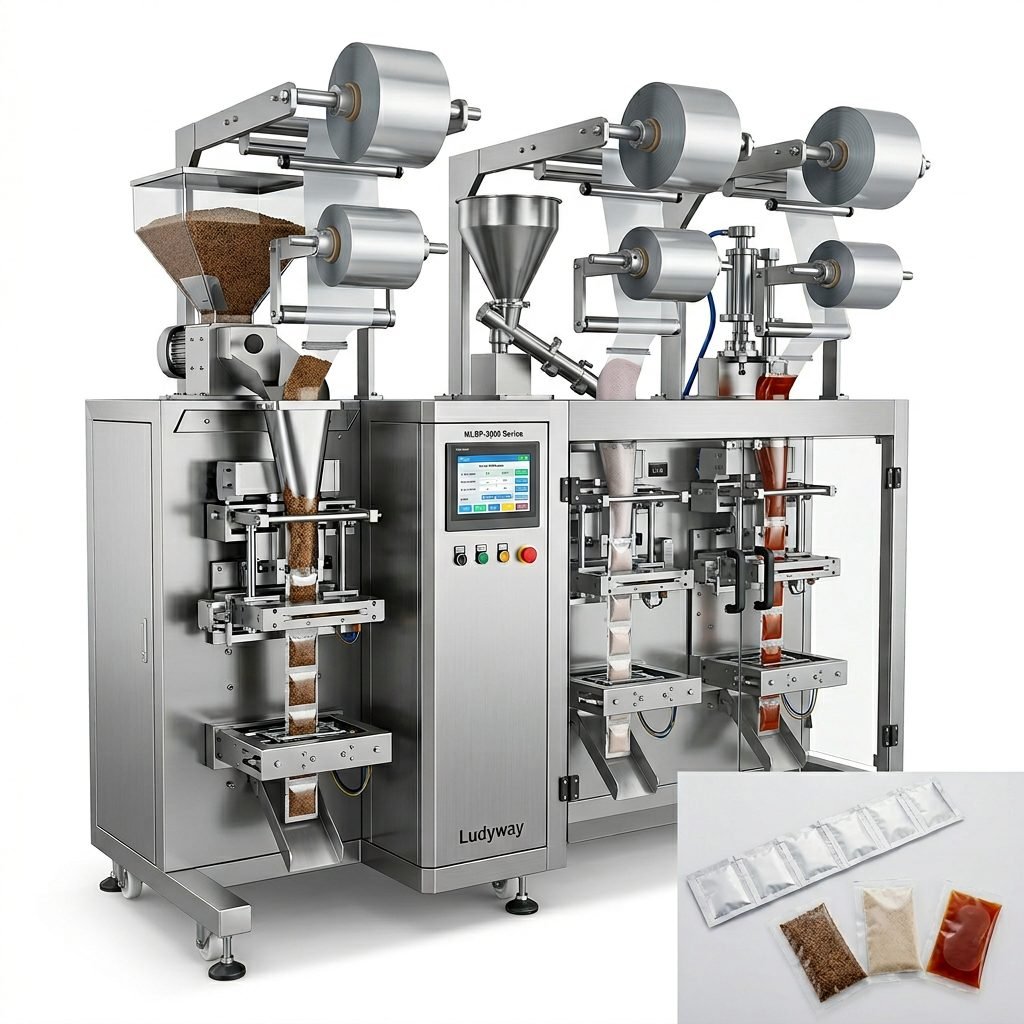
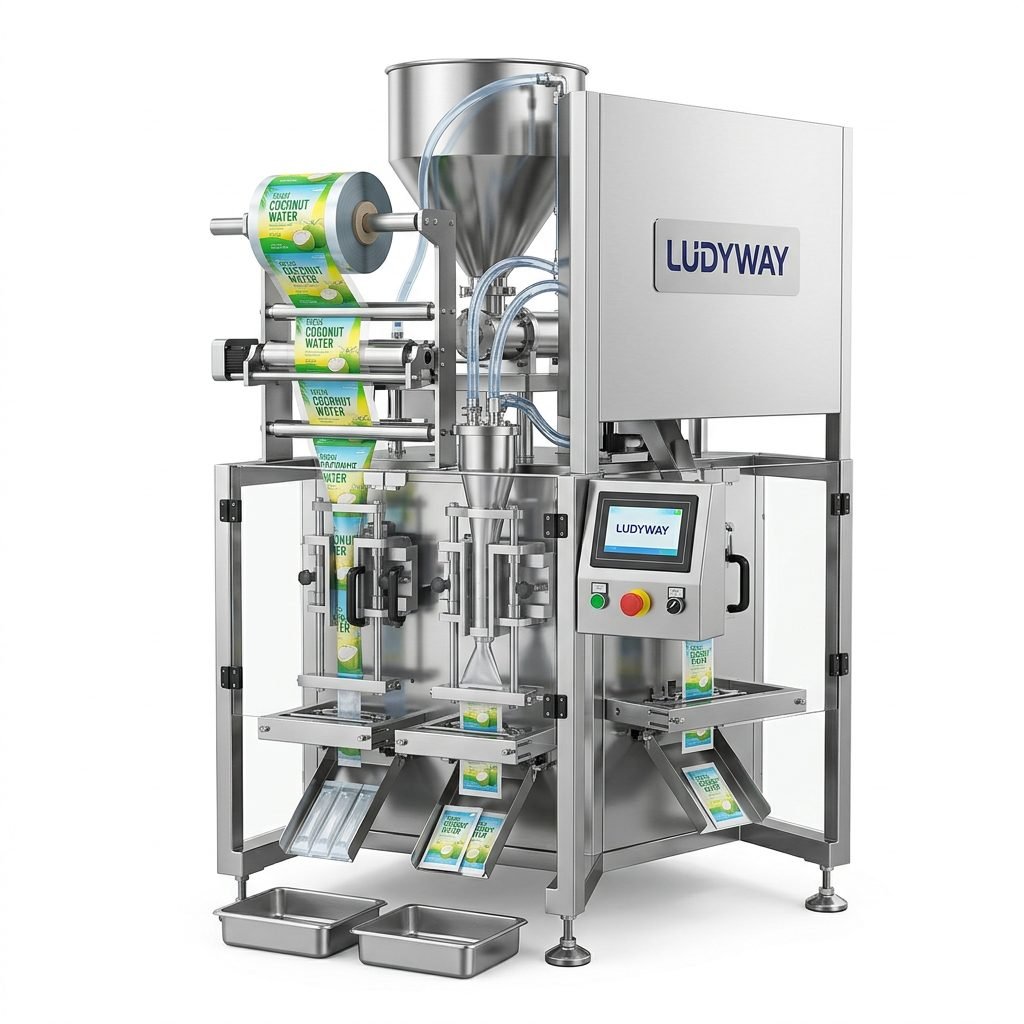
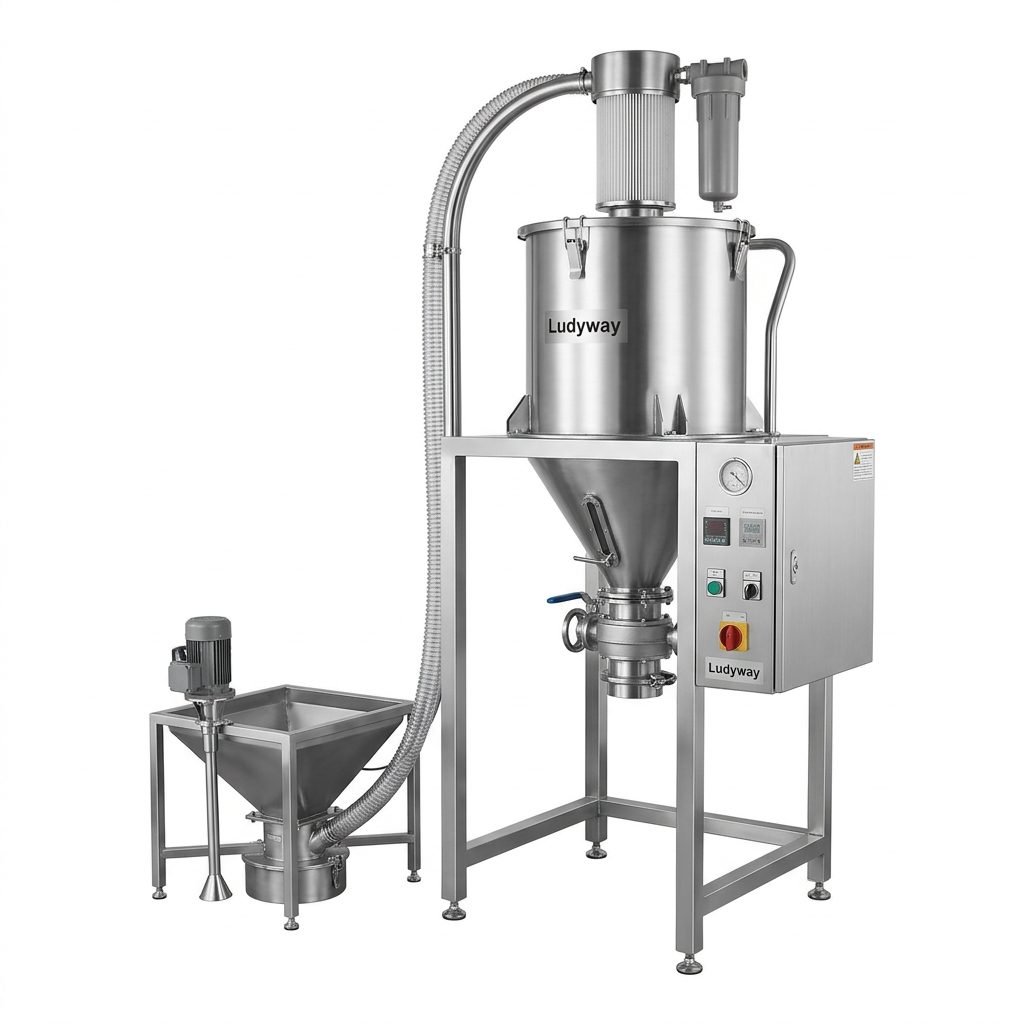
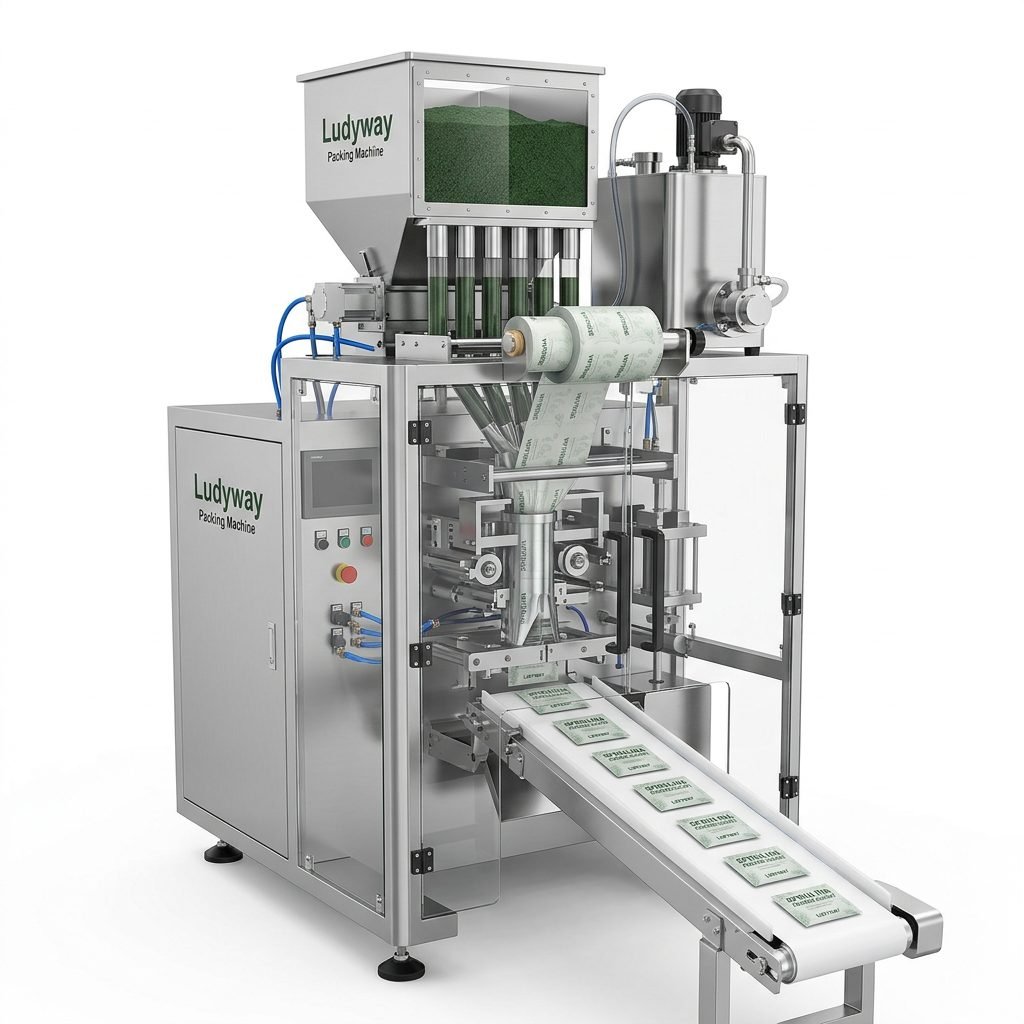
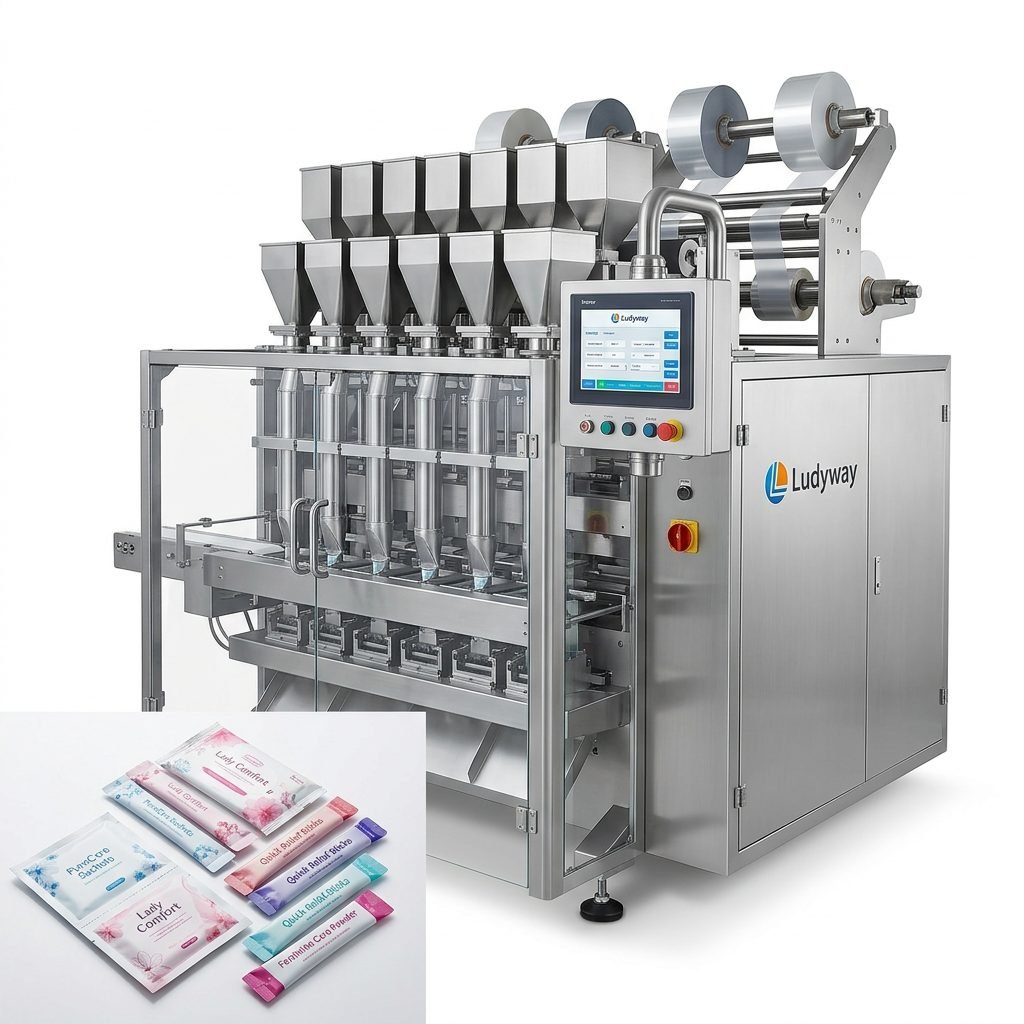
In modern grain processing, speed, accuracy, and packaging consistency directly affect profitability. For producers of rice, wheat, and corn, an automatic grain packing machine helps reduce manual labor, improve weighing precision, and create a cleaner, more efficient packaging workflow. Whether you operate a small milling plant or a large food processing facility, the right automation system can support stable output and scalable growth.
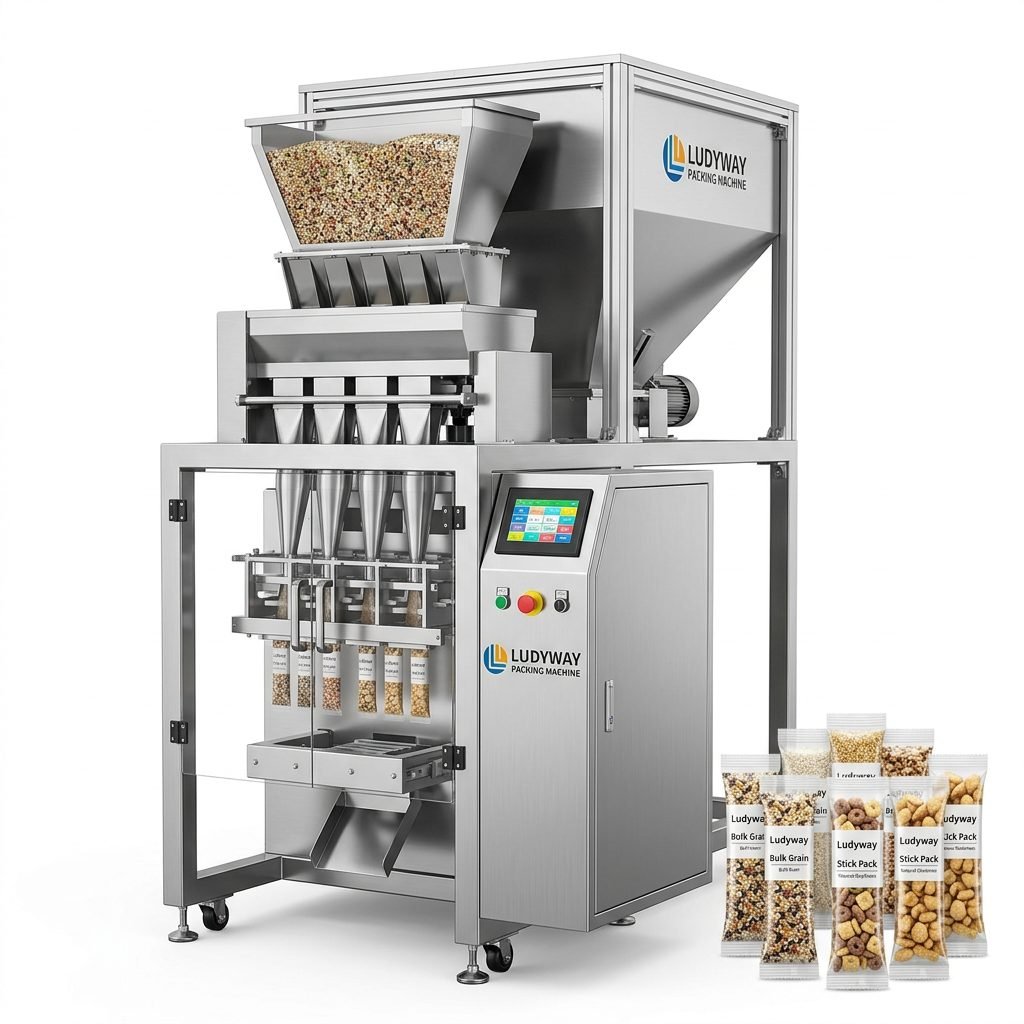
Why Grain Producers Are Moving Toward Automation
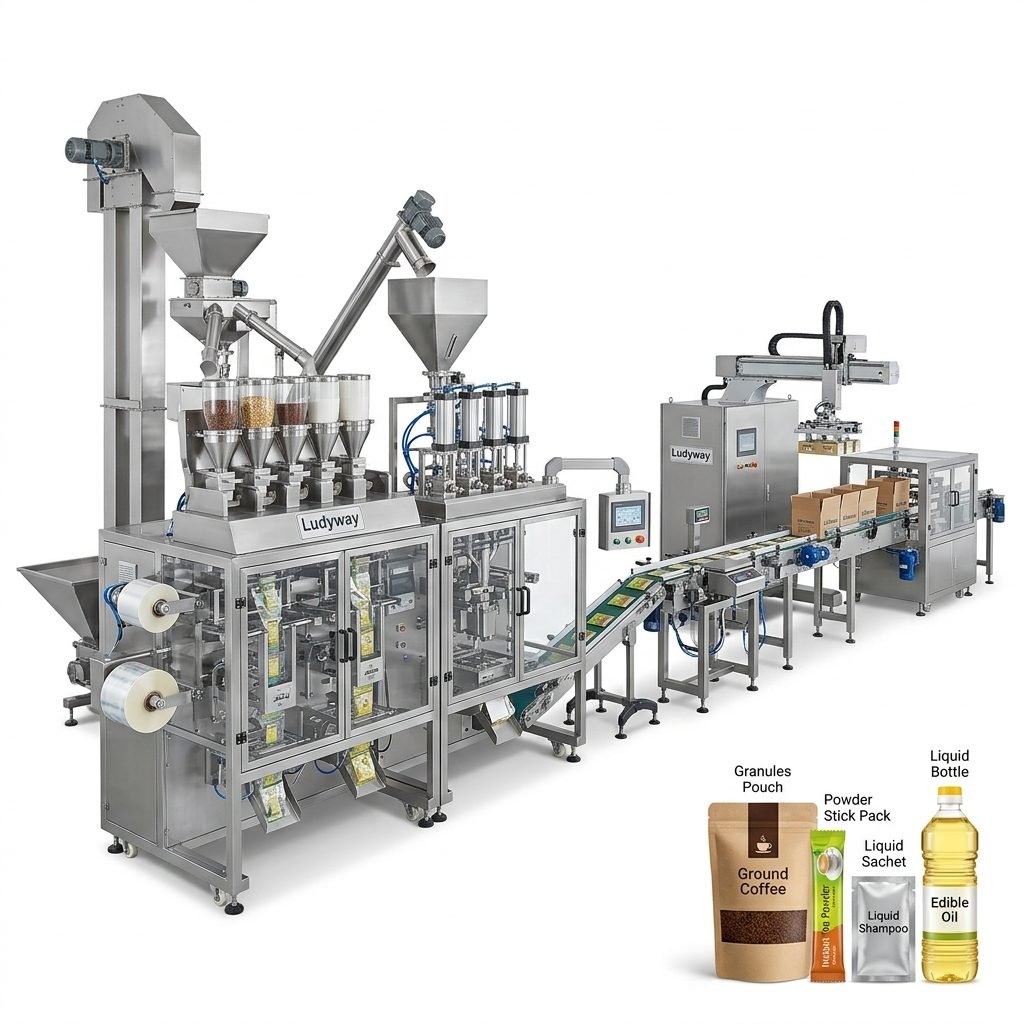
Grain packaging is no longer just about putting product into bags. Buyers today expect accurate weight control, clean sealing, attractive presentation, and reliable batch traceability. Manual or semi-automatic methods often lead to inconsistent bag weights, higher labor costs, and slower throughput. An automatic grain packing machine solves these issues by integrating feeding, weighing, bagging, sealing, coding, and discharge into one streamlined process.
For rice mills, wheat flour processors, corn packing facilities, and agricultural distributors, automation offers practical advantages:
- Higher packaging speed for bulk and retail formats
- More stable weighing accuracy for grains and granular products
- Reduced product loss and dust during filling
- Lower dependence on manual labor
- Improved hygiene and product consistency
- Better compatibility with downstream conveying, checkweighing, and palletizing
Suitable Applications for Rice, Wheat, and Corn Packaging
Different grain products require different feeding and dosing methods. Rice flows relatively evenly, wheat may be packed as grain or flour, and corn can appear as kernels, grits, feed ingredients, or processed granules. A well-designed automatic system should match the actual material characteristics and target bag size.
| Product Type | Common Packaging Formats | Recommended Features |
|---|---|---|
| Rice | 1kg, 5kg, 10kg, 25kg bags | Multi-head weighing, dust control, heat sealing, date coding |
| Wheat Grain | Bulk sacks, woven bags, retail pouches | High-capacity weighing, conveyor discharge, durable bag handling |
| Wheat Flour | Pouches, valve bags, paper bags | Auger dosing, anti-dust design, sealing integrity |
| Corn Kernels | Retail bags, feed bags, bulk packs | Vibratory feeding, precise weight control, robust sealing |
| Corn Grits / Granules | Small sachets, pouches, large bags | Flexible filling system, rapid changeover, optional metal detection |
Core Components of an Automatic Grain Packing Machine
A complete grain packaging system typically includes several coordinated modules. Choosing the right combination depends on bag type, output target, product flowability, and factory layout.
1. Feeding System
The feeding section transports rice, wheat, or corn from storage or processing equipment to the packing unit. Common solutions include bucket elevators, screw feeders, and belt conveyors. Stable feeding is essential for accurate weighing and smooth machine performance.
2. Weighing Unit
The weighing system is the heart of the machine. For free-flowing grains such as rice and corn kernels, linear weighers or multi-head weighers are commonly used. For powdery wheat flour or fine cornmeal, auger fillers may be more suitable. The goal is to achieve fast filling with minimal weight deviation.
3. Bag Forming or Bag Handling
Depending on the packaging style, the machine may form bags from roll film or fill premade bags. Form-fill-seal systems are ideal for flexible retail packaging, while open-mouth or big bag systems are preferred for larger agricultural and industrial formats.
4. Sealing and Closing System
Good sealing protects grain from moisture, contamination, and leakage during transport and storage. Options include heat sealing, sewing, ultrasonic sealing, and bag folding, depending on the bag material and product requirements.
5. Inspection and End-of-Line Equipment
Advanced grain packaging lines may include checkweighers, metal detectors, coding units, case packers, and palletizers. These additions improve quality assurance and help create a more automated factory environment.
Key Benefits for Grain Packaging Operations
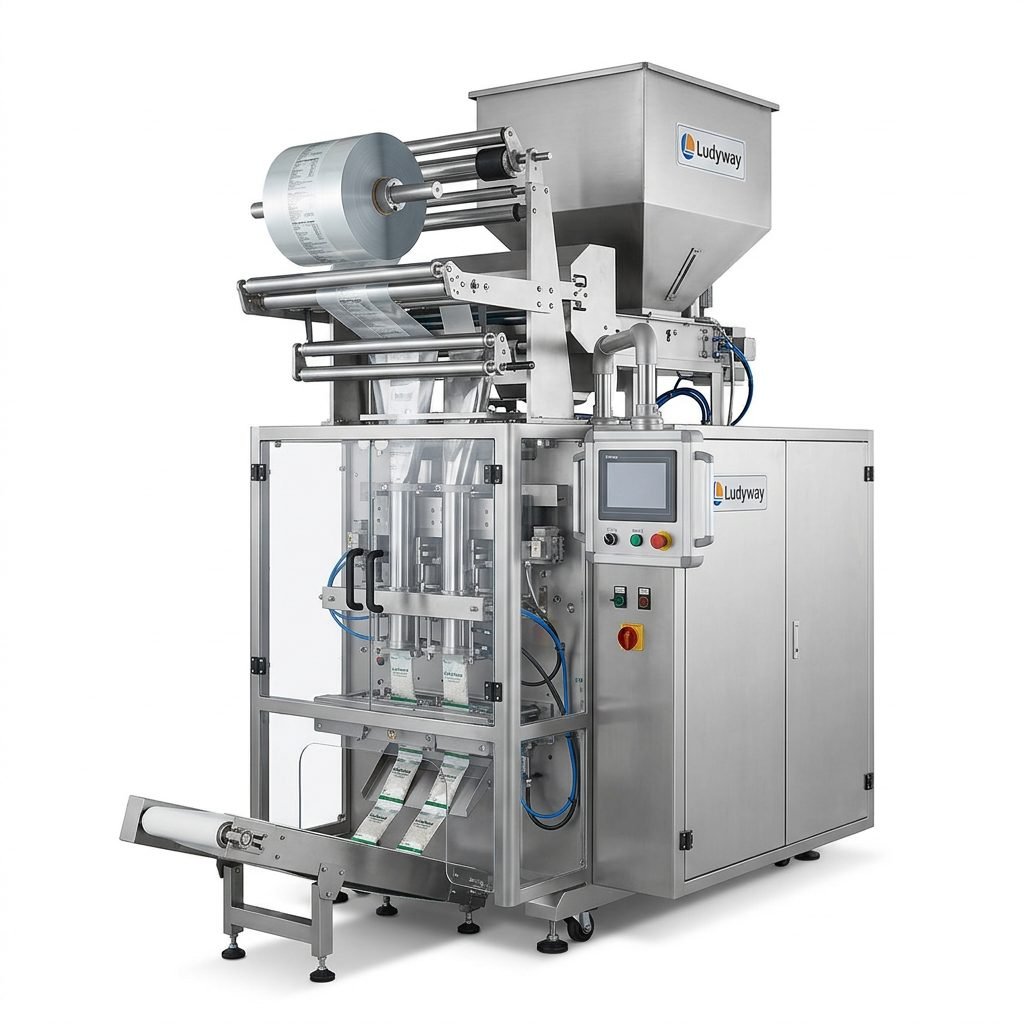
Investing in an automatic grain packing machine is about more than replacing workers with equipment. It is about building a more reliable production process from weighing to final bag output.
- Improved throughput: Faster packing cycles help meet seasonal demand and large-volume orders.
- Consistent package quality: Uniform bag appearance supports brand image and retail acceptance.
- Accurate net weight: Reduced overfill helps control material cost.
- Lower labor intensity: Operators can focus on supervision and quality control instead of repetitive bagging tasks.
- Safer production environment: Automated handling decreases lifting strain and exposure to dust.
- Expandable line integration: The machine can connect with upstream silos, mills, conveyors, and downstream palletizing systems.
How to Choose the Right Grain Packing Solution
Not all machines are suitable for every plant. Before buying, it is important to evaluate the product type, target packaging size, production volume, and available factory space. A customized configuration often delivers better long-term value than a generic standard model.
Consider These Buying Factors
- Product characteristics — grain size, moisture, dust level, and flowability all affect filler selection.
- Bag size range — from small consumer packs to 25kg or 50kg agricultural bags.
- Output requirements — choose a model that supports current capacity and future expansion.
- Automation level — standalone machine or fully integrated turnkey line.
- Sealing method — match the bag material and logistics conditions.
- Cleaning and maintenance — easy-access design reduces downtime.
Typical Packaging Line Configuration
A grain packaging project often includes more than just one machine. For better production performance, many manufacturers install a complete line with upstream and downstream support equipment.
| Line Section | Function | Value to the User |
|---|---|---|
| Storage & Feeding | Transfers grain to packing machine | Ensures continuous, stable material supply |
| Weighing & Filling | Measures and fills grain into bags | Controls accuracy and efficiency |
| Bag Sealing | Closes and secures the package | Protects product quality during storage and transport |
| Inspection | Checks weight, codes, and contaminants | Improves quality compliance |
| Cartoning / Palletizing | Groups and stacks finished bags | Reduces manual handling and boosts logistics efficiency |
Automation for Bulk and Retail Grain Packaging
Grain processors often serve multiple markets at the same time. One customer may need 1kg retail rice bags for supermarkets, while another may require 25kg or 50kg sacks for wholesale distribution. A flexible automatic grain packing machine can support multiple packaging formats with relatively quick changeovers.
This flexibility is especially useful for companies handling:
- Retail rice and premium grain products
- Wholesale wheat and corn distribution
- Feed-grade corn and mixed grain materials
- Export-oriented agricultural packaging
- Private label grain products
Why Reliability Matters in Grain Packaging
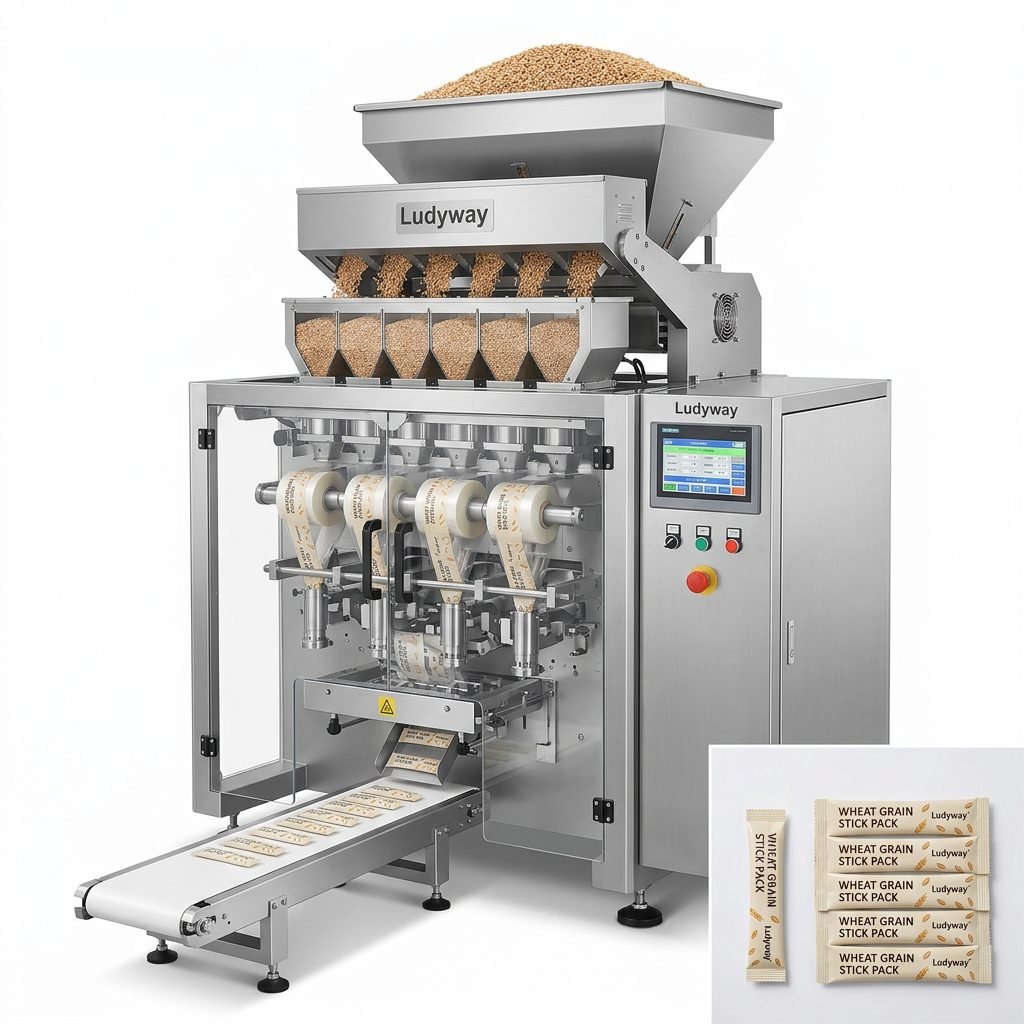
Grain processing often runs for long hours, especially during harvest periods and peak order seasons. Equipment stability becomes critical. Unplanned downtime can delay shipments, increase labor pressure, and create product handling problems. That is why many buyers focus on machine durability, component quality, and after-sales support when selecting a supplier.
A reliable system should offer:
- Stable operation in continuous production environments
- User-friendly control interface
- Accurate servo or PLC control
- Easy cleaning and low maintenance structure
- Availability of spare parts and technical service
Choosing a Packaging Machine Manufacturer
Beyond machine specifications, the manufacturer’s engineering capability also matters. A supplier with broad experience across food, agricultural, powder, and granule packaging can better recommend the correct configuration for rice, wheat, and corn applications. For businesses seeking scalable automation, Ludyway automatic grain packing machine solutions can support standalone equipment as well as complete turnkey packaging lines for different production needs.
Final Thoughts on Efficient Grain Packaging
An automatic grain packing machine is a practical investment for producers aiming to improve output, reduce waste, and maintain packaging consistency across rice, wheat, and corn products. With the right weighing system, bagging design, and line integration, businesses can build a faster and more dependable packaging process that supports both current orders and future growth.
For grain processors competing in modern food and agricultural markets, automation is no longer optional for long-term efficiency—it is a smart step toward higher productivity and stronger packaging performance.