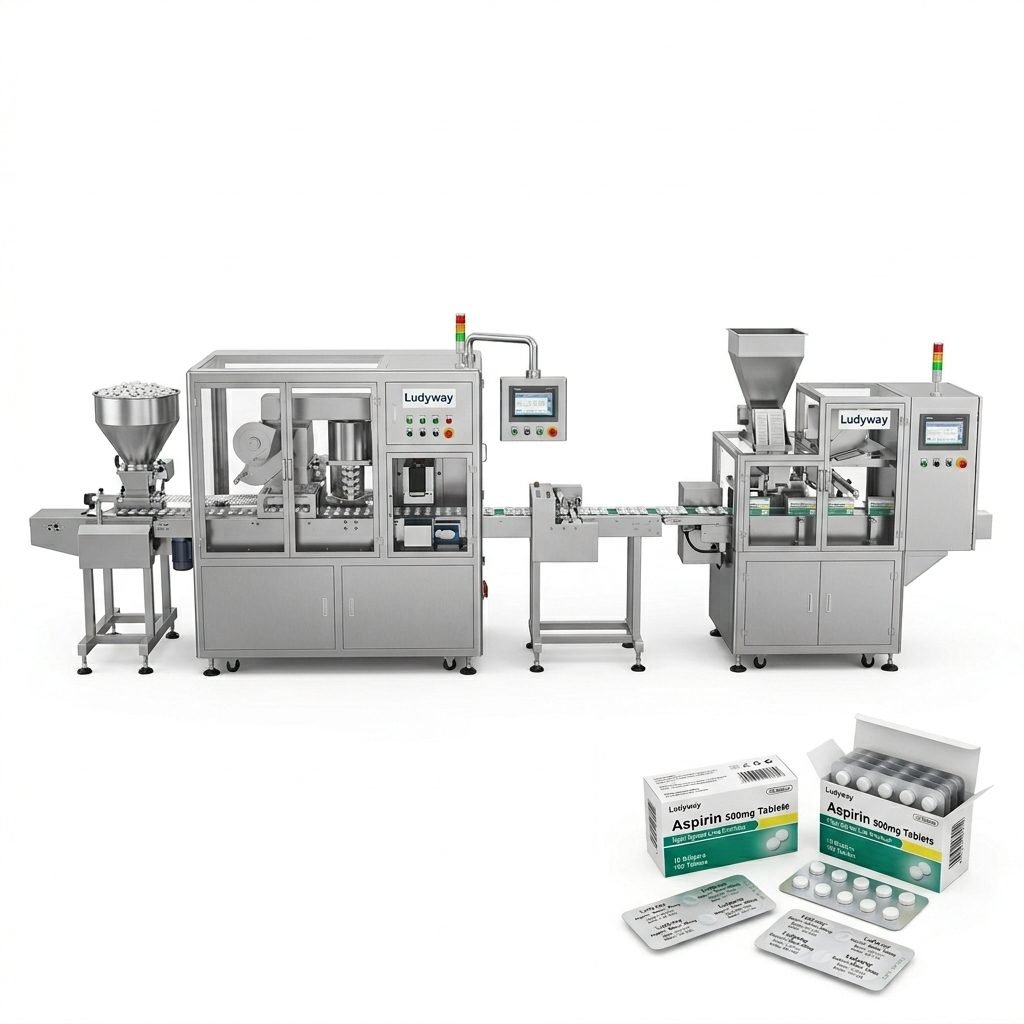
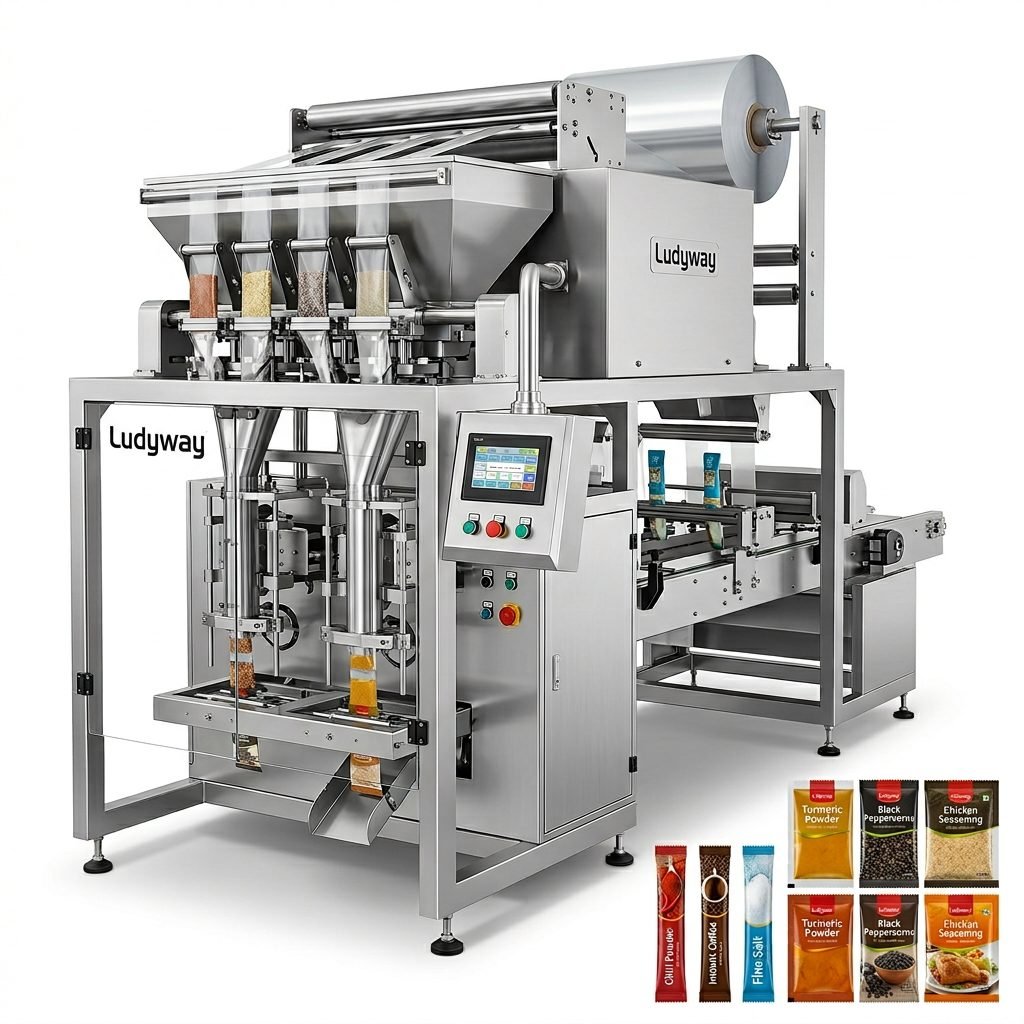
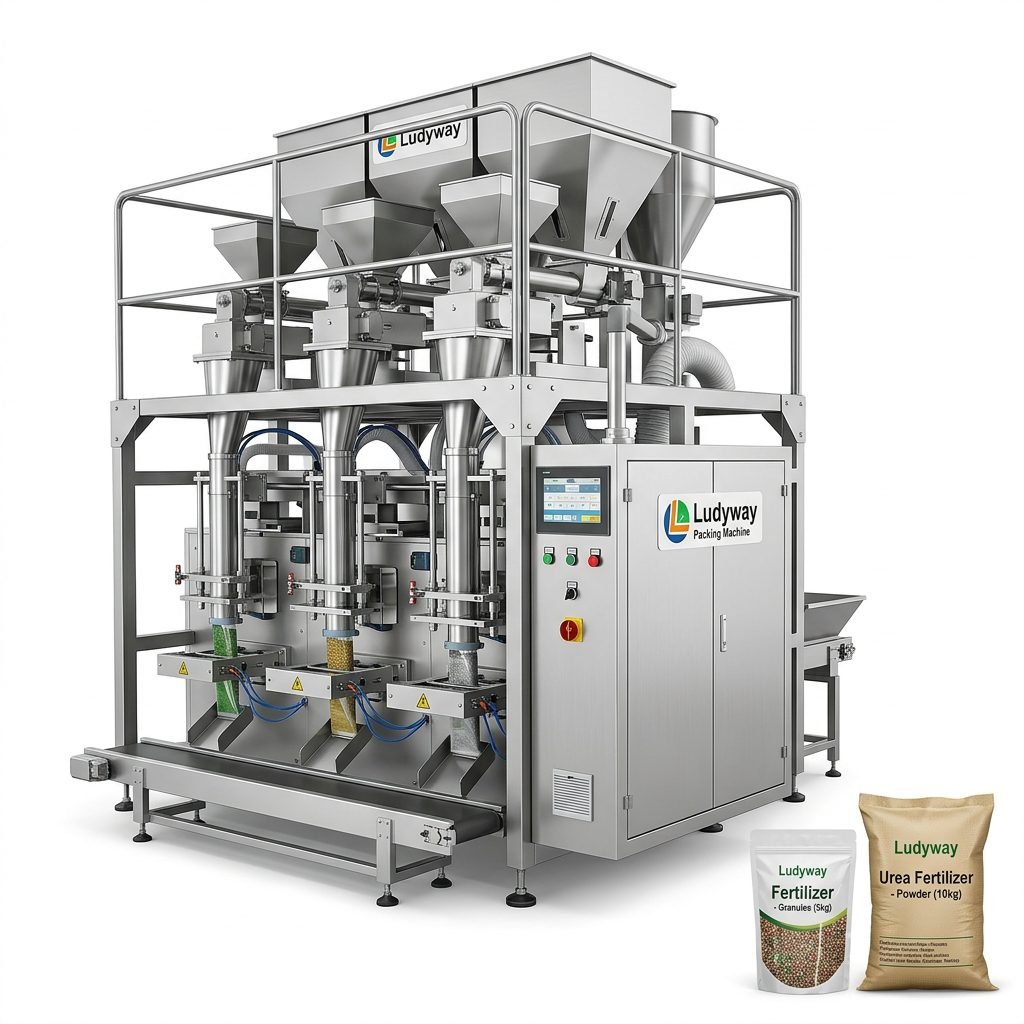
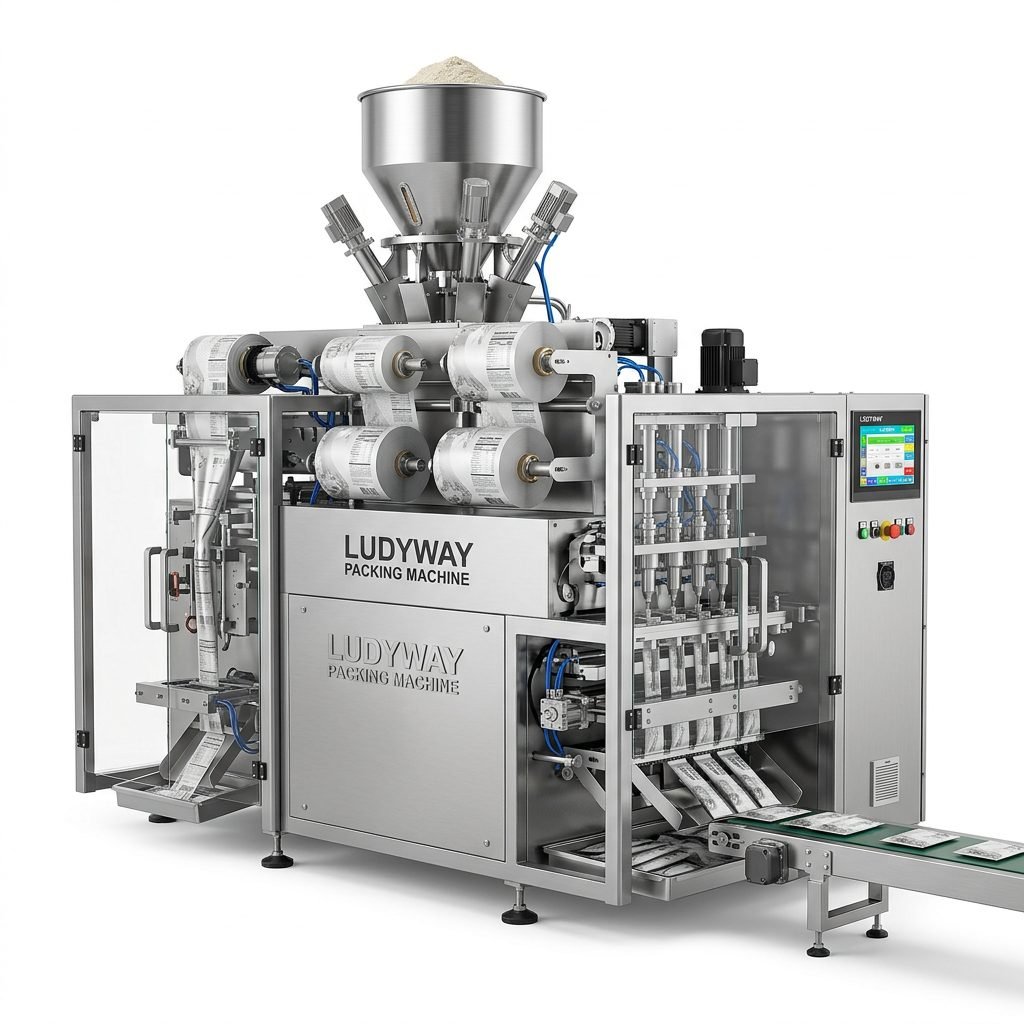
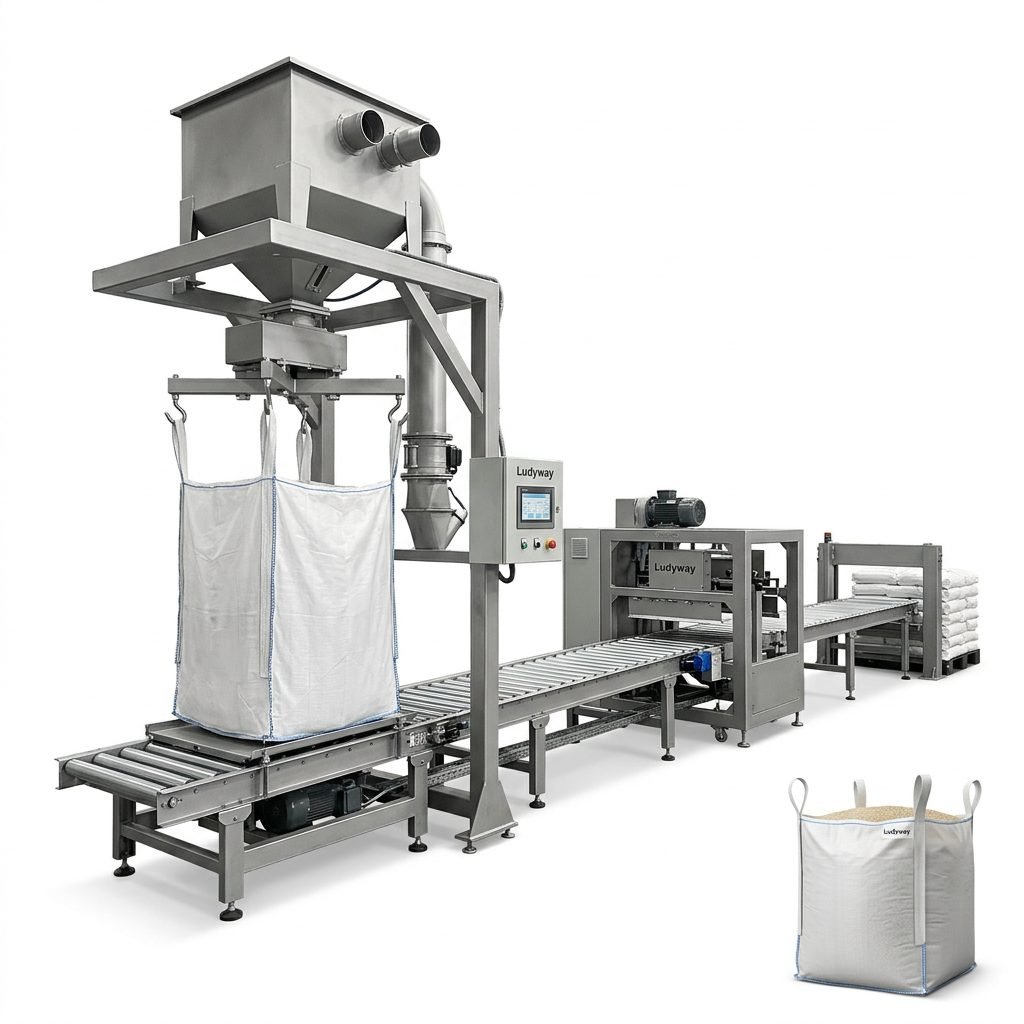
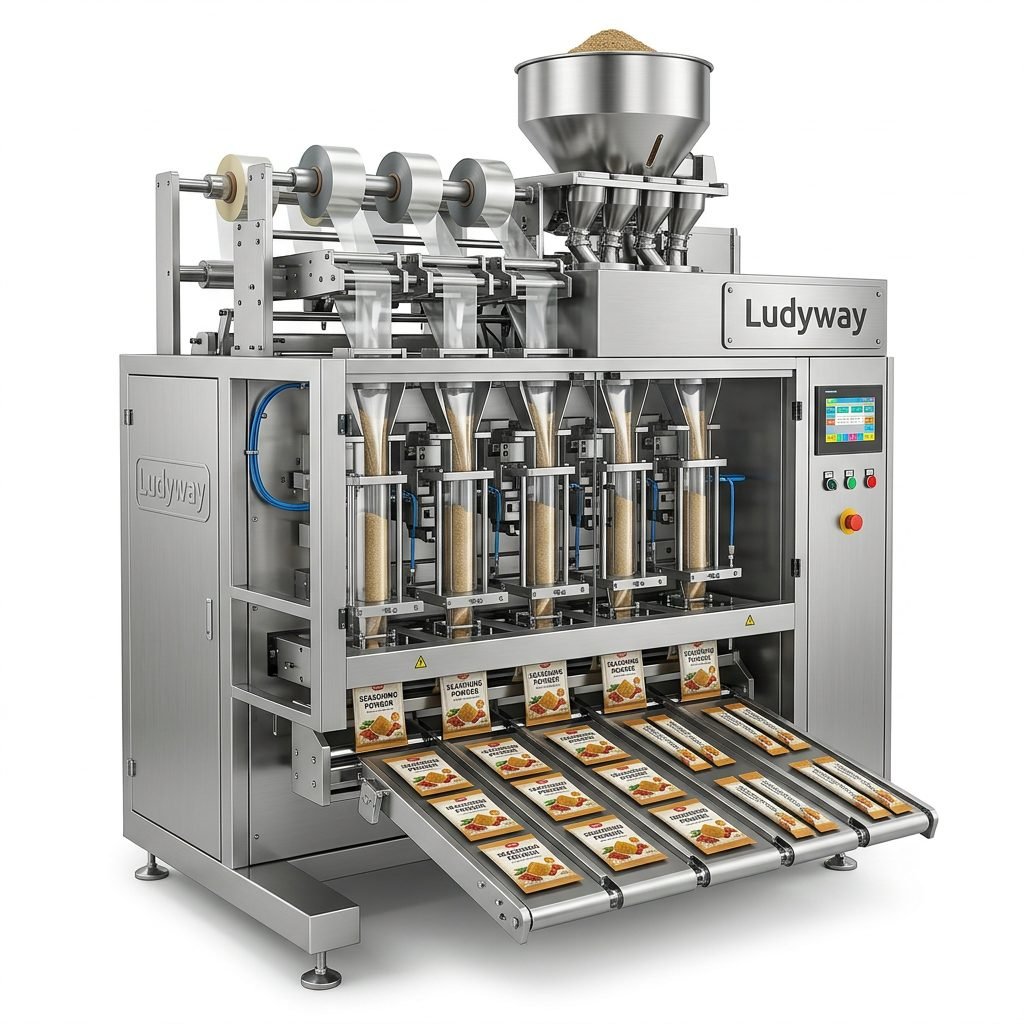
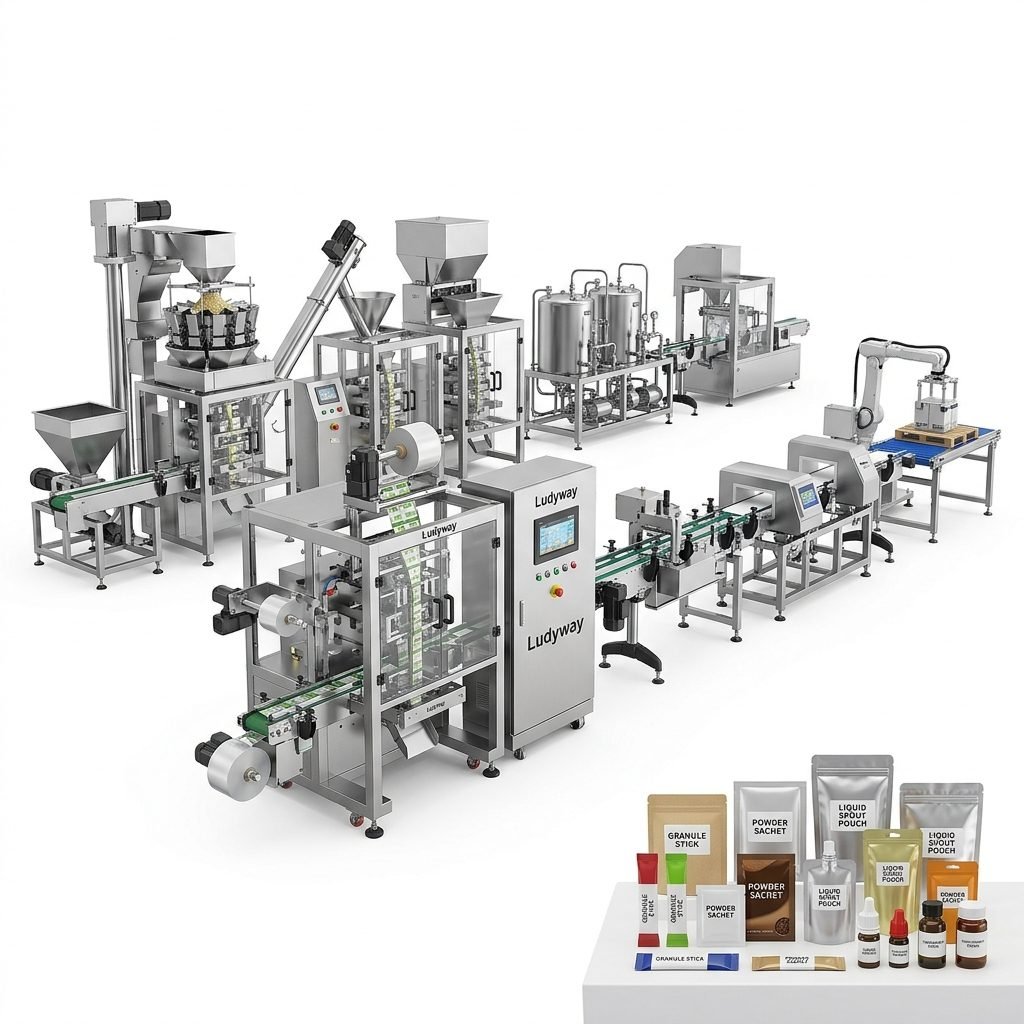
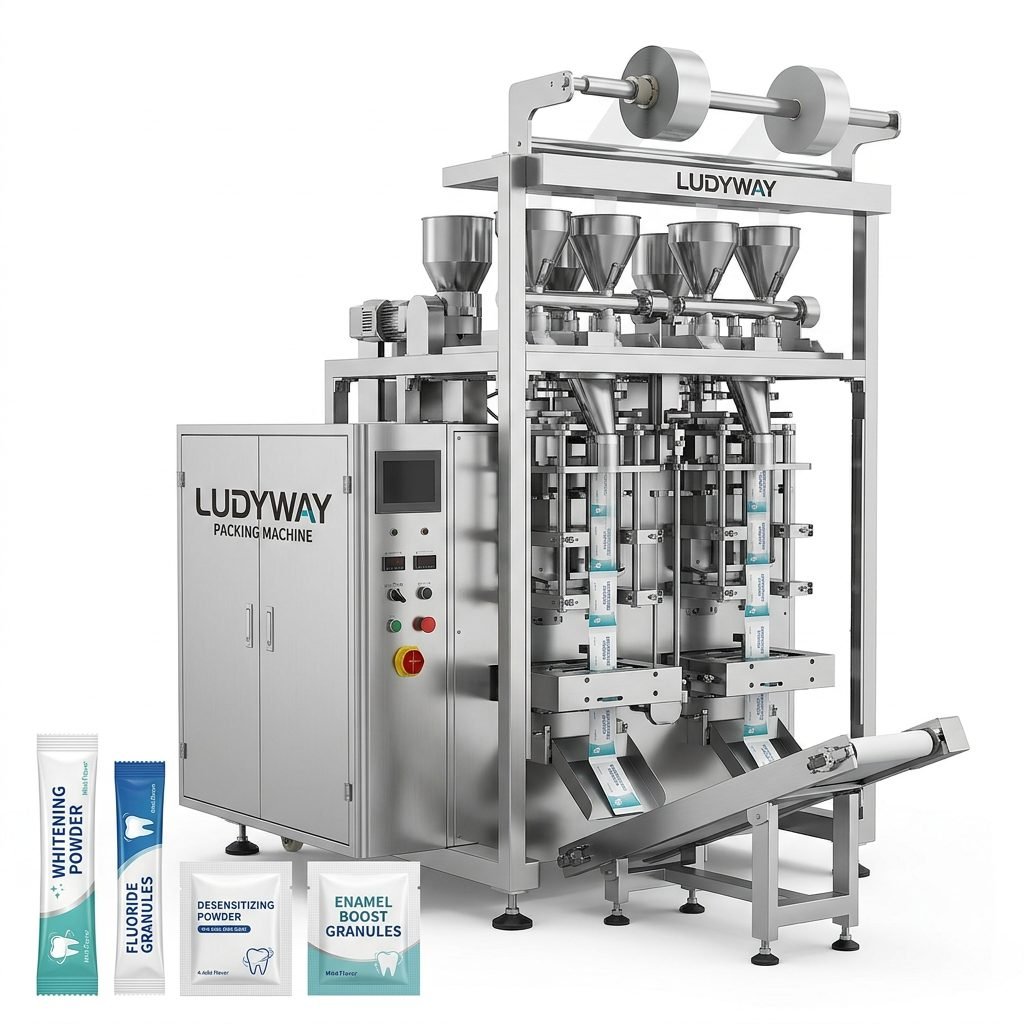
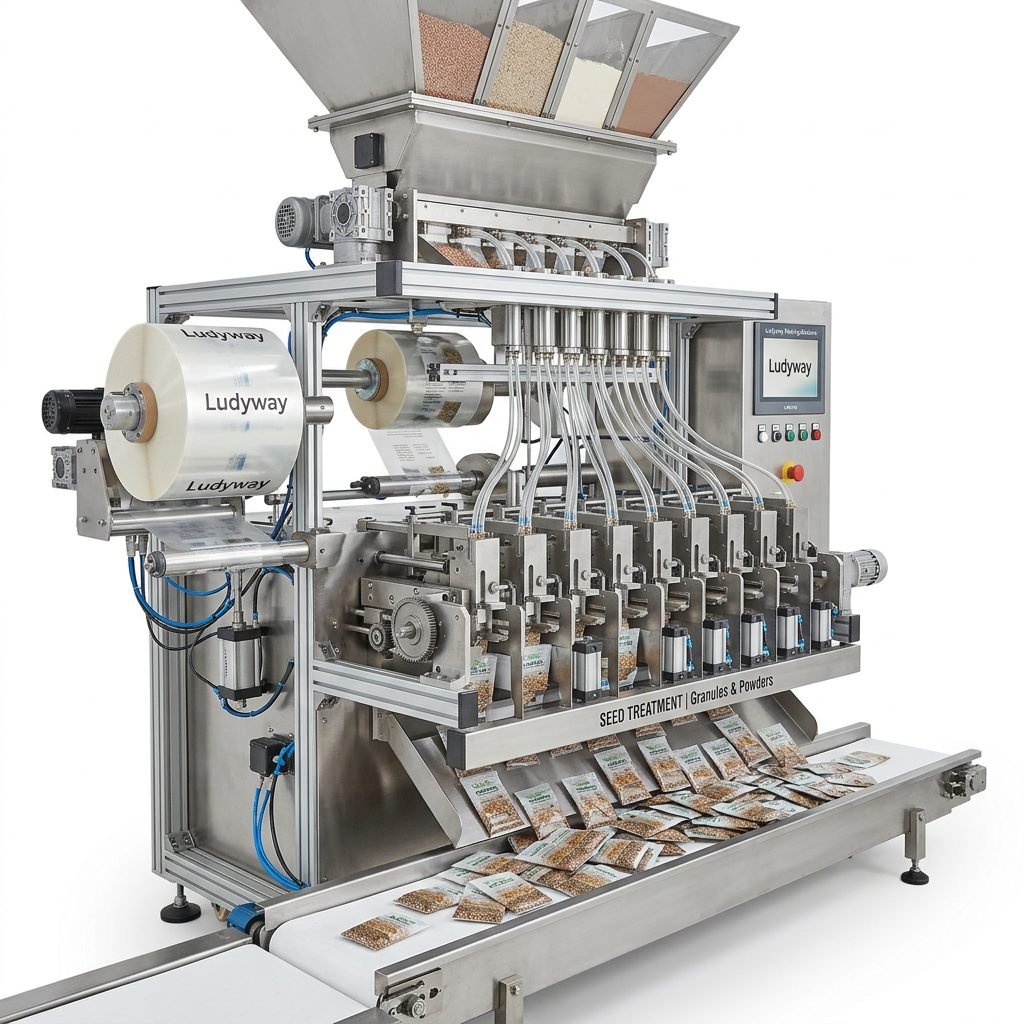
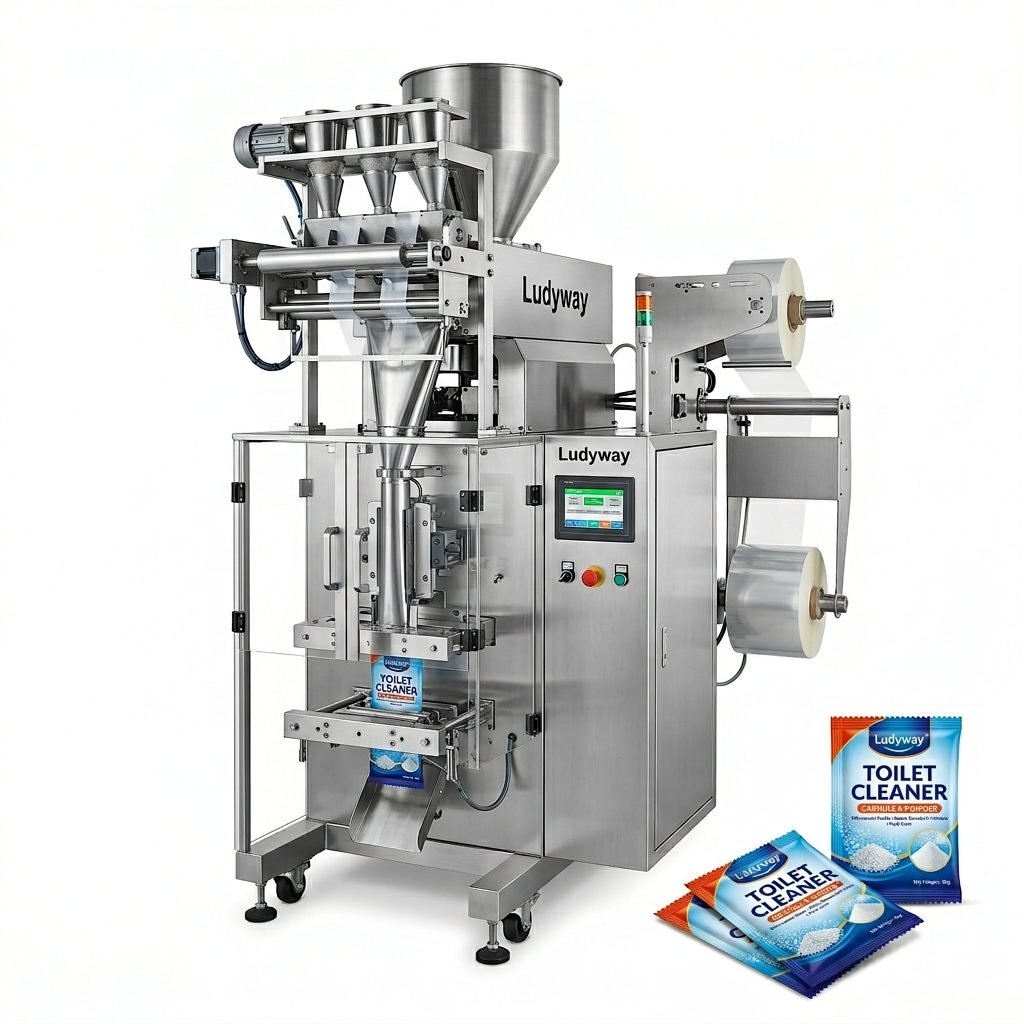
In the fast-paced world of modern manufacturing, efficiency, accuracy, and hygiene are paramount. For industries ranging from food and pharmaceuticals to chemicals and agriculture, packaging is a critical final step that directly impacts product quality, shelf life, and consumer appeal. Among the various packaging technologies available, the Vertical Form-Fill-Seal (VFFS) machine stands out as a cornerstone of automated, high-speed packaging lines. This article delves deep into the intricate working principle and process of a VFFS packaging machine, explaining how it transforms rolls of flat film into perfectly sealed, filled pouches with remarkable precision.
The Core Components of a VFFS Machine
Before understanding the process, it’s essential to familiarize yourself with the key components that make a VFFS system function seamlessly. Each part plays a specific role in the continuous cycle of forming, filling, and sealing.
Primary System Modules:
Film Unwind & Tension Control System: This is where the packaging journey begins. A large roll of flat, flexible packaging film (such as polyethylene, polypropylene, or laminated structures) is mounted. A sophisticated tension control system ensures the film is fed smoothly and without wrinkles, which is crucial for consistent package formation.
Forming Shoulder (Forming Tube): This is the heart of the “forming” stage. It is a precision-engineered, conical-shaped metal component around which the flat film is shaped into a continuous vertical tube.
Vertical Sealing Mechanism (Longitudinal Sealer): Typically consisting of heated sealing bars or bands, this component creates the back seam of the pouch, sealing the two edges of the film together as it travels downward.
Product Filling System: Located directly above or integrated with the forming tube, this can be a volumetric cup filler, auger screw filler for powders, pump for liquids, or a weigh scale system for granular products. It dispenses the precise amount of product into the newly formed tube.
Cross Sealing & Cutting Jaws (Transverse Sealer): These are paired, reciprocating jaws that perform a dual function. They simultaneously seal the top of the finished pouch and the bottom of the next pouch being formed, and then cut the film between these seals to separate the individual packages.
Control System (PLC/HMI): The brain of the operation. A Programmable Logic Controller (PLC) and Human-Machine Interface (HMI) touchscreen allow operators to set parameters like film speed, sealing temperature, fill weight, and production count, ensuring consistent, repeatable operation.
The Step-by-Step Working Process
The operation of a VFFS machine is a continuous, synchronized ballet of mechanical and electronic actions. The process can be broken down into a clear, cyclical sequence.
Step 1: Film Feeding and Guidance
The flat packaging film is drawn from the roll by the pull-down motion of the system. It passes through a series of guide rollers and a dancer arm or electronic tensioner to maintain consistent, controlled tension. Proper tension is critical; too loose, and the film will wrinkle, too tight, and it may stretch or tear. The film then moves over the forming shoulder.
Step 2: Tube Formation (The “Form” Stage)
As the film is pulled down over the forming shoulder, its shape is gradually transformed from flat to cylindrical. The shoulder’s design dictates the final pouch dimensions and gusset style (e.g., flat, block-bottom, or stand-up pouch). The two edges of the film overlap or meet face-to-face along the back of the tube.
Step 3: Longitudinal Sealing (The First “Seal”)
Immediately after the film leaves the forming shoulder, it passes through the longitudinal sealer. This applies heat and pressure to the overlapping film edges, creating a strong, airtight, and continuous vertical seal along the pouch’s back. This seal runs the entire length of the film tube.
🔍 Key Insight: Sealing Technology
The type of sealing used (constant heat, impulse, or ultrasonic) depends on the film material. Impulse sealing is common for many laminates, applying a short, intense burst of heat to avoid burning through sensitive layers. This ensures a clean, reliable seal without damaging the film’s integrity or printed graphics.
Step 4: Product Metering and Filling (The “Fill” Stage)
The now-closed film tube continues its descent. At a precisely timed moment, the filling system discharges a pre-measured amount of product through the forming tube (which is hollow) and into the waiting tube below. Advanced multi-head weighers or servo-driven augers ensure high-speed, high-accuracy filling, which is vital for cost control and regulatory compliance, especially in the food and pharmaceutical sectors.
Step 5: Transverse Sealing and Cutting (The Final “Seal”)
This is where individual packages are created. The cross-sealing jaws, moving in a horizontal plane, close on the film tube above the product fill. They perform two crucial actions simultaneously:
1. They seal the top of the finished pouch below.
2. They seal the bottom of the next pouch to be filled above.
Between these two new seals, a cutting blade integrated into the jaws cleanly severs the film, releasing the completed, filled pouch. The jaws then open and return to their starting position to repeat the cycle.
Step 6: Discharge and Collection
The finished pouches drop onto a conveyor belt or chute, which transports them to the next station for boxing, case packing, or palletizing. The empty film tube continues downward, ready to receive the next product charge, and the entire cycle repeats at speeds that can exceed 200 bags per minute.
Advantages of VFFS Packaging Technology
The widespread adoption of VFFS machines is driven by a compelling set of benefits that address core manufacturing needs for companies like Ludyway Machinery, which provides such solutions globally.
- High Efficiency & Speed: Continuous operation enables incredibly high output rates, maximizing production line throughput.
- Reduced Material Waste: Using film from rolls minimizes trim waste compared to pre-made bags. Modern machines also feature precise registration control for printed film, ensuring accurate cut-off.
- Flexibility & Quick Changeover: With adjustments to the forming shoulder, filling system, and PLC settings, a single machine can often handle a range of bag sizes and products, reducing downtime.
- Superior Product Protection: The process creates a hermetically sealed environment, protecting contents from moisture, oxygen, and contaminants, which is crucial for food and pharmaceutical packaging.
- Space Efficiency: The vertical design has a small footprint, saving valuable floor space in production facilities.
- Automation & Integration: VFFS machines easily integrate with upstream processing equipment and downstream automated packaging lines like cartoners and case packers, creating a seamless, labor-efficient system.
Common Applications Across Industries
The versatility of the VFFS process makes it indispensable in numerous sectors. From snack foods and coffee to detergent pods and pharmaceutical granules, the technology adapts to diverse product forms and packaging requirements.
Frequently Asked Questions (FAQs)
1. What types of products can be packaged on a VFFS machine?
VFFS machines are highly versatile and can handle a wide array of free-flowing and non-free-flowing products. This includes granules (like rice, nuts, seeds), powders (milk powder, flour, spices), liquids (sauces, oils, shampoos), pastes, and even small solid items. The key is matching the product with the correct type of filling system (auger, pump, volumetric cup, multi-head weigher).
2. What packaging materials (films) can be used?
VFFS machines work with a vast range of flexible packaging materials supplied on rolls. Common examples include single-layer films like Polyethylene (PE) and Polypropylene (PP), and more complex multi-layer laminates that provide barriers against moisture, oxygen, and light. The machine’s sealing system must be configured to suit the specific heat-sealing properties of the chosen film.
3. How is package accuracy (fill weight) controlled?
Fill accuracy is maintained through precise filling systems. For powders, servo-driven auger fillers offer excellent precision. For granules, multi-head computer weighers provide high-speed, gram-accurate dosing. Liquid fillers use precise pumps or volumetric cylinders. All are controlled by the machine’s PLC, which can make micro-adjustments based on feedback to maintain consistent weight.
4. Can VFFS machines produce different bag styles?
Absolutely. By changing the forming shoulder and adjusting the cross-sealing jaw motion, VFFS machines can produce various styles: pillow bags (standard flat bags), gusseted bags (with side folds for more volume), and stand-up pouches (SUP) with a built-in bottom gusset. This flexibility allows brands to use distinctive packaging for market differentiation.
5. What are the main factors in choosing a VFFS machine supplier?
Key considerations include the supplier’s industry experience and technical expertise, the ability to provide reliable after-sales service and spare parts, the machine’s build quality and durability, its flexibility for your specific product range, and the quality of support for integration into your full production line. Partnering with an experienced provider ensures a smooth implementation and long-term operational success.