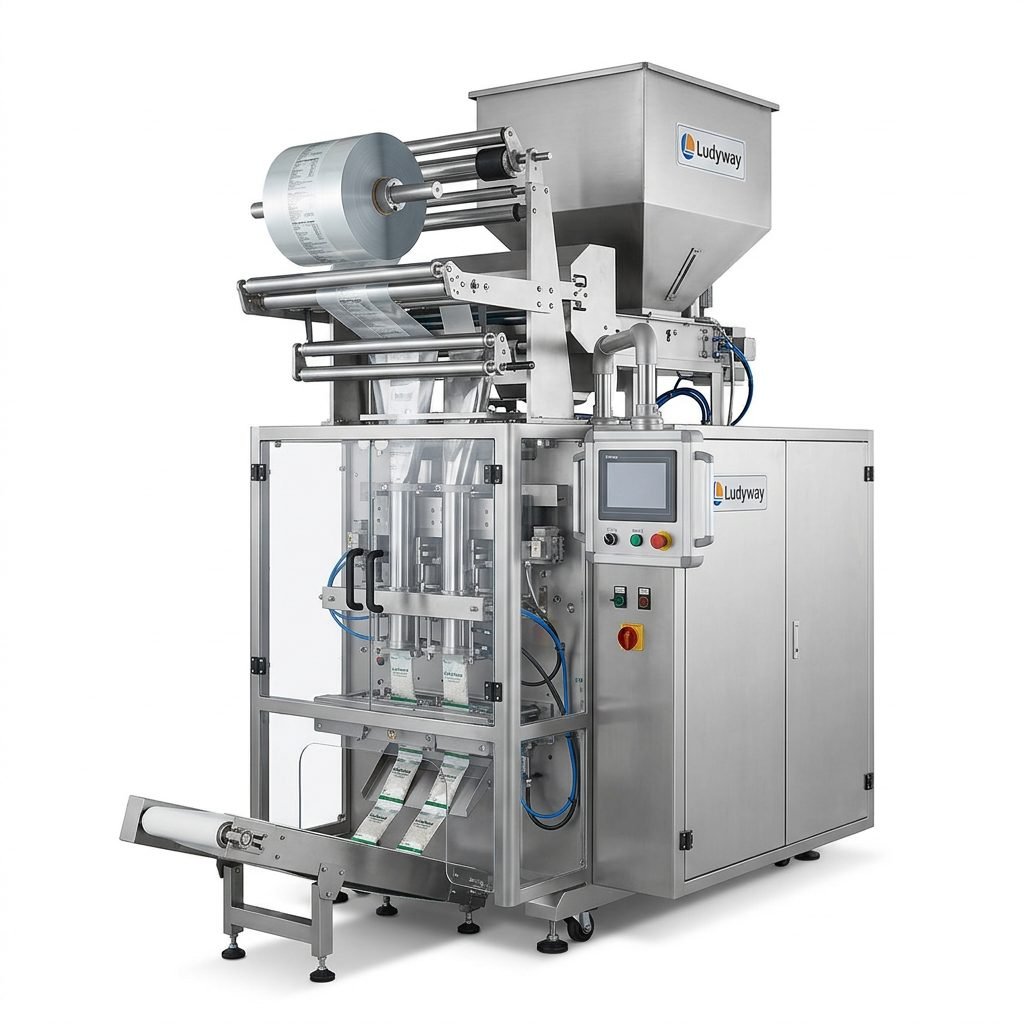
In the fast-paced world of manufacturing and production, the role of a packaging machine operator is critical to ensuring products are safely, efficiently, and attractively prepared for distribution and sale. These skilled professionals are the backbone of packaging lines, operating and maintaining the sophisticated machinery that wraps, seals, labels, and packs everything from food and beverages to pharmaceuticals and consumer goods. Their work directly impacts product quality, operational efficiency, and a company’s bottom line.
Job Description: The Core Responsibilities
A packaging machine operator is primarily responsible for setting up, operating, monitoring, and troubleshooting automated packaging equipment. This involves a hands-on approach from the start of a production run to its completion.
Key Duties Include:
- Machine Setup & Calibration: Reading work orders and configuring machines with the correct packaging materials (film, cartons, labels), adjusting settings for speed, temperature, and seal pressure.
- Operation & Monitoring: Starting machinery, feeding materials, and continuously observing the packaging process to ensure consistent quality and smooth operation.
- Quality Control: Performing regular checks on packaged products for defects like improper seals, incorrect labeling, or damaged packaging. They must adhere to strict quality standards, especially in regulated industries like pharmaceuticals.
- Basic Maintenance & Troubleshooting: Conducting routine cleaning, lubrication, and minor adjustments. Identifying and resolving common mechanical or operational issues to minimize downtime.
- Production Reporting: Recording production data, such as output quantities, machine downtime, and material usage, often using digital systems.
- Safety & Compliance: Following all safety protocols, wearing appropriate personal protective equipment (PPE), and ensuring the work area complies with health and sanitation regulations (e.g., GMP in food and pharma).
Essential Skills for Success
To excel in this role, an operator needs a blend of technical aptitude, practical skills, and personal attributes.
Technical & Mechanical Skills
Understanding how machines work is fundamental. Operators must comprehend mechanical, pneumatic, and increasingly, basic electronic and programmable logic controller (PLC) functions. The ability to use hand tools for adjustments and a keen eye for spotting irregularities in machine sound or performance are invaluable.
Attention to Detail & Quality Focus
In packaging, a small defect can lead to significant waste or product recalls. A sharp eye for detail is non-negotiable. Operators must be vigilant in spotting misaligned labels, weak seals, or incorrect counts, ensuring every unit meets quality specifications.
Problem-Solving & Troubleshooting
When a machine jams or a seal fails, production stops. Effective operators can diagnose the root cause—be it a mechanical fault, a material issue, or an incorrect setting—and apply a logical solution quickly to resume operations.
Reliability & Physical Stamina
The role often involves standing for long periods, lifting moderate weights (like rolls of film or boxes), and working in environments that may be noisy or require temperature control. Reliability and consistent performance are highly valued in shift-based manufacturing settings.
Teamwork & Communication
Packaging operators work as part of a larger production team, coordinating with line supervisors, maintenance technicians, and quality assurance personnel. Clear communication about machine status, production issues, or supply needs is essential for smooth workflow.
The Impact of Advanced Automation
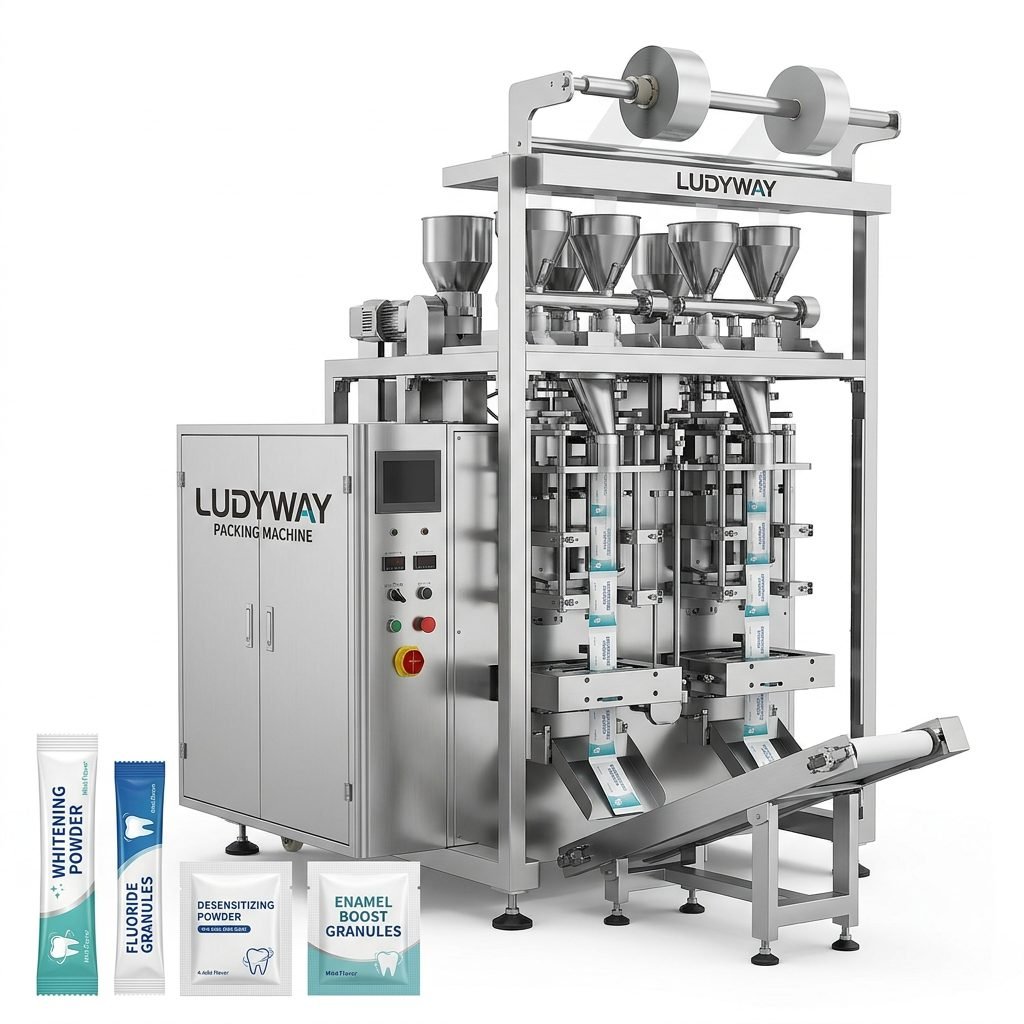
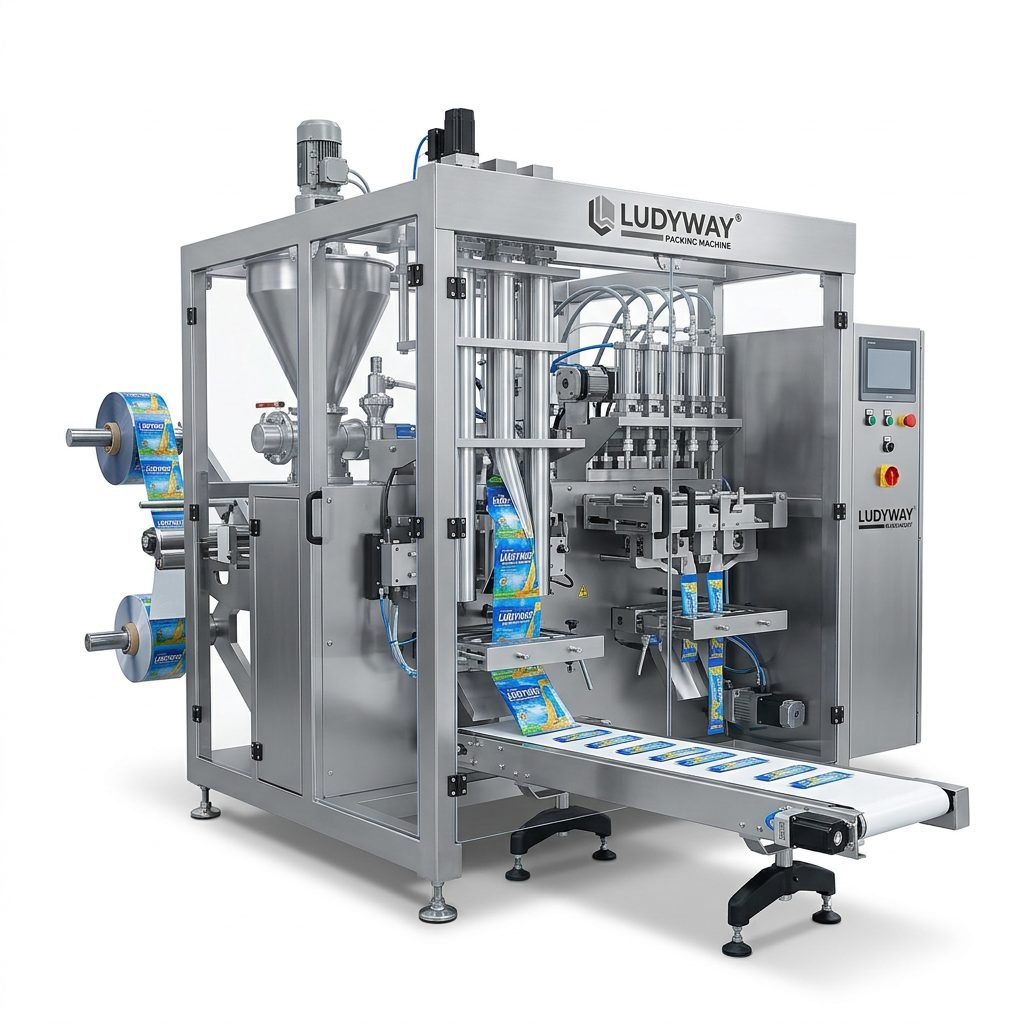
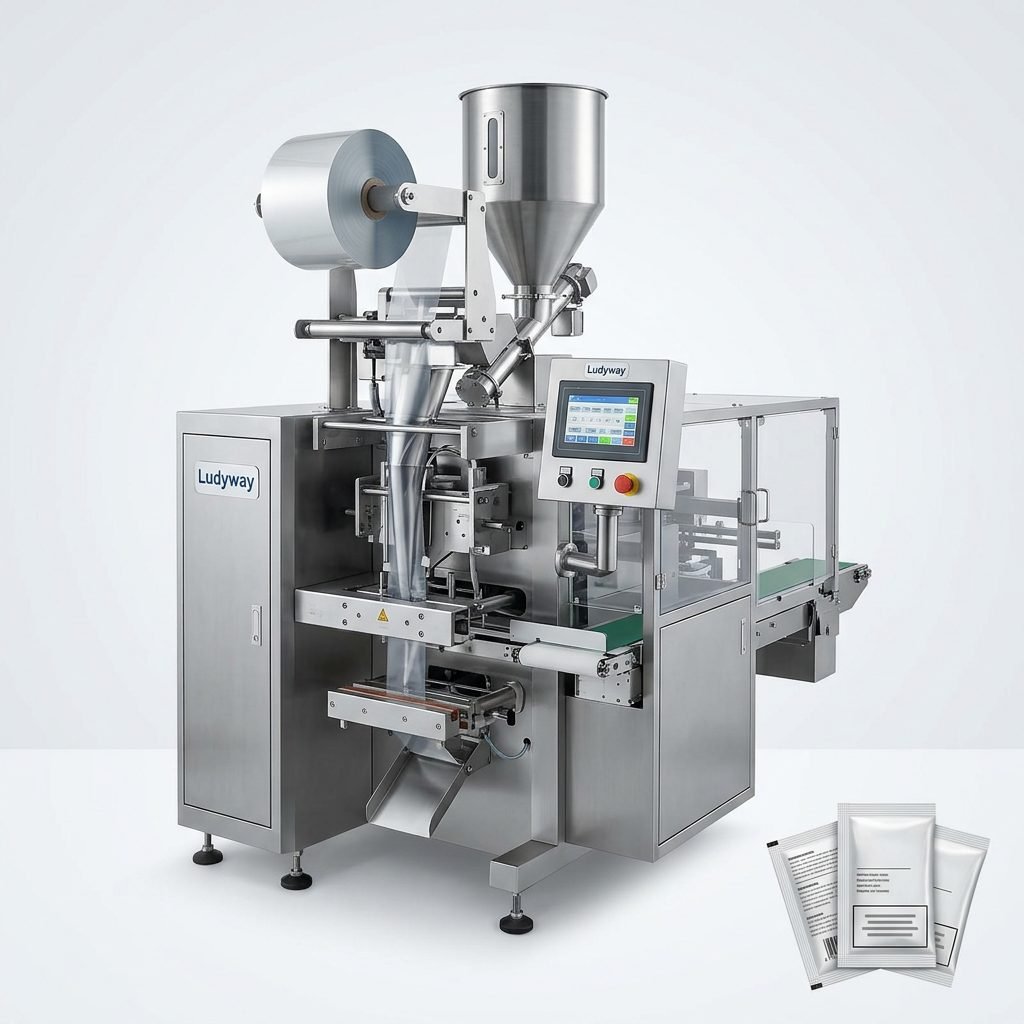
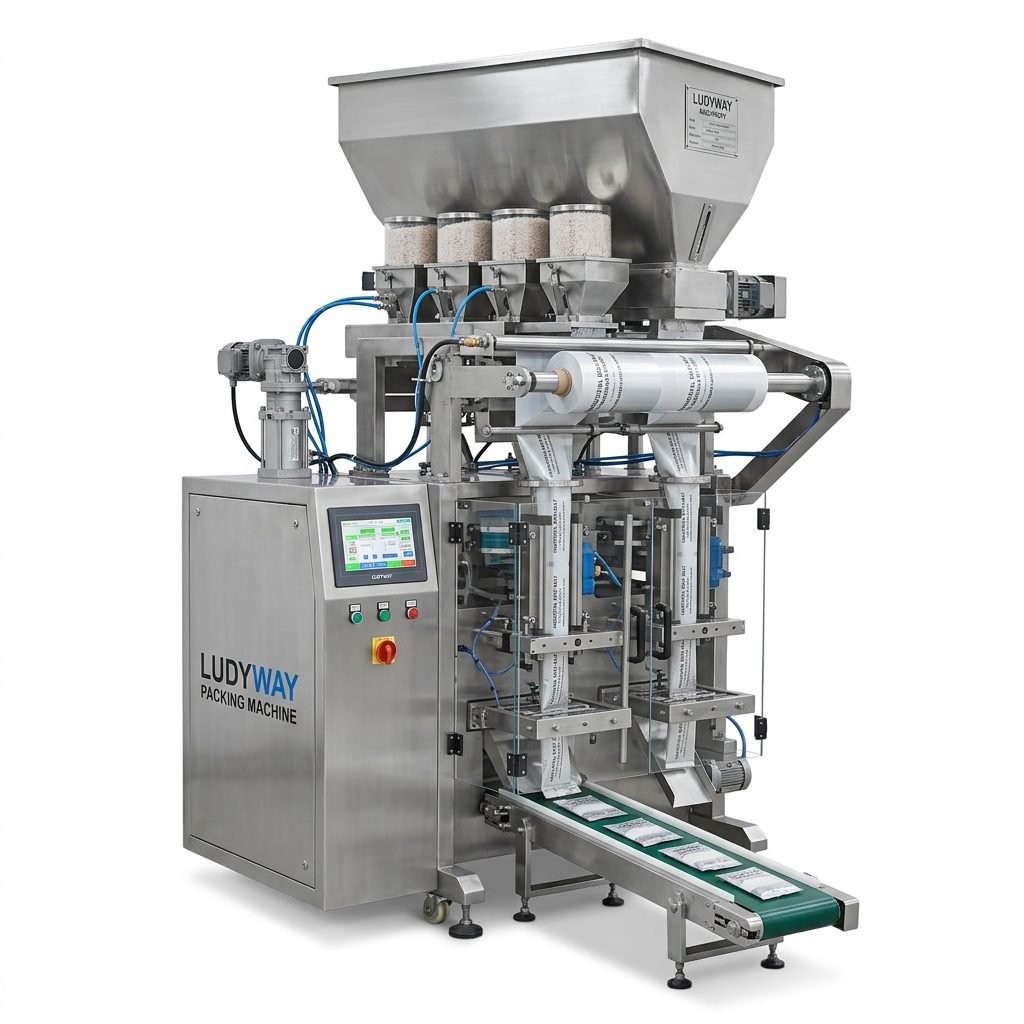
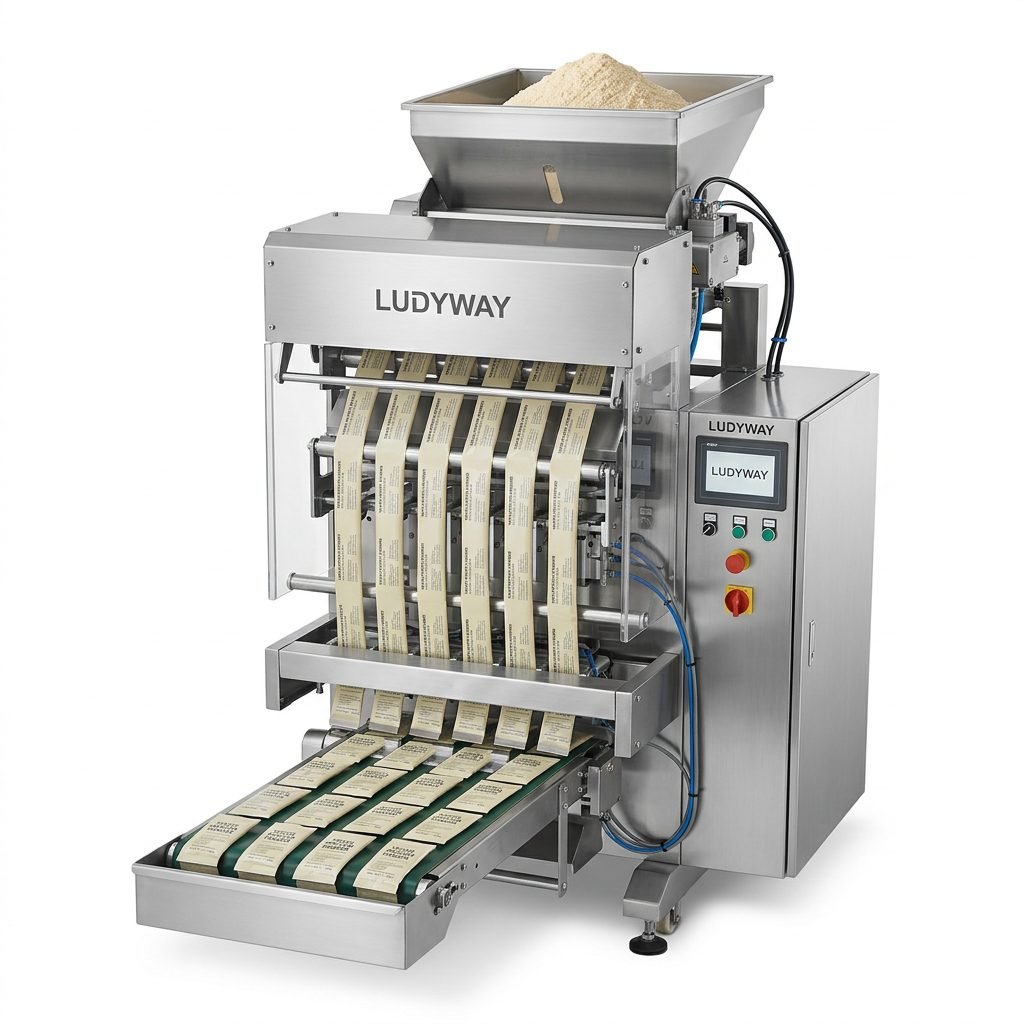
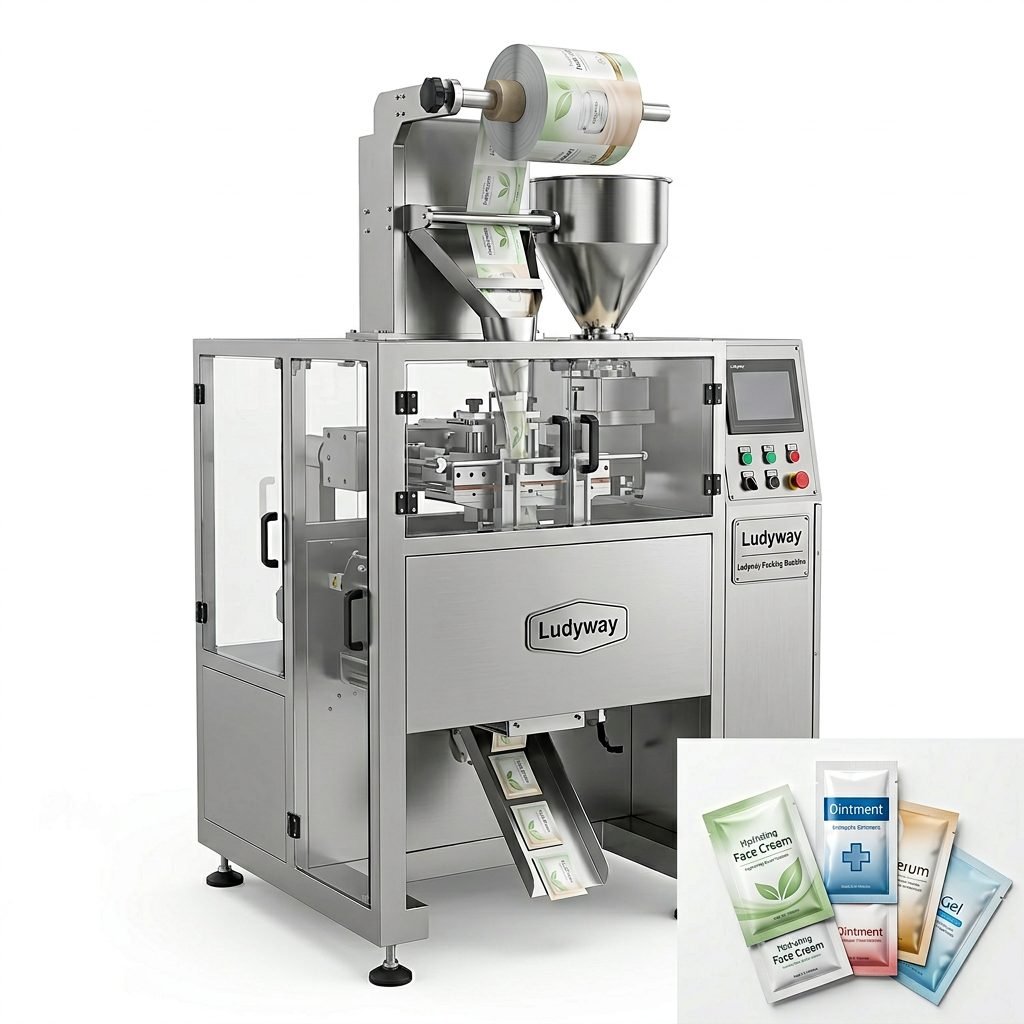
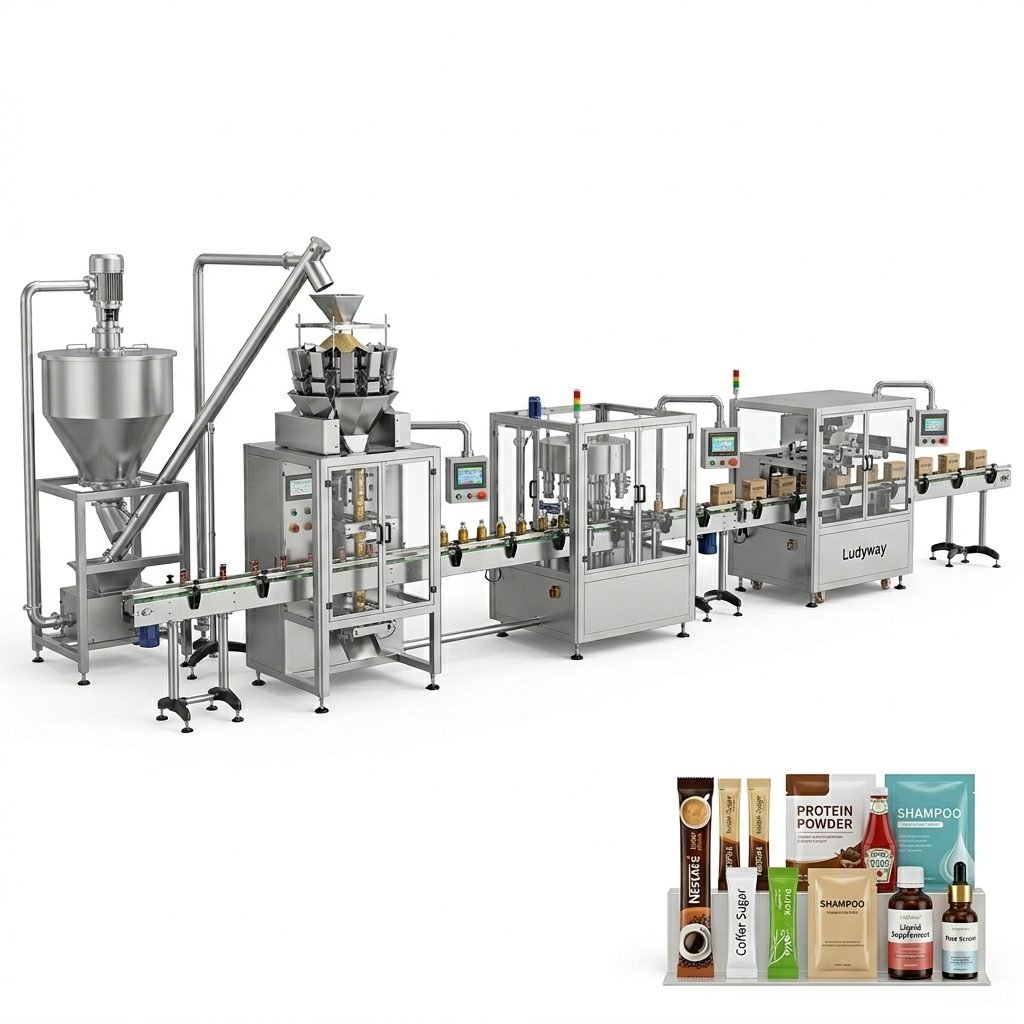
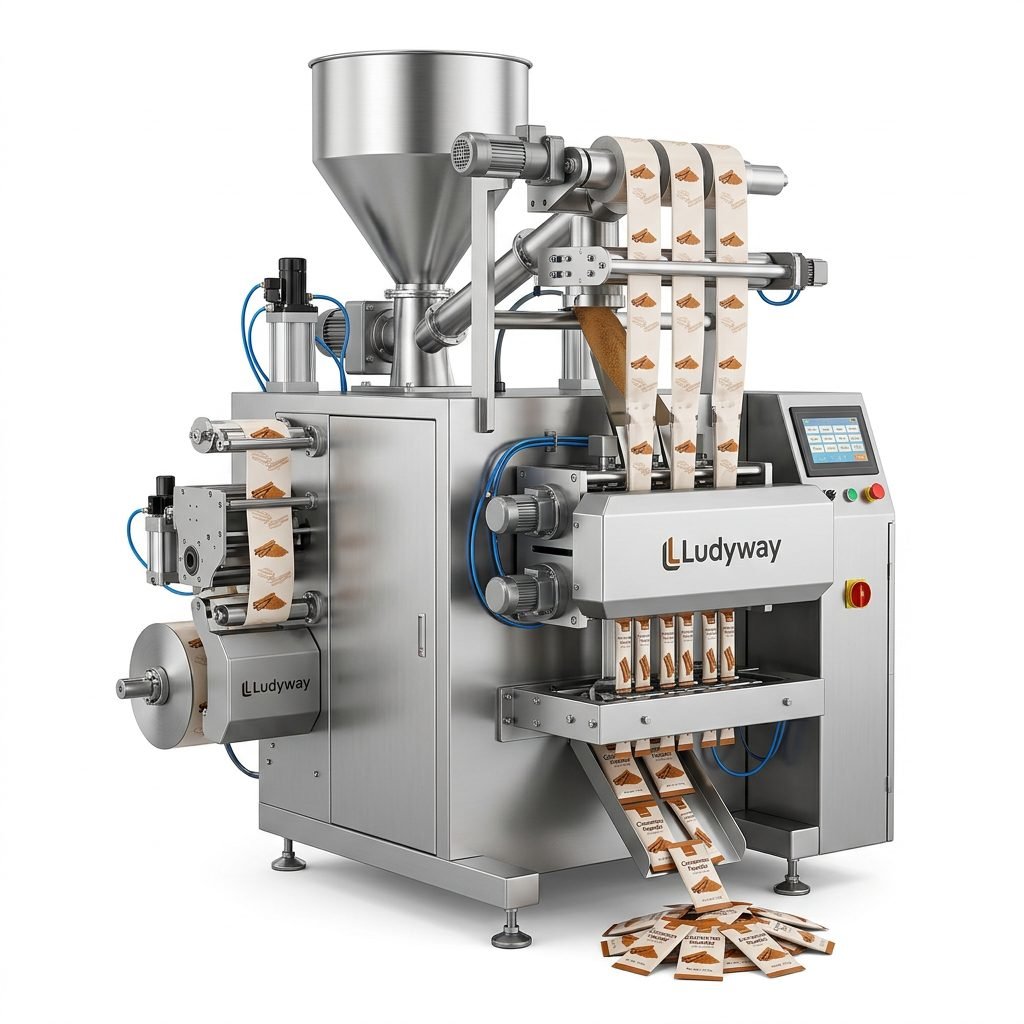
Modern packaging lines, such as the high-speed multi-lane stick pack machines or fully automated sachet packaging systems, require operators to have a higher level of technical interface skills. Instead of manual adjustments, they often interact with touchscreen Human-Machine Interfaces (HMIs) to input parameters, view diagnostics, and track production efficiency. This evolution shifts the role from purely manual operation to a more analytical and technical oversight position.
Career Path and Advancement Opportunities
A position as a packaging machine operator is often a solid entry point into the manufacturing sector, with multiple pathways for growth.
Vertical Advancement
With experience and proven skill, operators can progress to senior or lead operator roles, responsible for mentoring newcomers and overseeing a specific line. The next step could be a Packaging Line Supervisor or Production Coordinator, managing shifts, scheduling, and personnel.
Specialized Technical Roles
Operators with a strong mechanical or electrical inclination can move into Packaging Maintenance Technician roles. This path involves deeper training in diagnosing complex faults, performing repairs, and executing preventive maintenance programs on advanced equipment.
Quality and Process Roles
Those with an exceptional eye for detail may transition into Quality Control Inspector or Process Technician positions. Here, they focus on optimizing packaging parameters, reducing waste, and ensuring consistent adherence to quality standards, potentially working with technologies like vision inspection systems.
Beyond the Production Floor
Further career development could include roles in Production Planning, Logistics, or even Technical Sales and Support for packaging machinery manufacturers. In these roles, firsthand operational experience is a tremendous asset when communicating with clients or planning efficient production workflows.
Industry Context and Specializations
The specific duties and required knowledge can vary significantly depending on the industry.
Food & Beverage Packaging
Operators must prioritize hygiene and sanitation, often working in clean environments. Knowledge of different packaging types—like vacuum sealing, modified atmosphere packaging (MAP), or liquid filling—is crucial. Speed and efficiency are paramount in high-volume settings.
Pharmaceutical & Medical Packaging
This sector demands the highest level of precision and regulatory compliance. Operators work with blister packs, sterile medical device packaging, and sensitive products. Strict documentation, adherence to Standard Operating Procedures (SOPs), and understanding of cleanroom protocols are essential skills learned on the job or through specialized training.
Cosmetics & Consumer Goods
Here, aesthetic presentation is key. Operators may work with intricate folding cartons, high-quality labeling, and premium materials. Attention to visual detail and consistency is critical to maintain brand image.
Frequently Asked Questions (FAQs)
What qualifications do I need to become a packaging machine operator?
While a high school diploma or equivalent is often the minimum requirement, employers highly value technical or vocational training in mechanics, industrial maintenance, or mechatronics. Most importantly, on-the-job training is where operators gain the specific skills for the machinery they will use. A strong foundation in math, basic computer skills, and mechanical reasoning is beneficial.
Is this a job that is being replaced by robots?
While automation is increasing, the role is evolving rather than disappearing. Fully automated lines still require human oversight for setup, quality checks, troubleshooting, and maintenance. The demand is shifting towards operators who can manage and interact with complex automated systems, making technical skills more valuable than ever.
What is the work environment like?
Packaging machine operators typically work in manufacturing plants or factories. The environment can be noisy, and depending on the industry, may require standing for long periods. It is generally a fast-paced setting focused on meeting production targets. Safety is a major focus, with clear protocols for machinery operation.
What are the biggest challenges in this job?
Key challenges include maintaining consistent quality under time pressure, efficiently troubleshooting unexpected machine breakdowns to minimize downtime, and adapting to frequent changes in packaging materials or product runs. Physical stamina and the ability to stay focused on repetitive tasks are also tested.
How can I advance my career from this position?
Proactive steps include seeking certification in machine operation or maintenance (if available), volunteering for training on new and more complex equipment, demonstrating leadership and problem-solving skills, and expressing interest in cross-training in quality control or maintenance. Showing initiative and a strong work ethic is the most reliable path to advancement.