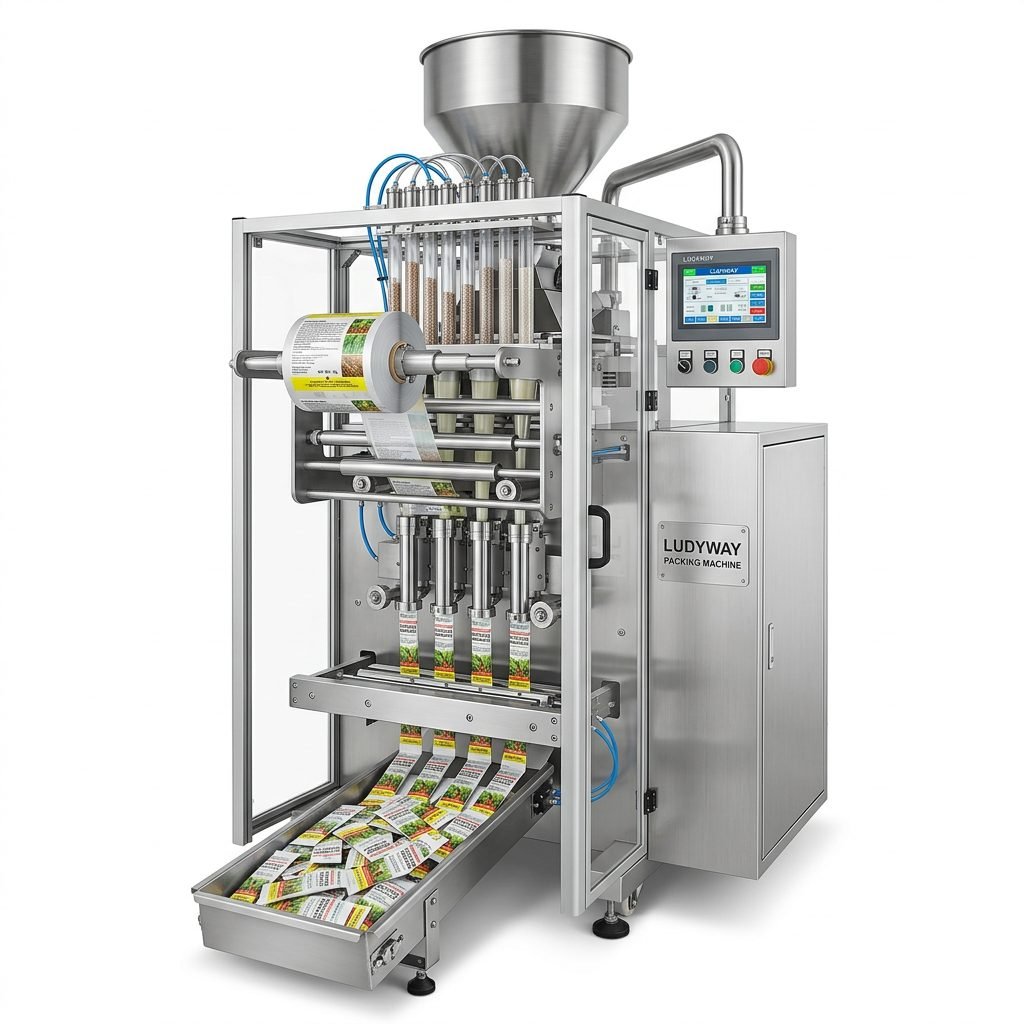
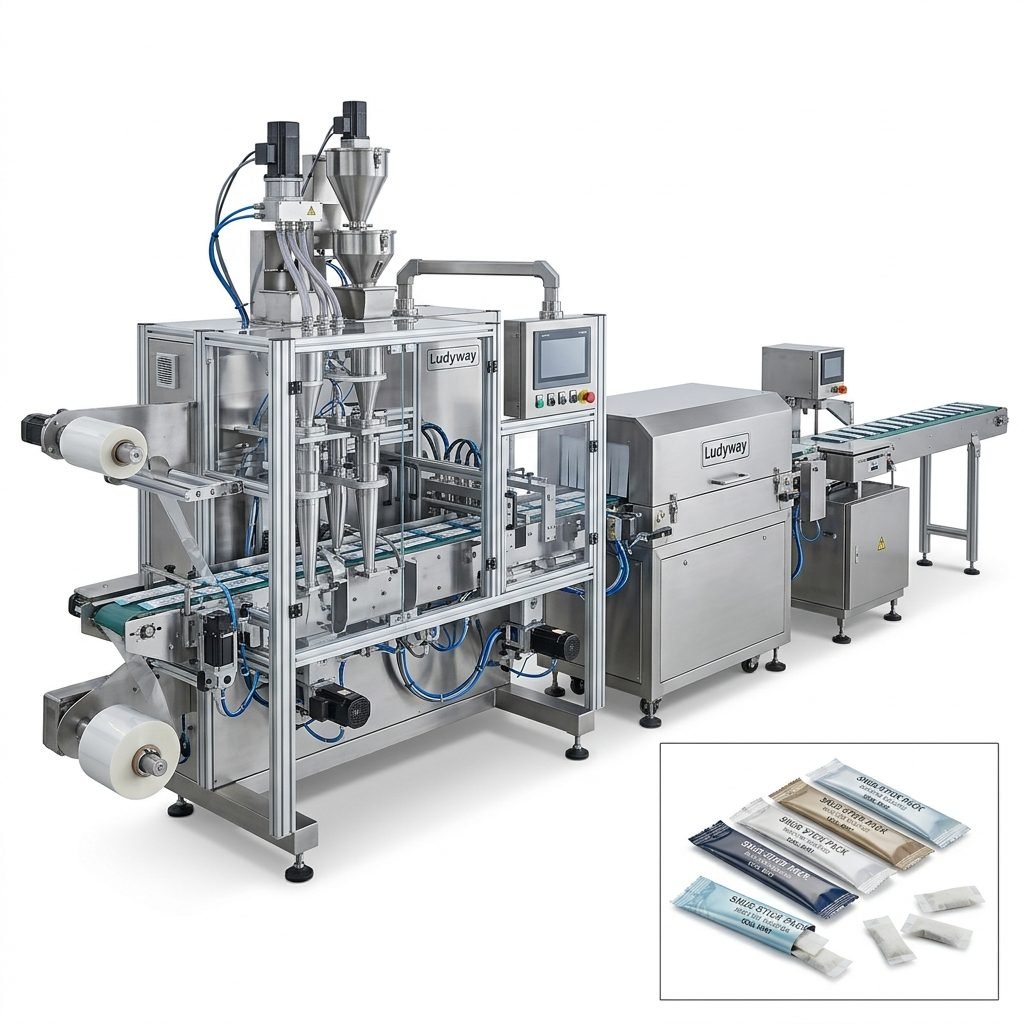
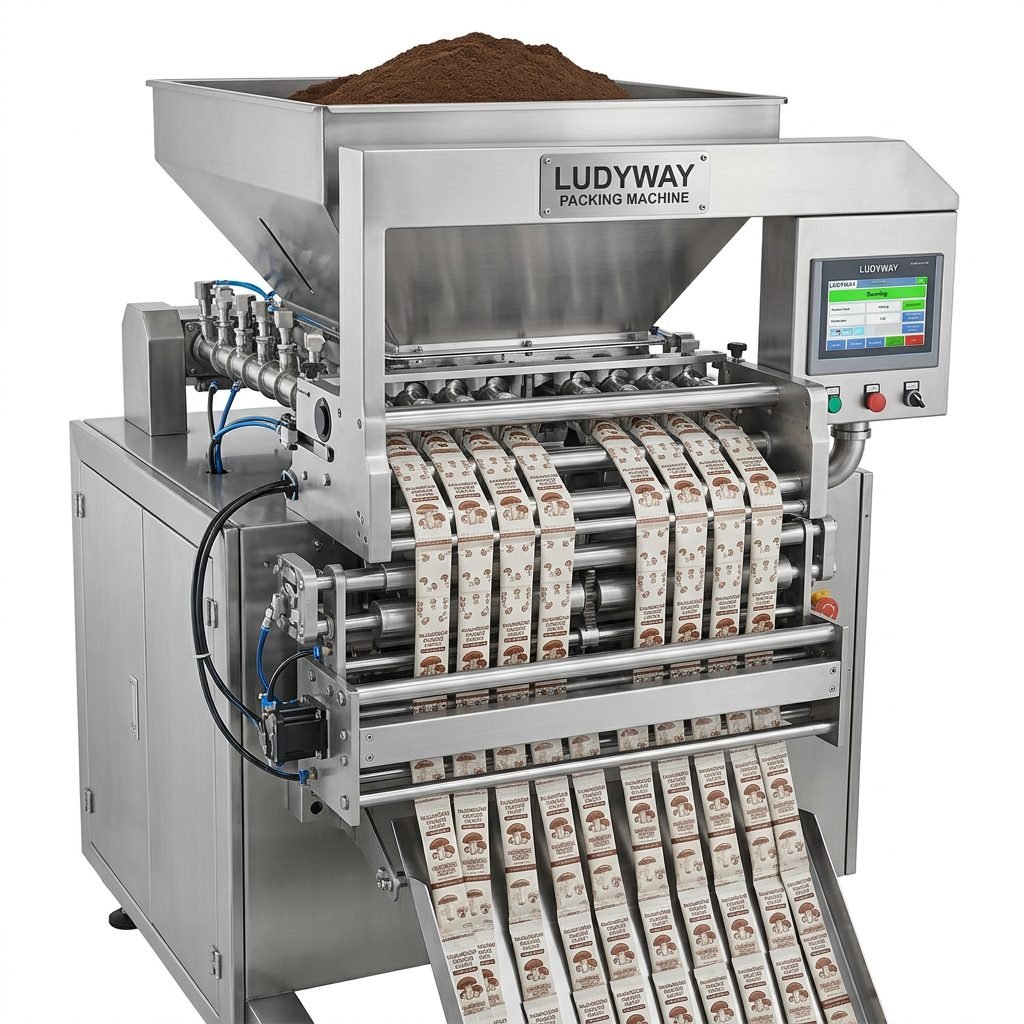
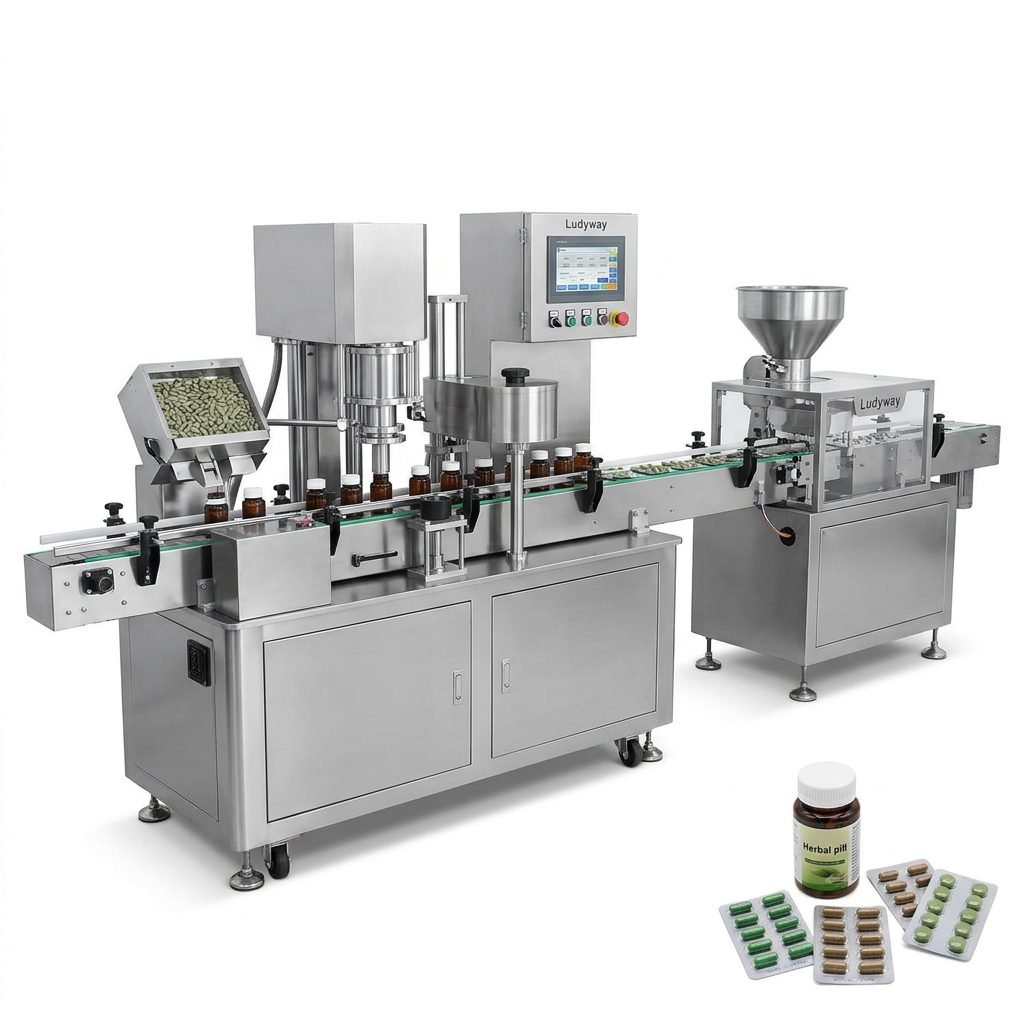
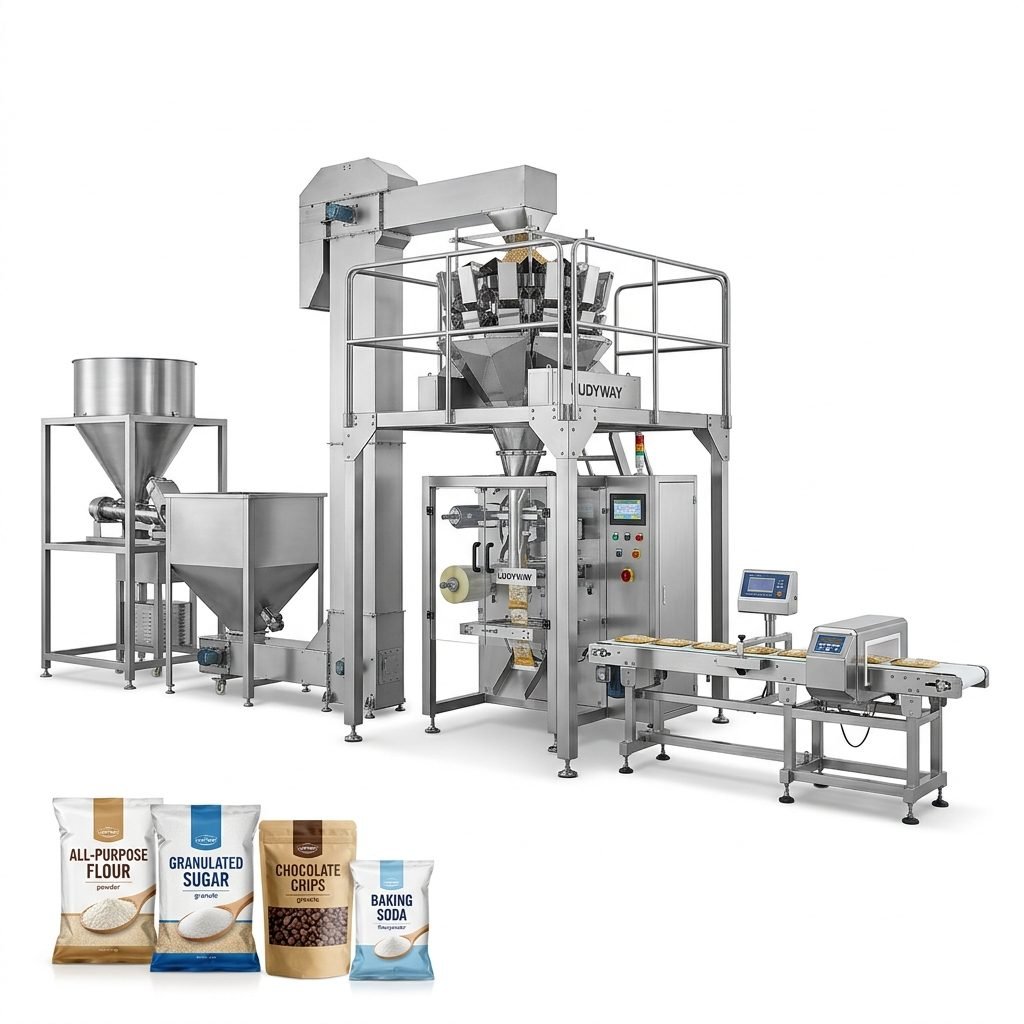
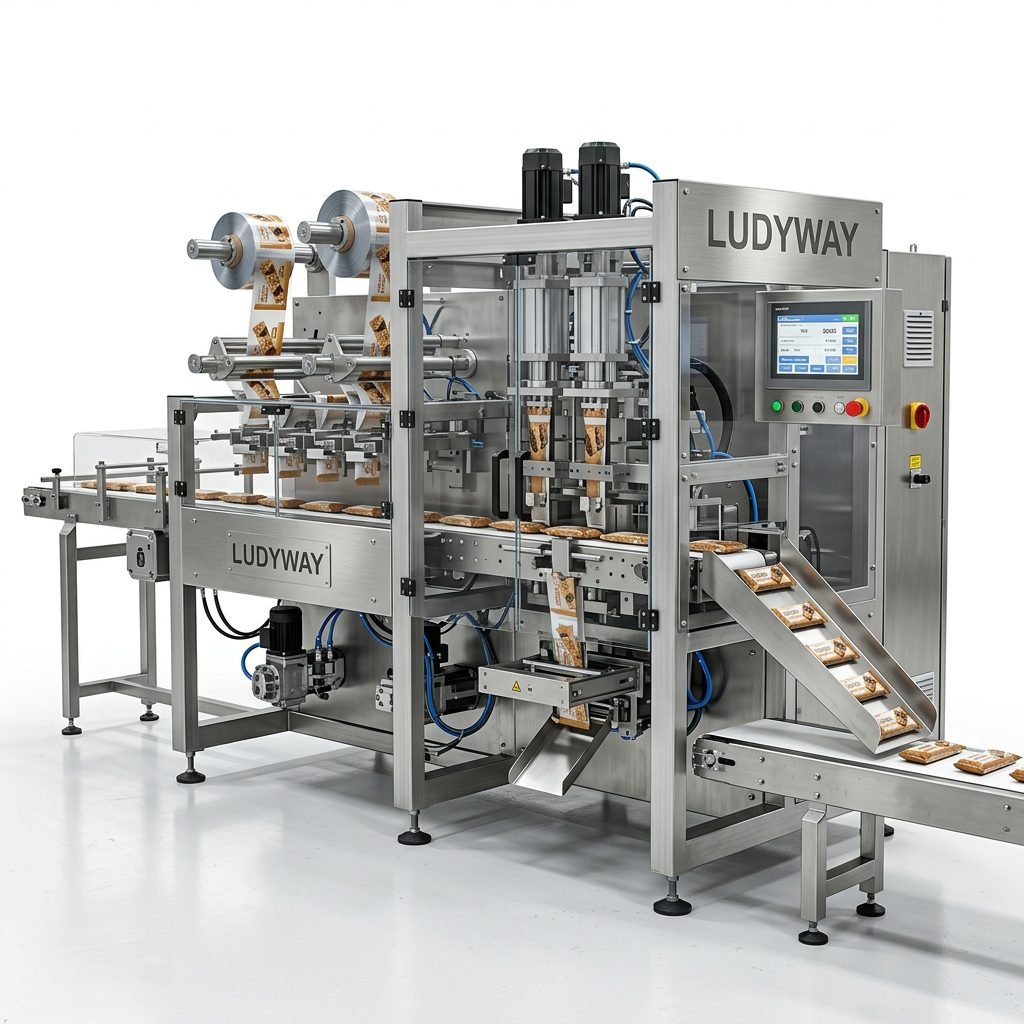
In the fast-paced world of food and snack production, efficiency is not just a goal—it’s a necessity. The demand for high-quality, hygienically packaged products is ever-increasing, and manufacturers are constantly seeking solutions that can keep up with market trends while maintaining cost-effectiveness. This is where the role of advanced packaging machinery becomes critical. High-efficiency woodman packaging machines represent a significant leap forward in automation technology, offering unparalleled speed, precision, and reliability for packaging operations.
The Evolution of Packaging in Food Production
Packaging has transformed from a simple protective function to a complex system integral to branding, shelf life, and consumer convenience. For snacks and food items, packaging must ensure freshness, prevent contamination, and often provide portion control. Modern packaging solutions must handle a variety of materials—from laminated films for chips and nuts to specialized pouches for powders and liquids—with consistent accuracy.
Key Market Drivers
The shift towards automation is driven by several factors:
- Labor Cost Reduction: Automated systems significantly reduce dependency on manual packaging lines.
- Hygiene and Safety Standards: Automated machines minimize human contact, crucial for food safety compliance.
- Production Scalability: Businesses can easily scale output up or down based on demand.
- Consistency and Waste Reduction: Precision engineering ensures each package is identical, reducing material waste.
Core Features of High-Efficiency Woodman Packaging Machines
These machines are engineered to meet the rigorous demands of modern food production facilities. Their design focuses on several core aspects that directly impact operational efficiency and product quality.
1. Advanced Servo Drive Systems
Unlike traditional mechanical systems, modern woodman packaging machines utilize servo motor technology for controlling film feeding, sealing, and cutting. This allows for:
- Extremely precise positioning and repeatability.
- Quick changeover between different product sizes or packaging formats.
- Reduced mechanical wear and tear, leading to lower maintenance costs.
- Energy efficiency, as motors only consume power during movement.
2. Intelligent Control and HMI Interface
The heart of the machine is its programmable logic controller (PLC) paired with a user-friendly Human-Machine Interface (HMI) touchscreen. Operators can:
- Store hundreds of product recipes for instant recall.
- Monitor real-time production data like speed, output count, and error logs.
- Perform diagnostics and troubleshoot issues with guided prompts.
- Adjust parameters like temperature, speed, and sealing pressure with precision.
3. Versatile Packaging Formats
High-efficiency models are designed for flexibility. They can typically produce:
- Stand-up Pouches (Doypack): Ideal for snacks, nuts, and powdered drinks.
- Three-Side or Four-Side Seal Bags: Common for chips, cookies, and frozen foods.
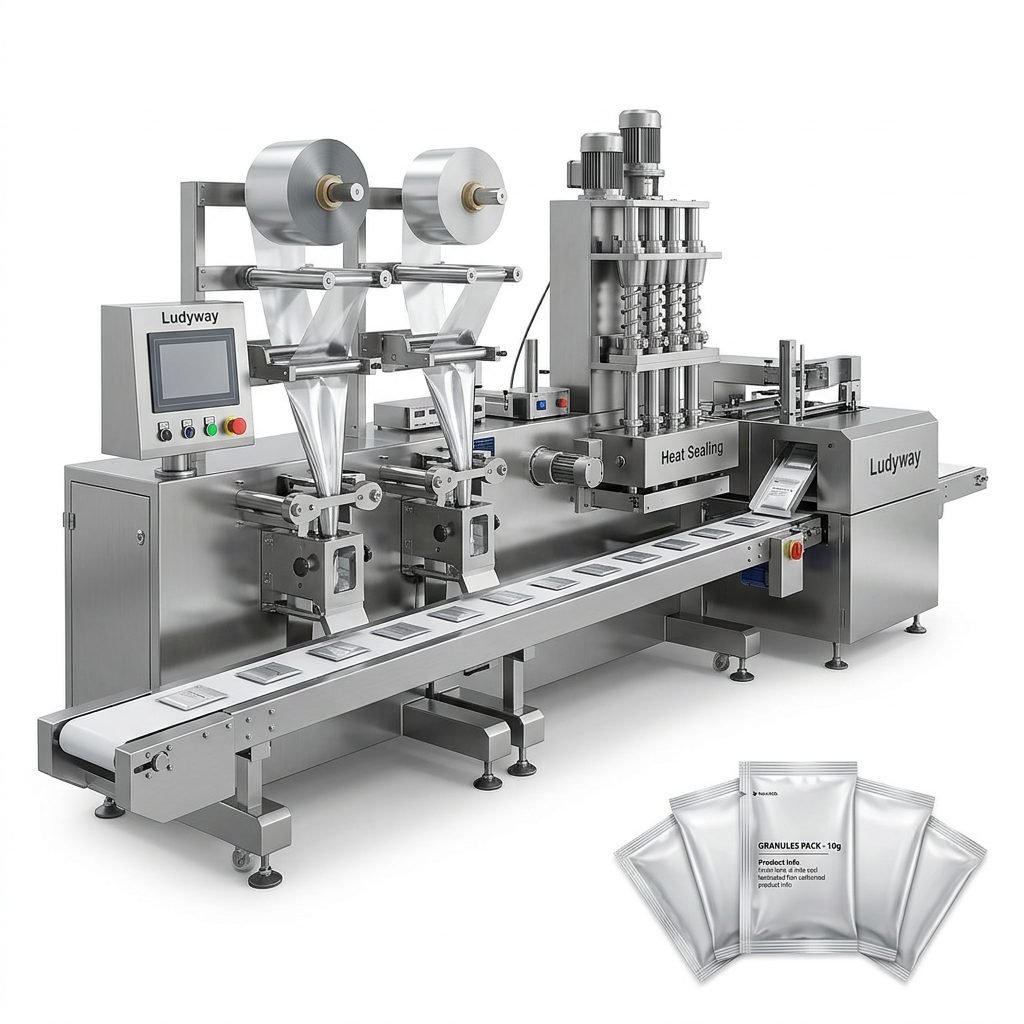
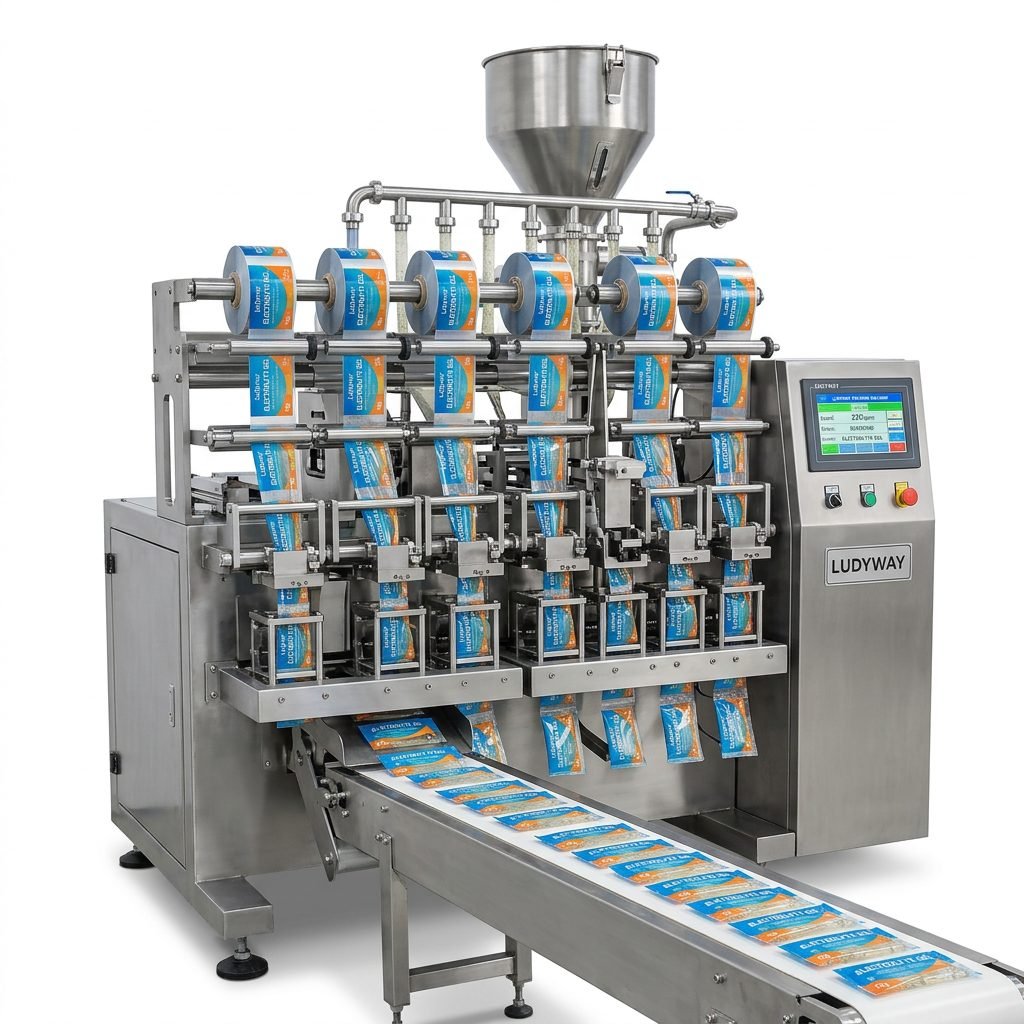
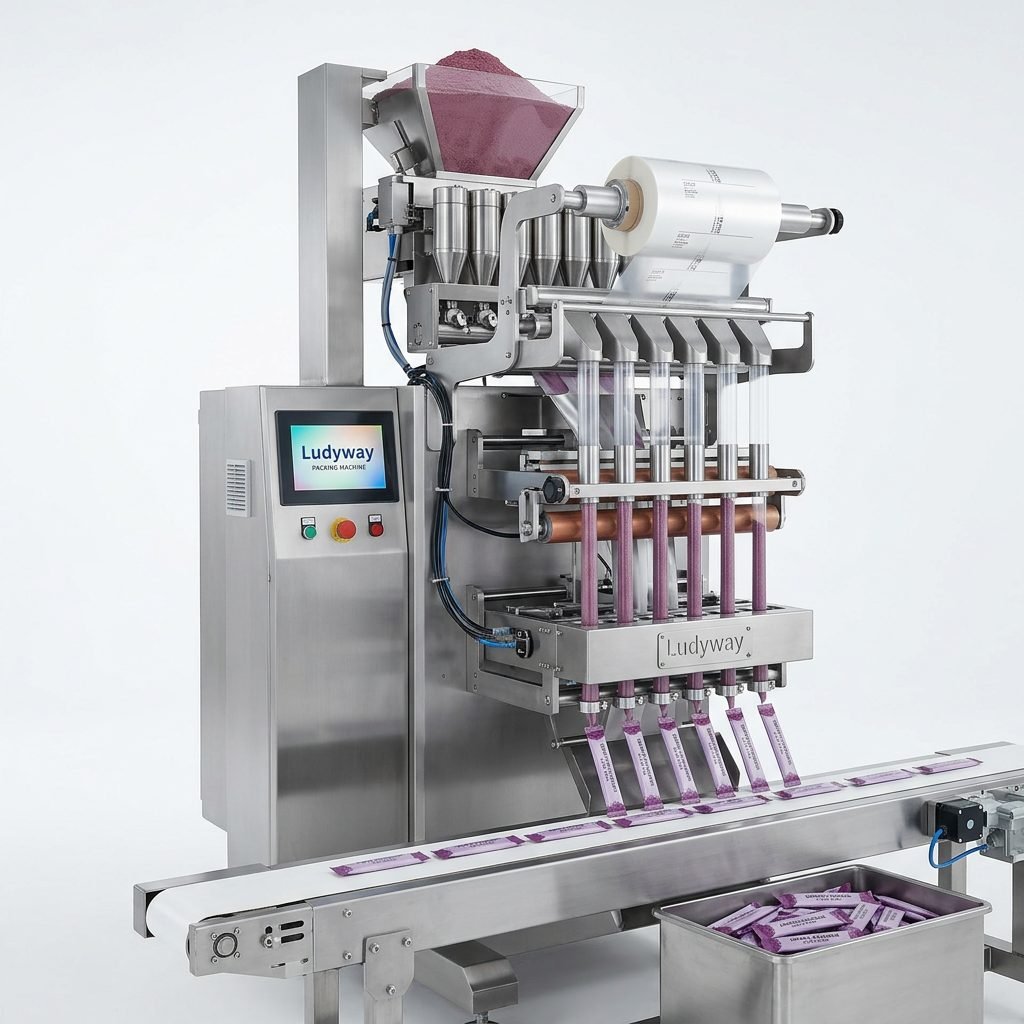
- Stick Packs and Sachets: Perfect for single-serve condiments, sauces, or supplements.
This versatility allows a single production line to cater to multiple product lines, maximizing return on investment. For businesses looking to expand their capabilities, exploring complete packaging line solutions can be a strategic move.
Operational Benefits at a Glance
Increased Output
Capable of speeds from 60 to over 200 bags per minute, dramatically boosting production capacity.
Enhanced Precision
Accurate filling and consistent seal integrity reduce giveaway and product spoilage.
Quick Changeover
Modular designs allow for rapid switching between bag sizes, minimizing downtime.
Integration into Smart Production Lines
The true potential of a high-efficiency packaging machine is realized when it is integrated into a complete, automated production line. This involves seamless connection with upstream and downstream equipment.
Upstream Integration
The packaging machine can be linked with:
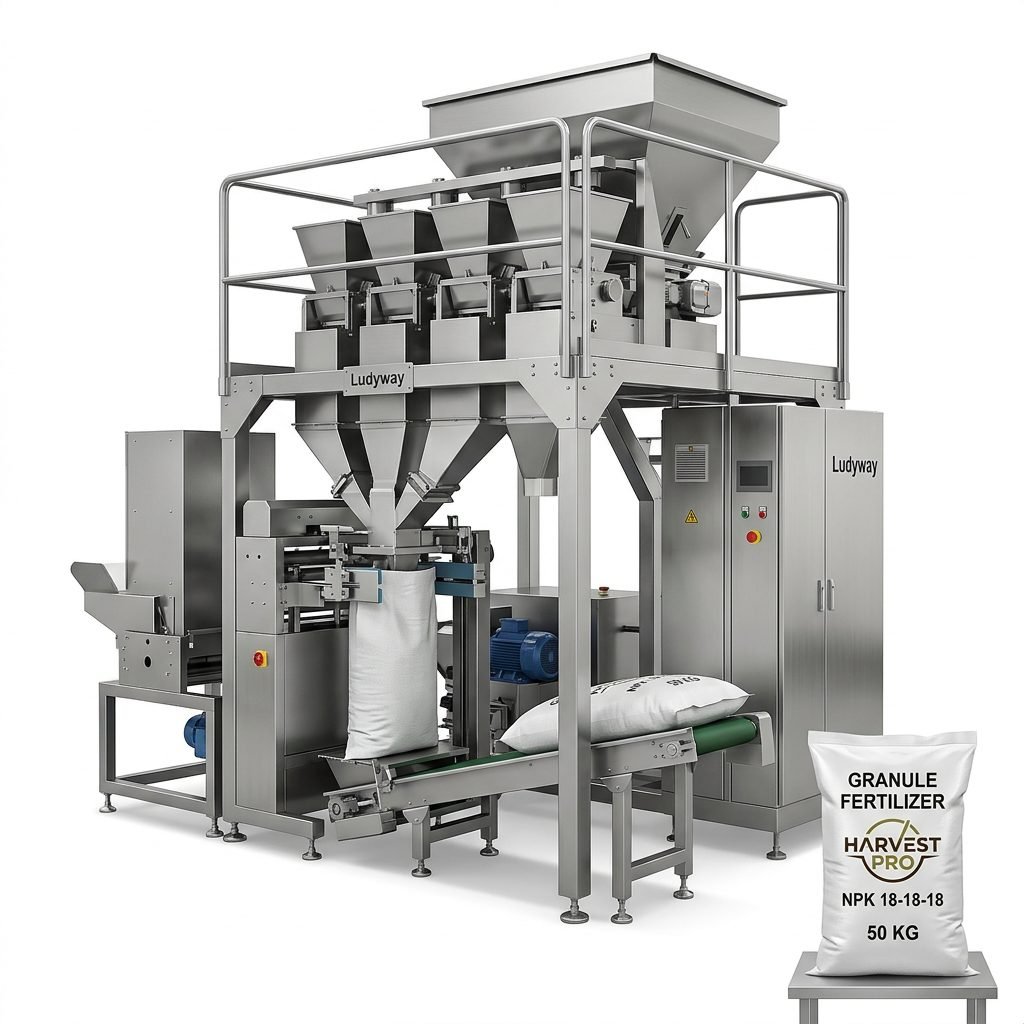
- Product Feeders: Such as vibratory feeders, auger fillers for powders, or volumetric cup fillers for granules.
- Checkweighers: To ensure every bag meets the specified weight, with feedback to the filler for automatic adjustment.
- Metal Detectors/X-ray Systems: For critical food safety inspection before packaging.
Downstream Integration
After packaging, the line can include:
- Cartoners: To automatically collate and box the finished bags.
- Case Packers and Palletizers: For final preparation for shipping.
This level of integration, supported by decades of engineering expertise, creates a continuous, closed-loop system that maximizes throughput and minimizes manual handling.
Material Compatibility and Sustainability
Today’s packaging machines must handle a wide range of materials, including recyclable and biodegradable films. High-efficiency woodman machines are designed with advanced sealing jaws and temperature control systems that can effectively seal:
- Traditional laminates (PET/AL/PE).
- Monomaterials like Polypropylene (PP) or Polyethylene (PE) for improved recyclability.
- Compostable films made from PLA or other bio-based materials.
This adaptability future-proofs your investment and aligns with growing consumer and regulatory pressure for sustainable packaging.
Choosing the Right Machine for Your Needs
Selecting a packaging machine is a significant investment. Key considerations include:
- Product Characteristics: Size, shape, flowability (for granules/powders), and oiliness.
- Required Output Speed: Match the machine’s capacity with your current and projected future volumes.
- Packaging Material: Ensure the machine’s sealing system is compatible with your chosen film.
- Factory Space and Utilities: Consider footprint, power requirements, and compressed air needs.
- After-Sales Support: Reliable technical service, spare parts availability, and training are crucial for uptime.
Frequently Asked Questions (FAQs)
1. What is the typical lifespan of a high-efficiency woodman packaging machine?
With proper maintenance and operation, a well-built machine from a reputable supplier can have a lifespan of 10 to 15 years or more. Critical factors include adherence to maintenance schedules, using recommended spare parts, and operating within the machine’s designed parameters.
2. How difficult is it to train operators on these machines?
Modern machines with intuitive HMI screens are designed for ease of use. Basic operation and routine changeovers can often be learned in a few days. Comprehensive training provided by the supplier is essential for troubleshooting and deeper maintenance procedures.
3. Can one machine handle both solid snacks (like chips) and powders (like drink mix)?
While the core packaging machine (forming, filling, and sealing) can often be the same, the filling system usually needs to be changed or adapted. A machine might use a volumetric cup filler for chips and an auger filler for powder. Many machines are designed with modular filling systems for this purpose.
4. What are the most common maintenance requirements?
Regular maintenance includes daily cleaning, lubrication of moving parts as per the manual, inspection and replacement of wear parts like sealing jaws, cutting blades, and film pull belts, and checking for loose bolts or electrical connections.
5. How does the machine ensure consistent seal quality?
Consistent seals are achieved through precise temperature control of the sealing jaws, accurate pressure application, and dwell time. High-quality machines have PID temperature controllers and robust, evenly heated jaws to create strong, hermetic seals across the entire bag width.