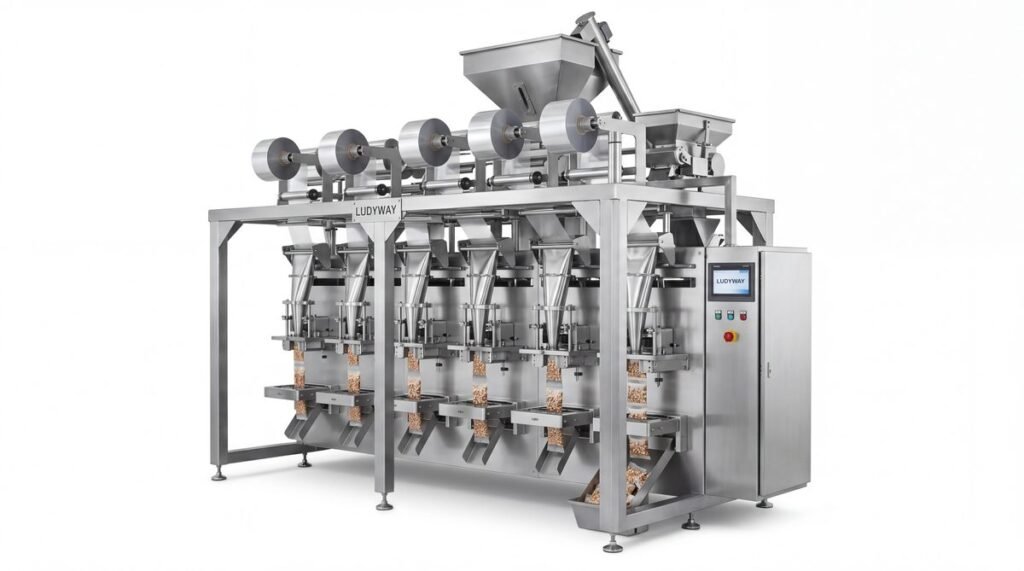
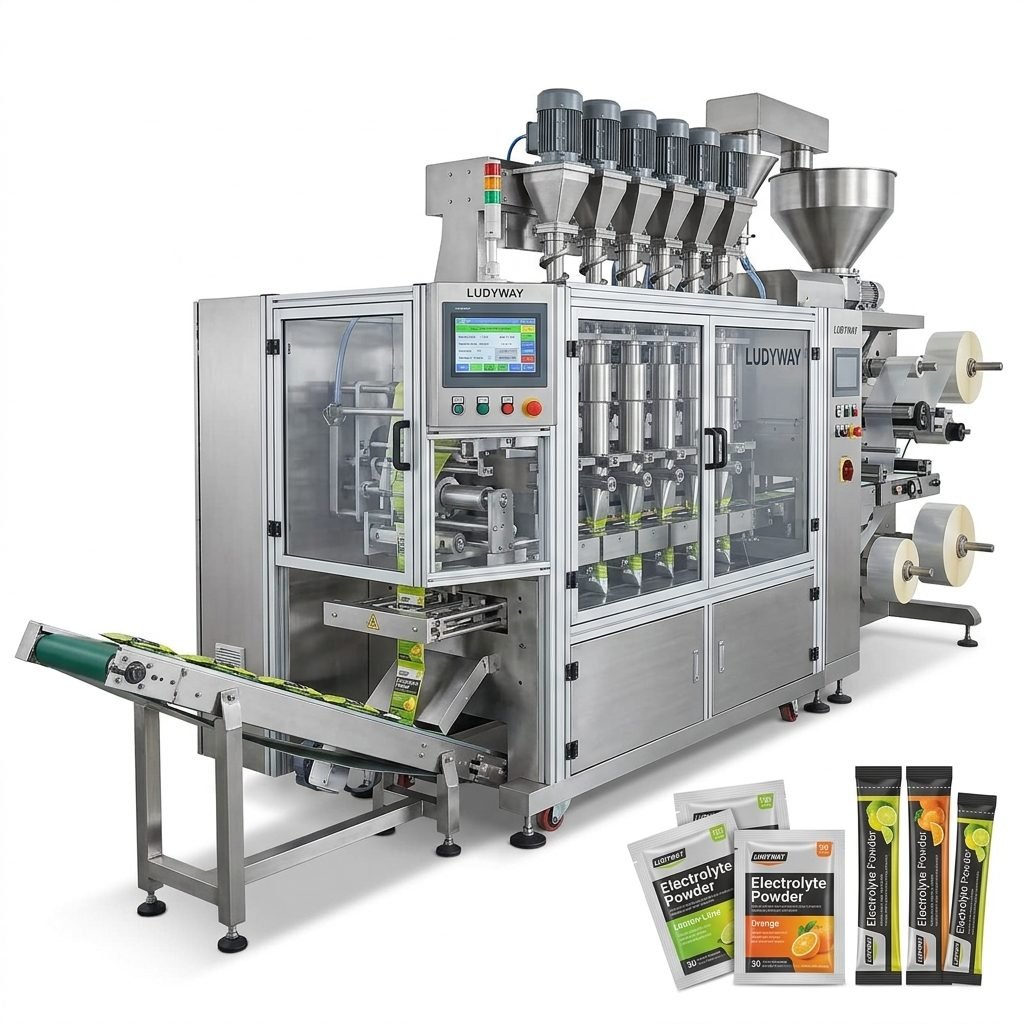
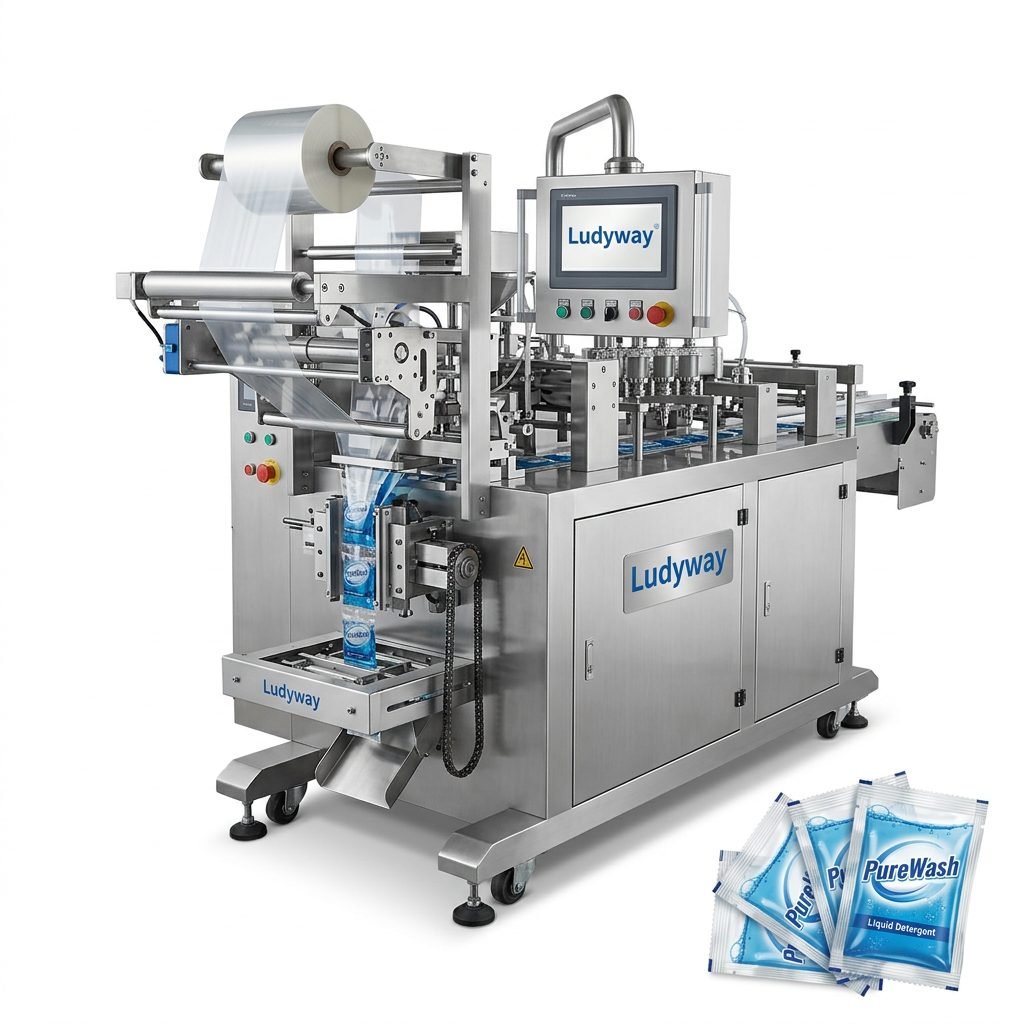
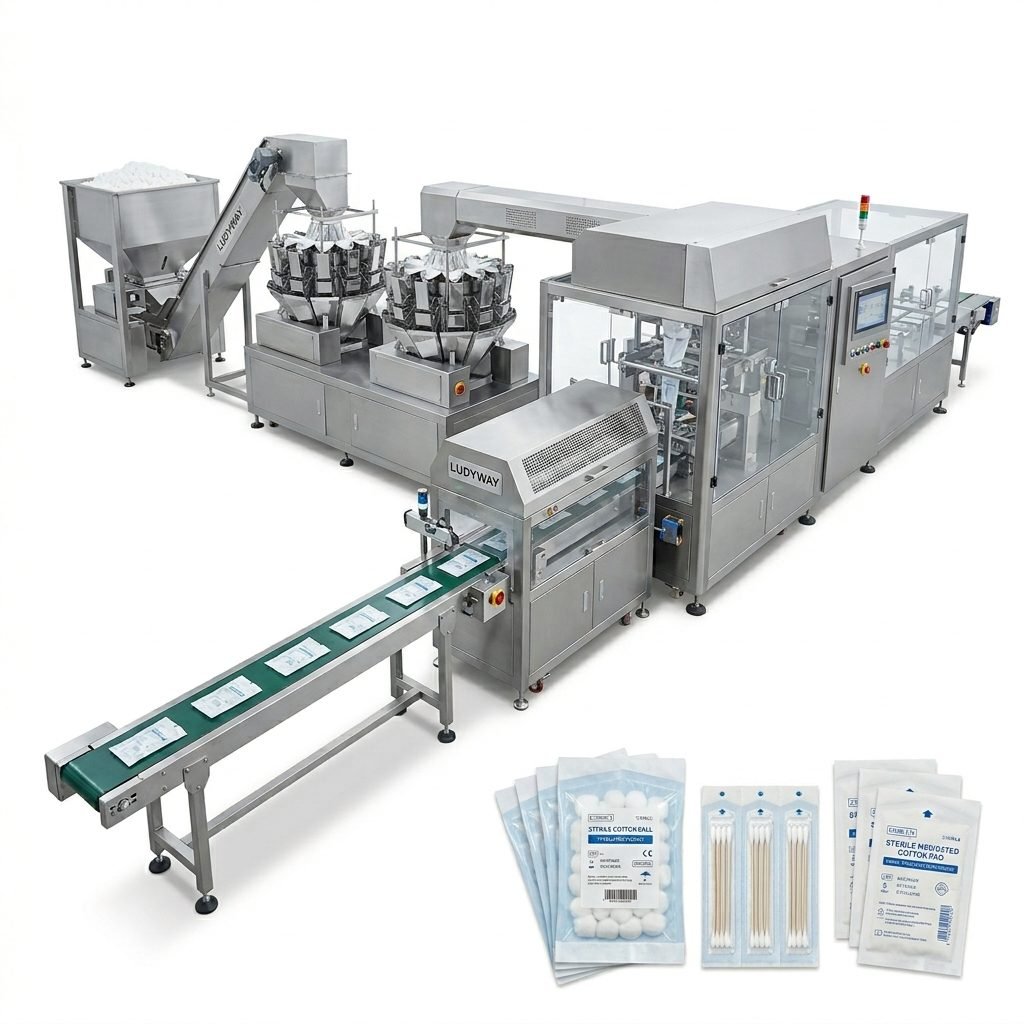
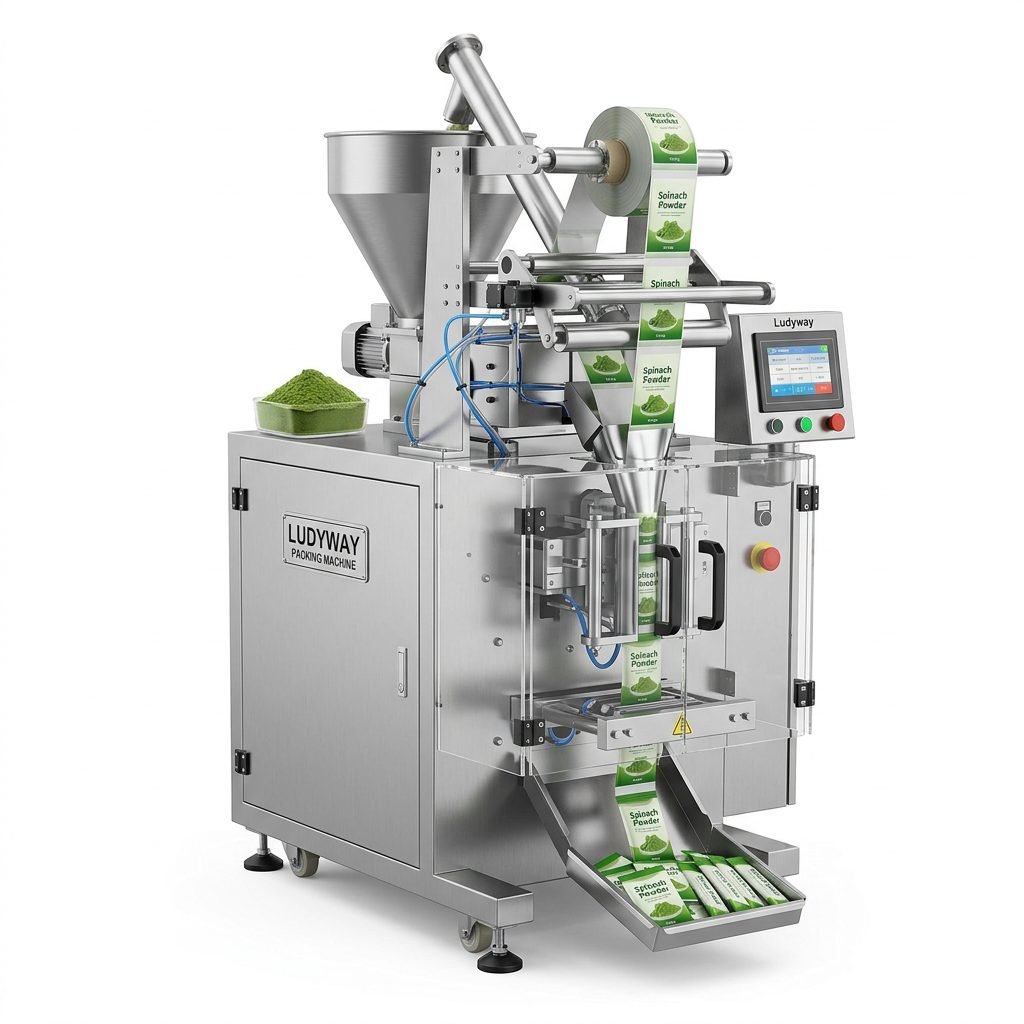
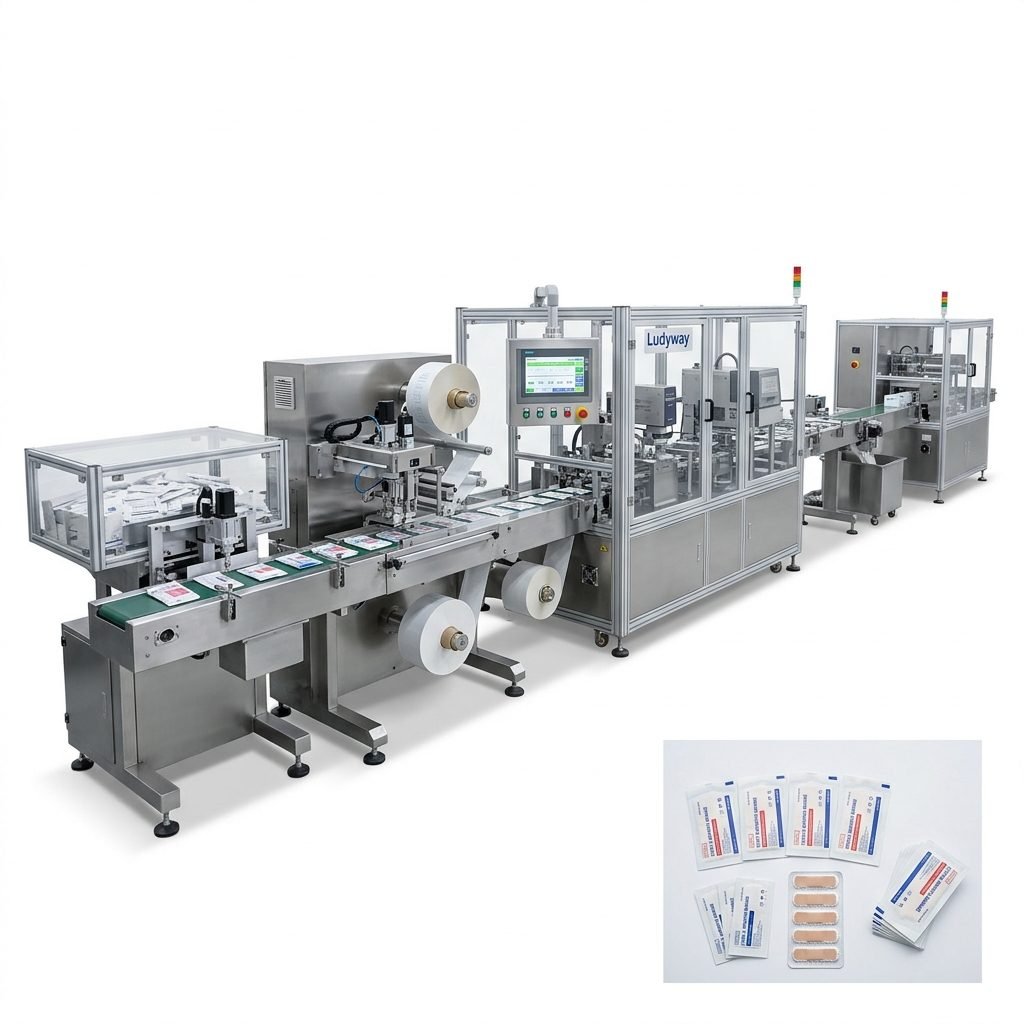
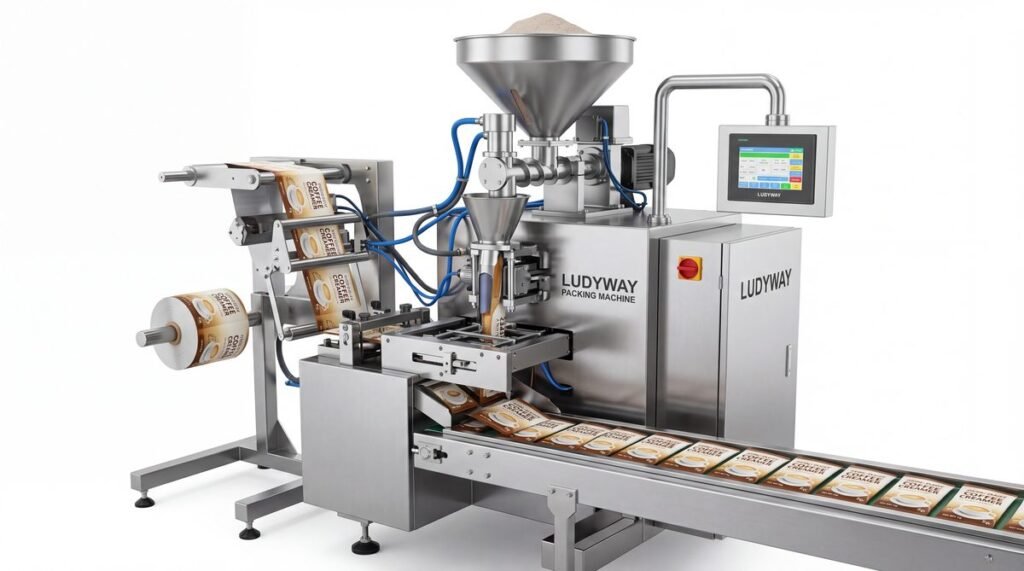
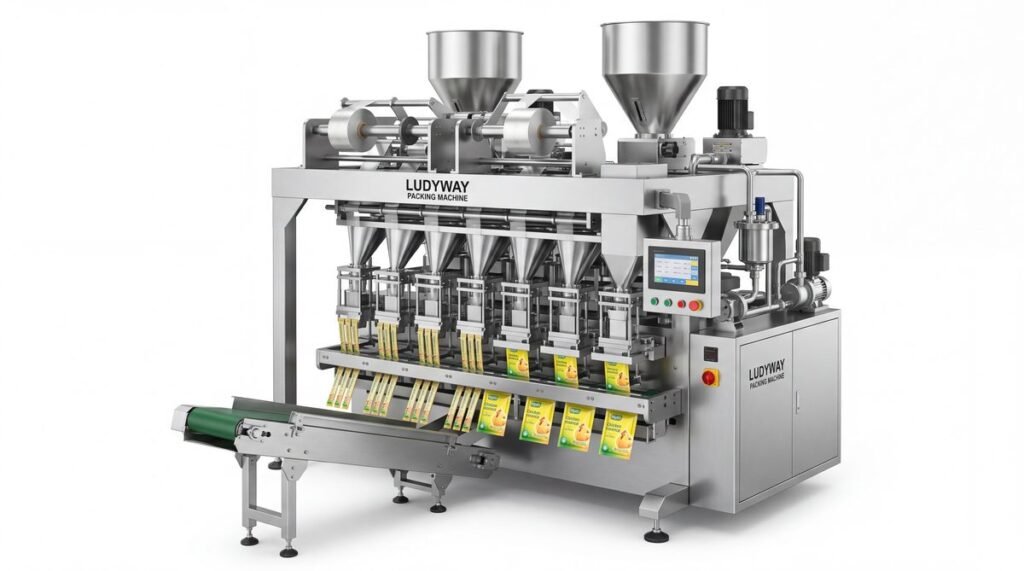
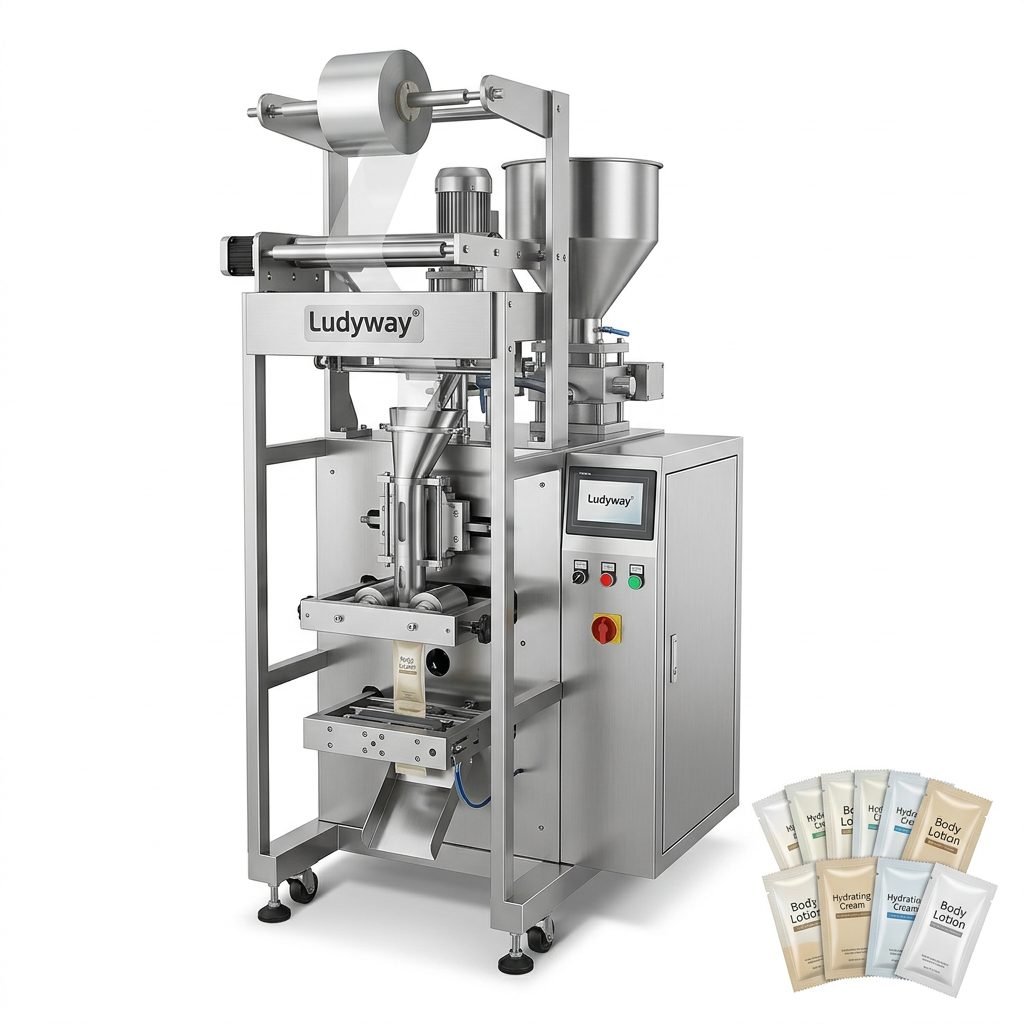
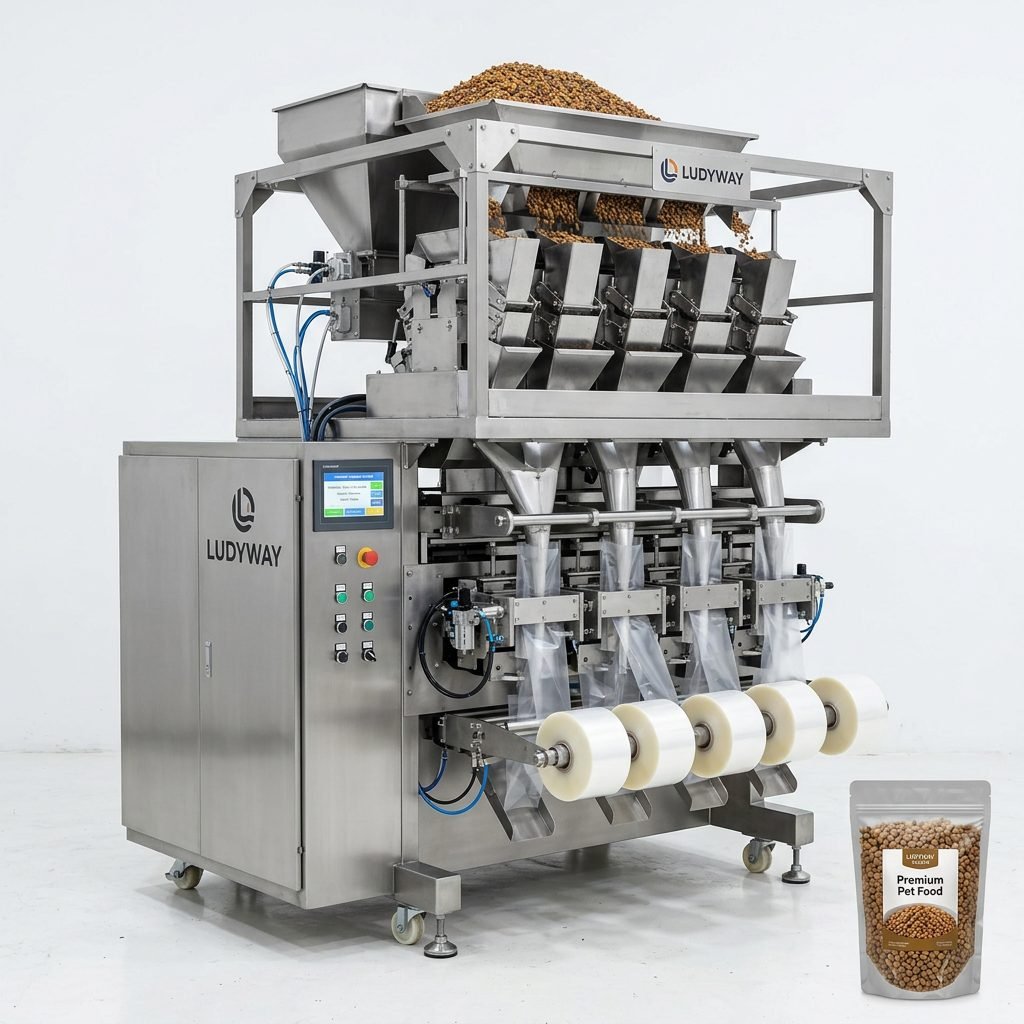
In the fast-paced world of manufacturing, efficiency and product integrity are paramount. For businesses packaging dry goods, powders, granules, or even certain liquids, the zip lock (or resealable) pouch has become a consumer favorite for its convenience and freshness preservation. Automating the creation and filling of these pouches is a critical step for scaling production. Choosing the right automatic zip lock packaging machine, however, is a significant decision that impacts your output, operational costs, and final product quality.
Key Takeaway:
The optimal machine is not just the fastest or cheapest, but the one that seamlessly integrates with your specific materials, product characteristics, and production goals to deliver consistent, reliable, and cost-effective packaging.
Core Considerations for Your Investment
Selecting an automatic zip lock packaging solution requires a thorough analysis of your current and future needs. Rushing this process can lead to costly downtime, material waste, and an inability to meet market demand. Let’s break down the essential factors.
1. Product Characteristics: The Starting Point
Your product dictates the machine’s core functionality. Be prepared to answer these questions in detail when consulting with suppliers like Ludyway Packaging Machinery:
- Physical Form: Is it a fine powder (like protein or spices), granules (coffee, seeds), small solids (nuts, candy), or a viscous liquid? Each type requires different feeding systems (auger, volumetric cup, pump) to ensure accurate filling.
- Flowability & Density: Does the product flow freely or is it sticky and compactable? This affects hopper design and filling precision.
- Special Properties: Is the product hygroscopic (absorbs moisture), abrasive, or requires an inert gas (nitrogen) flush for preservation? These needs will influence material handling and the sealing environment.
2. Packaging Materials & Specifications
The machine must be compatible with your chosen film. Key specifications include:
Material Composition:
Common structures include PET/PE, NY/PE, or metallized films. Ensure the machine’s sealing jaws (temperature, pressure, dwell time) are calibrated for your film’s melting point.
Pouch Dimensions:
Define your minimum and maximum pouch length and width. The machine must have the mechanical range to accommodate these sizes and allow for quick changeovers.
Zipper Profile:
The automatic application and sealing of the zip lock strip is critical. The machine must reliably handle the specific zipper type (press-to-close, slider) and ensure it is perfectly aligned and hermetically sealed within the pouch fin seal.
3. Production Capacity & Speed Requirements
Match the machine’s output to your business goals. Calculate your required bags-per-minute (BPM) based on shifts, days, and peak seasons. Consider:
- → Current Demand: What is your target daily output?
- → Future Growth: Choose a machine with a 20-30% speed buffer for scaling up without needing a new investment.
- → Efficiency vs. Peak Speed: A machine’s sustainable, efficient speed is more important than its theoretical maximum. Inquire about real-world performance with products similar to yours.
Advanced Features for Modern Production Lines
Today’s automatic zip lock packaging machines offer sophisticated features that enhance reliability, reduce waste, and provide valuable data.
Precision Weighing & Filling Systems
Accuracy is non-negotiable for cost control and compliance. Look for machines with multi-head weigh scales or servo-driven auger fillers for powders and granules. For liquids, servo pumps offer exceptional precision. These systems minimize give-away and ensure every pouch meets weight regulations.
Integrated Automation & Smart Controls
A modern machine should be a connected node in your production line. Key features include:
- User-Friendly HMI (Human-Machine Interface): A color touchscreen for easy setup, recipe storage, and monitoring.
- PLC (Programmable Logic Controller) & Servo Motors: For precise motion control, smoother operation, and easier maintenance compared to older mechanical systems.
- Data Tracking & Connectivity: Output counting, efficiency reports, and potential for IoT integration for predictive maintenance and production analytics.
Flexibility & Changeover Ease
If you run multiple products or pouch sizes, quick changeover is vital. Machines with tool-less adjustments and digital recall of settings for different “recipes” can reduce downtime from hours to minutes, maximizing your line’s uptime.
Partnering with the Right Supplier
The machine is only part of the solution. The manufacturer’s support is critical for long-term success.
Why Experience Matters
Companies with decades of experience, such as Ludyway Machinery, bring invaluable expertise. They have likely encountered and solved the specific challenges you face. Look for a partner that offers:
Comprehensive Testing: The ability to conduct product trials with your actual materials before purchase.
Turnkey Solutions: Support beyond the machine, including upstream feeding and downstream handling equipment integration.
Global Service & Training: Reliable after-sales support, readily available spare parts, and thorough operator and maintenance training to ensure your team is confident and self-sufficient.
Making the Final Decision
After narrowing down options, take these final steps:
- Request Live Demonstrations: See the machine run, preferably with a product similar to yours. Pay attention to noise, ease of operation, and finished pouch quality.
- Analyze Total Cost of Ownership (TCO): Look beyond the purchase price. Factor in energy consumption, expected maintenance costs, part longevity, and the supplier’s support costs.
- Check References: Speak to other customers who have purchased the same model. Ask about reliability, support responsiveness, and overall satisfaction.
Investing in an automatic zip lock packaging machine is a strategic move towards greater productivity and consistency. By methodically evaluating your product, materials, output needs, and the technological capabilities and support of the supplier, you can select a solution that becomes a reliable, profit-driving asset on your production floor for years to come. Partnering with an experienced provider ensures you get not just a machine, but a tailored packaging solution designed for your success.
Frequently Asked Questions (FAQs)
1. What is the typical speed range of an automatic zip lock packaging machine?
Speeds vary widely based on pouch size, product, and machine configuration. For standard-sized pouches, speeds can range from 40 to 120 bags per minute (BPM) for single-lane machines. Multi-lane systems can achieve significantly higher outputs. It’s crucial to determine the sustainable, efficient speed for your specific application rather than the maximum theoretical speed.
2. How difficult is it to change over the machine for a different pouch size or product?
Modern machines are designed for easier changeovers. Many models feature digital servo adjustments and tool-less change parts. With proper training, changeover times can often be reduced to 15-30 minutes. Always request a changeover demonstration during your evaluation.
3. Can one machine handle both powder and granular products?
Many machines are versatile, but the filling system is key. A machine equipped with a multi-head weigher is excellent for granules and small solids. For powders, an auger filler or a combination system may be needed. Some advanced machines allow for interchangeable filling systems, but this should be confirmed with the supplier based on your specific products.
4. What kind of maintenance does an automatic zip lock machine require?
Regular preventive maintenance is essential. This typically includes daily cleaning, lubrication of moving parts as specified in the manual, and inspection of seals, filters, and wear parts. Machines with servo-driven systems often require less mechanical maintenance than fully mechanical machines. A reliable supplier will provide a detailed maintenance schedule and training.
5. How do I ensure the zip lock closure is reliable and easy for consumers to use?
The quality of the zipper strip and the machine’s sealing station are critical. The machine must apply consistent heat and pressure to hermetically seal the zipper within the pouch fin seals without damaging it. Request samples from trial runs and test them rigorously for seal strength and open/close functionality before finalizing your purchase.