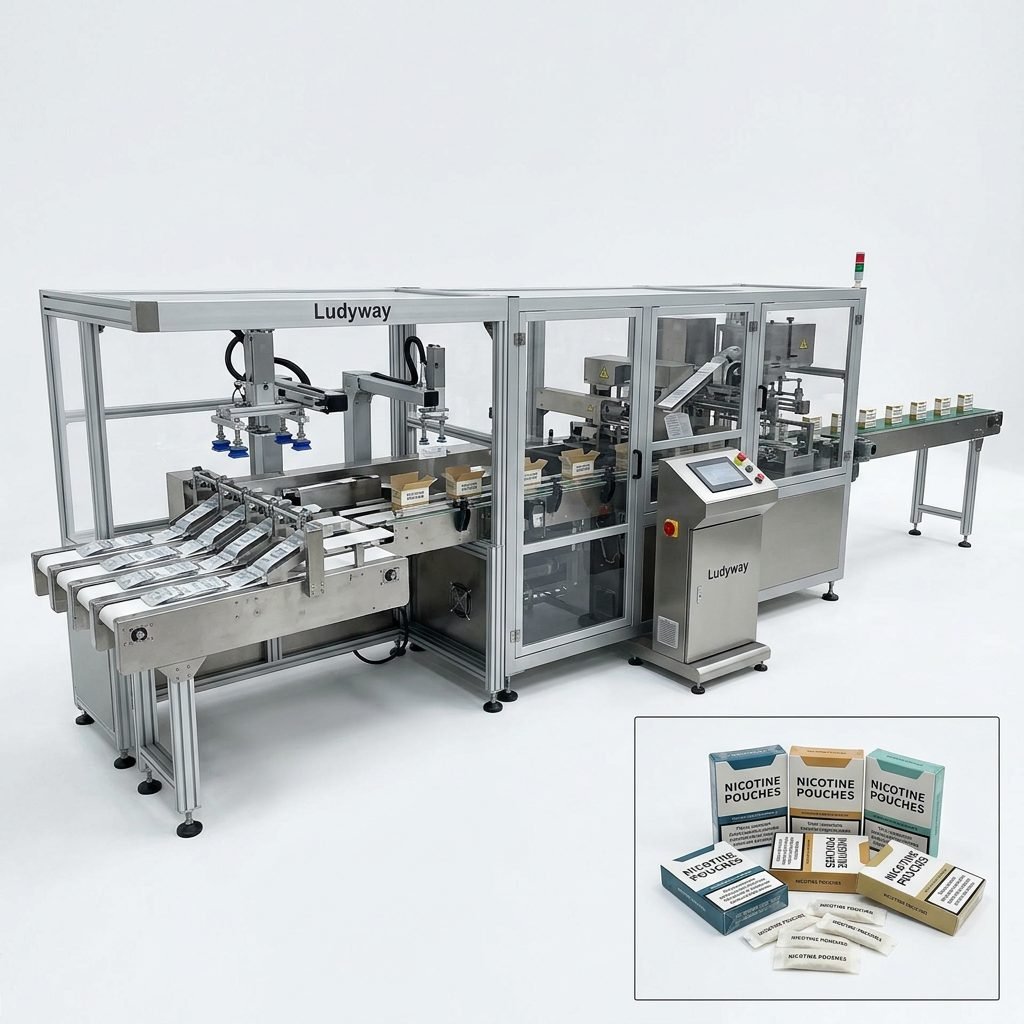
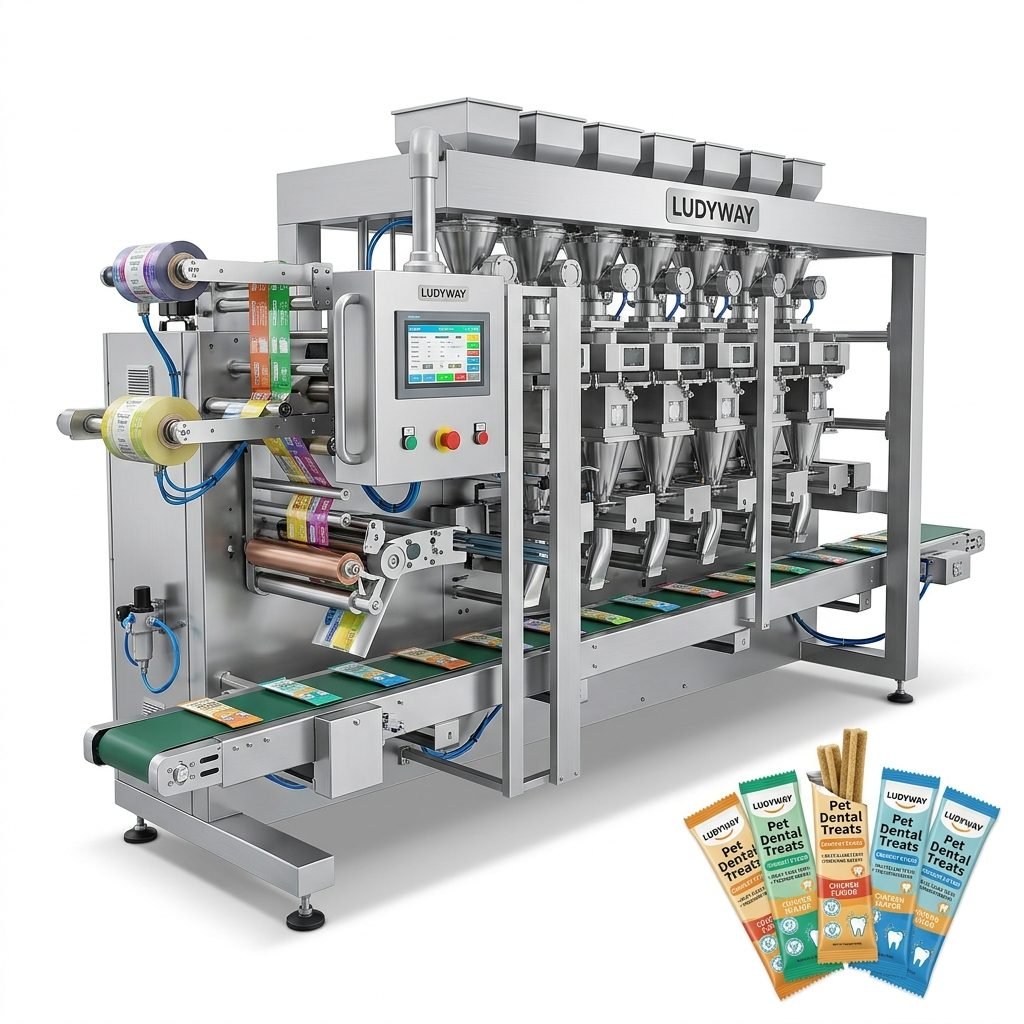
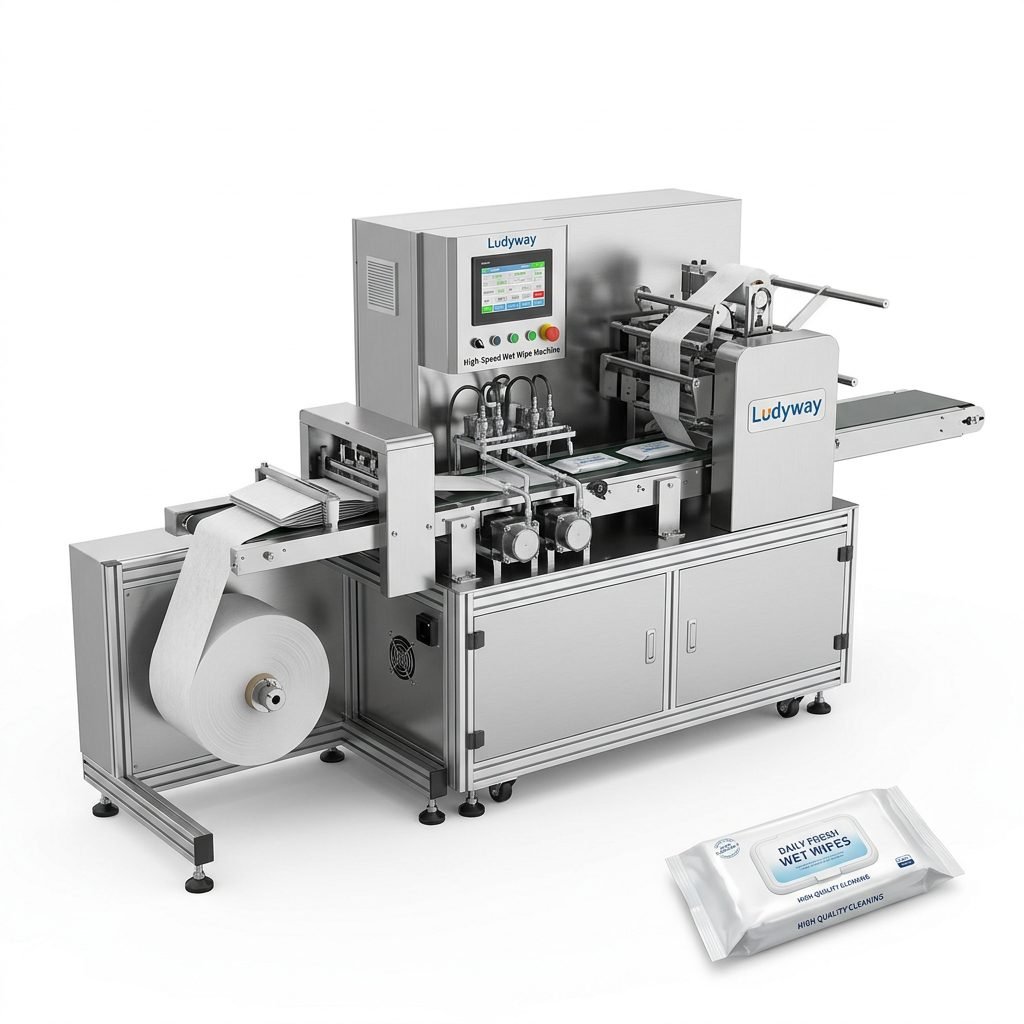
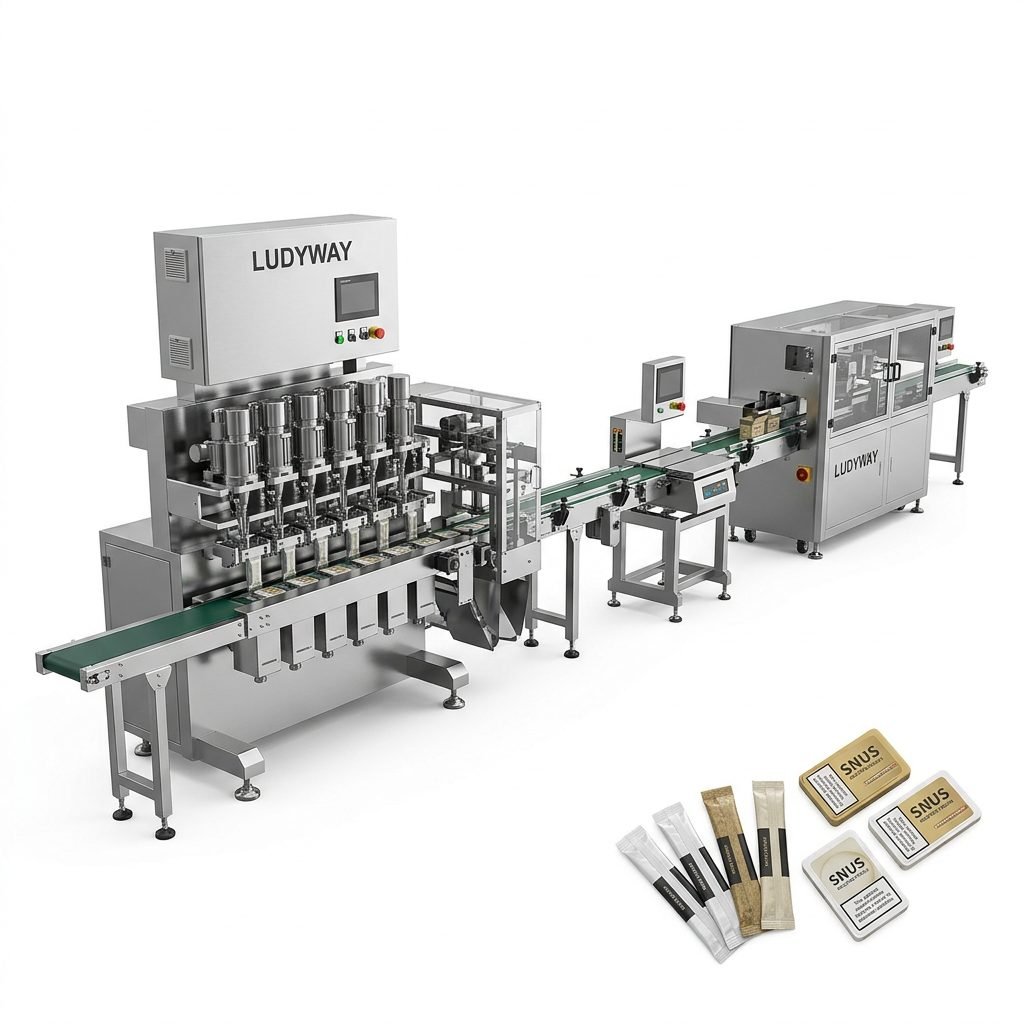
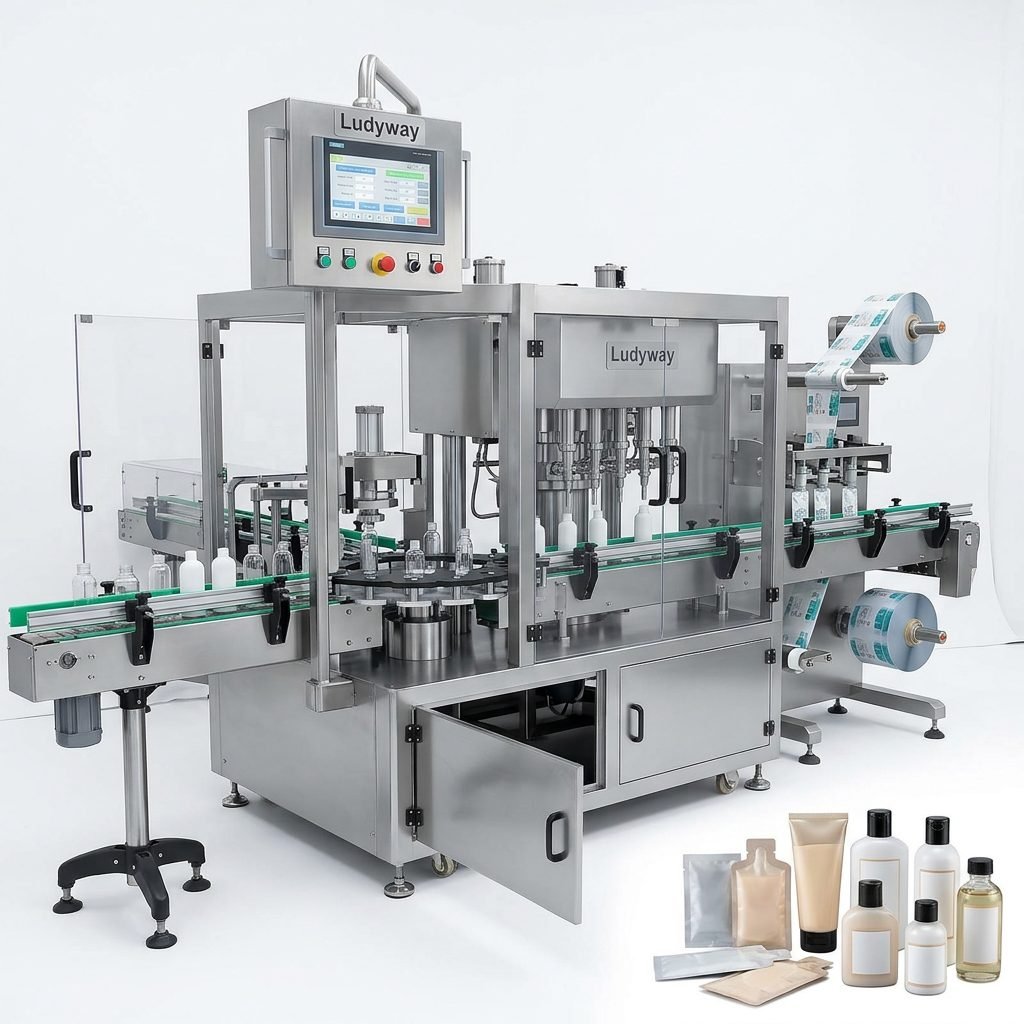
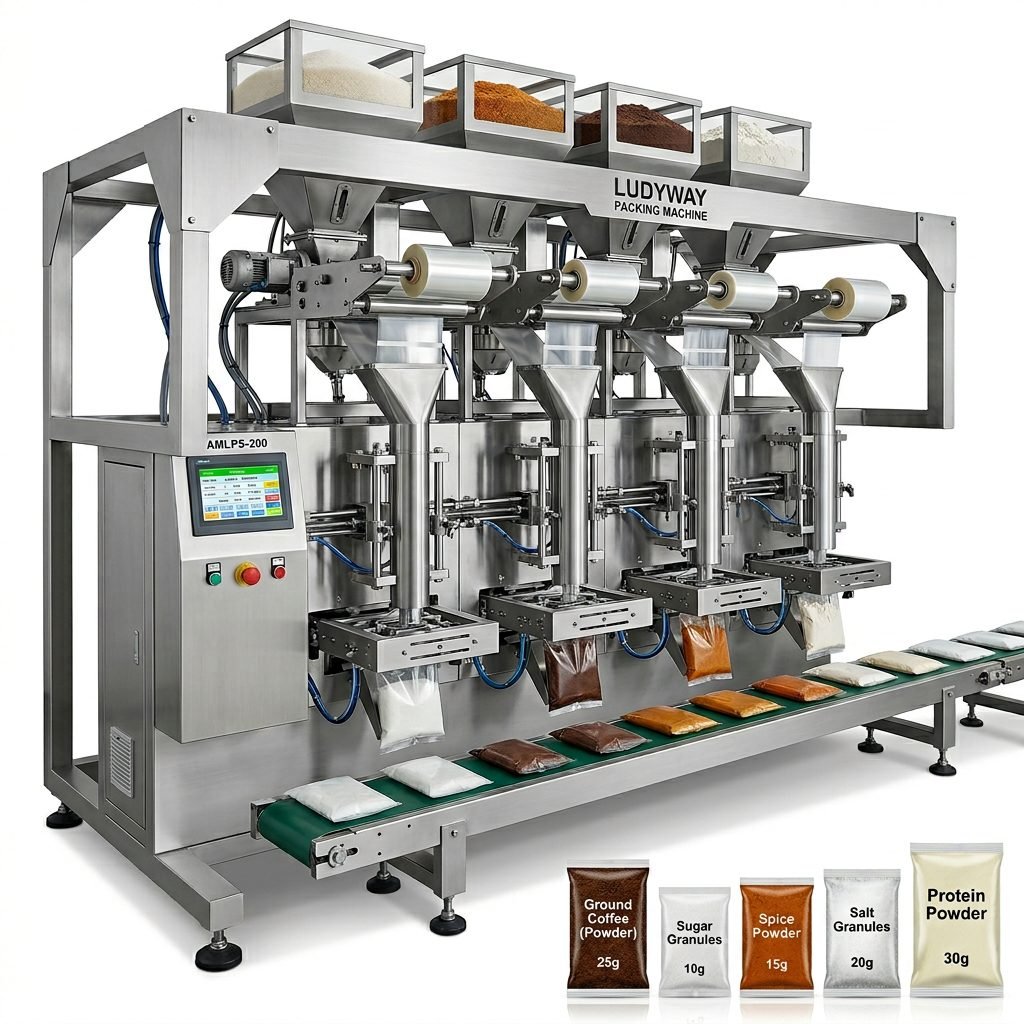
In today’s fast-paced manufacturing landscape, efficiency and reliability are paramount. Advanced packaging machinery has emerged as a cornerstone of modern automated production lines, driving productivity, ensuring product integrity, and reducing operational costs. These high-efficiency solutions are transforming how industries from food and beverage to pharmaceuticals and consumer goods approach the final, critical stage of their production process.
The Evolution of Packaging Automation
The journey from manual packing to fully automated, intelligent systems represents a significant technological leap. Early automation focused on simple, repetitive tasks. Today’s advanced packaging machinery integrates robotics, precision mechanics, and sophisticated software to create seamless, high-speed production flows. This evolution is driven by the need for greater throughput, consistent quality, and adaptability to diverse product formats and market demands.
Core Components of a Modern Packaging Line
A high-efficiency automated packaging line is a symphony of interconnected systems. It typically includes:
- Product Feeding & Handling Systems: Gently and accurately orient and transport products to the packaging station.
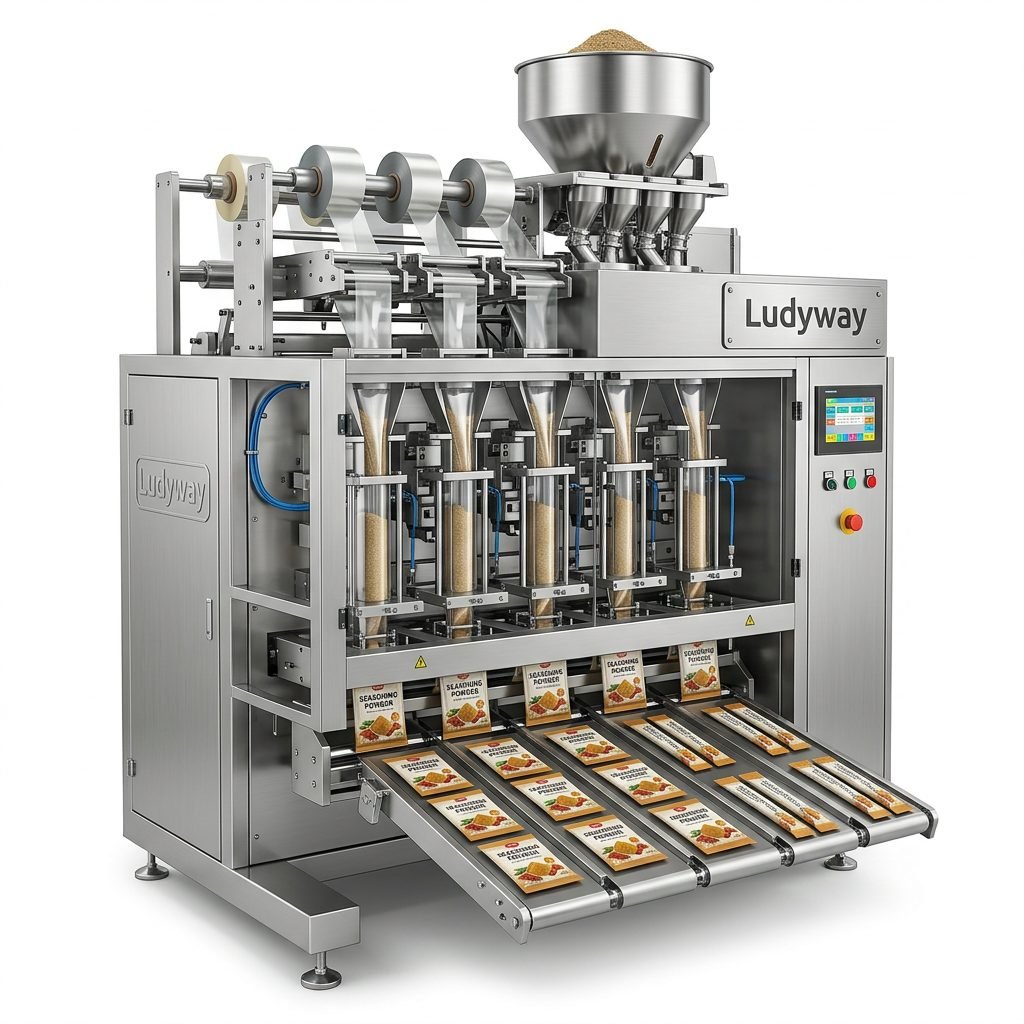
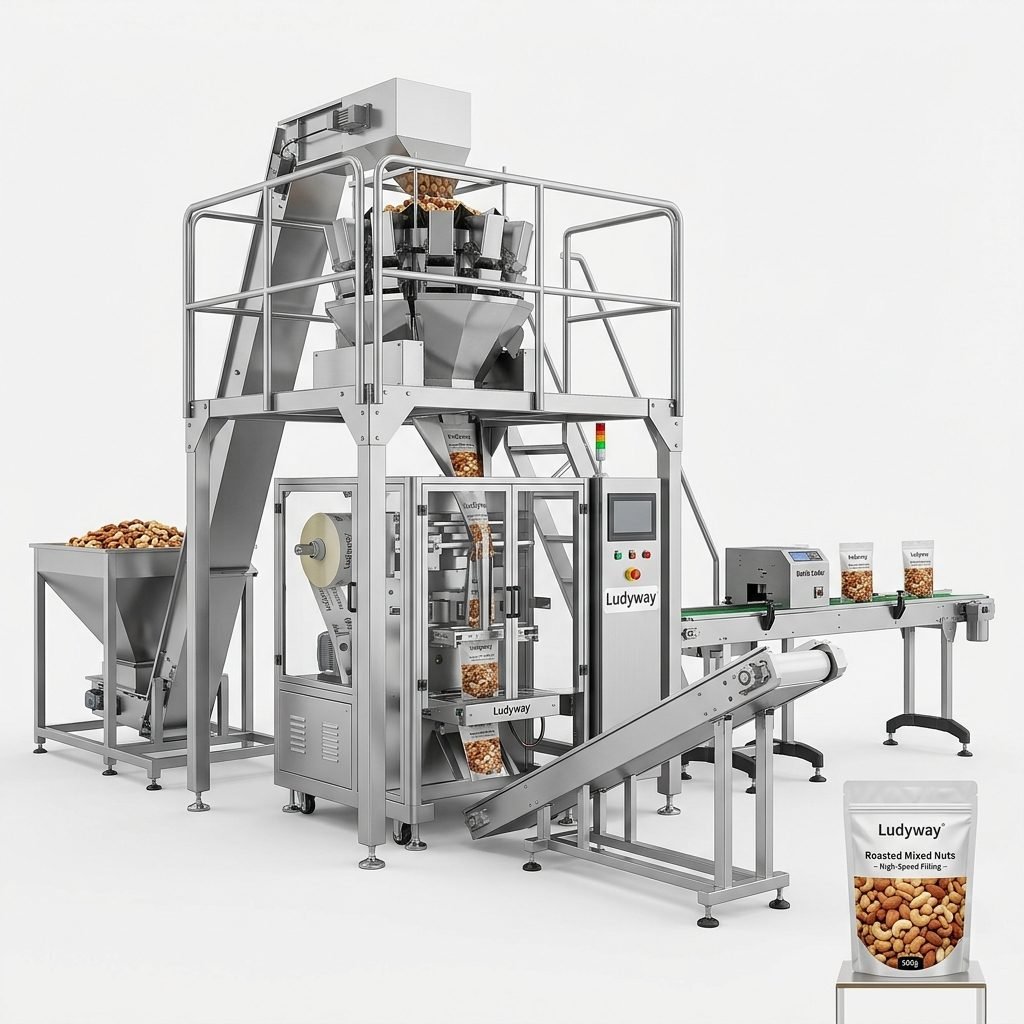
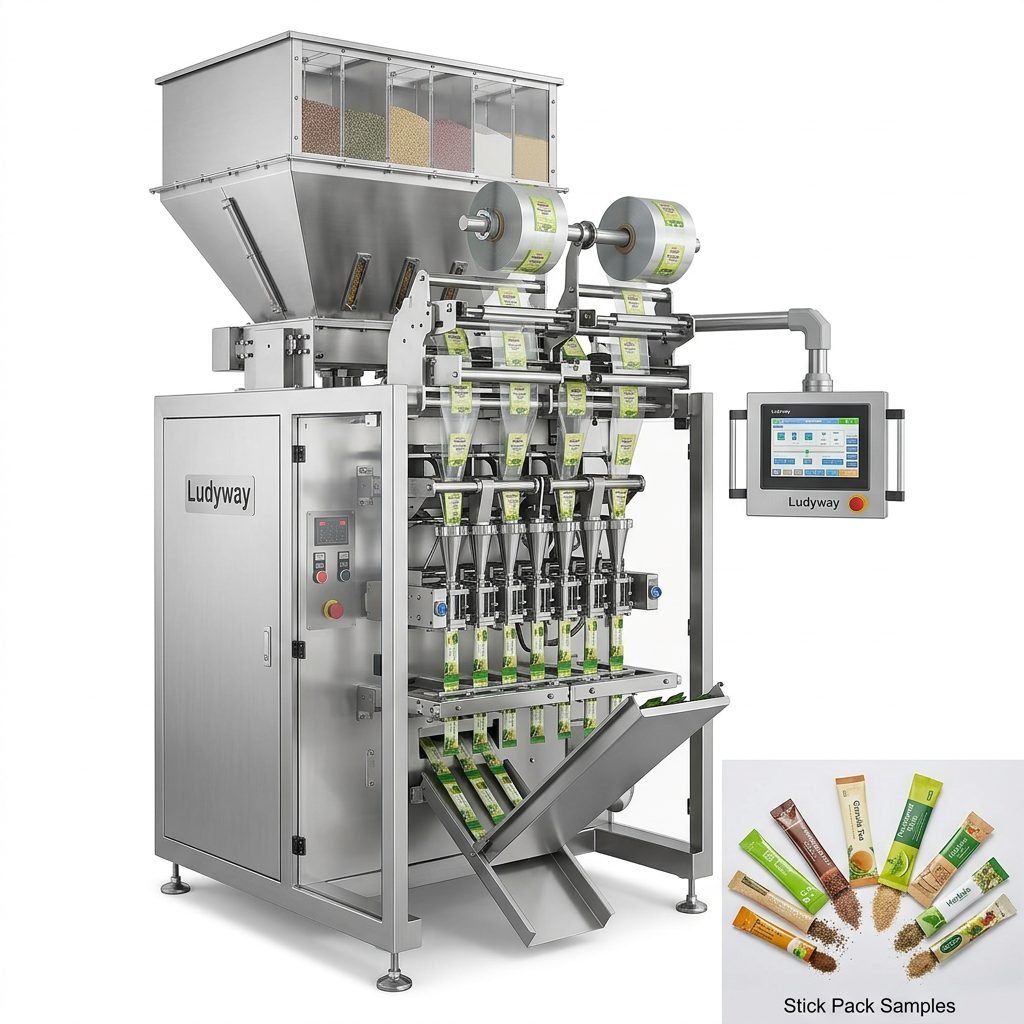
- Form-Fill-Seal (FFS) Machines: The heart of the line, creating the package from roll stock, dosing the product, and hermetically sealing it. This includes versatile options like multi-lane stick pack machines and sachet packaging systems.
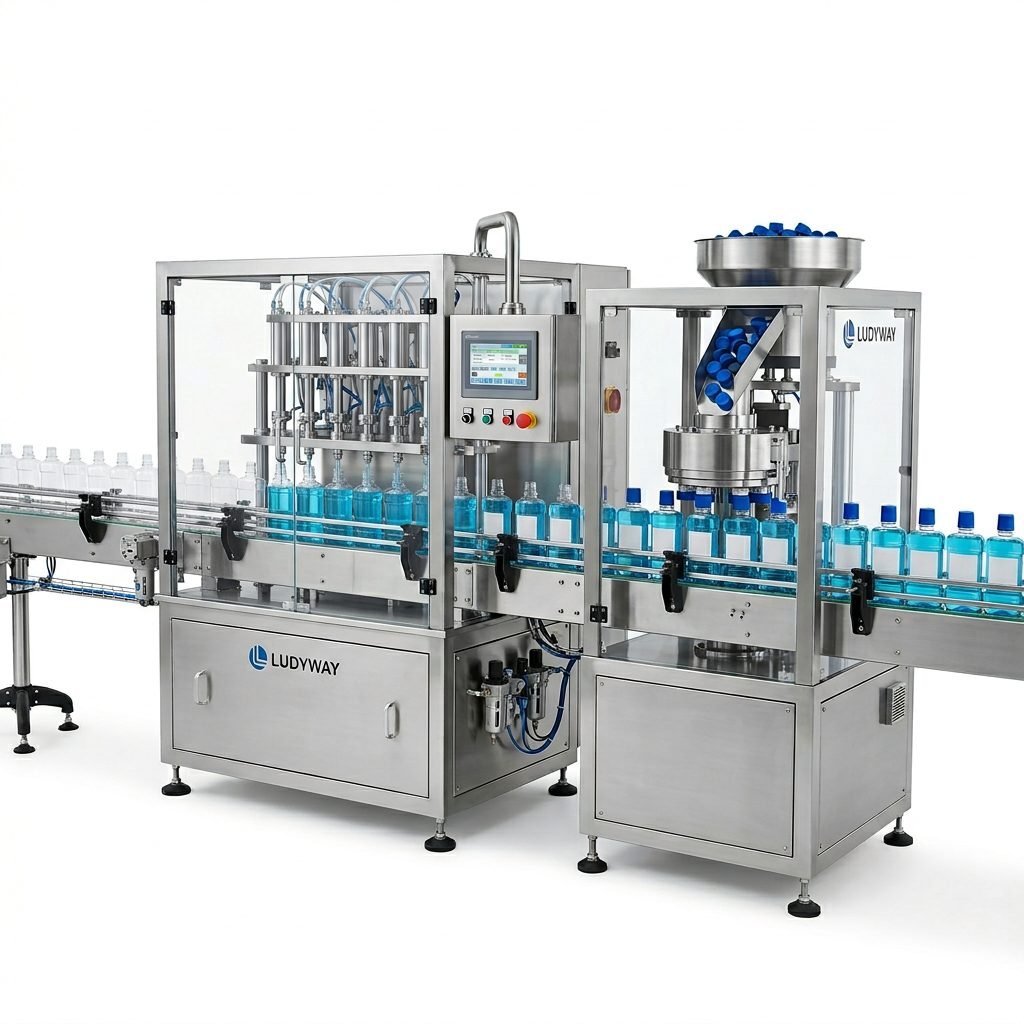
- Precision Dosing Systems: Critical for granules, powders, and liquids, ensuring exact weight or volume control to minimize giveaway and comply with regulations.
- Vision Inspection Systems: Using cameras and sensors to check for fill levels, seal integrity, label placement, and overall package quality, rejecting any substandard units.
- Robotic Palletizers/Cartoners: Automating the final collection and boxing of finished packages for shipment.
- Integrated Control Software: The brain of the operation, providing real-time monitoring, data analytics, recipe management, and diagnostics.
Key Benefits of High-Efficiency Packaging Solutions
Investing in state-of-the-art packaging automation delivers a compelling return on investment across multiple dimensions.
1. Unmatched Productivity and Speed
Advanced machinery dramatically increases output. Multi-lane systems can produce hundreds of stick packs or sachets per minute, far surpassing manual or semi-automatic methods. This allows manufacturers to scale production to meet peak demand without proportional increases in labor or floor space.
2. Superior Consistency and Quality Assurance
Automation eliminates human error in repetitive tasks. Every package is filled, sealed, and handled identically, ensuring uniform product presentation and protecting shelf life through perfect seals. Integrated checkweighers and vision systems provide 100% inspection, guaranteeing that only perfect products reach the consumer.
3. Significant Operational Cost Reduction
While the initial investment is substantial, the long-term savings are profound. Reduced labor costs, minimized product giveaway through precise dosing, lower rates of packaging material waste, and decreased downtime due to higher machine reliability all contribute to a stronger bottom line.
4. Enhanced Flexibility and Quick Changeover
Modern machines are designed for flexibility. With quick-change parts and digital recipe storage, switching between different product sizes, shapes, or packaging materials can be achieved in minutes, not hours. This enables efficient small-batch production and rapid response to market trends.
5. Improved Safety and Hygiene
Automated systems minimize direct human contact with the product, which is especially critical in food and pharmaceutical packaging. This reduces contamination risks and enhances workplace safety by moving workers away from repetitive strain injuries or interactions with high-speed mechanical parts.
Choosing the Right Partner for Your Automation Journey
Selecting a supplier is as crucial as selecting the machine. Look for a partner with deep industry experience and a proven track record. A provider like Ludyway Packing Machine, with over 30 years of collective expertise, offers more than just equipment. They provide turnkey solutions, from initial concept and line design to installation, training, and ongoing technical support. Their portfolio of over 50 intelligent machine models demonstrates a capability to tailor solutions to specific needs, whether for granules, powders, or liquids.
Evaluating a supplier’s manufacturing capability, their commitment to innovation, and the strength of their global service network are essential steps in ensuring a successful, long-term partnership for your automated production line.
Integration with Industry 4.0 and Smart Manufacturing
The future of packaging machinery lies in connectivity and data. Advanced machines are now nodes in the Industrial Internet of Things (IIoT). They generate valuable data on output, efficiency (OEE), maintenance needs, and energy consumption. This data can be fed into a central Manufacturing Execution System (MES) or enterprise platform, enabling predictive maintenance, optimizing production schedules, and providing full traceability from raw material to shipped product.
Applications Across Key Industries
The versatility of advanced packaging machinery makes it indispensable across sectors.
Food & Beverage:
For packaging spices, instant beverages, sauces, snacks, and powdered ingredients. Hygiene, speed, and the ability to handle diverse consistencies are key.
Pharmaceutical & Healthcare:
For powders, granules, and liquids in sachets or stick packs. Precision dosing, absolute seal integrity, and compliance with strict regulations (like GMP) are non-negotiable. Discover specialized solutions for these demanding applications on our pharmaceutical packaging page.
Consumer Goods:
For single-dose detergents, cosmetic samples, supplements, and agrochemicals. Brand presentation and reliable sealing to protect product potency are critical drivers.
Conclusion: A Strategic Investment for Competitive Advantage
Advanced packaging machinery is no longer a luxury; it is a strategic necessity for manufacturers aiming to compete in a global market. By delivering high-efficiency, reliable, and intelligent solutions, these systems form the backbone of automated production lines that are productive, cost-effective, and agile. Partnering with an experienced and innovative equipment provider ensures that this critical investment unlocks its full potential, driving growth and ensuring quality for years to come. For insights into complete line engineering, explore our resources on turnkey production solutions.
Frequently Asked Questions (FAQs)
1. What is the typical payback period for an advanced packaging automation line?
The payback period varies based on scale, labor costs, and production volume, but typically ranges from 1 to 3 years. Savings are realized through drastically increased output, reduced labor, lower material waste, and improved quality leading to fewer returns.
2. How flexible are these machines for handling different package sizes or products?
Modern machines are highly flexible. They feature quick-change tooling and digital recipes, allowing changeovers between different package sizes or products often in under 30 minutes. This is essential for manufacturers with diverse SKUs.
3. What kind of technical support and training can we expect after purchase?
Reputable suppliers offer comprehensive support. This includes on-site installation supervision, detailed operator and maintenance training, a warranty period, and access to remote support and spare parts. A global service network is crucial for international operations.
4. Can automated packaging lines integrate with our existing production equipment?
Yes, a key role of the solution provider is systems integration. They design the packaging line segment to seamlessly interface with upstream processes (like mixing or cooking) and downstream systems (like cartoning or palletizing) through appropriate conveyors and control system communication.
5. How important is precision dosing, and how is it achieved?
Precision dosing is critical for cost control (minimizing giveaway) and regulatory compliance. It is achieved using advanced volumetric, auger, or weigh-cell filling systems controlled by high-accuracy servomotors and constantly calibrated by integrated checkweighers for feedback control.