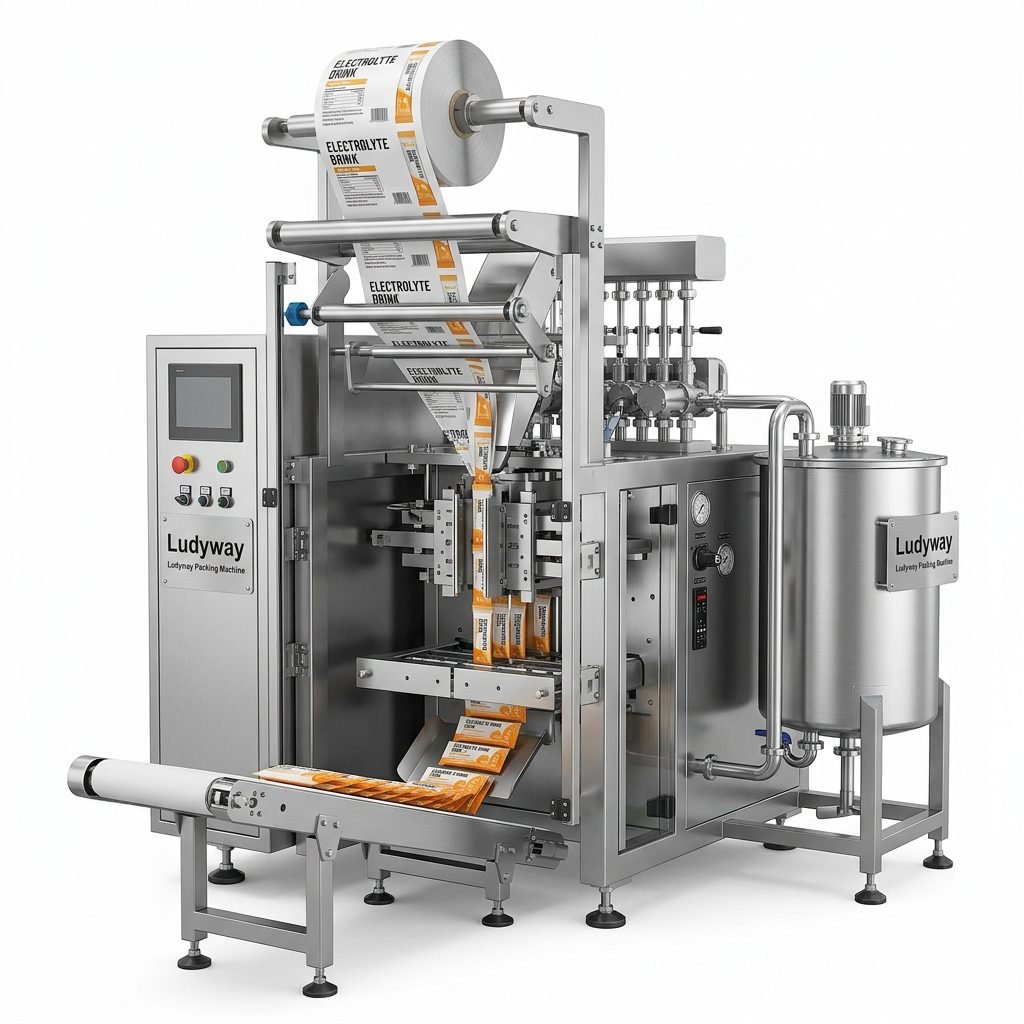
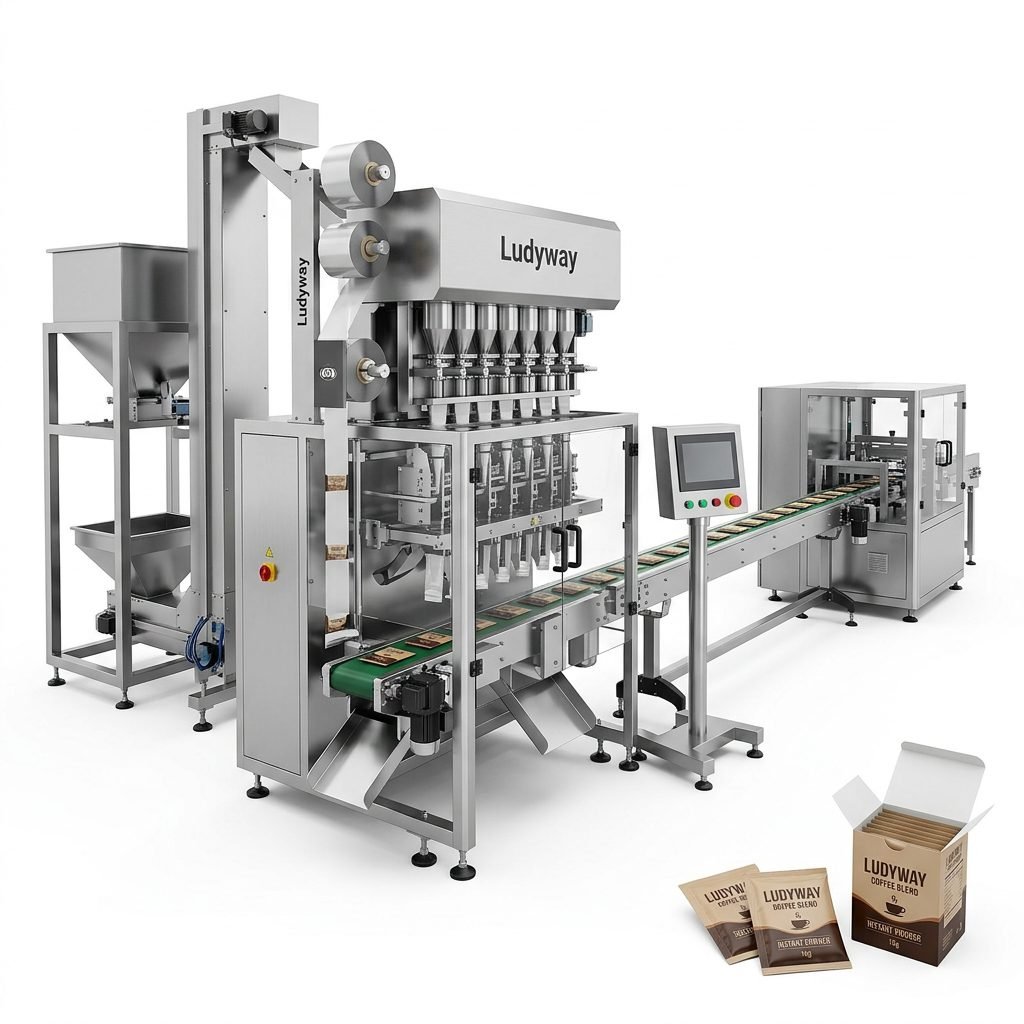
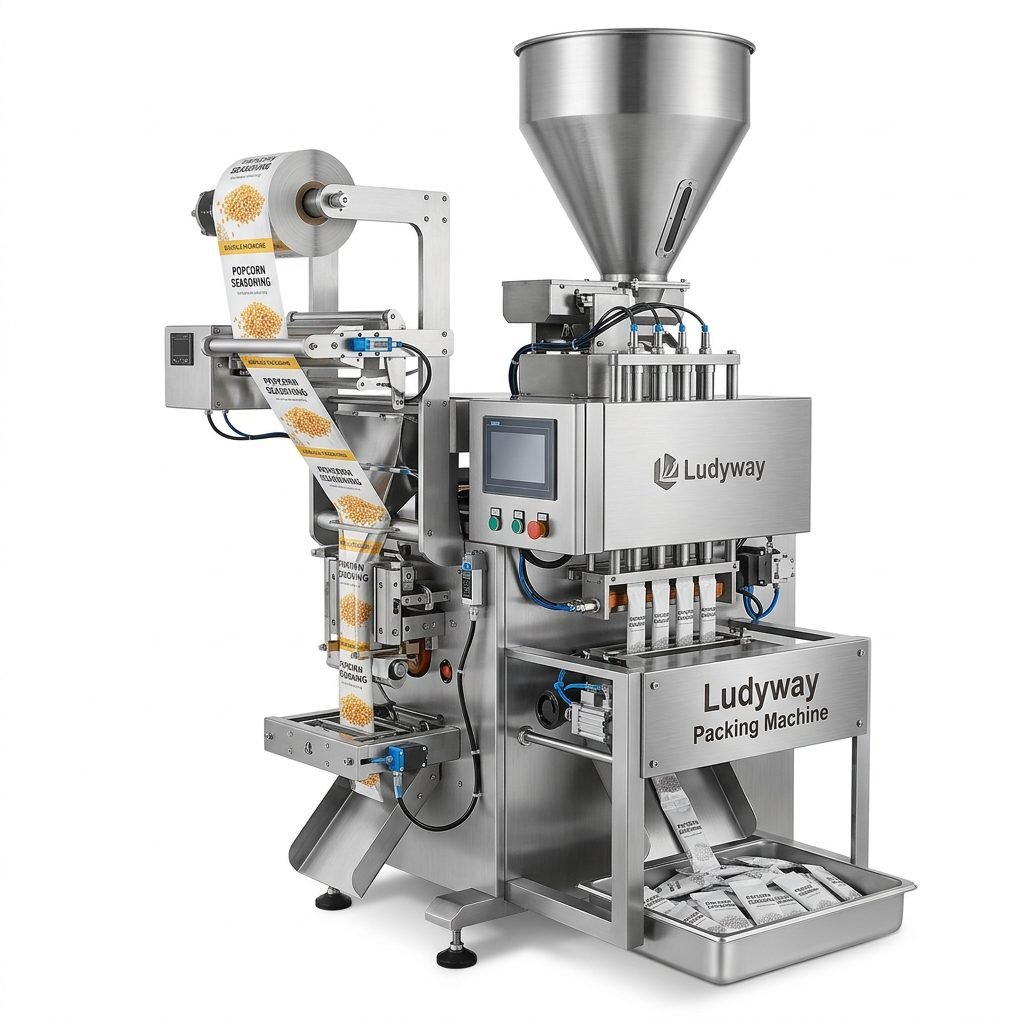
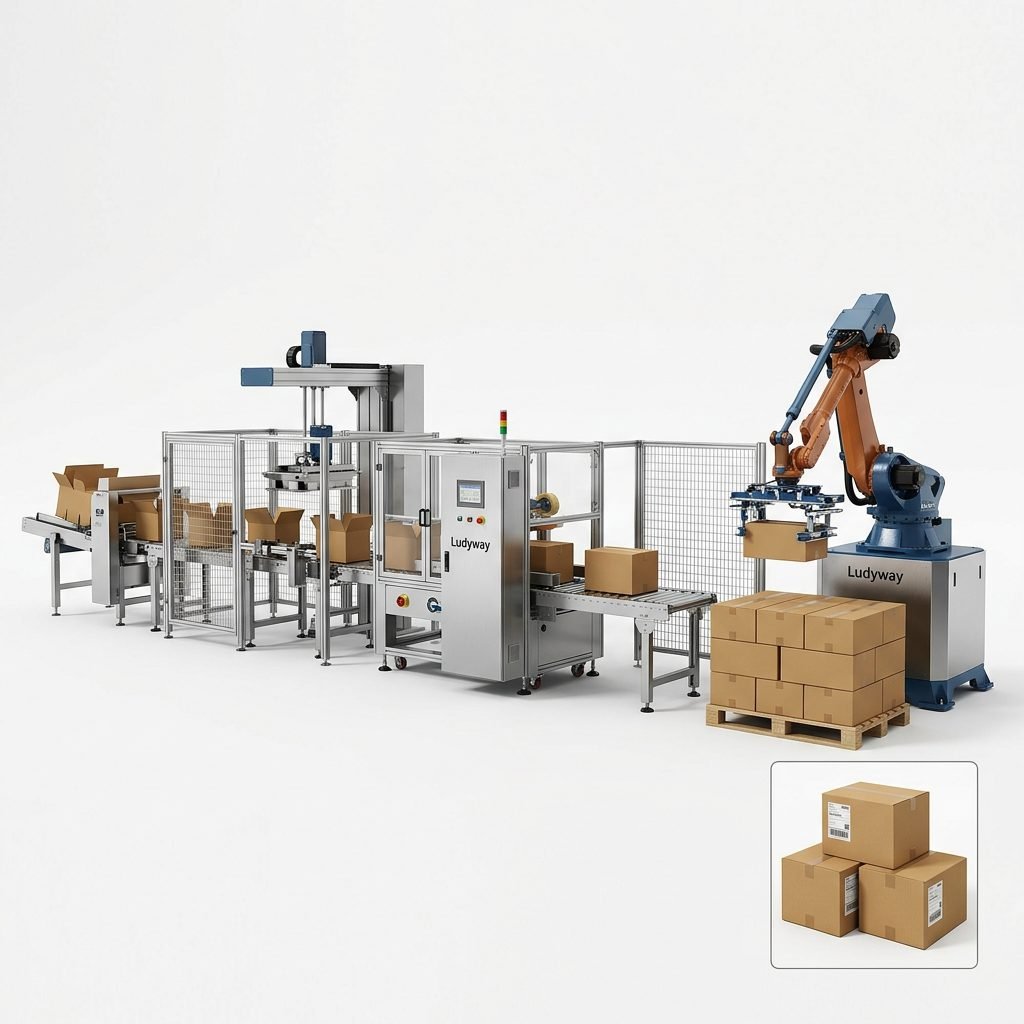
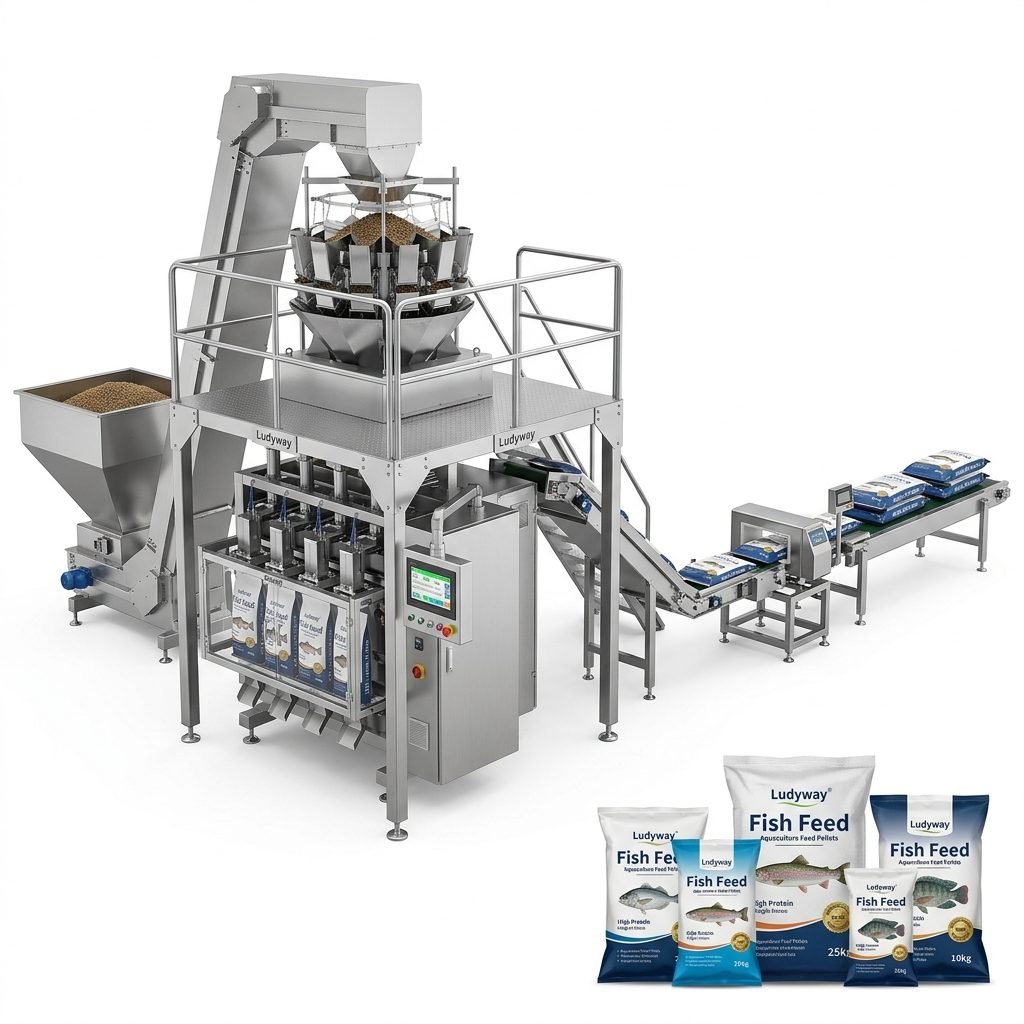
In today’s fast-paced manufacturing world, efficiency, accuracy, and reliability are non-negotiable. This is where Automated Packaging Machinery (APM) becomes a cornerstone of modern production lines. APM refers to the sophisticated systems designed to automate the process of placing products into containers, pouches, bags, or other forms of packaging. These machines handle everything from filling and sealing to labeling and cartoning, drastically reducing manual labor, minimizing errors, and boosting output.
The Core Components of APM Systems
Understanding APM starts with knowing its key parts. A typical automated packing solution integrates several synchronized components:
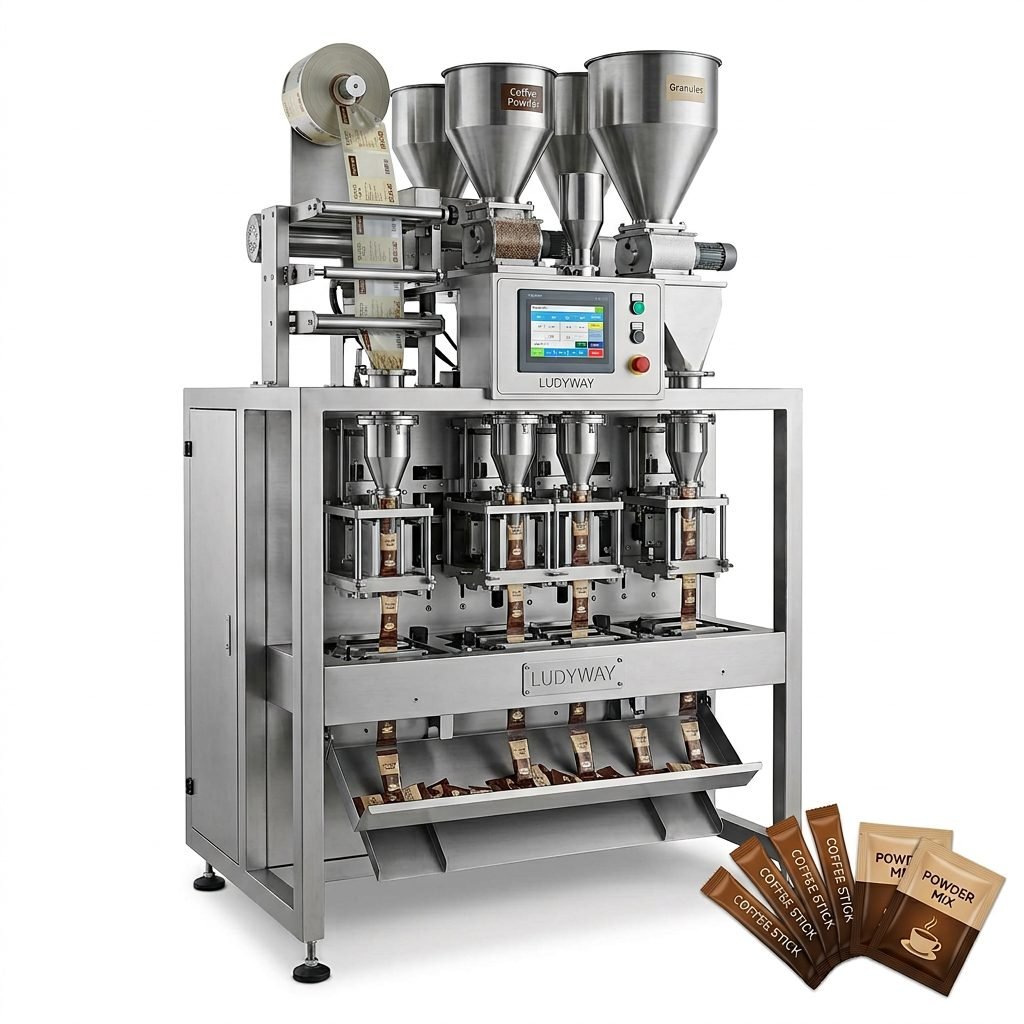
Feeding & Conveying Systems: These systems precisely transport raw materials or products to the packaging station. They ensure a consistent and controlled flow, which is critical for maintaining speed and preventing bottlenecks.
Filling & Dosing Units: The heart of accuracy. Whether it’s volumetric cups, auger fillers for powders, or liquid pumps, this component measures and dispenses the exact product amount into each package, ensuring consistency and compliance with weight regulations.
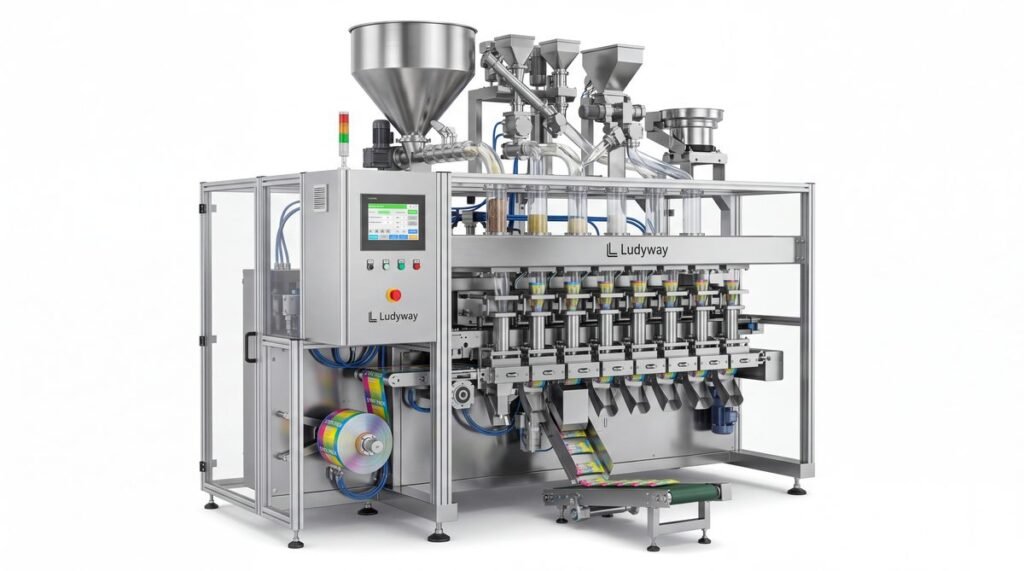
Forming, Sealing & Cutting Mechanisms: For flexible packaging like stick packs or sachets, this system forms the packaging material from a roll, seals it around the product, and cuts it into individual units. The quality of seals directly impacts product shelf life and integrity.
Control System (PLC/HMI): The brain of the operation. A Programmable Logic Controller (PLC) and Human-Machine Interface (HMI) allow operators to set parameters, monitor performance, diagnose issues, and collect production data for analysis and optimization.
Why Invest in Automated Packaging?
The shift from manual or semi-automatic to fully automated packing isn’t just a trend; it’s a strategic business decision with tangible returns.
- ✓ Unmatched Speed & Scalability: APM can operate 24/7 at constant high speeds, enabling you to scale production up or down to meet market demands without proportionally increasing labor costs.
- ✓ Superior Consistency & Quality Control: Machines eliminate human variability. Every package has the same fill weight, seal quality, and appearance, enhancing brand reputation and reducing waste from rejects.
- ✓ Significant Cost Reduction: While the initial investment is notable, APM reduces long-term costs associated with labor, training, product giveaway, and material waste, leading to a strong return on investment (ROI).
- ✓ Enhanced Safety & Hygiene: Automated systems minimize direct human contact with products, which is crucial in food, pharmaceutical, and health product industries. They also handle repetitive or heavy tasks, reducing workplace injuries.
A Step-by-Step Guide to Choosing the Right APM Solution
Selecting the perfect automated packing machine is a critical process. A misstep can lead to downtime, compatibility issues, and lost revenue. Follow this framework to make an informed decision.
Step 1: Conduct a Thorough Product & Material Analysis
Your product dictates the machine. Start by defining its physical characteristics: Is it a free-flowing granule, a fine powder, a viscous paste, or a liquid? Consider properties like abrasiveness, hygroscopicity (moisture absorption), and particle size. Next, decide on your packaging format—stick packs, sachets, pouches, bottles? The material (laminate film, paper, foil) and its thickness also influence the required sealing technology.
Step 2: Define Your Production Requirements
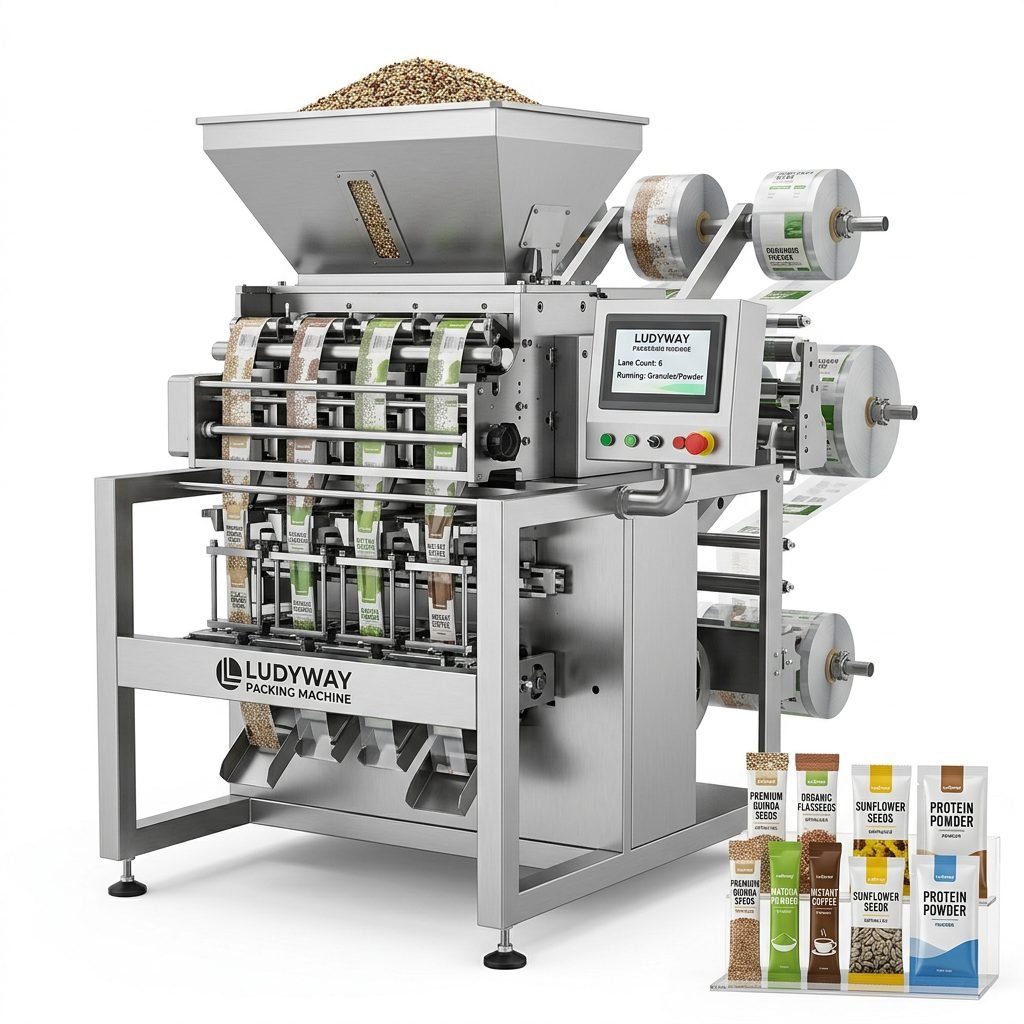
Be specific about your output goals. What is your target packages-per-minute (PPM) rate? What are your current and future daily/weekly production volumes? Determine the required machine footprint to fit your factory layout. Also, consider flexibility: will you need quick changeovers to run different products or package sizes? A multi-lane stick pack machine might be ideal for high-volume, single-product runs, while a machine with easy-change parts suits smaller batches of varied products.
Step 3: Evaluate Machine Capabilities & Technology
Look beyond the brochure. Assess the precision of the filling system—what is its weight accuracy tolerance? Examine the sealing method (thermal, ultrasonic) for strength and integrity. The control system should be user-friendly and offer data logging for traceability. Prioritize machines built with durable, food-grade or pharmaceutical-grade materials (like stainless steel) for longevity and compliance.
Pro Tip: Always request a product sample test run at the manufacturer’s facility. This is the most reliable way to verify machine performance with your actual product and packaging materials.
Step 4: Assess the Manufacturer’s Credibility & Support
The machine is only as good as the company behind it. Research the manufacturer’s experience, particularly in your industry. A provider like Ludyway Machinery, with over 30 years of industry experience, brings valuable expertise to the table. Evaluate their after-sales support: What is the warranty period? How accessible are spare parts? Do they offer comprehensive installation, training, and ongoing technical support? A reliable partner ensures your investment is protected for the long haul.
Future-Proofing Your Packaging Operation
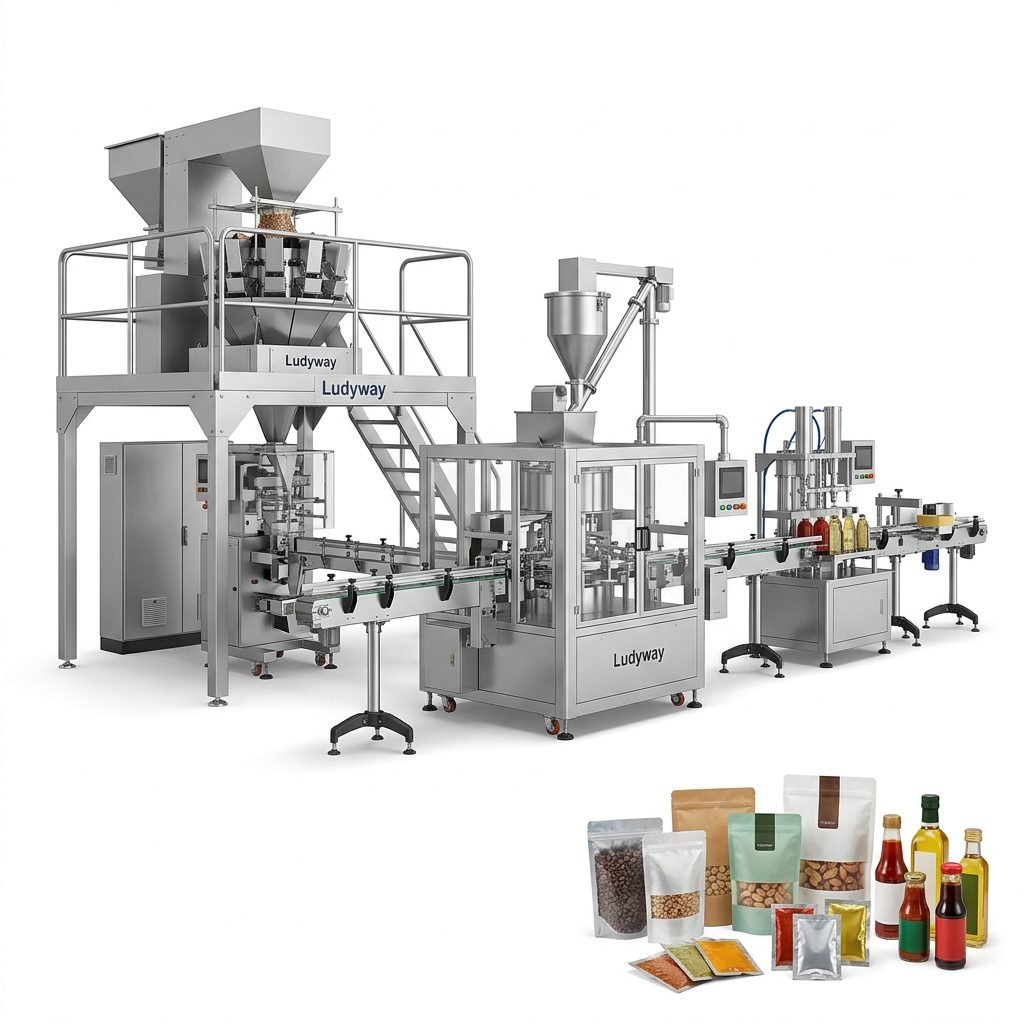
The best APM solution not only solves today’s problems but also adapts to tomorrow’s challenges. Consider integration capabilities with upstream (e.g., mixing) and downstream (e.g., cartoning) equipment for a complete turnkey production line. Look for machines that support Industry 4.0 features, such as IoT connectivity for remote monitoring and predictive maintenance, which can preempt failures and optimize efficiency.
Frequently Asked Questions (FAQs)
1. What is the typical payback period for an automated packaging machine investment?
The ROI period varies based on machine cost, labor savings, and production gains. For many businesses, a well-implemented APM system can show a full return on investment within 12 to 24 months, primarily through reduced labor costs, higher output, and minimized material waste.
2. Can one machine handle different types of products and package sizes?
Yes, many modern APMs are designed with flexibility in mind. Machines with quick-change parts (like interchangeable forming tubes, augers, or sealing jaws) allow for relatively fast switchovers between different products and package dimensions, making them suitable for batch production.
3. How important is after-sales service when choosing a supplier?
It is critically important. Even the most robust machine may require maintenance or spare parts. A supplier with a strong global service network, readily available spare parts, and responsive technical support is essential for minimizing downtime and ensuring long-term, trouble-free operation.
4. What are the key differences between a stick pack machine and a sachet packaging machine?
Both produce flexible packages but differ in shape and typical use. Stick packs are long, slender tubes ideal for single-serve powders (coffee, supplements). Sachets are generally wider, pillow-shaped pouches used for sauces, shampoo, or larger powder quantities. The forming mechanisms and downstream handling may differ accordingly.
5. How do I ensure the machine meets hygiene standards for food or pharmaceutical products?
Specify machines constructed with stainless steel (304 or 316 grade) on all product-contact surfaces. Look for designs with smooth, crevice-free surfaces for easy cleaning (CIP/SIP capabilities) and compliance with relevant standards like FDA, EHEDG, or GMP. Reputable manufacturers will design with these requirements in mind.