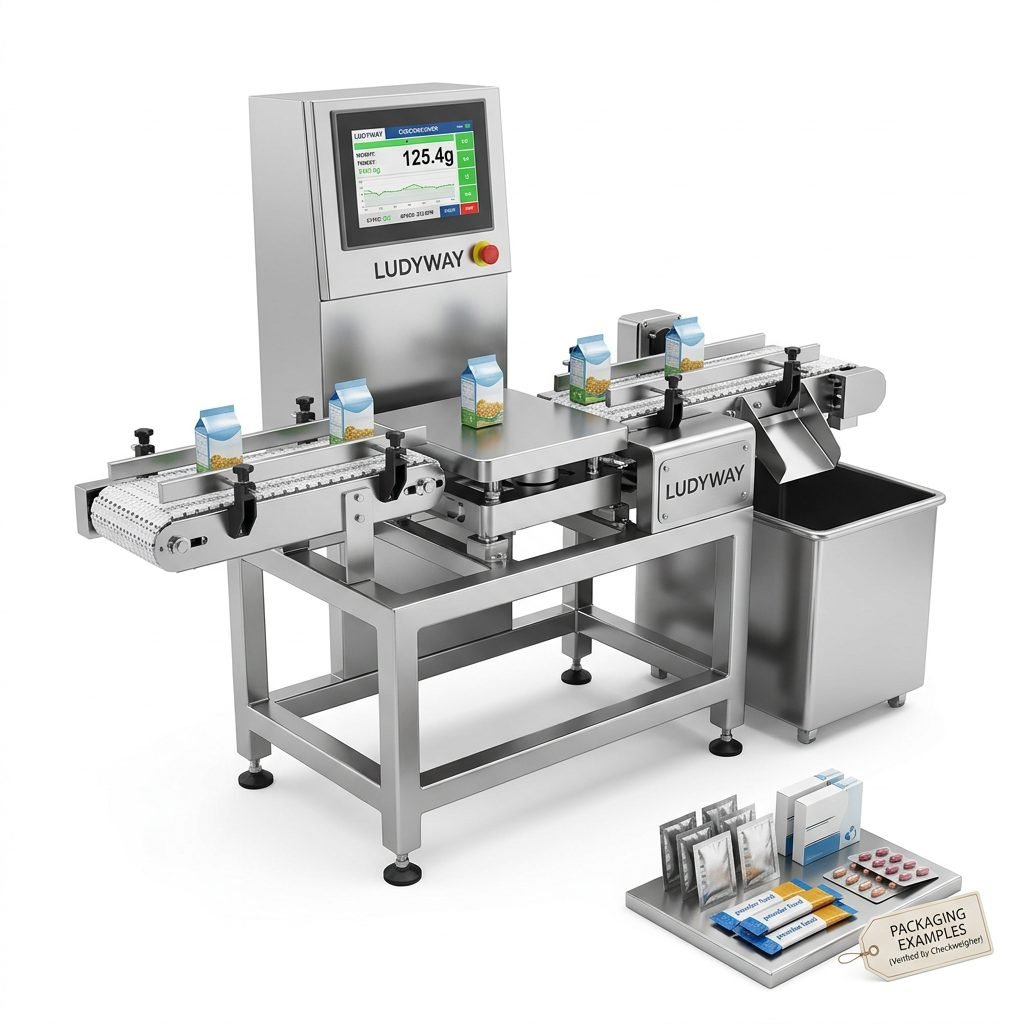
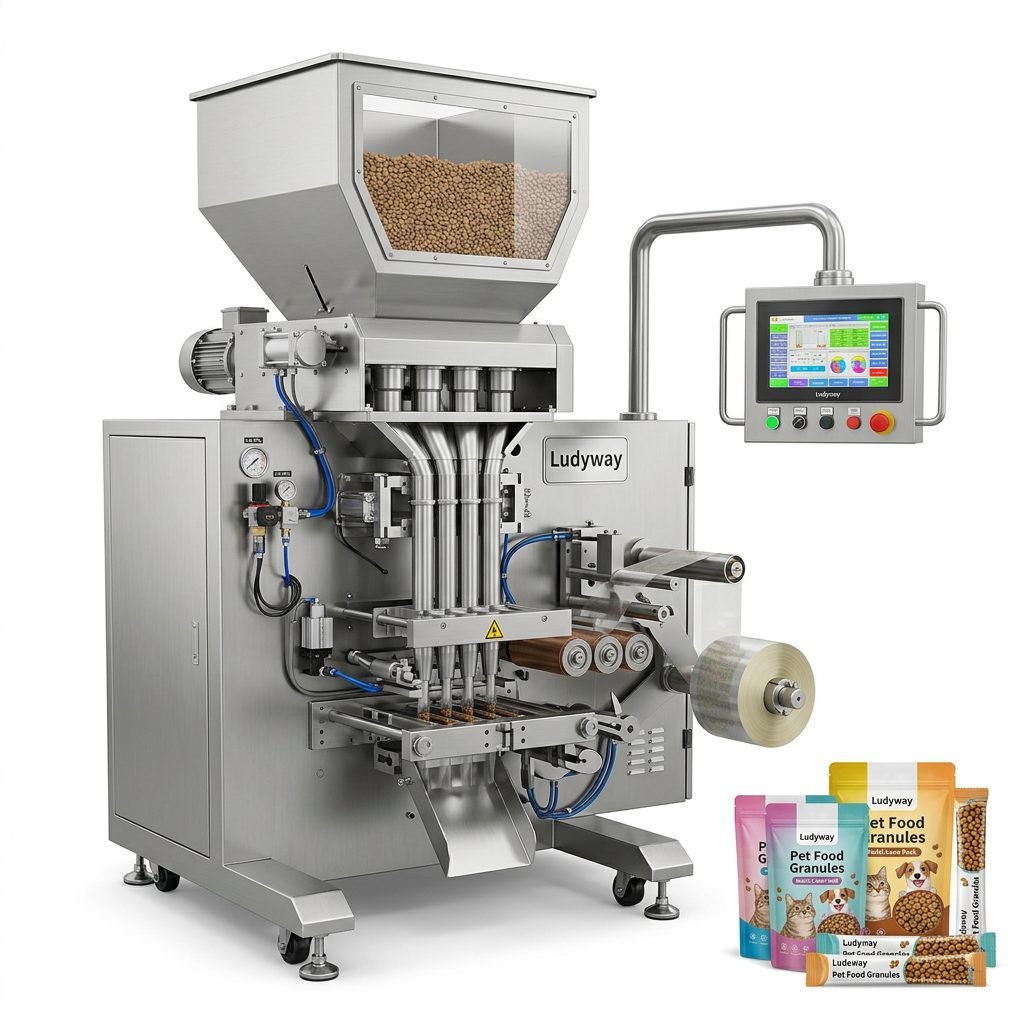
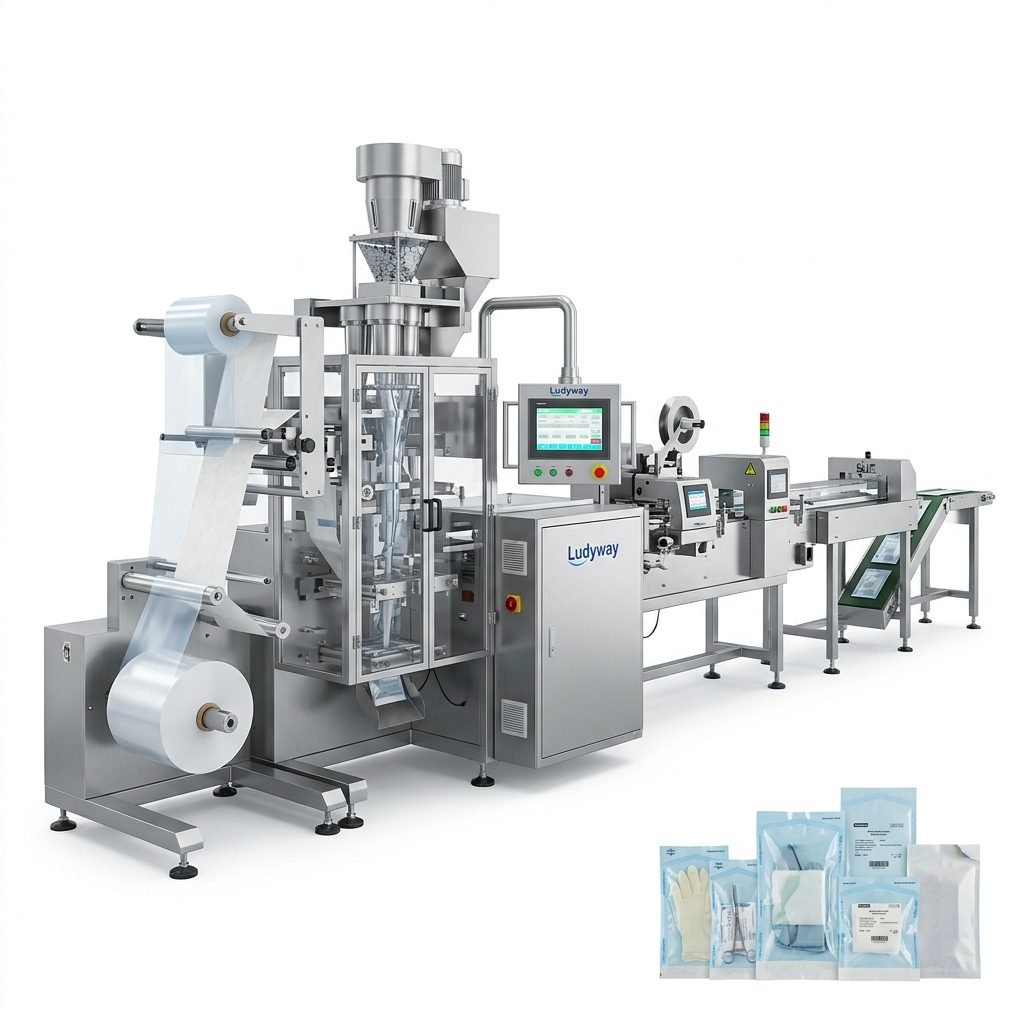
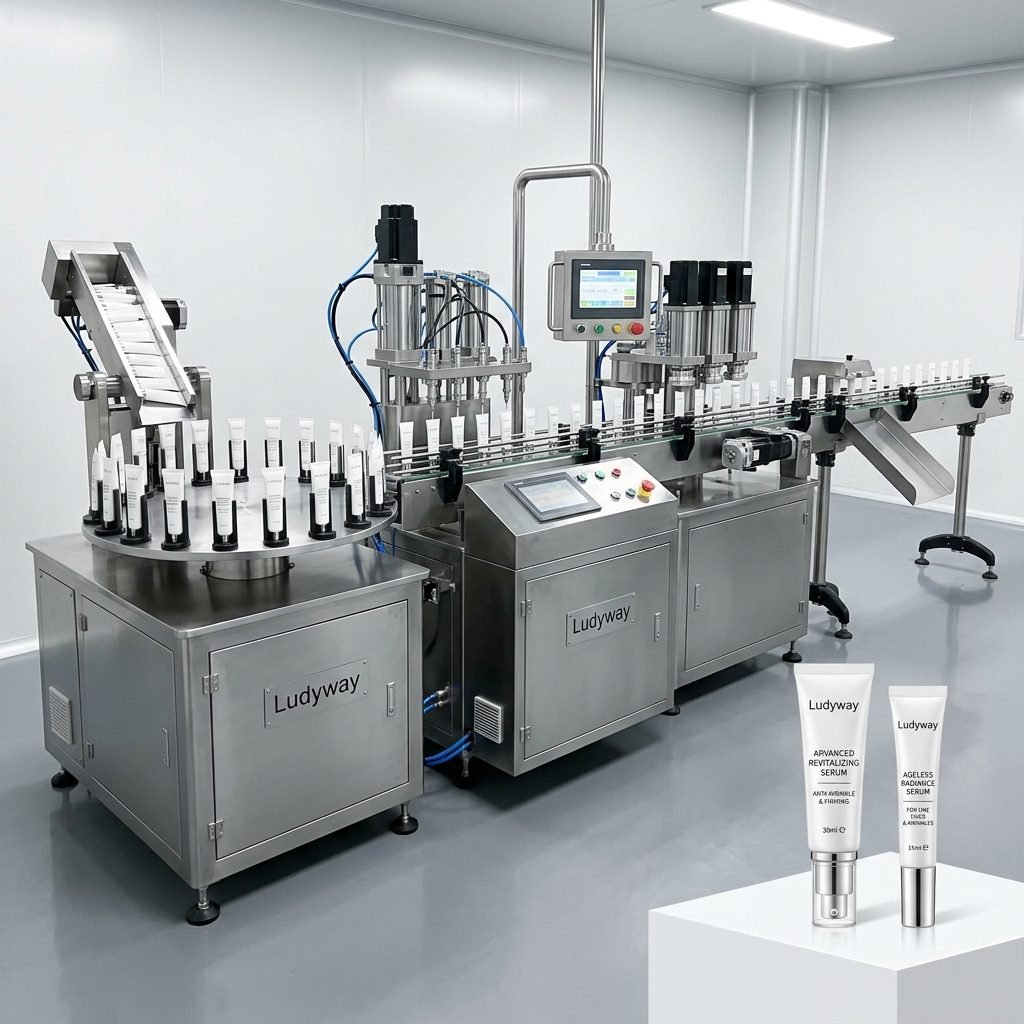
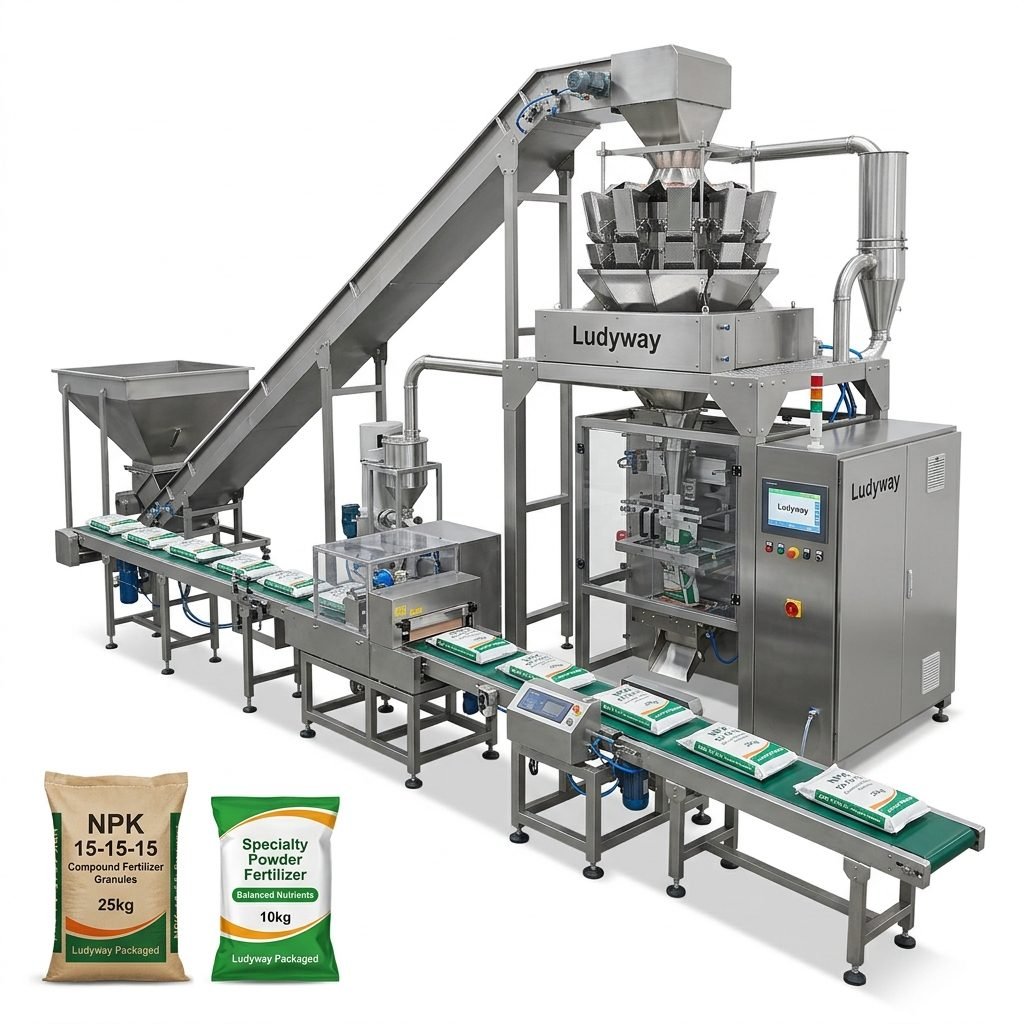
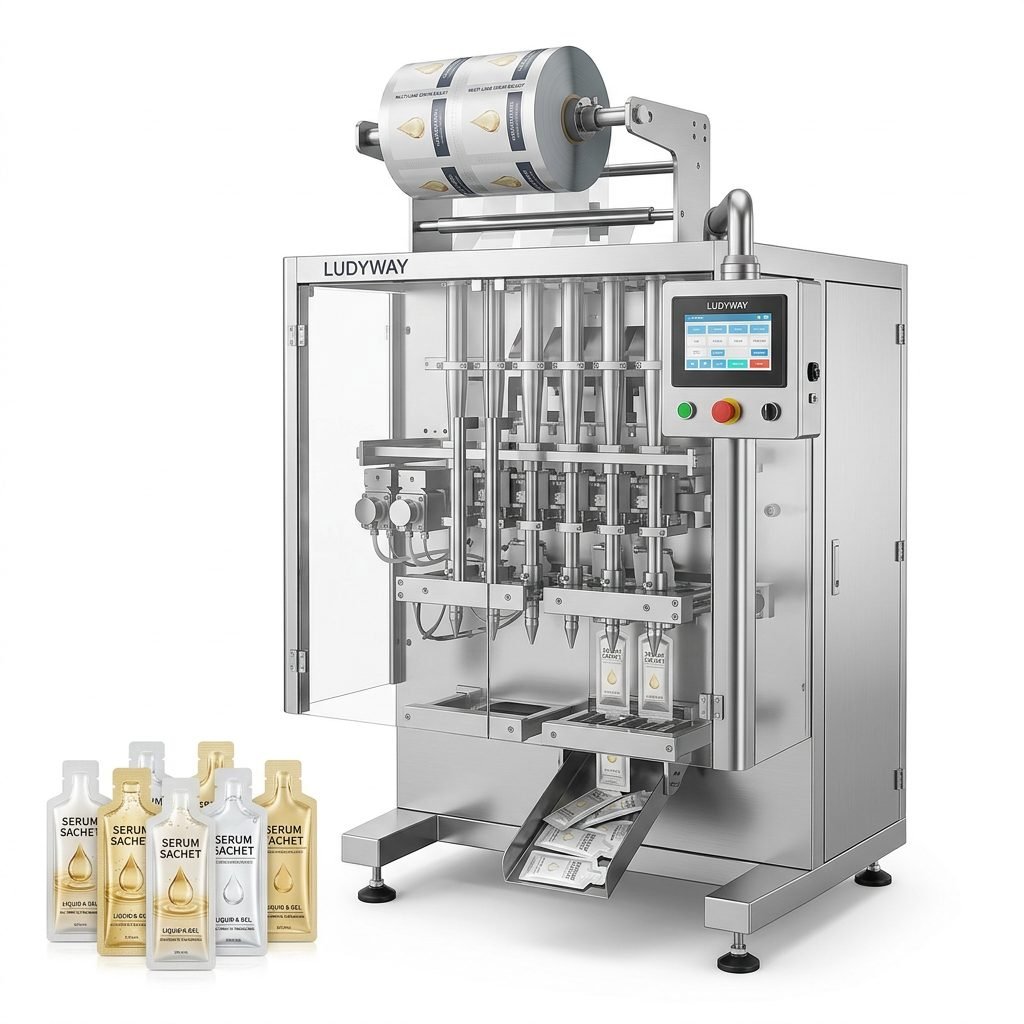
For businesses in Cameroon looking to enhance their production efficiency and product quality, selecting the right packaging machine manufacturer is a critical decision. The local market, with its growing food processing, pharmaceutical, and consumer goods sectors, demands reliable and efficient packaging solutions that can handle diverse products from granules and powders to liquids and sachets. This guide outlines the key factors and practical tips to help Cameroonian businesses make an informed choice.
Understanding Your Local Production Needs
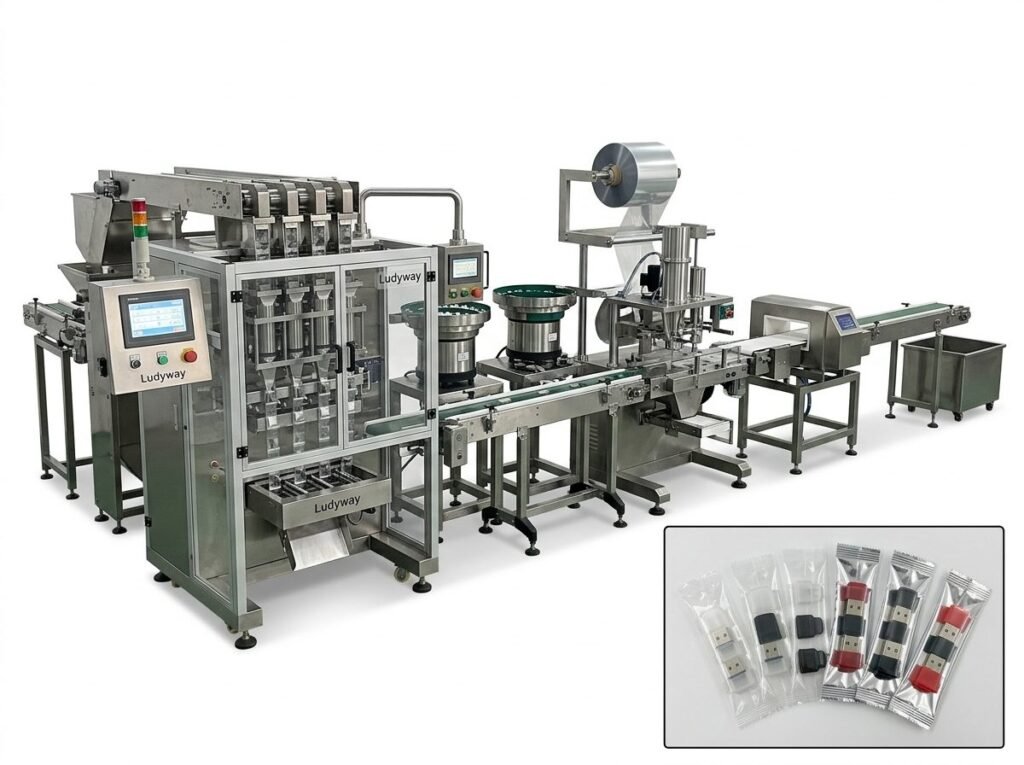
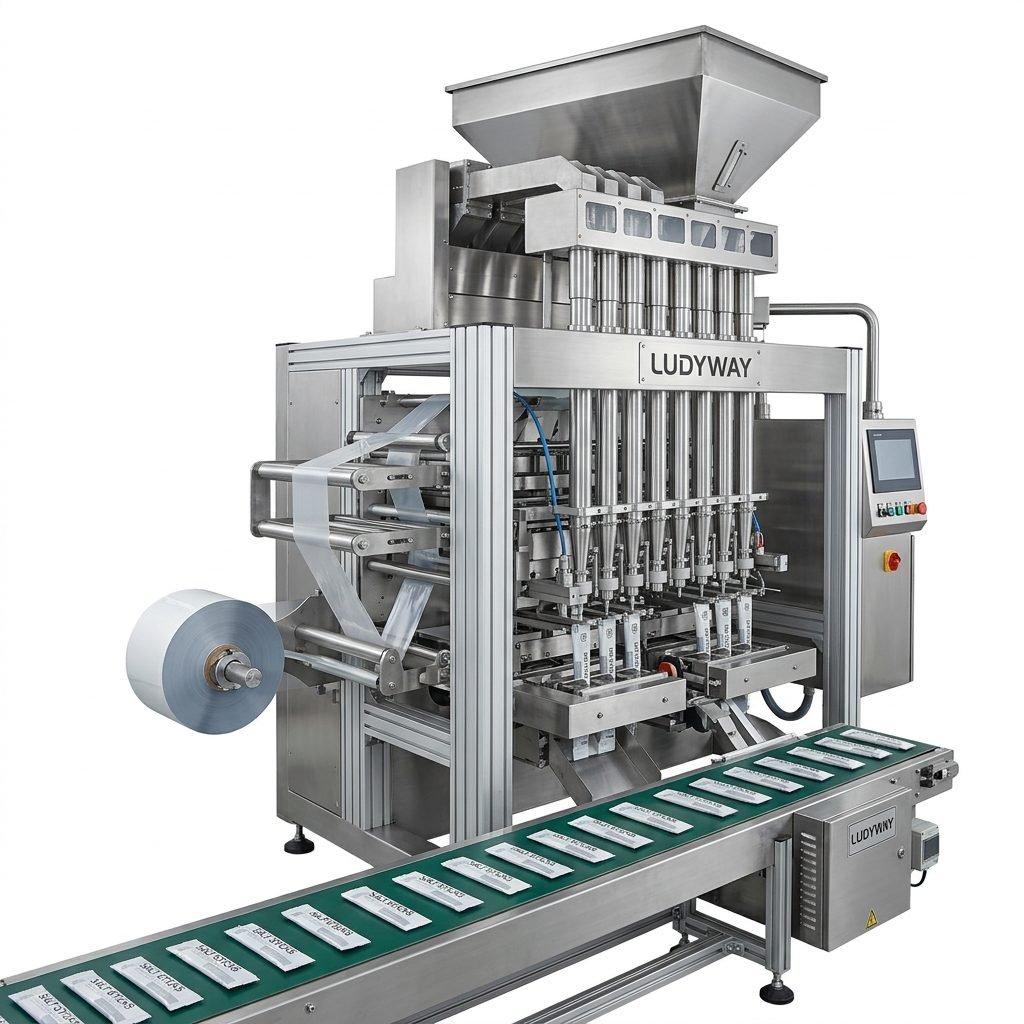
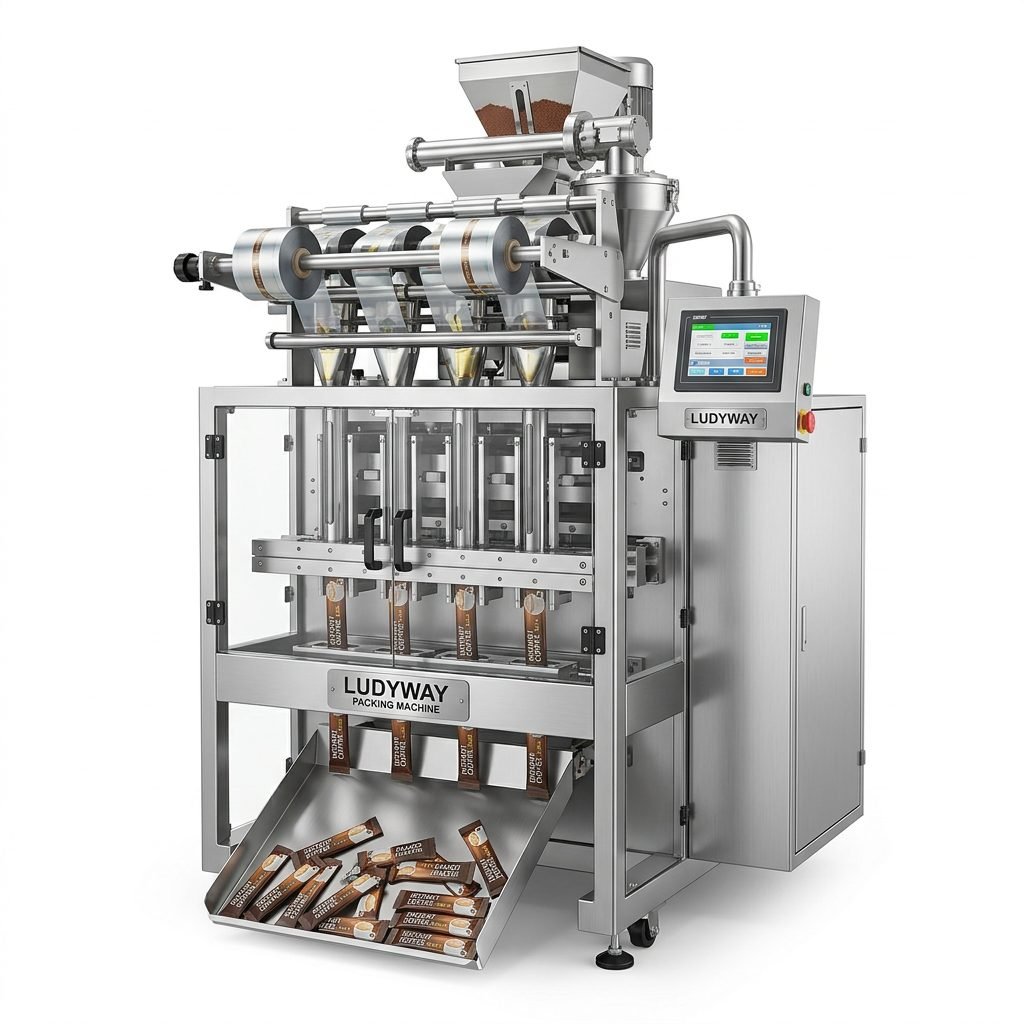
The first step is a thorough analysis of your specific requirements. Consider the type of products you package—whether it’s food items like spices and instant drinks, pharmaceuticals, or health supplements. The packaging format (stick packs, sachets, pouches) and your required production speed are also crucial. For instance, a company in Douala producing instant coffee or milk tea powder would need a high-speed, multi-lane stick pack machine capable of handling fine powders with precision.
Key Considerations for Cameroonian Manufacturers
Cameroon’s business environment presents unique challenges and opportunities. Factors such as power supply stability, availability of technical support, and ease of importing machinery parts are paramount. Partnering with a manufacturer that understands these local operational realities can prevent costly downtime. It’s advisable to choose suppliers with a proven track record of supporting clients in similar markets across Africa.
Evaluating Manufacturer Expertise and Experience
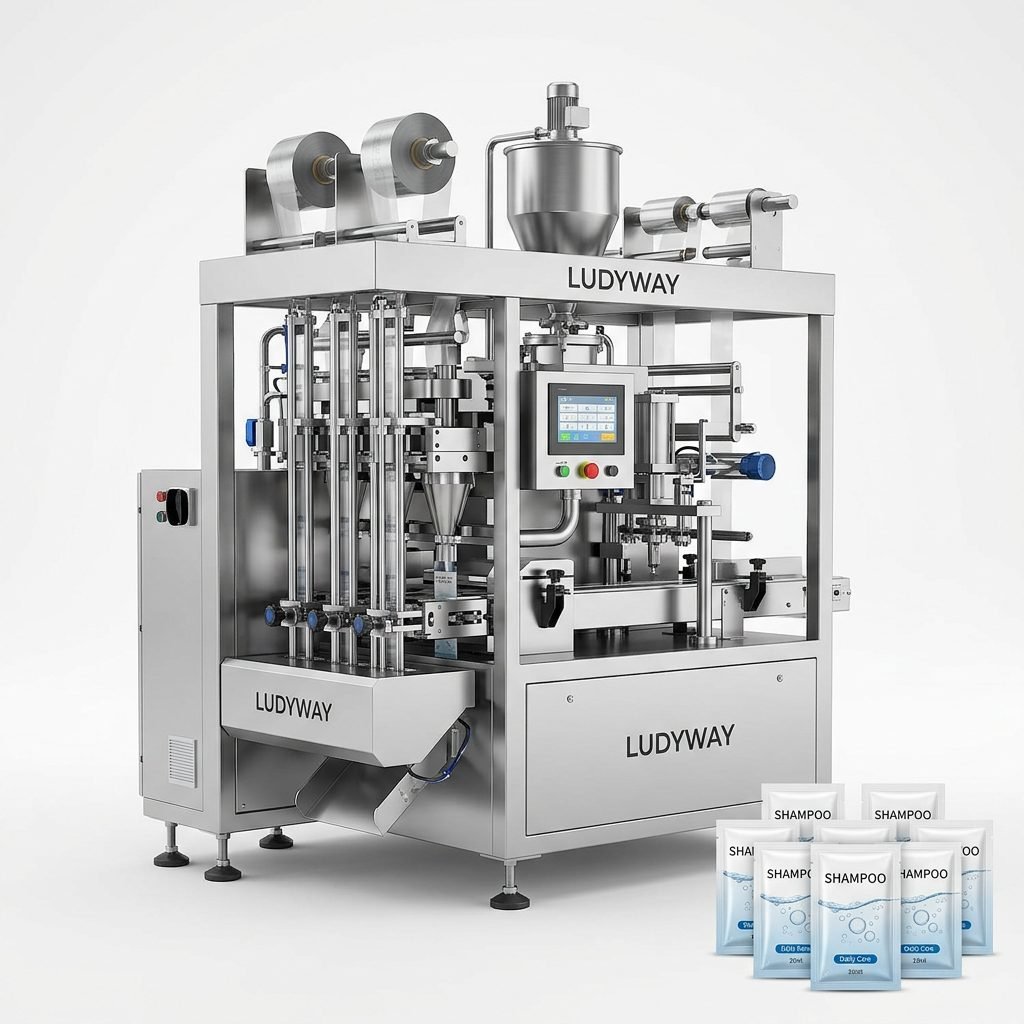
Look for a manufacturer with substantial industry experience and a diverse portfolio. A company like Ludyway, with over 30 years in the field, offers more than 50 models of intelligent packaging machines. This depth of experience often translates into more reliable machinery and better problem-solving capabilities. Evaluate their expertise in your specific product category, whether it’s granule packaging for animal feed or liquid filling for sauces and shampoos.
Pro Tip: Don’t just look at the machine catalog. Investigate the manufacturer’s project history. Have they successfully implemented lines for products similar to yours? Request case studies or references from projects in regions with conditions comparable to Cameroon.
Assessing Production Capability and Quality Control
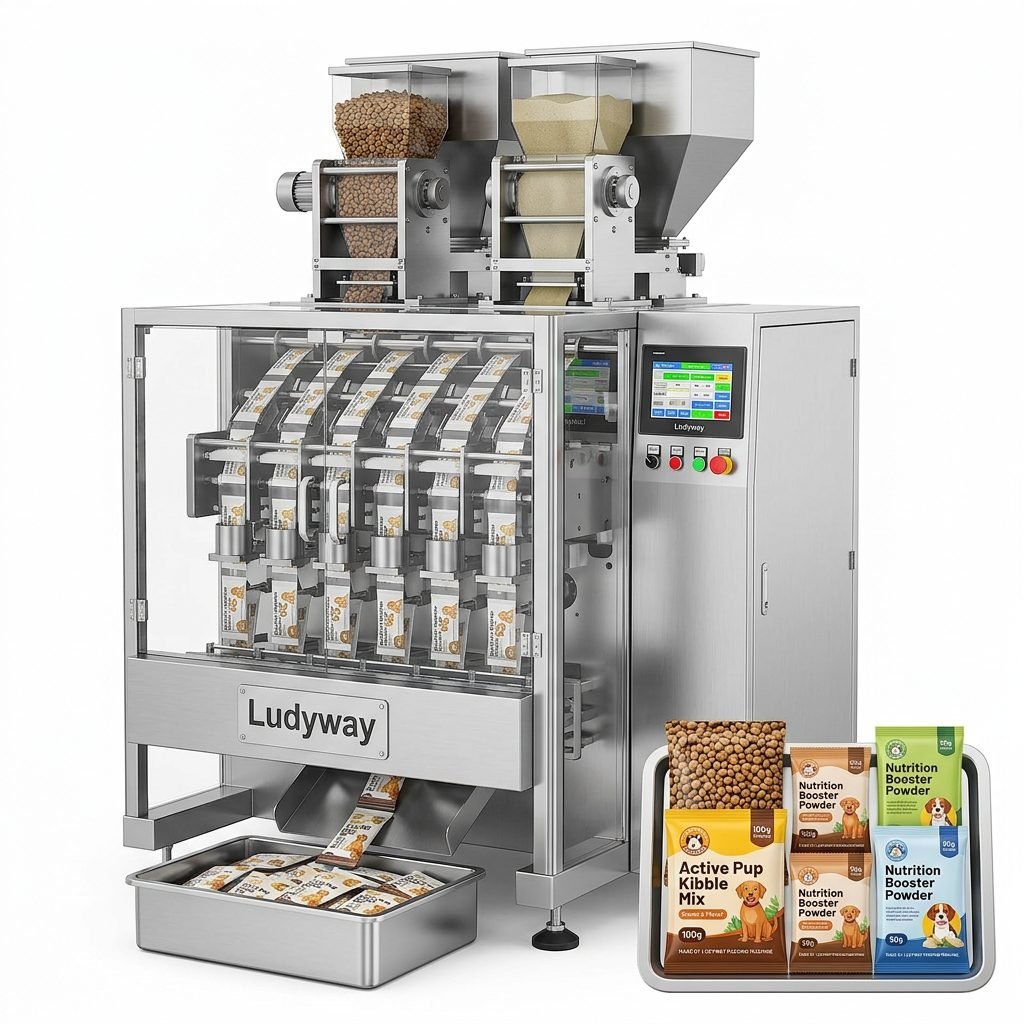
The manufacturer’s own production facility is a strong indicator of their capability. A modern, sizable manufacturing plant, like Ludyway’s 20,000㎡ facility, suggests a commitment to quality control and scalable production. Inquire about their quality assurance processes, the sourcing of key components, and whether they hold relevant international certifications. This ensures the machinery you receive is built to last and perform consistently.
Technical Support and After-Sales Service
This is arguably the most critical factor for operations in Cameroon. Reliable after-sales support can make the difference between a profitable investment and a stranded asset. Key questions to ask include:
- Is there local or regional technical support available?
- What is the typical response time for spare parts delivery?
- Do they offer comprehensive training for your operators and maintenance staff?
- Is remote troubleshooting and support available?
Manufacturers like Packmate Machinery, PacklineOEM, and PackingMachineOEM also emphasize their support structures, which is a common strength among leading Chinese manufacturers.
Cost Analysis and Return on Investment (ROI)
While initial cost is important, the total cost of ownership (TCO) is a better metric. Consider energy efficiency, maintenance costs, expected machine lifespan, and potential for production line upgrades. A slightly more expensive machine from a reputable manufacturer like Ludyway that offers higher speed, lower waste, and greater uptime will often provide a superior ROI than a cheaper, less reliable alternative. Be clear about your budget but prioritize value and long-term reliability.
The Importance of Customization and Flexibility
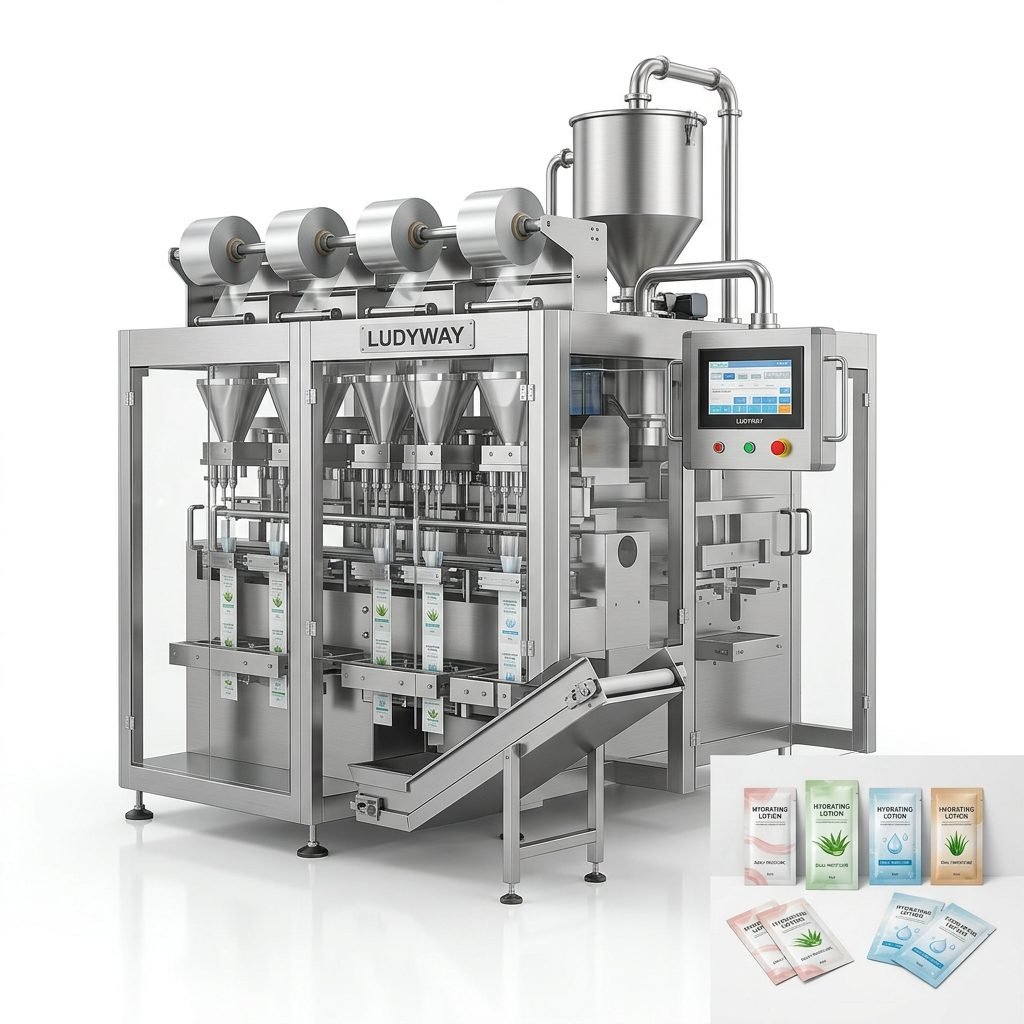
The ability to customize machinery is vital. Your packaging needs may evolve, or you might launch new product formats. Discuss with the manufacturer if their machines are modular and can be adapted. For example, a standard multi-lane sachet machine might be customized later to handle stick packs. Manufacturers specializing in non-standard solutions, such as PackingMachineOEM, or those in niche segments like SnusMachinery for oral pouch products, often excel in this area.
Requesting and Evaluating Proposals
Once you have shortlisted a few manufacturers, such as Ludyway, Packmate Machinery, or PacklineOEM, request detailed proposals. A good proposal should include:
- Machine specifications and recommended model(s).
- Layout drawings for your factory floor.
- A clear delivery and installation timeline.
- A detailed breakdown of all costs (machine, shipping, duties, installation).
- Warranty terms and service agreement details.
Compare these proposals not just on price, but on the completeness of the solution and the confidence they instill.
Final Steps: Factory Visit and Reference Checks
If feasible, visiting the manufacturer’s factory in China is highly recommended. This allows you to inspect build quality, assembly processes, and even see machines in trial runs. If a visit isn’t possible, request a live video tour. Crucially, ask for and contact references—especially clients in Africa or those with similar products. Their firsthand experience with the machine’s performance and the supplier’s service is invaluable.
Frequently Asked Questions (FAQs)
1. What type of packaging machine is most suitable for small and medium enterprises (SMEs) in Cameroon?
For SMEs, versatile and semi-automatic or compact fully automatic machines are often ideal. Multi-lane sachet or stick pack machines that can handle a range of products (powders, granules) offer good flexibility. Manufacturers like Ludyway offer models scalable for growing production needs, ensuring your investment is future-proof.
2. How can I ensure the packaging machine will work reliably with Cameroon’s voltage and environmental conditions?
Reputable manufacturers will configure machines to your local power specifications (e.g., 220-240V, 50Hz) and can advise on necessary stabilizers or transformers. Discuss ambient conditions like temperature and humidity in your factory so they can recommend suitable materials and components for the machine’s construction.
3. What is the typical lead time for receiving a packaging machine from China to Cameroon?
Lead times vary based on machine complexity and customization. For standard models, it can range from 30 to 60 days after order confirmation, plus shipping time. Custom or turnkey lines may take 60 to 90 days. Always factor in customs clearance in Douala or other ports into your project timeline.
4. Who is responsible for installation and commissioning of the machine in my factory?
This should be clearly defined in your contract. Most reputable manufacturers, including Ludyway and its peers, include supervision of installation and commissioning by their engineers. They will typically send technicians to your site to set up the machine, conduct trials with your materials, and train your staff.
5. How do I manage spare parts inventory to minimize downtime?
Work with the manufacturer to identify critical spare parts that should be kept on hand. Many suppliers offer starter spare part kits. Establish a clear protocol for ordering additional parts. Choosing a manufacturer with an efficient global logistics network is key to reducing lead times for urgent spare part deliveries to Cameroon.