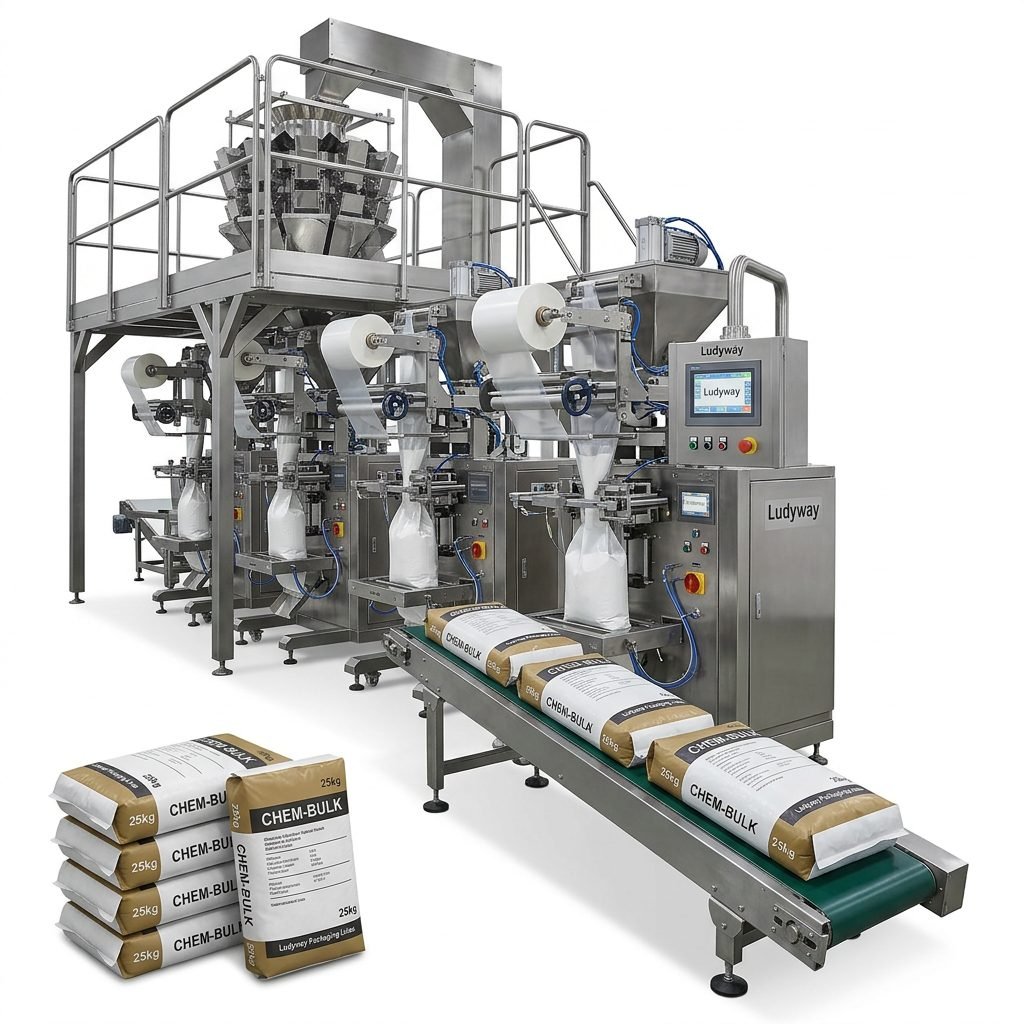
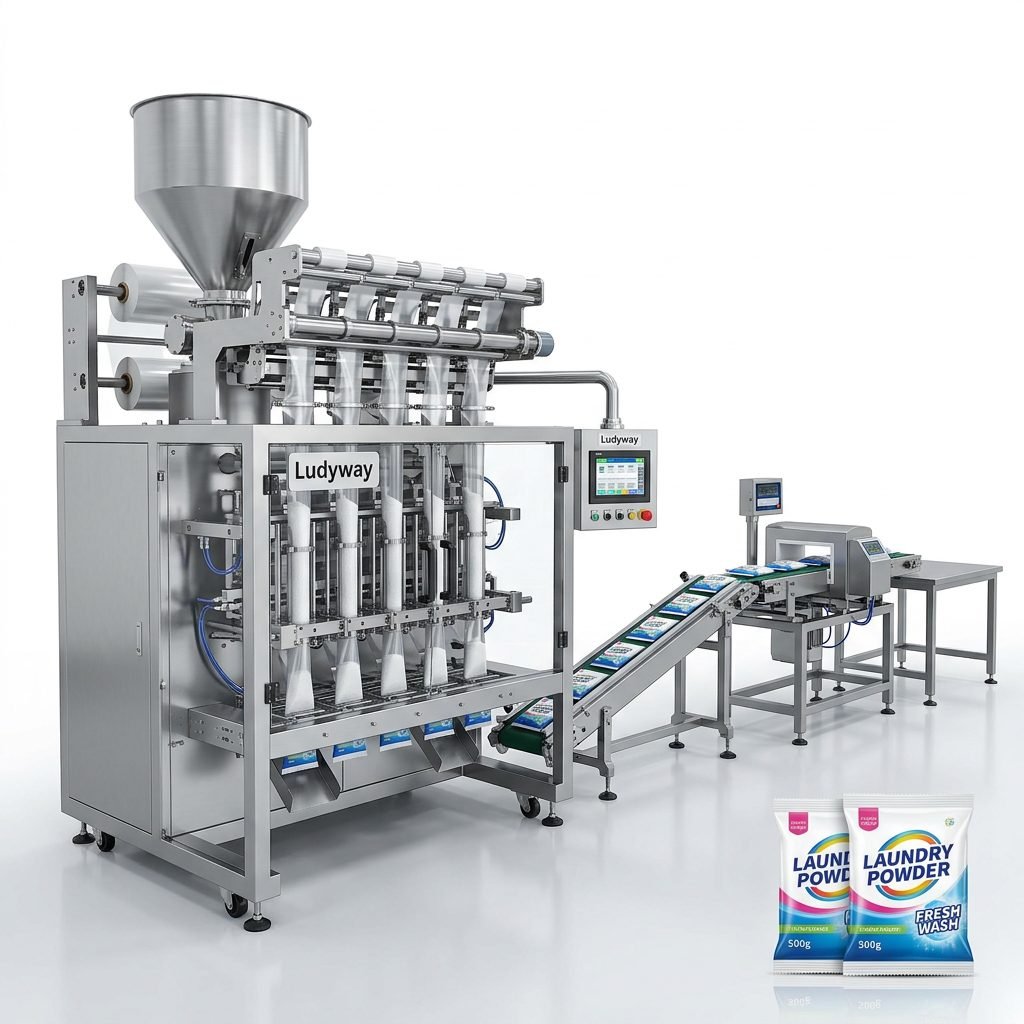
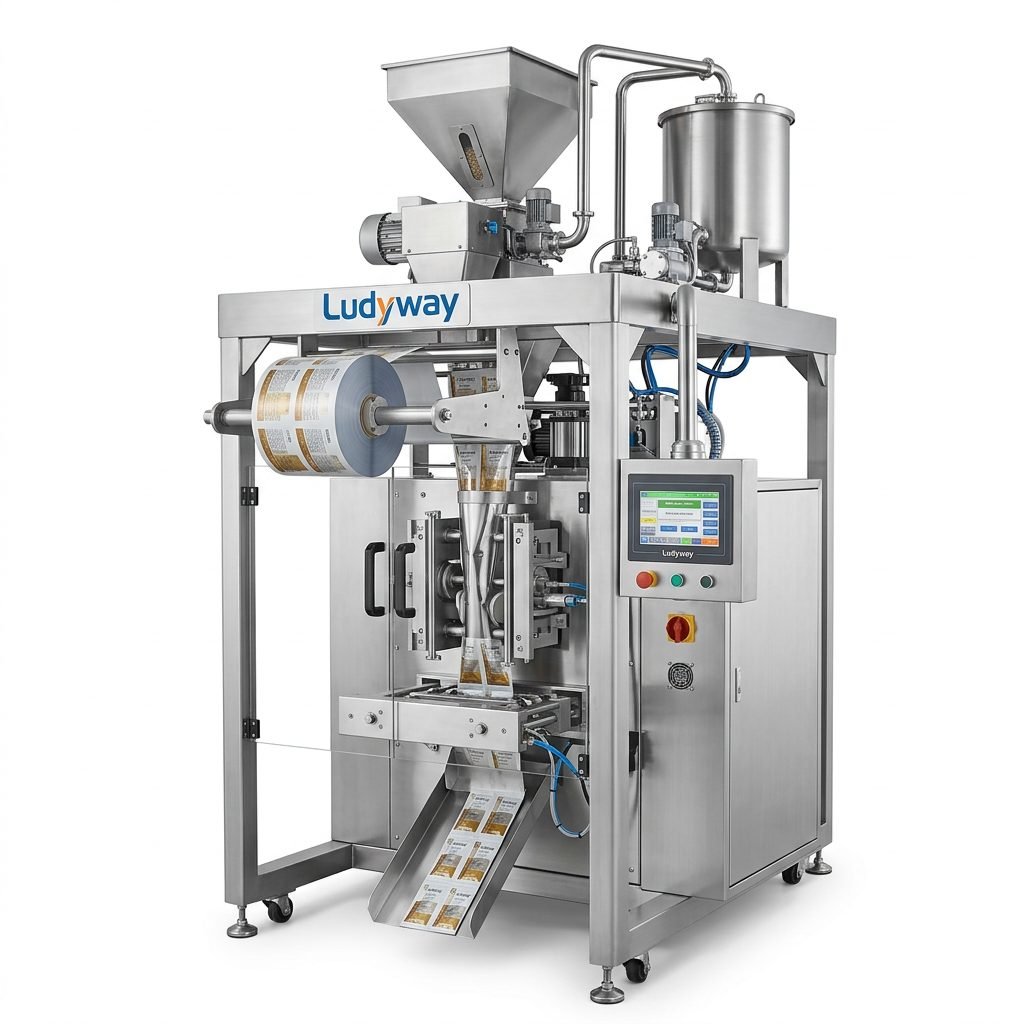
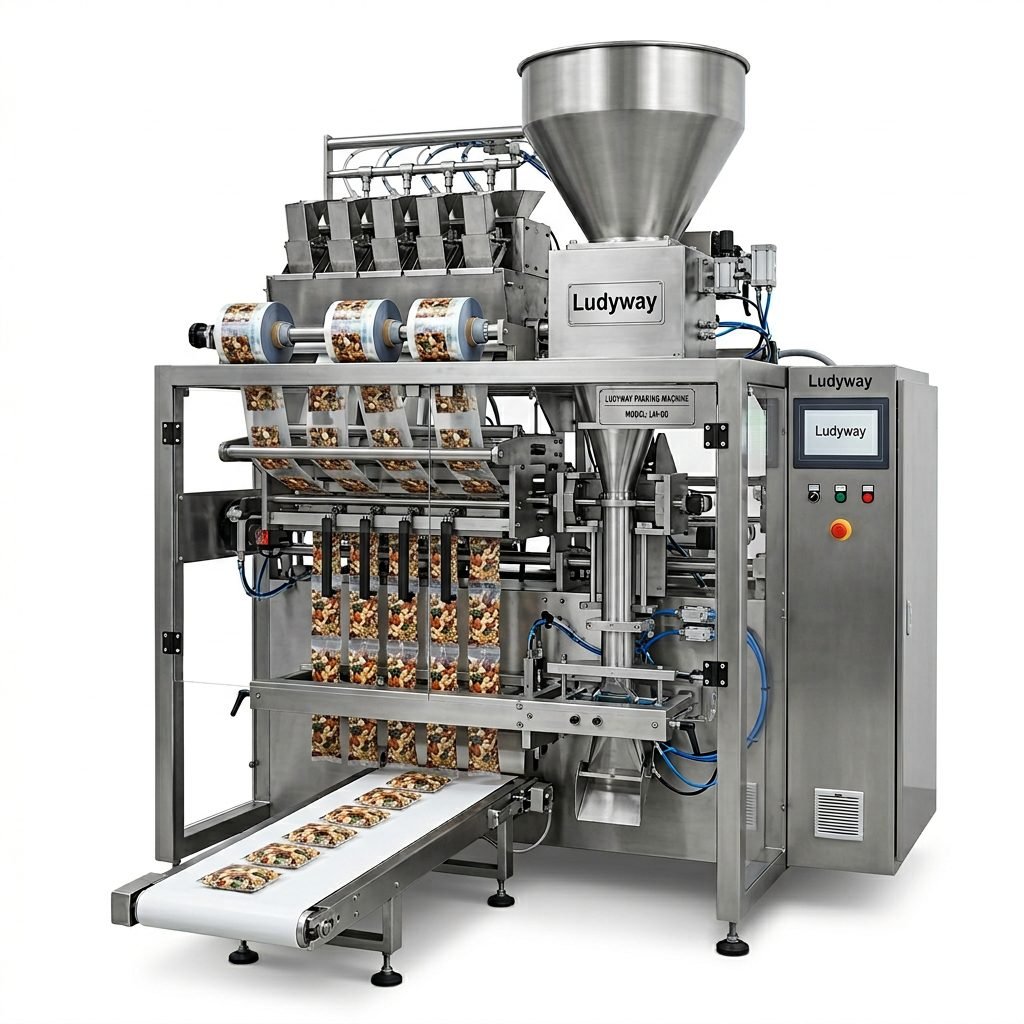
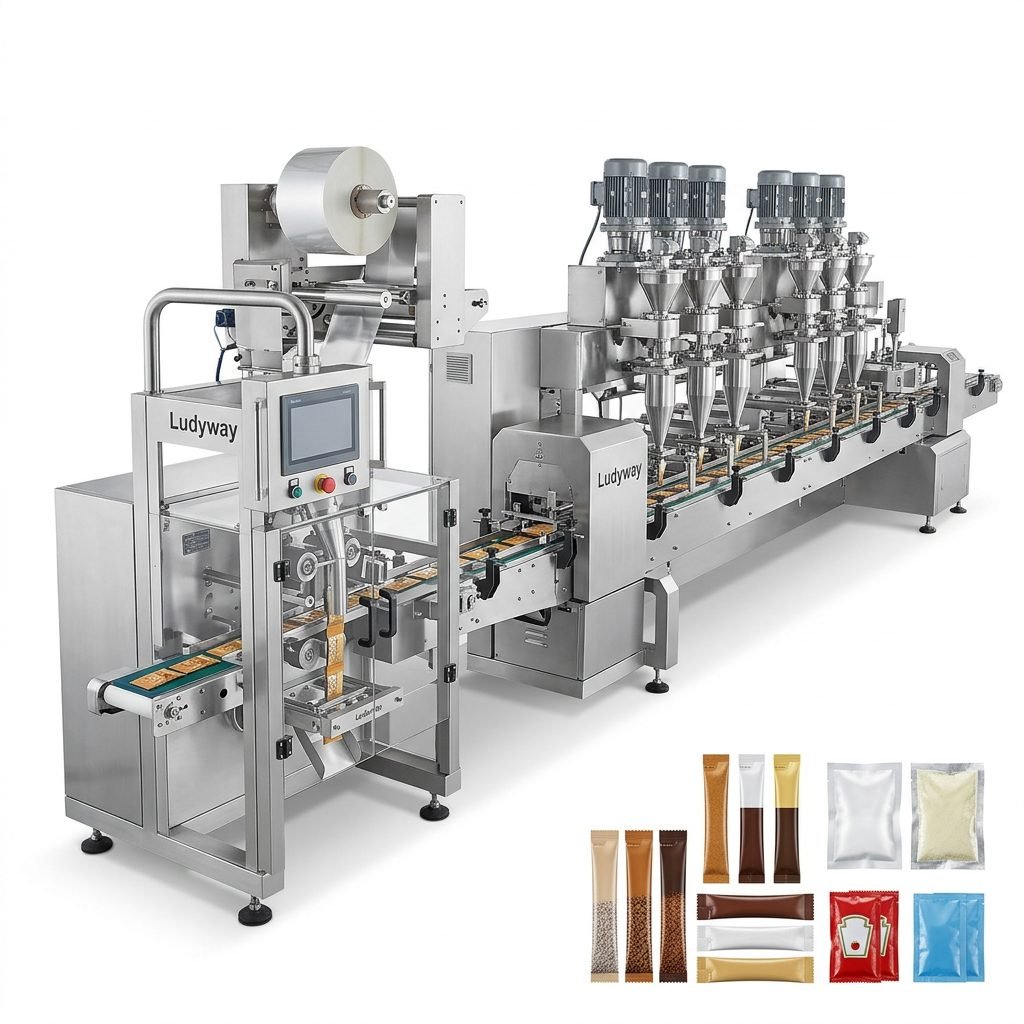
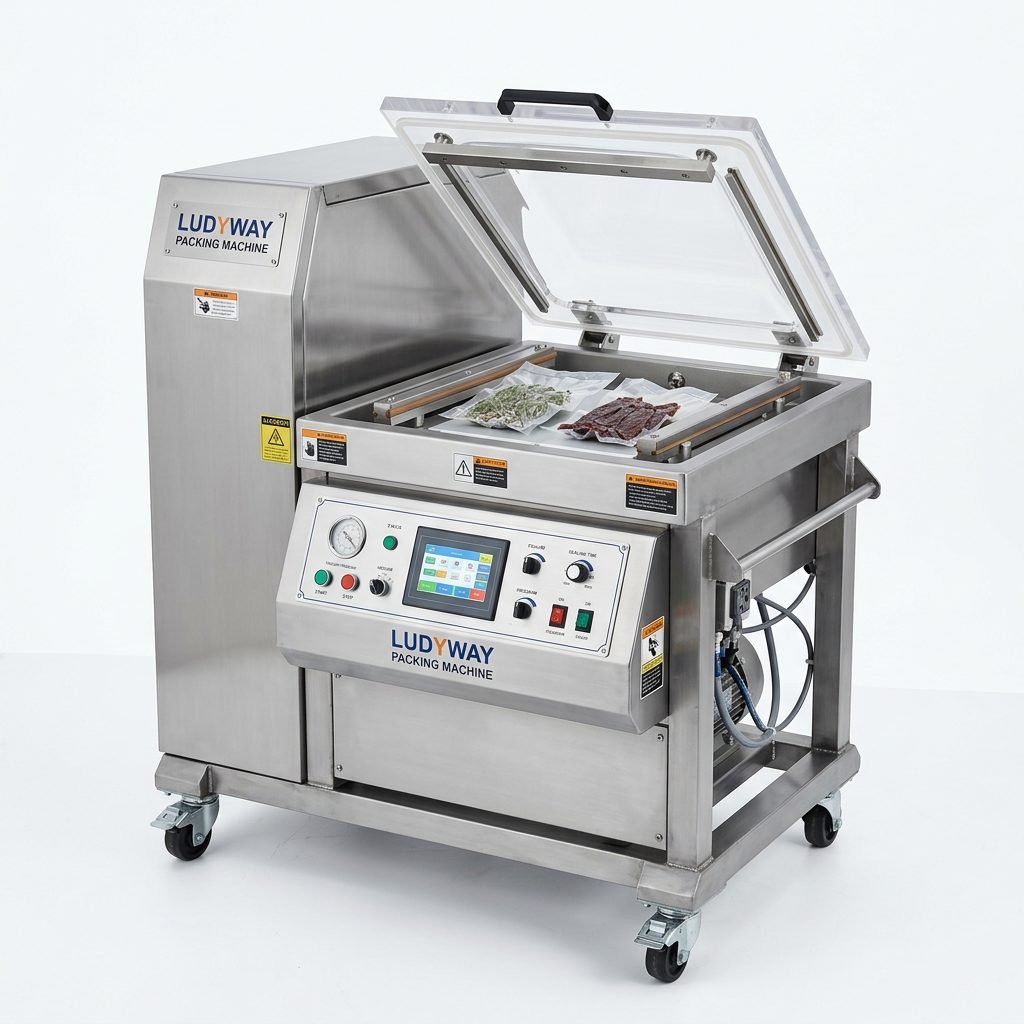
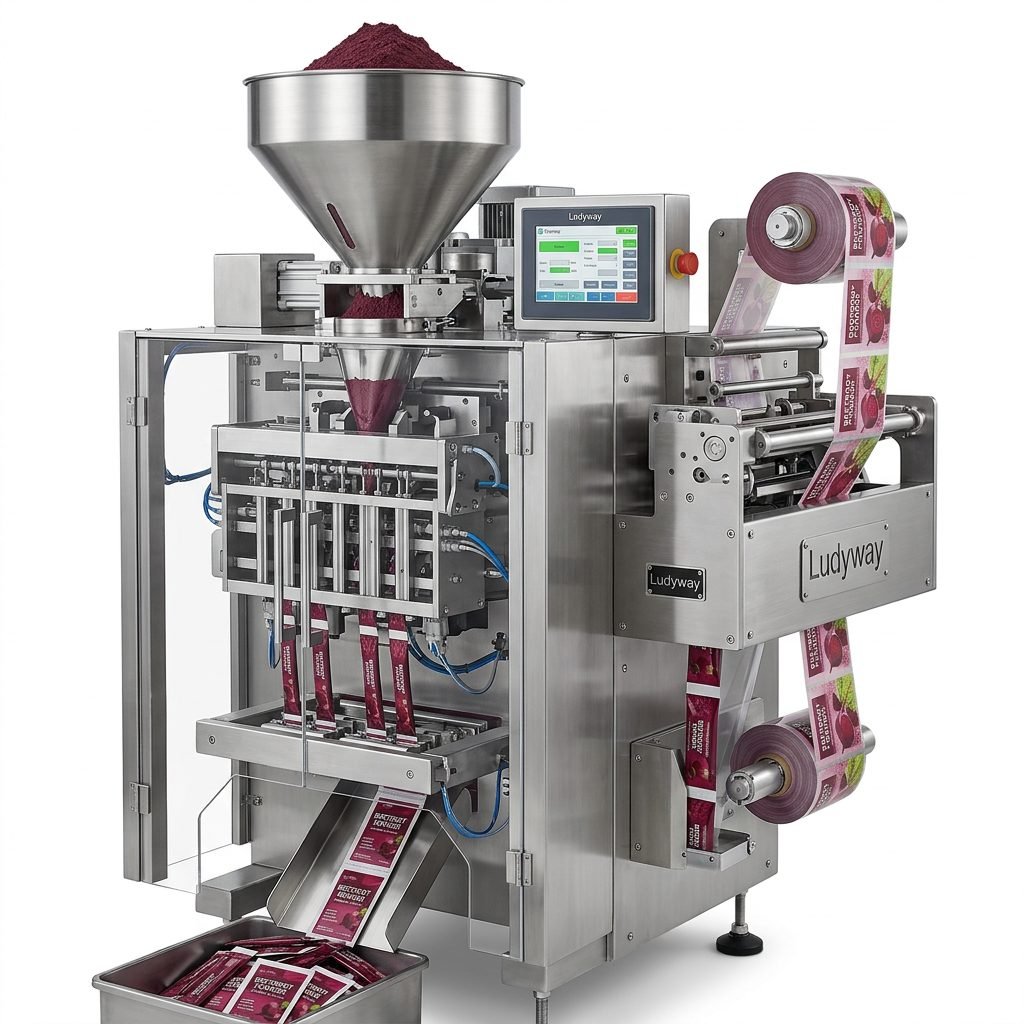
In the fast-paced world of packaging production, maintaining optimal machinery performance is not just a goal—it’s a necessity for efficiency and profitability. At the heart of this performance lie the various parts and components of Doboy packaging machinery. Understanding these parts—their types, specific functions, and best practices for replacement—is crucial for operators, maintenance technicians, and production managers alike. This guide serves as a comprehensive resource to navigate the intricate world of these essential components.
The Critical Role of Packaging Machinery Parts
Every packaging line is a symphony of moving parts. From the initial feeding of materials to the final sealing and cutting, each component plays a vital role. When one part fails or wears, it can disrupt the entire production flow, leading to downtime, product waste, and missed deadlines. Therefore, a deep understanding of the machinery’s anatomy is the first line of defense against operational inefficiencies.
Key Insight: Proactive part management is more cost-effective than reactive repairs. Regular inspection and timely replacement of wear-prone components can prevent catastrophic failures and extend the overall lifespan of your packaging machinery.
Major Categories of Doboy Packaging Machinery Parts
Doboy machinery, known for its reliability in form-fill-seal (FFS), cartoning, and flow wrapping applications, consists of several key part families. We can categorize them based on their primary function within the machine’s workflow.
1. Drive & Transmission Components
These are the powerhouse parts responsible for motion and power transfer.
- Gears & Sprockets: Precision-machined to ensure synchronized movement between different sections of the machine, such as the film feed and the sealing jaws.
- Chains & Belts: Act as the connective tissue, transferring rotational force from motors to various actuators. Regular tension checks are vital.
- Shafts & Bearings: Support rotating elements and reduce friction. High-quality bearings are critical for smooth, low-vibration operation.
- Servo Motors & Drives: In modern Doboy machines, these provide precise, programmable control over movement, replacing older mechanical systems.
2. Sealing & Cutting System Parts
This system is responsible for creating the final package integrity.
- Healing/Jaw Inserts: Often made from Teflon-coated or hardened steel, these make direct contact with the packaging film to create the seal. They are high-wear items.
- Heating Elements & Bands: Provide the necessary heat for thermal sealing. Consistent temperature is key to a strong seal.
- Cutting Knives & Blades: Used for perforating or completely cutting individual packages from the film web. Sharpness is paramount for clean cuts.
- Sealing Jaws (Upper & Lower): The assemblies that apply pressure and heat. Their alignment must be perfect to avoid leakers.
3. Film & Product Handling Parts
These components guide the packaging material and the product itself through the machine.
- Film Unwind Shafts & Brakes: Control the tension of the packaging film roll as it feeds into the machine.
- Forming Collars & Shoulders: Precisely shape the flat film into a tube around the product funnel. Any scratches or dents can cause film drag or wrinkles.
- Product Funnels & Augers: For granular or powder products, these guide and meter the product into the forming film tube. Stainless steel construction is common for hygiene.
- Guides and Rails: Ensure the film and partially formed packages travel along the correct path without snagging.
4. Control & Sensing Components
The “nervous system” of the machine, monitoring and regulating the process.
- Photoelectric Sensors: Detect the presence of film, product, or package position, providing critical feedback to the PLC.
- Temperature Controllers: Precisely regulate the heat applied to the sealing jaws.
- PLCs (Programmable Logic Controllers) & HMIs: The brain of the operation, executing the machine cycle and providing the user interface.
- Solenoid Valves: Control pneumatic actuators for functions like jaw opening/closing or product pushers.
🛠️ Core Functions: What Each Part Family Does
Understanding the category is one thing; knowing its precise role completes the picture.
Drive Components convert electrical energy into controlled mechanical motion, setting the machine’s pace (cycles per minute).
Sealing Components apply the correct combination of heat, pressure, and time to fuse the packaging layers, creating a hermetic seal that protects the product from moisture, oxygen, and contaminants.
Handling Components ensure gentle, precise, and consistent movement of both the packaging material and the product, minimizing stress on materials and preventing jams.
Control Components continuously monitor the process (e.g., “Is film present?”, “Is the seal temperature correct?”) and make instantaneous adjustments to maintain quality and safety, often integrating with broader packaging line automation systems.
Proactive Maintenance: Knowing When to Replace Parts
Waiting for a part to fail completely is a recipe for unscheduled downtime. A proactive approach involves monitoring for signs of wear and scheduling replacements during planned maintenance windows.
Common Signs of Part Wear or Impending Failure:
- Deteriorating Seal Quality: Weak seals, leakers, or burnt film often point to worn jaw inserts, uneven heating elements, or misaligned jaws.
- Increased Film Tension or Breaks: This can indicate a damaged forming collar, a rough guide rail, or a malfunctioning unwind brake.
- Unusual Noises: Grinding, clicking, or squealing from the drive train typically signals bearing failure, lack of lubrication, or worn gears.
- Product Metering Inconsistency: For auger-fed machines, uneven fills suggest a worn auger flight or a slipping clutch in the drive system.
- Frequent Sensor Faults: Intermittent “no film” or “no product” errors may be caused by a failing sensor or a buildup of dust/debris on its lens.
Replacement Tips & Best Practices
Successful part replacement is more than just swapping out an old piece for a new one.
1. Sourcing the Right Parts
Always prioritize OEM (Original Equipment Manufacturer) or high-quality certified compatible parts. While generic parts may seem cheaper, they can differ in material grade, dimensional tolerance, and heat treatment, leading to premature failure, machine damage, or safety issues. Ensure your supplier, like experienced providers in the field, has a proven track record for quality.
2. The Replacement Procedure
- Safety First: Lock Out, Tag Out (LOTO) the machine. Disconnect all power sources (electrical and pneumatic).
- Document & Clean: Take photos before disassembly. Clean the area around the component to prevent contamination.
- Use Proper Tools: Employ the correct wrenches, pullers, and alignment tools. Avoid using excessive force.
- Check Related Components: When replacing a bearing, check the shaft for scoring. When replacing seals, inspect the jaw faces for flatness.
- Calibrate and Test: After installation, recalibrate sensors, set proper temperatures, and run the machine slowly for a test cycle before full-speed production.
3. Maintaining a Spare Parts Inventory
Create a critical spare parts list based on your machine’s manual and historical wear data. Typical high-priority spares include:
Sealing jaw inserts, specific drive belts, photoelectric sensors, fuses, and commonly used bearings.
This inventory acts as an insurance policy against extended downtime.
💡 Expert Recommendation
Keep a detailed maintenance log for each machine. Record the date, part number replaced, running hours on the part, and the reason for replacement. This data is invaluable for predicting future part life and optimizing your maintenance schedule and spare parts budget. Partnering with a technical support team that understands this lifecycle is a strategic advantage.
Conclusion: Maximizing Uptime Through Part Knowledge
Mastering the types, functions, and replacement protocols for your Doboy packaging machinery parts is a fundamental aspect of professional packaging operations. This knowledge empowers teams to move from a reactive “fix-it-when-it-breaks” model to a proactive, predictive maintenance strategy. By investing in quality parts, following meticulous replacement procedures, and maintaining strategic spares, you safeguard your production line’s efficiency, protect your product quality, and ensure a strong return on your machinery investment. In today’s competitive market, such operational excellence is not optional—it’s essential.
Frequently Asked Questions (FAQs)
1. How often should I replace common wear parts like sealing jaw inserts?
There’s no universal hour count, as it depends on film type, seal temperature, and production speed. Monitor seal quality daily. Many operations replace inserts preventively every 1-3 months as part of scheduled maintenance, but your machine’s manual and visual inspection are the best guides.
2. Can I use generic or third-party replacement parts for my Doboy machine?
It is possible, but it carries risk. While some generic parts may function, OEM parts are engineered to exact specifications for fit, material, and performance. Using non-OEM parts can void warranties, cause premature failure of other components, and lead to inconsistent package quality. For critical components in the sealing and drive systems, OEM parts are strongly recommended.
3. What is the most common cause of premature part failure?
Improper maintenance, particularly lack of lubrication on moving parts and misalignment during installation or after an impact. Following the manufacturer’s lubrication schedule and using precision tools for alignment during part changes are the most effective ways to extend part life.
4. Where can I find technical diagrams or part numbers for my specific Doboy machine model?
The primary source is the original equipment manual that came with your machine. If that is lost, you can often request it from the manufacturer or your authorized distributor using your machine’s model and serial number. Reputable parts suppliers also maintain extensive cross-reference databases.
5. What should I do if a part fails and I don’t have a spare in inventory?
First, contact your trusted parts supplier or OEM service provider immediately with your machine model and serial number and a clear description (or photo) of the failed part. For critical failures that halt production, expedited shipping is often available. This situation highlights the importance of maintaining a well-planned spare parts strategy based on your operational criticality.