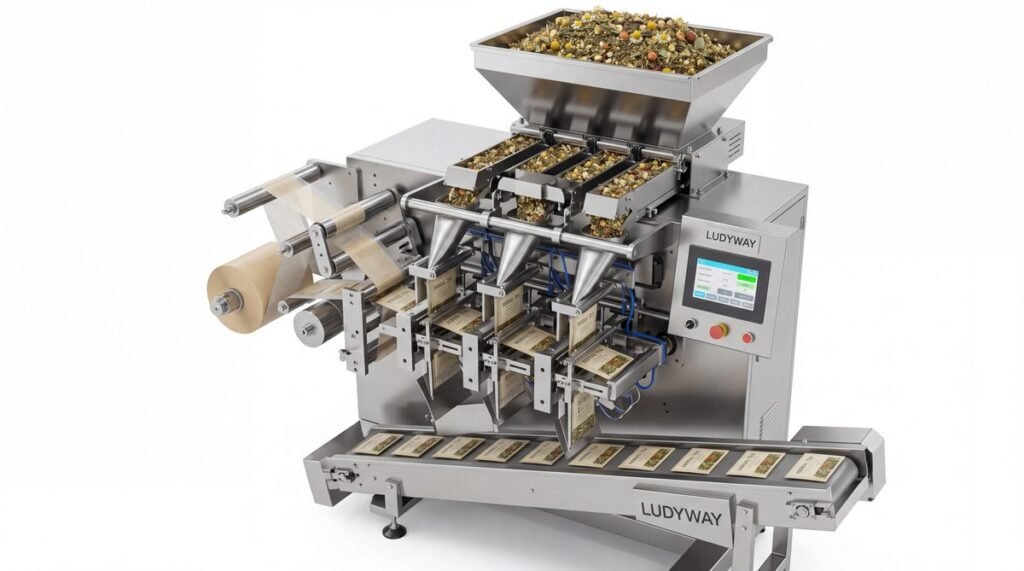
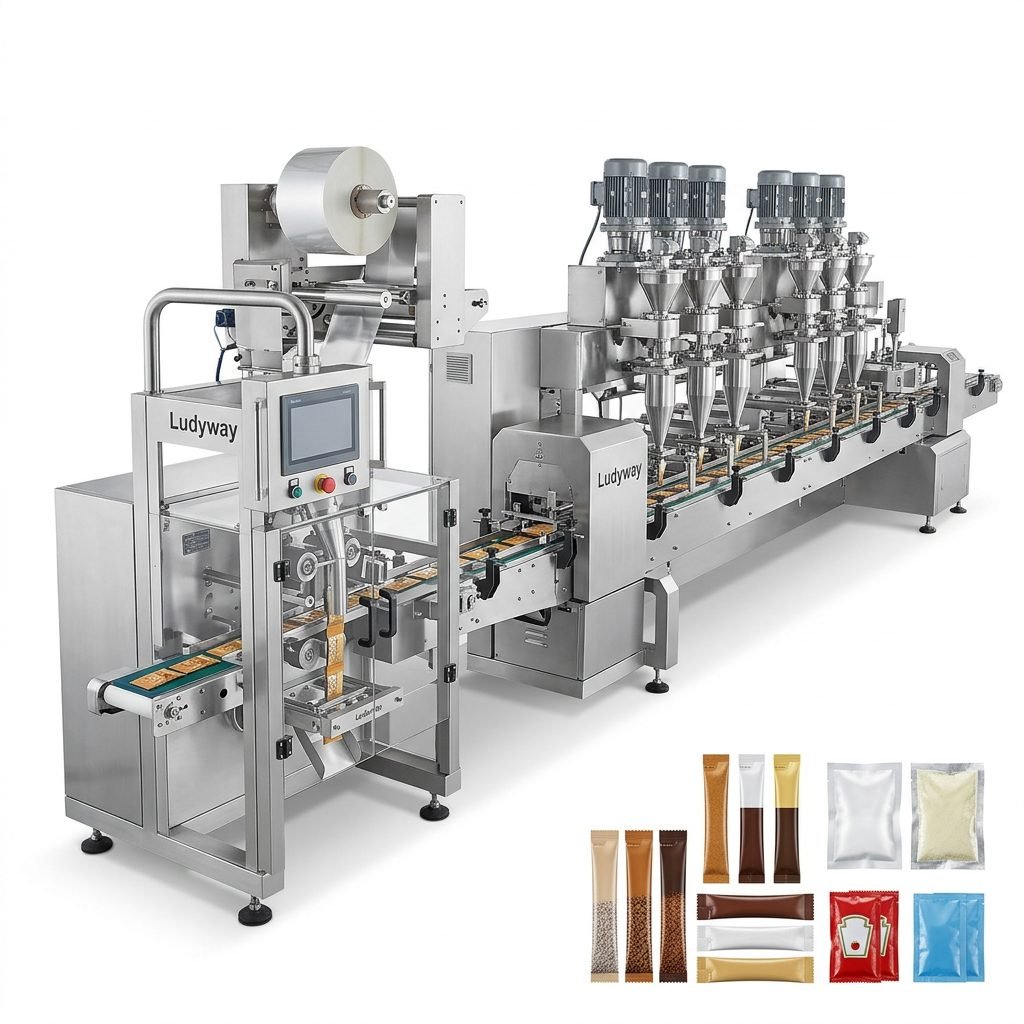
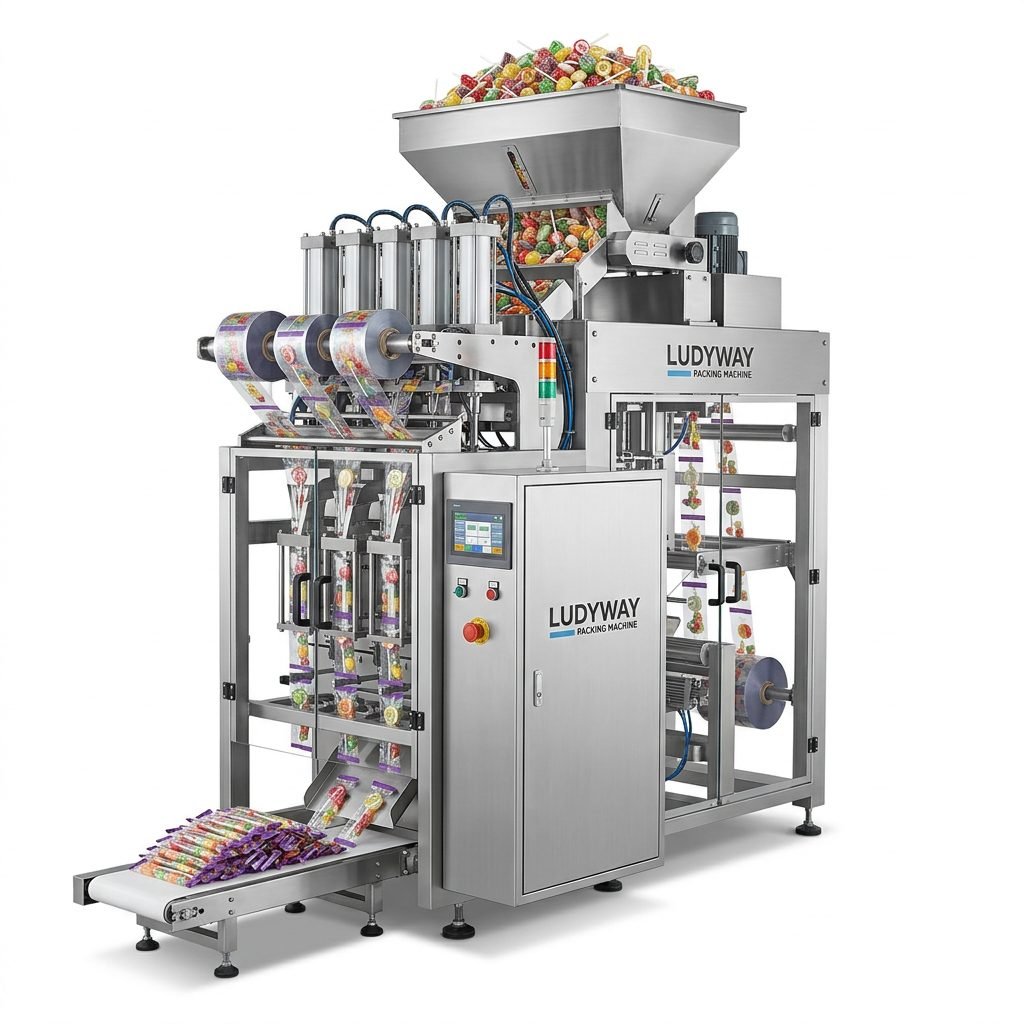
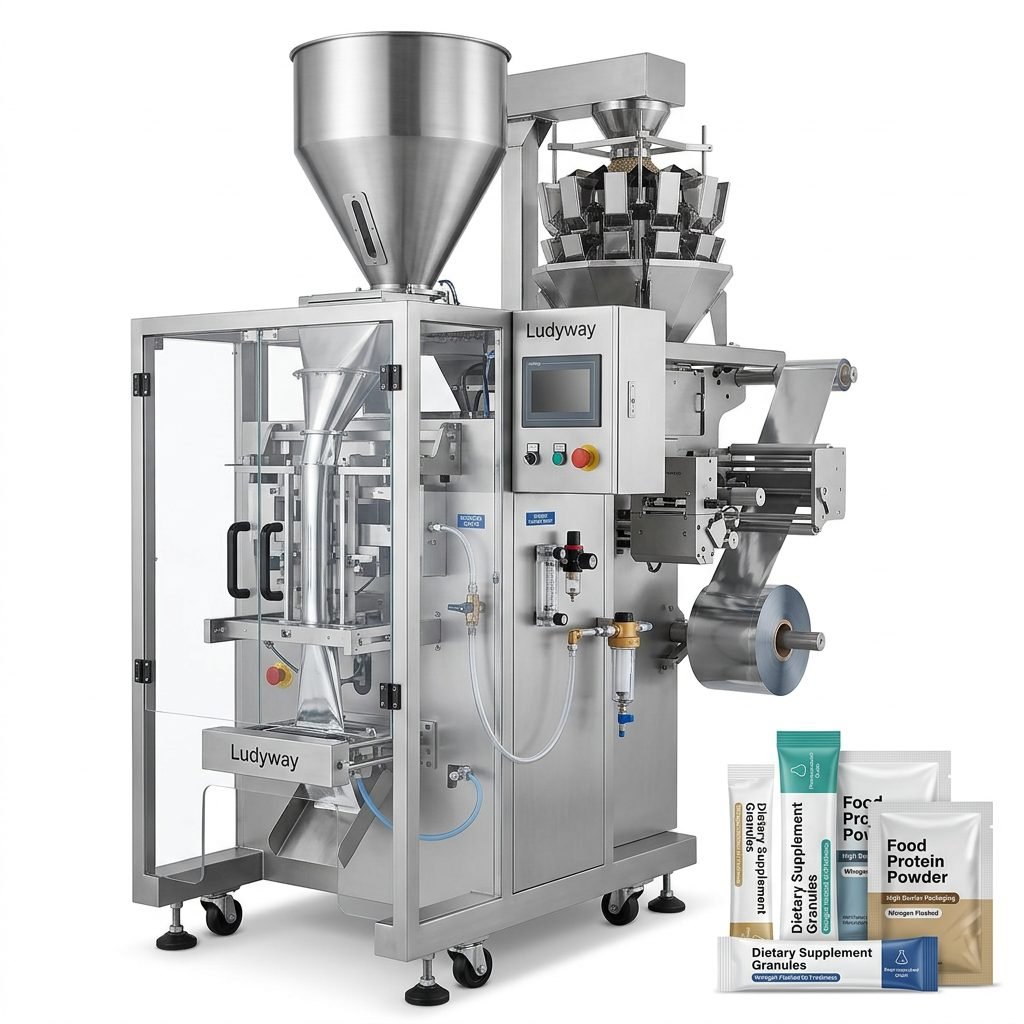
Automatic packaging systems have become a core investment for manufacturers that want to scale output without sacrificing quality. Whether you produce food, pharmaceuticals, cosmetics, chemicals, or pet-related products, the right system can dramatically improve efficiency, packaging accuracy, and overall productivity.
In modern production environments, manual or semi-automatic packing often creates bottlenecks. Slow changeovers, inconsistent fill weights, operator fatigue, labeling mistakes, and downtime can all reduce competitiveness. By contrast, automated packaging lines are designed to create a faster, cleaner, and more repeatable workflow from product feeding to final case packing.
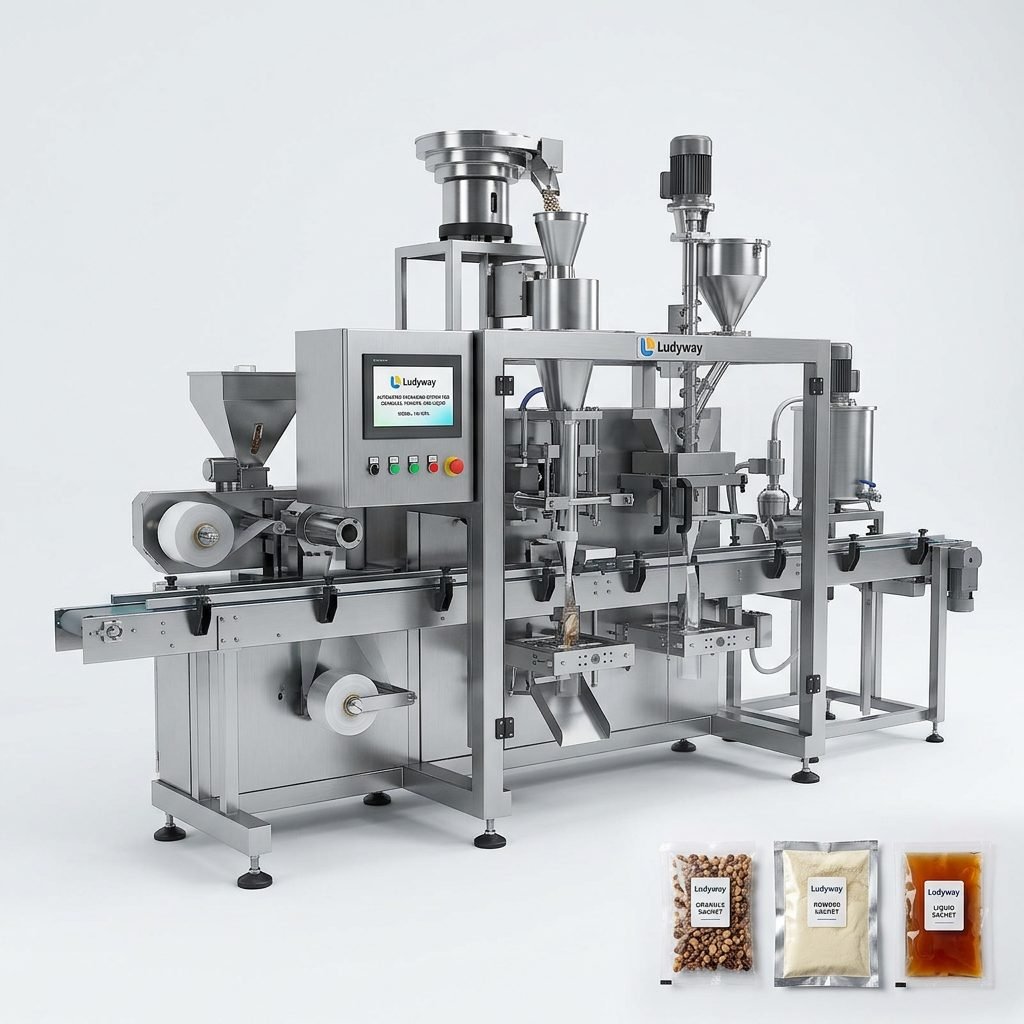
Why Automatic Packaging Systems Matter
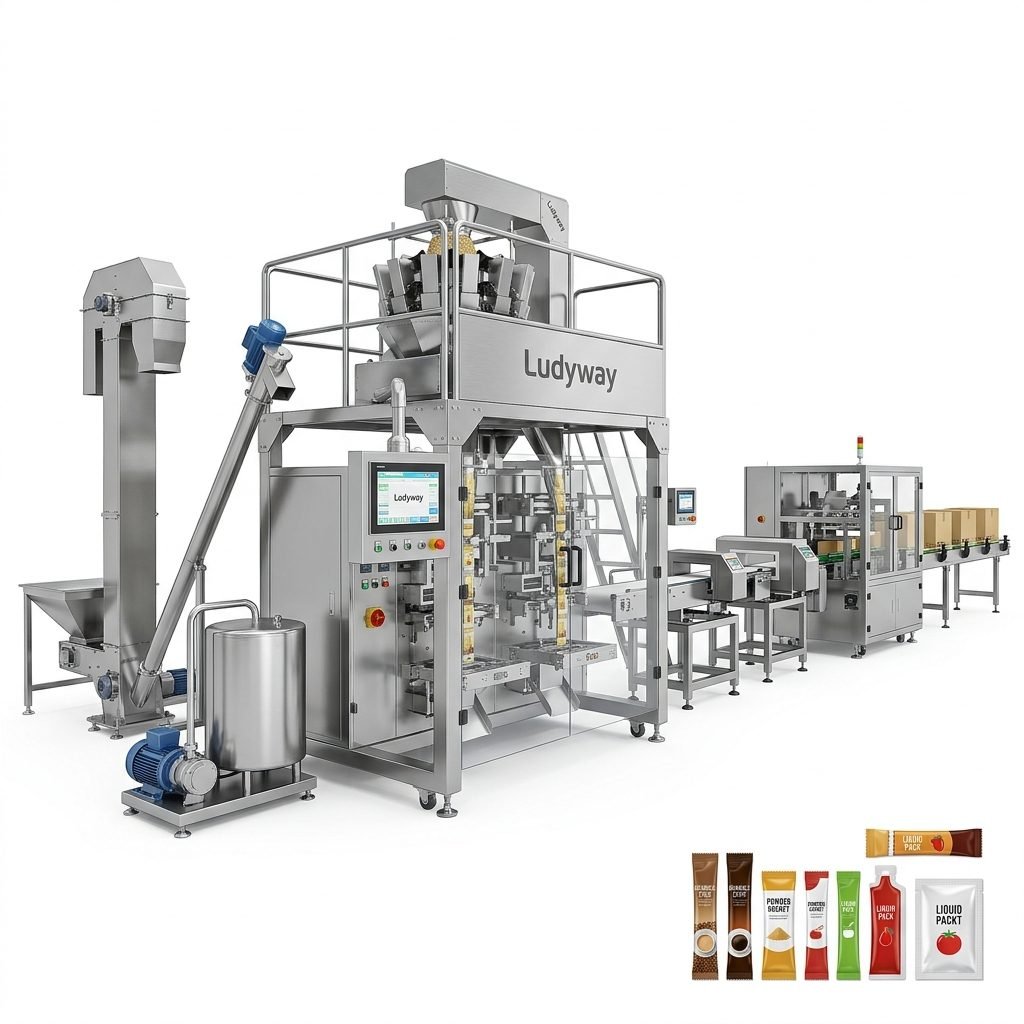
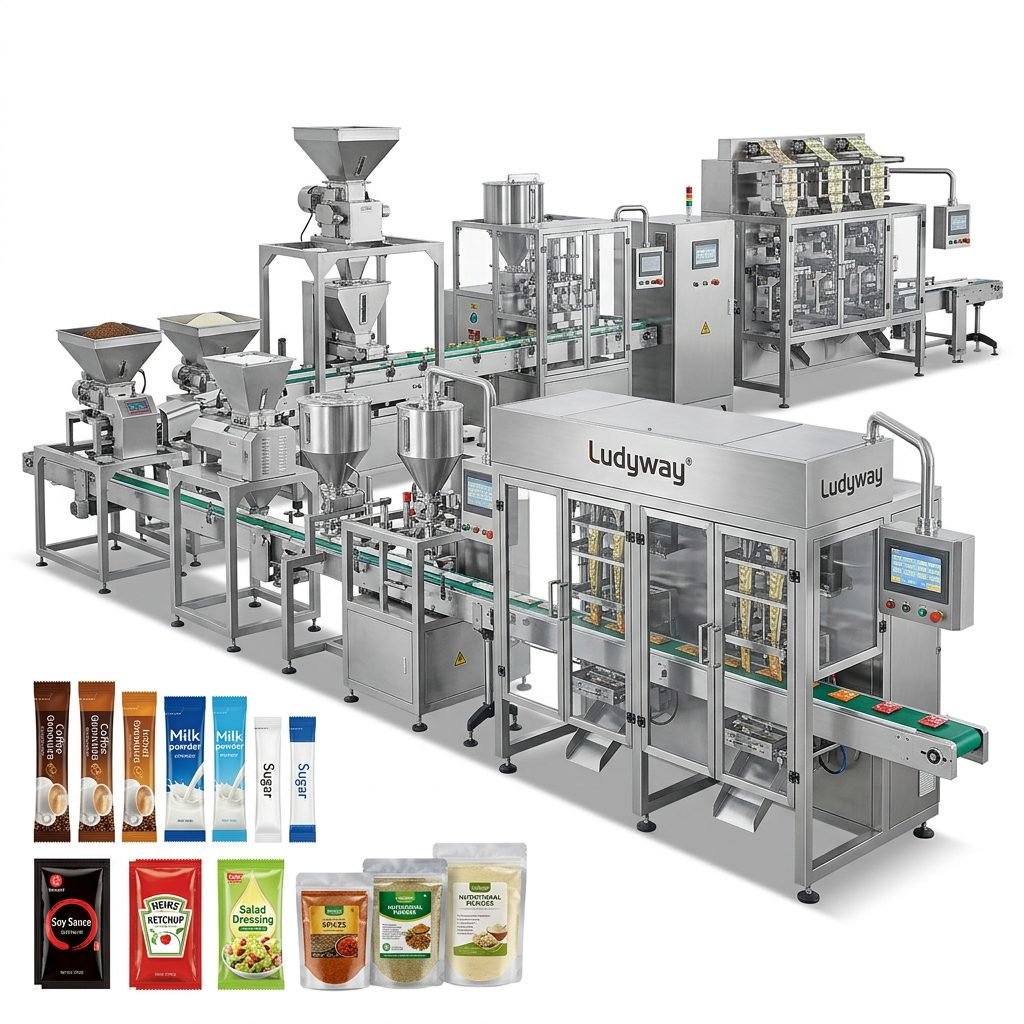
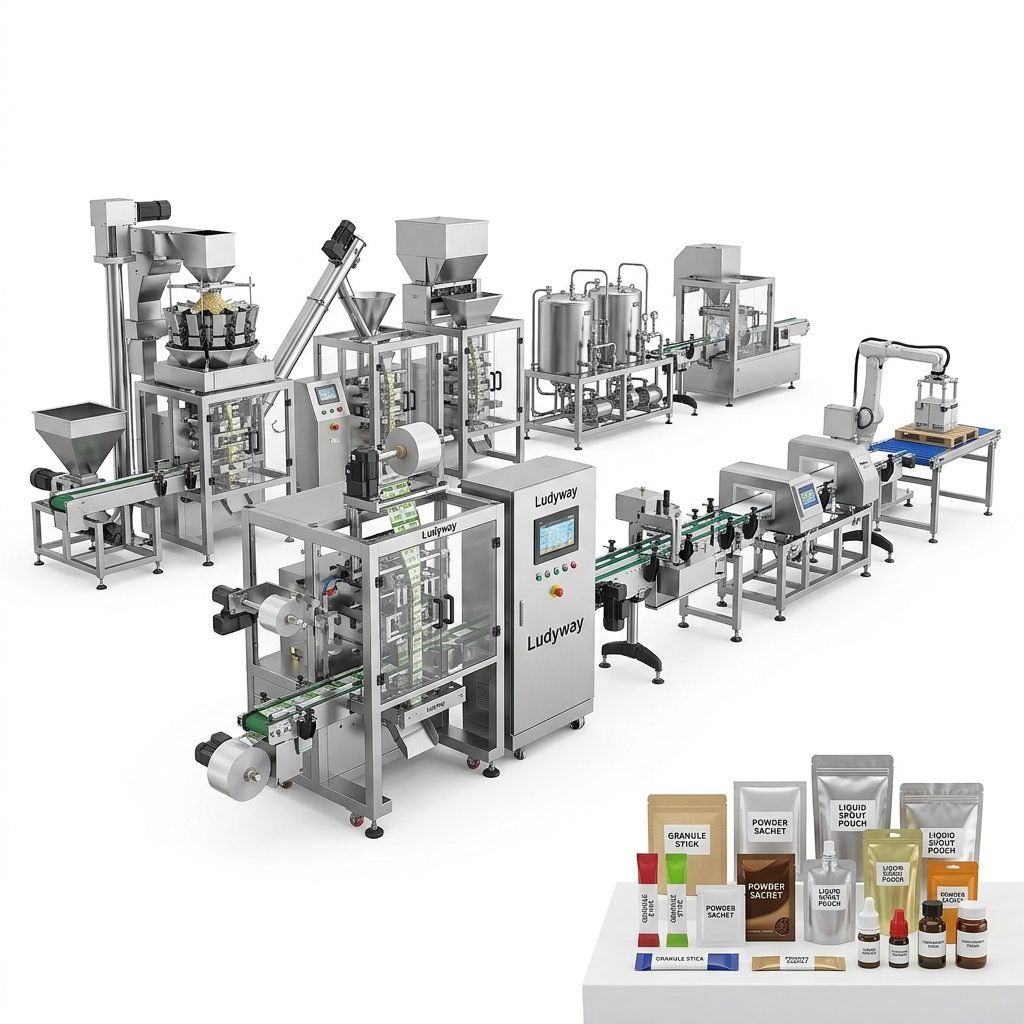
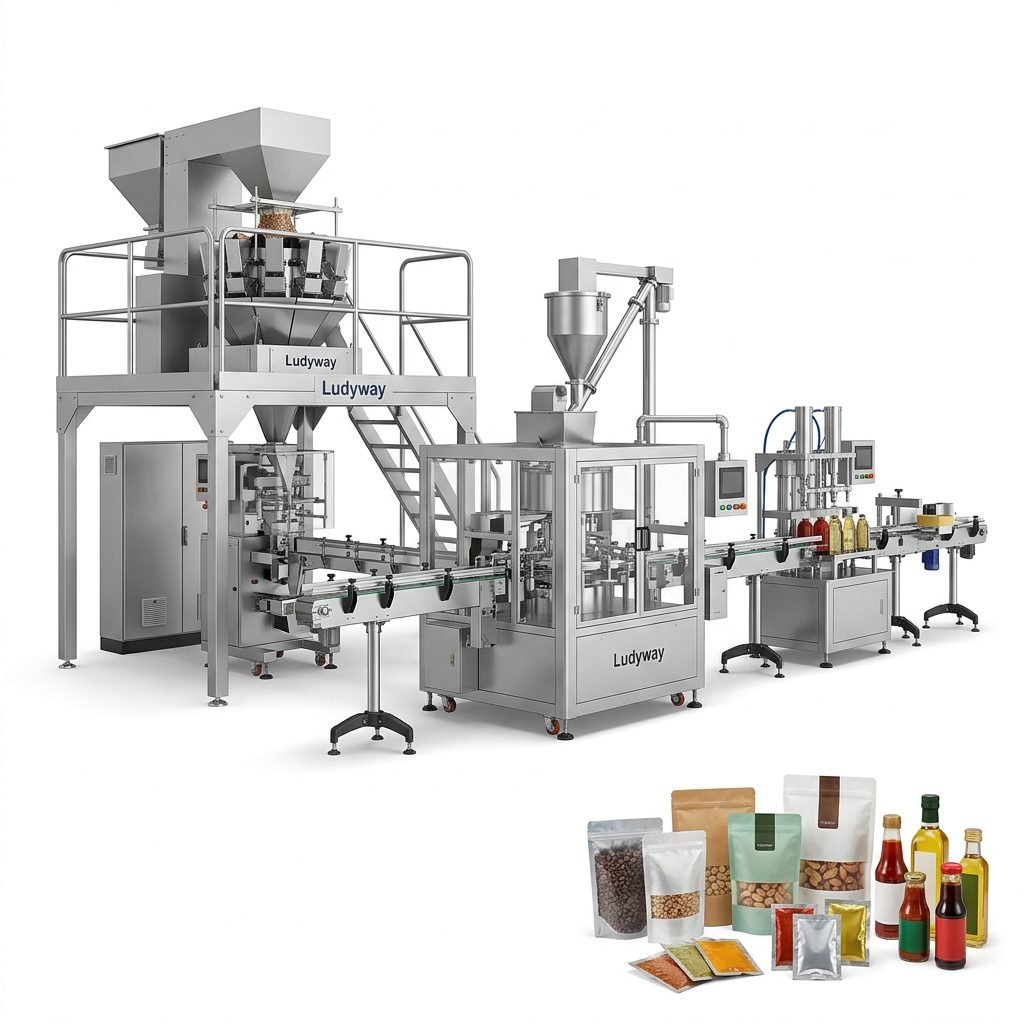
An automatic packaging system is more than a single machine. It is usually an integrated solution that may include feeding, weighing or dosing, filling, sealing, coding, inspection, labeling, cartoning, case packing, and palletizing. When these steps work together, businesses gain measurable advantages:
- Higher throughput with less dependence on manual labor
- Better consistency in every pouch, sachet, stick pack, bottle, or bag
- Reduced product waste through accurate dosing and sealing
- Improved hygiene and compliance in regulated industries
- More flexible production for multiple SKUs and package formats
- Better traceability through coding, inspection, and digital controls
For growing manufacturers, automation is not just about speed. It is about building a reliable production model that supports long-term profitability.
How Automation Improves Efficiency
1. Faster Production Cycles
Automatic packaging machines operate continuously with stable rhythm and minimal interruptions. Compared with manual packaging, they reduce waiting time between production stages and maintain a steady output rate even during extended shifts.
2. Lower Labor Dependency
Labor shortages and rising wages make manual packing increasingly costly. Automated systems can handle repetitive tasks such as filling, sealing, counting, and conveying, allowing staff to focus on quality control, maintenance, and line supervision.
3. Smoother Material Flow
Integrated conveyors, feeders, elevators, and transfer systems keep product moving efficiently. This reduces idle time between stations and helps avoid line congestion.
4. Faster Changeovers
Modern machines often support recipe storage, touchscreen controls, and tool-free adjustments. That means faster switching between product sizes, weights, and packaging formats.
How Automatic Packaging Systems Improve Accuracy
Accuracy is essential in nearly every industry. In food, it affects cost control and consumer trust. In pharmaceuticals and health products, it affects compliance and safety. In chemicals, it affects performance and transport security.
Automation improves accuracy through:
- Precision dosing systems for powders, granules, liquids, and pastes
- Servo-driven filling and sealing for repeatable motion control
- Sensors and vision inspection to detect defects early
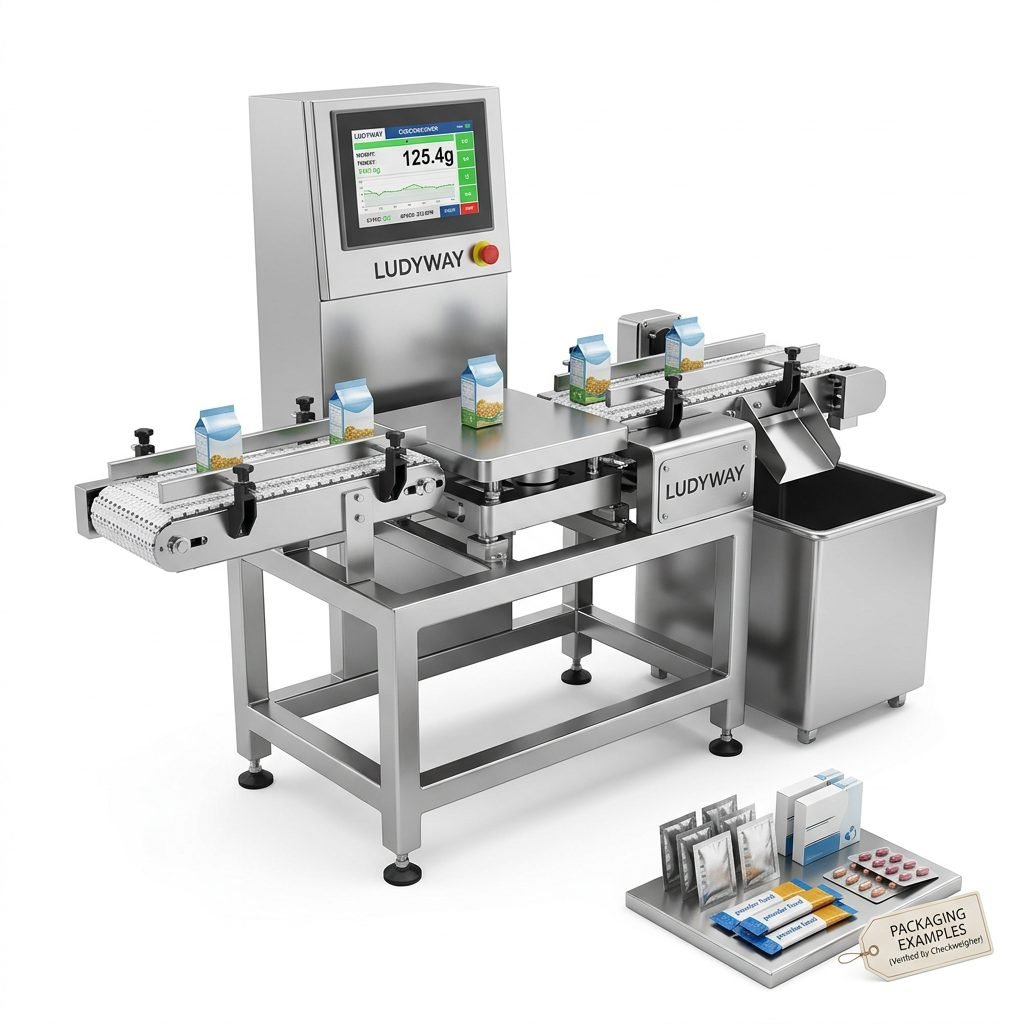
- Checkweighers and reject systems to remove off-spec packs
- Stable sealing temperature and pressure control for better package integrity
These features help reduce underfilling, overfilling, poor seals, and coding errors. As a result, businesses can lower complaint rates and minimize expensive rework.
How Automation Boosts Productivity
Productivity is not only measured by speed. It also depends on uptime, labor efficiency, output quality, and the ability to meet deadlines. A well-designed automatic packaging line improves productivity by creating a more controlled and predictable operation.
| Productivity Factor | Manual / Semi-Automatic | Automatic Packaging System |
|---|---|---|
| Output consistency | Operator-dependent | Highly stable and repeatable |
| Labor usage | High | Reduced |
| Downtime risk | Frequent interruptions | Lower with integrated controls |
| Packaging errors | More common | Reduced through sensors and inspection |
| Scalability | Limited | Easy to expand or integrate |
Key Components That Influence Performance
Not all automatic packaging systems deliver the same results. Performance depends on machine design, control systems, component quality, and how well the line fits the product.
Feeding and Conveying
Stable product feeding is the foundation of efficient packaging. Poor feeding causes inconsistent fills and unnecessary stops.
Weighing and Dosing
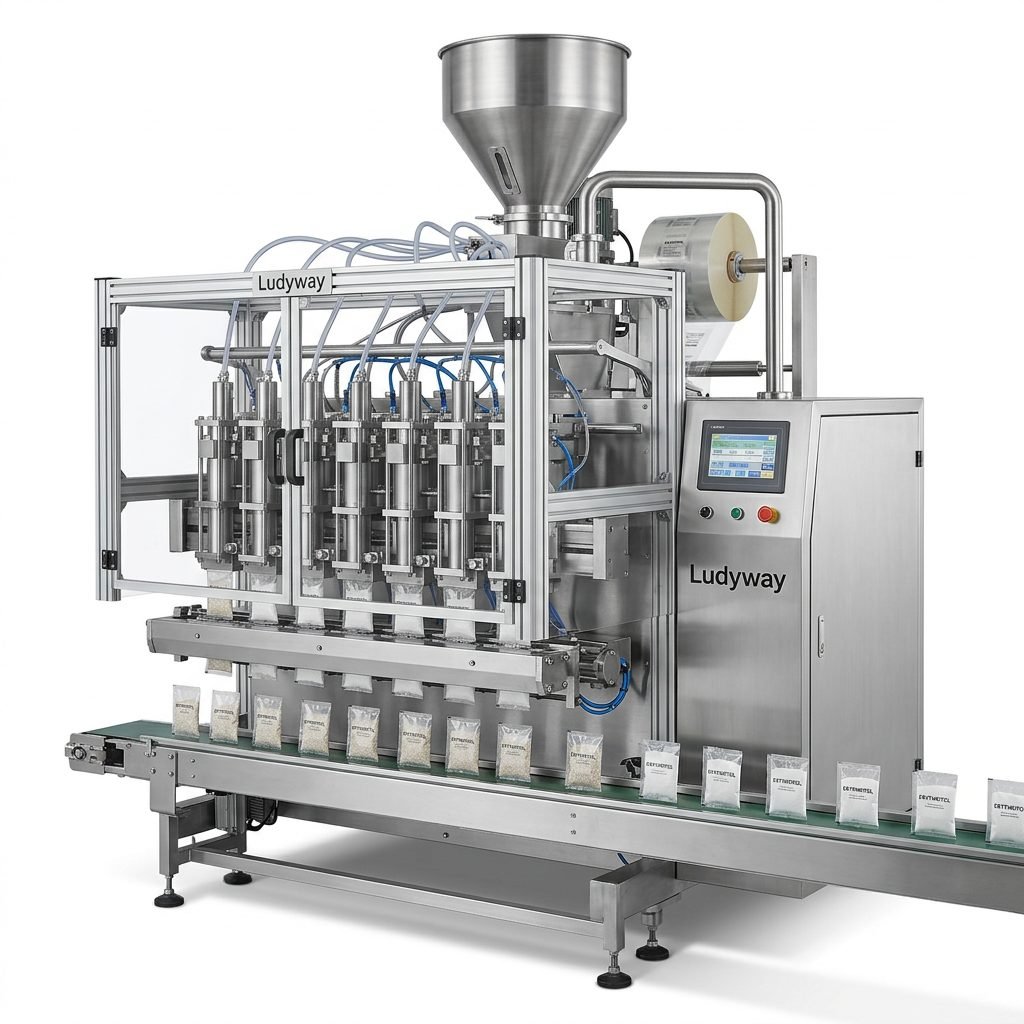
For powders and granules, auger fillers, multi-head weighers, and volumetric systems should match the product’s flow characteristics. For liquids and pastes, pump-based filling systems should maintain precise volume control.
Sealing Technology
Package appearance and leak resistance depend heavily on sealing quality. Stable heat control and proper material compatibility are critical.
Inspection and Quality Control
Metal detectors, checkweighers, code verification, and vision systems help ensure that only qualified products reach the customer.
Line Integration
The best results come when individual machines work as one coordinated system instead of isolated units.
Best Practices to Improve Packaging Line Efficiency
- Match the machine to the product type rather than choosing a generic solution
- Analyze current bottlenecks before upgrading equipment
- Standardize packaging materials for more stable sealing performance
- Use preventive maintenance schedules to reduce unexpected downtime
- Train operators on setup, cleaning, troubleshooting, and daily inspection
- Monitor OEE, reject rate, speed loss, and changeover time
- Integrate coding, inspection, and secondary packaging for a complete workflow
Even a high-speed machine can underperform if product feeding is unstable, film quality is inconsistent, or maintenance is reactive instead of preventive.
Choosing the Right Automatic Packaging System
When selecting equipment, decision-makers should look beyond headline speed. The right solution depends on multiple production realities:
| Selection Criteria | What to Evaluate |
|---|---|
| Product type | Granule, powder, liquid, paste, pouch, bottle, or bulk bag |
| Required speed | Hourly output target and future expansion plans |
| Accuracy requirement | Tolerance range, compliance, and waste control goals |
| Package format | Sachet, stick pack, pouch, bottle, tube, carton, case |
| Factory layout | Available space, utility supply, material flow direction |
| After-sales support | Installation, training, spare parts, technical assistance |
Manufacturers in fast-moving industries often benefit most from flexible systems that can handle several packaging formats with minimal downtime. That flexibility can protect your investment as product lines expand.
Industries That Benefit Most
Automatic packaging systems are widely used across many sectors, especially where cleanliness, speed, and consistency are essential.
Food Industry
Suitable for coffee, milk powder, spices, snacks, grains, sauces, freeze-dried products, instant beverages, and nutrition powders.
Pharmaceutical Industry
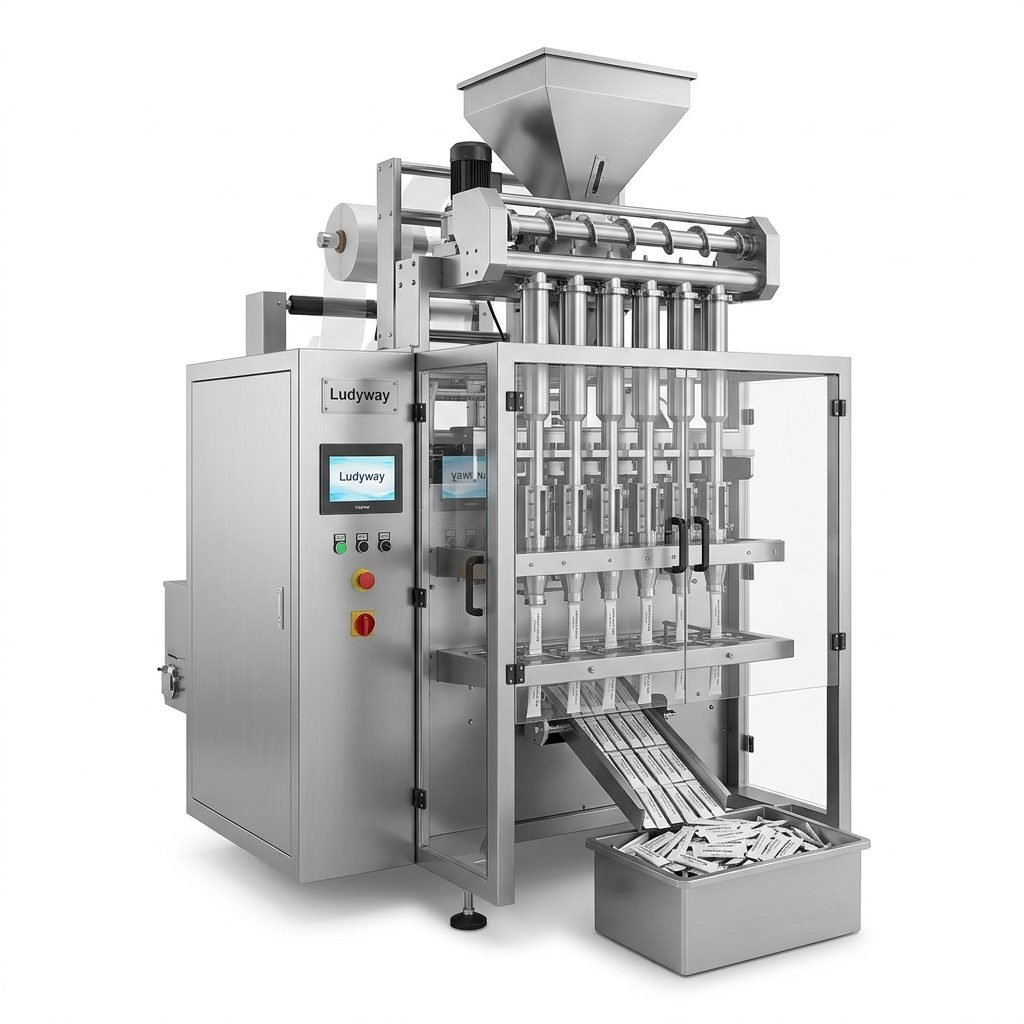
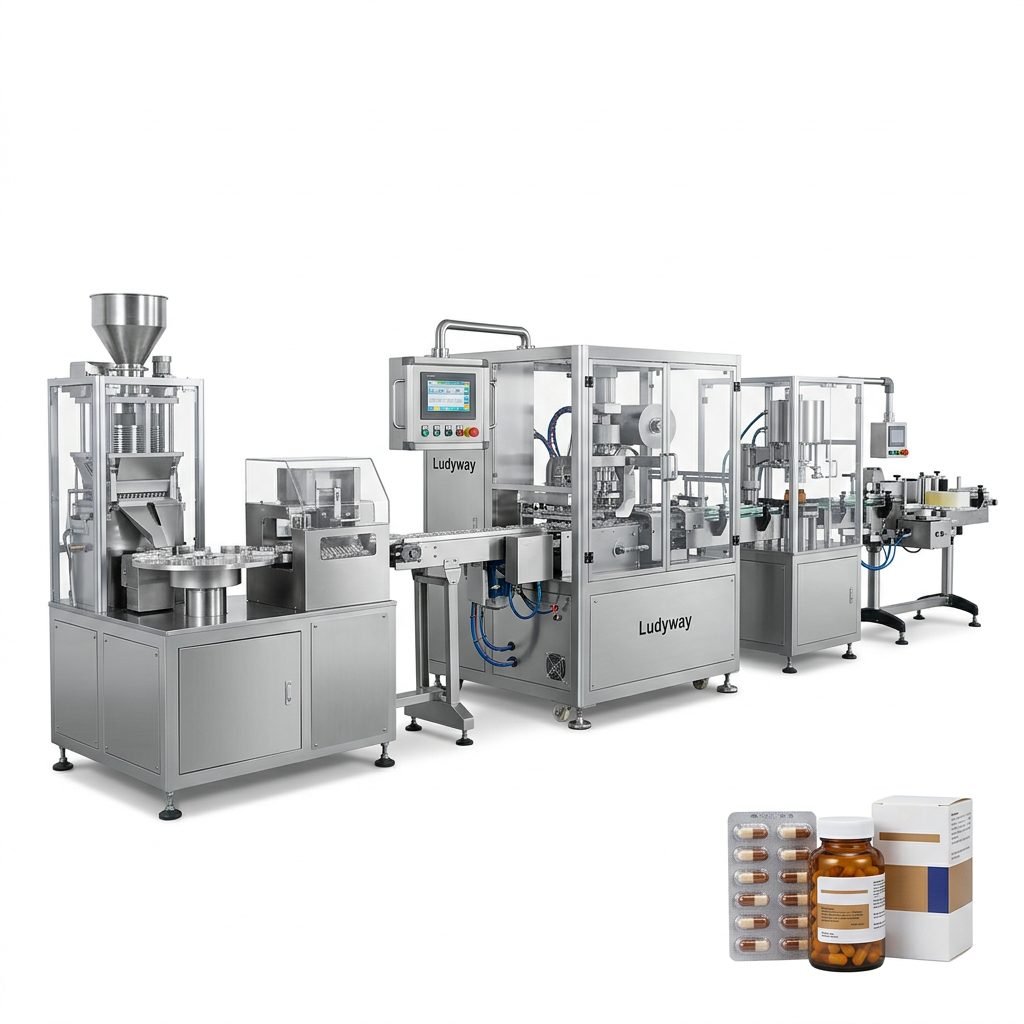
Ideal for sachets, stick packs, tablets, capsules, medical powders, oral liquids, and compliant secondary packaging.
Cosmetics and Personal Care
Used for creams, lotions, serums, shampoos, masks, and sample sachets requiring clean and attractive packaging.
Chemical and Household Products
Effective for detergents, cleaners, additives, lubricants, and industrial powders or liquids.
Common Challenges and How to Solve Them
- Inconsistent fill weights: improve feeding stability and choose the correct dosing system
- Sealing defects: verify film compatibility, sealing temperature, and dwell time
- Frequent downtime: strengthen preventive maintenance and operator training
- Product dust or leakage: optimize dust collection and sealing design
- Poor line coordination: integrate machine communication and synchronized controls
Most packaging problems are not caused by speed alone. They come from poor system matching, weak integration, or a lack of process visibility.
The Value of a Turnkey Partner
For companies planning equipment upgrades or a full new line, working with an experienced packaging machinery manufacturer can shorten project timelines and reduce technical risk. A reliable partner can help with machine selection, customization, layout planning, testing, installation, and after-sales support.
Companies looking for scalable automation solutions often explore suppliers such as Ludyway automatic packaging system solutions, especially for projects involving food, pharmaceutical, health supplement, chemical, and pouch-based production lines.
Final Thoughts
Improving efficiency, accuracy, and productivity in packaging starts with the right automation strategy. A well-designed automatic packaging system can reduce labor pressure, control waste, improve consistency, and help your factory respond faster to market demand.
If your current packaging process struggles with speed limits, filling errors, or rising operating costs, automation is no longer just an upgrade option. It is a practical path toward better performance and stronger long-term competitiveness.