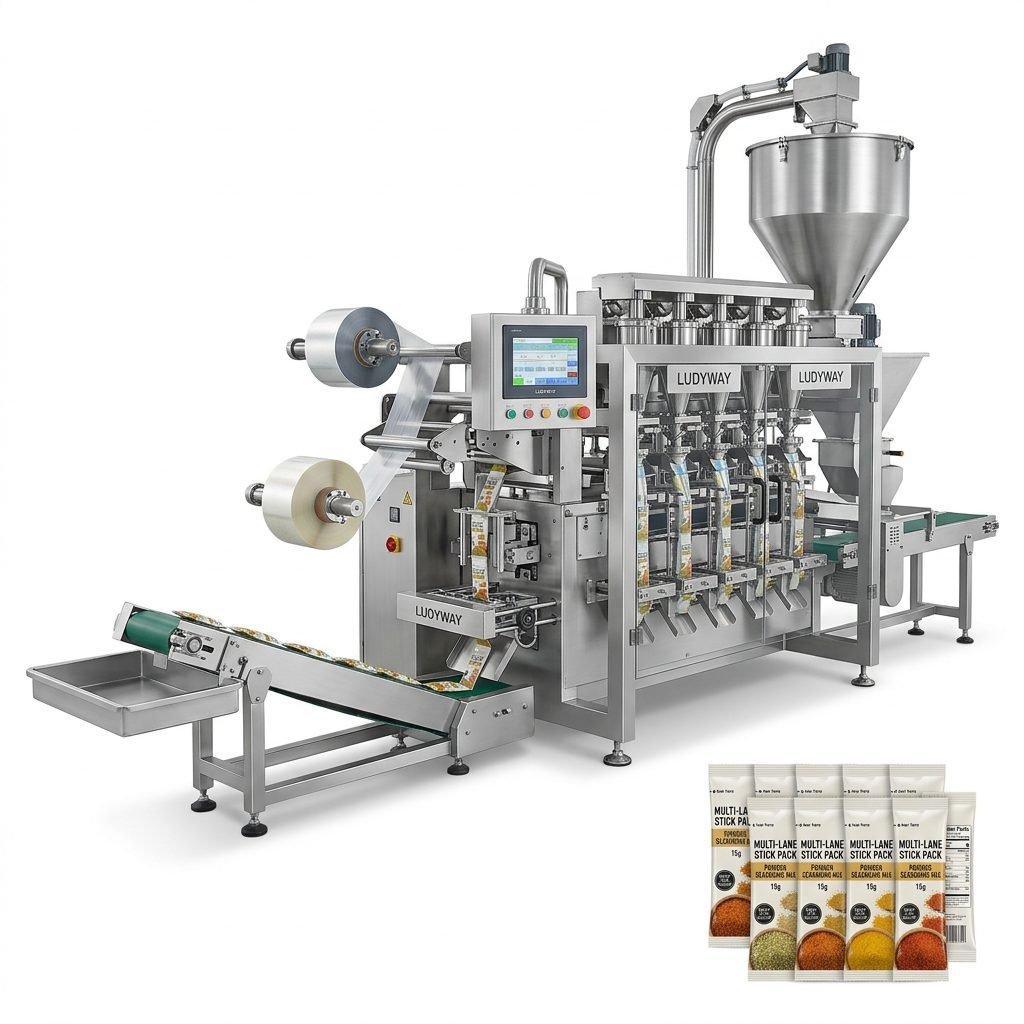
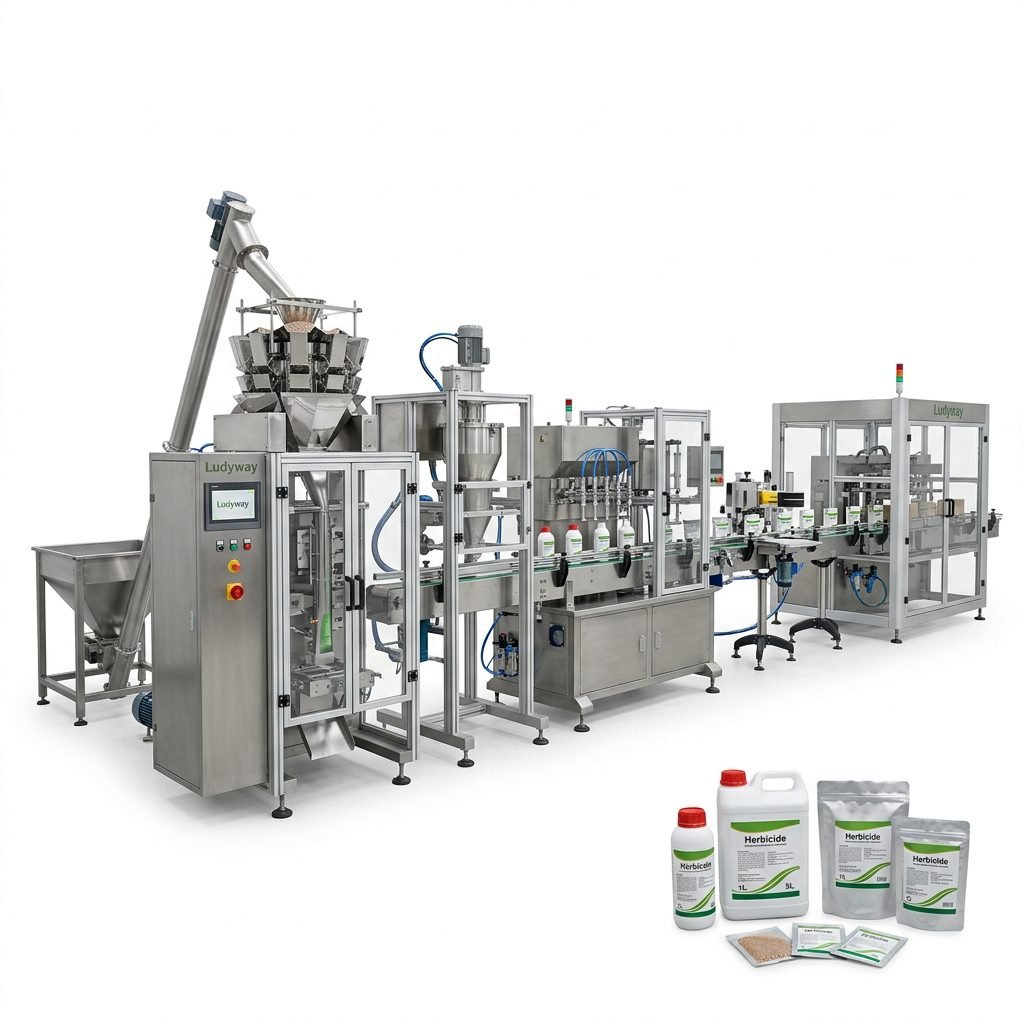
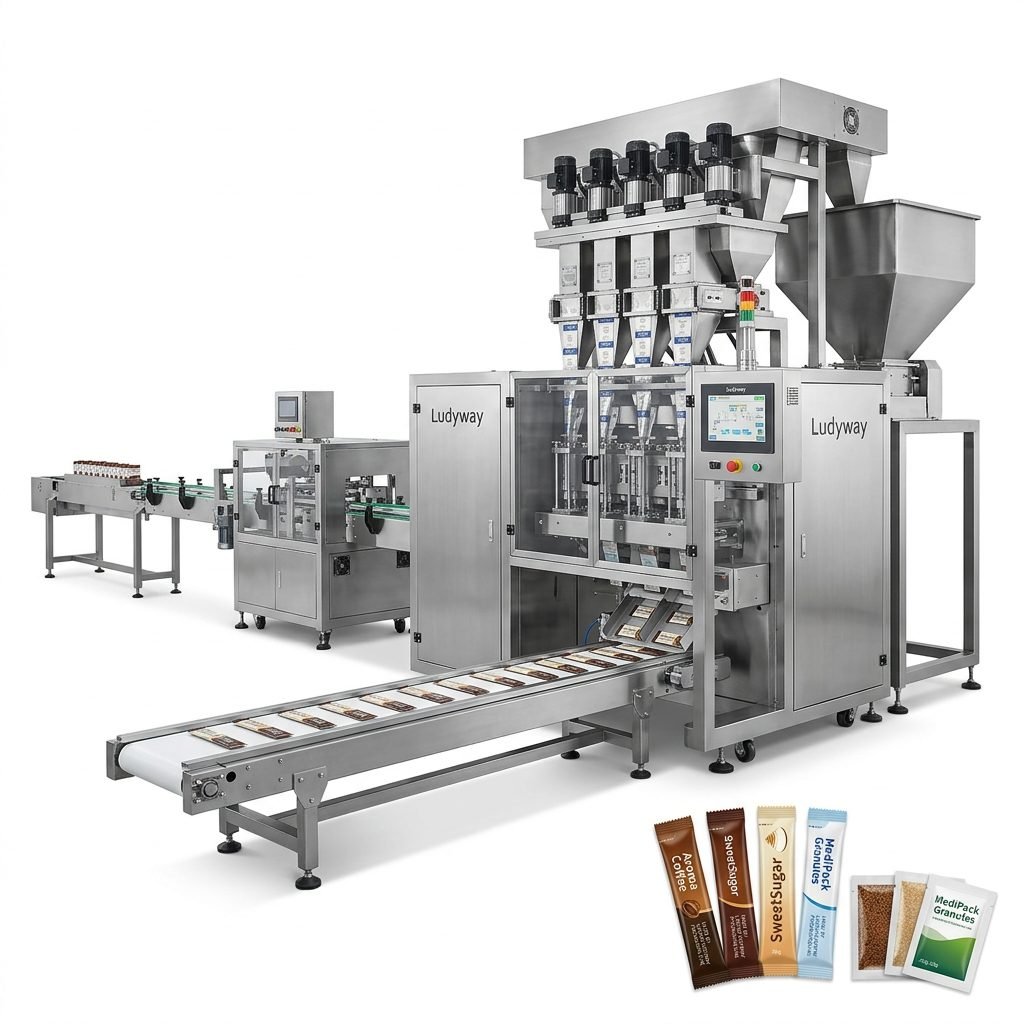
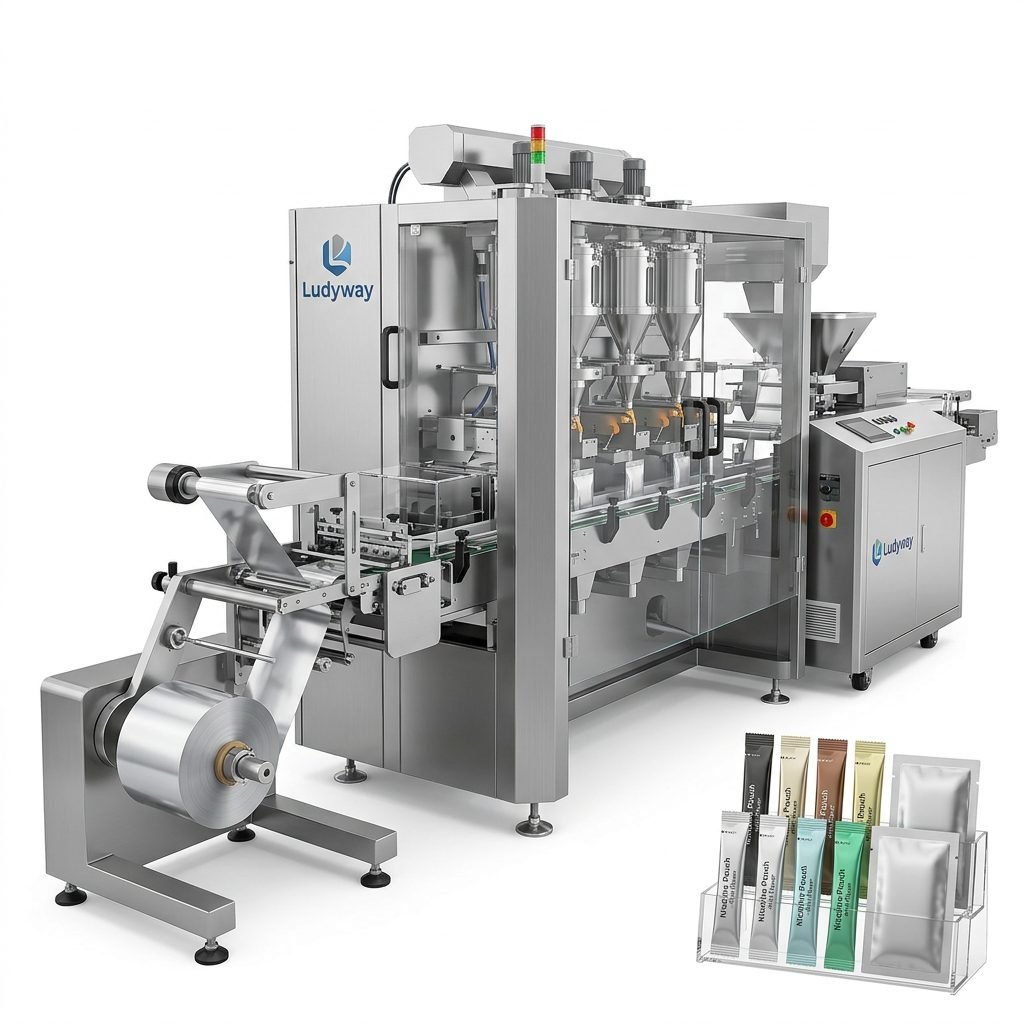
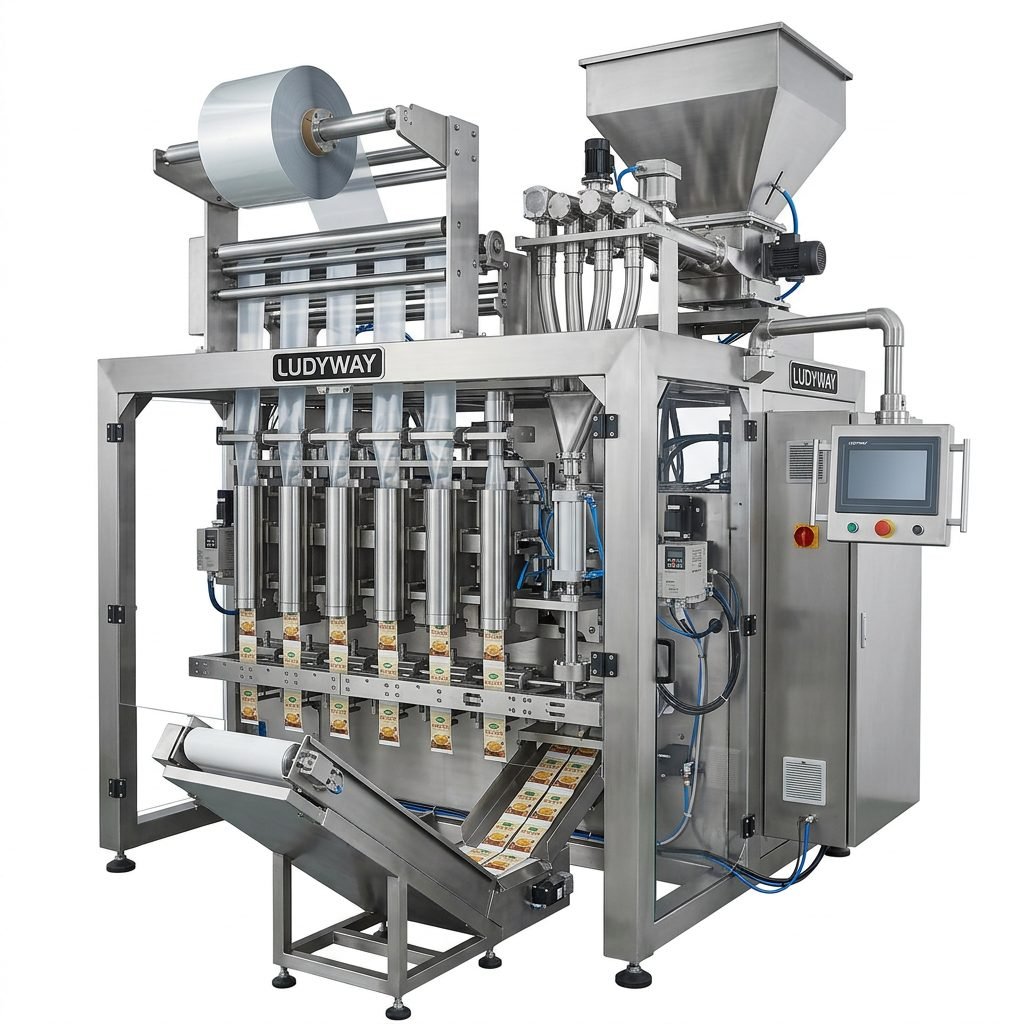
In today’s fast-paced manufacturing world, the demand for high-speed, reliable, and versatile packaging machinery has never been greater. Industries such as food, pharmaceuticals, and consumer goods rely on advanced packaging solutions to maintain product integrity, ensure safety, and meet the ever-increasing production volumes required by global markets. The right packaging equipment is not just a machine; it’s a critical component of the production line that directly impacts efficiency, cost, and brand reputation.
The Core of Modern Production
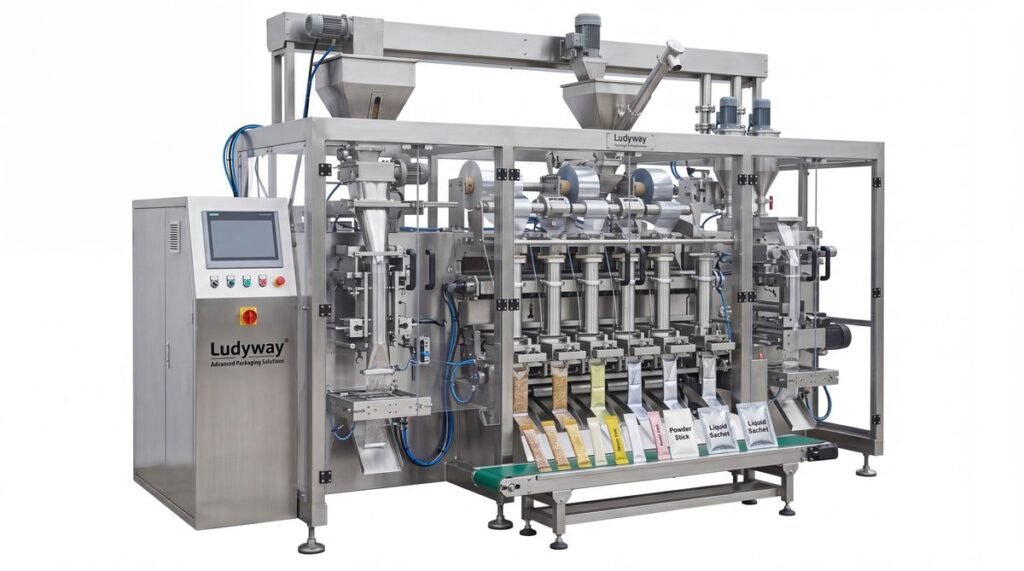
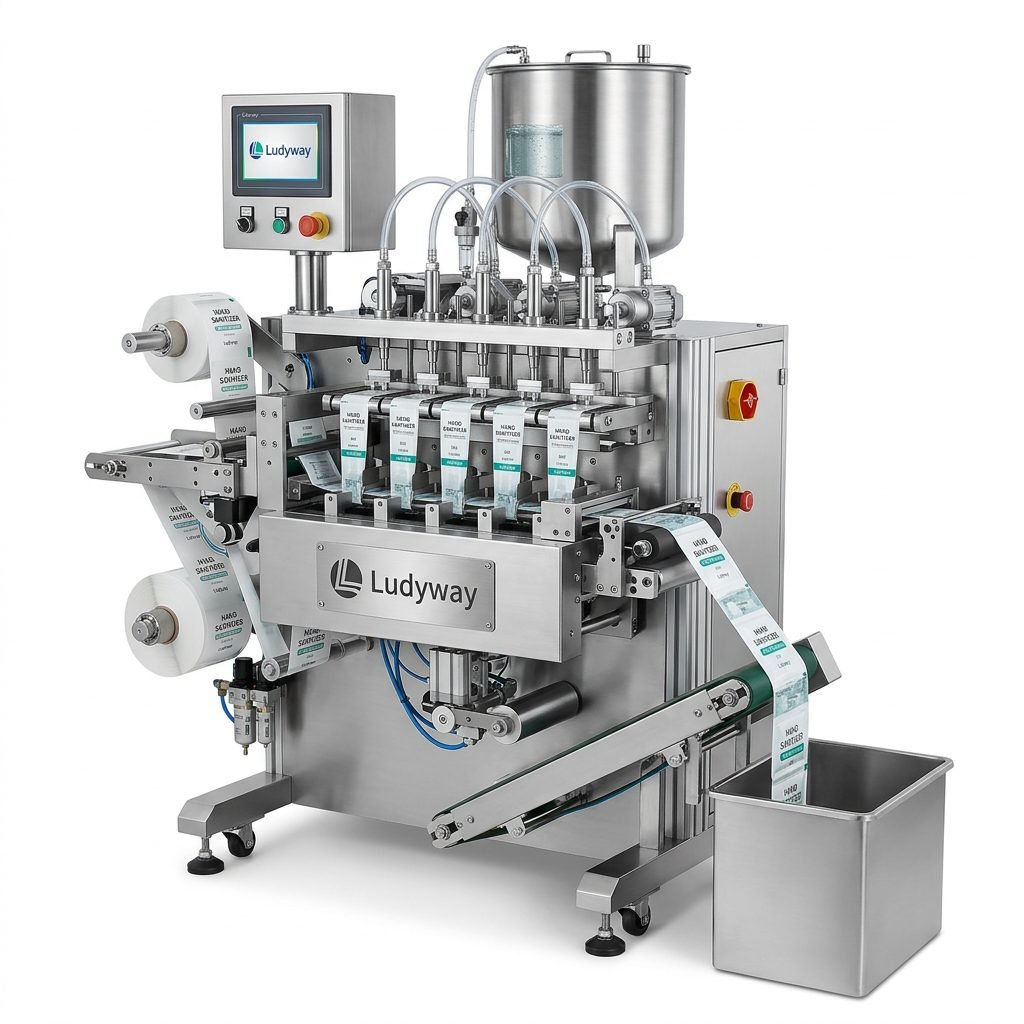
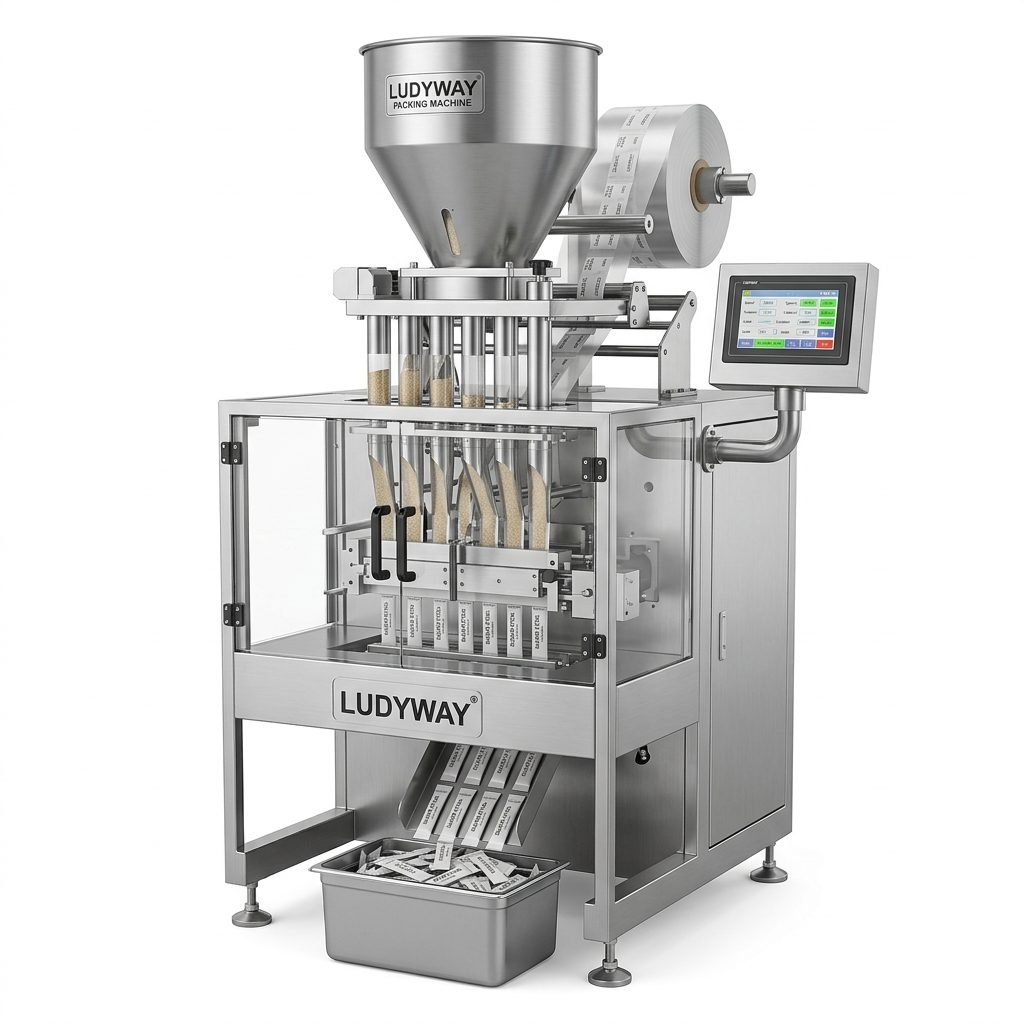
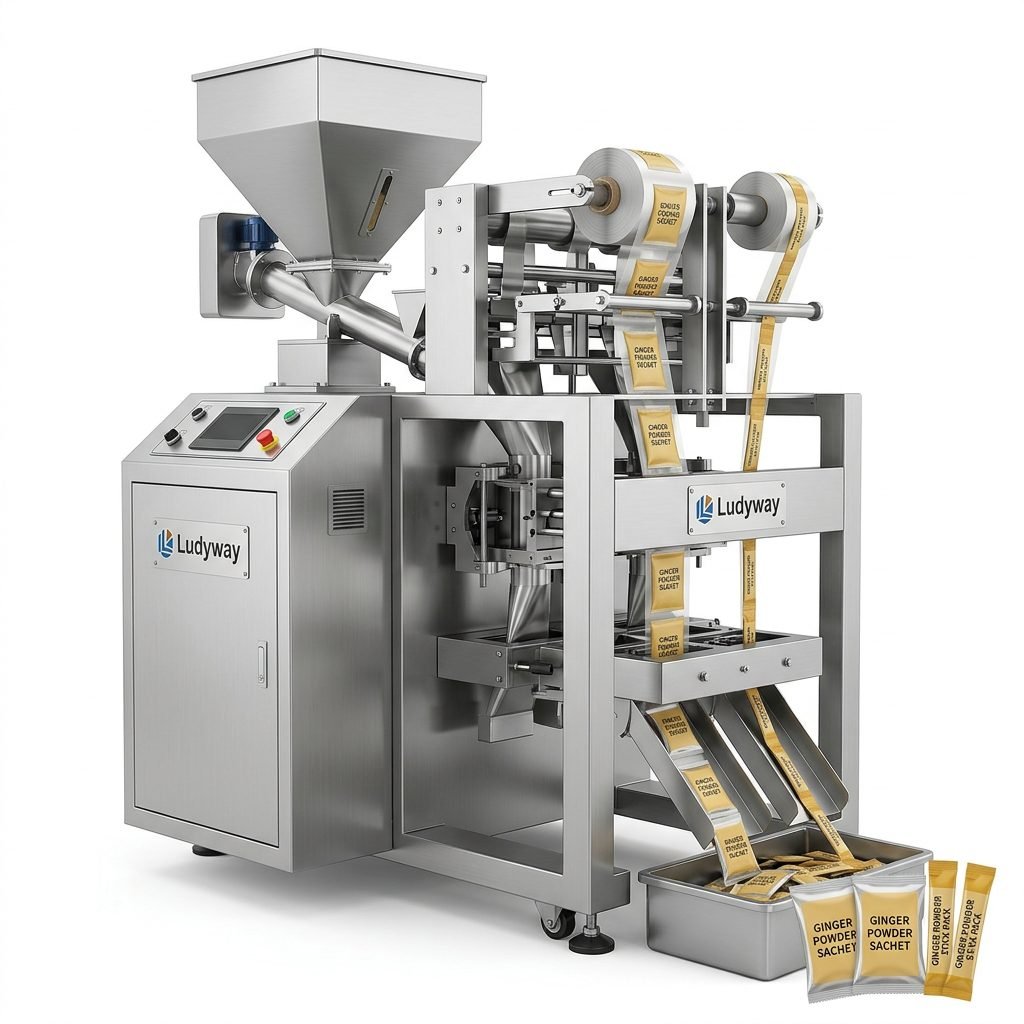
High-speed packaging machinery is engineered to handle a wide variety of products, from granular spices and powdered supplements to viscous liquids and single-serve condiments. These systems are designed with precision, incorporating cutting-edge technology to perform tasks like filling, sealing, cutting, and coding at remarkable speeds without compromising on accuracy. The transition from manual or semi-automatic processes to fully automated, high-speed lines represents a significant leap in operational capability, allowing manufacturers to scale production, reduce labor costs, and minimize human error.
Key Applications Across Critical Industries
Food Industry Packaging Solutions
The food sector presents unique challenges, including stringent hygiene standards, the need for extended shelf life, and diverse product consistencies. High-speed packaging machines for food are built with food-grade materials and often feature easy-clean designs to prevent contamination. They excel at packaging items like:
- ✓ Snacks & Confectionery: Precise portion control for nuts, candies, and chips in stick packs or sachets.
- ✓ Powdered Foods: Consistent filling of coffee, drink mixes, spices, and protein powders.
- ✓ Liquids & Sauces: Aseptic or vacuum sealing for ketchup, soy sauce, dressings, and edible oils.
Speed is paramount here to meet high-volume retail demands, especially for seasonal products or items with quick turnover.
Pharmaceutical & Healthcare Packaging
In pharmaceuticals, packaging is a matter of safety and compliance. Machinery must adhere to Good Manufacturing Practices (GMP) and provide absolute accuracy in dosing. Key features include dust-free operation, traceability systems, and the ability to handle sensitive materials. Applications include:
- ✓ Powdered Supplements & Medicines: Precise, contaminant-free packaging of electrolytes, pain relievers, or herbal powders.
- ✓ Granules & Capsules: High-count filling into bottles or creating unit-dose sachets.
- ✓ Medical Consumables: Sterile packaging of single-use items.
The machinery often integrates with validation and documentation protocols, ensuring every batch is perfectly accounted for.
The Turnkey Advantage: Beyond a Single Machine
For many manufacturers, the goal isn’t just to buy a machine, but to implement a complete solution. A turnkey packaging line encompasses everything from the initial bag forming and product feeding to the final cartoning and palletizing. Providers like Ludyway Machinery specialize in designing these integrated systems. This holistic approach ensures compatibility between all line components, optimizes workflow, and significantly reduces the time from project conception to full-scale production. It transforms a capital investment into a guaranteed productivity outcome.
Consumer Goods & Daily Chemicals
This broad category includes everything from detergent pods and shampoo sachets to hardware items. Packaging machinery for consumer goods focuses on durability, attractive presentation, and cost-effectiveness. High-speed sachet machines, for instance, are ideal for creating sample-sized products for promotions or travel-sized portions. The ability to quickly change packaging formats and materials allows brands to be agile and responsive to market trends.
Essential Features of Advanced Packaging Machinery
When investing in high-speed equipment, several technological features are non-negotiable for maintaining a competitive edge.
Precision Servo-Driven Systems: Modern machines utilize servo motors for controlling movement. This allows for unmatched accuracy in filling and sealing, reduces mechanical wear and tear, and enables quick changeovers between different product types or package sizes through pre-set recipes on the touchscreen HMI.
Intelligent Control & Connectivity (Industry 4.0): The best packaging machines are smart machines. They feature PLC-based control systems that monitor production speed, count output, track downtime, and even predict maintenance needs. This data can be fed into a factory’s central network for real-time production monitoring and analysis, a cornerstone of the smart factory.
Hygienic & Robust Construction: Depending on the industry, construction may require stainless steel (AISI 304 or 316), anti-corrosive coatings, and designs with minimal crevices to facilitate cleaning. Robust frames ensure stability and longevity even during 24/7 operation.
Versatility in Packaging Formats: A significant advantage of contemporary machinery is flexibility. A single machine might produce 3-side seal sachets, 4-side seal pouches, and stick packs with only a quick change of forming parts. This adaptability protects your investment against future changes in product lineup or market demands.
Choosing the Right Partner for Your Packaging Needs
Selecting a machinery supplier is as crucial as selecting the machine itself. A partner with deep industry experience brings invaluable expertise. Look for a provider with a proven history of innovation and global service. They should offer comprehensive support, from initial consultation and factory layout planning to installation, operator training, and readily available spare parts. A supplier that understands the specific regulatory and operational pressures of your industry—be it FDA requirements for food or cGMP for pharma—will deliver a solution that is not only fast but also compliant and reliable.
The Future is Automated, Efficient, and Smart
Investing in high-speed packaging machinery is a strategic decision that drives growth. It enhances product consistency, safeguards brand quality, and unlocks new levels of production scalability. As technology continues to evolve, integrating robotics, advanced vision inspection systems, and AI-driven optimization, the potential for even greater efficiency and intelligence on the packaging line is boundless. The journey toward a fully optimized production floor begins with the right packaging equipment partner.
Frequently Asked Questions (FAQs)
1. What is the typical production speed range for high-speed packaging machinery?
Speeds vary greatly by machine type and package format. For example, modern multi-lane stick pack machines can achieve speeds from 200 to over 1,200 packs per minute per lane. Sachet machines typically range from 80 to 500 bags per minute. The exact speed for your application depends on product characteristics, bag size, and material.
2. How difficult is it to change over the machine for a different product or package size?
Changeover complexity has been dramatically reduced with servo technology. Many parts adjustments can be made digitally via the HMI, and mechanical change parts are often designed for tool-less or quick-clamp switching. A full format changeover on a well-designed machine can often be completed in 30 minutes to an hour by trained personnel.
3. Can these machines handle both food and pharmaceutical products?
While the core mechanics may be similar, machines intended for pharmaceutical use are built to a higher hygienic standard (e.g., more stainless steel, polished surfaces) and include features for validation and traceability that may not be required for all food applications. It is crucial to select a machine configured and certified for your specific industry’s standards.
4. What kind of after-sales support and warranty should I expect?
A reputable supplier should offer a comprehensive warranty (often 12-18 months), provide detailed installation and training, and have a responsive technical support team available via phone or remote access. Access to a local or well-stocked central spare parts inventory is also a key indicator of reliable long-term support.
5. Is it better to buy a standalone machine or a complete turnkey line?
This depends entirely on your current setup and goals. A standalone machine is ideal for upgrading a specific bottleneck in an existing line. A turnkey line is the best solution for a new product launch, a new factory, or when seeking a fully optimized, synchronized process from start to finish with guaranteed performance from a single responsible provider.