In today’s competitive manufacturing landscape, efficiency is not just a goal—it’s a necessity for survival and growth. For food and beverage producers, packaging represents a critical juncture where product safety, brand presentation, and operational speed converge. High-efficiency packaging machinery is the linchpin that transforms raw output into market-ready goods, ensuring consistency, reducing waste, and maximizing throughput. This article explores the comprehensive solutions available to manufacturers seeking to elevate their packaging operations to new heights of productivity and reliability.
The right packaging system does more than seal a product; it protects integrity, enhances shelf appeal, and streamlines the entire supply chain. Investing in advanced machinery is an investment in brand reputation and operational excellence.
The Core Components of High-Efficiency Packaging Lines
Modern packaging is a symphony of coordinated machines, each performing a specialized task with precision. A high-efficiency line typically integrates several key systems:
1. Primary Packaging Systems
This is where the product first meets its container. For food and beverages, this includes:
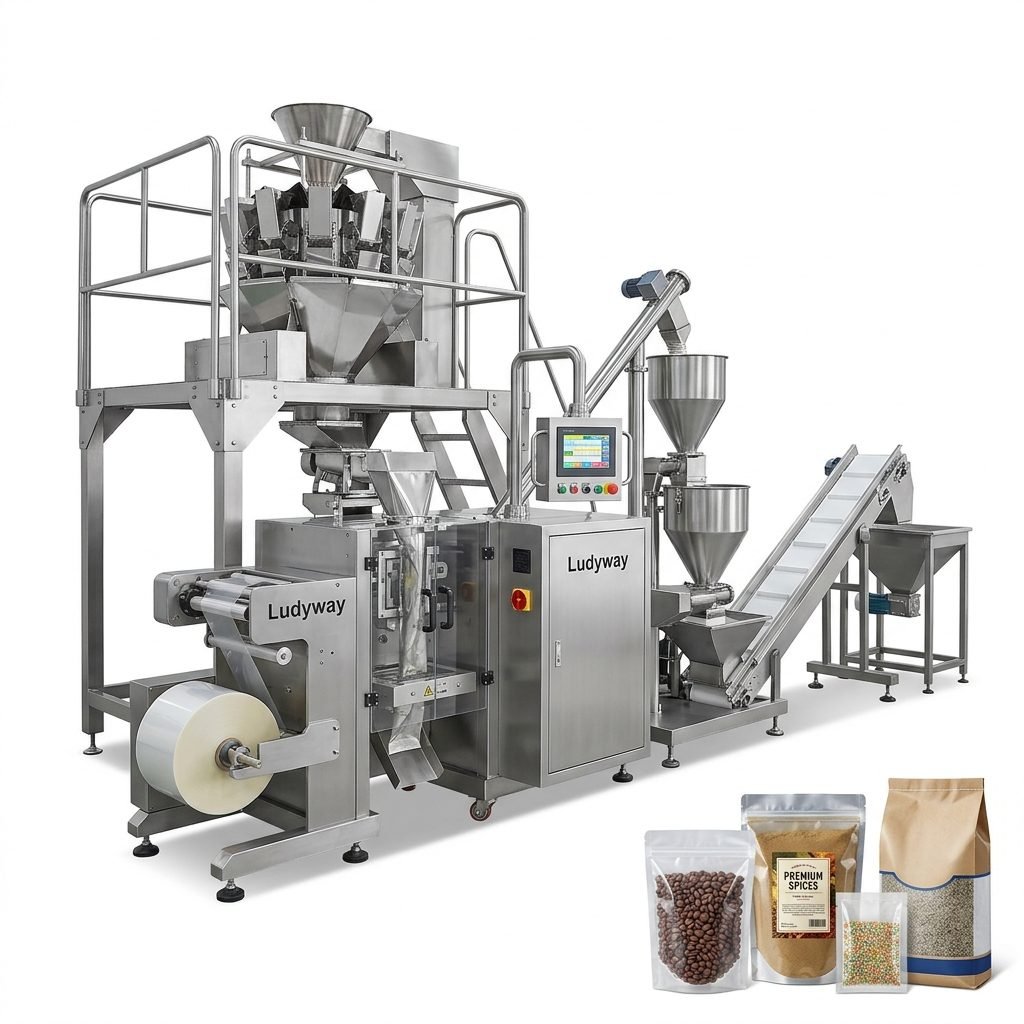
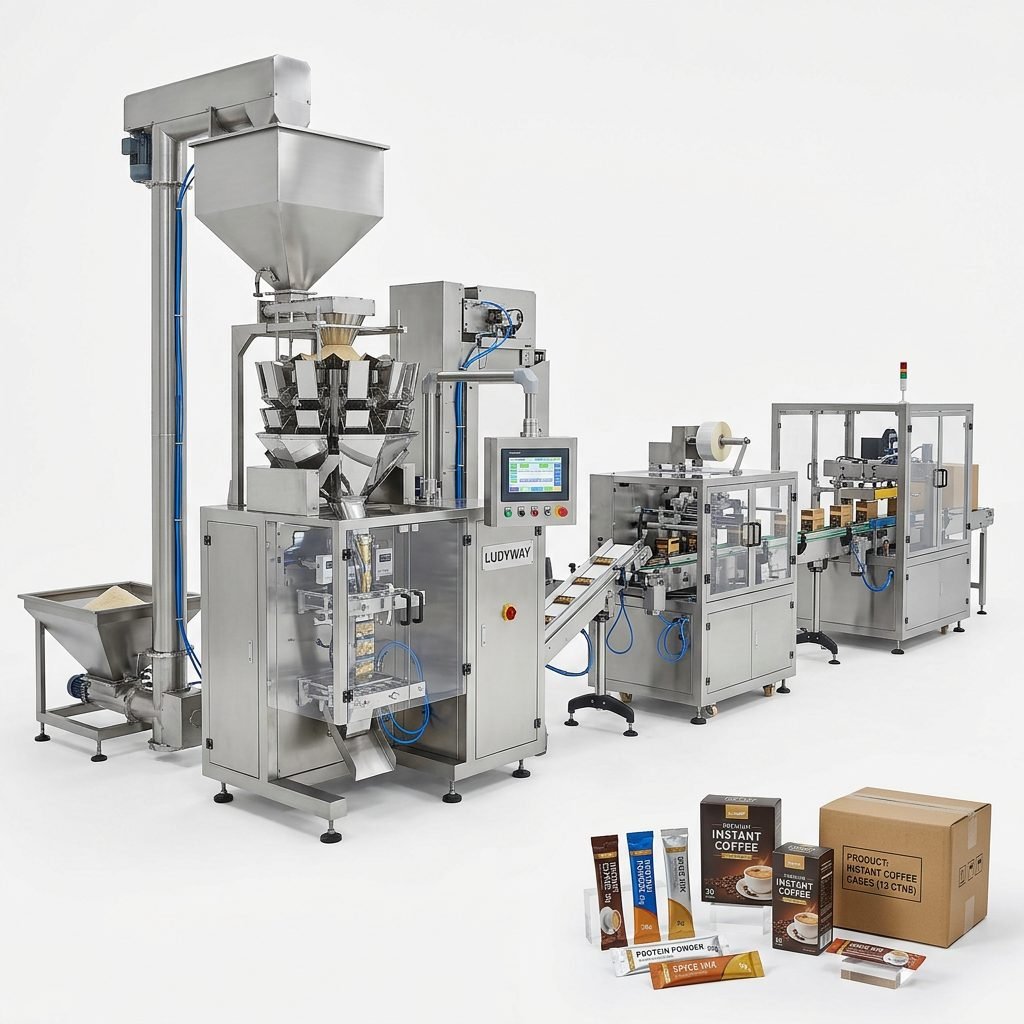
- Vertical Form-Fill-Seal (VFFS) Machines: Ideal for granules, powders, and liquids, creating bags from a roll of film, filling them, and sealing them in one continuous motion.
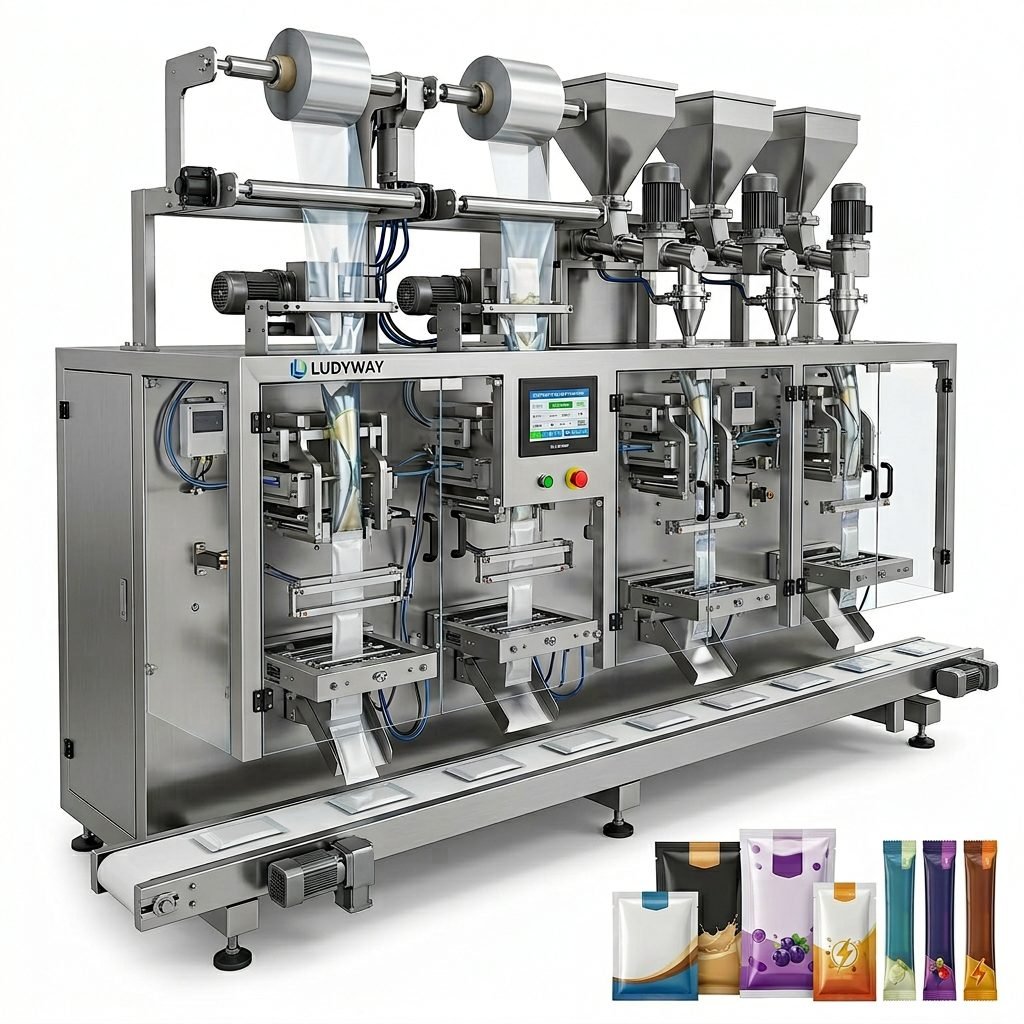
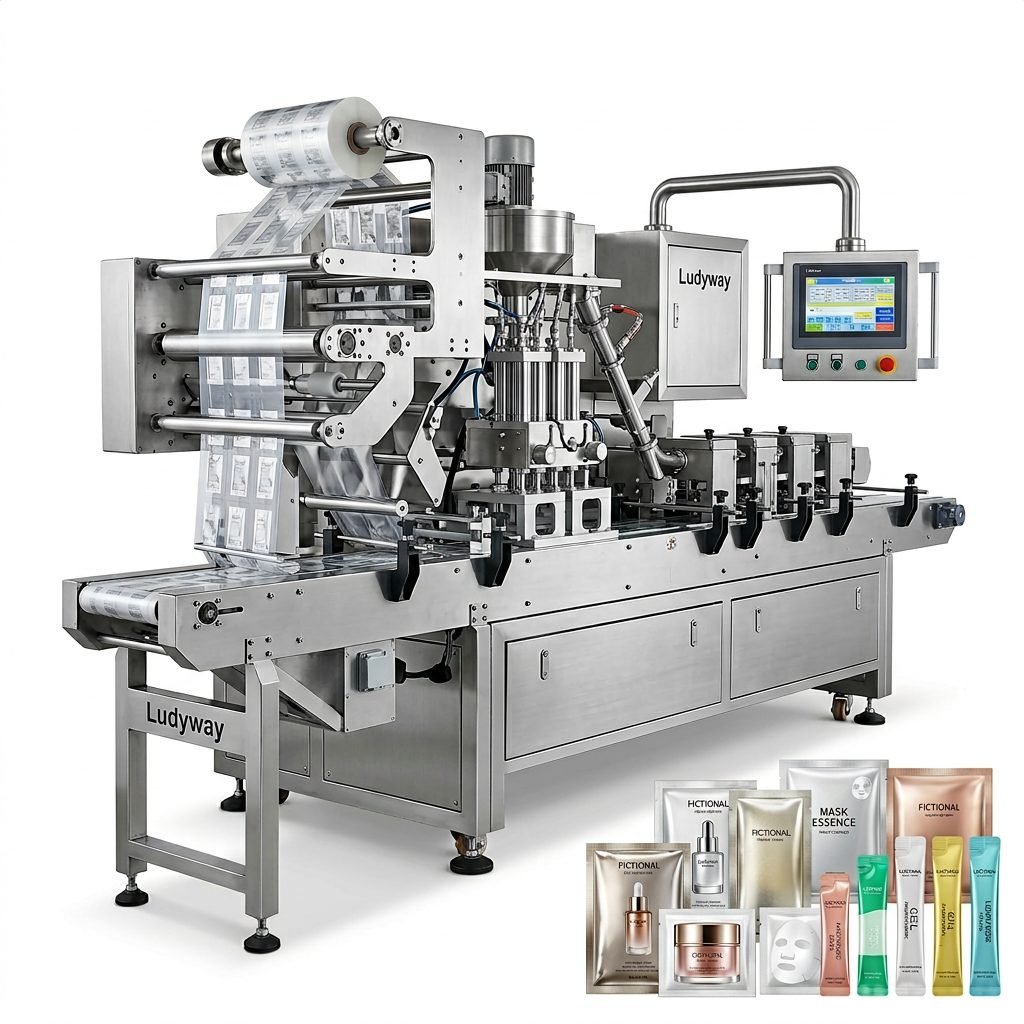
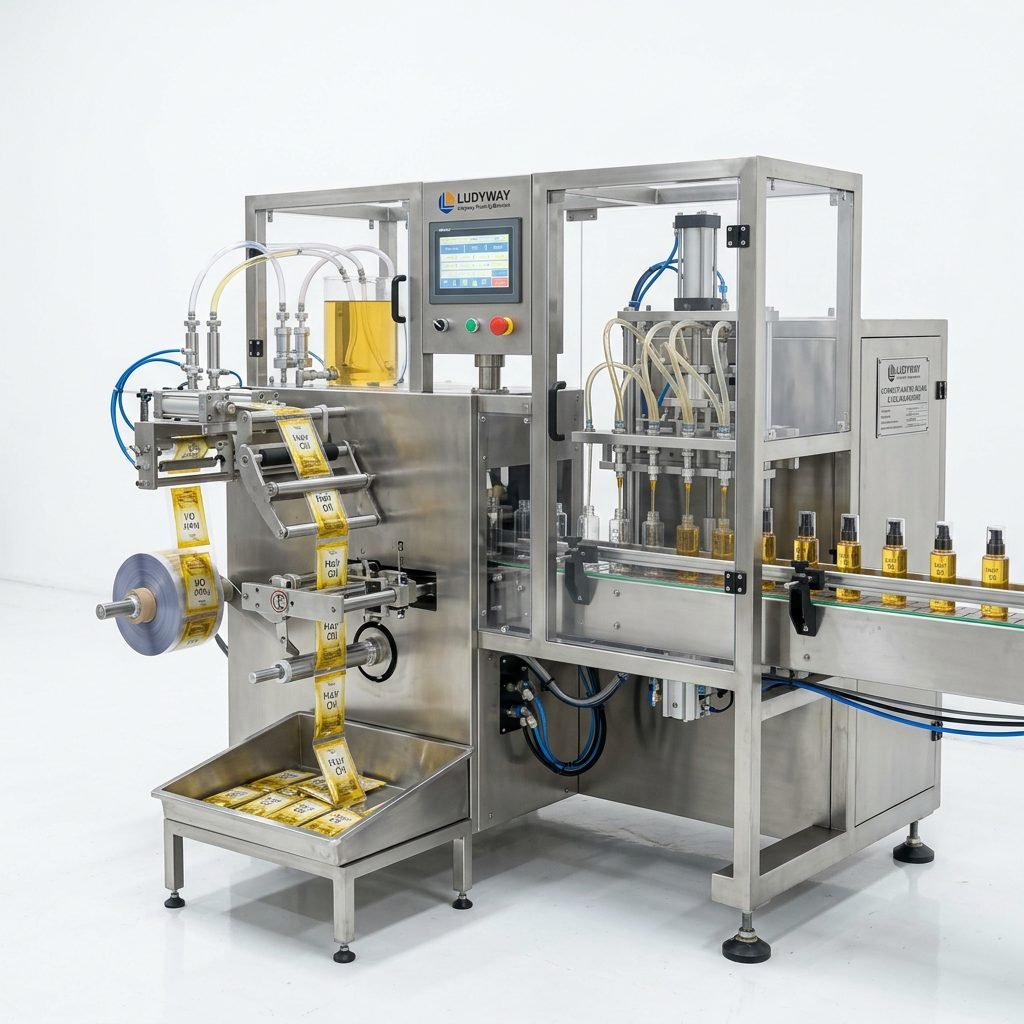
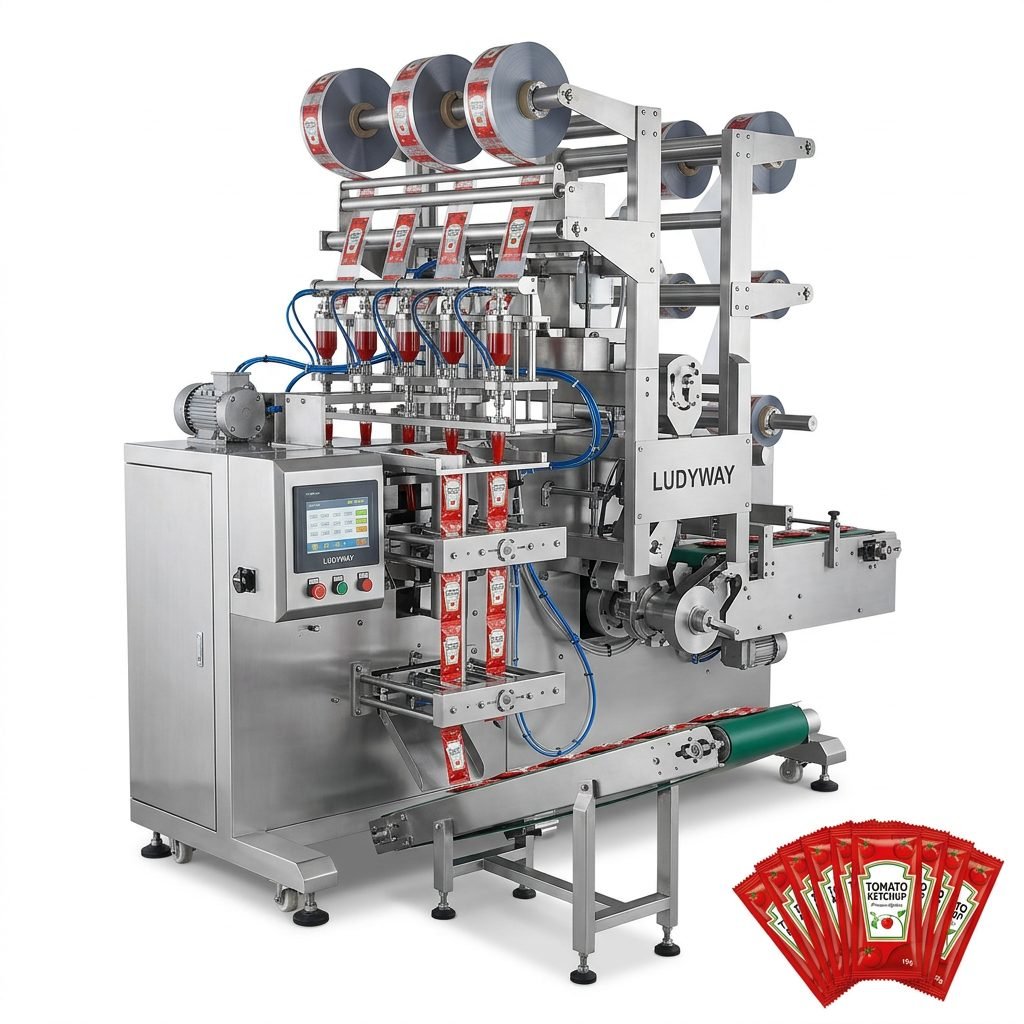
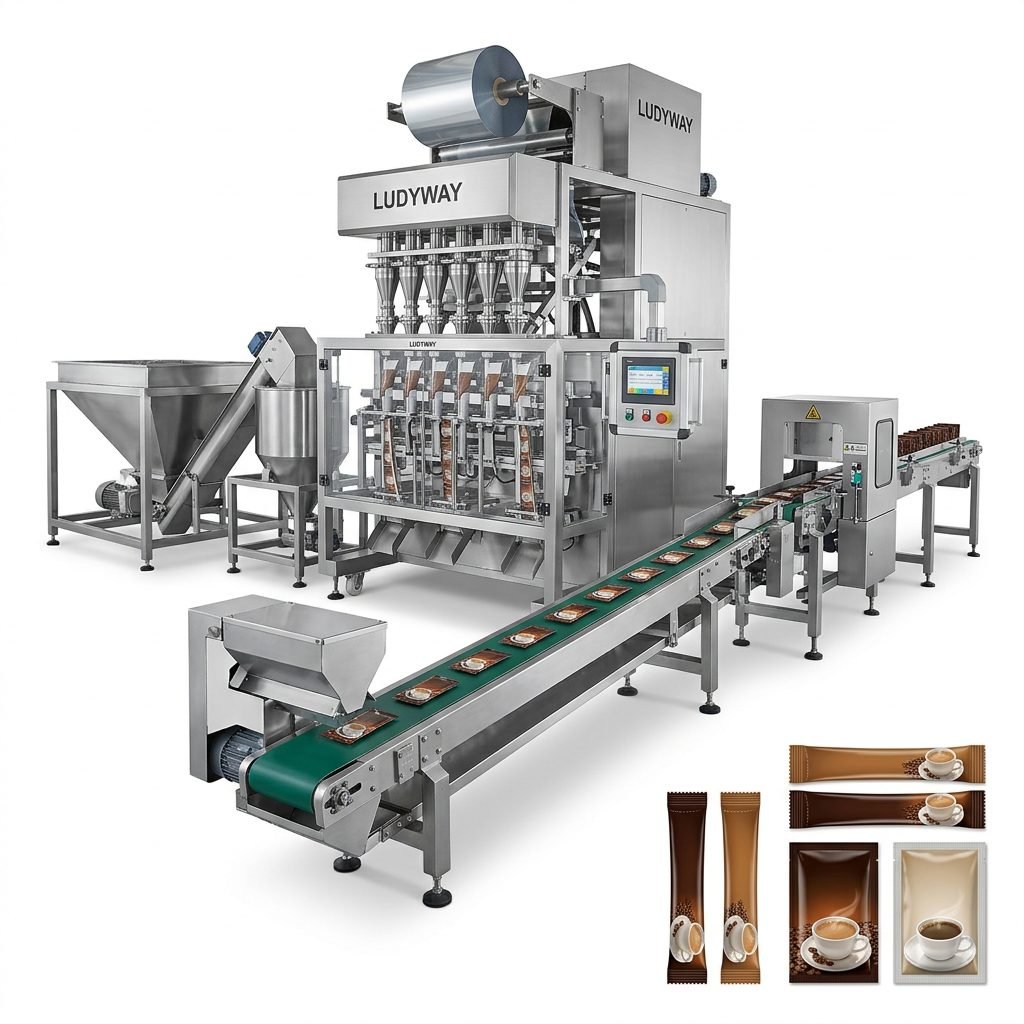
- Stick Pack & Sachet Machines: Perfect for single-serve portions of sauces, condiments, supplements, or beverages. Modern multi-lane systems can produce hundreds of sticks per minute.
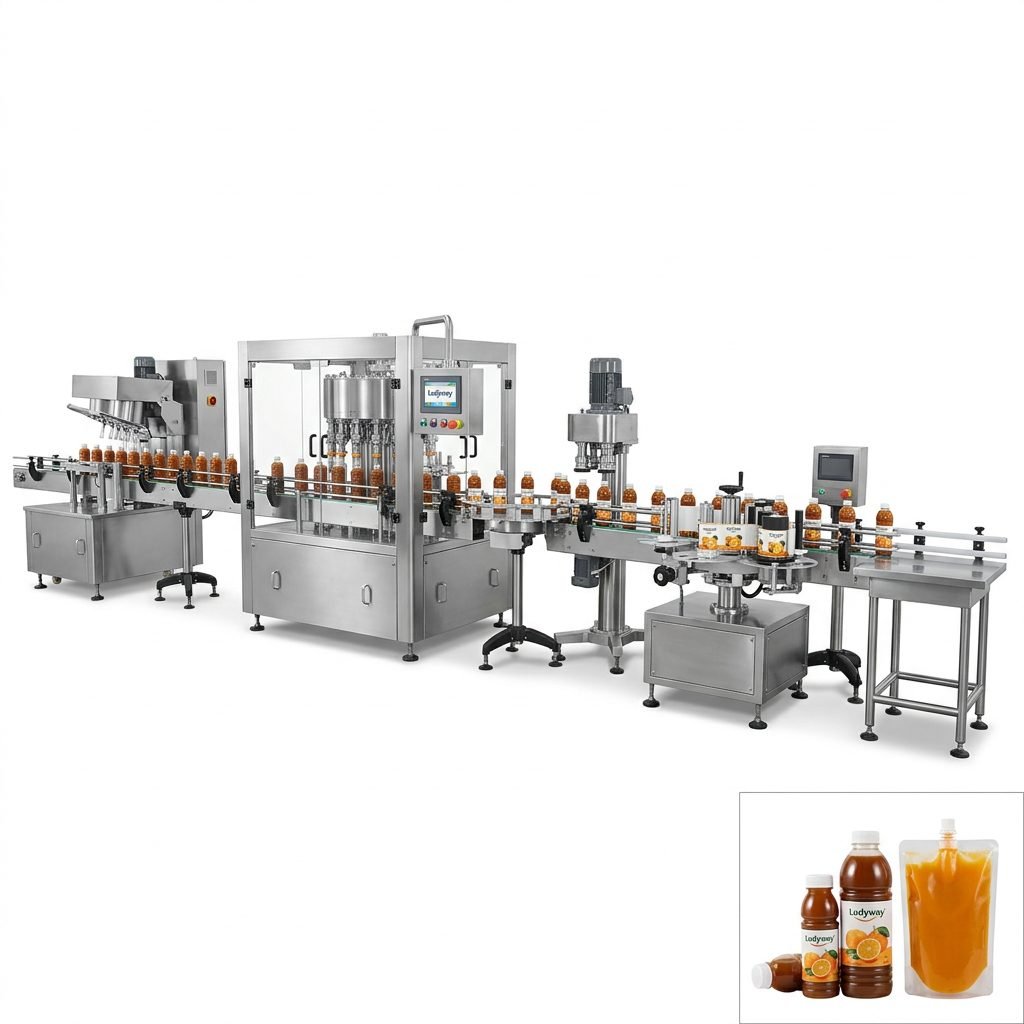
- Liquid Filling & Capping Lines: For bottles, jars, or pouches, offering precise volumetric or weight-based filling followed by immediate capping or sealing.
2. Secondary Packaging & Automation
Once products are individually packed, they must be grouped for distribution. This stage includes:
- Cartoning & Case Packing: Automatically loading primary packages into cartons or shipping cases.
- Robotic Palletizing: Using robots to stack cases onto pallets with optimal stability and speed.
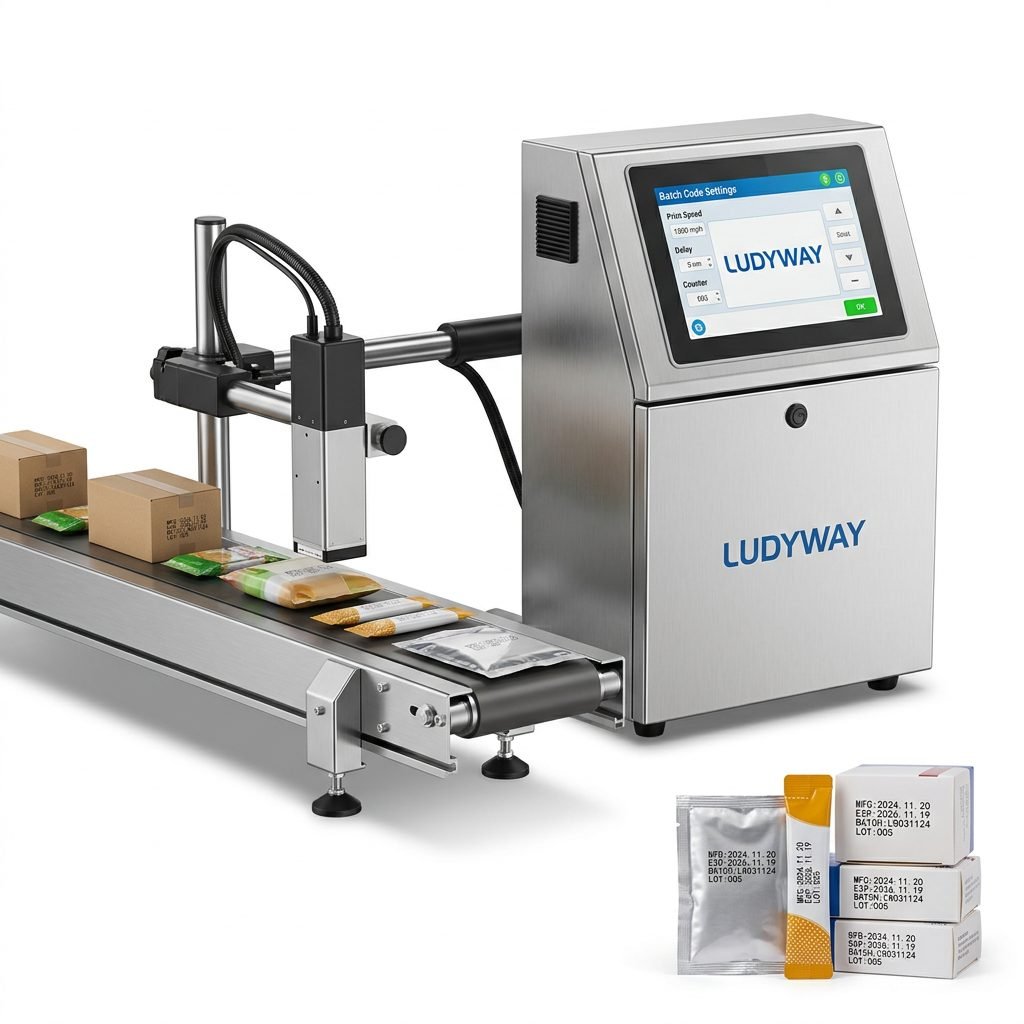
- Conveying & Integration: Intelligent conveyors that link all machines, often with vision systems for quality control and rejection of defective units.
Key Efficiency Metrics for Manufacturers
When evaluating machinery, focus on these critical performance indicators:
- Output Speed (Units/Minute): The raw production capacity of the line.
- Changeover Time: How quickly the machine can be adjusted for a different product or package size. Modern servo-driven machines excel here.
- Material Yield & Waste: The efficiency of film, foil, or carton board usage.
- Overall Equipment Effectiveness (OEE): A holistic measure combining availability, performance, and quality.
Benefits Beyond Speed: The Total Value Proposition
While increased output is the most visible benefit, high-efficiency machinery delivers a cascade of advantages that impact the entire business.
Enhanced Product Safety and Shelf Life
Advanced sealing technologies—such as hermetic seals for snacks or aseptic filling for dairy—provide superior barriers against moisture, oxygen, and contaminants. This directly translates to longer shelf life, reduced spoilage, and unwavering consumer trust. Consistent, reliable seals are non-negotiable in the food industry.
Unmatched Operational Flexibility
The era of dedicated lines for a single product SKU is fading. Today’s machinery is built for agility. With quick-change tooling and recipe-driven programmable logic controllers (PLCs), manufacturers can run smaller, more frequent batches. This allows for responding swiftly to market trends, seasonal demands, or custom orders without sacrificing efficiency. For a deeper look at adaptable solutions, consider exploring versatile sachet packaging systems that handle diverse products.
Sustainability Through Precision
Efficiency and sustainability are now intrinsically linked. High-precision filling minimizes product giveaway. Optimized film usage reduces plastic waste. Furthermore, efficient lines consume less energy per unit produced. This precision not only cuts costs but also aligns with the growing consumer and regulatory demand for environmentally responsible manufacturing.
Data-Driven Decision Making
Modern packaging machines are data hubs. They collect real-time information on output, downtime, maintenance cycles, and quality metrics. This data, accessible through Industry 4.0 interfaces, empowers managers to make proactive decisions, predict maintenance needs, and continuously optimize the production process for peak performance.
Choosing the Right Partner for Your Packaging Journey
Selecting machinery is as much about choosing a technology partner as it is about the hardware. The ideal partner brings more than just a machine catalog to the table.
Look for a provider with deep application expertise, particularly in your specific product category—be it hygroscopic powders, viscous sauces, or carbonated beverages. They should offer comprehensive support, from initial factory acceptance testing and installation to operator training and readily available spare parts. A partner committed to long-term innovation and support ensures your investment remains productive for years to come.
💡 Implementation Insight: Start with a Pilot
For manufacturers new to high-level automation, consider a phased approach. Begin by automating your most repetitive, high-volume task. The success and ROI from this “pilot” project build internal confidence and provide a clear roadmap for scaling automation across other lines, mitigating risk and ensuring smoother integration.
Ultimately, investing in high-efficiency food and beverage packaging machinery is a strategic move to build resilience, agility, and quality into your operations. It’s about creating a packaging process that is not just fast, but also smart, adaptable, and sustainable—a true foundation for future growth in a dynamic global market. For insights into complete system integration, reviewing turnkey packaging line case studies can be invaluable.
Frequently Asked Questions (FAQs)
1. What is the typical ROI period for high-efficiency packaging machinery?
The return on investment can vary widely based on the machine’s cost, the volume of production, and labor savings. For standard automated systems replacing manual operations, many manufacturers see a full ROI within 12 to 24 months through increased output, reduced waste, and lower labor costs. High-speed, complex lines may have a longer period but offer transformative capacity gains.
2. How difficult is it to integrate new machinery into an existing production line?
Integration complexity depends on the age and compatibility of existing equipment. Reputable suppliers offer comprehensive integration services. They will audit your current line, design interface solutions (like conveyors and control system bridges), and manage the installation to minimize disruption. Choosing modular, standards-based machinery significantly eases this process.
3. Can these machines handle different package sizes and materials?
Yes, flexibility is a key feature of modern machinery. Look for models with servo-driven components and quick-change tooling (QCT). These allow for fast changeovers—often in minutes—between different bag sizes, pouch styles, or carton dimensions. Always discuss your full range of intended materials (film types, laminate structures) with the supplier during the planning phase.
4. What kind of maintenance do these systems require?
Preventive maintenance is crucial for sustained efficiency. This typically includes daily cleaning, weekly lubrication of specific points, and periodic inspection of wear parts like sealing jaws, cutters, and filters. Most suppliers provide detailed maintenance schedules and training. Advanced machines often include predictive maintenance alerts based on operational data.
5. How do we ensure our operators are properly trained?
Professional training is a core part of any quality machinery purchase. Reliable suppliers offer on-site training during commissioning, covering operation, basic troubleshooting, safety procedures, and routine maintenance. They also provide comprehensive manuals and often have online video resources or remote support capabilities for ongoing learning.