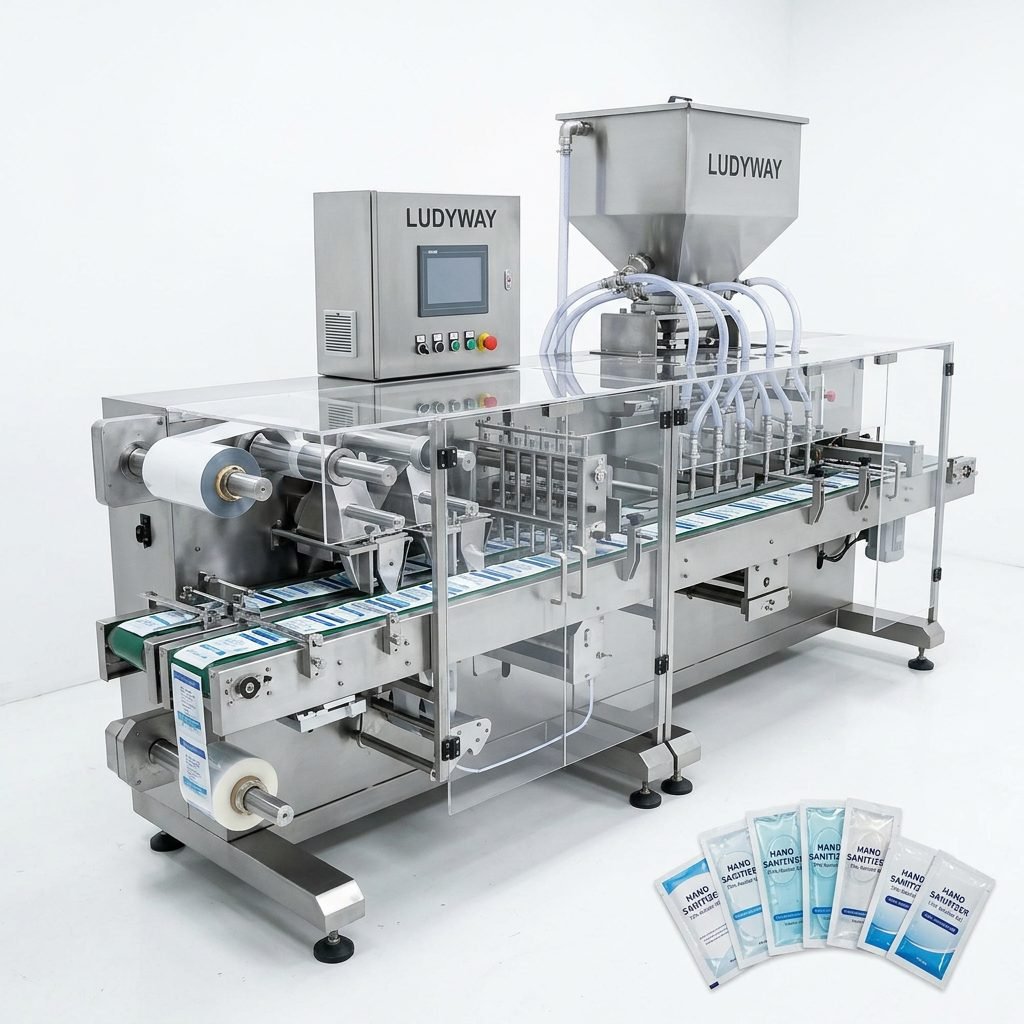
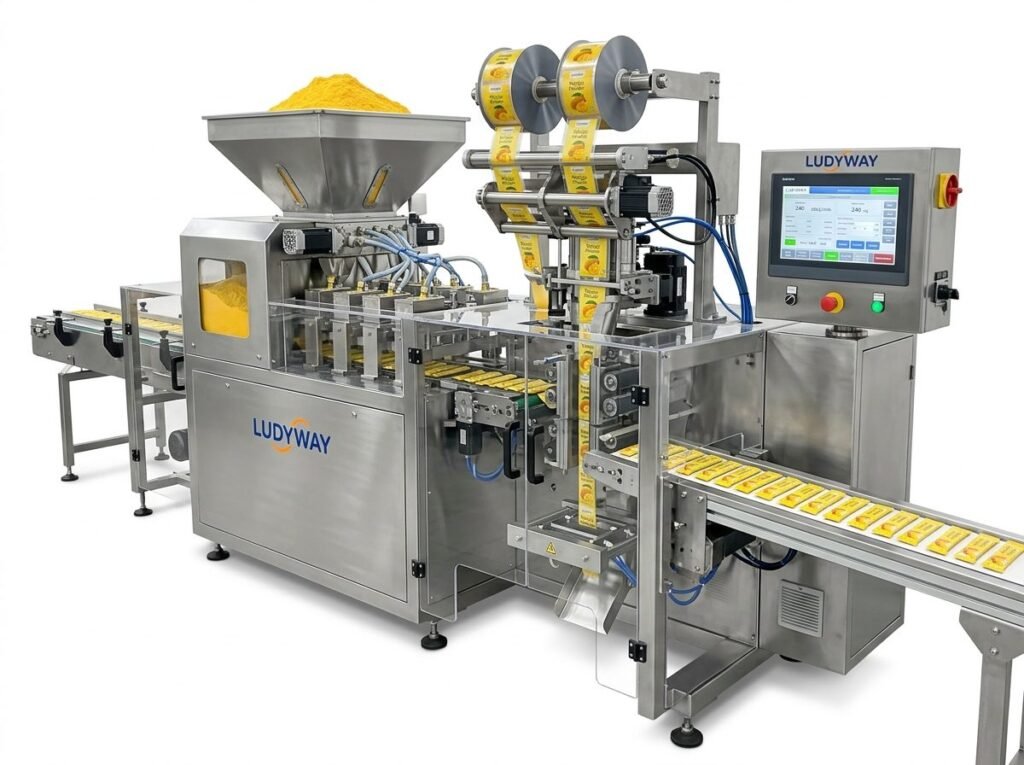
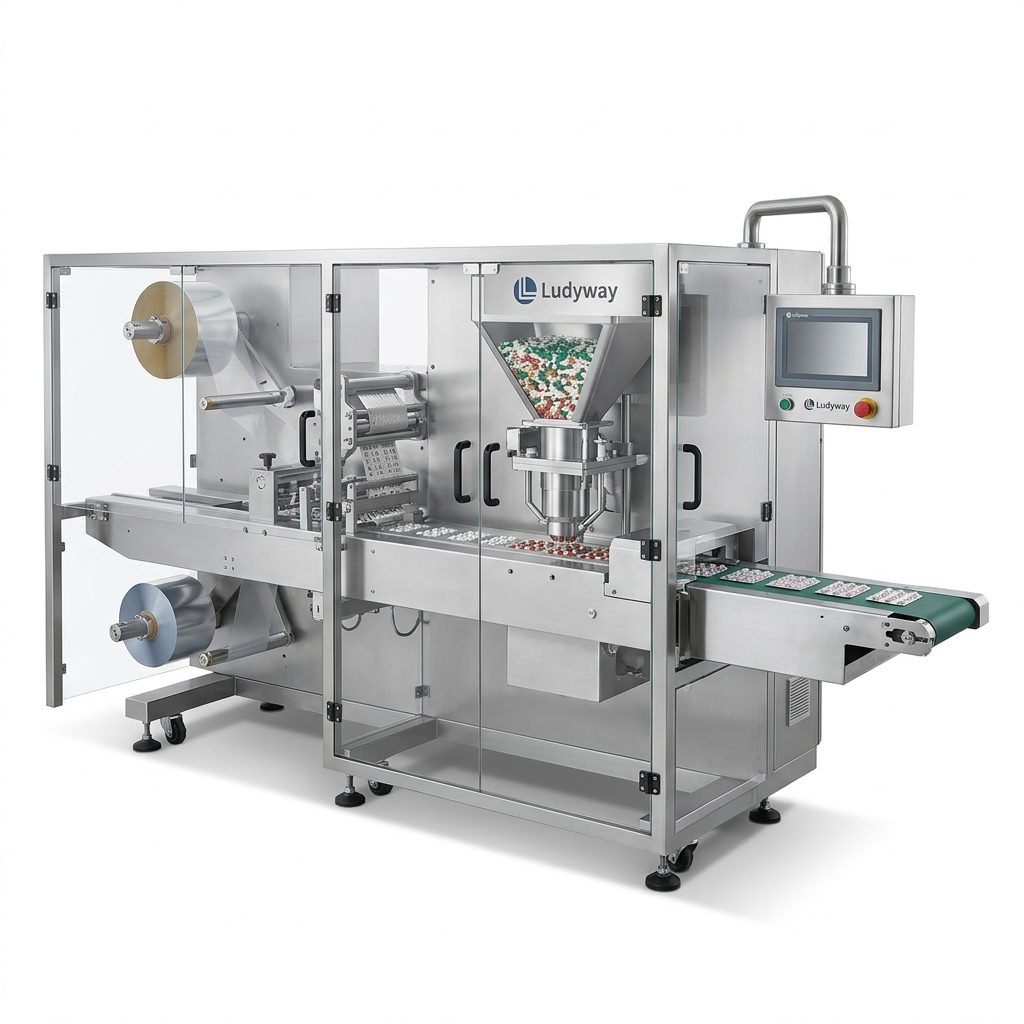
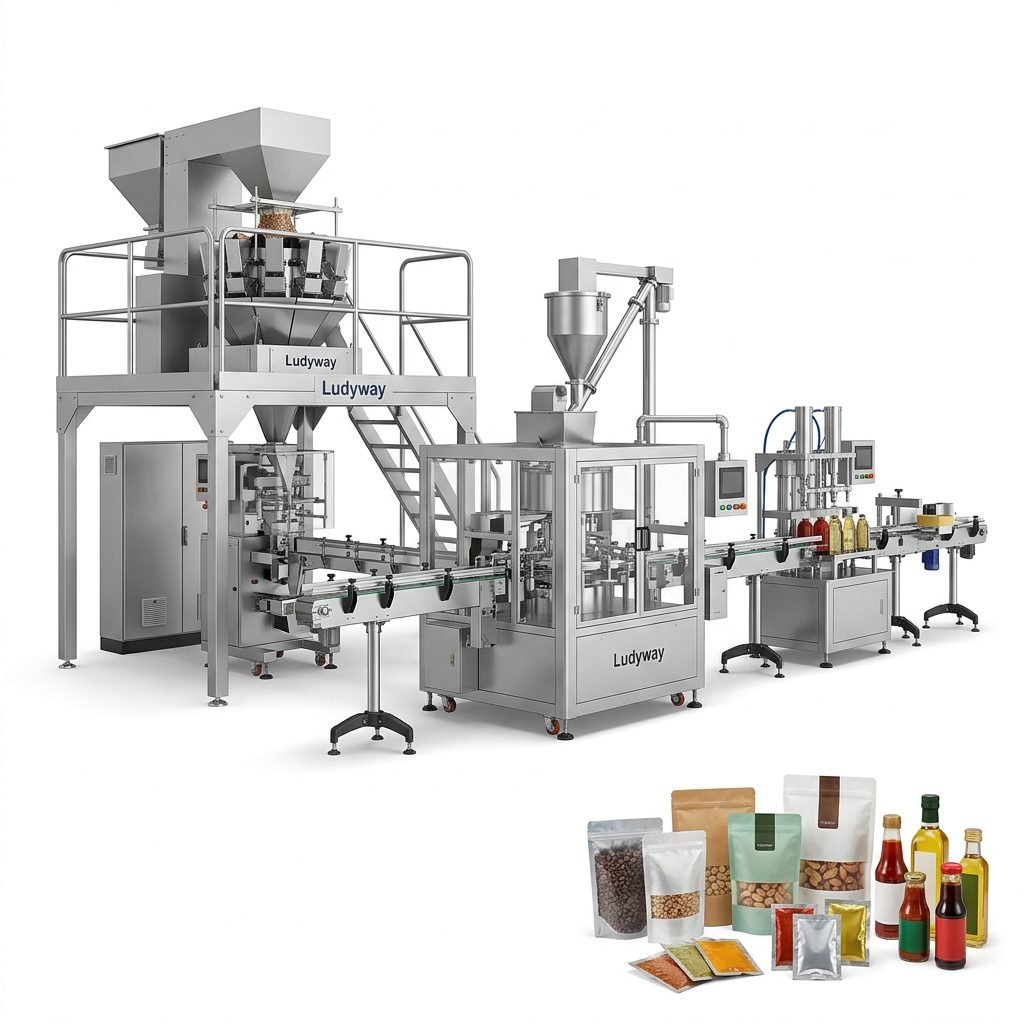
In today’s fast-paced manufacturing landscape, efficiency at the final stage of production is not just an advantage—it’s a necessity. End-of-Line (EOL) packaging, encompassing automated case packing and cartoning, represents the critical bridge between finished products and their journey to the consumer. This phase is where speed, precision, and reliability converge to protect product integrity, optimize logistics, and ultimately, safeguard brand reputation. For industries ranging from food and beverage to pharmaceuticals and consumer goods, implementing robust EOL packaging machinery solutions is a strategic investment that drives operational excellence.
The Critical Role of End-of-Line Automation
The transition from primary packaging—where products are placed into their immediate containers—to secondary packaging involves grouping, casing, and cartoning. Manual handling at this scale is prone to inconsistencies, slower speeds, and increased labor costs. Automated EOL solutions eliminate these bottlenecks, ensuring a smooth, continuous flow from production to palletizing. The core functions include:
- Automated Case Packing: This involves the precise placement of primary packaged products (bottles, cans, pouches, etc.) into shipping cases or trays. Machines can handle various patterns (e.g., 3×4, 4×6) and adjust to different case sizes with minimal downtime.
- Automated Cartoning: This process involves erecting, loading, and sealing cartons. Machines can insert products, along with necessary leaflets or instructions, at high speeds while ensuring perfect presentation and closure.
By integrating these systems, manufacturers achieve a sealed, secure, and shelf-ready package that is consistent every single time.
Key Benefits of Investing in Advanced EOL Machinery
Upgrading to automated case packing and cartoning systems delivers a compelling return on investment across multiple facets of your operation.
↳ Unmatched Speed & Scalability
Modern EOL machines operate at significantly higher rates than manual lines, often exceeding hundreds of cycles per minute. This increased throughput allows you to scale production to meet market demands without proportional increases in labor or floor space. The system’s pace becomes a direct contributor to your bottom line.
↳ Precision and Product Integrity
Robotic arms and intelligent vision systems handle products with gentle accuracy, minimizing the risk of damage, scuffing, or misplacement that can occur with manual packing. This precision is paramount for fragile items, high-value goods, or products where presentation is key to consumer perception.
↳ Enhanced Flexibility and Quick Changeover
Today’s consumers demand variety, leading to shorter production runs and more Stock Keeping Units (SKUs). Advanced EOL systems are designed for quick changeovers. With programmable logic controllers (PLCs) and tool-less adjustments, operators can switch between different product sizes, case patterns, or carton styles in minutes, maximizing overall equipment effectiveness (OEE).
Furthermore, automation drastically reduces physical strain on workers, reallocating human talent to more value-added tasks like supervision, quality control, and maintenance. It also ensures a more hygienic packaging environment, a critical factor for food and pharmaceutical applications.
Choosing the Right End-of-Line Partner
Selecting an EOL packaging machinery provider is a long-term strategic decision. The ideal partner offers more than just hardware; they provide a comprehensive solution tailored to your specific challenges. Key considerations include:
- Application Expertise: Does the provider have proven experience in your industry (e.g., food, pharma, cosmetics)? Understanding the unique requirements—such as hygiene standards, product fragility, or regulatory compliance—is essential.
- Technology & Innovation: Look for providers that integrate robotics, machine vision for quality checks, and Industry 4.0 capabilities like data tracking and predictive maintenance.
- Customization & Support: Off-the-shelf solutions rarely fit perfectly. A reliable partner will offer customization for unique products or layouts and back the equipment with robust after-sales service, training, and readily available spare parts.
Companies with deep industry roots, like Ludyway Machinery, bring invaluable perspective. Founded in 2010 with a vision for global efficiency, their journey from a focused engineering team to a provider of over 50 intelligent packaging models illustrates a commitment to evolving with market needs. This kind of experience translates into practical, reliable solutions that work on your factory floor.
Integration: The Path to a Seamless Packaging Line
The true power of EOL automation is realized when it is seamlessly integrated with upstream processes. A well-orchestrated line connects filling, capping, labeling, and wrapping machines directly to the case packer or cartoner via synchronized conveyors. This integration is managed by a central line controller that monitors speed, buffers products if needed, and provides real-time operational data.
Effective integration minimizes accumulation points, reduces product handling, and creates a single, efficient ecosystem. When consulting with a provider, discuss their capability to deliver a turnkey solution—designing, installing, and commissioning the entire EOL segment to work in harmony with your existing equipment.
Future Trends in End-of-Line Packaging
The future of EOL packaging is intelligent and connected. Emerging trends are set to redefine efficiency:
- Sustainable Packaging Handling: Machines are being adapted to efficiently run with recycled corrugate, thinner-gauge materials, and alternative, eco-friendly cartoning solutions without compromising speed or integrity.
- AI-Powered Optimization: Artificial intelligence will move beyond simple inspection to predict jams, optimize packing patterns in real-time for mixed-SKU pallets, and self-adjust machine parameters for peak performance.
- Hyper-Flexibility: As e-commerce continues to grow, EOL systems will need to effortlessly switch between retail-ready cases, shelf-friendly trays, and ship-ready e-commerce cartons—sometimes within the same production run.
Staying ahead means partnering with a machinery provider that is actively investing in and developing these next-generation technologies.
Conclusion: Securing Your Competitive Edge
Automated End-of-Line packaging machinery is no longer a luxury for large corporations; it is a fundamental tool for any manufacturer seeking competitiveness, consistency, and growth. By automating case packing and cartoning, you build a faster, more resilient, and more cost-effective operation. The initial investment is strategically justified by long-term gains in productivity, product quality, and operational agility. In a world where the unboxing experience is part of the brand promise, ensuring that final package is perfect is paramount.