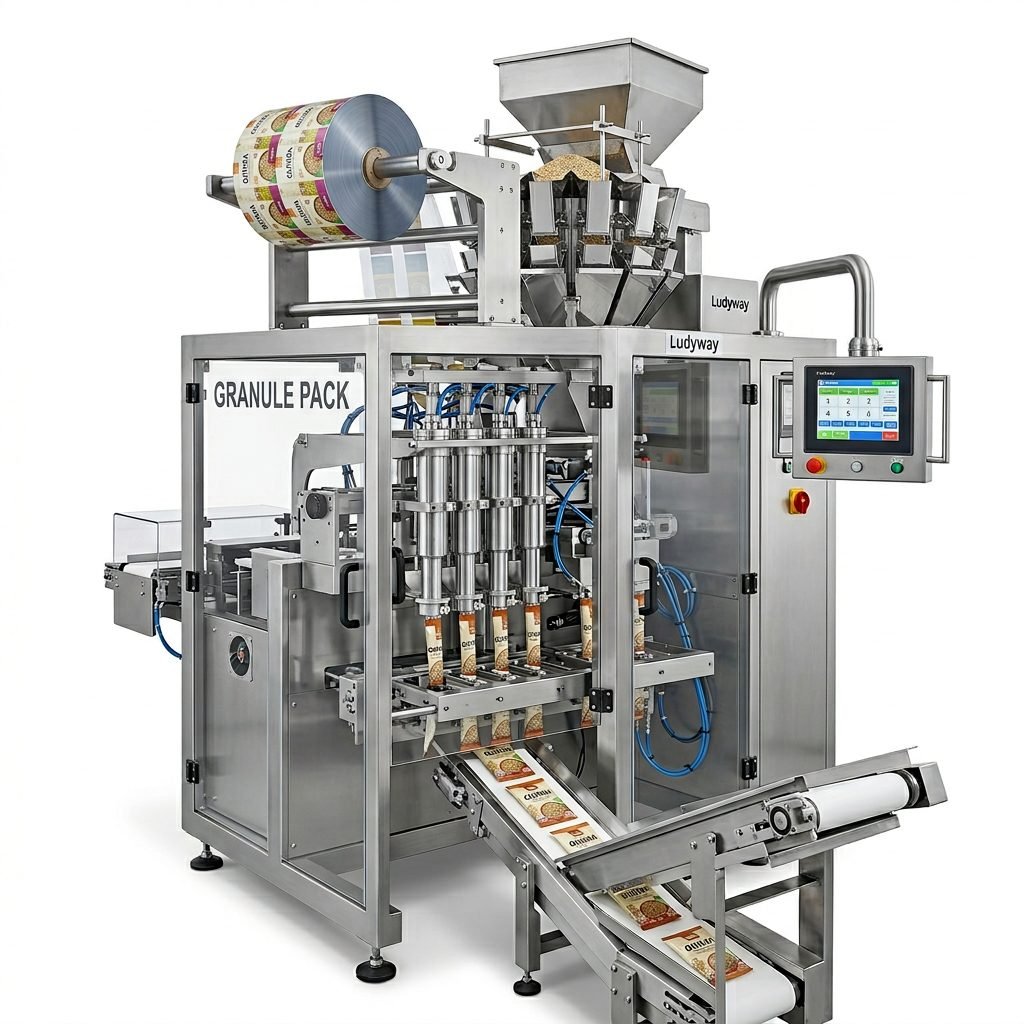
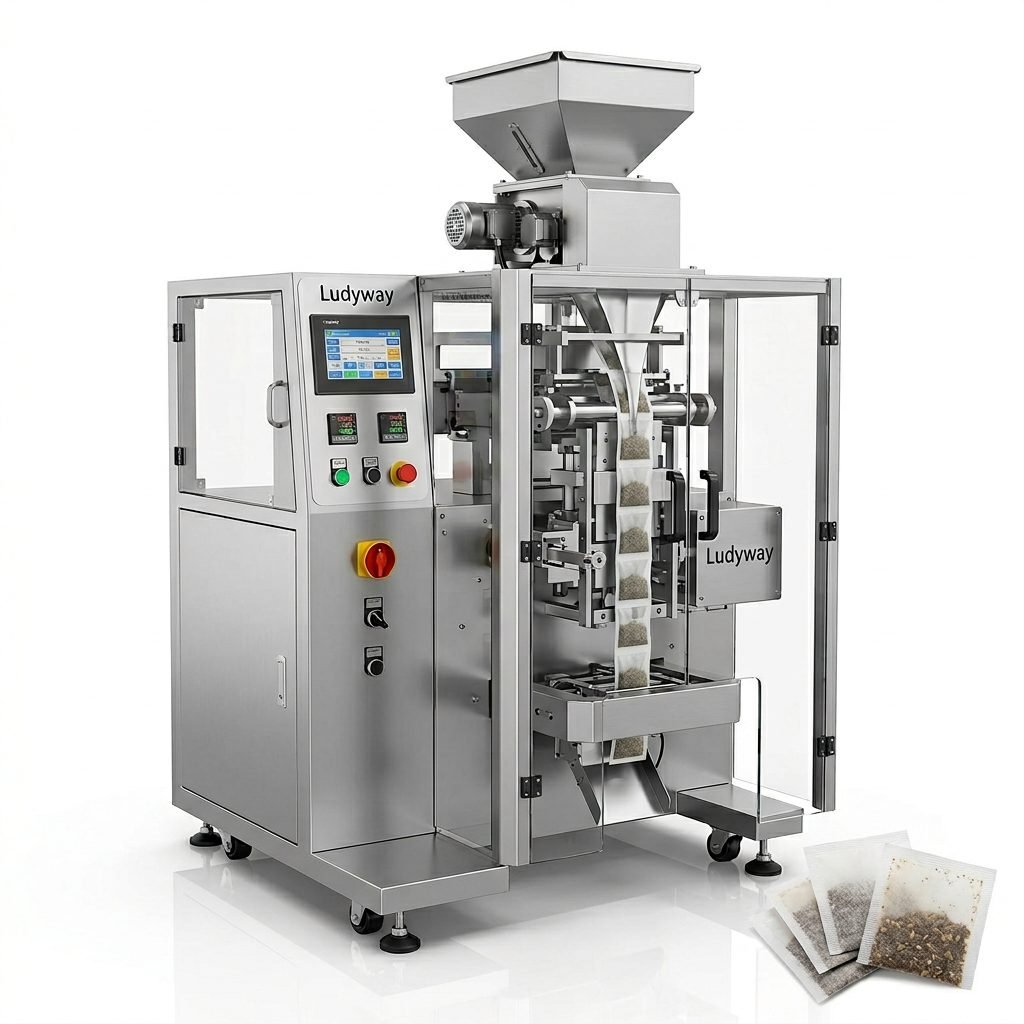
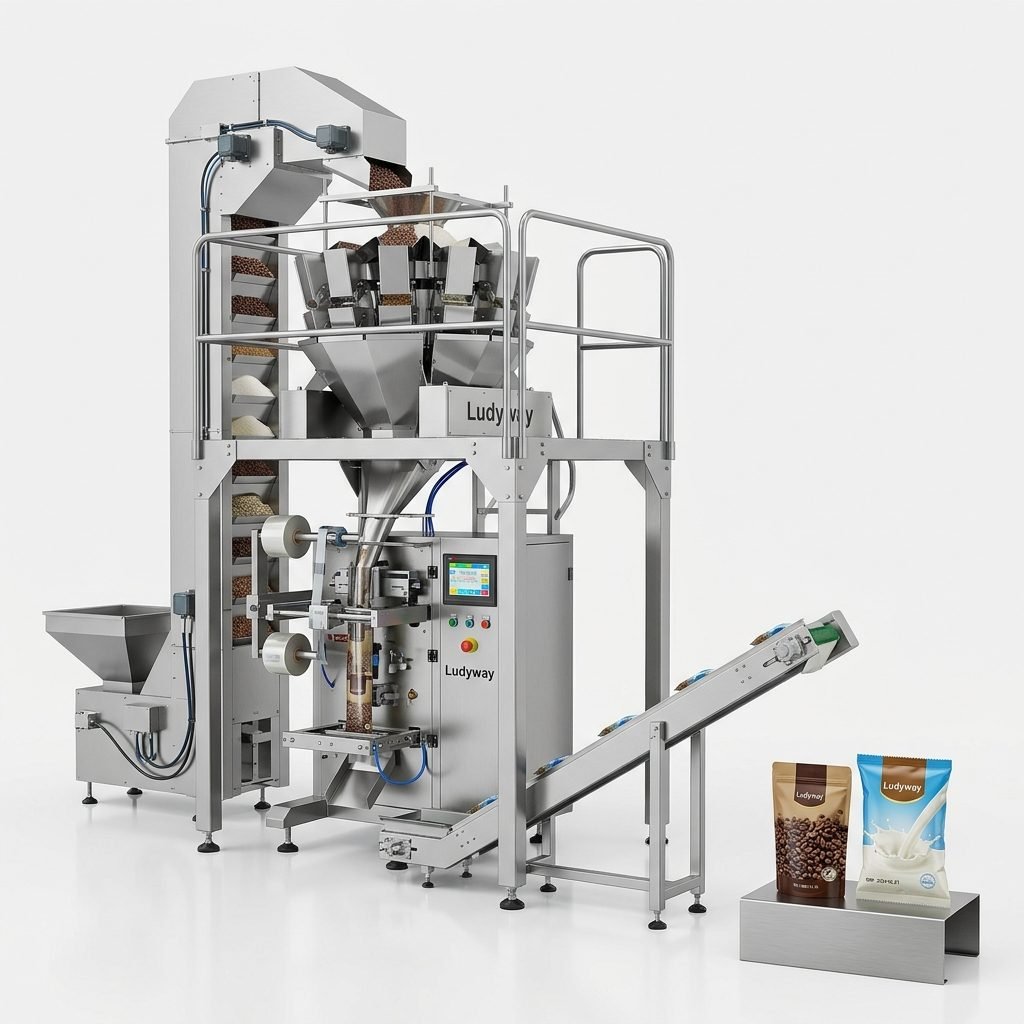
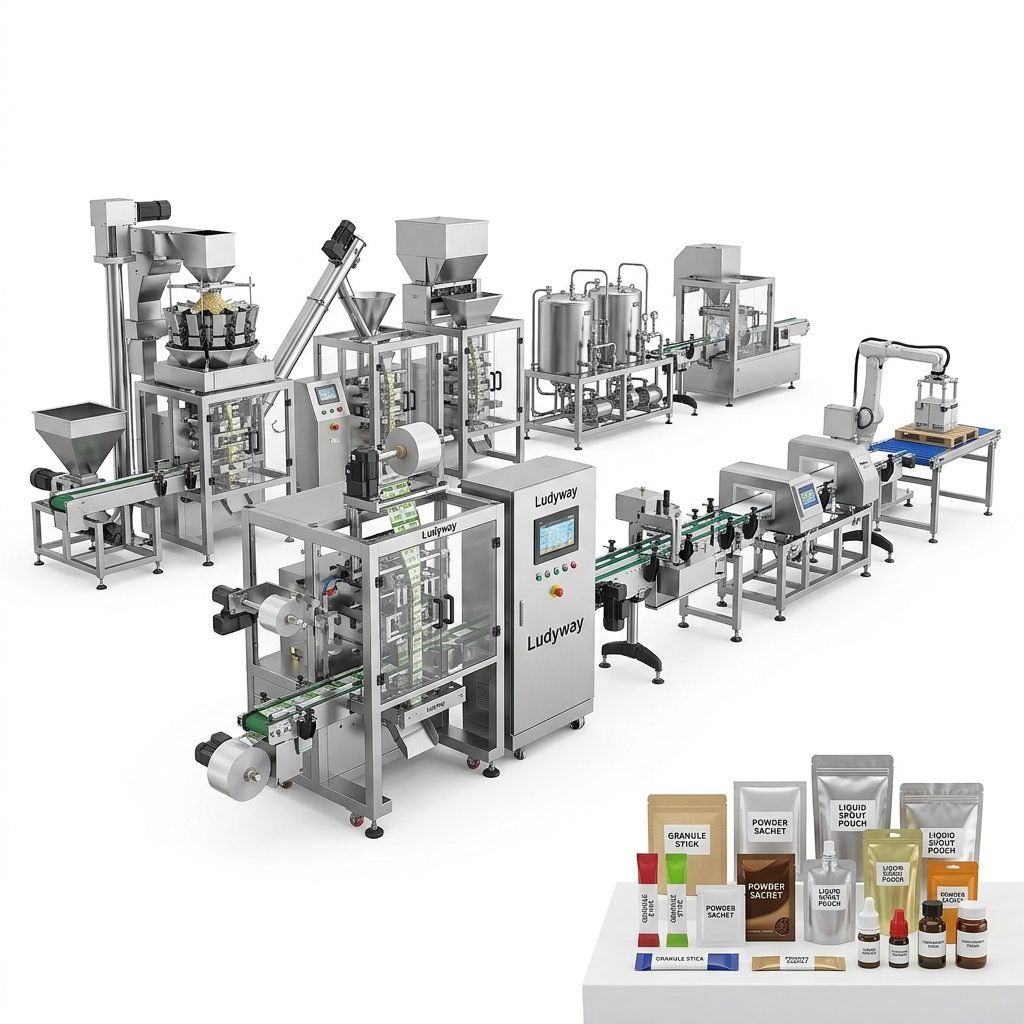
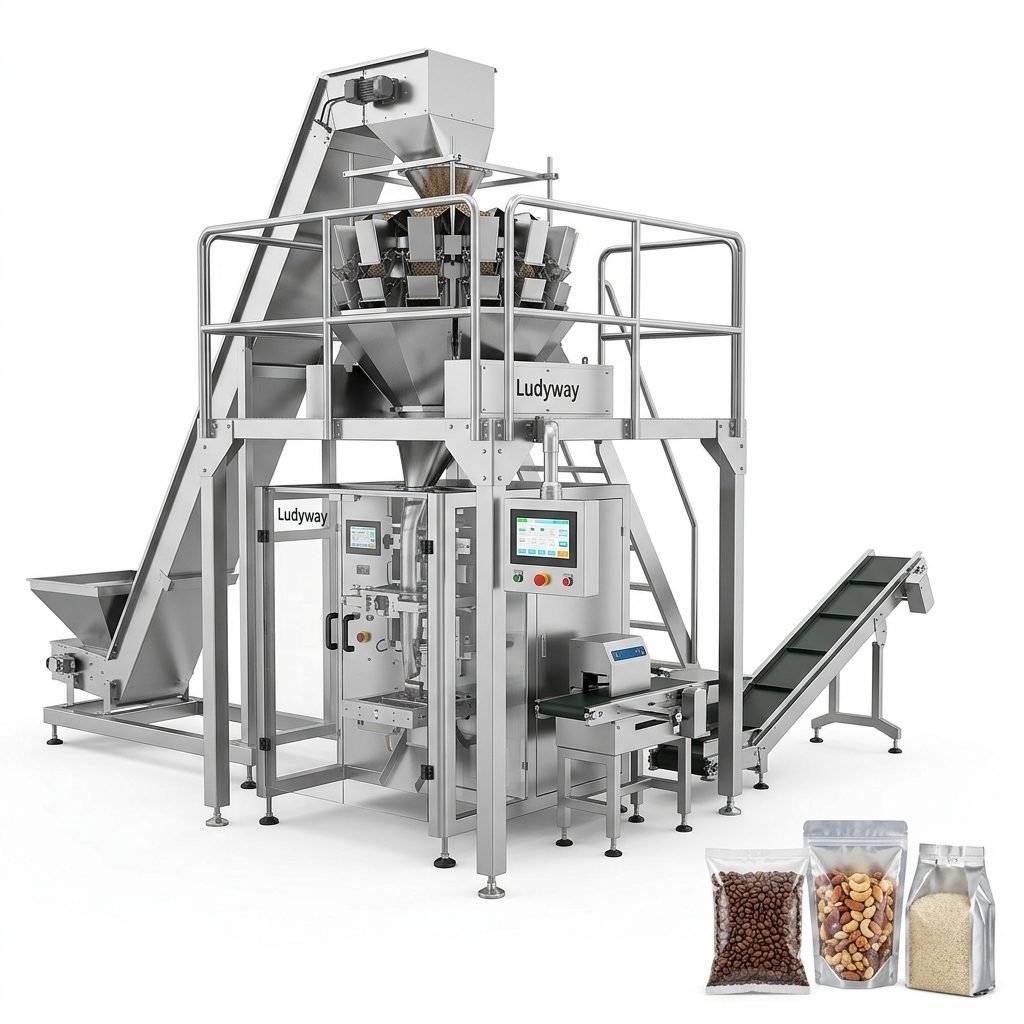
An auger filler packing machine is one of the most reliable solutions for dosing and packing powders, fine granules, and dusty materials with repeatable accuracy. It is widely used in food, pharmaceutical, nutraceutical, chemical, and daily-use product manufacturing because it can handle products that are difficult to dose by volume alone.
If your product includes milk powder, protein powder, flour, spice blends, coffee powder, seasoning, pharmaceutical powders, or chemical powders, understanding how this machine works can help you choose the right packaging setup and improve production efficiency.
What Is an Auger Filler Packing Machine?
An auger filler packing machine uses a rotating screw, known as an auger screw, to dispense a controlled amount of powder into a package or container. The machine is usually integrated with packaging formats such as sachets, stick packs, pouches, bottles, jars, or cans.
The filling principle is simple: powder stored in a hopper is fed downward to the auger, and the screw rotation pushes a measured quantity of product into the pack. By controlling screw speed, number of revolutions, and hopper feeding conditions, the machine can achieve highly stable dosing results.
How an Auger Filler Packing Machine Works
Although different models vary in automation level, most auger filler systems follow the same basic process.
- Product loading: Powder is loaded into the hopper manually or via a vacuum feeder or screw conveyor.
- Agitation and conditioning: An agitator helps keep product flow stable and reduces bridging inside the hopper.
- Metered screw filling: The auger screw rotates to dispense a predefined amount of material.
- Package positioning: A pouch, bottle, jar, or sachet is aligned under the filling nozzle.
- Discharge: The measured powder drops into the package.
- Sealing or transfer: The package is sealed or moved to the next station for capping, cartoning, coding, or inspection.
Main Working Components
- Hopper
- Agitator
- Auger screw
- Servo or motor drive
- Filling head and nozzle
- PLC and touchscreen controls
- Package handling or indexing system
| Component | Function |
|---|---|
| Hopper | Stores powder before filling |
| Agitator | Keeps product moving and reduces clumping |
| Auger screw | Meters the product precisely |
| Drive system | Controls filling speed and accuracy |
| Nozzle | Directs powder into the package cleanly |
| Control system | Stores recipes and adjusts parameters |
Types of Products Best Suited for Auger Filling
Auger filler machines are ideal for products that require controlled dispensing but do not flow like free-flowing granules. They are especially suitable for:
- Milk powder and infant nutrition powder
- Protein powder and sports nutrition blends
- Flour, starch, and baking mixes
- Coffee powder and instant drink powders
- Spices, seasoning powders, and soup mixes
- Pharmaceutical powders and sachet-dose formulations
- Chemical powders, additives, and industrial blends
Key Benefits of an Auger Filler Packing Machine
1. High Filling Accuracy
One of the biggest advantages is precise dosage control. Servo-driven auger fillers can be finely tuned for target weights, helping reduce underfilling and product giveaway.
2. Suitable for Difficult Powders
Powders with poor flowability, lightweight density, or dusting characteristics are often challenging for other filling methods. Auger systems handle these materials more effectively by mechanically forcing product through the dosing path.
3. Strong Packaging Versatility
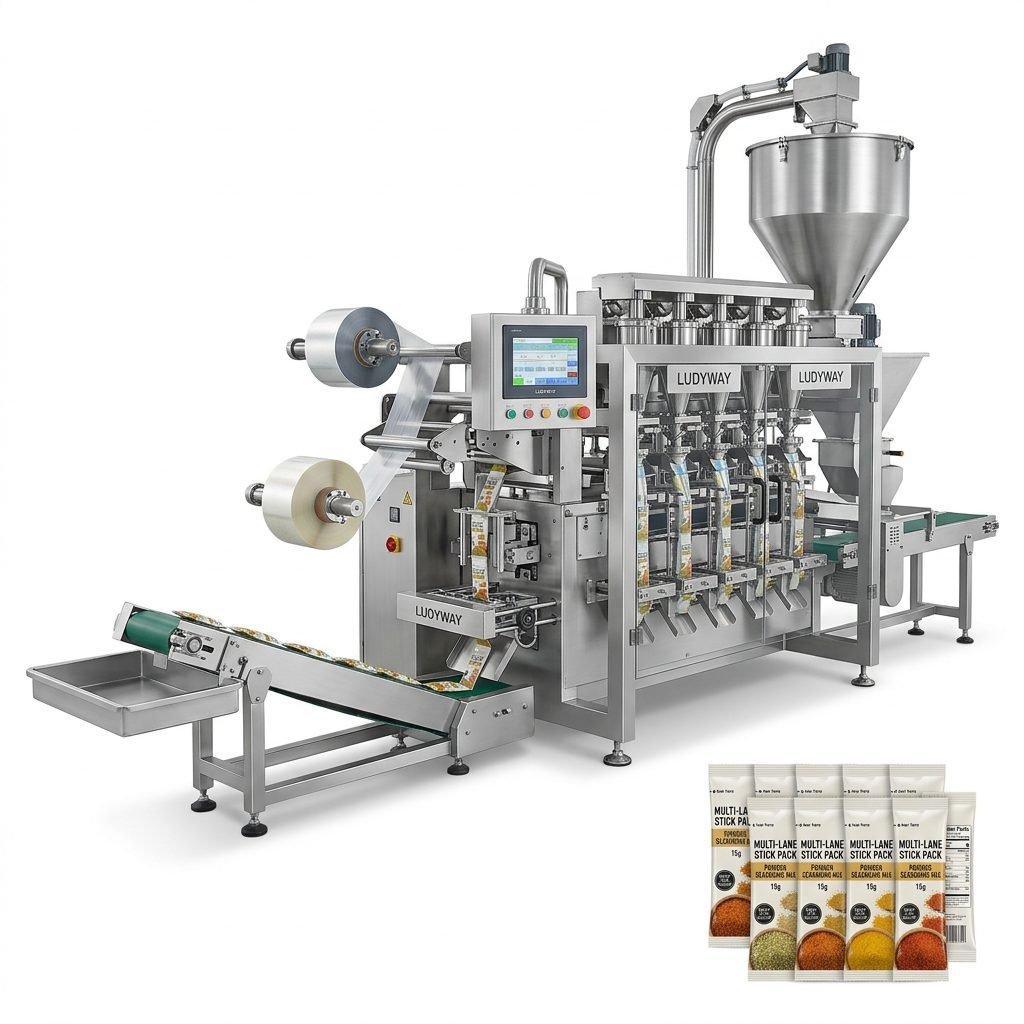
Auger fillers can be integrated with many package types, including:
- Sachets
- Stick packs
- Pouches
- Jars and bottles
- Cans and composite containers
4. Reduced Dust and Cleaner Operation
With proper sealing, dust collection, and nozzle design, auger filling helps maintain a cleaner production environment. This is especially important for food safety and pharmaceutical hygiene.
5. Easy Integration into Automatic Lines
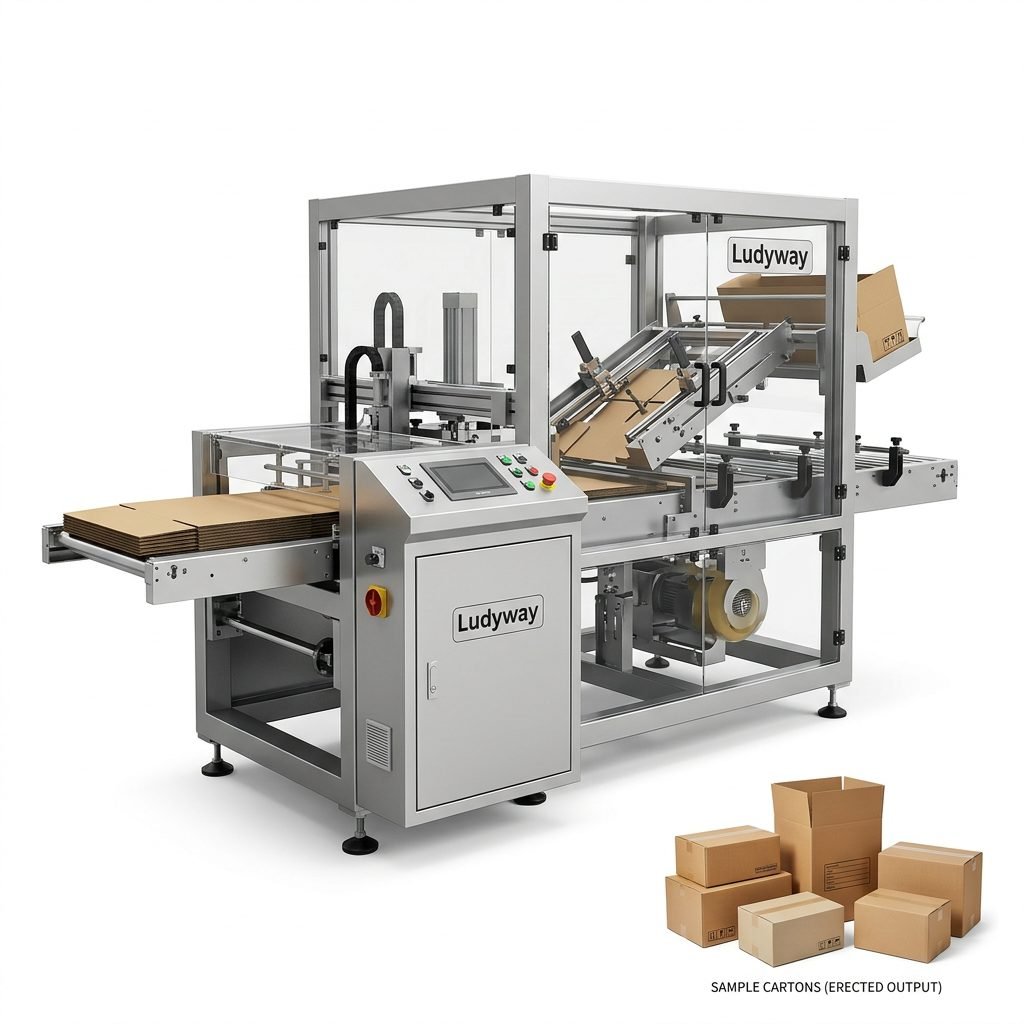
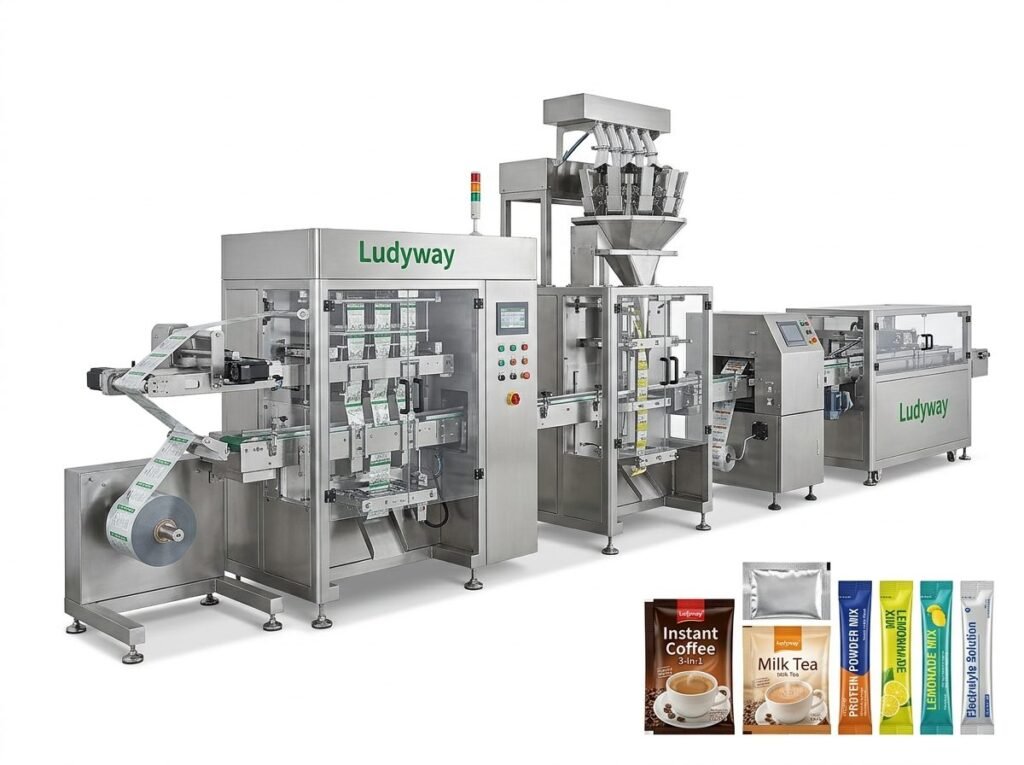
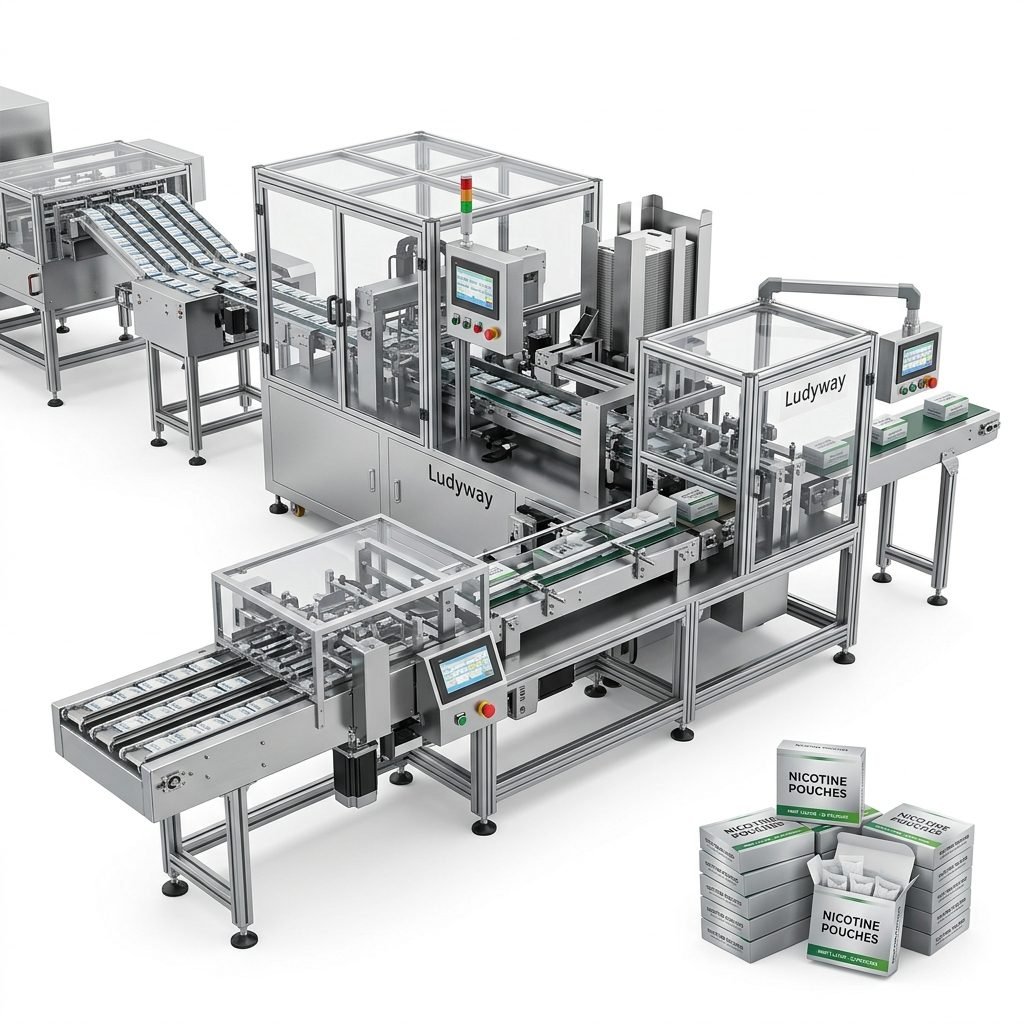
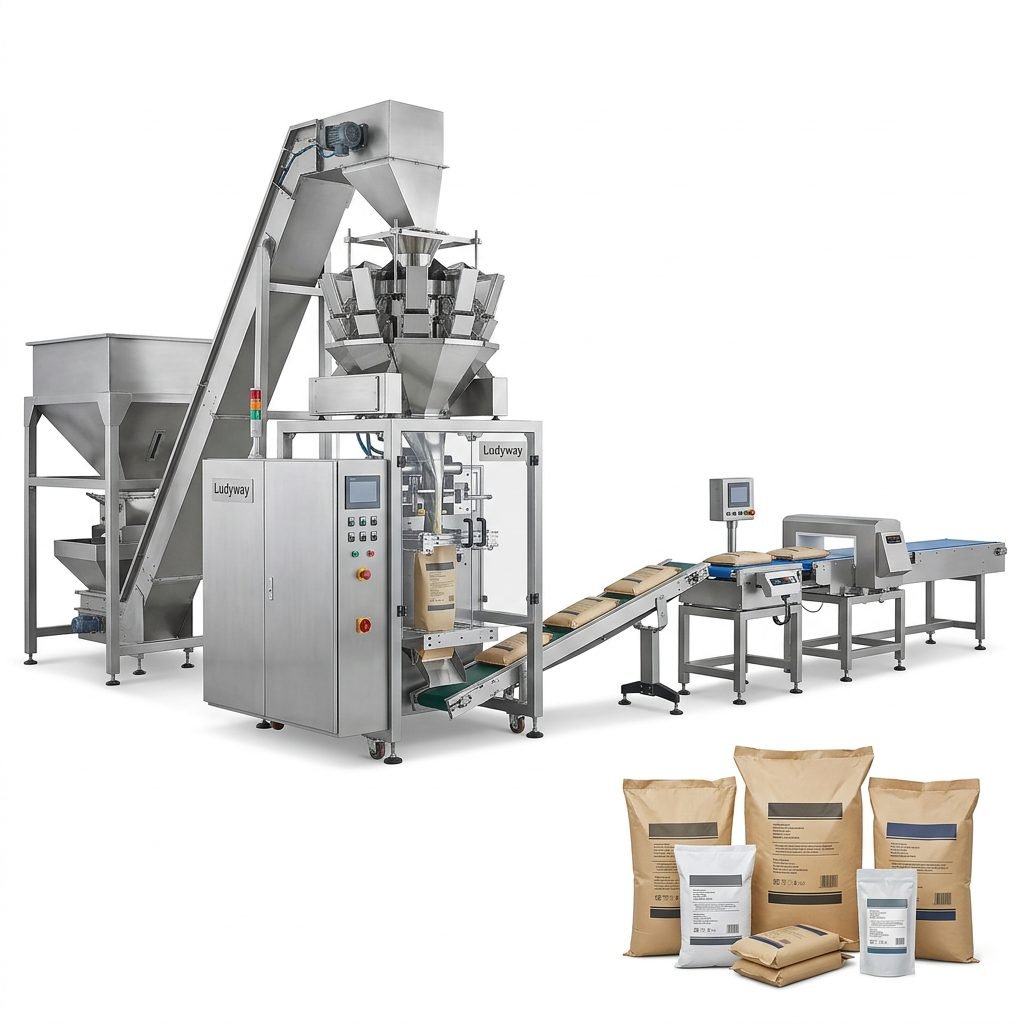
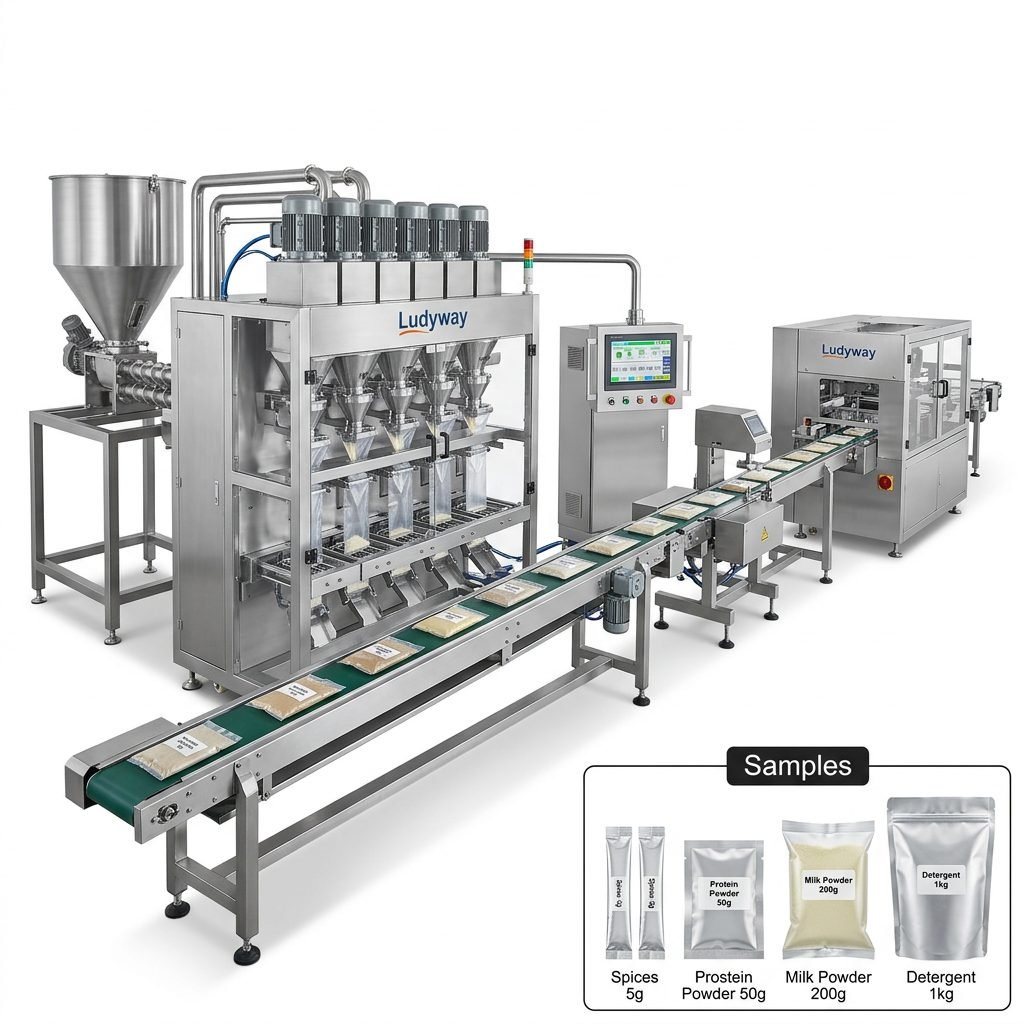
These machines can work as standalone fillers or as part of a complete line with feeders, pouch makers, conveyors, cappers, checkweighers, metal detectors, coding machines, and cartoning systems.
6. Lower Labor Dependence
Automatic auger filler packaging systems reduce manual handling, improve consistency, and support higher-volume production with fewer operators.
Common Applications Across Industries
| Industry | Typical Products | Common Package Types |
|---|---|---|
| Food | Flour, seasoning, coffee, milk powder, cocoa | Sachets, stick packs, pouches, cans |
| Pharmaceutical | Oral powders, granules, medical blends | Sachets, stick packs, bottles |
| Nutraceutical | Protein, collagen, probiotics, vitamins | Sachets, jars, pouches |
| Chemical | Detergent powders, additives, industrial powders | Pouches, bags, containers |
| Cosmetic | Face mask powder, beauty blends, sample powders | Sachets, jars, sample packs |
Auger Filler vs Other Filling Methods
Choosing the right filling technology depends on product characteristics. Auger filling stands out when powders are non-free-flowing or require tighter volumetric control.
| Filling Method | Best For | Limitation |
|---|---|---|
| Auger filler | Powders and fine granules | Needs calibration for density changes |
| Volumetric cup filler | Free-flowing granules | Less ideal for fine or dusty powders |
| Multihead weigher | Snacks, solids, irregular pieces | Not optimized for very fine powder |
| Pump filler | Liquids and pastes | Not suitable for dry powder products |
Factors That Affect Filling Accuracy
Even the best auger filler machine depends on the right product and process conditions. Important factors include:
- Bulk density variation: Changes in density can affect net weight output.
- Powder flowability: Sticky or aerated powders may need special hopper or screw design.
- Moisture content: High moisture can cause clumping and inconsistent feed.
- Screw size and pitch: Different products require different auger configurations.
- Machine calibration: Regular test fills and recipe settings are essential.
- Feeding consistency: Stable upstream feeding improves repeatability.
How to Choose the Right Auger Filler Packing Machine
Before investing in a machine, evaluate your product, production target, and packaging format carefully.
Consider These Points
- Product type: fine powder, blended powder, or micro-granule
- Target pack weight or dose range
- Required output speed per minute
- Package type: sachet, stick pack, pouch, bottle, or jar
- Dust control and hygiene requirements
- Level of automation needed
- Cleaning and changeover frequency
- Need for integration with a complete packaging line
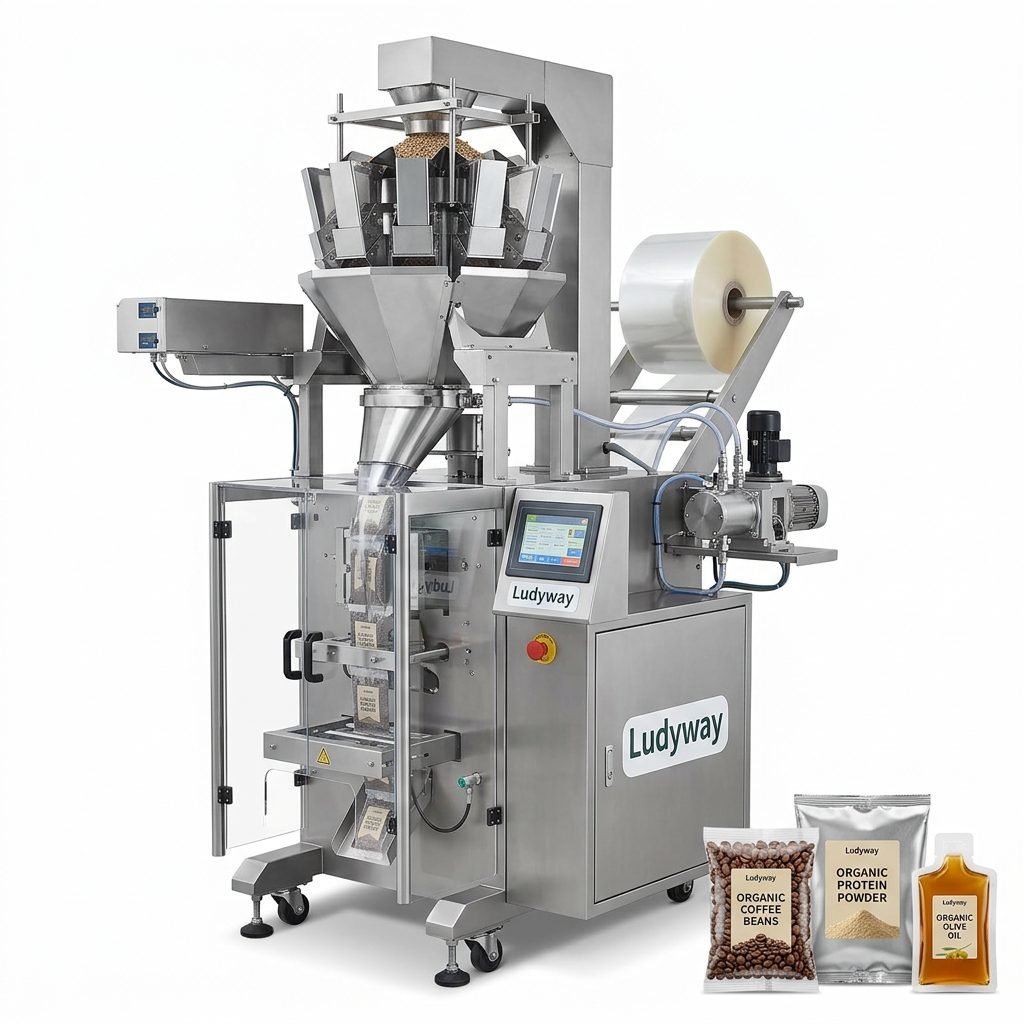
For buyers seeking a complete powder packaging solution, working with an experienced manufacturer can make a major difference in machine matching, testing, customization, and after-sales support. Ludyway auger filler packing machine solutions are often considered by manufacturers looking for scalable automation, integrated packaging lines, and application-based customization across food, pharma, and related industries.
Maintenance Tips for Stable Performance
Regular maintenance helps preserve filling accuracy and extend machine life.
- Clean the hopper, auger, and nozzle regularly to prevent residue buildup.
- Inspect agitator and screw wear parts on a scheduled basis.
- Verify calibration after product changeovers.
- Check sensors, drive settings, and fasteners.
- Keep feeding systems stable and free from blockages.
- Use appropriate dust extraction when handling fine powders.
When Is an Auger Filler the Best Choice?
An auger filler packing machine is usually the best choice when your product is powder-based, your dosage must remain consistent, and your packaging process needs to scale from semi-automatic to fully automatic production. It is especially valuable when dealing with non-free-flowing powders, high cleanliness requirements, and multiple pack formats.
Final Buying Insight
The right auger filling system does more than fill product. It improves pack consistency, reduces waste, supports compliance, and creates a more efficient production workflow. Whether you pack food powders, nutraceutical blends, pharmaceutical sachets, or industrial powders, selecting the correct screw design, control system, and line integration setup is essential for long-term performance.
If you are comparing powder packaging technologies, an auger filler remains one of the most practical and proven options for manufacturers that need accuracy, flexibility, and automation.