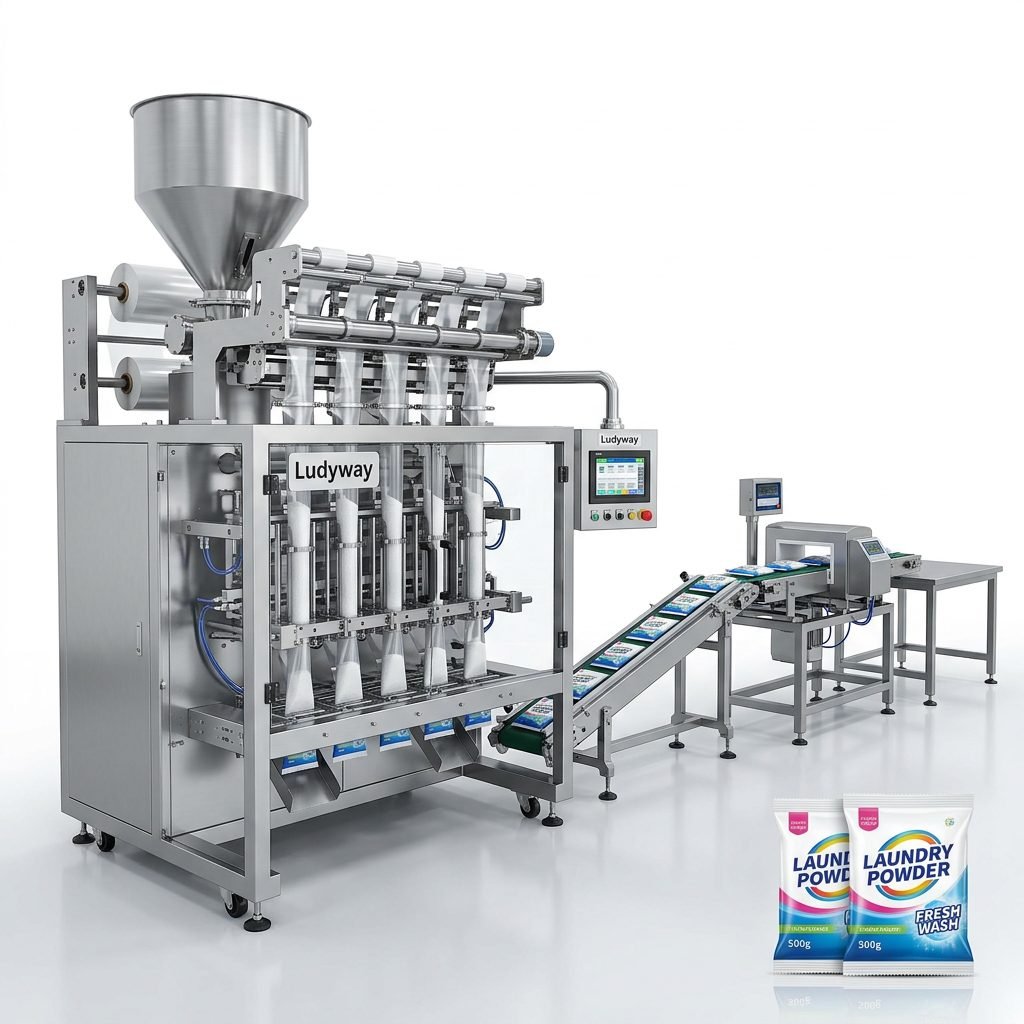
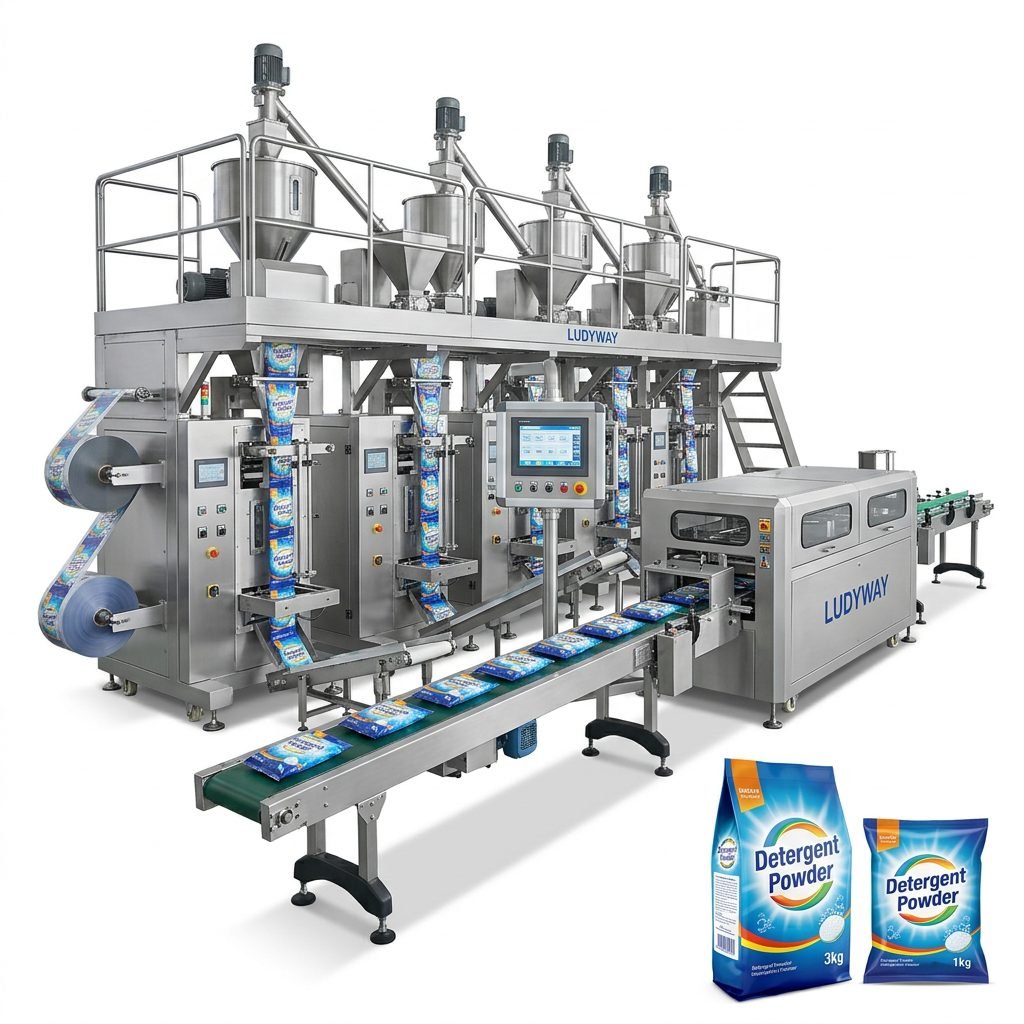
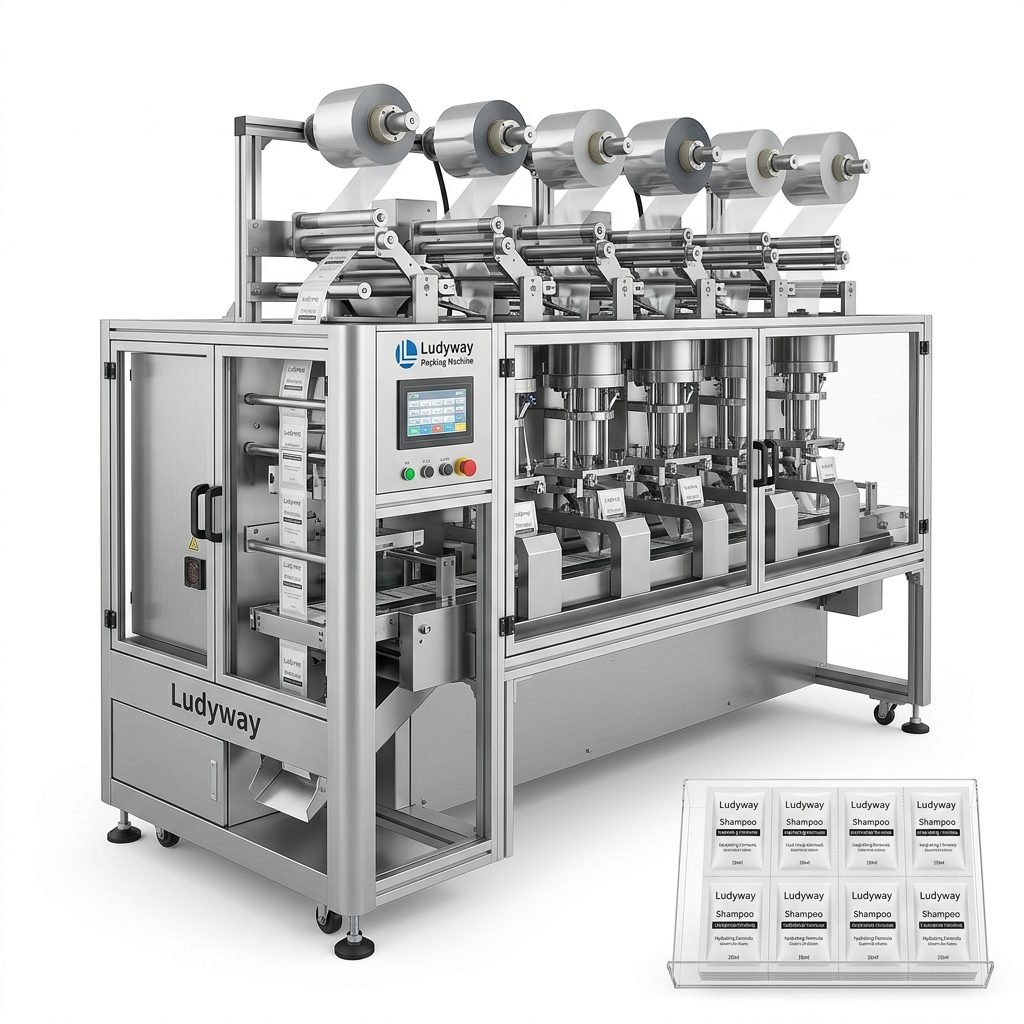
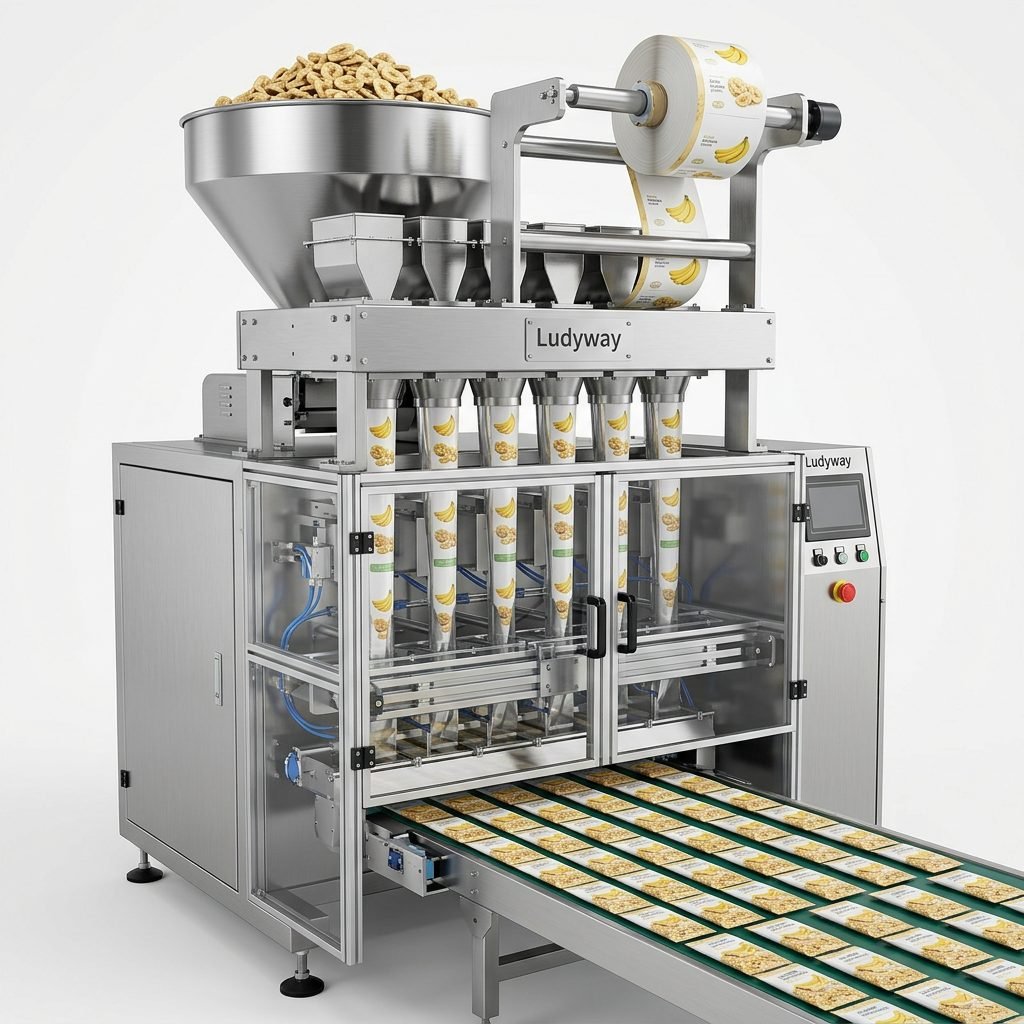
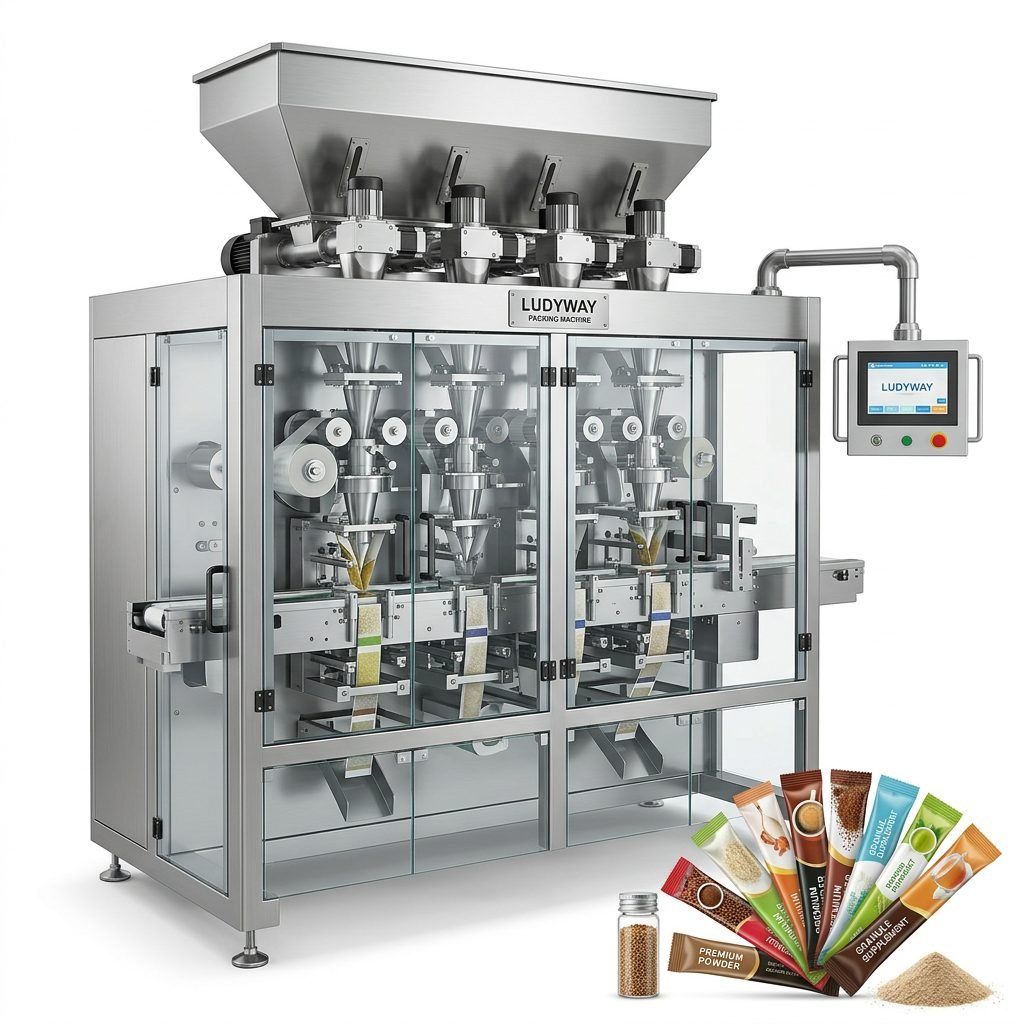
In today’s fast-paced manufacturing landscape, the demand for high-speed, reliable, and intelligent packaging solutions has never been greater. For automated production lines across the food, pharmaceutical, and health industries, the integration of high-performance extreme packaging machinery is not just an upgrade—it’s a strategic imperative for maintaining competitiveness, ensuring product integrity, and maximizing operational throughput.
The Engine of Modern Automation: Why Extreme Performance Matters
Automated production lines are complex ecosystems where efficiency is measured in seconds and reliability is non-negotiable. High-performance packaging machinery acts as the critical final node in this system, transforming bulk product into market-ready units with precision and speed. These solutions are engineered to handle extreme demands: continuous 24/7 operation, rapid changeovers between product formats, and consistent accuracy at velocities that can exceed hundreds of cycles per minute. The shift from standard to extreme-performance machinery is driven by the need to reduce total cost of ownership, minimize downtime, and adapt to increasingly diverse and sophisticated packaging requirements.
Core Capabilities of Next-Generation Packaging Systems
What defines a high-performance solution? It is a combination of robust engineering, smart technology, and versatile design.
- ▶ Unmatched Speed & Uptime: Built for relentless production schedules, these machines feature heavy-duty components, advanced servo-drive systems, and optimized motion control to deliver maximum output with minimal mechanical stress.
- ▶ Precision Dosing & Sealing: Whether packaging volatile powders, sensitive granules, or viscous liquids, extreme accuracy in filling and hermetic sealing is paramount to prevent waste and ensure product shelf-life.
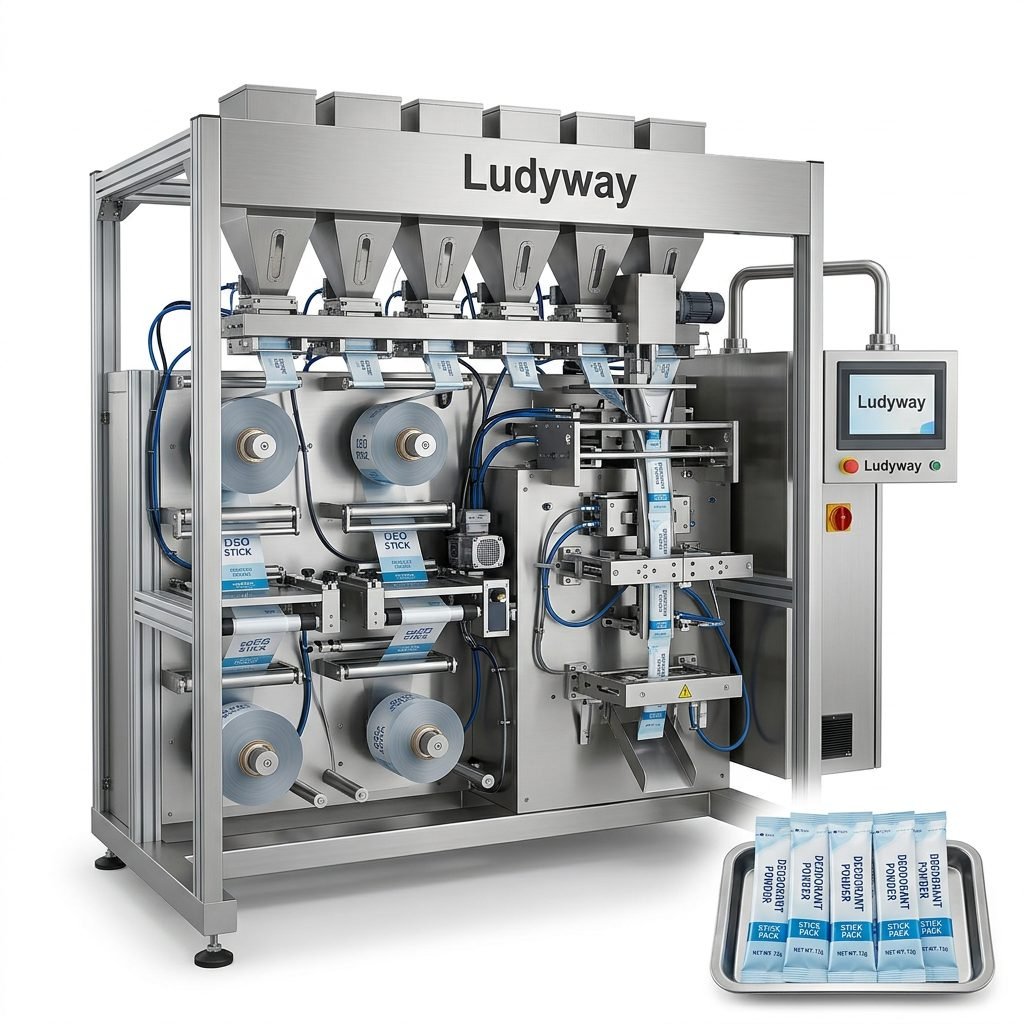
- ▶ Agile Flexibility: Quick-release mechanisms and recipe-driven PLC controls allow for changeovers between different pack styles (such as stick packs and sachets) in minutes, not hours, supporting small-batch production runs.
- ▶ Integrated Intelligence: With IoT-ready connectivity, real-time monitoring, and predictive maintenance alerts, these systems provide actionable data to optimize line efficiency and prevent unplanned stops.
Tailoring Solutions for Critical Industries
The application of these machines varies significantly by sector, each with its own stringent standards.
Food & Beverage Sector
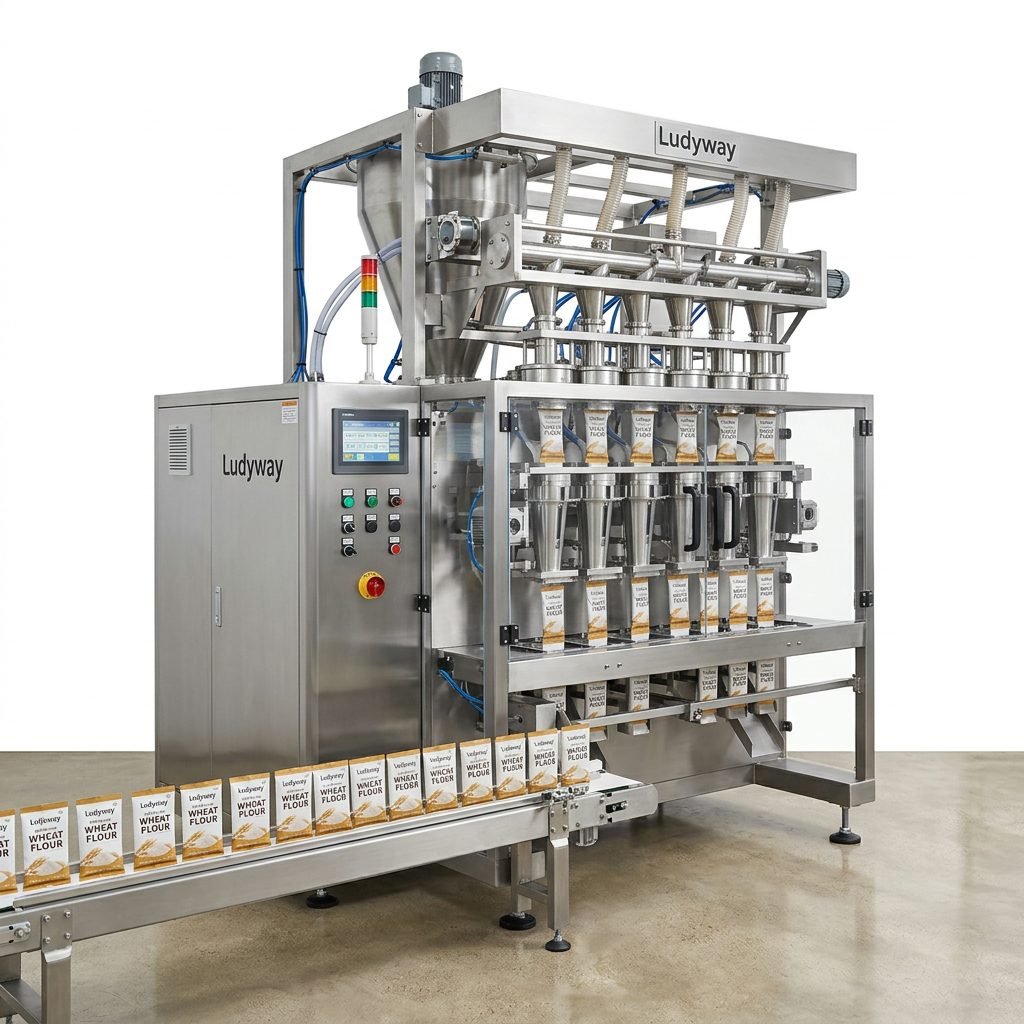
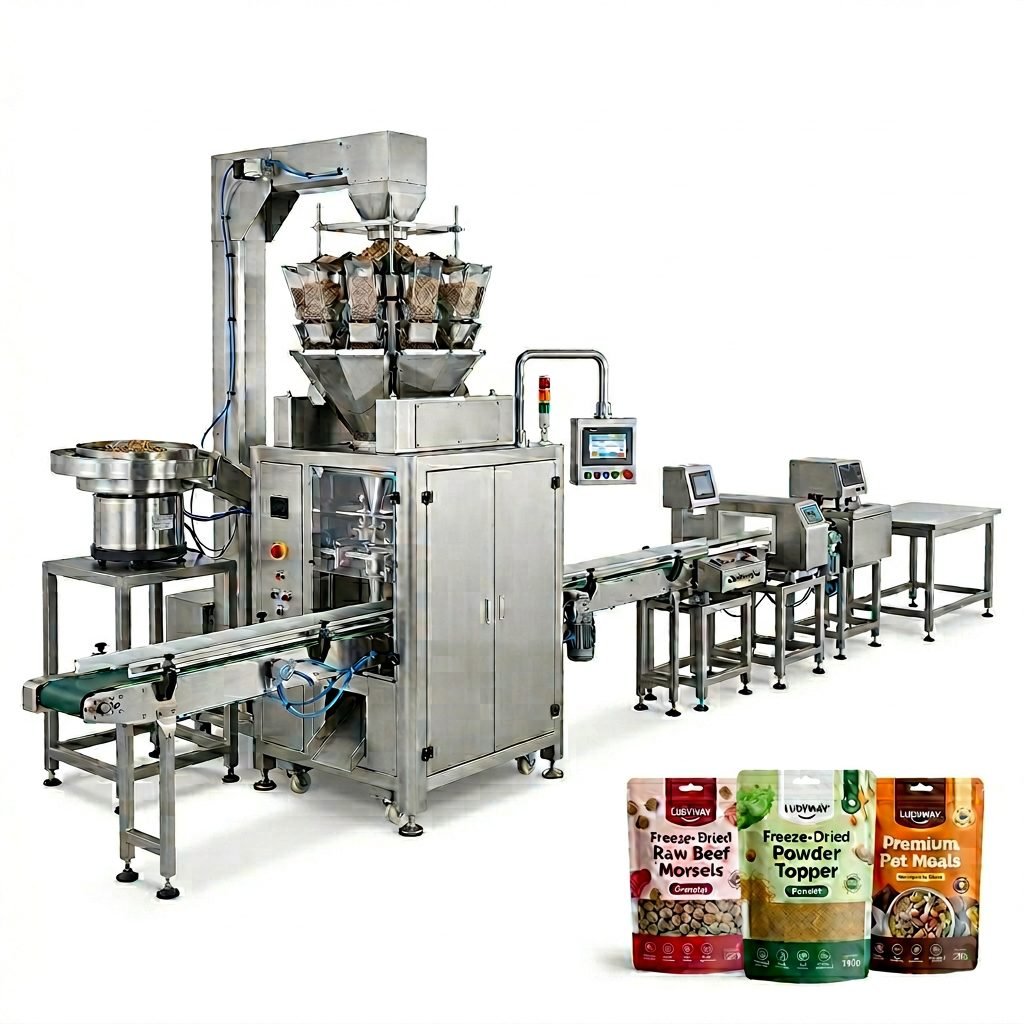
Here, speed and hygiene are king. Machinery must comply with food-grade safety regulations (like FDA and EU standards), often featuring easy-clean designs, stainless-steel contact surfaces, and protection against contamination. High-speed sachet machines for sauces, stick pack machines for instant beverages, and granule fillers for snacks are in high demand to meet consumer needs for convenience and portion control.
Pharmaceutical & Nutraceutical Sector
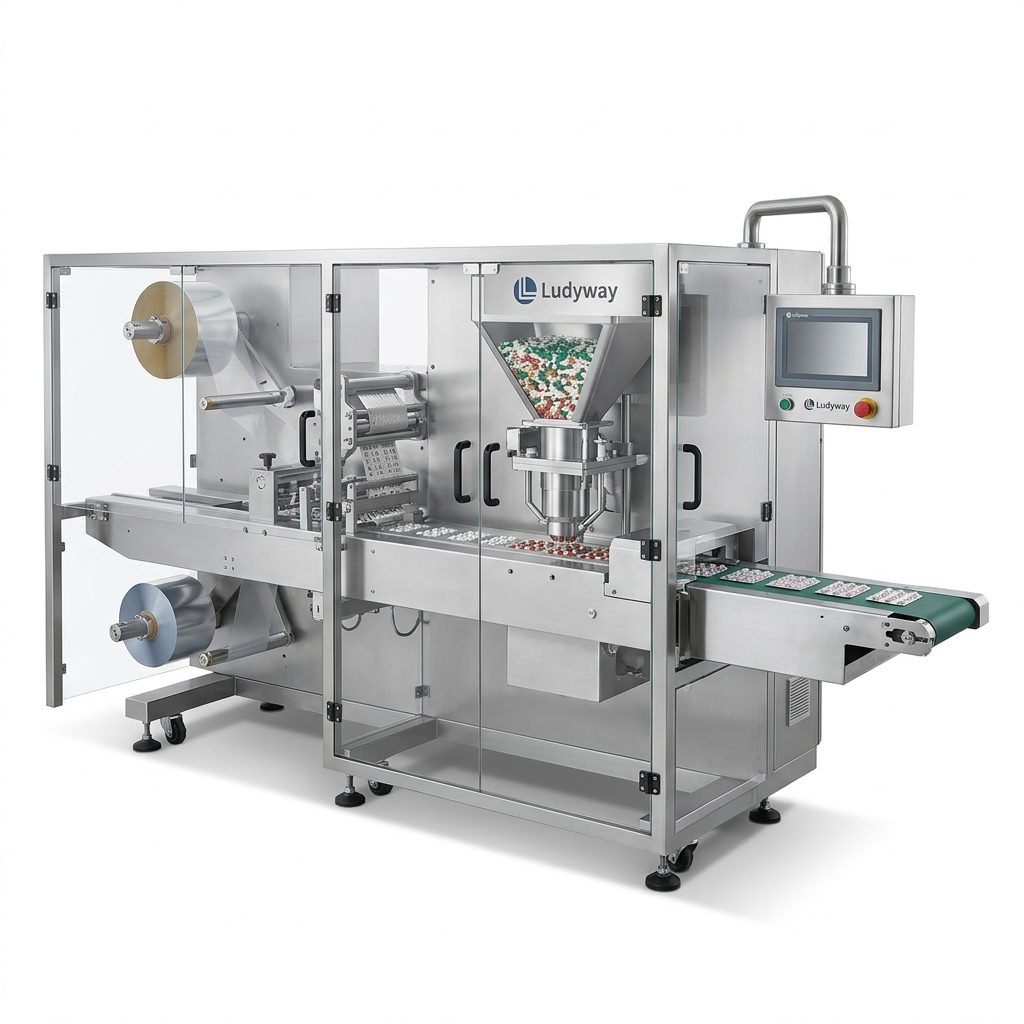
Precision and traceability are non-negotiable. Packaging lines for powders, tablets, and liquids require exceptional dosing accuracy (often within ±1% tolerance) and often integrate with checkweighers and vision inspection systems. Compliance with cGMP guidelines is essential. The ability to handle sensitive, high-value products without degradation makes robust, clean-design machinery a critical investment for brand protection. For more on industry-specific solutions, explore our detailed Company Profile which outlines our focused expertise.
Beyond the Machine: The Value of Turnkey Line Integration
The true power of high-performance packaging is unlocked when the machine is seamlessly integrated into a complete production line. A holistic approach considers upstream feeding (from mixers or reactors) and downstream handling (cartoning, case packing). Leading suppliers don’t just sell equipment; they provide turnkey solutions. This includes feasibility studies, factory acceptance testing (FAT), installation, commissioning, and comprehensive operator training. This end-to-end support, backed by deep industry experience, ensures the line achieves its targeted performance metrics from day one.
Future-Proofing Your Investment
Investing in extreme packaging machinery is a long-term decision. Key considerations for future-proofing include:
- Modular Design: Allowing for future upgrades or the addition of modules like gas flushing or extra sealing heads.
- Supplier Partnership: Choosing a partner with a proven track record in innovation, continuous technical support, and readily available spare parts is crucial. Our Company History reflects a commitment to long-term partnership and technological evolution.
- Sustainability Alignment: Modern machinery should support the use of recyclable or mono-material films and optimize material usage to reduce waste, aligning with global environmental goals.
Conclusion
Selecting high-performance extreme packaging machinery is a strategic decision that directly impacts production scalability, product quality, and bottom-line profitability. By focusing on core capabilities like speed, precision, and flexibility, and by partnering with a solution provider that offers comprehensive integration and support, manufacturers can build automated lines that are not only productive today but also adaptable for the challenges of tomorrow. In an era defined by automation and smart manufacturing, the right packaging solution is the cornerstone of a resilient and competitive production operation.
Frequently Asked Questions (FAQs)
1. What is the primary advantage of “extreme performance” packaging machinery over standard models?
The core advantage lies in significantly higher operational uptime, speed, and durability under continuous, demanding production schedules. These machines are built with premium components and advanced control systems to minimize maintenance windows and maximize output over their entire lifecycle, offering a lower total cost of ownership despite a higher initial investment.
2. Can these high-speed machines handle frequent product changeovers?
Yes, modern high-performance machines are designed for agility. They often feature tool-less change parts, servo-driven adjustments, and stored product recipes in the PLC. This allows for rapid changeover between different pack sizes, shapes, or materials, making them suitable for both large-scale runs and smaller, customized batches.
3. How important is after-sales support for such complex equipment?
It is absolutely critical. Comprehensive after-sales support—including readily available spare parts, remote diagnostics, on-site technical service, and ongoing operator training—is essential to maintain peak machine performance and minimize costly downtime. This support is a key part of the value proposition from a reliable supplier.
4. Are these packaging solutions scalable for future growth?
Reputable providers design with scalability in mind. This can mean offering modular machines that can be upgraded with additional lanes or functions, or providing models within a range that allow for a straightforward transition to higher-capacity equipment as production needs grow, protecting your initial investment.
5. What industries benefit most from these solutions?
While broadly applicable, industries with high-volume, high-precision, or stringent regulatory requirements gain the most significant benefits. This prominently includes the Food & Beverage, Pharmaceutical, Nutraceutical, Dietary Supplement, and Specialty Chemical industries, where product consistency, safety, and packaging integrity are paramount.