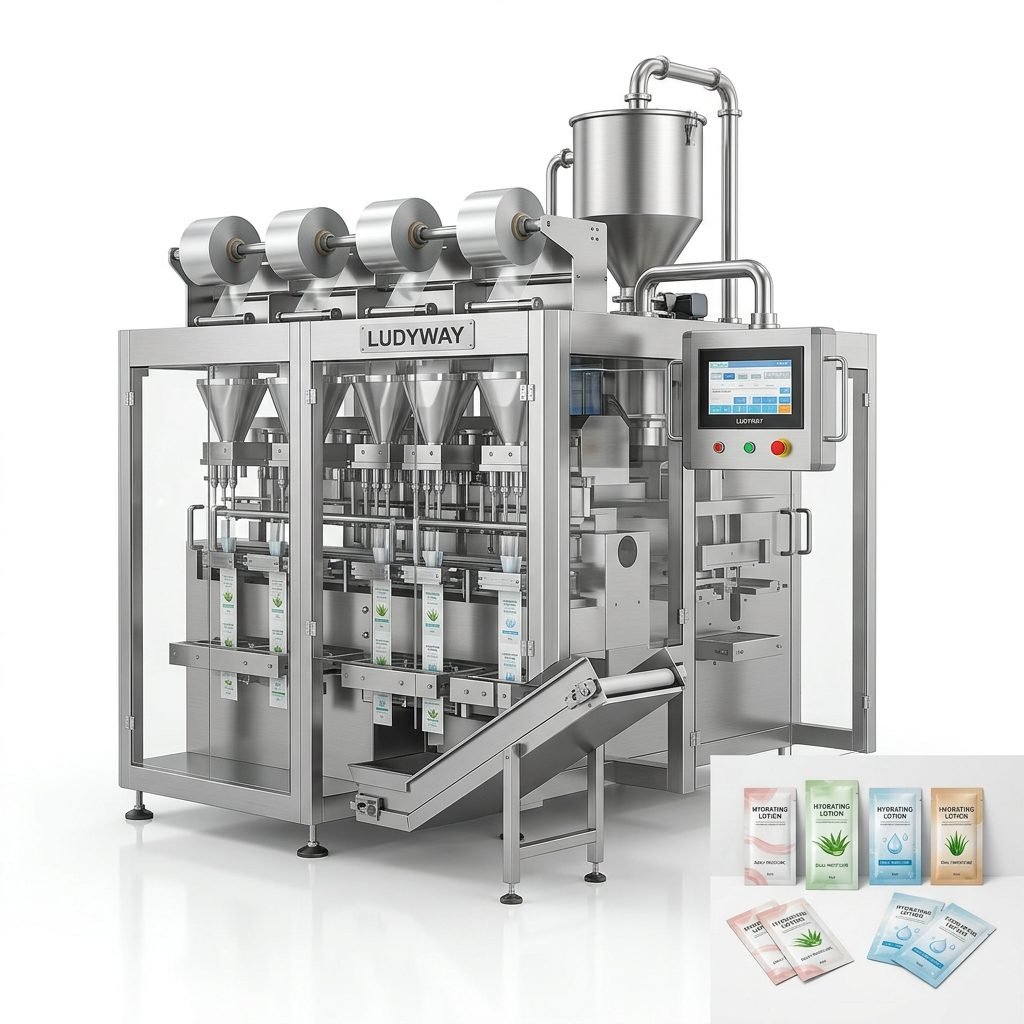
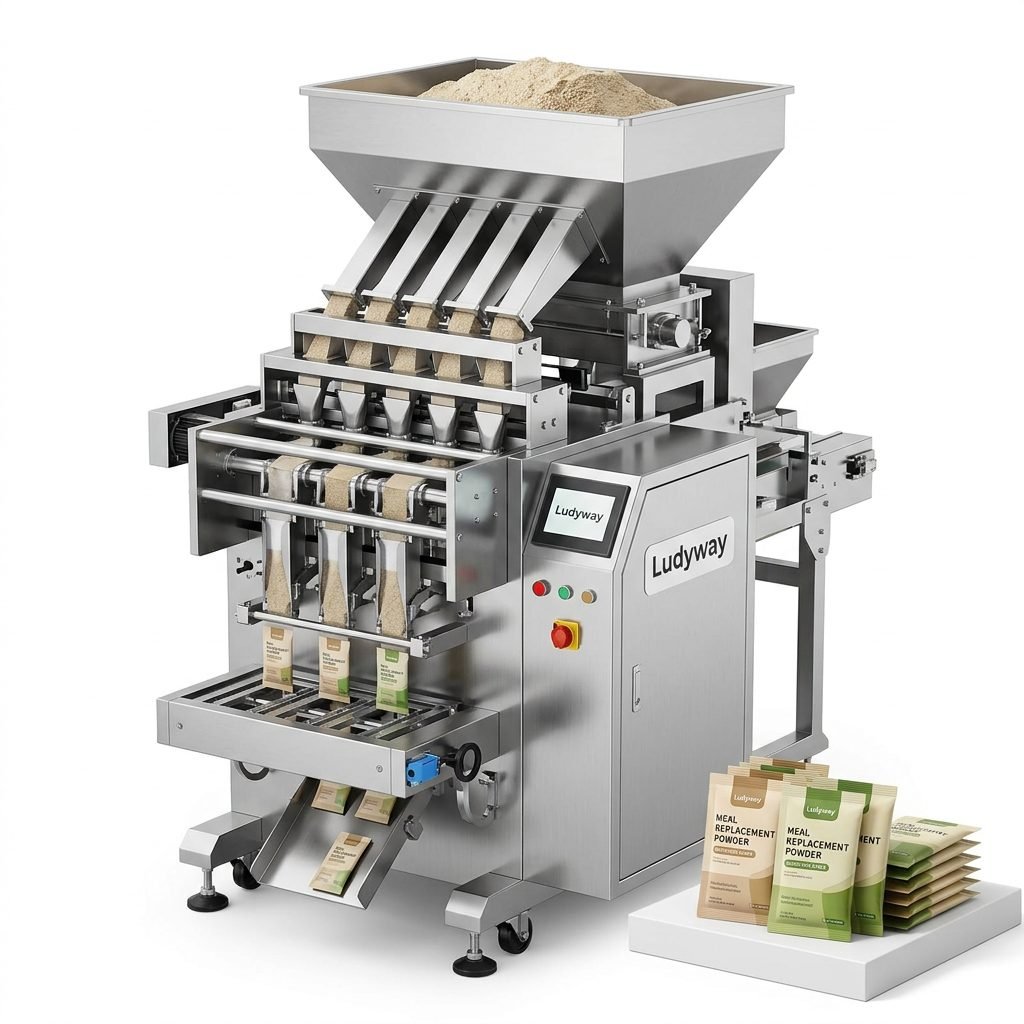
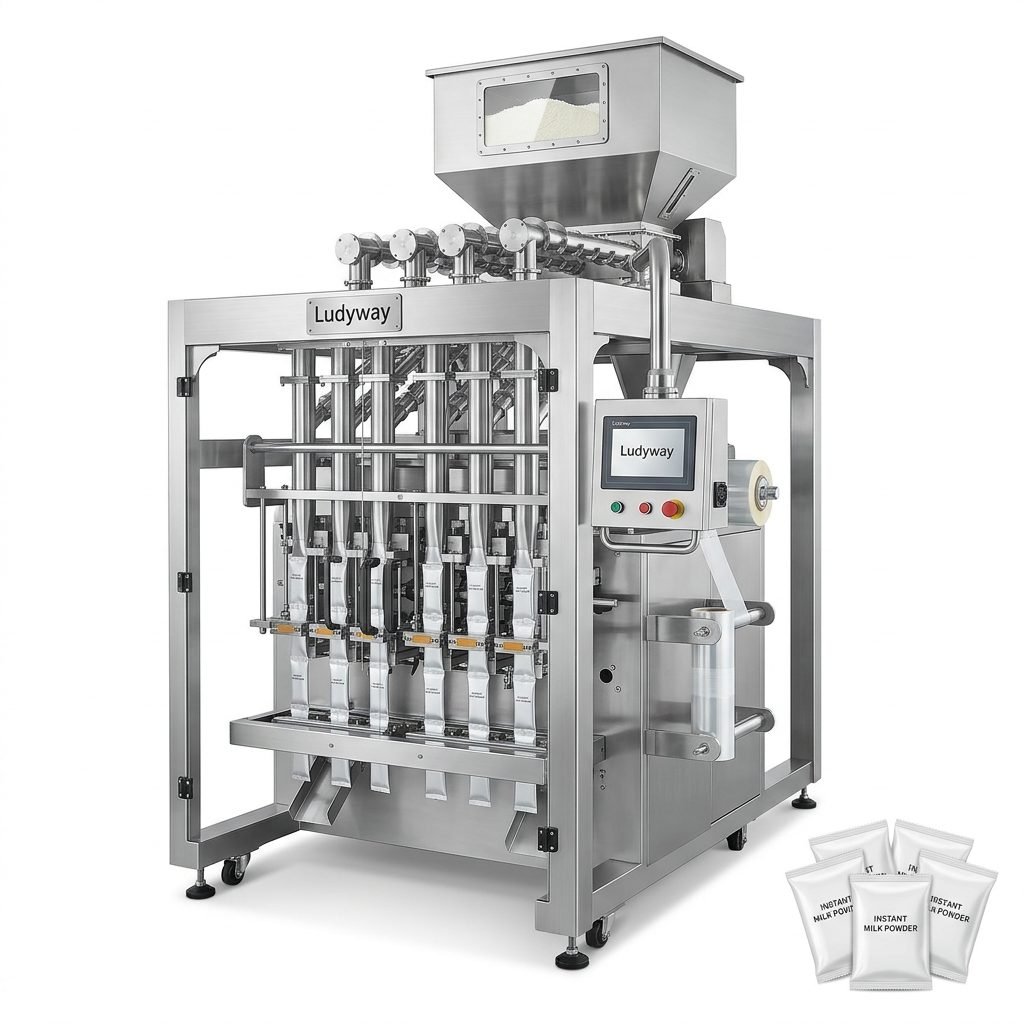
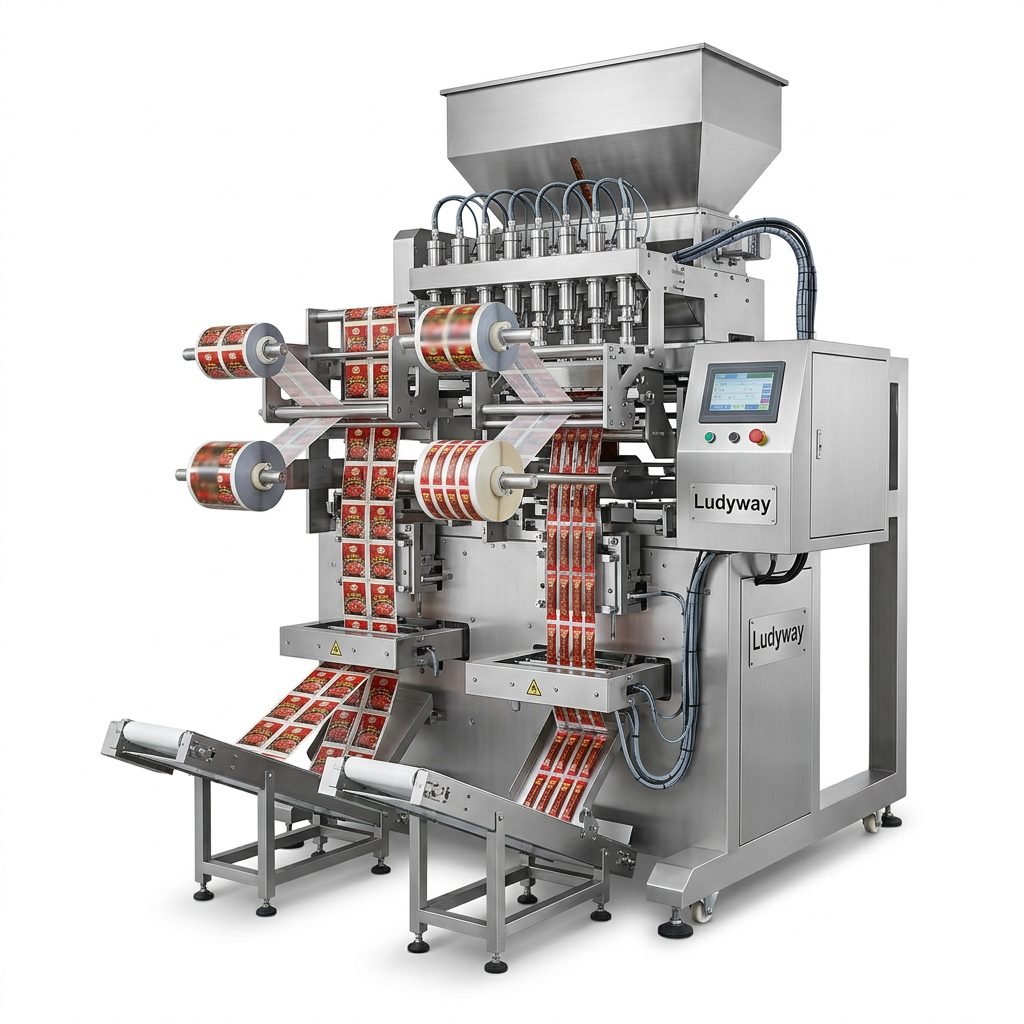
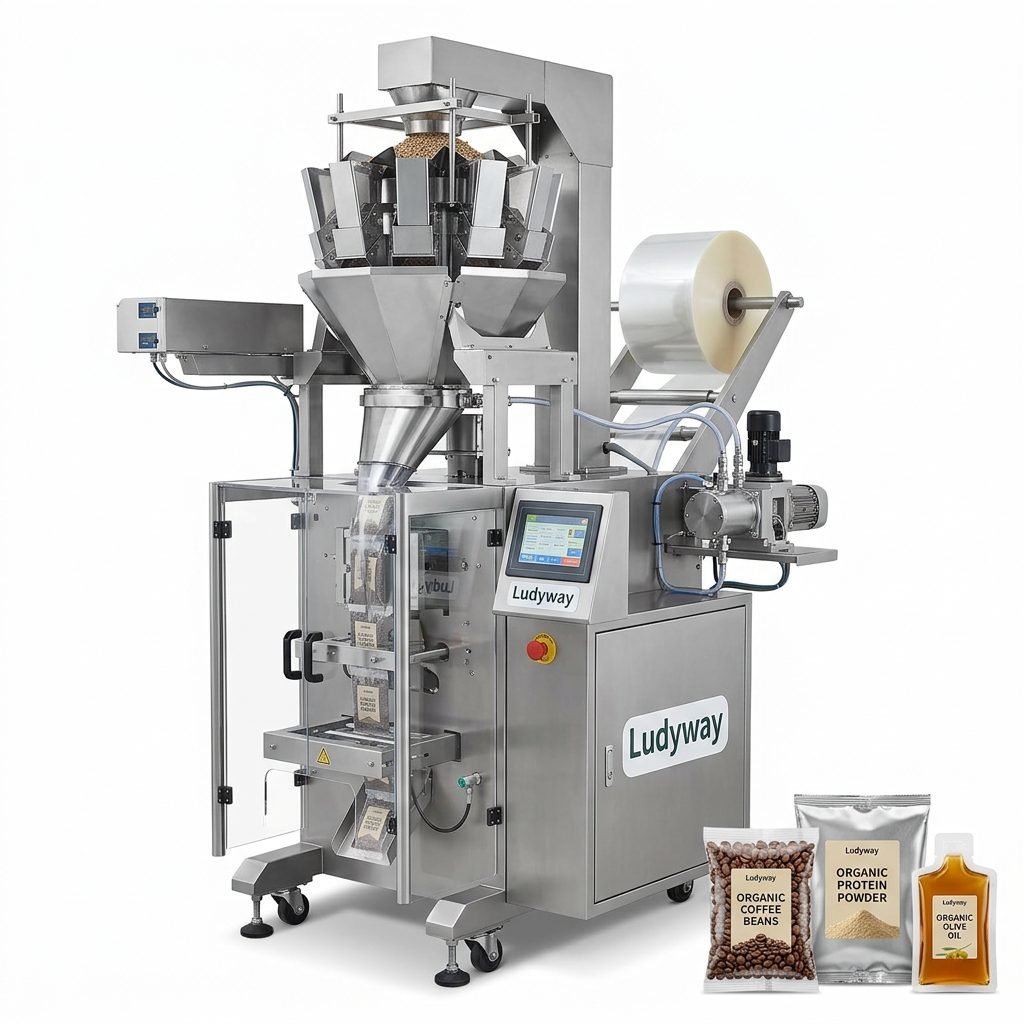
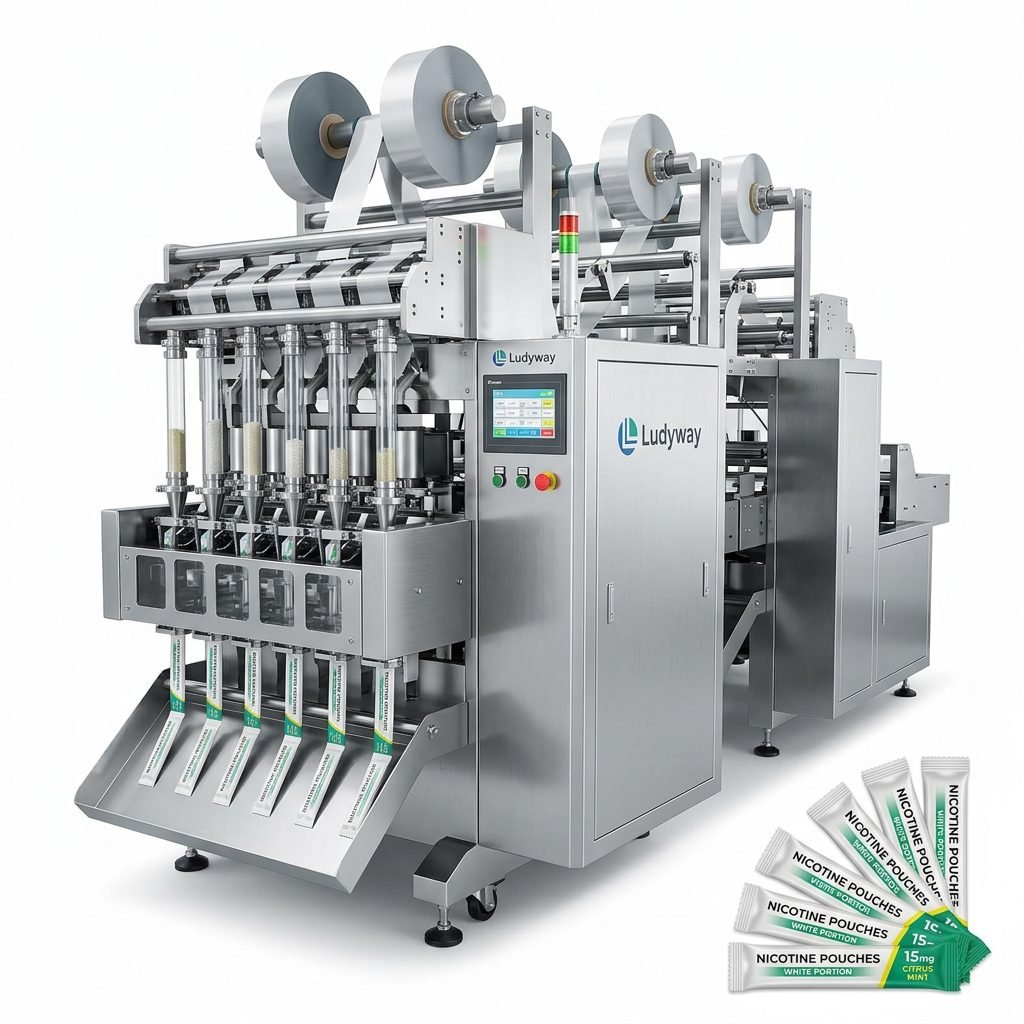
In today’s fast-paced manufacturing landscape, achieving operational excellence hinges on deploying the right machinery. For sectors where precision, hygiene, and speed are non-negotiable—such as food, pharmaceuticals, and industrial production—high-efficiency packaging machinery is not just an asset; it’s a critical component of the supply chain. These advanced systems streamline operations, ensure product integrity, and significantly boost output, directly impacting a company’s bottom line and market competitiveness.
The Critical Role of Specialized Packaging Machinery
Packaging serves as the final, crucial step in the manufacturing process. It protects products from contamination, preserves shelf life, and presents the brand to the consumer. General-purpose equipment often falls short in meeting the stringent and varied demands of modern industries. This is where specialized, high-efficiency packaging machinery becomes indispensable.
Why Efficiency Matters in Modern Packaging
Efficiency in packaging transcends mere speed. It encompasses reduced material waste, consistent seal integrity, minimized downtime, and adaptability to different product formats. An efficient line maximizes throughput while maintaining the highest quality standards, ensuring that products like sensitive pharmaceuticals or perishable food items reach the end-user in perfect condition.
Tailored Solutions for Core Industries
The one-size-fits-all approach is obsolete. Leading providers, like Ludyway Machinery, develop targeted solutions that address the unique challenges of each vertical.
Food & Beverage Industry
This sector demands machinery that ensures freshness, prevents spoilage, and complies with strict food safety regulations (e.g., FDA, EFSA). Solutions often include:
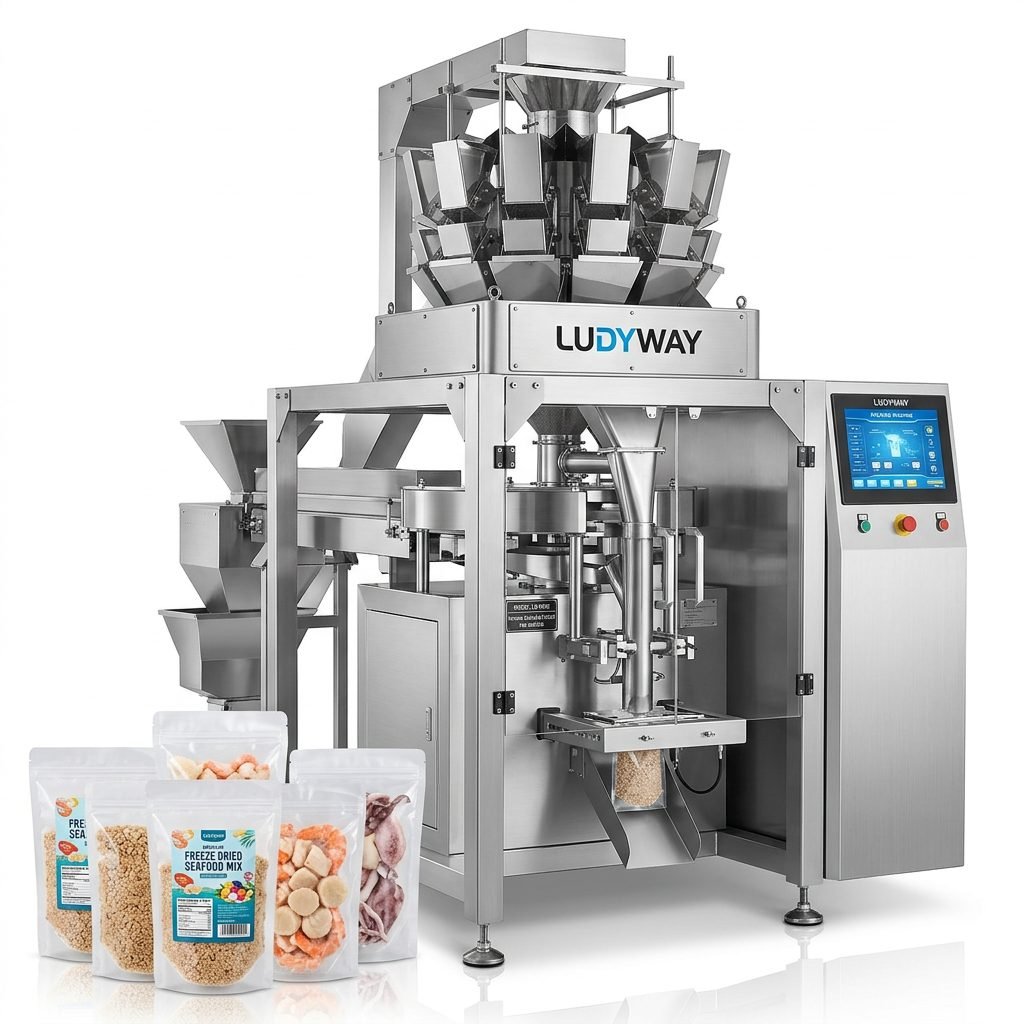
- ✔ Vertical Form-Fill-Seal (VFFS) machines for snacks, grains, and powders.
- ✔ Liquid filling and capping lines for sauces, oils, and beverages.
- ✔ Modified Atmosphere Packaging (MAP) systems to extend the shelf life of fresh produce and meats.
Hygienic design with easy-clean surfaces and precision weighing systems are paramount here.
Pharmaceutical & Healthcare Sector
Precision and sterility are the cornerstones of pharmaceutical packaging. Machinery must meet cGMP standards and provide absolute accuracy in dosing. Key equipment includes:
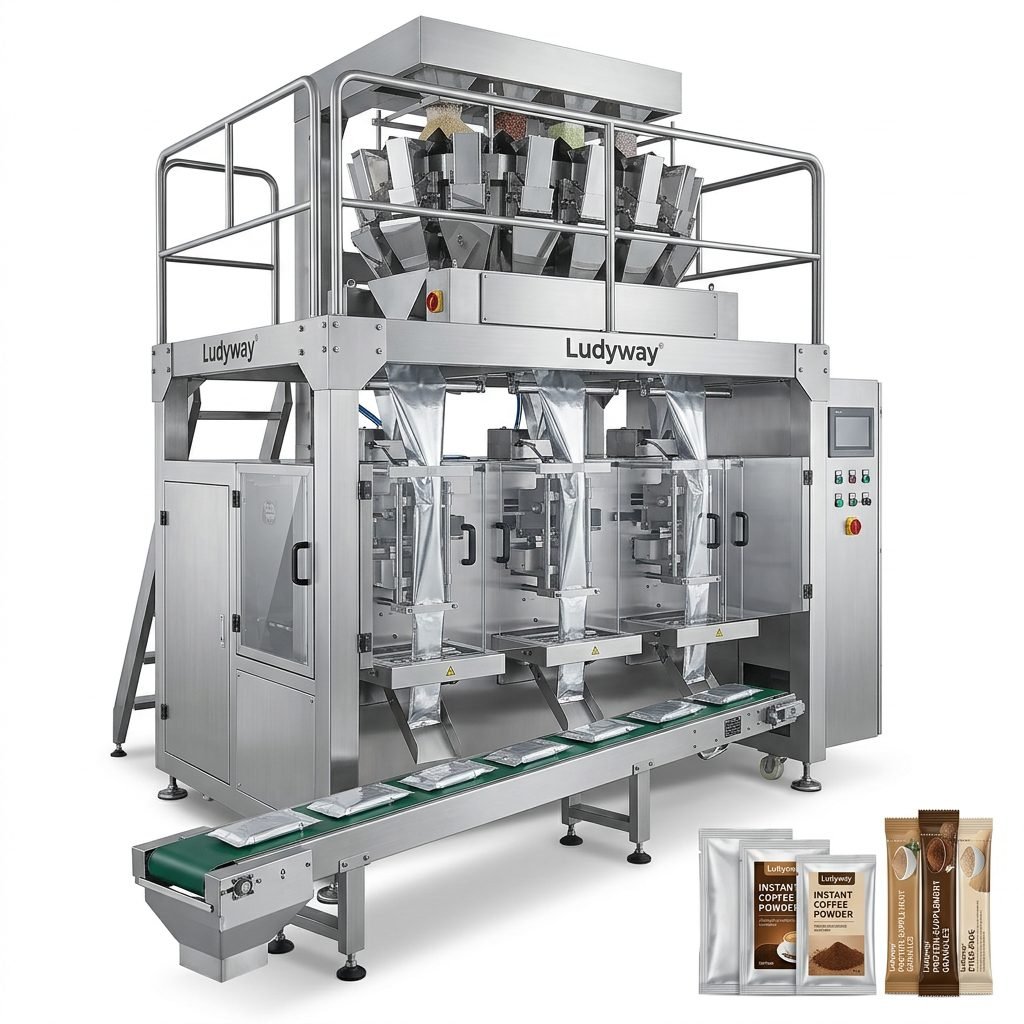
Stick Pack and Sachet Machines: Ideal for single-dose powders, electrolytes, or nutraceuticals. They offer excellent barrier properties and patient convenience.
Bottle Filling and Labeling Lines: For tablets, capsules, and syrups, requiring dust-free environments and tamper-evident features.
Blister Packaging Machines: Crucial for unit-dose solid medications, providing protection and compliance packaging.
Traceability through serialization and aggregation is increasingly integrated into these lines.
Industrial & Chemical Production
Durability, chemical resistance, and handling diverse consistencies (from fine powders to abrasive granules) define this niche. Solutions focus on:
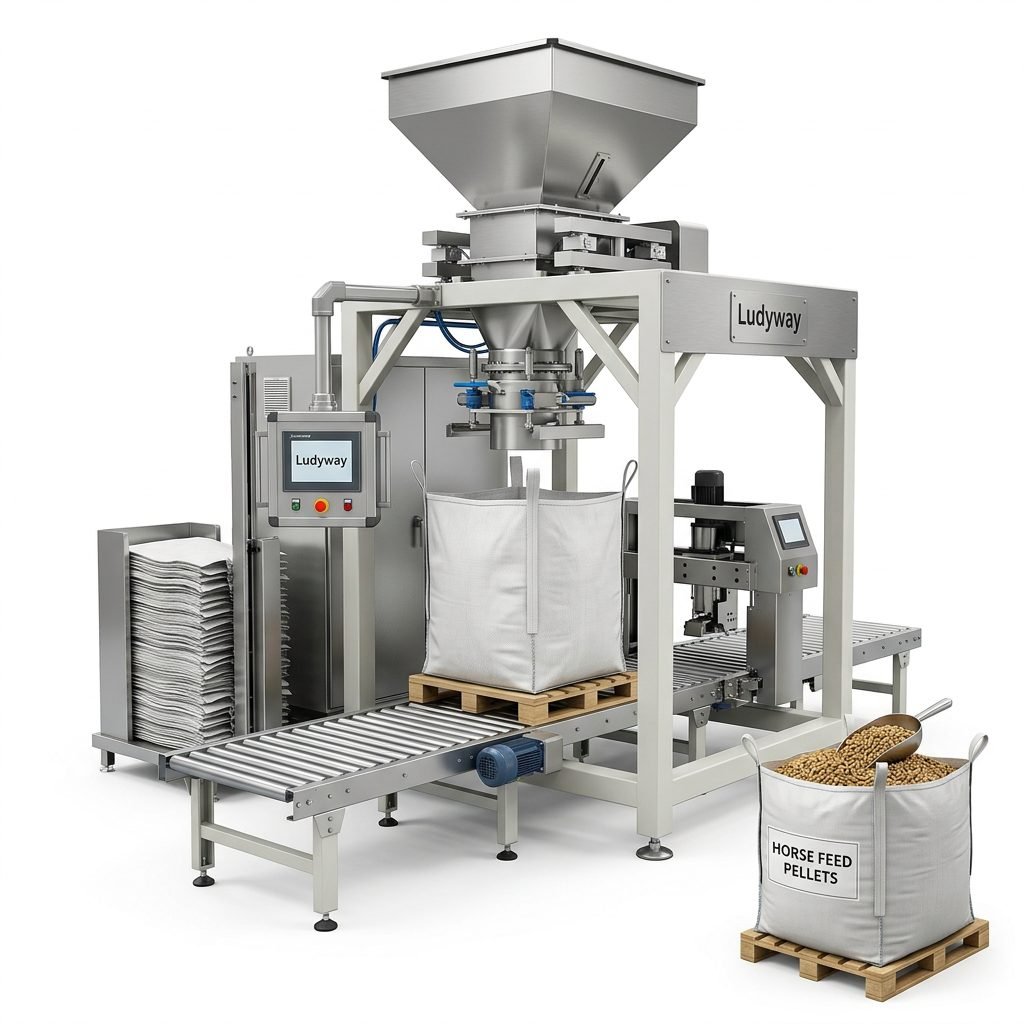
- Heavy-duty bagging machines for construction materials.
- Corrosion-resistant filling systems for lubricants and solvents.
- Robotic palletizing units for end-of-line automation.
Key Features of High-Efficiency Packaging Systems
Investing in modern machinery means looking for features that deliver long-term value and flexibility.
1. Intelligent Automation & Control
Modern machines are equipped with PLC controls and HMI touchscreens, allowing for recipe storage, quick changeovers, and real-time monitoring of production metrics like OEE (Overall Equipment Effectiveness).
2. Flexibility and Quick Changeover
The ability to switch between different product sizes or types with minimal downtime is vital for manufacturers running multiple SKUs. Look for machines with tool-less adjustments and modular designs.
3. Robust Construction and Hygiene
Stainless steel (304 or 316 grade) contact parts, IP-rated electrical components, and designs that prevent product entrapment ensure longevity, safety, and compliance with industry regulations.
4. Integrated Quality Assurance
In-line checkweighers, metal detectors, vision inspection systems, and leak detectors can be integrated to form a closed-loop quality control system, rejecting non-conforming packages automatically.
5. Sustainability Focus
Efficient machinery reduces material waste through precise dosing and cutting. Many systems are now compatible with recyclable or mono-material flexible packaging, aiding brands in their sustainability goals.
Beyond the Machine: The Value of Turnkey Solutions
For a seamless production upgrade, partnering with a provider that offers complete turnkey solutions is advantageous. This goes beyond selling a single machine. It involves a comprehensive service: from initial consultation and factory layout planning, to machine supply, installation, commissioning, operator training, and ongoing technical support. This holistic approach, backed by deep industry experience, minimizes project risk and ensures a faster return on investment.
Implementing Your Packaging Upgrade: A Strategic Approach
Successfully integrating new packaging technology requires careful planning:
- Needs Analysis: Audit your current process to identify bottlenecks, waste sources, and quality issues.
- Supplier Evaluation: Assess potential partners on their industry expertise, machine reliability, after-sales service, and ability to provide references.
- Pilot Testing: Always request to run your actual product on the machine to validate performance, speed, and package quality.
- Training & Support: Ensure comprehensive training for your maintenance and operations teams is part of the purchase agreement.
Choosing high-efficiency packaging machinery is a strategic decision that drives productivity, ensures compliance, and enhances brand reputation. By selecting equipment specifically engineered for your industry’s challenges—be it food safety, pharmaceutical precision, or industrial ruggedness—you invest in the resilience and growth of your operation.
Frequently Asked Questions (FAQs)
What are the main benefits of upgrading to high-efficiency packaging machinery?
The primary benefits include significantly increased production speed and output, reduced material waste and operational costs, improved product consistency and quality control, enhanced flexibility for different products, and better compliance with industry safety and hygiene regulations.
How do I choose between a stick pack machine and a sachet machine?
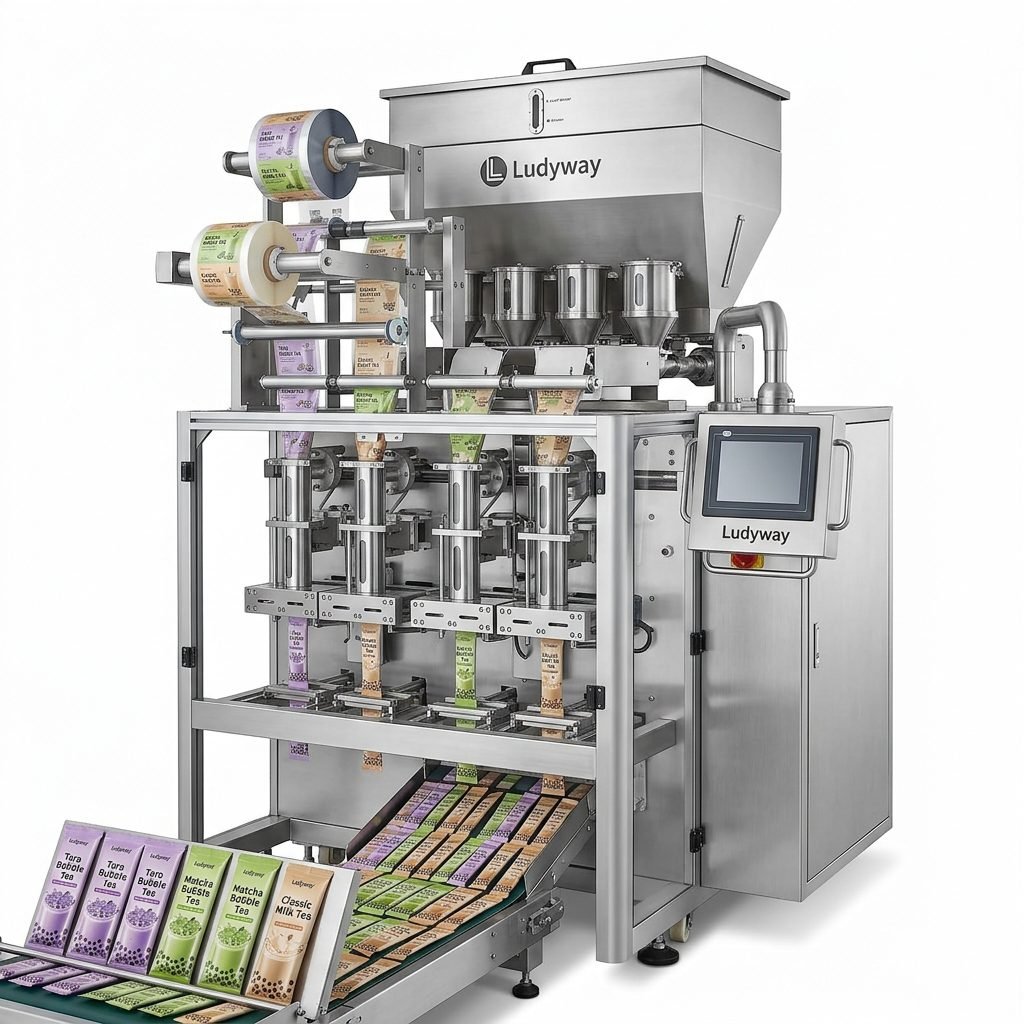
The choice depends on your product and market. Stick packs are slender and ideal for single-serve powders (coffee, supplements) consumed by pouring. Sachets have a wider, flat format better suited for creams, ointments, or multi-ingredient mixes. A knowledgeable supplier can advise based on your product’s flow characteristics and desired consumer experience.
Can new packaging machinery be integrated into my existing production line?
Yes, in most cases. Reputable suppliers design machinery with integration in mind, offering compatible interfaces for conveyors, upstream feeders, and downstream cartoning systems. A thorough site assessment during the planning phase is crucial to ensure smooth integration.
What kind of after-sales support should I expect?
Comprehensive support includes detailed installation guidance (or on-site installation), thorough operator and maintenance training, access to a library of technical documentation and videos, a reliable supply of spare parts, and responsive remote or on-site technical assistance. Look for providers with a proven global support network.
Are high-efficiency machines suitable for small-batch or prototype production?
Absolutely. Modern machines with high flexibility and quick changeover capabilities are excellent for small batches. Many systems allow for easy adjustment of package size and dose, making them cost-effective for R&D, pilot projects, or manufacturers with a diverse product portfolio without sacrificing efficiency.