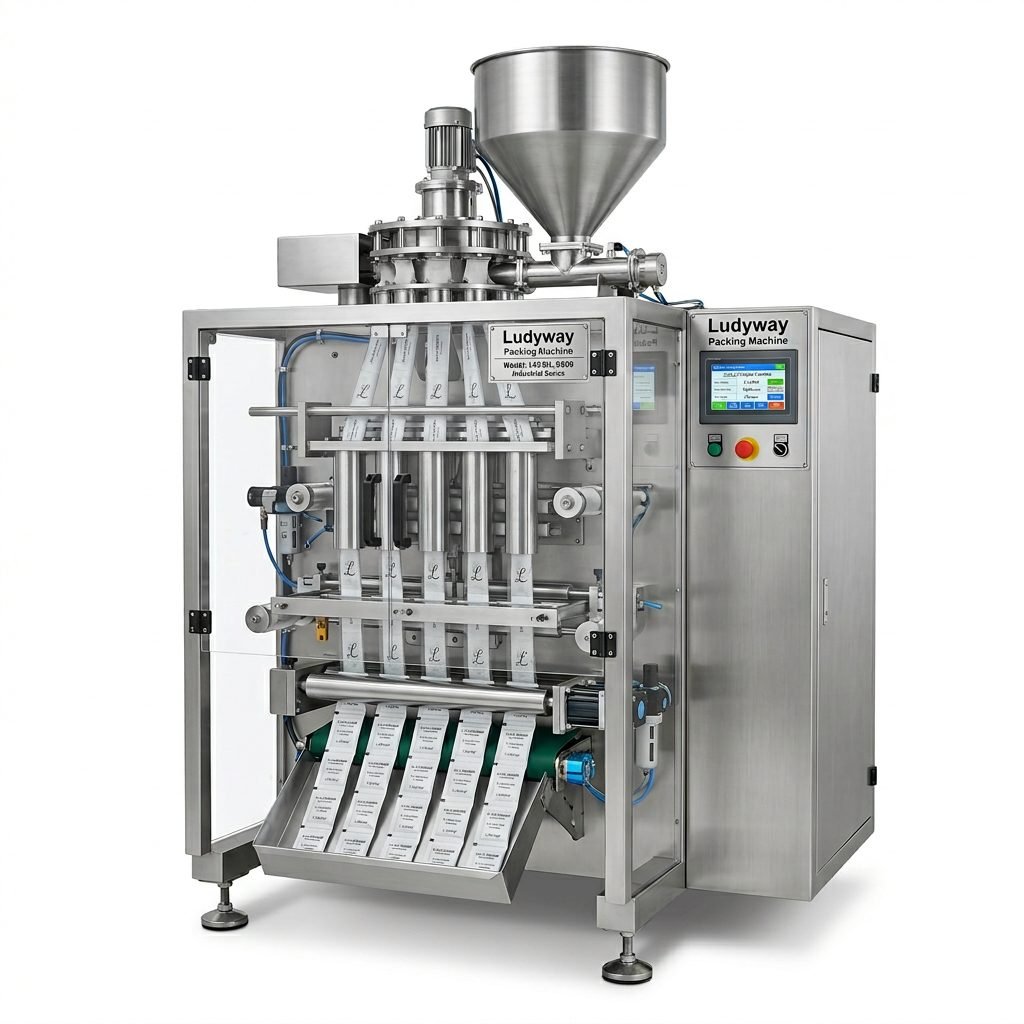
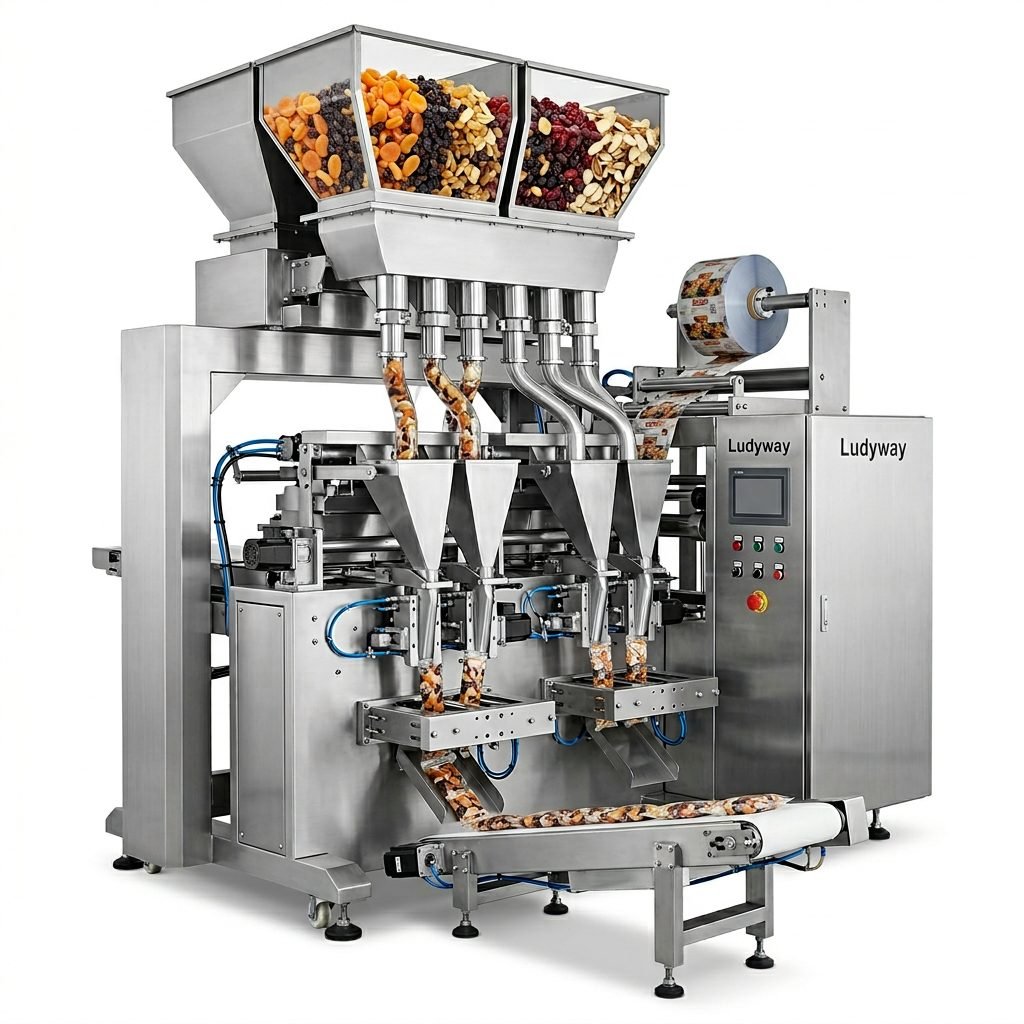
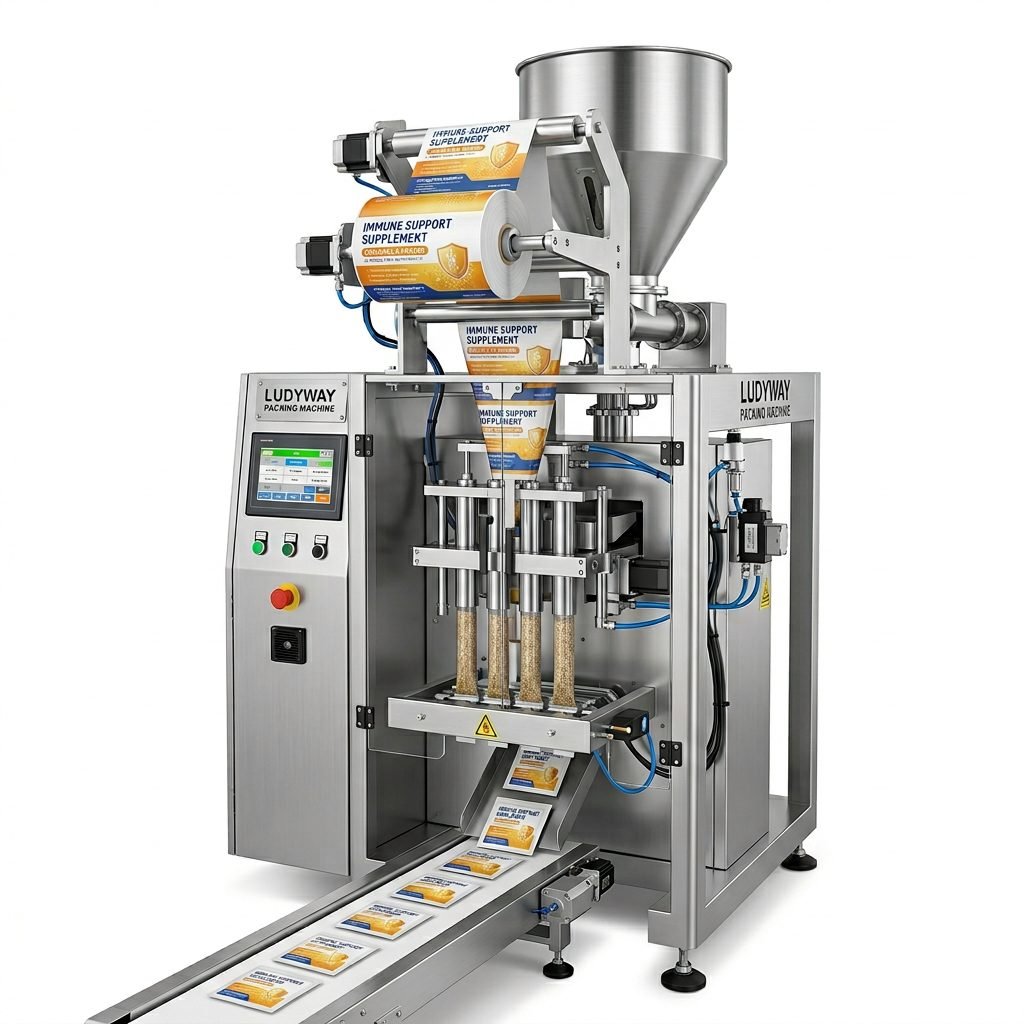
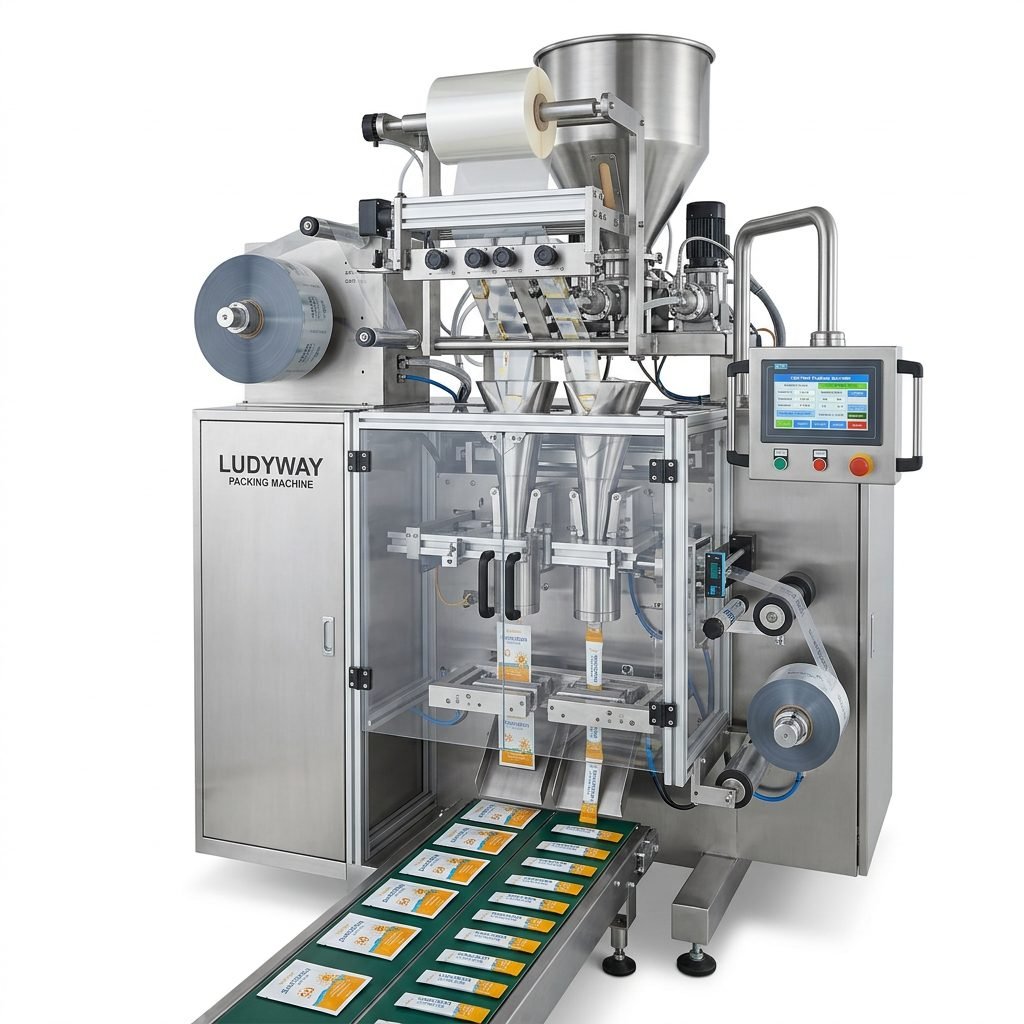
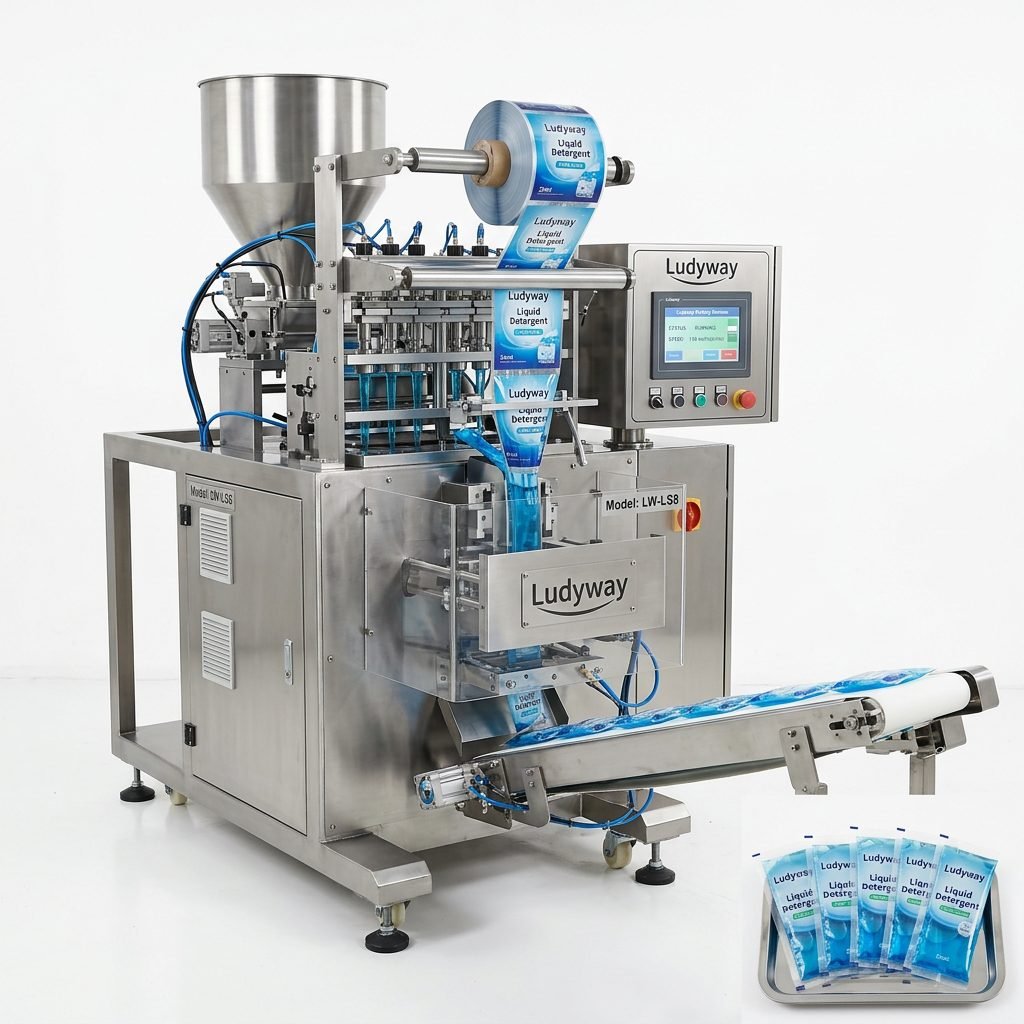
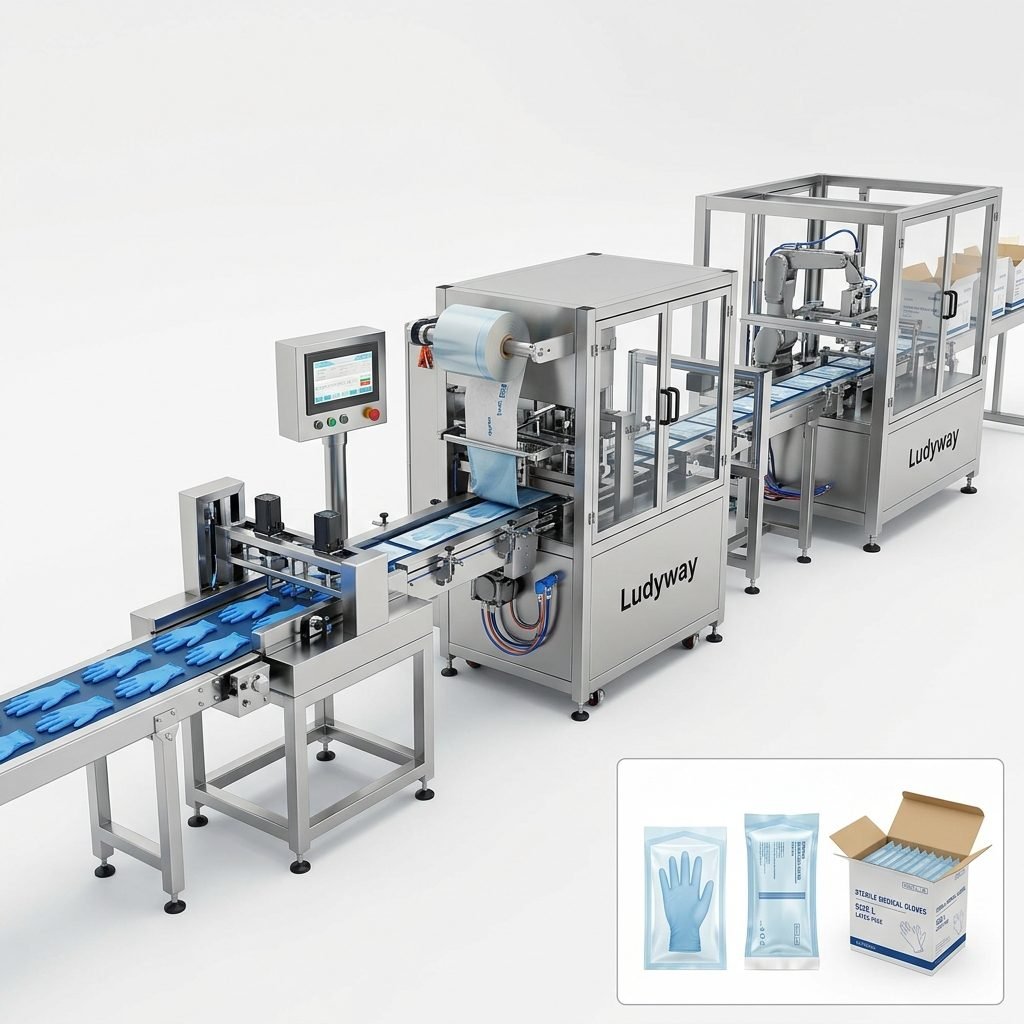
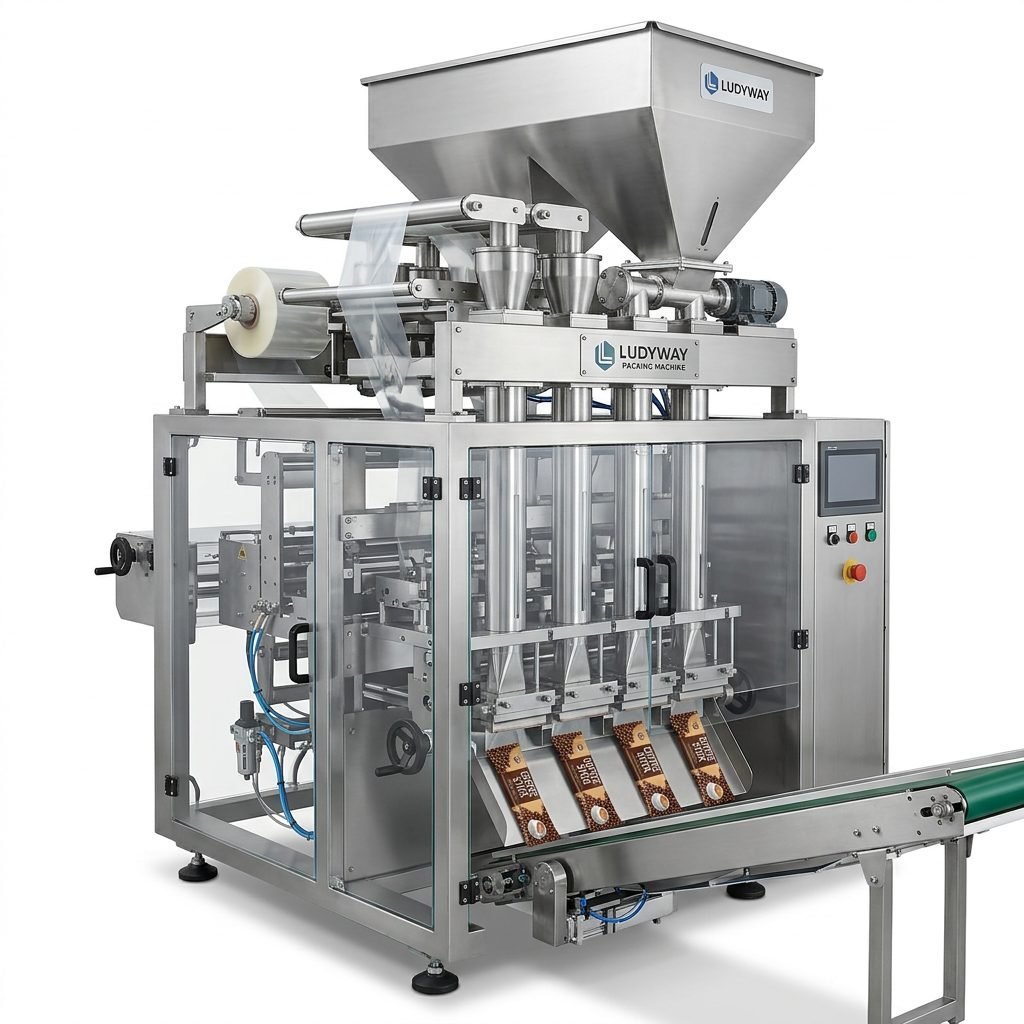
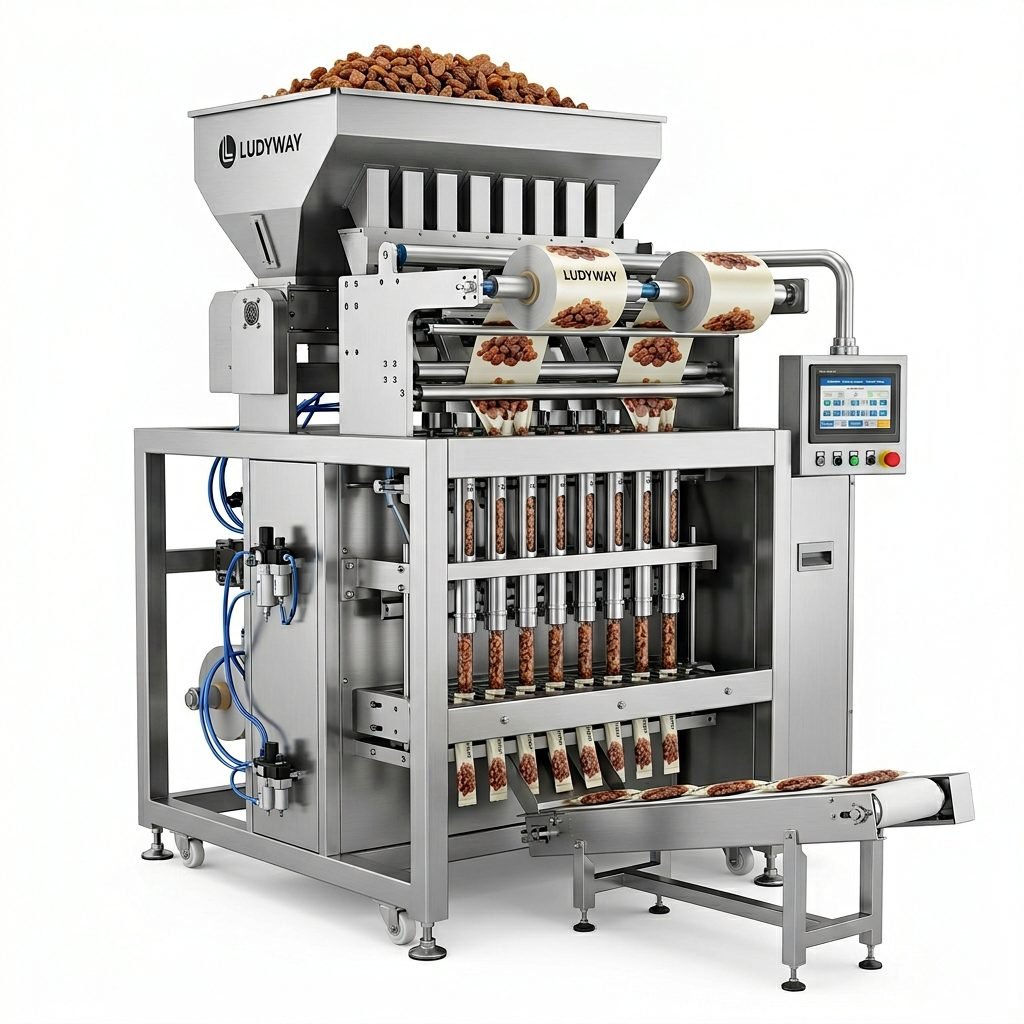
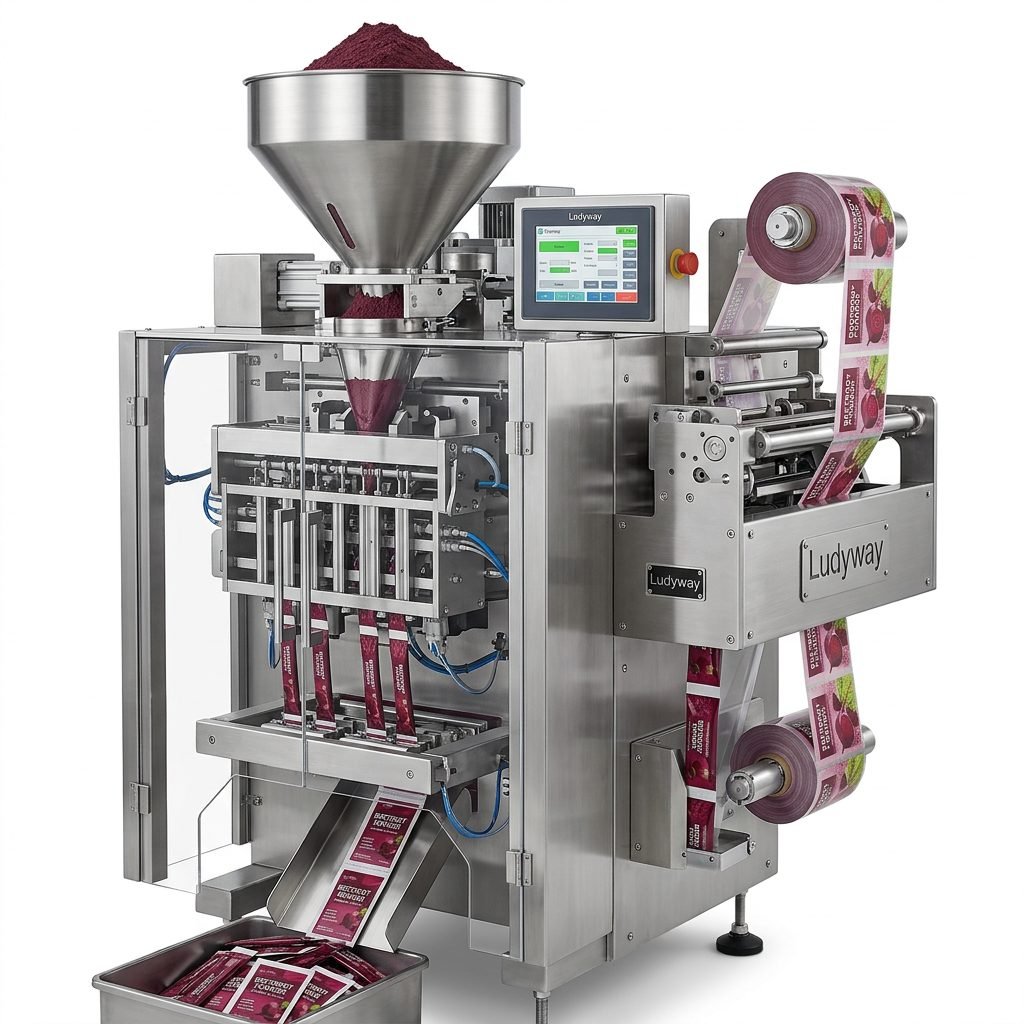
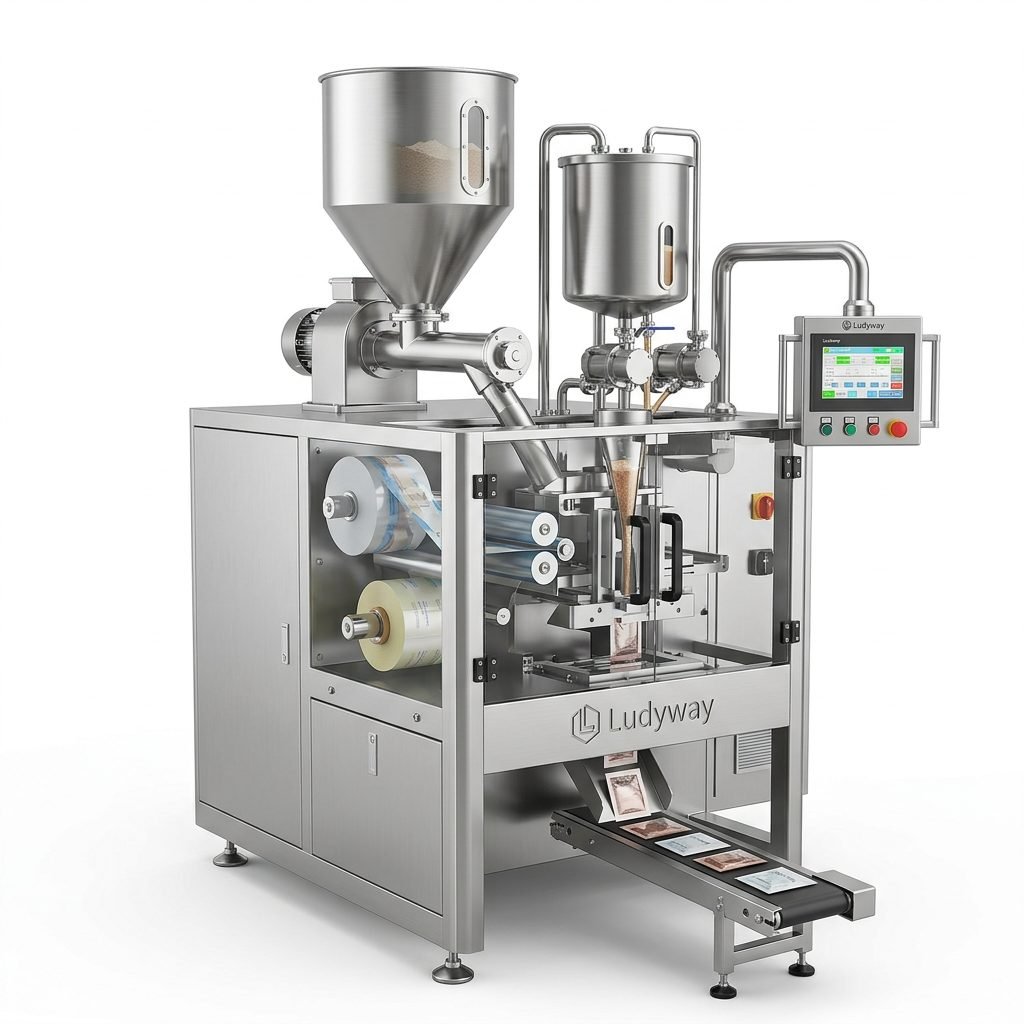
In the fast-paced world of manufacturing, efficiency and reliability are paramount. For businesses involved in carton and box production, the choice of packaging machinery can significantly impact productivity, cost-effectiveness, and final product quality. High-performance graphic packaging machinery represents the pinnacle of this technology, designed to streamline operations from printing and die-cutting to folding and gluing, all while maintaining exceptional graphic fidelity for branding and presentation.
The Core Advantages of Modern Graphic Packaging Machinery
Today’s advanced machinery goes beyond simple assembly. It integrates precision engineering with intelligent automation to handle complex graphic designs and structural requirements for various carton styles, including folding cartons, corrugated boxes, and specialty display packaging. The primary benefits driving adoption include:
Unmatched Production Speed & Consistency: Automated feeders, precision registration systems, and high-speed folding and gluing units work in concert to produce thousands of uniform boxes per hour, eliminating human error and variability.
Superior Graphic Reproduction: Integrated high-definition printing units or compatibility with pre-printed sheets ensure that vibrant colors, fine text, and intricate logos are transferred perfectly onto the packaging substrate, enhancing shelf appeal.
Furthermore, leading equipment providers understand that quick changeover is crucial for short runs and custom jobs. Modern machines feature digital settings and tooling systems that allow for rapid switching between different box sizes and designs, maximizing machine uptime and operational flexibility.
Key Technologies Driving Efficiency
The efficiency of carton production is underpinned by several critical technologies. Computerized numerical control (CNC) for die-cutting ensures absolute precision in every cut and crease. Advanced vision inspection systems automatically detect and reject units with printing defects or improper folds, guaranteeing zero-defect output.
Another significant innovation is in the gluing process. Non-contact jetting systems apply adhesive with pinpoint accuracy, reducing waste and preventing mess, while hot-melt technology provides instant bonds for faster processing speeds. These technologies collectively contribute to a leaner, more sustainable production process with less material waste and energy consumption.
Integrating Machinery into a Complete Production Line
High-performance machinery rarely operates in isolation. Its true potential is unlocked when integrated into a seamless production line. This starts with automated material handling and feeding, moves through printing and converting, and ends with automatic stacking and palletizing of the finished boxes.
Essential Line Components:
- Pre-feeder & Sheet Decoller: Ensures continuous, smooth material input.
- Precision Die-Cutter (Flatbed or Rotary): Cuts and creases the carton blank.
- Stripping & Blanking Section: Removes waste material from the cut sheets.
- Folding & Gluing Unit: The core unit that forms and seals the box.
- Counter & Stacker: Collects and organizes finished products for packaging.
Choosing a supplier that can provide or orchestrate this complete turnkey solution is vital. It ensures compatibility between all line components, reduces integration headaches, and provides a single point of accountability for performance and service.
Selecting the Right Machinery for Your Business
Investment in such equipment is significant, making the selection process critical. Key decision factors include:
Production Volume & Box Variety: Assess your required output (boxes per hour) and the frequency of size/design changes. High-volume, single-SKU operations benefit from dedicated, high-speed lines, while job shops need highly flexible machinery.
Substrate & Graphic Complexity: The type of board (e.g., micro-flute, solid bleached sulfate) and the complexity of the printing (number of colors, UV coating, embossing) will dictate the required specifications for the printing and converting units.
Automation & Labor Goals: Determine the level of automation needed to meet your labor cost and consistency objectives. Fully automated lines minimize manual intervention but require a higher initial investment.
Partnering with an experienced provider like Ludyway Machinery, which brings decades of industry application knowledge, can help navigate these choices. They can recommend configurations that balance performance with return on investment, ensuring the machinery aligns with your specific production and business growth goals.
Conclusion: The Path to Optimized Production
Adopting high-performance graphic packaging machinery is a strategic move toward building a more competitive, responsive, and profitable carton production operation. It transforms packaging from a cost center into a value-adding asset that protects products, strengthens brands, and delights customers. By focusing on integrated technology, precision, and automation, manufacturers can achieve new levels of efficiency and quality, ready to meet the demands of modern markets.
Frequently Asked Questions (FAQs)
What is the typical lead time for installing a new graphic packaging production line?
Lead times can vary significantly based on machine complexity and customization, ranging from a few months for standard models to over six months for fully customized, high-speed turnkey lines. It’s best to consult directly with your supplier for a detailed project timeline.
How does high-performance machinery handle different cardboard thicknesses or materials?
Modern machines are designed with adjustable settings for feed, pressure, and creasing depth. They can typically handle a range of substrates, from thin paperboard to thicker corrugated materials, by changing specific tooling or adjusting the machine parameters digitally.
What kind of maintenance is required for this type of equipment?
Regular preventative maintenance is crucial. This includes daily cleaning of glue nozzles and feed paths, weekly lubrication of moving parts, and periodic inspection of wear components like cutting dies and folding belts. Most suppliers offer comprehensive service contracts.
Can these machines integrate with pre-printed sheets from external printers?
Yes, many folding and gluing machines are designed as “finishing” equipment and can perfectly integrate pre-printed sheets. They use advanced optical registration systems to ensure precise folding and gluing relative to the printed graphics.
What is the average ROI (Return on Investment) period for such an investment?
The ROI period depends on production volume, labor savings, and reduction in waste. Many operations see a return on investment within 1 to 3 years due to dramatically increased output, lower per-unit costs, and reduced reliance on manual labor.