In today’s fast-paced manufacturing landscape, the pursuit of high-efficiency automation is paramount. For industries requiring precision and speed in packaging, particularly within the South Korean market known for its technological innovation and high-quality standards, investing in the right machinery is a critical strategic decision. High-efficiency KRW packaging machinery solutions are engineered to meet these exacting demands, integrating seamlessly into automated production lines to boost output, ensure consistency, and maximize return on investment.
Core Advantages of High-Efficiency Packaging Automation
The transition to automated packaging lines powered by specialized machinery brings transformative benefits. Primarily, it dramatically increases production speed and throughput, allowing businesses to scale operations to meet market demands. Secondly, automation ensures unparalleled consistency in package weight, sealing quality, and overall presentation—a non-negotiable standard in quality-conscious markets like South Korea. Furthermore, these systems significantly reduce material waste and lower long-term operational costs by minimizing manual labor and associated errors.
→ Key Insight: For South Korean manufacturers, where precision engineering and technological leadership are deeply ingrained in the industrial culture, packaging machinery is not just a tool but a reflection of brand credibility and commitment to excellence.
Tailored Solutions for Diverse Product Types
Modern production lines handle a vast array of products, from fine powders and granules to viscous liquids and solid items. High-efficiency packaging solutions are not one-size-fits-all. Leading providers offer specialized systems:
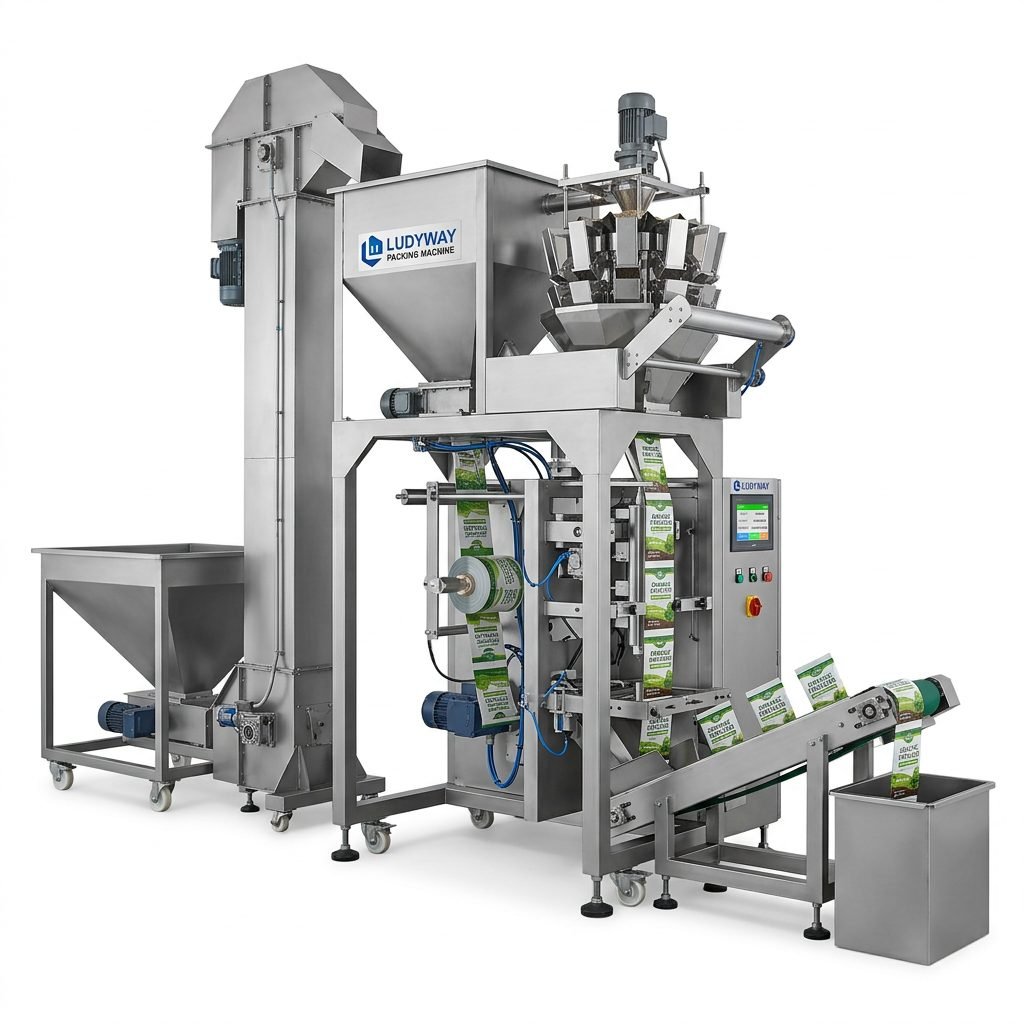
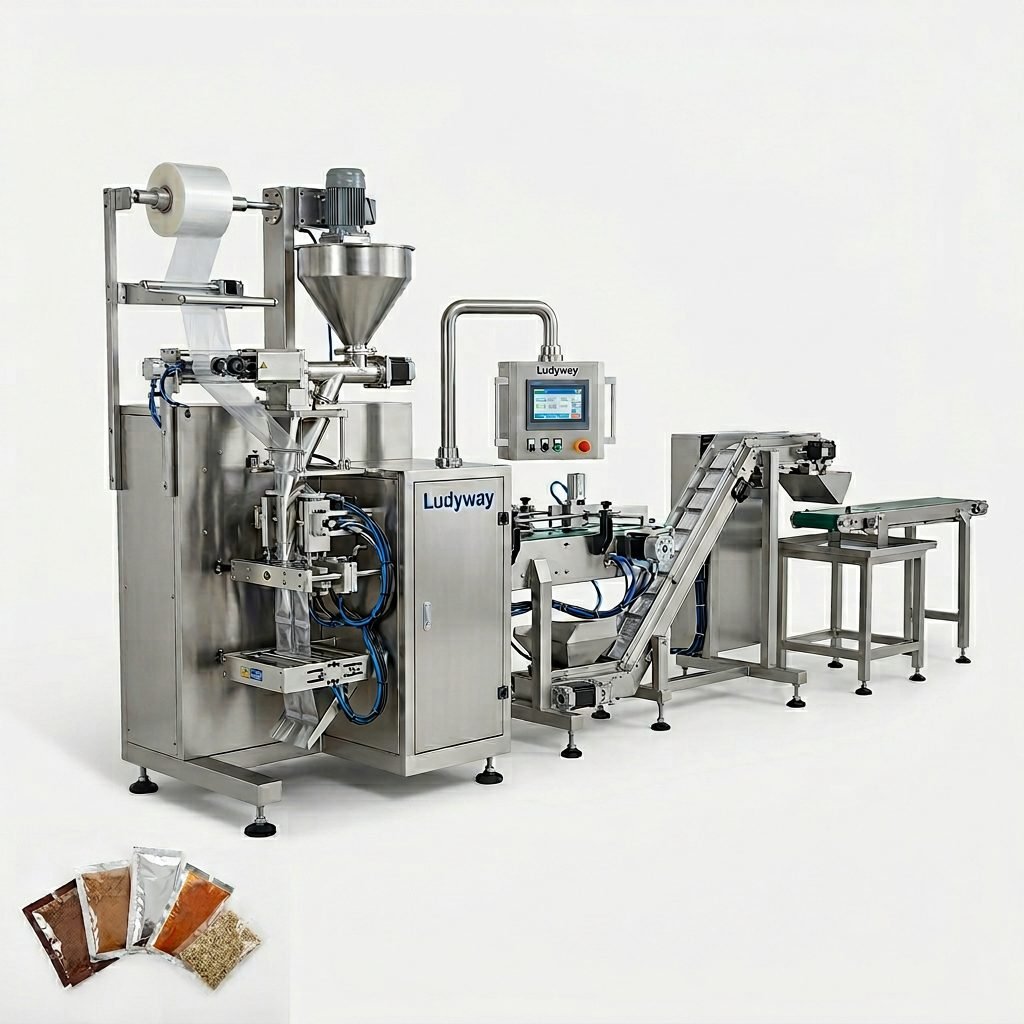
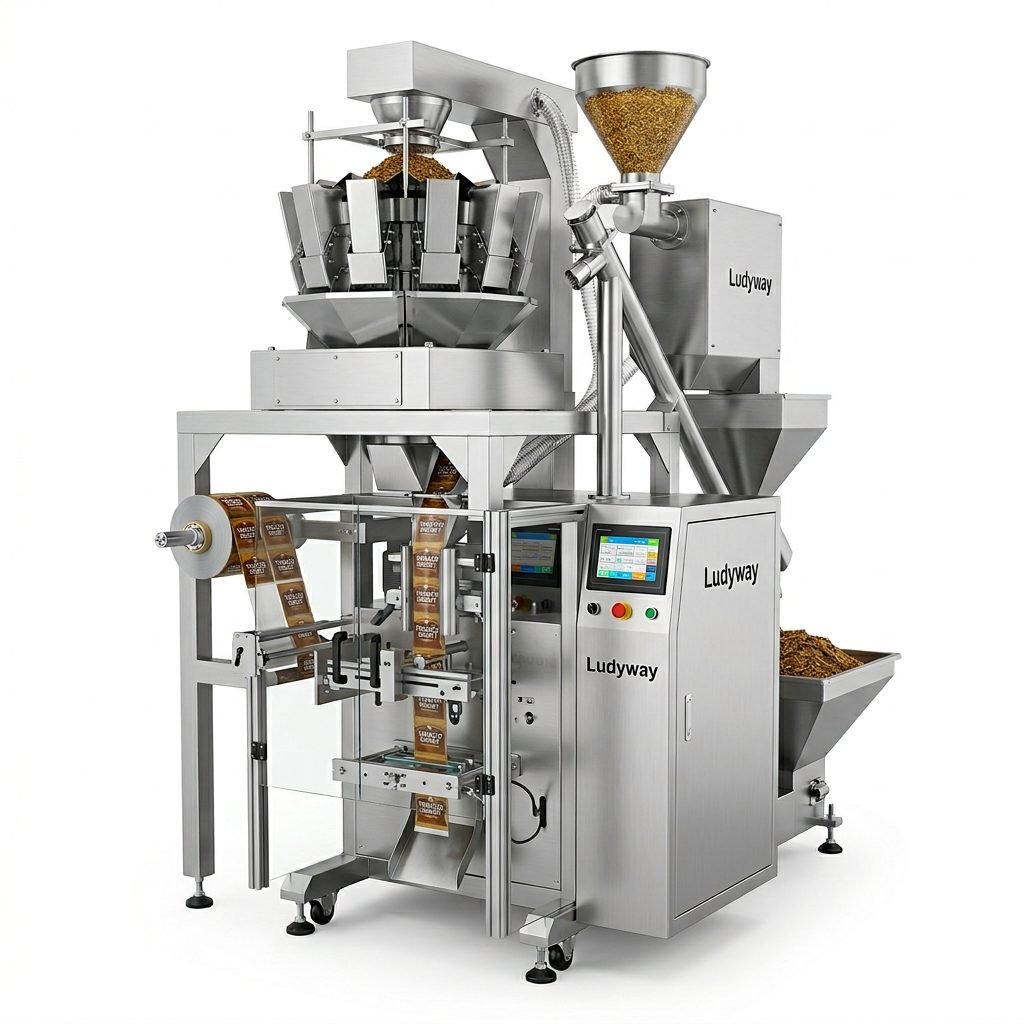
- Granule & Powder Packers: Designed for products like instant coffee, protein powders, or spices, featuring precision auger filling systems to prevent dust and ensure accurate dosing.
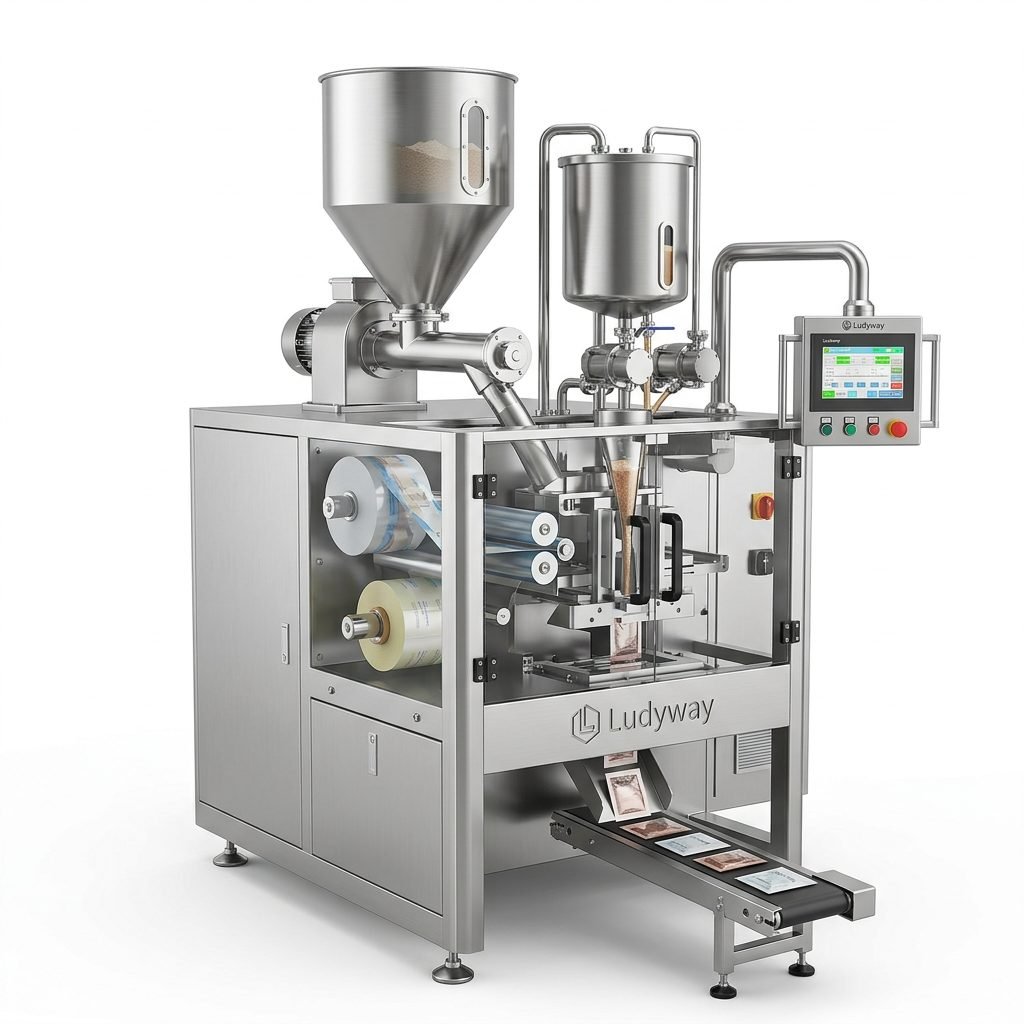
- Liquid & Paste Fillers: Utilizing piston or pump filling technology for sauces, cosmetics, or pharmaceuticals, guaranteeing clean, drip-free fills and perfect seals.
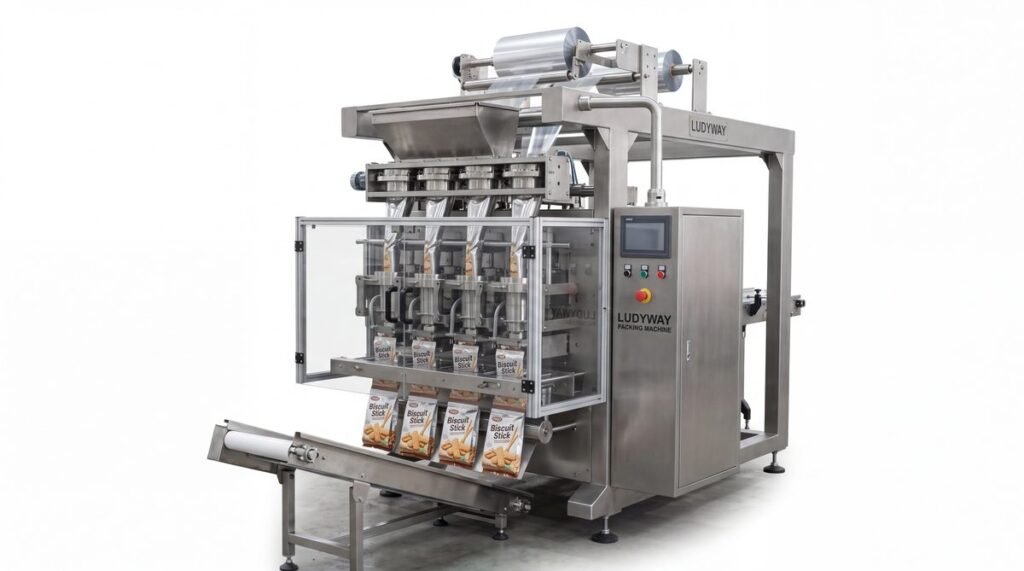
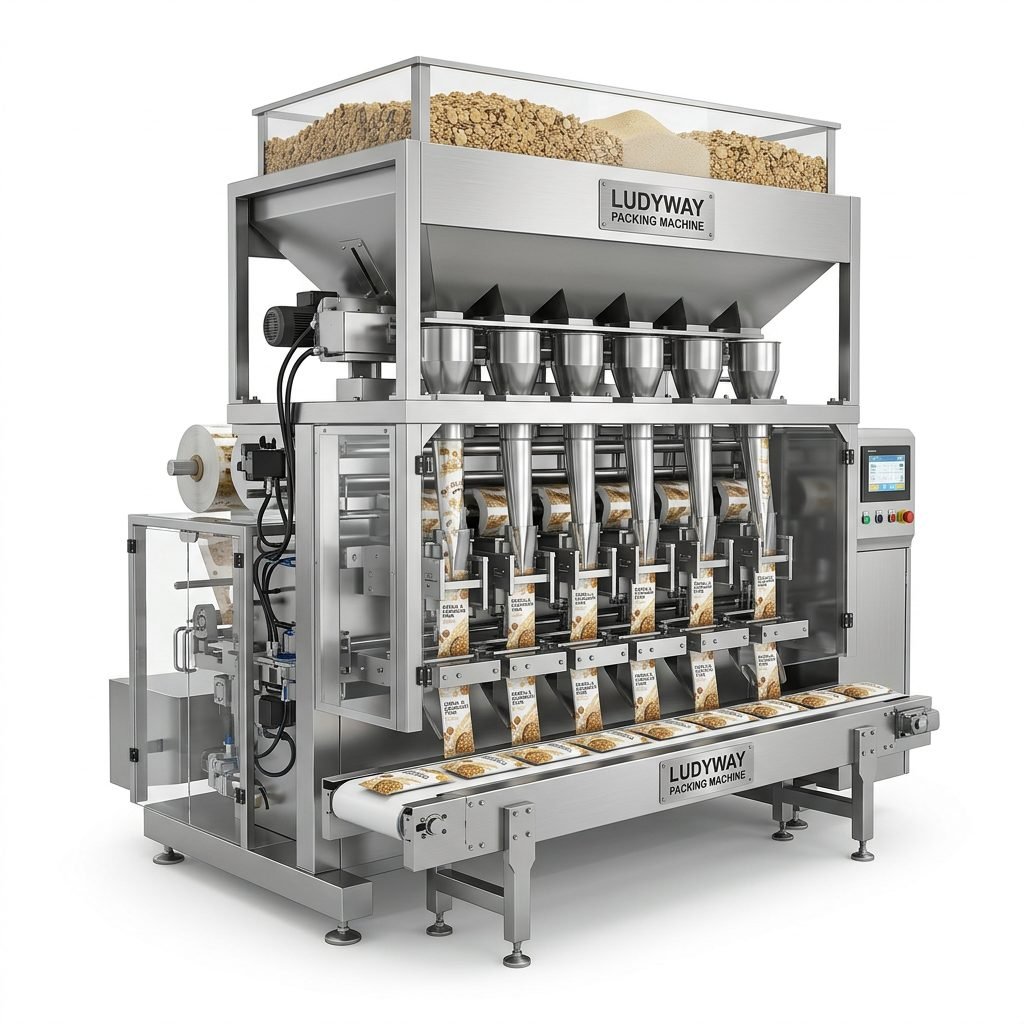
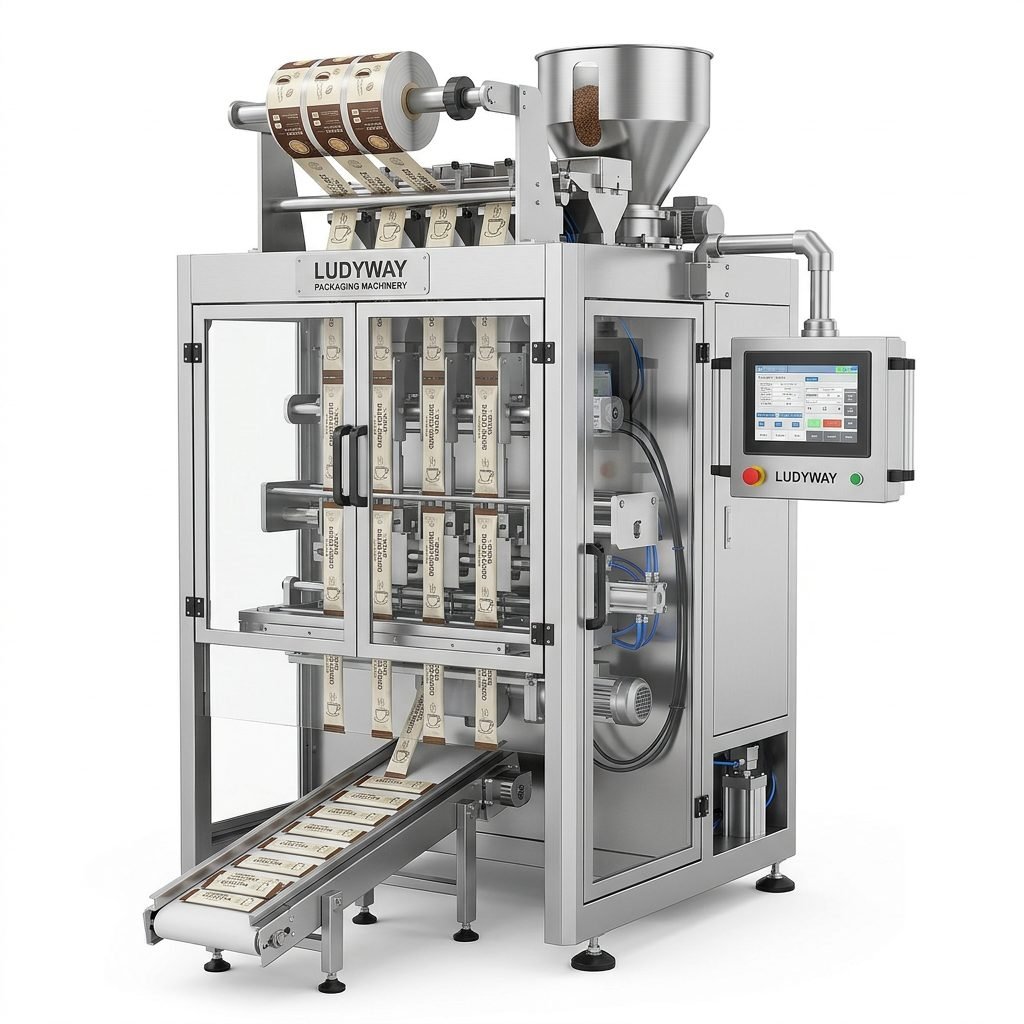
- Stick Pack & Sachet Machines: Ideal for single-serve portions of supplements, condiments, or skincare products, offering high-speed, multi-lane operation for maximum efficiency.
Integration into Smart Production Lines
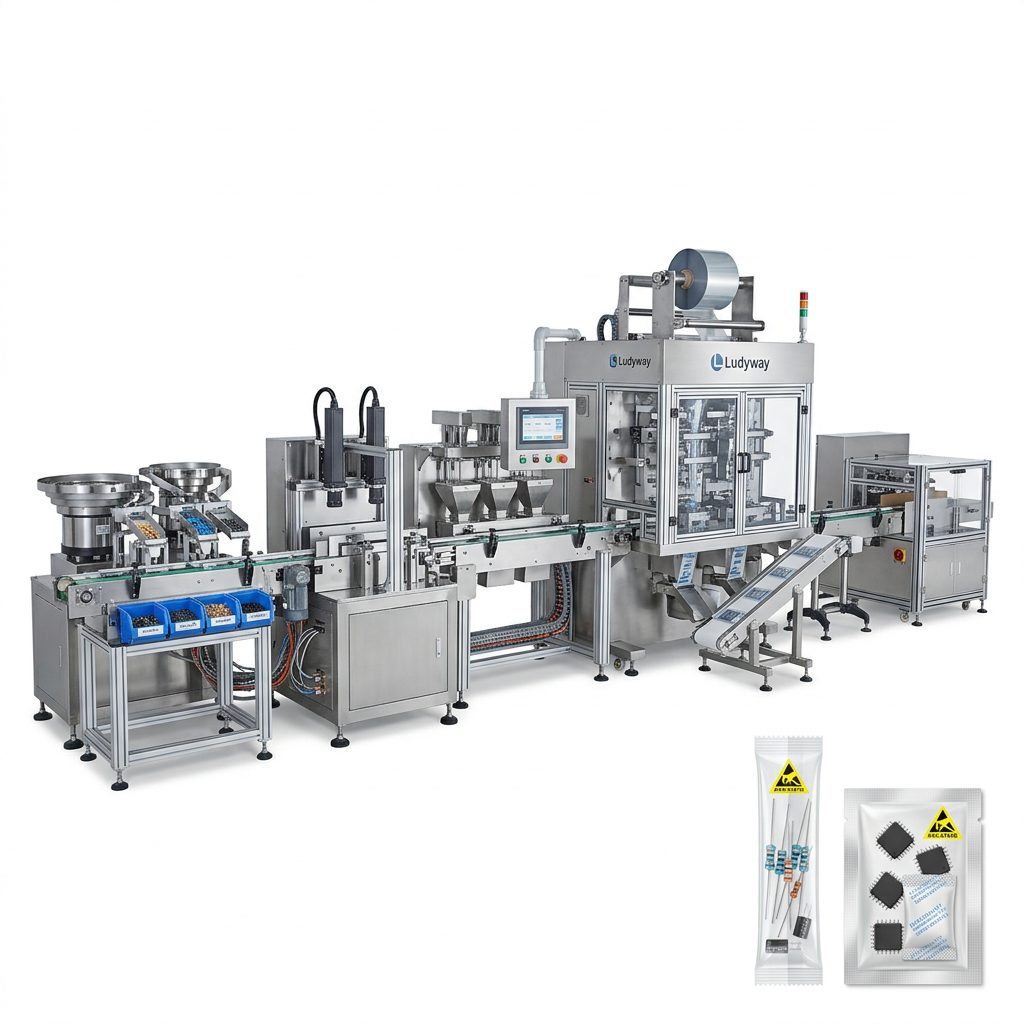
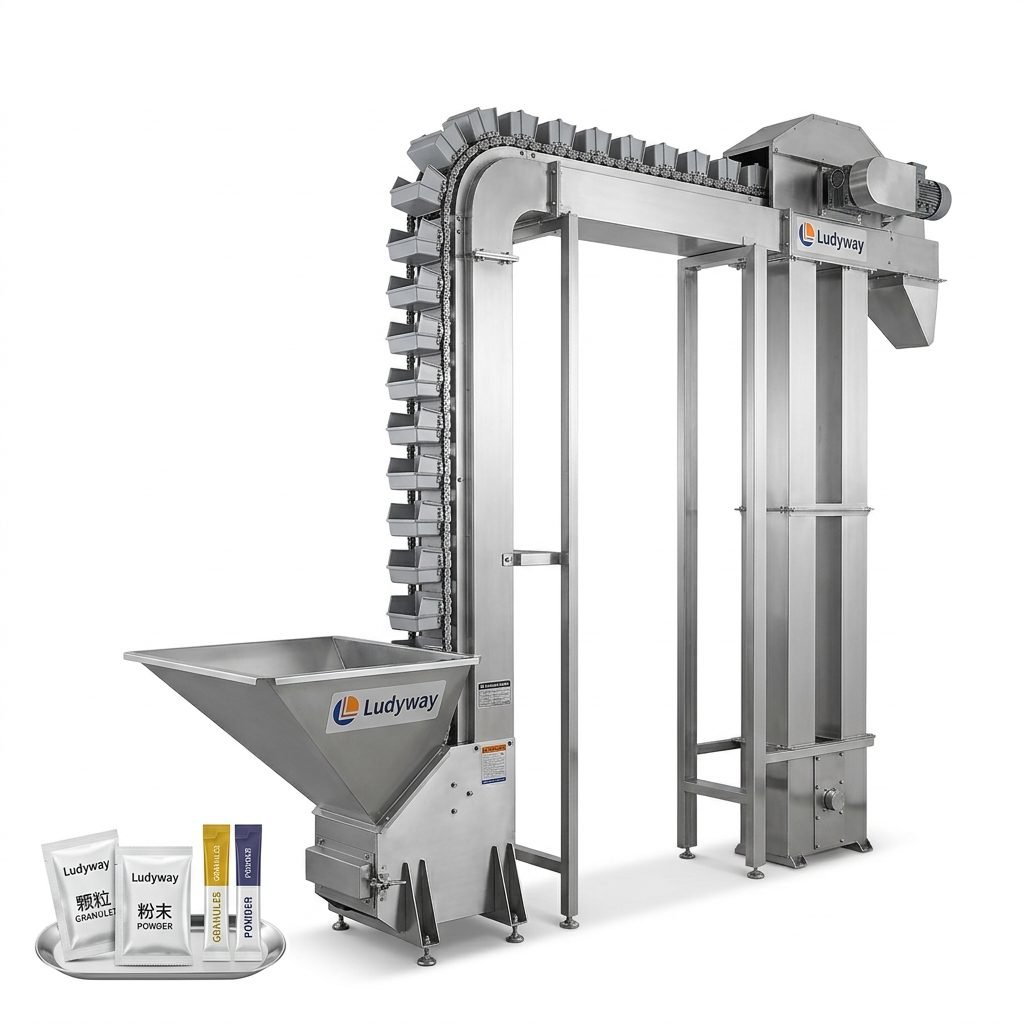
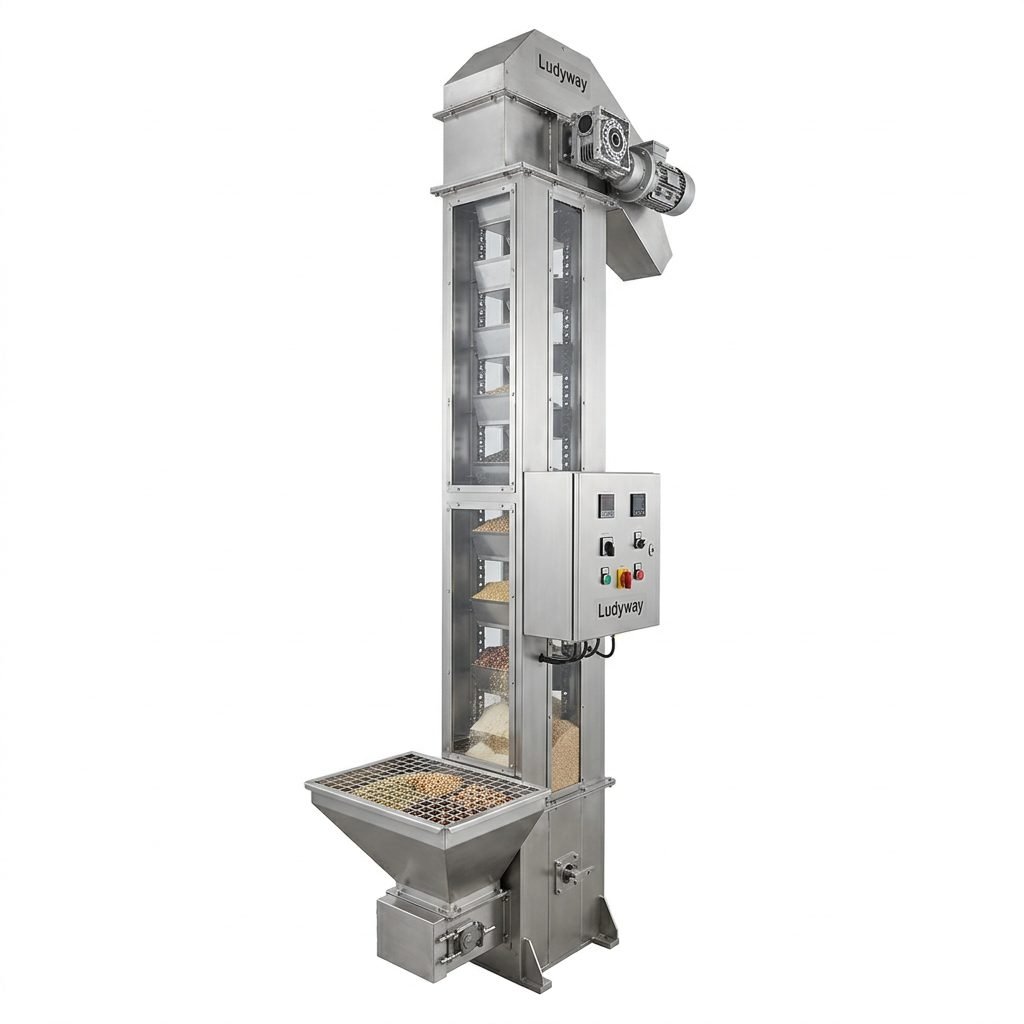
The true power of high-efficiency packaging machinery is realized when it is fully integrated into a cohesive, smart production line. This involves seamless connectivity with upstream processes (like mixing and conveying) and downstream systems (like cartoning and palletizing). Modern machines often feature IoT-enabled sensors and data output, allowing for real-time monitoring of production metrics, predictive maintenance alerts, and centralized control through SCADA or MES systems. This level of integration is crucial for South Korean manufacturers aiming to implement Industry 4.0 principles and build resilient, data-driven operations.
Selecting the Right Machinery Partner
Choosing a supplier goes beyond comparing technical specifications. It requires a partner with deep industry experience, proven reliability, and the capability to provide comprehensive support. A partner with over 30 years of industry experience brings invaluable insights into overcoming common production challenges and optimizing line performance. Look for a provider that offers:
Essential Partner Capabilities
- Customization & Engineering Support: Ability to tailor machinery to specific product characteristics and production floor layouts.
- Turnkey Project Management: From initial design and factory acceptance testing to installation, commissioning, and operator training.
- Global After-Sales Service: Access to timely technical support, spare parts, and maintenance services to ensure minimal downtime.
For instance, a provider like Ludyway Machinery, with its extensive portfolio and commitment to innovation, exemplifies such a partnership, helping clients navigate the complexities of automation.
Driving Sustainability and Cost-Effectiveness
Beyond efficiency, contemporary packaging solutions are increasingly evaluated on their sustainability footprint. High-efficiency machinery contributes by optimizing material usage, reducing film waste through precise sealing controls, and enabling the use of recyclable or mono-material packaging structures. This aligns with global environmental trends and the growing consumer preference in markets like South Korea for eco-conscious brands. The resulting reduction in material costs, combined with lower energy consumption per unit produced, delivers a compelling economic and environmental case for upgrading to advanced automated lines.
📈 Operational Impact at a Glance
Implementing a high-efficiency automated packaging line typically yields measurable improvements:
• Output Increase: 40-200%+ higher throughput compared to semi-automatic lines.
• Waste Reduction: Up to 5-7% less packaging material waste through precision control.
• Labor Optimization: Significant reduction in direct manual packaging labor, reallocating personnel to value-added tasks.
Future-Proofing Your Packaging Operations
The packaging industry continues to evolve rapidly. Investing in modular, high-efficiency machinery from a forward-thinking partner is an investment in future-proofing. Such equipment is designed with adaptability in mind, allowing for relatively easy reconfiguration to handle new package sizes, shapes, or materials as market trends shift. This flexibility protects your capital investment and ensures your production line remains competitive. Exploring the evolution of packaging technology with an expert partner can provide a clear roadmap for sustainable growth.
In conclusion, integrating high-efficiency KRW packaging machinery into automated production lines is a strategic imperative for manufacturers targeting excellence, scalability, and sustainability. By focusing on precision, integration, and choosing a knowledgeable partner, businesses can unlock new levels of productivity and market responsiveness.
Frequently Asked Questions (FAQs)
1. What main factors should I consider when choosing packaging machinery for an automated line?
Key factors include your product type (granule, powder, liquid), required speed (packages per minute), the level of integration needed with existing equipment, the supplier’s technical support and service network, and the total cost of ownership, not just the initial purchase price.
2. How does automated packaging machinery improve product quality and consistency?
Automation eliminates human error in filling weights and sealing. Computer-controlled systems ensure every package is identical, which is critical for compliance, customer satisfaction, and brand reputation, especially in strict markets like pharmaceuticals or premium foods.
3. Can these machines handle frequent product or package size changeovers?
Modern high-efficiency machines are designed for quick changeovers. Look for features like servo-driven adjustments, recipe storage, and tool-less change parts. The best suppliers will demonstrate changeover times and provide training to minimize downtime during shifts.
4. What kind of after-sales support is crucial for maintaining an automated packaging line?
Essential support includes readily available spare parts, remote diagnostic capabilities, on-site technician service, comprehensive operator and maintenance training programs, and clear documentation. A global service footprint is vital for international operations.
5. Are high-efficiency packaging lines a viable investment for small to medium-sized enterprises (SMEs)?
Absolutely. While the initial investment is significant, the ROI through increased output, reduced waste, and lower labor costs can be very attractive. Many suppliers offer scalable solutions or modular machines that allow SMEs to automate in stages, aligning investment with growth.