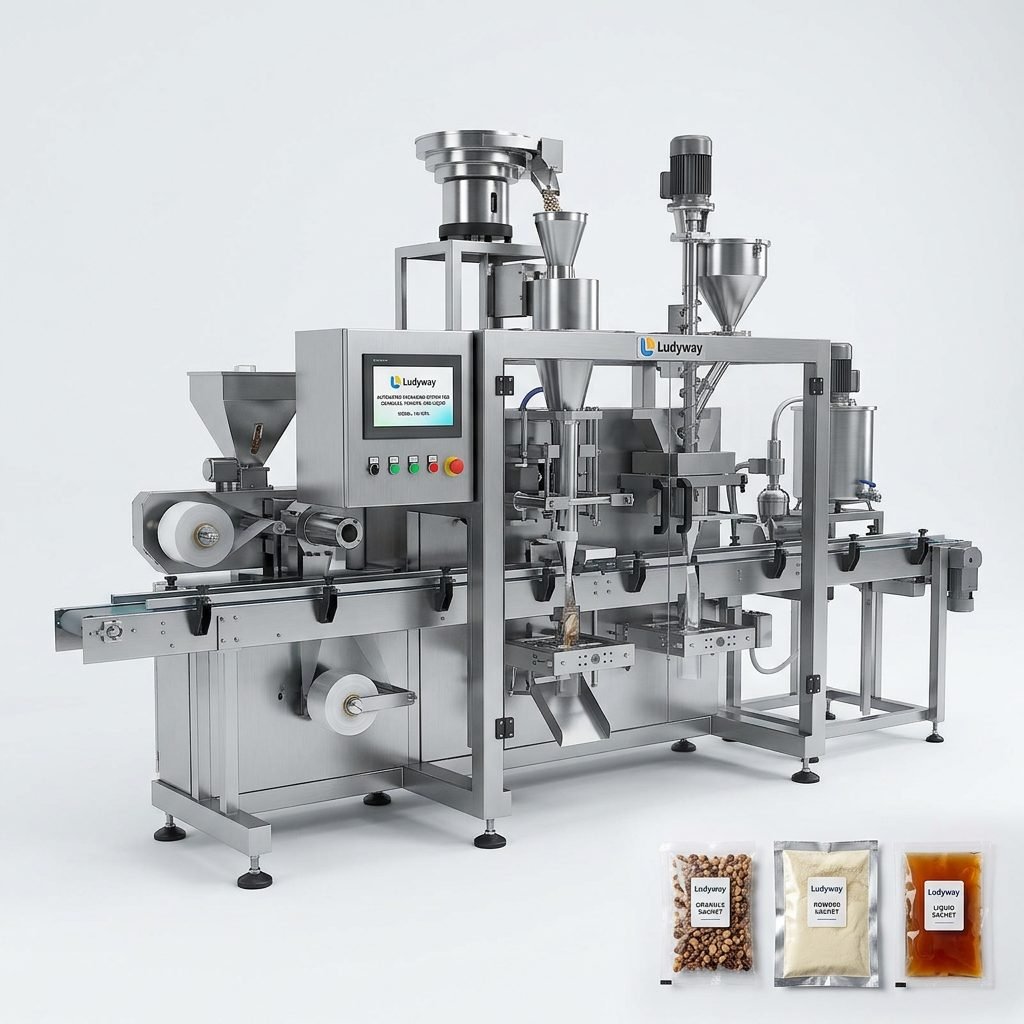
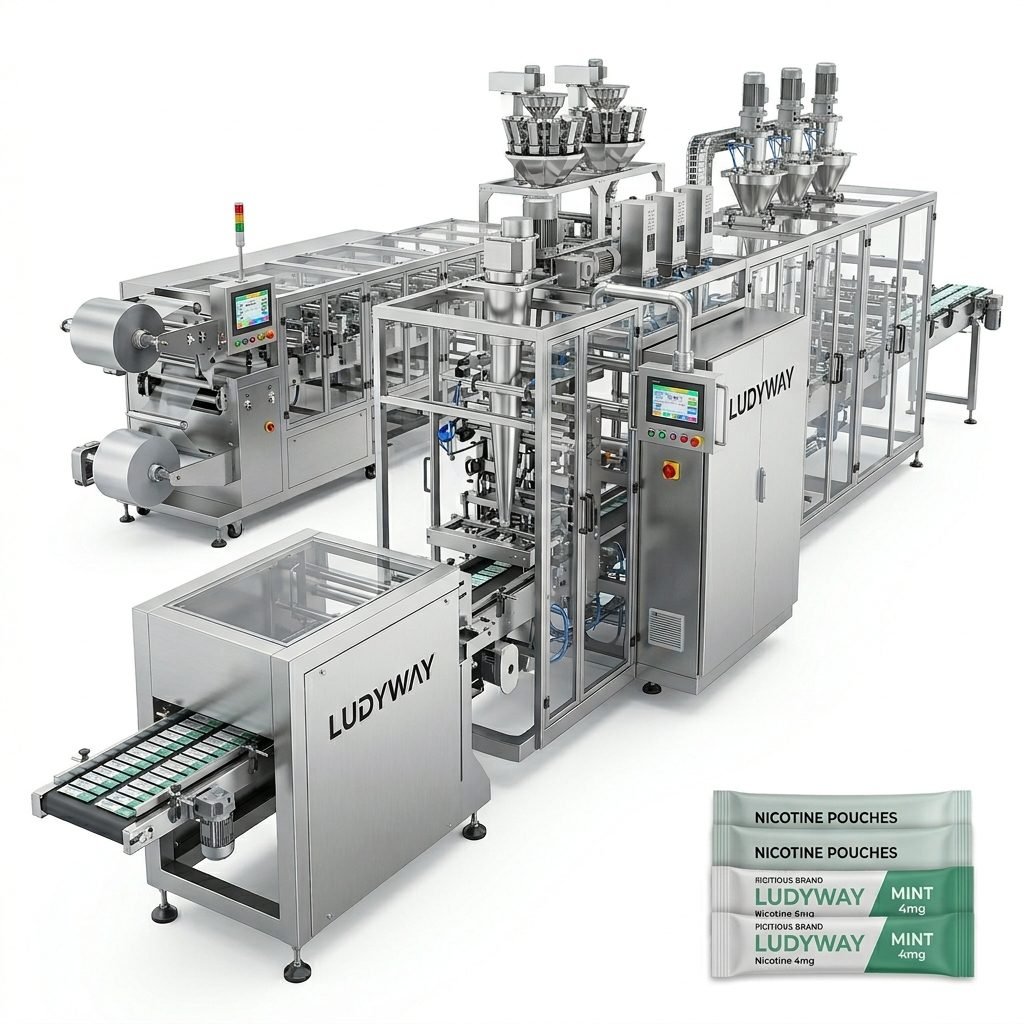
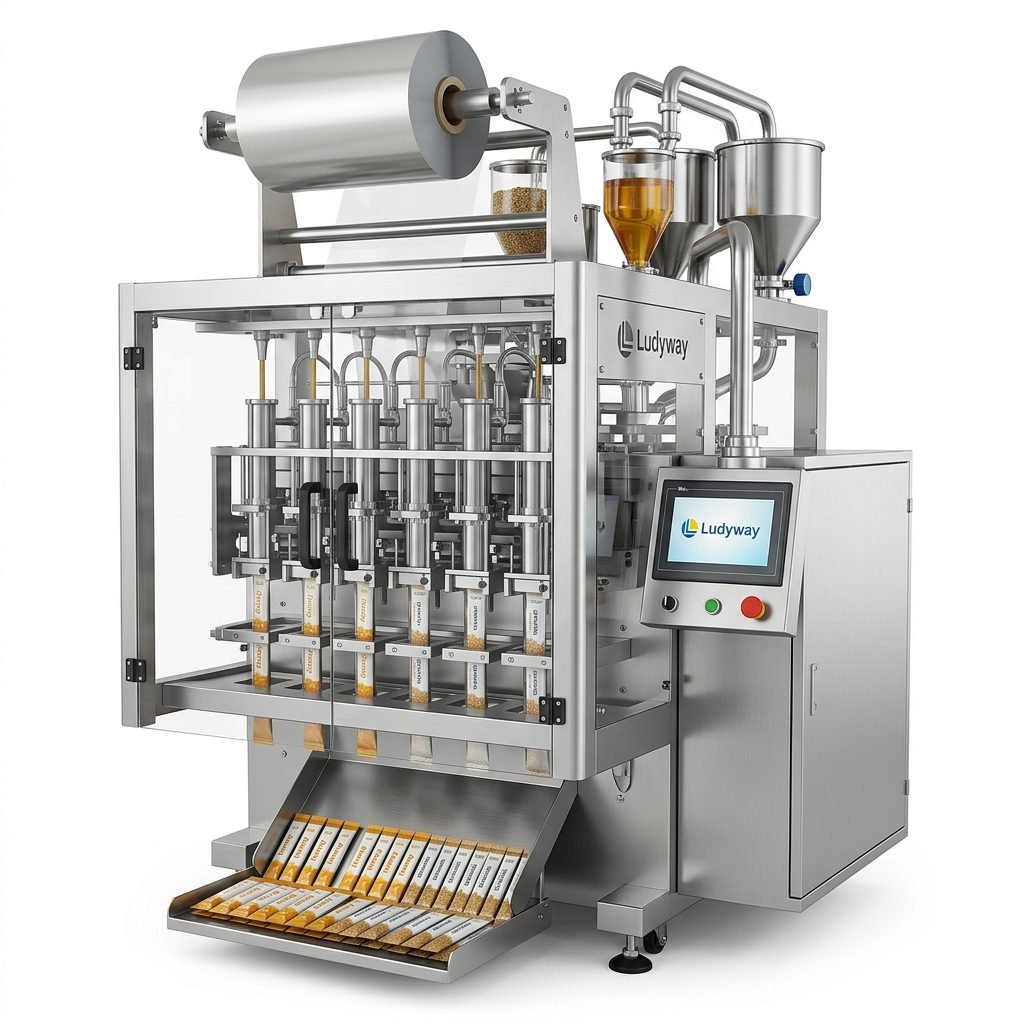
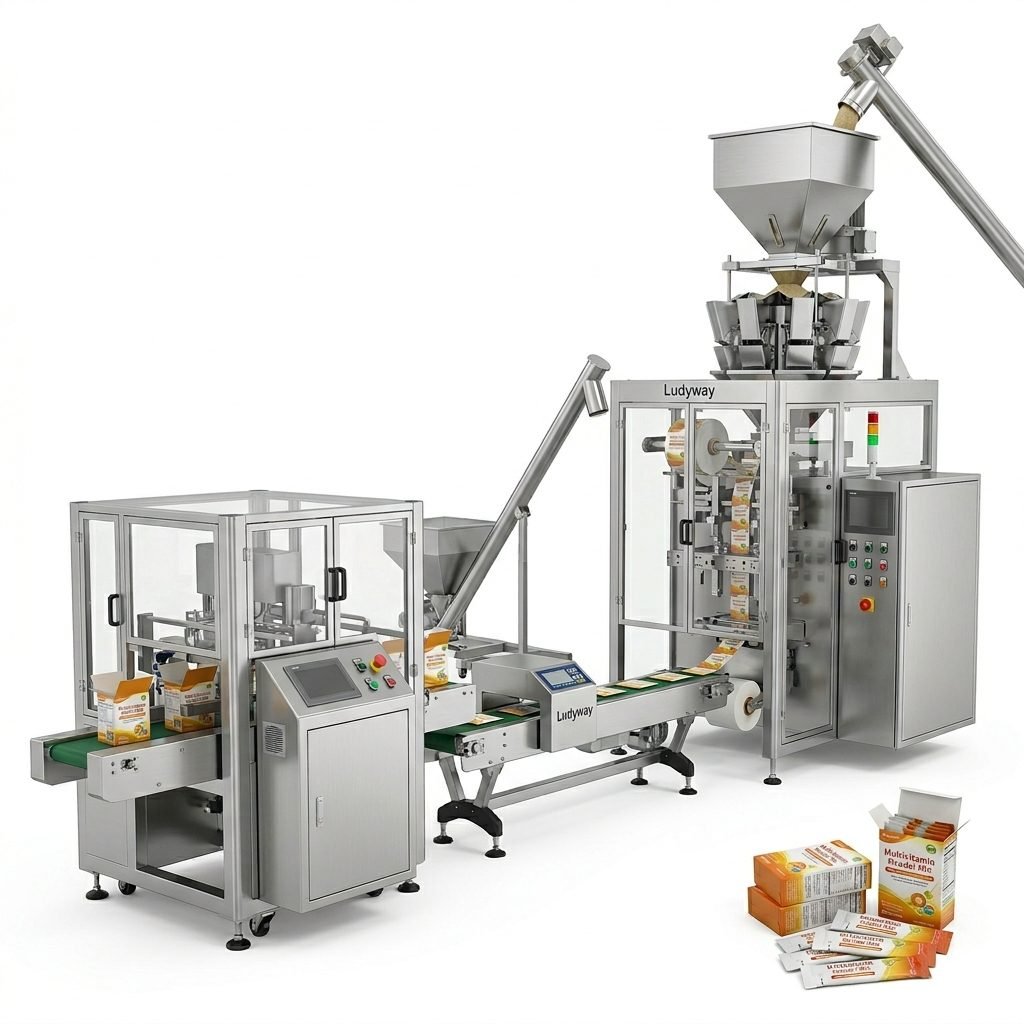
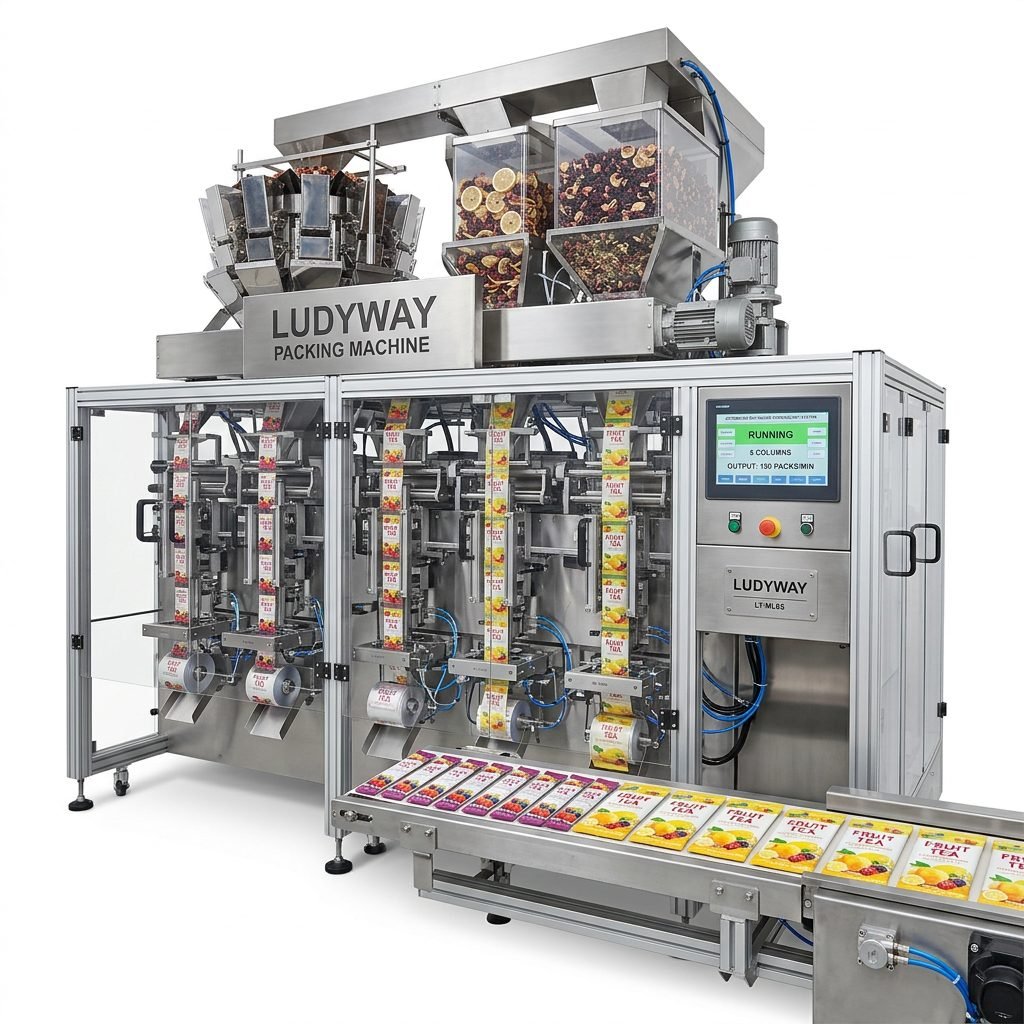
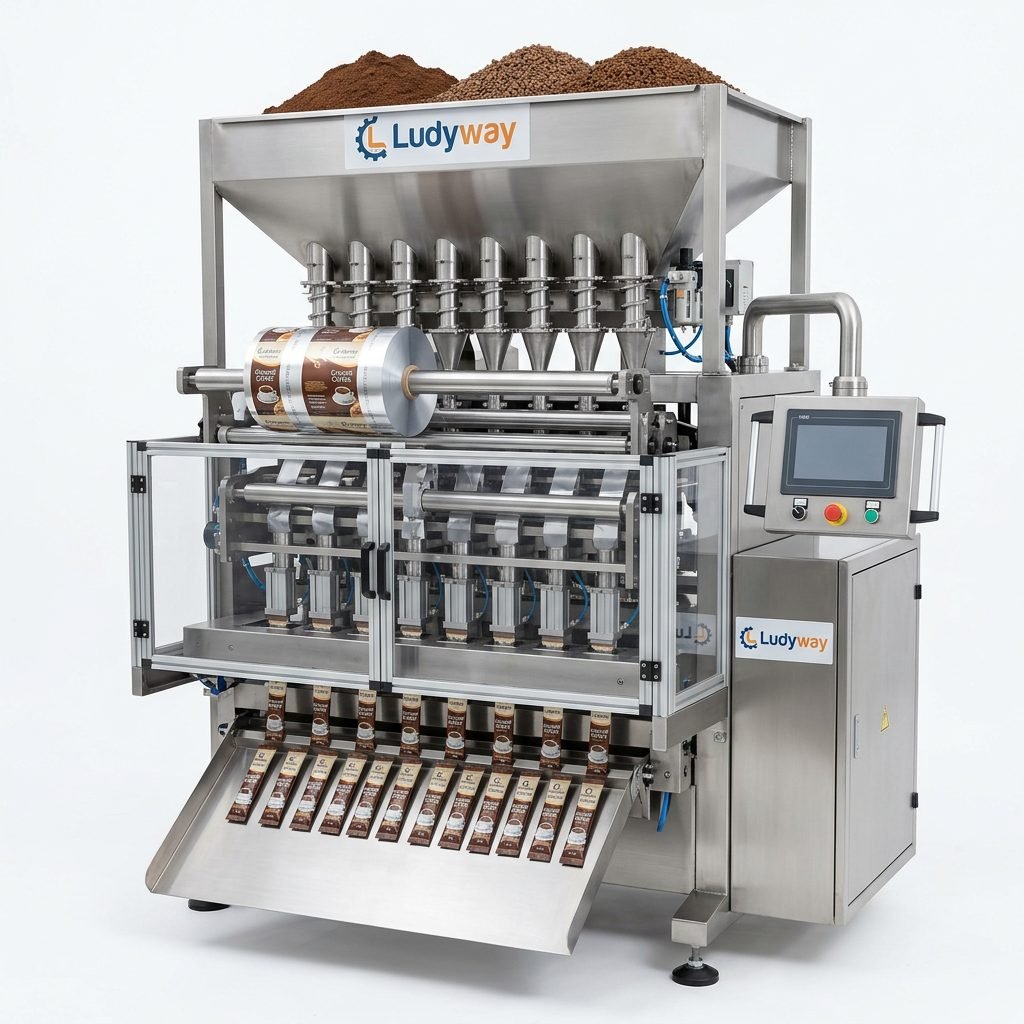
In the world of automated production, packaging machinery stands as a critical component, ensuring products are sealed, protected, and presented efficiently. At the heart of these complex systems lie various essential components, each playing a specific role in the packaging process. Understanding these parts—their types, functions, and uses—is key to optimizing operations, performing maintenance, and selecting the right equipment for your needs. This guide provides a comprehensive look at the core components that power modern packaging lines.
Core Mechanical Drive and Transmission Components
The drive system is the powerhouse of any packaging machine, converting electrical energy into precise mechanical motion.
Motors: Servo motors and stepper motors are predominantly used for their precision and programmability. Servo motors offer high torque and exact positioning, crucial for tasks like filling and cutting, while stepper motors provide reliable motion for intermittent operations.
Gears, Belts, and Chains: These elements transmit power from the motor to various machine sections. Timing belts and chains ensure synchronized movement, which is vital for maintaining packaging accuracy and consistency across high-speed production lines.
Shafts and Bearings: These support rotating parts and reduce friction. High-quality, hardened steel shafts and sealed bearings are essential for longevity and minimizing downtime due to wear and tear.
Control System and Electrical Components
Modern packaging is governed by sophisticated control systems that ensure precision and adaptability.
Programmable Logic Controllers (PLCs): The machine’s brain. PLCs execute the programmed logic, controlling the sequence of operations, from film feeding to sealing and ejection. They allow for flexible recipe changes and detailed process monitoring.
Human-Machine Interface (HMI): This touchscreen panel is the operator’s window into the machine. It displays real-time data, production counts, error messages, and provides an intuitive platform for setting parameters and starting or stopping cycles.
Sensors: These are the machine’s senses. Photoelectric sensors detect the presence of packaging film or products, proximity sensors monitor positional accuracy, and encoders provide feedback on motor speed and position, creating a closed-loop system for reliable, error-free operation.
Key Functional Modules in Packaging Operations
These modules perform the physical tasks of forming, filling, and sealing the package.
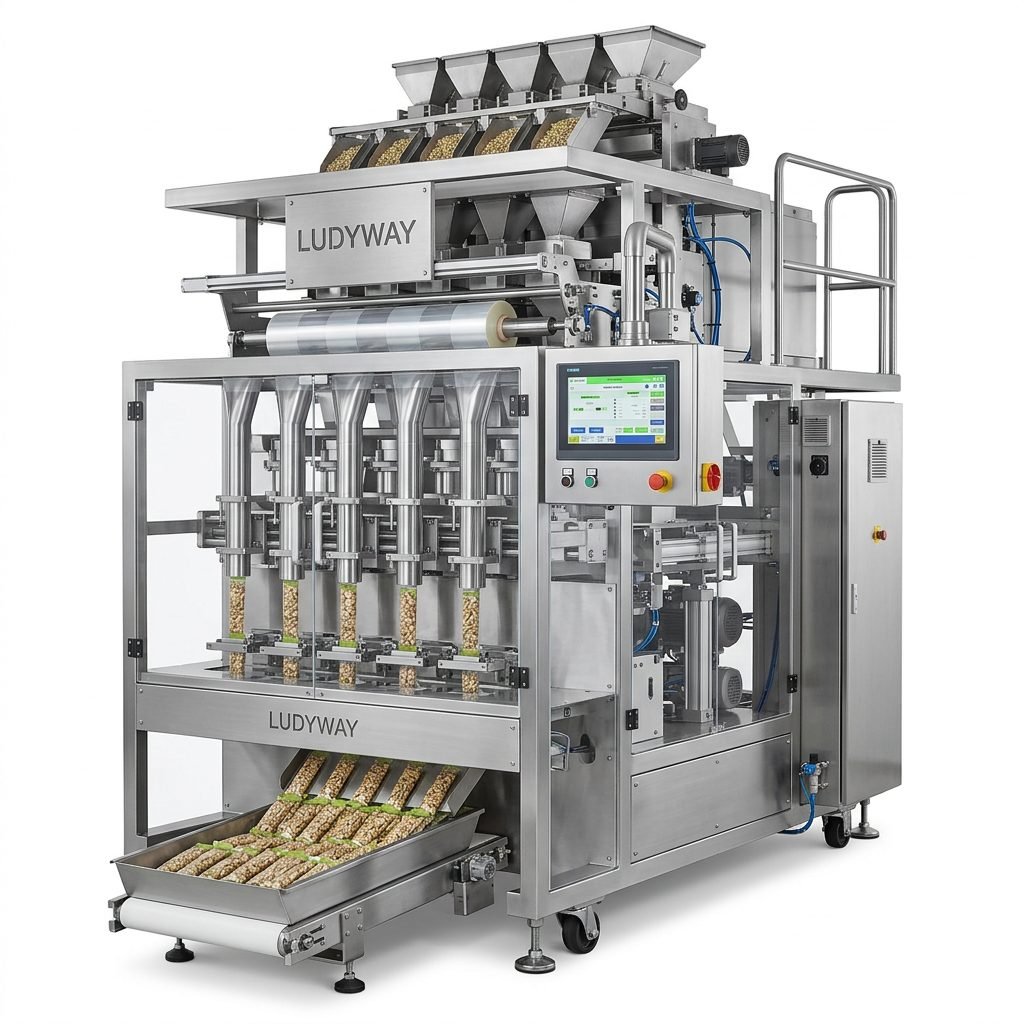
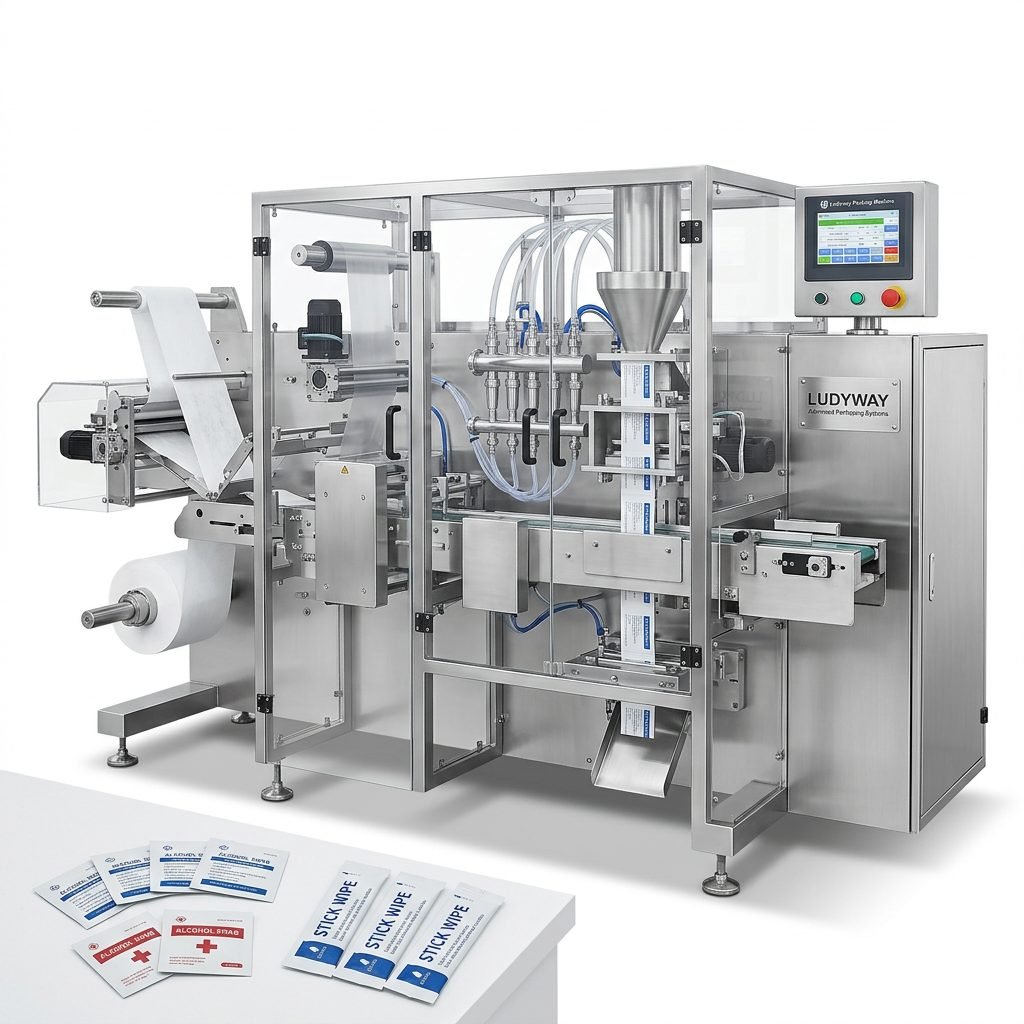
1. The Film Feeding and Forming System
This system handles the packaging material, typically a roll of laminated film.
- Unwind Stand & Tension Control: Holds the film roll and applies consistent tension to prevent wrinkles or tearing.
- Forming Collar: A shaped tube around which the flat film is drawn to form the package’s pouch or stick shape.
- Pull Belts: Grips the formed film and pulls it downward in precise increments for each cycle.
2. The Product Feeding and Dosing System
Accuracy here directly impacts product give-away and compliance. Systems vary by product type.
Volumetric Cup Fillers: Ideal for uniform granules or chunks. Cups of a fixed volume scoop and deposit product.
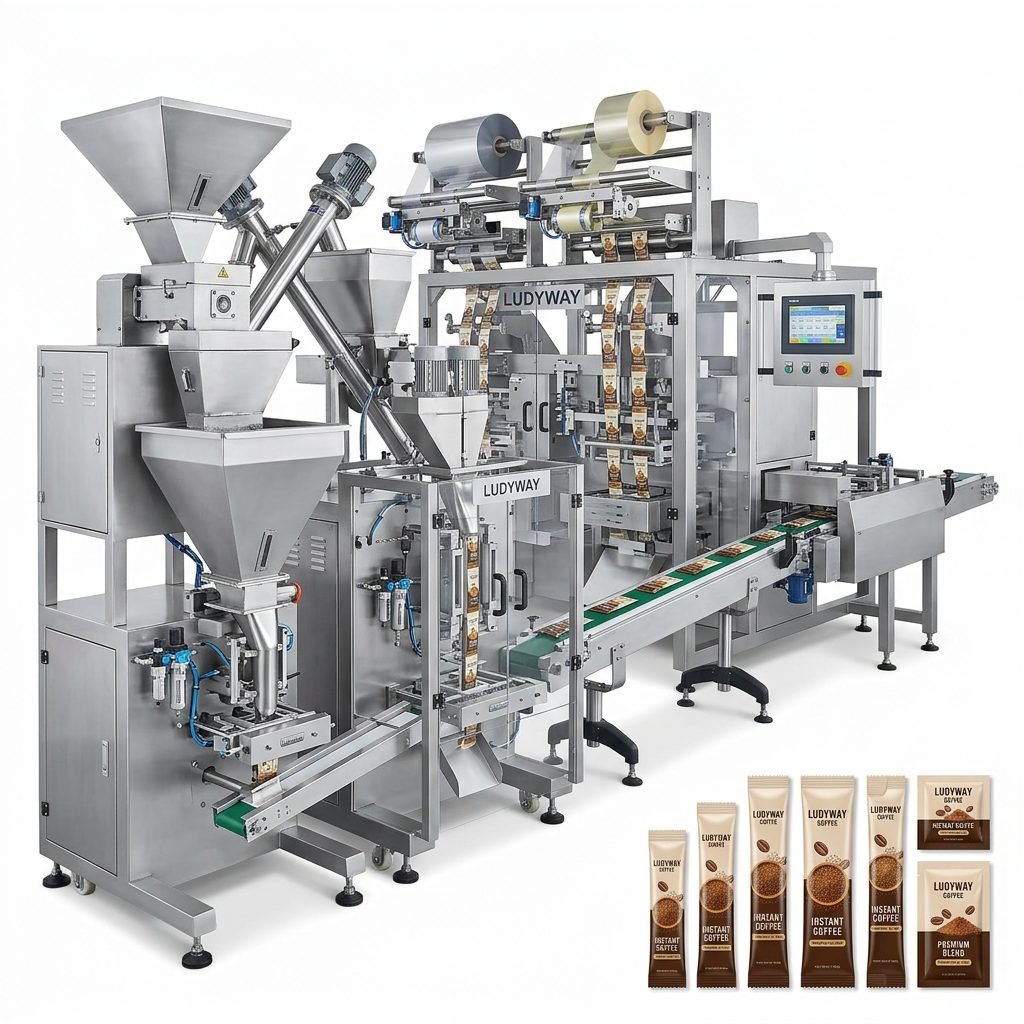
Auger Fillers: The standard for powders. A rotating screw (auger) in a hopper dispenses product based on the number of revolutions, allowing for fine adjustment.
Liquid Pumps: For sauces, oils, or creams. Peristaltic or piston pumps provide precise volumetric dosing.
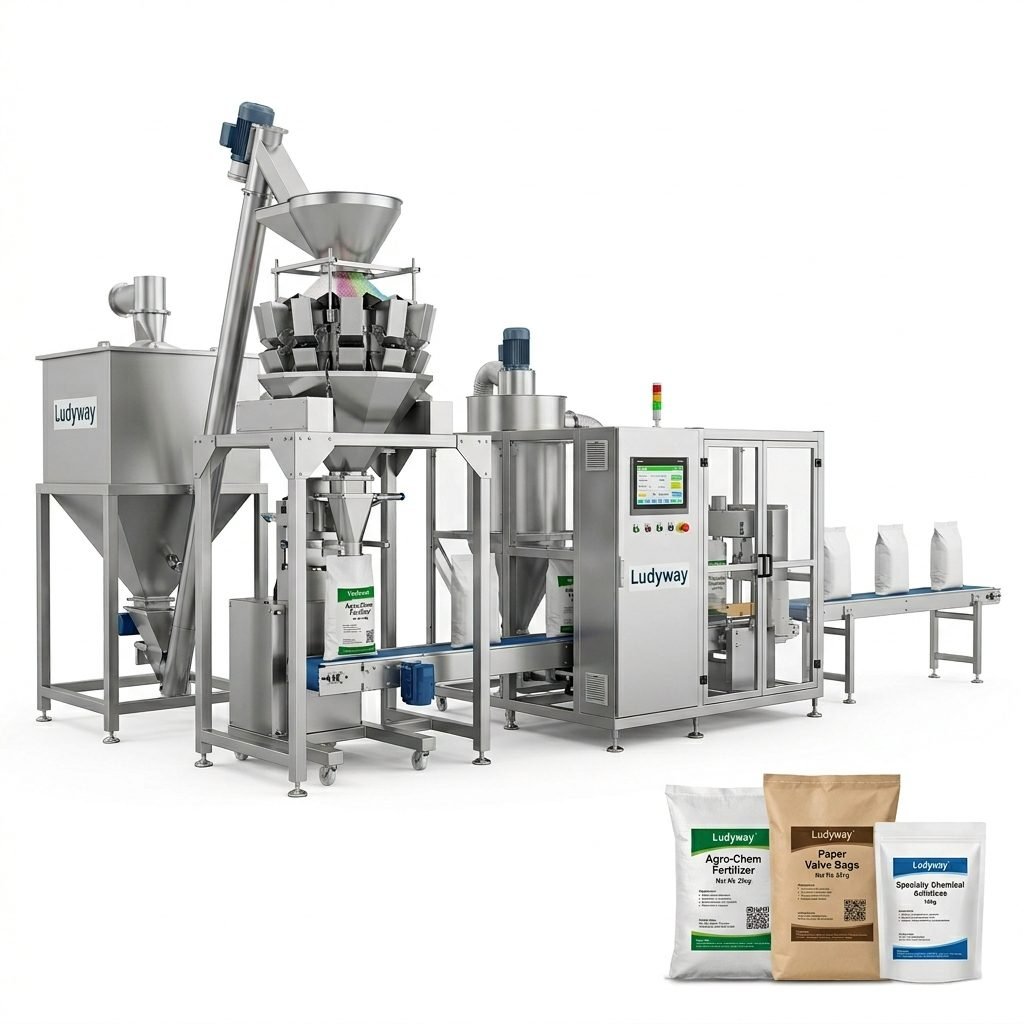
Weighing Scales (Multi-head Weighers): Used for high-accuracy filling of snack foods, vegetables, or irregular items. Multiple weigh buckets combine to achieve a target weight rapidly.
3. The Sealing and Cutting System
This creates the hermetic seal that protects the product and defines the individual packages.
Heating Elements & Jaw Assemblies: Heated bars (jaws) press against the film to melt the inner polymer layer, creating a seal. Temperature control is critical for seal strength without burning.
Cutting Mechanisms: Can be hot knives (which seal and cut simultaneously) or cold perforation blades. Rotary cutters are common in high-speed sachet packaging machines for clean, continuous separation.
Ancillary and Support Components
These parts support core functions and enhance system capability.
Hoppers and Silos: Store bulk product before dosing. They may include agitators to prevent bridging (especially in powders) and ensure consistent flow.
Conveyors and Elevators: Transport raw materials to the hopper or move finished packages to collection points or secondary packaging.
Safety Guards and Interlocks: Physical barriers with electrical switches that halt the machine if opened, protecting operators from moving parts. This is a non-negotiable safety component.
Selecting the Right Components for Your Application
Choosing components isn’t generic; it depends on your specific product and goals.
Product Characteristics: Abrasive powders demand hardened augers and sleeves. Oily products might require specialized seal jaw coatings. The nature of your product dictates material choices.
Production Speed & Accuracy: High-speed lines (e.g., for stick packs) require robust servo drives and high-response sensors. Pharmaceutical applications prioritize ultra-precise dosing systems.
Packaging Material: The type of film (e.g., its melting point and layer structure) determines the required sealing temperature and jaw pressure.
Partnering with an experienced provider like Ludyway Machinery can be invaluable. With deep industry knowledge, they help specify components that ensure reliability, efficiency, and seamless integration into your turnkey production line.
Maintenance and Troubleshooting Essentials
Regular care extends machine life and prevents costly stoppages.
Preventive Maintenance Checklist:
✔ Lubrication: Regularly lubricate gears, chains, and bearings as per the manufacturer’s schedule.
✔ Cleaning: Daily removal of product dust and debris from sealing jaws, sensors, and moving parts.
✔ Inspection: Check for wear on pull belts, cutting blades, and augers. Inspect electrical connections for tightness.
✔ Calibration: Periodically verify the accuracy of scales and dosing systems.
Common issues like weak seals often point to dirty or misaligned sealing jaws, while inconsistent fill weight could indicate auger wear or poor hopper agitation. A systematic approach to troubleshooting—starting with the simplest causes—is most effective.
From the robust drive train to the delicate sensor, each component in packaging machinery is a vital link in the chain of production. A thorough understanding of their types, functions, and interactions is fundamental for anyone involved in manufacturing, from operators and technicians to plant managers and procurement specialists. Investing in quality components and proper maintenance not only safeguards your production output but also ensures the consistent quality and safety of the final product that reaches the consumer. As technology advances, these components continue to evolve, offering greater precision, connectivity, and efficiency for the packaging lines of tomorrow.
Frequently Asked Questions (FAQs)
1. What is the most critical component for packaging weight accuracy?
For powders and granules, the auger filler system is paramount. The condition of the auger, its fit within the sleeve, and the stability of the hopper feed directly determine dosing precision. For larger or irregular items, a multi-head weigher is the critical component.
2. How often should key components like sealing jaws or cutting blades be replaced?
There’s no universal interval; it depends on usage, material abrasiveness, and maintenance. Regular inspection is key. Blades or jaws should be replaced when inspection reveals nicks, consistent wear patterns, or an inability to maintain seal quality despite adjustment.
3. Can I upgrade components on my older packaging machine to improve performance?
Often, yes. Common upgrades include retrofitting modern servo motors for better speed control, adding new sensors for enhanced detection, or updating the PLC and HMI for improved usability and data collection. Consult with your machine supplier or a specialist like Ludyway to assess feasibility.
4. What component failures most commonly cause unplanned downtime?
Failures often stem from wear parts in high-stress areas: broken pull belts, worn seals on bearings leading to contamination, and heater burnout in sealing jaws. Implementing a preventive maintenance schedule focused on these areas is the best defense.
5. Are components standardized across different brands of packaging machinery?
Some common mechanical parts (e.g., standard bearings, gears) may be interchangeable, but many critical components—especially drive systems, control boards, and custom-formed parts—are proprietary. It’s crucial to source replacement parts from your original equipment manufacturer or an authorized partner to ensure compatibility and maintain warranties. For expert advice on component selection and sourcing, reaching out to a professional supplier is recommended.