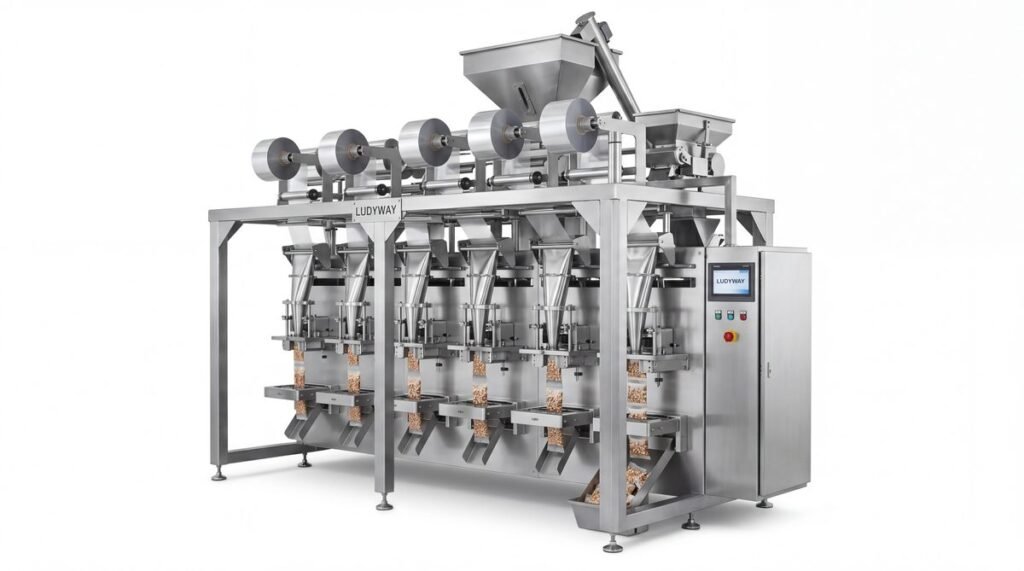
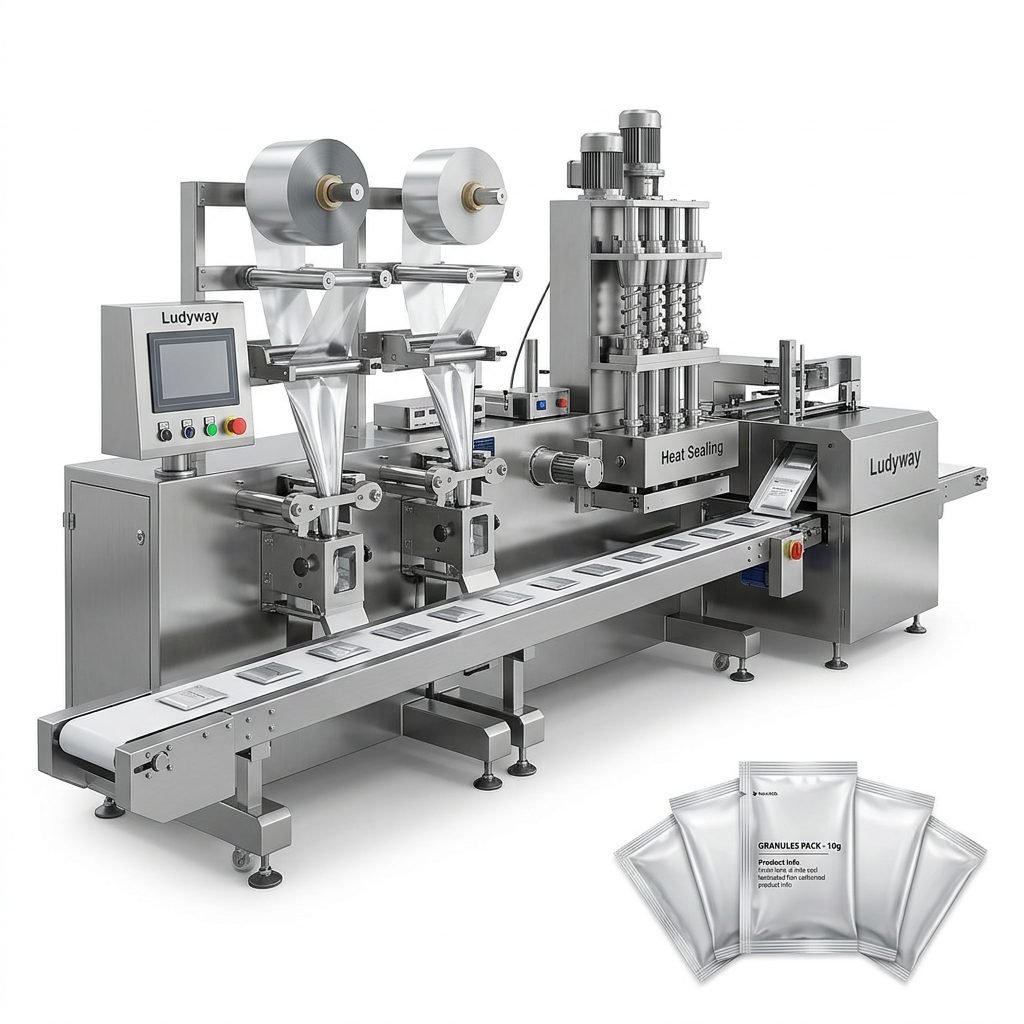
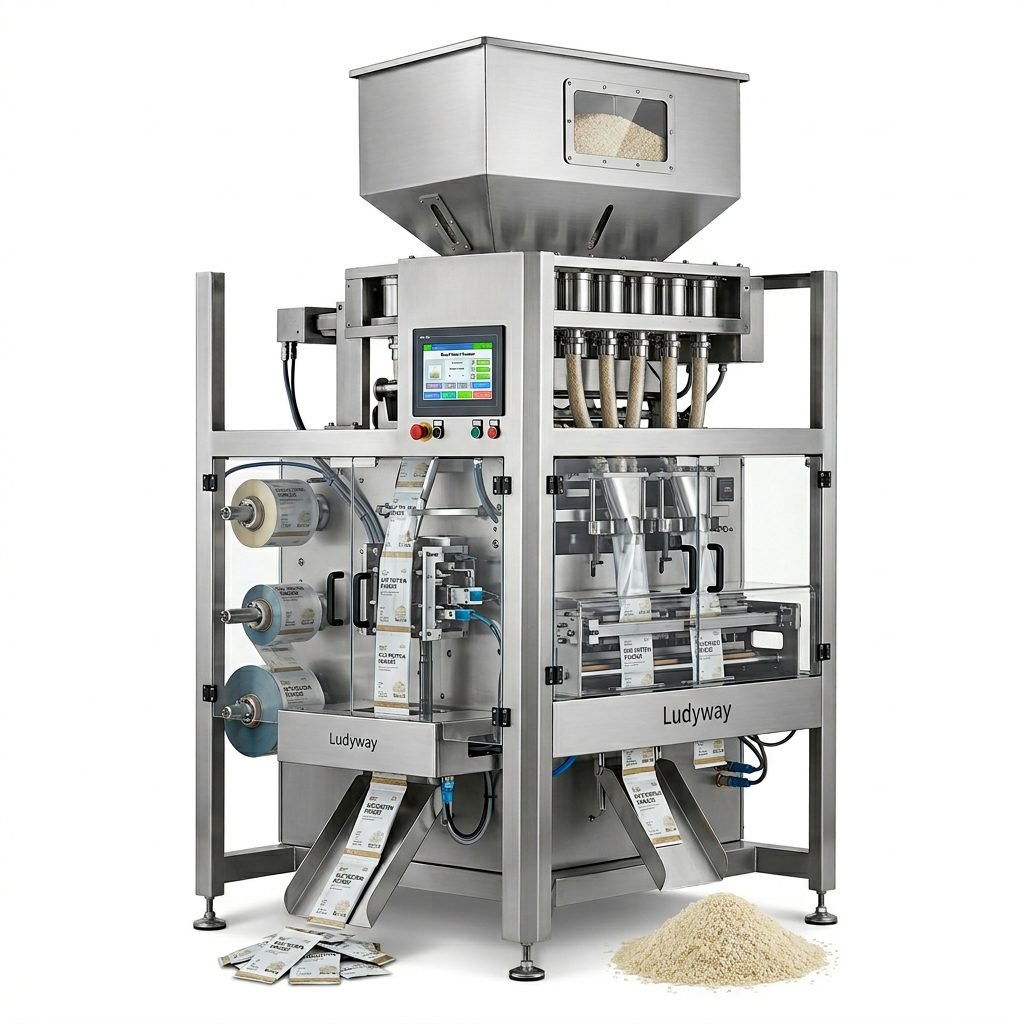
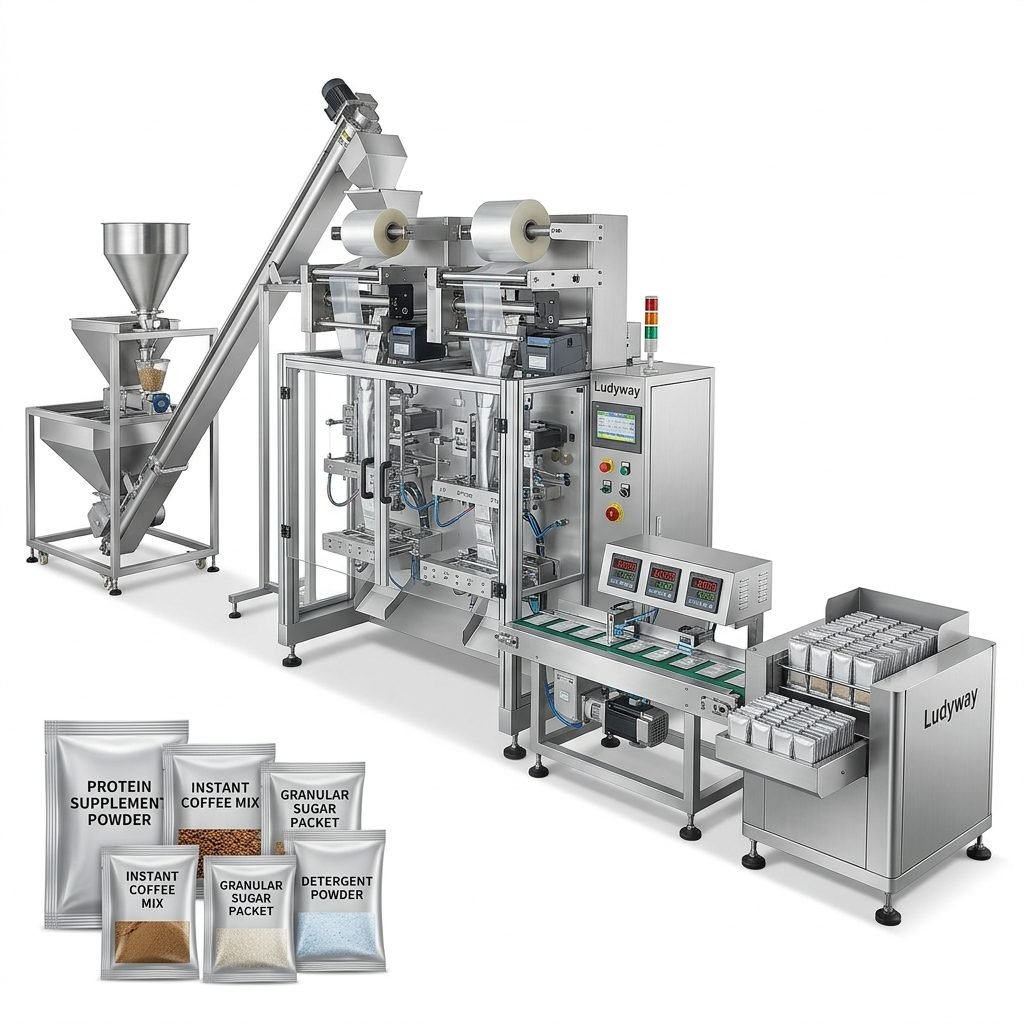
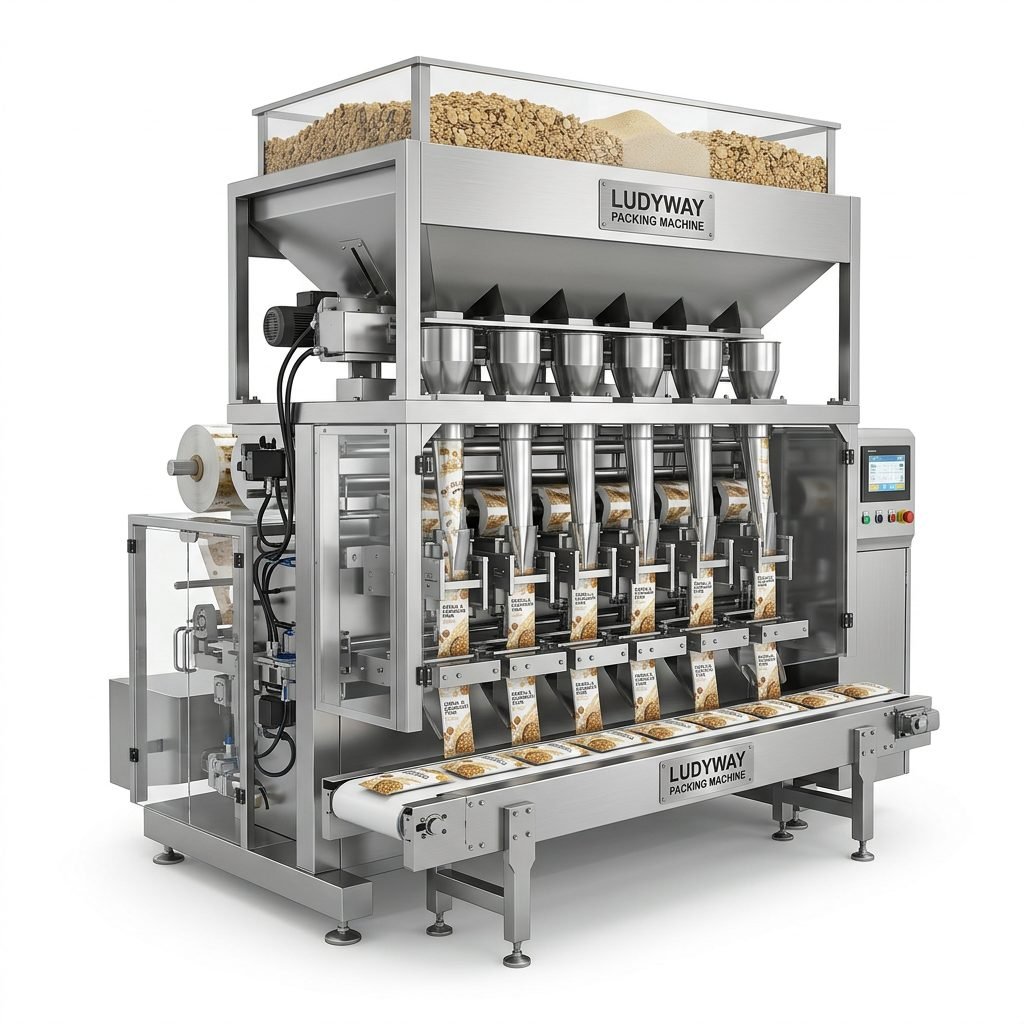
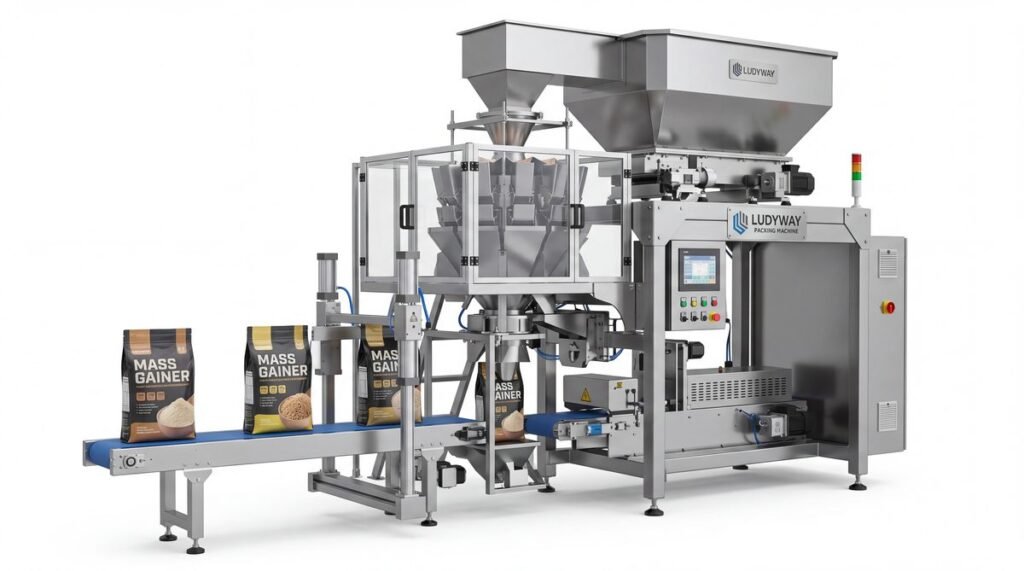
China has firmly established itself as the global epicenter for manufacturing, and the packaging machinery sector is a shining example of its industrial prowess. For businesses worldwide, sourcing from top packaging machinery manufacturers in China offers an unparalleled combination of advanced technology, cost-effectiveness, and scalable production capacity. However, navigating this vast market to find the right partner requires careful consideration and strategic evaluation.
The Landscape of China’s Packaging Machinery Industry
The Chinese packaging machinery industry is characterized by its immense scale and rapid innovation. Clusters of specialized manufacturers are concentrated in industrial hubs like Guangdong, Jiangsu, and Zhejiang provinces. These regions benefit from complete supply chains, from raw materials and precision components to skilled engineering talent. The market offers everything from high-speed, fully automated turnkey lines for multinational corporations to robust, value-oriented machines for small and medium enterprises (SMEs).
Key Industry Insight: Modern Chinese manufacturers are no longer just competing on price. The leading players invest heavily in R&D, integrating IoT for smart monitoring, adopting servo-driven technology for precision, and designing machinery that meets stringent international standards for hygiene and safety, particularly for food and pharmaceutical applications.
Core Strengths of Leading Manufacturers
Understanding what sets the top-tier suppliers apart is the first step in the selection process. Here are the hallmarks of industry leaders:
1. Engineering Expertise & Customization
The best manufacturers possess deep application knowledge. They don’t just sell machines; they provide packaging solutions. This involves analyzing your product characteristics—be it granules, powder, liquids, or pastes—and your production goals to recommend or custom-build the optimal equipment. Look for suppliers with strong in-house engineering teams capable of modifying standard models to handle unique pouch shapes, special materials, or specific filling requirements.
2. Commitment to Quality & Compliance
Reputable manufacturers adhere to rigorous quality control systems, often certified under ISO 9001. For machinery targeting the European or North American markets, compliance with CE, UL, or other regional safety standards is non-negotiable. The use of quality components from recognized international brands in critical areas (like PLCs, servos, and sensors) is a strong indicator of a machine’s reliability and longevity.
3. Comprehensive After-Sales Support
The true test of a supplier begins after installation. Top manufacturers offer a global support network featuring:
- Remote Diagnostics: Modern machines with IoT capabilities allow engineers to troubleshoot issues online, minimizing downtime.
- Local Agent Networks: Presence of trained technicians or partners in key markets for faster on-ground service.
- Readily Available Spare Parts: A well-managed inventory of wear parts and critical components ensures maintenance doesn’t halt your production.
How to Choose the Right Supplier: A Step-by-Step Guide
Selecting a machinery partner is a significant investment. Follow this structured approach to make an informed decision.
Step 1: Define Your Requirements Precisely
Before contacting any supplier, crystallize your needs. Create a detailed specification sheet covering:
Product Details: Type (e.g., instant coffee, shampoo), viscosity, granular size, sensitivity to moisture/oxygen.
Packaging Specifications: Desired bag type (stand-up pouch, stick pack, sachet), material structure, dimensions.
Production Capacity: Required speed (packs per minute) and daily output.
Site Conditions: Available factory space, power supply, and level of automation needed.
Step 2: Conduct Thorough Supplier Screening
Use B2B platforms, industry exhibitions, and referrals to create a longlist. Then, vet them based on:
● Company History & Stability: Prefer suppliers with a track record of 10+ years, like Ludyway Machinery, which brings over a decade of focused experience. Longevity often correlates with reliability and accumulated technical know-how.
● Technical Capability Assessment: Request detailed machine manuals, CAD layouts, and lists of key components. Ask for case studies or references from clients with similar applications.
● Factory Audit (Virtual or On-Site): This is crucial. A virtual video tour can reveal the manufacturer’s scale, production organization, and quality control processes. Observe their workshop cleanliness and assembly discipline.
Step 3: Evaluate Proposals & Communication
A professional supplier will provide a clear, itemized quotation, not just a total price. Scrutinize what’s included: installation, commissioning, training, warranty (typically 12-18 months), and spare parts kits. Pay close attention to their communication responsiveness and the technical depth of their answers. A partner who asks insightful questions about your process is more valuable than one who simply agrees to everything.
Step 4: Negotiate Contract & Plan for Execution
Ensure the contract clearly defines payment terms (e.g., 30% deposit, 60% before shipment, 10% after successful commissioning), delivery timeline, performance guarantees (e.g., speed, accuracy), and penalties for delays. Plan for a pre-shipment inspection (PSI) to verify machine construction and perform a Factory Acceptance Test (FAT) before shipment. Discuss installation support and operator training schedules in detail.
Cultural Consideration: Building Guanxi ()
In Chinese business culture, building a strong, trust-based relationship (Guanxi) is fundamental. It goes beyond the contract. Demonstrating respect, patience, and a commitment to long-term cooperation can significantly smooth negotiations and future collaboration. Regular communication, visits (when possible), and treating your supplier as a strategic partner rather than just a vendor often leads to better service, priority support, and more flexible problem-solving when challenges arise.
Why Partner with a Specialist like Ludyway Machinery?
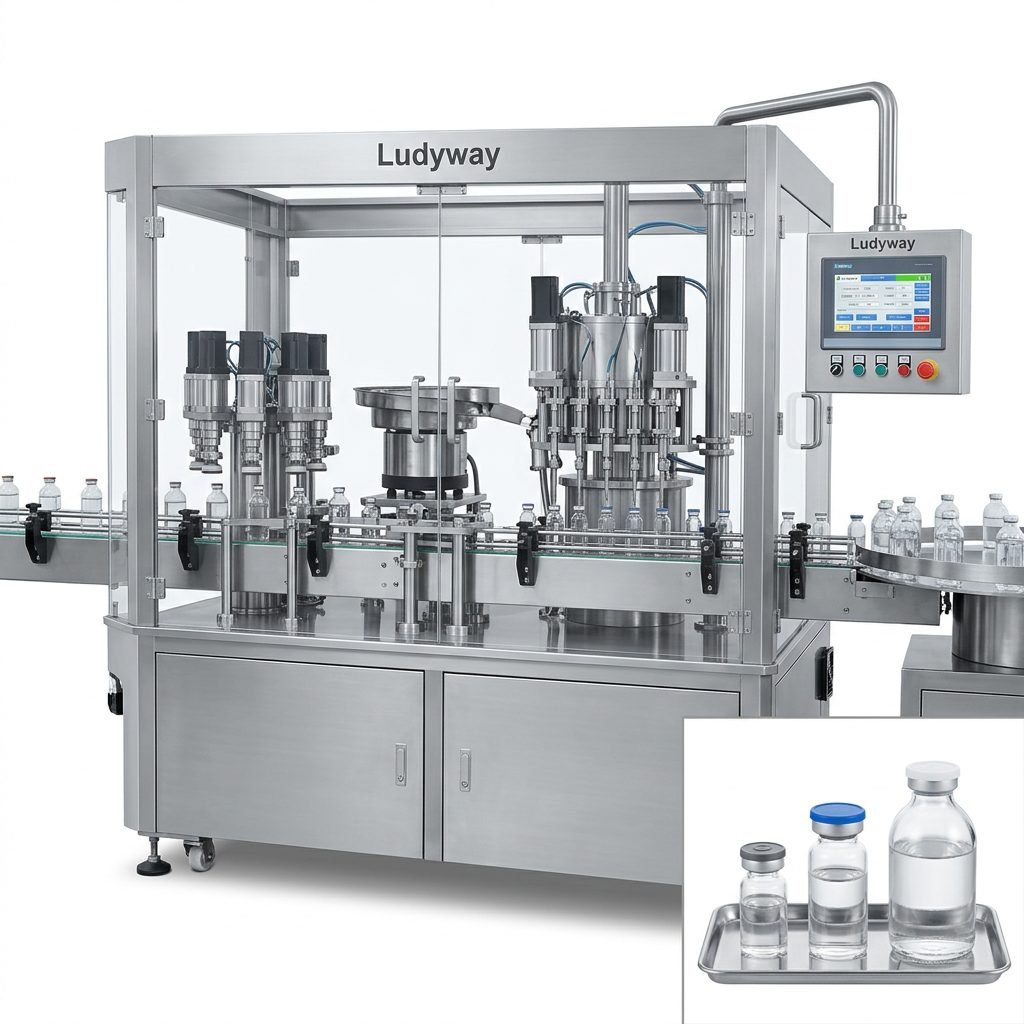
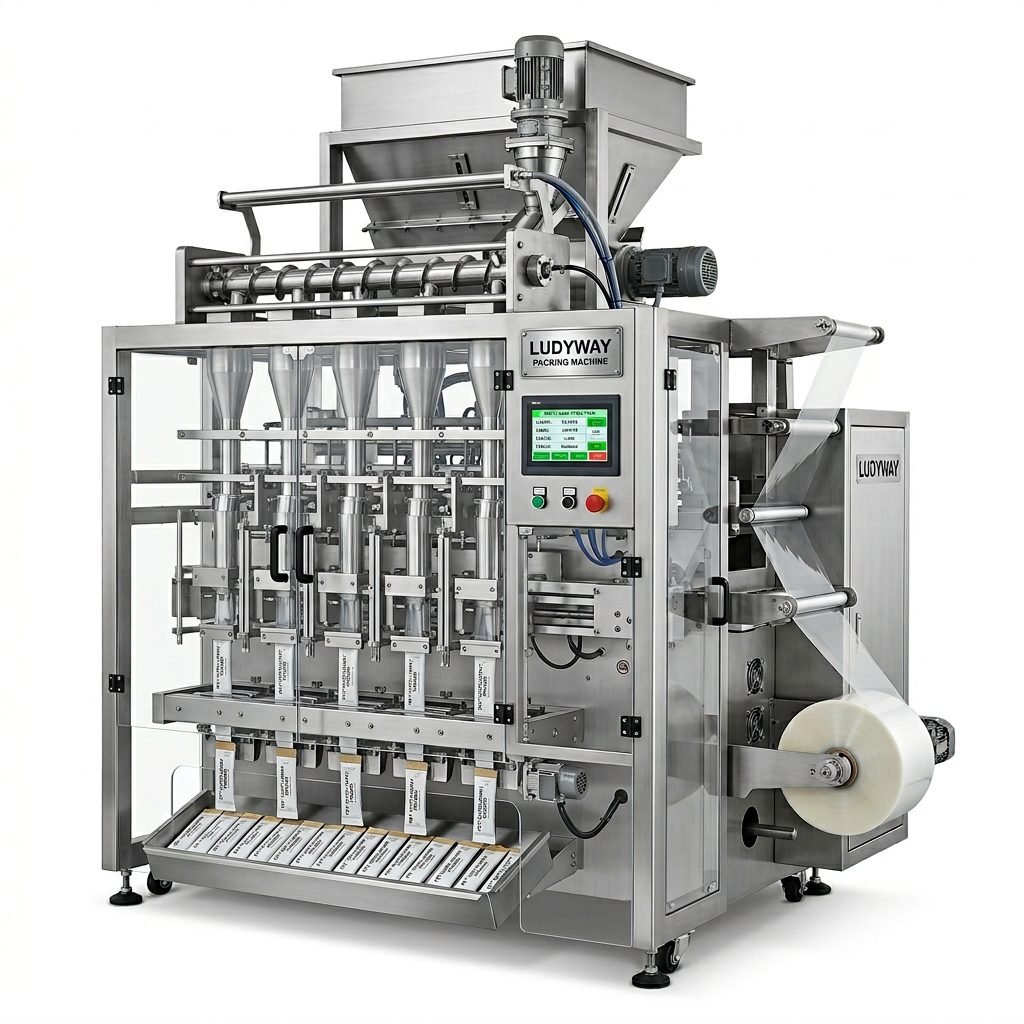
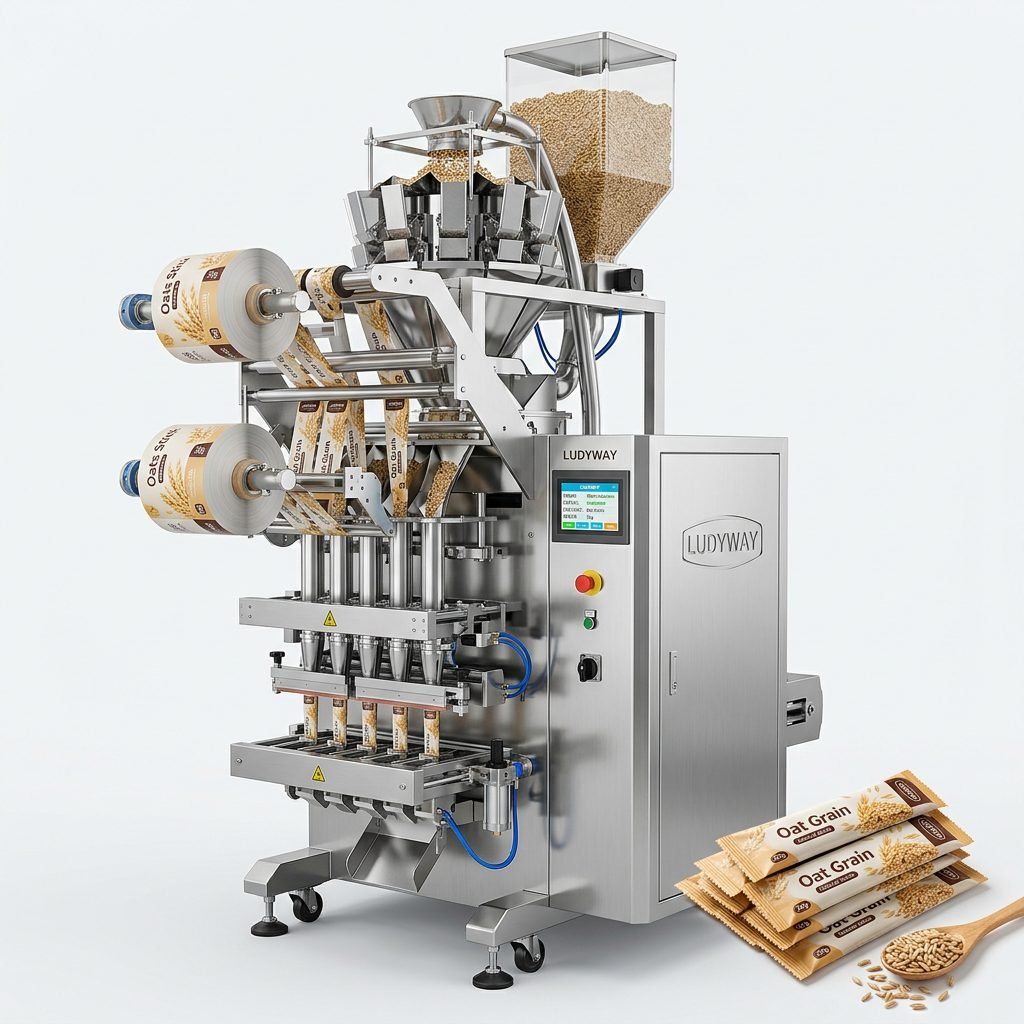
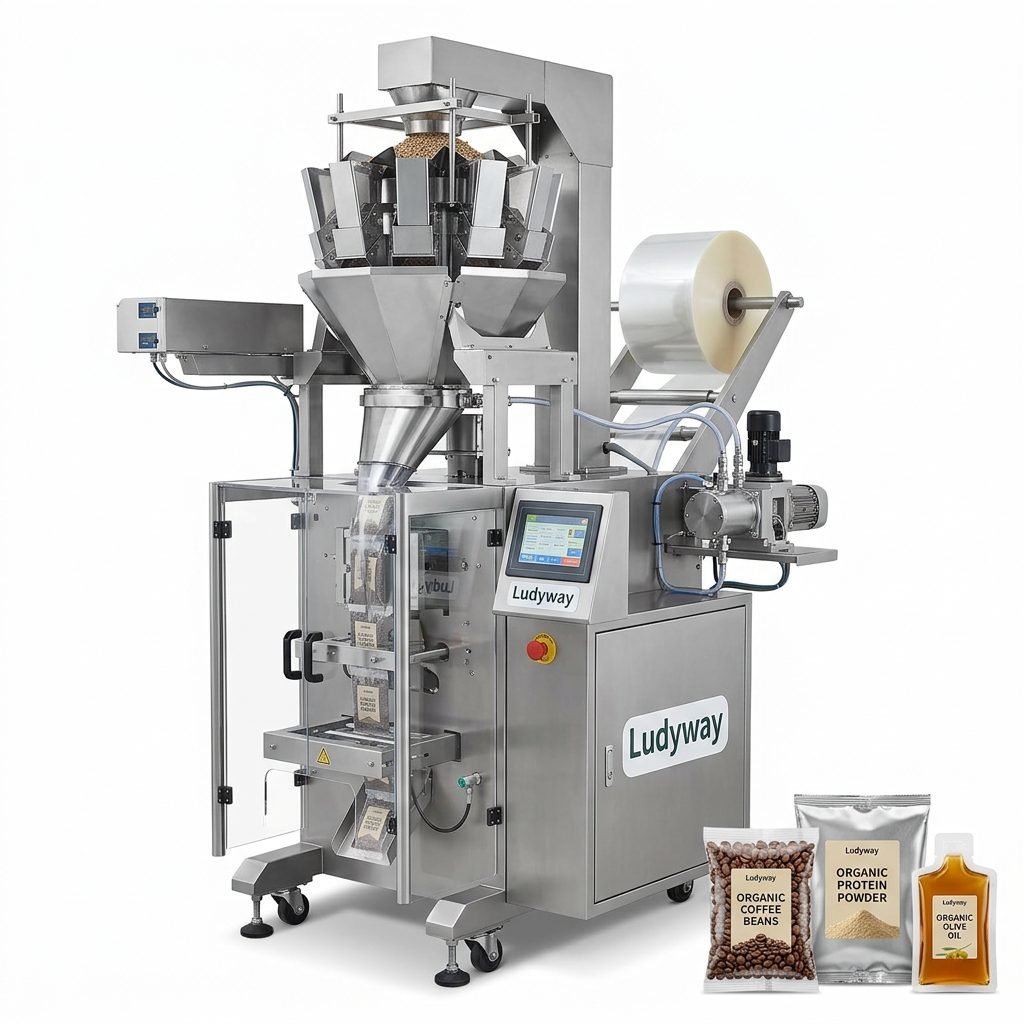
While large, generalist factories exist, partnering with a focused expert often yields better results. A company like Ludyway Machinery, with over 30 years of collective industry experience, exemplifies the specialist approach. Their dedicated focus on sectors like food, pharmaceutical, and health products means their packaging solutions are built with a deep understanding of hygiene protocols, regulatory nuances, and the specific handling characteristics of granules, powders, and liquids. Their portfolio of 50+ intelligent machine models, developed from strong engineering partnerships, allows for tailored solutions rather than a one-size-fits-all approach.
Ultimately, choosing the right packaging machinery manufacturer in China is a strategic decision that impacts your operational efficiency, product quality, and bottom line for years to come. By prioritizing technical expertise, proven quality, and a supplier’s commitment to partnership, you can secure not just a machine, but a cornerstone for your production success.
Frequently Asked Questions (FAQs)
1. What is the typical lead time for packaging machinery from China?
Lead times vary significantly. For standard models, expect 30-60 days after order confirmation. For customized or fully automated turnkey lines, the lead time can range from 90 to 150 days, depending on complexity. Always confirm this in the contract.
2. How can I ensure the machine meets international safety standards?
Explicitly request and verify relevant certifications. For most markets, a CE certificate is essential. For North America, look for UL or NRTL marks. Reputable suppliers will have these certifications for their standard models and can guide you on the process for customized equipment.
3. What are the hidden costs I should budget for?
Beyond the machine price, budget for international shipping and insurance, import duties and taxes in your country, potential costs for local electrical/mechanical modifications, spare parts inventory, and travel expenses for initial installation support if not included.
4. Do Chinese suppliers provide training for our operators?
Yes, professional suppliers typically include basic operator and maintenance training, either at their factory during the FAT, at your site during commissioning, or via video conference. The scope and duration should be detailed in the purchase agreement.
5. What happens if the machine has problems after installation?
A reliable supplier will offer a warranty period (commonly 12-18 months) covering defects in materials and workmanship. Support is usually provided via remote guidance, sending replacement parts, and, if necessary, dispatching a service engineer. The responsiveness and terms of this after-sales service are critical factors to evaluate during supplier selection.