Investing in packaging machinery is a significant decision for any production operation. Whether you’re expanding an existing line or setting up a new facility, the right equipment can dramatically enhance efficiency, reduce waste, and improve your bottom line. This comprehensive sales guide is designed to walk you through the critical steps of selecting, pricing, and ultimately maximizing the return on investment (ROI) for your packaging machinery purchase. We’ll cover everything from initial needs assessment to long-term performance optimization.
Step 1: Assessing Your Production Needs
Before you even begin looking at machine specifications or price tags, a thorough internal assessment is crucial. This foundational step ensures you invest in a solution that fits your actual operational requirements, not just a generic piece of equipment.
Key Questions to Ask:
→ Product Type & Form: Are you packaging granules, powders, liquids, tablets, or pastes? Each form requires specific dosing and sealing technologies.
→ Production Speed & Volume: What is your current and projected output (e.g., bags/minute, packs/shift)? This determines the required machine speed and durability.
→ Packaging Materials: What type of film or laminate will you use? The machine must be compatible with your chosen material for a consistent, high-quality seal.
→ Floor Space & Layout: Measure your available space. Consider not just the machine footprint, but also areas needed for material feeding, operator access, and maintenance.
→ Changeover Frequency: How often will you switch between different products or package sizes? Quick-change features can drastically reduce downtime.
Step 2: Navigating the Selection Process
With a clear understanding of your needs, you can now effectively evaluate different types of packaging machinery. The market offers a wide range, from single-function machines to fully integrated, automated lines.
Types of Common Packaging Machinery
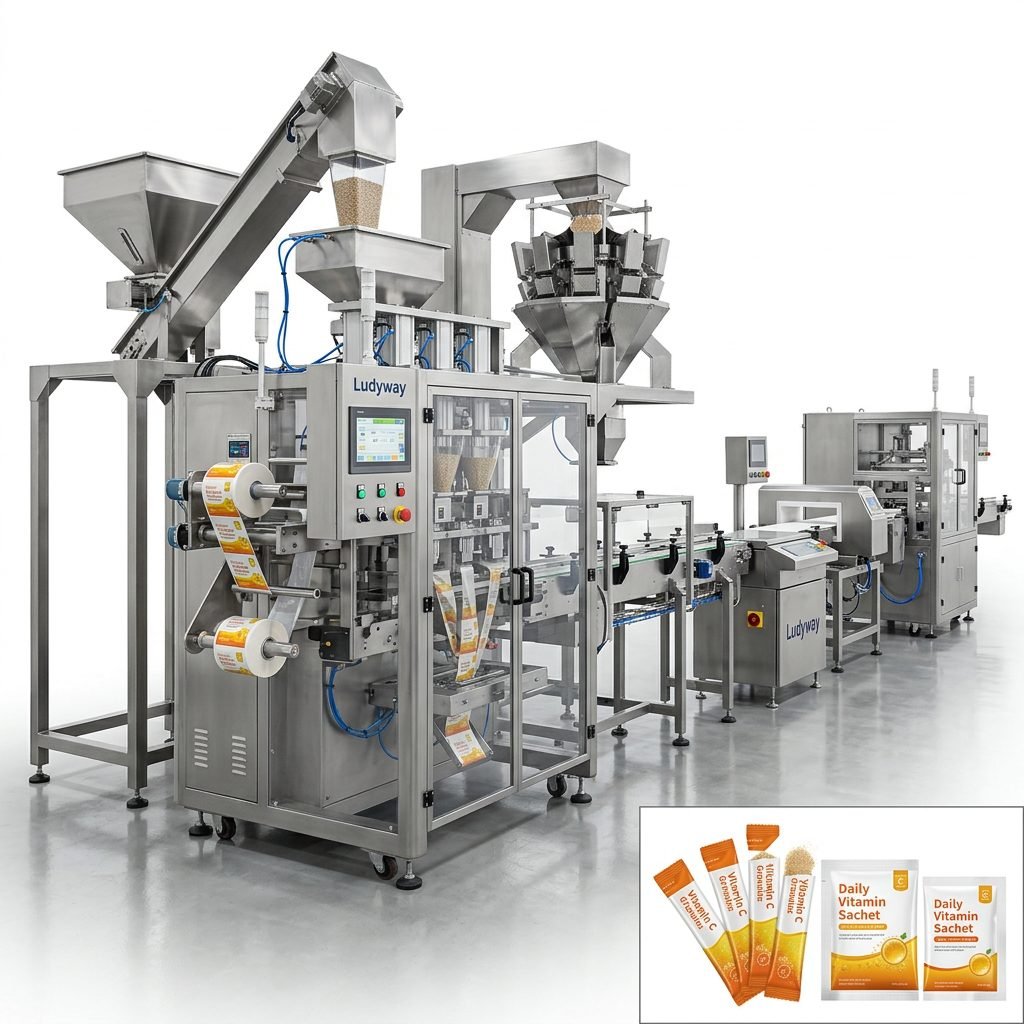
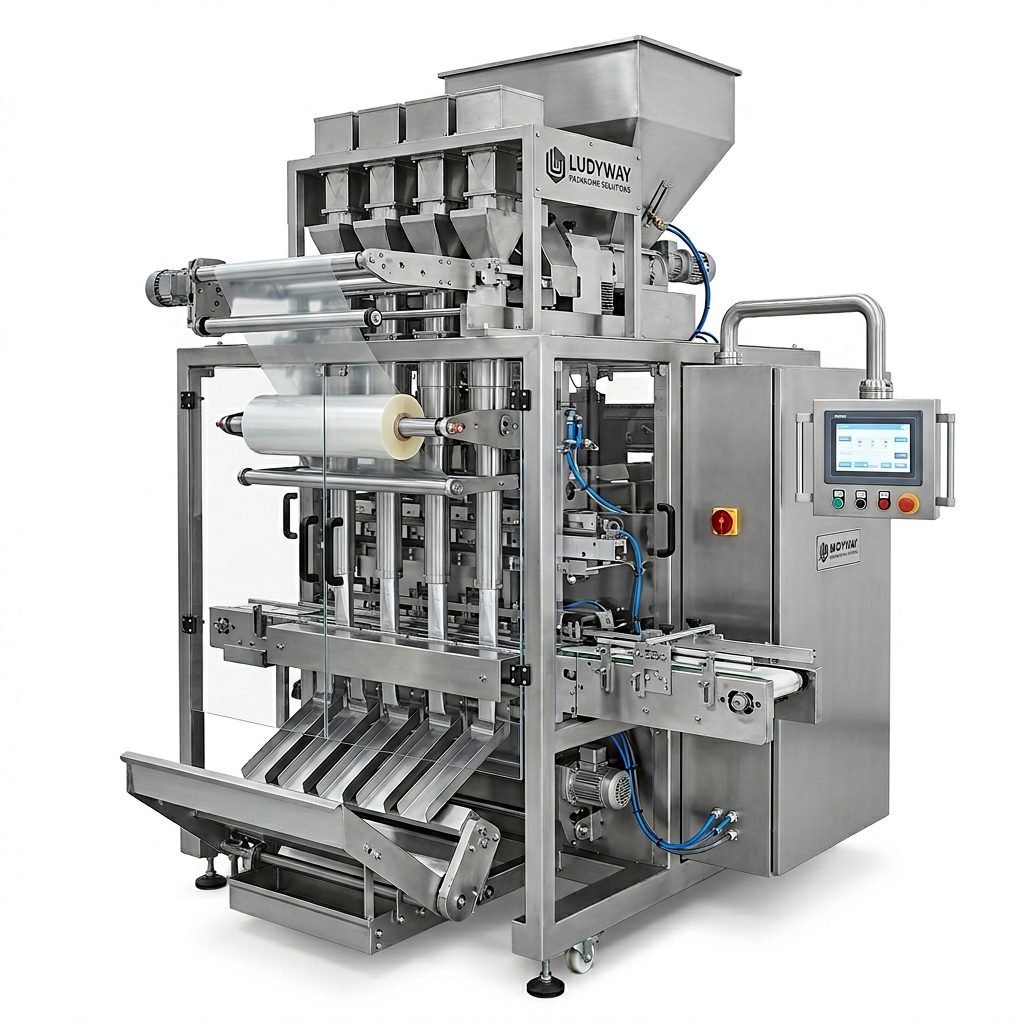
Vertical Form-Fill-Seal (VFFS) Machines: Ideal for granular, powdered, and liquid products. They form the bag from a roll of film, fill it, and seal it in one continuous process. Highly versatile for various bag styles.
Horizontal Flow Wrappers: Perfect for bundling multiple items (like snack bars or biscuits) into a single package. Excellent for high-speed applications.
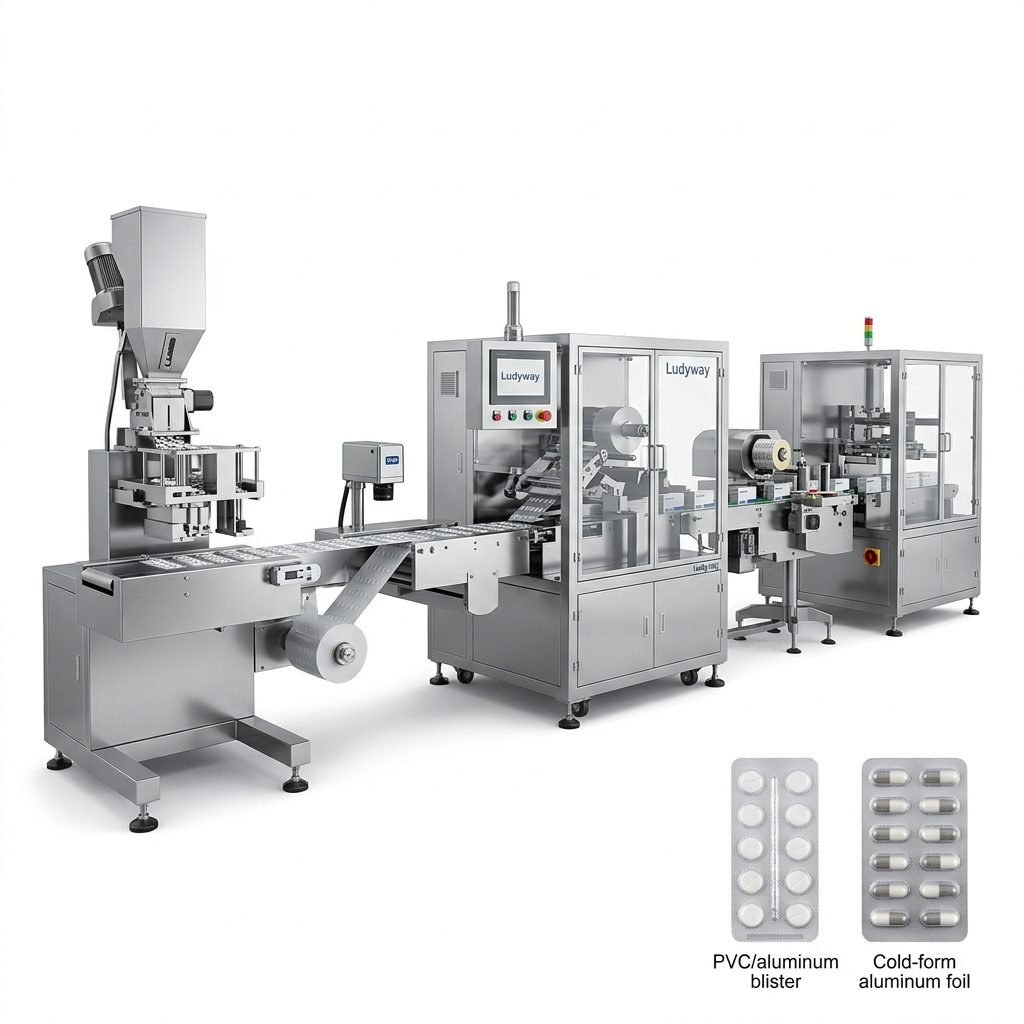
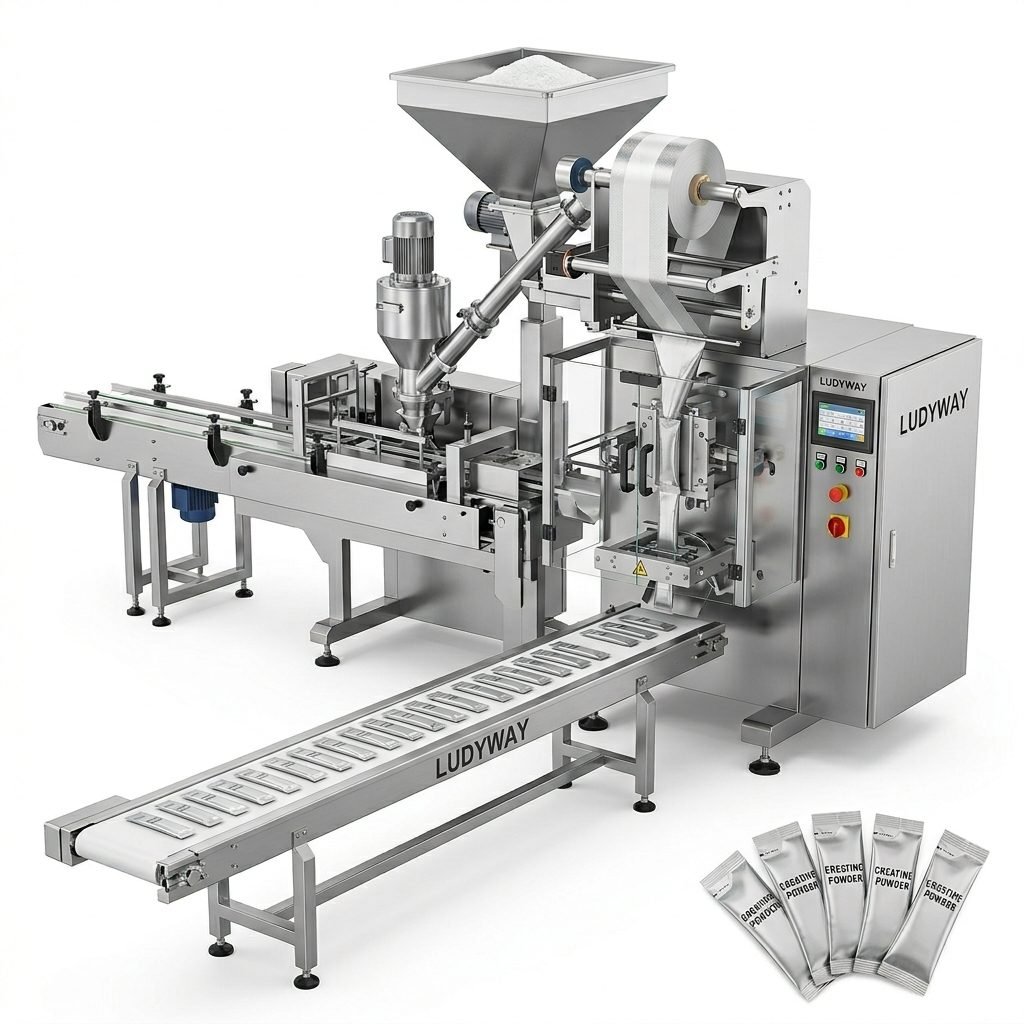
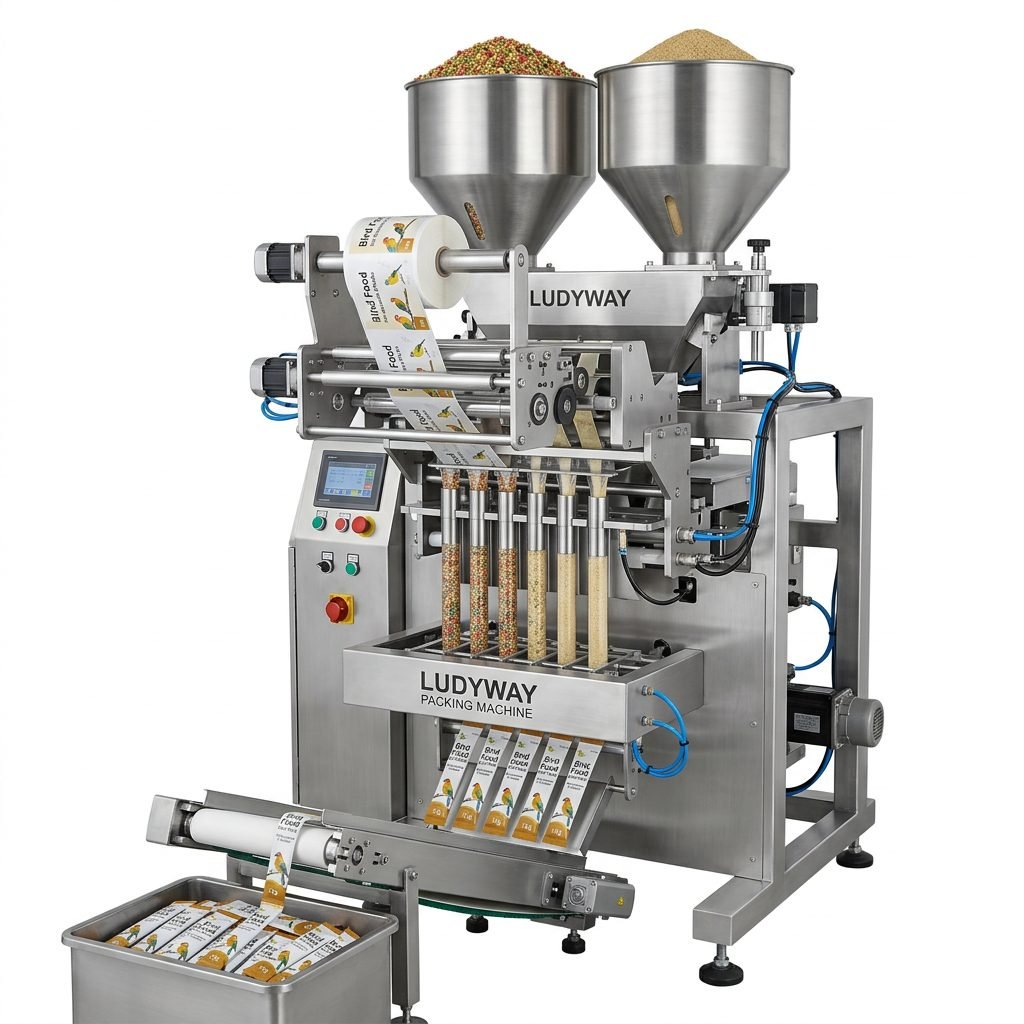
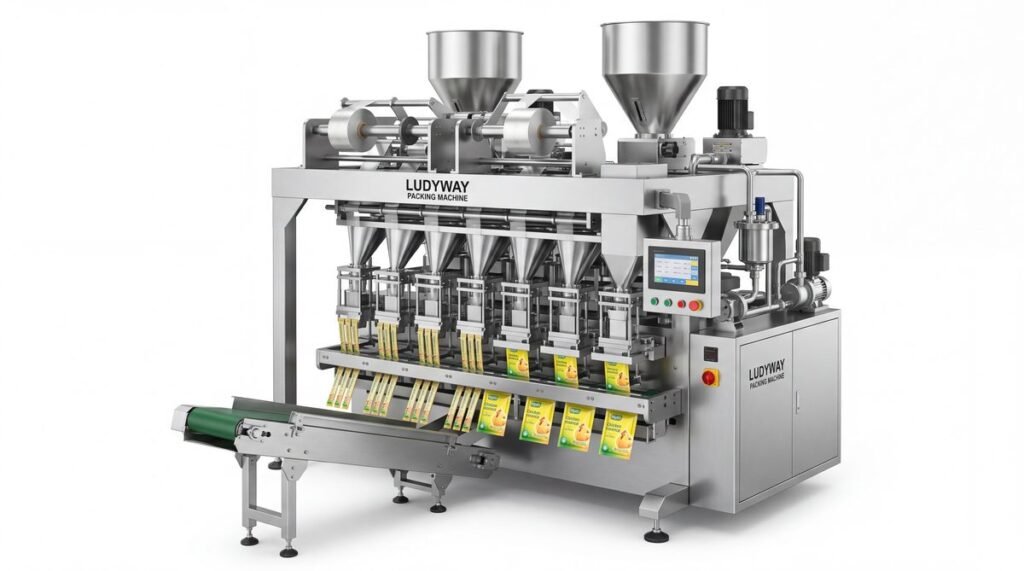
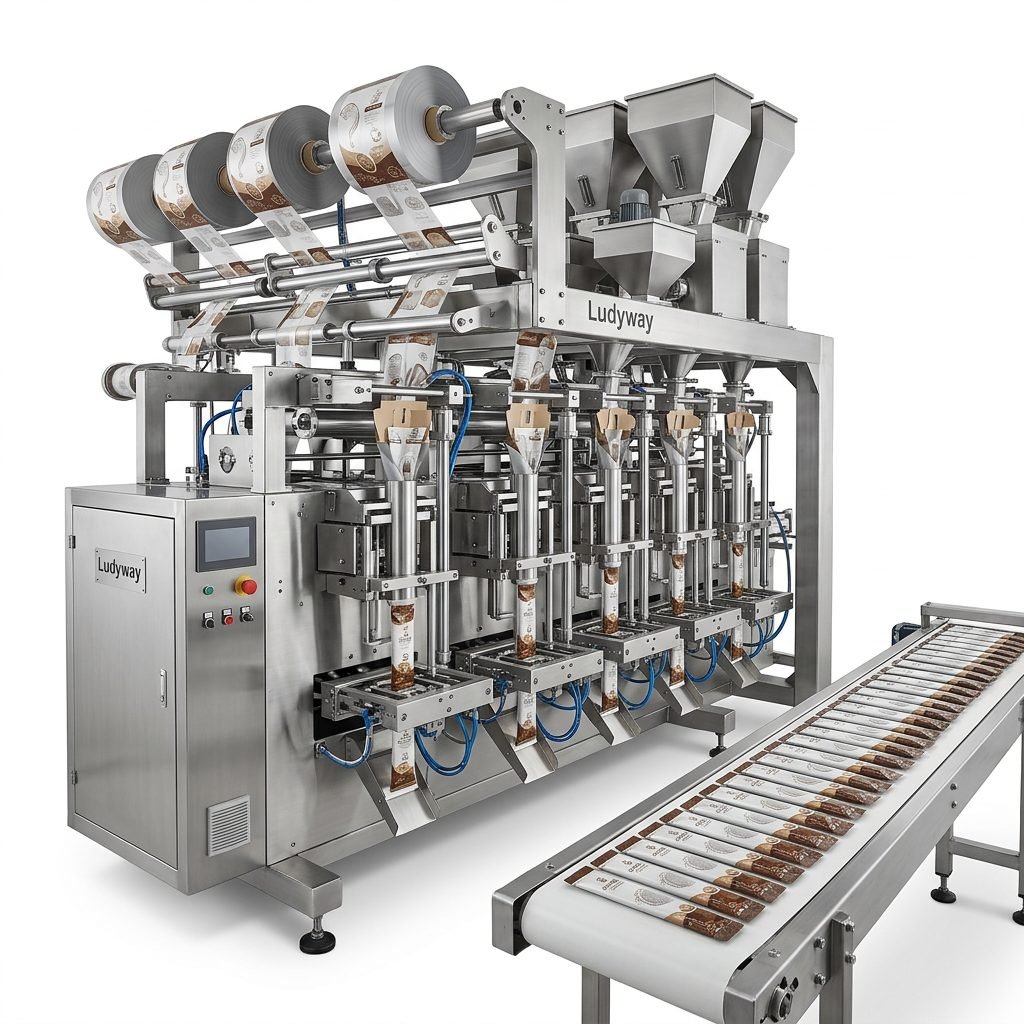
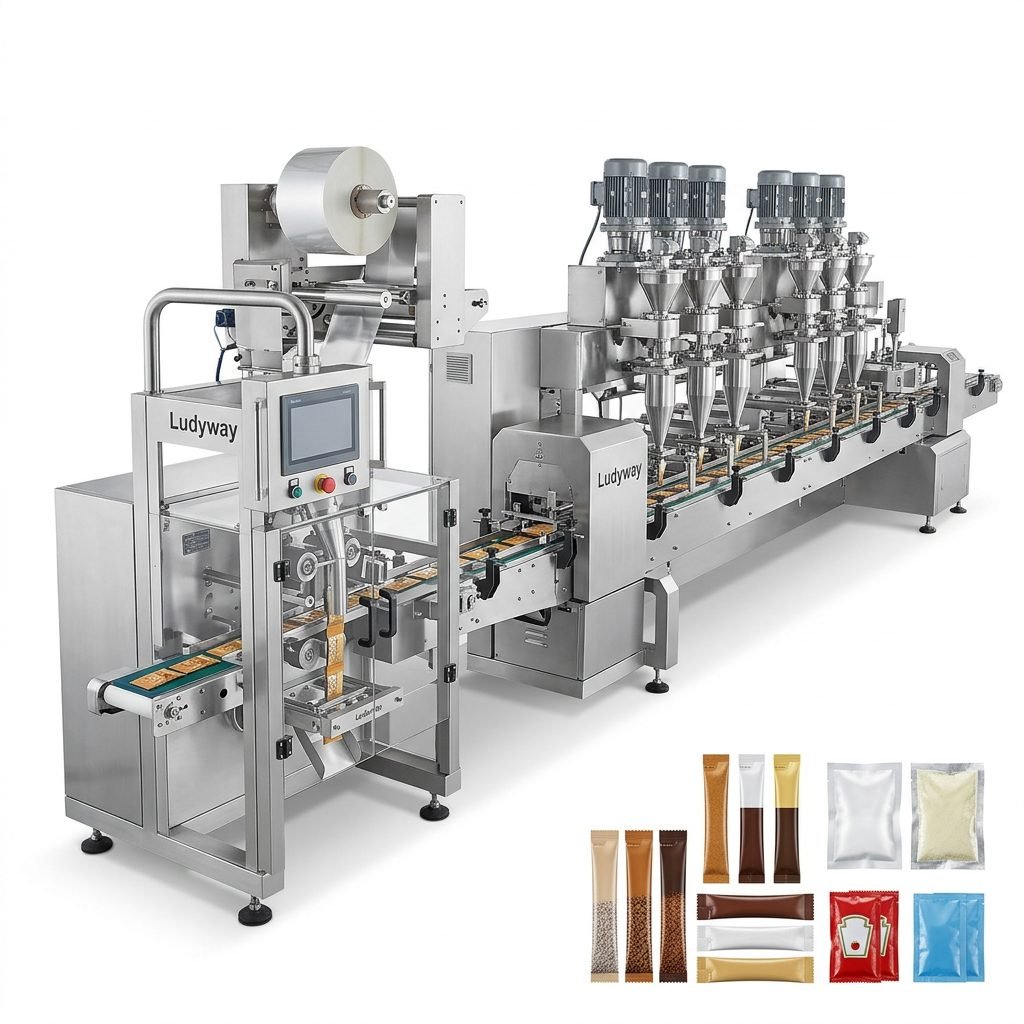
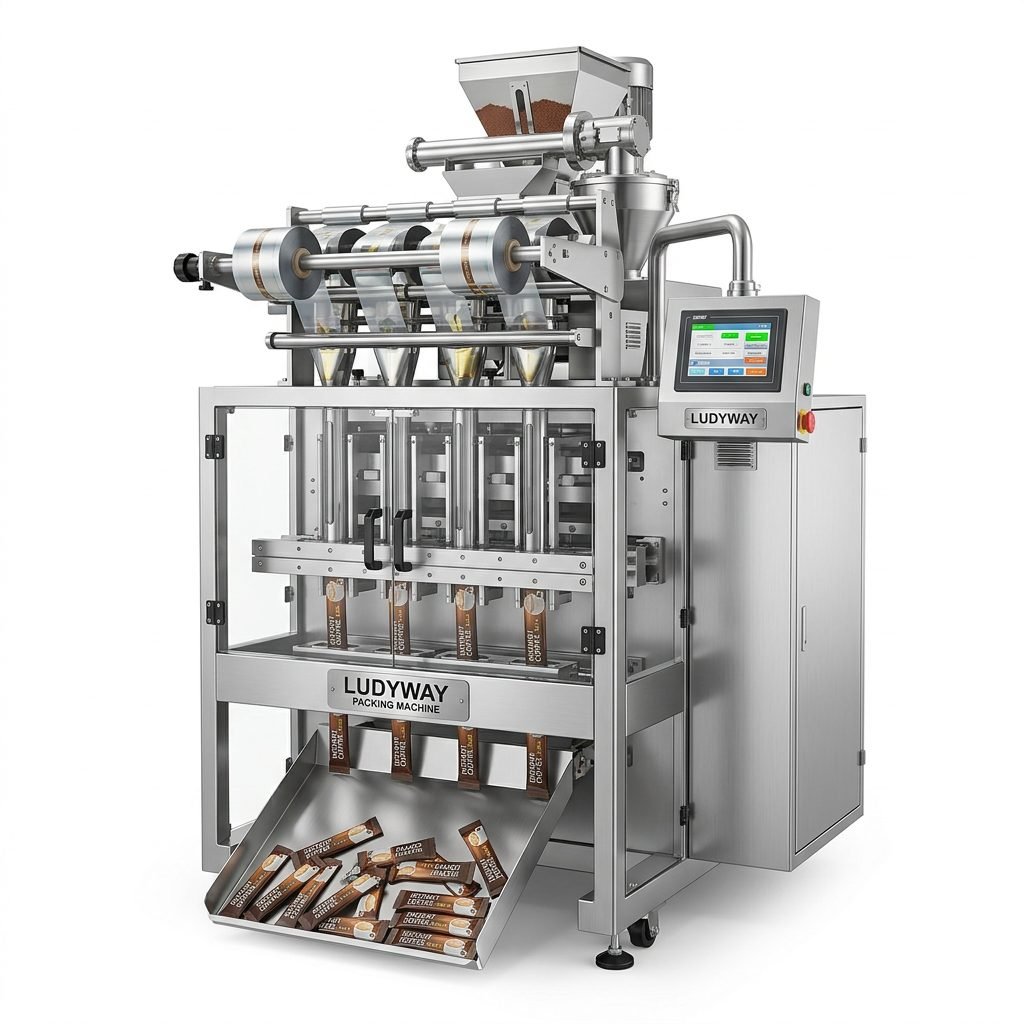
Sachet & Stick Pack Machines: Designed for single-dose or sample-sized packaging of powders, liquids, and granules. Often feature multi-lane designs for very high output.
Auger Filling Systems: Provide highly accurate volumetric filling for powders and granules. Essential for products where precise weight control is critical.
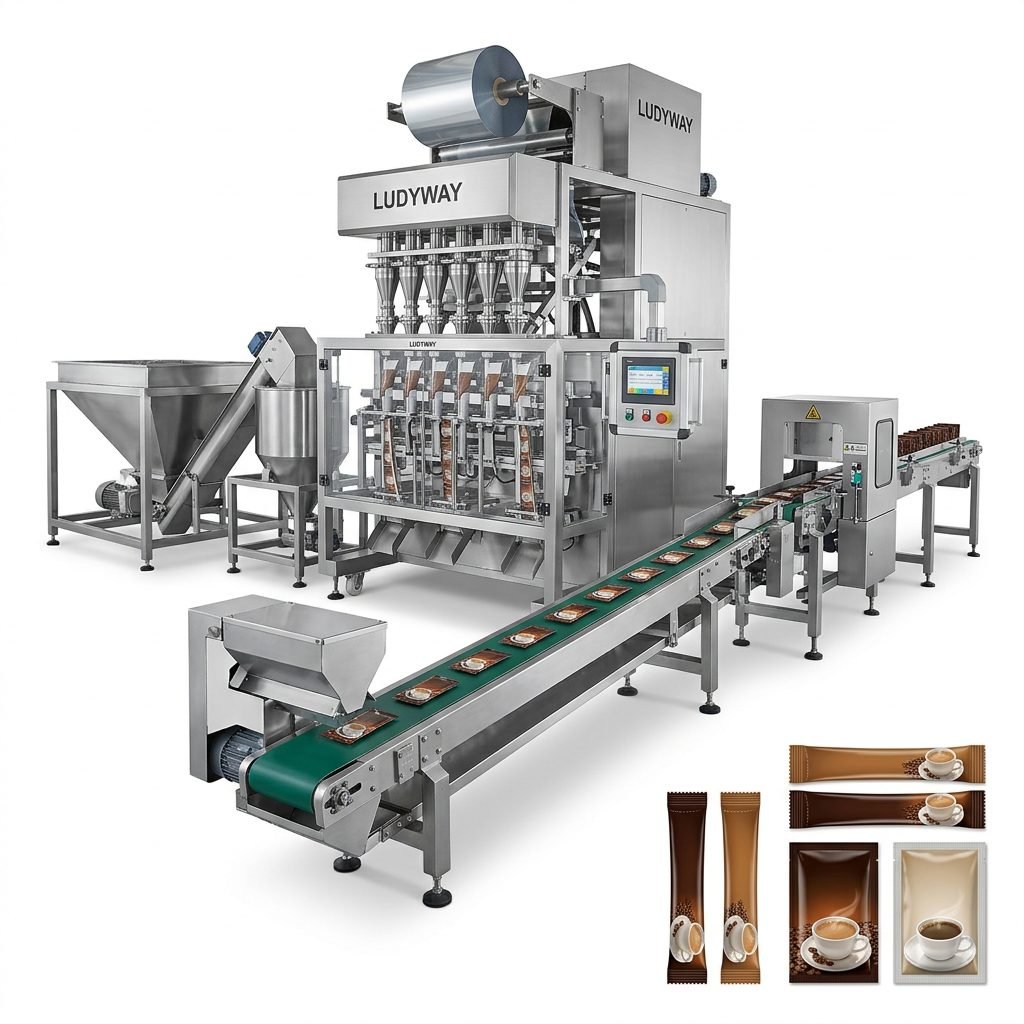
Turnkey Production Lines: These are complete, integrated systems that may include multiple machines (e.g., filler, capper, labeler, cartoner) synchronized for end-to-end automation.
Critical Technical Factors
Accuracy & Consistency: Look for machines with precision dosing systems (like servo-driven augers or pumps) to minimize product giveaway and ensure compliance.
Machine Construction & Durability: Stainless steel contact parts are standard for hygiene. A robust frame and high-quality components ensure longevity and reduce maintenance.
Automation & Control Level: Modern machines with PLC controls and HMI touchscreens offer recipe storage, production data tracking, and easier troubleshooting.
Hygiene & Cleanability: Machines designed with smooth surfaces, minimal crevices, and easy disassembly are vital for food and pharmaceutical applications.
Choosing a supplier with deep application knowledge, like Ludyway Machinery, can provide access to tailored solutions that perfectly match these technical demands.
Step 3: Understanding Pricing and Total Cost of Ownership
The purchase price is just one part of the financial equation. A savvy buyer evaluates the Total Cost of Ownership (TCO), which includes all costs associated with the machine over its operational life.
Price Range Factors:
Machine Complexity & Automation: A basic single-head sachet machine costs significantly less than a 16-lane, fully servo-driven stick pack line with integrated checkweigher.
Brand & Origin: Well-established brands with proven reliability often command a premium. The level of local service and support is a key value component.
Customization & Special Features: Modifications for unique products or integration with existing equipment add to the cost but are essential for optimal performance.
Beyond the Sticker Price: Calculating TCO
- Installation & Commissioning: Costs for technician travel, setup, and initial training.
- Operational Costs: Energy consumption, compressed air usage, and required consumables (e.g., sealing jaws, cutting blades).
- Maintenance & Spare Parts: Regular preventive maintenance and the expected cost of wear parts. A machine with a higher upfront cost but lower maintenance needs often has a better TCO.
- Downtime Cost: This is often the largest hidden cost. A reliable machine with quick service access minimizes expensive production stoppages.
Step 4: Strategies to Maximize Your ROI
Your goal is to get the machine paying for itself as quickly as possible. ROI isn’t just about purchase price; it’s about how effectively the machine generates value.
Boost Efficiency & Output
Invest in automation features that reduce labor dependency and increase line speed. For instance, automatic film splicing allows continuous operation, and vision inspection systems reduce manual quality checks. A supplier with a broad portfolio, such as Ludyway’s range of intelligent packaging machines, can help you select features that deliver the highest efficiency gains for your budget.
Reduce Material Waste & Giveaway
Precision filling technology directly saves money by reducing product giveaway. Advanced machines can adjust fill volumes in real-time based on feedback from checkweighers. Optimizing film usage through better bag design and minimal seal widths also cuts material costs.
Enhance Flexibility & Uptime
Quick changeovers are a profit center.
A machine that can switch from one product to another in minutes instead of hours dramatically increases overall equipment effectiveness (OEE). This flexibility allows you to fulfill smaller, customized orders profitably and respond faster to market changes. Ensuring you have access to reliable technical support and spare parts is non-negotiable for maintaining high uptime.
Improve Product Quality & Marketability
Consistent, professional-looking packaging builds brand trust and can justify a higher product price. Features like superior seal integrity extend shelf life and reduce returns, protecting your revenue.
Conclusion and Next Steps
Choosing the right packaging machinery is a strategic investment that impacts your productivity, costs, and product quality for years. By meticulously assessing your needs, understanding the true total cost of ownership, and implementing strategies to maximize efficiency and uptime, you can ensure a strong and rapid return on your investment.
The most successful partnerships are built with suppliers who act as long-term consultants, not just equipment vendors. Look for a partner with proven experience, a commitment to innovation, and a global service mindset to support your growth journey.
Frequently Asked Questions (FAQs)
1. What is the typical lead time for a new packaging machine?
Lead times vary widely based on machine complexity and customization. Standard models may ship in 4-8 weeks, while fully customized turnkey lines can take 3-6 months. Always confirm the detailed project timeline with your supplier during the quotation process.
2. How do I ensure the machine will work with my specific product?
Reputable suppliers offer product testing. You should send samples of your product and packaging material to the manufacturer for a live trial run. This is the best way to verify filling accuracy, seal quality, and operational speed before purchase.
3. What kind of training and after-sales support should I expect?
Comprehensive training for your operators and maintenance staff is essential. Look for suppliers that offer on-site installation, commissioning, and training. Reliable after-sales support includes readily available technical assistance (phone/remote), a clear spare parts supply chain, and optional service contracts.
4. Can I upgrade my existing machine in the future?
Many machines are designed with modularity in mind. Potential upgrades could include adding more filling heads, integrating a new weighing system, or upgrading the control software. Discuss future scalability with your supplier during the initial design phase.
5. What are the most common causes of downtime, and how can I prevent them?
Common issues include film web breaks, minor mechanical jams, and wear on sealing elements. Prevention focuses on a robust preventive maintenance schedule, proper operator training, and using high-quality, recommended packaging materials. Choosing a machine built for durability and easy access for cleaning and maintenance is the first line of defense.