The packaging industry is undergoing a significant transformation, driven by the relentless pursuit of greater production efficiency. For manufacturers across the globe, staying updated with the latest machinery innovations is no longer a luxury but a critical necessity to remain competitive. This article explores the most recent advancements in packaging machinery that are specifically designed to streamline operations, reduce waste, and maximize output.
The Drive for Efficiency in Modern Packaging
In today’s fast-paced market, production efficiency directly impacts profitability and market responsiveness. Modern consumers demand faster delivery times, higher quality, and more sustainable practices, all of which place immense pressure on production lines. The latest generation of packaging machinery addresses these challenges head-on, integrating smart technologies that optimize every step of the process. From reducing changeover times to minimizing material usage, these innovations are reshaping factory floors.
Key Insight: The integration of IoT sensors and real-time data analytics is now a standard feature in advanced packaging systems, allowing for predictive maintenance and instantaneous performance adjustments, drastically reducing unplanned downtime.
Intelligent Automation and Robotics
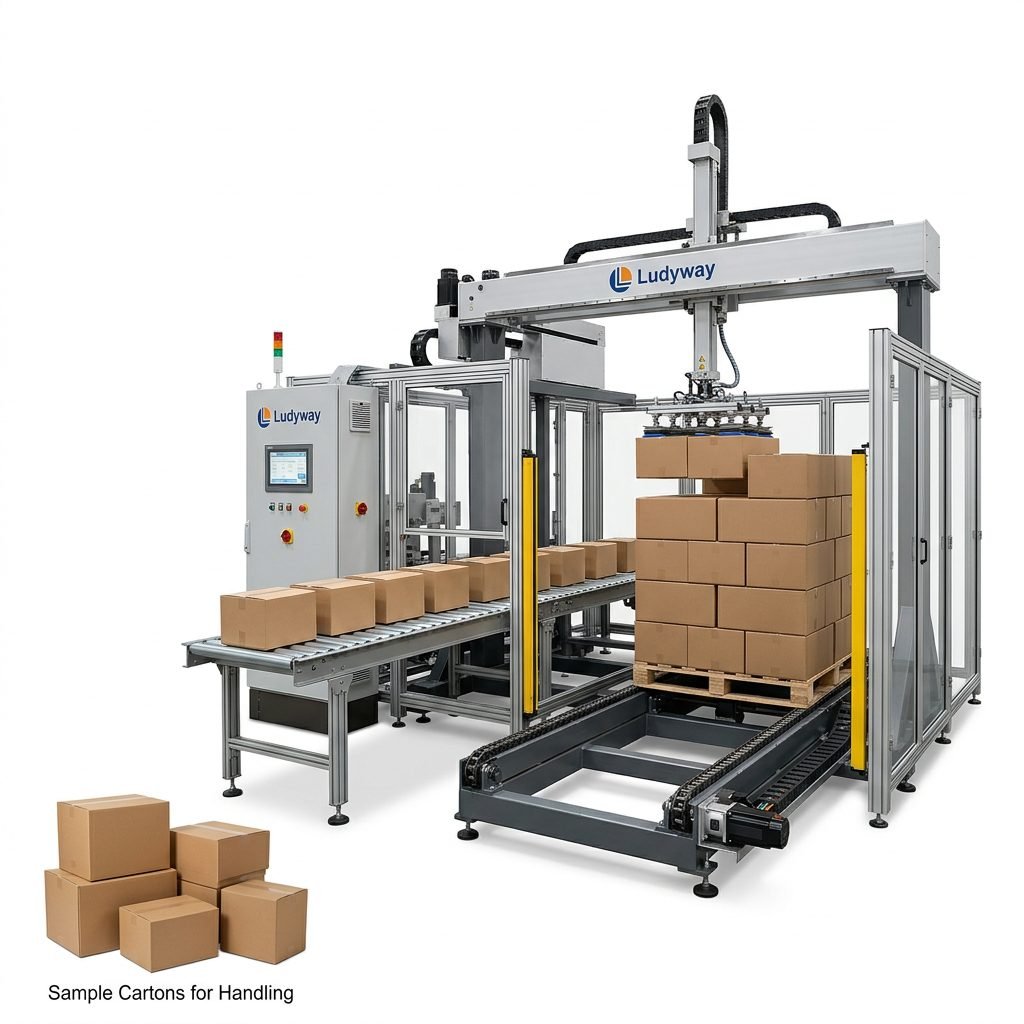
Automation has moved beyond simple repetitive tasks. The latest innovations involve collaborative robots (cobots) that work safely alongside human operators, handling delicate products or performing complex pick-and-place operations with precision. Vision-guided robotic systems can now identify product orientation, check for defects, and ensure perfect placement into packaging at speeds unattainable by human workers. This not only boosts speed but also enhances consistency and quality control.
Advancements in Form-Fill-Seal (FFS) Technology
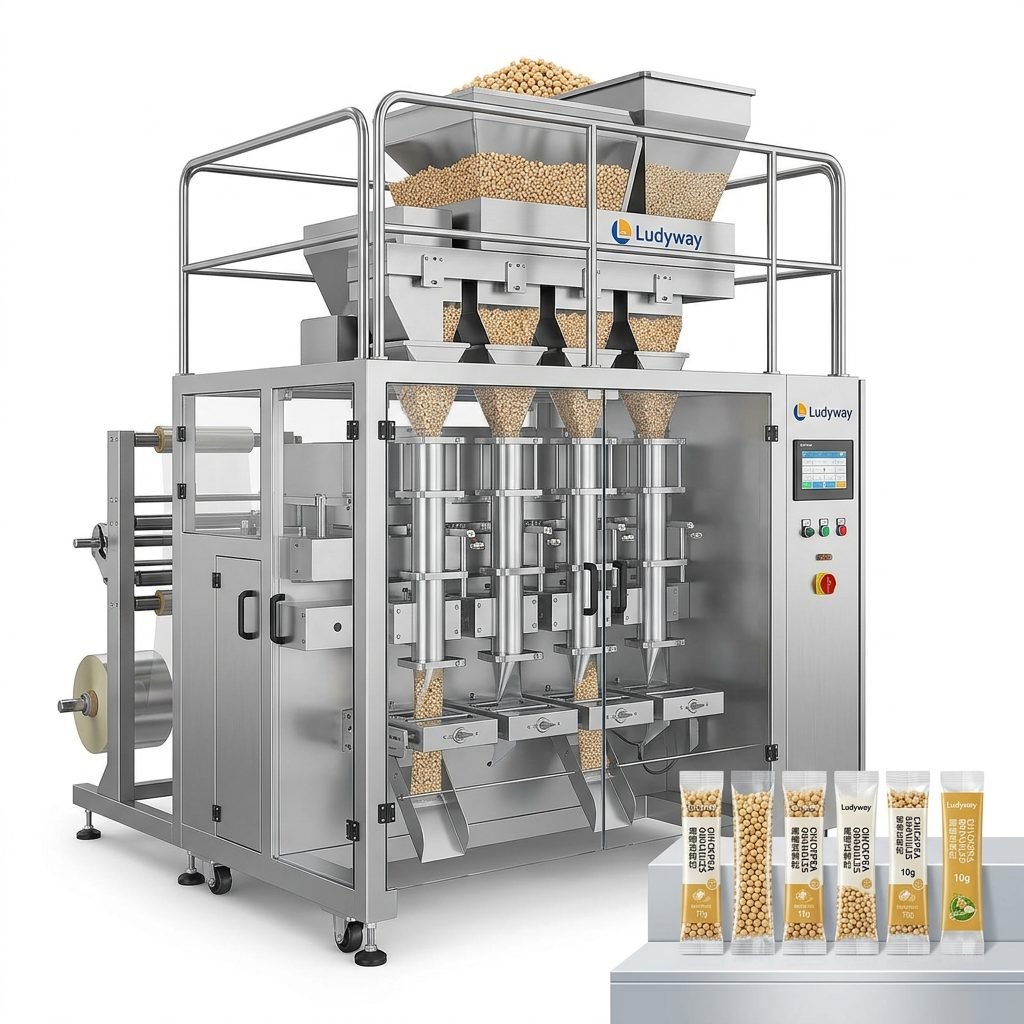
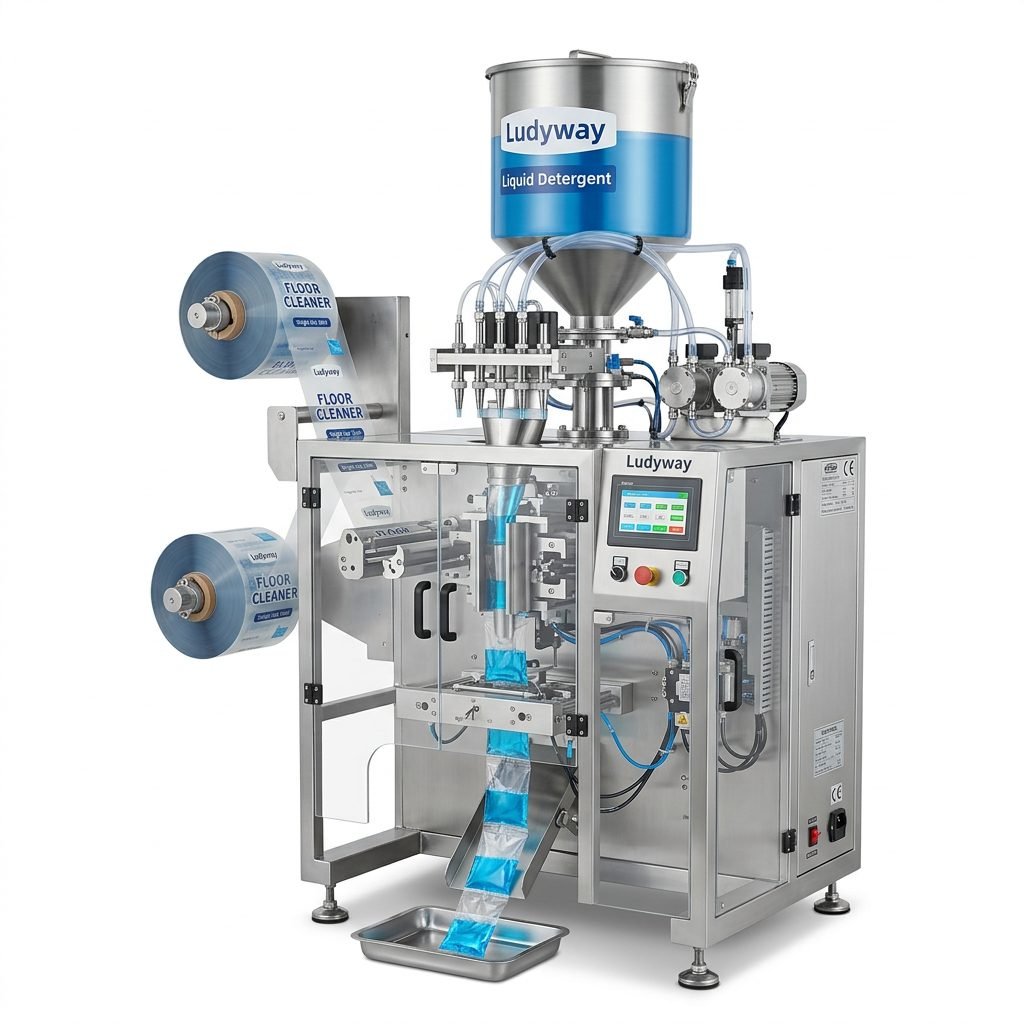
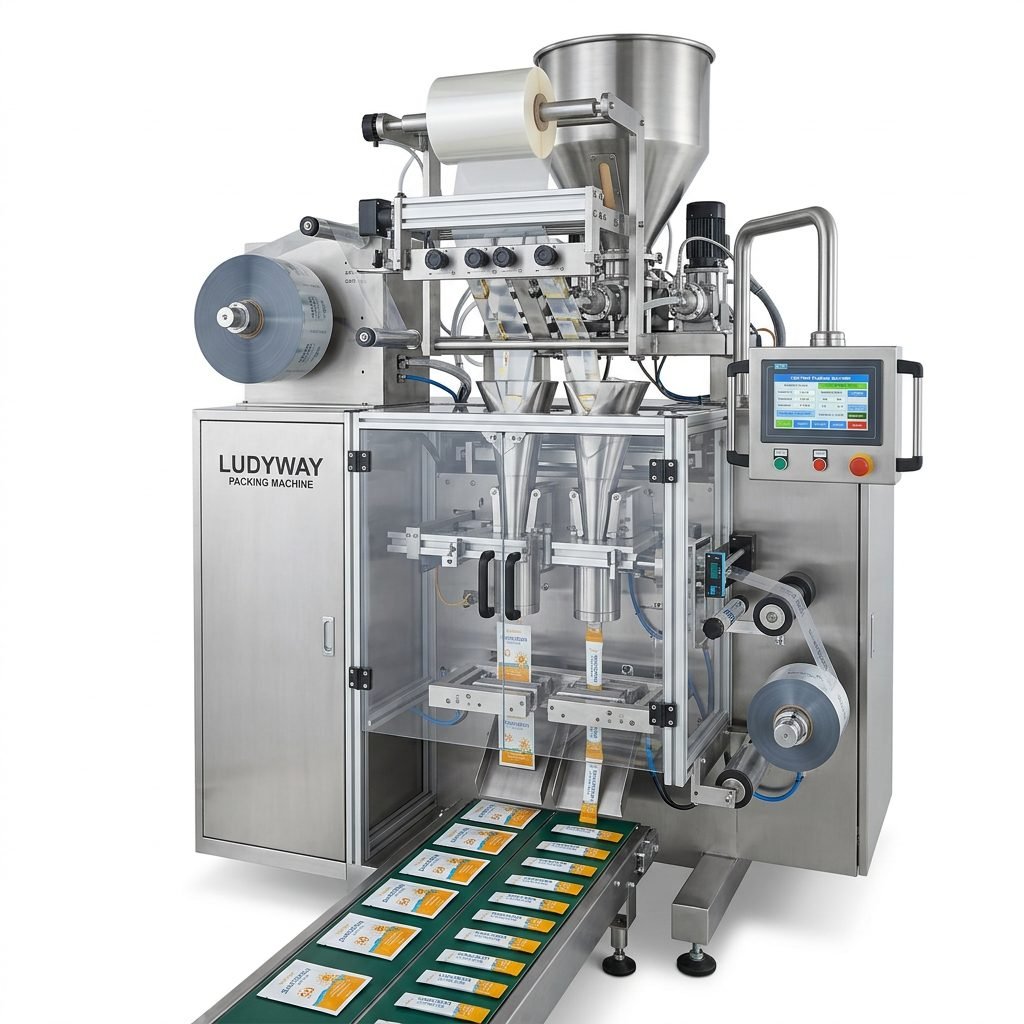
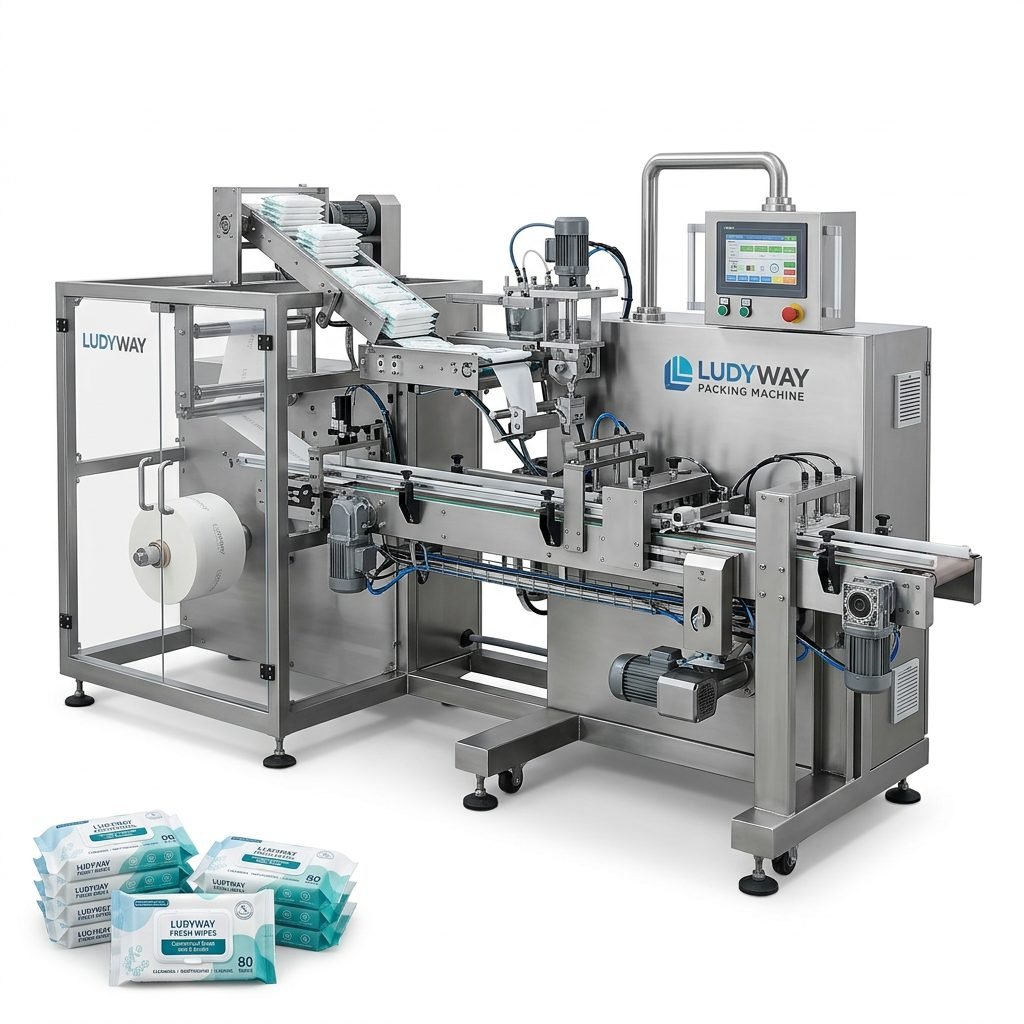
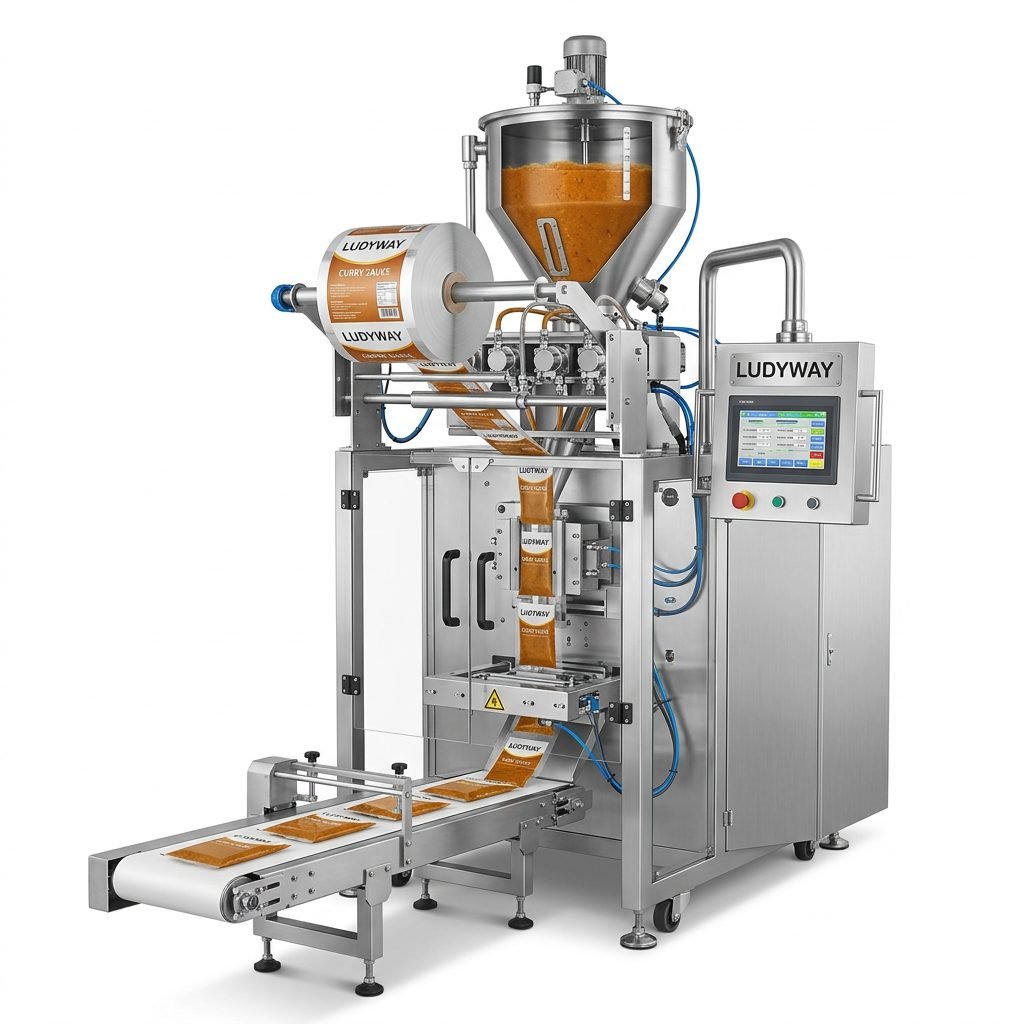
Form-Fill-Seal machines remain the workhorses of the packaging world, and their evolution continues. The newest models feature:
- Ultra-fast Servo Drives: For precise film control and higher cycle rates.
- Quick-Change Tooling Systems: Enabling switchovers between different package sizes or styles in minutes instead of hours.
- Integrated Checkweighers and Metal Detectors: Providing in-line quality assurance without compromising line speed.
These improvements directly translate to less waste, more uptime, and the flexibility to run smaller, customized batches economically.
Sustainable Packaging Solutions
Efficiency isn’t just about speed; it’s also about resource optimization. New machinery is engineered to handle a wider range of sustainable, often thinner, and more challenging materials like mono-material films and compostable laminates. Advanced tension control systems ensure these materials run flawlessly, reducing tears and jams. Furthermore, companies like Ludyway are developing machines that precisely control the amount of material used per package, minimizing excess and contributing to both cost savings and environmental goals.
💡 Did You Know?
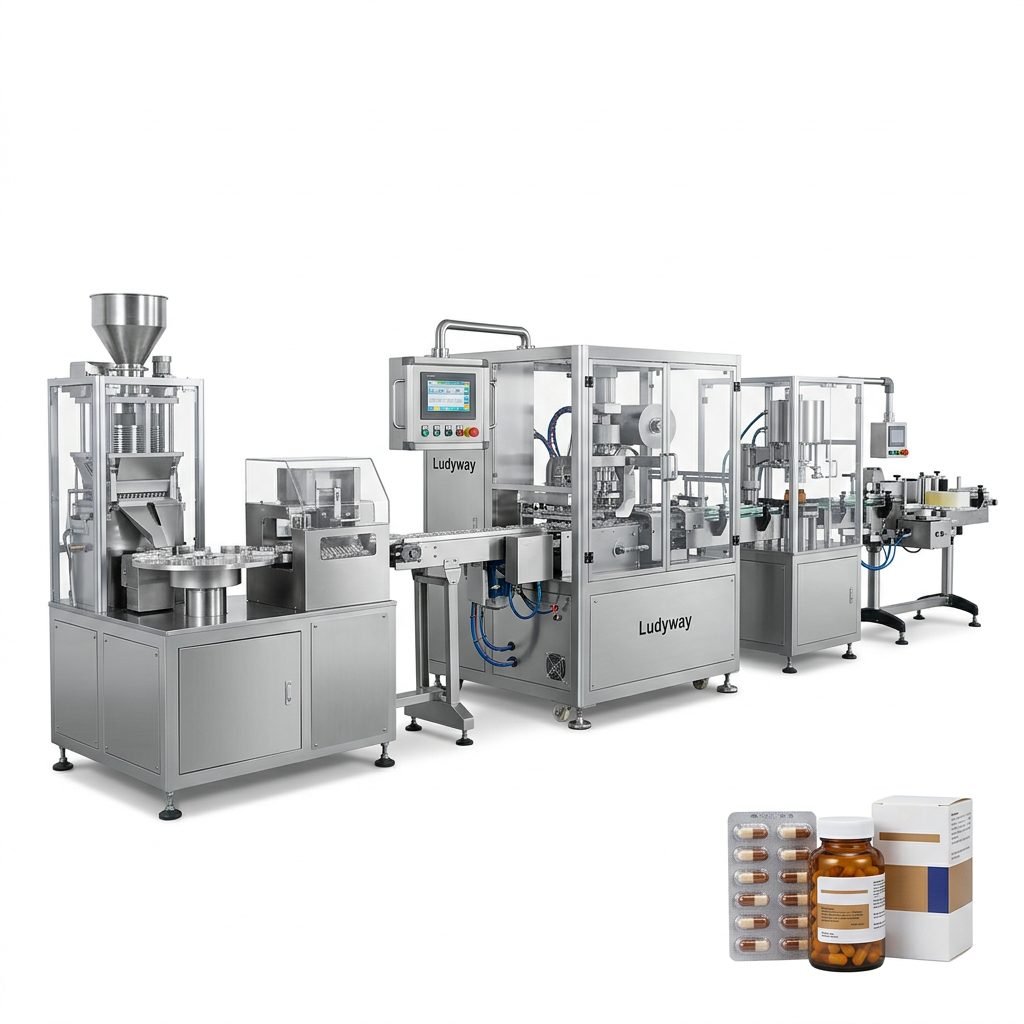
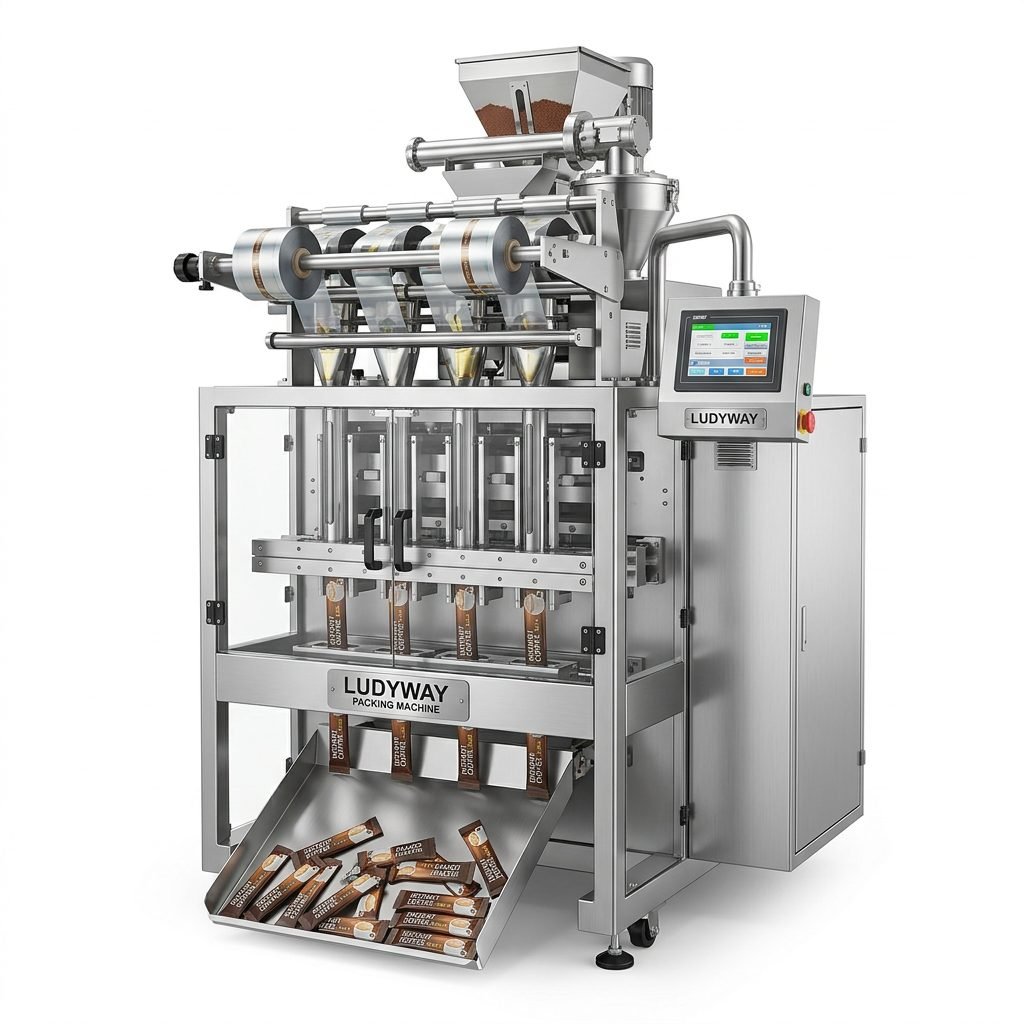
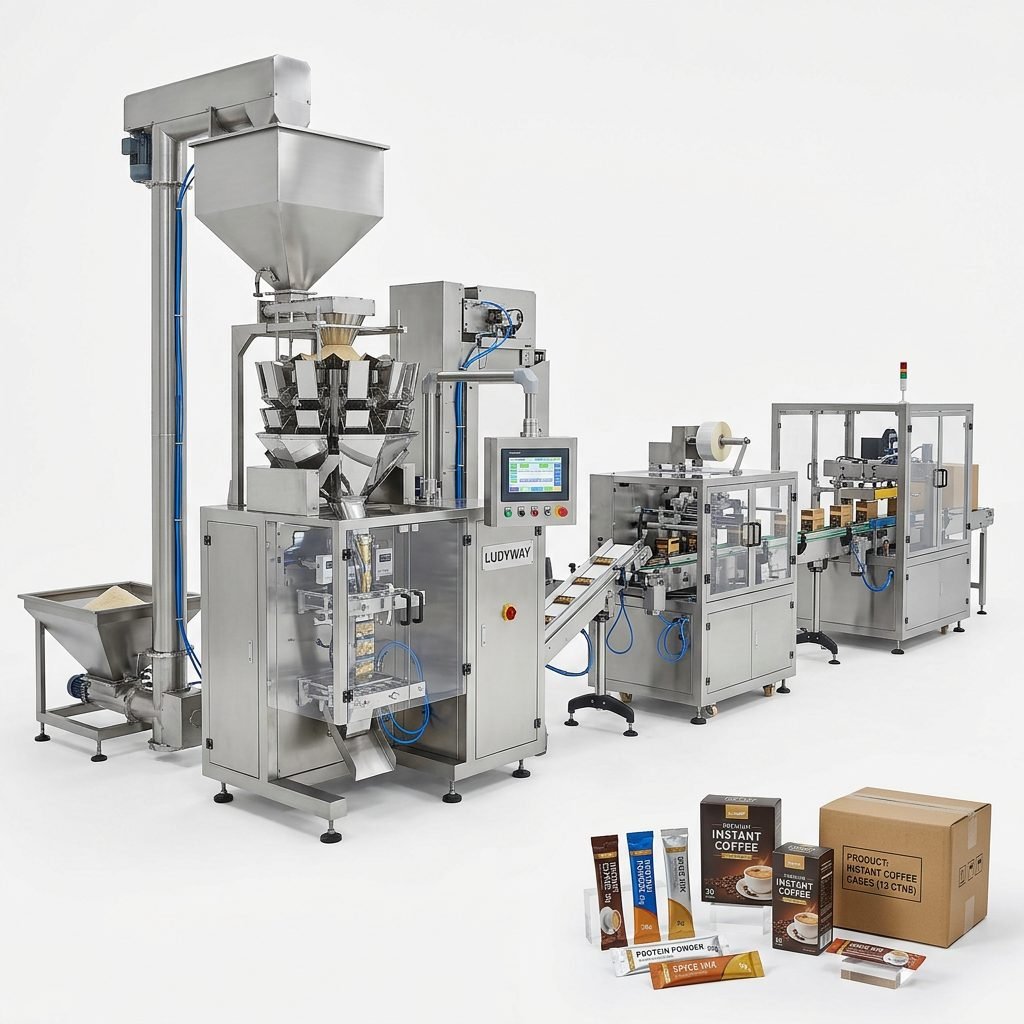
Modern multi-lane stick pack machines can produce several hundred thousand units per day with minimal operator intervention. This technology is crucial for industries like pharmaceuticals and dietary supplements where high-volume, hygienic packaging is required.
Digital Integration and the Smart Factory
The concept of Industry 4.0 is fully realized in the latest packaging lines. Machines are now nodes in a connected network. Data on production speed, OEE (Overall Equipment Effectiveness), energy consumption, and maintenance schedules are collected and displayed on centralized dashboards. This allows managers to make data-driven decisions to fine-tune performance. Remote monitoring capabilities enable technical experts to diagnose issues and even perform software updates from across the globe, ensuring maximum uptime.
Enhancing Operator Experience and Safety
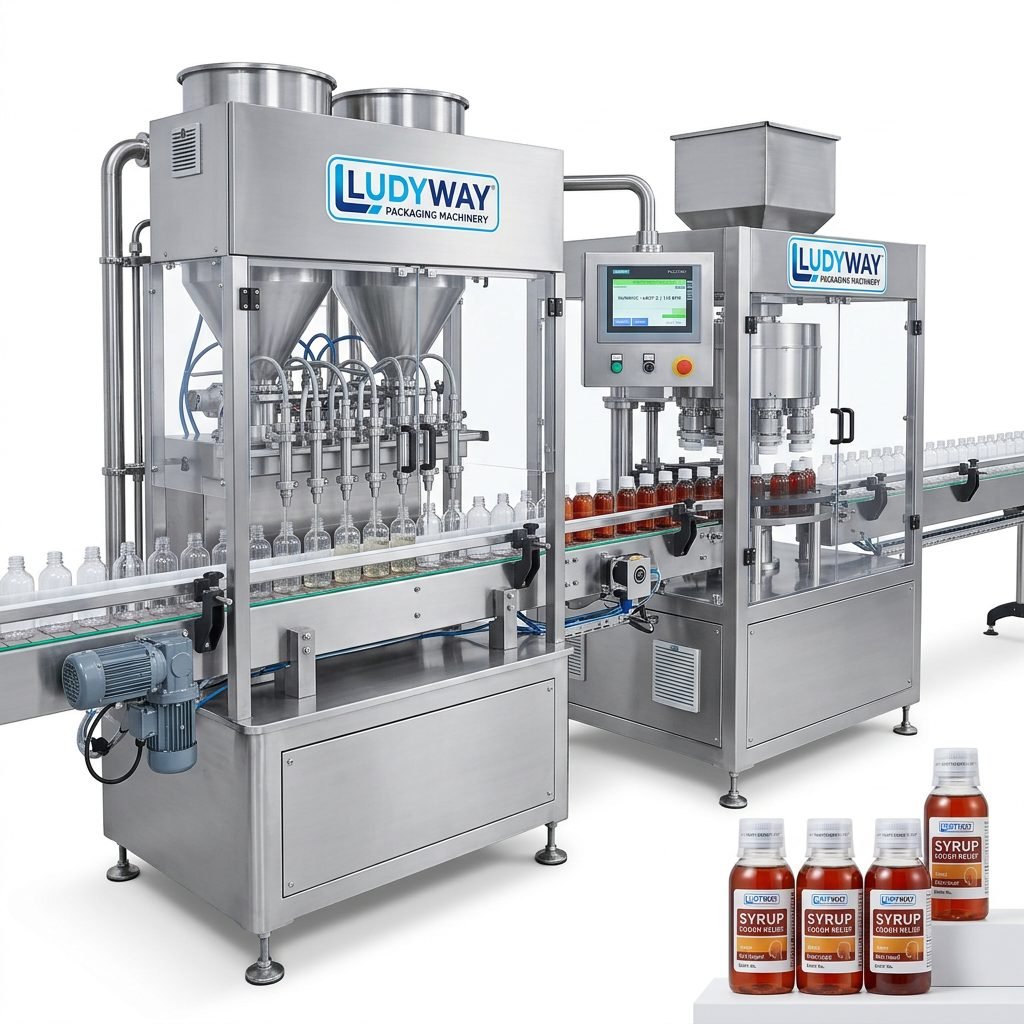
Innovation also focuses on the human element. New machinery features intuitive Human-Machine Interfaces (HMIs) with touchscreen controls, multi-language support, and interactive troubleshooting guides. Ergonomic designs improve safety and reduce operator fatigue. Guarding systems with intelligent access control ensure that machines can only be operated safely, protecting both personnel and product integrity.
Adopting these new technologies requires careful planning. It involves assessing current workflow bottlenecks, future growth projections, and total cost of ownership. Partnering with an experienced provider who offers comprehensive support and training is essential for a smooth transition and to fully leverage the efficiency gains of new equipment.
Frequently Asked Questions (FAQs)
1. How do the latest packaging machines improve production efficiency?
They improve efficiency through higher speeds, reduced changeover times, integrated quality control, predictive maintenance via IoT, and better material utilization, leading to less waste and more uptime.
2. What is the role of data analytics in modern packaging machinery?
Data analytics provides real-time insights into machine performance, production rates, and potential faults. This enables predictive maintenance, optimizes running parameters, and supports data-driven decisions for continuous line improvement.
3. Can new machinery handle sustainable or eco-friendly packaging materials?
Yes, many latest-generation machines are specifically designed with advanced film handling and tension control systems to run thinner, recyclable, or compostable materials reliably and at high speeds.
4. How difficult is it to integrate new, smarter machinery into an existing production line?
While it requires planning, modern machines are built with integration in mind, offering standard communication protocols (like OPC UA). Reputable suppliers provide turnkey solutions and engineering support to ensure seamless integration with existing conveyors and upstream/downstream equipment.
5. What should I consider when upgrading to more automated packaging equipment?
Key considerations include: identifying your primary efficiency goals (speed, flexibility, waste reduction), evaluating total cost of ownership, ensuring available technical support and training, and verifying the machine’s compatibility with your current and future product portfolio and packaging materials.