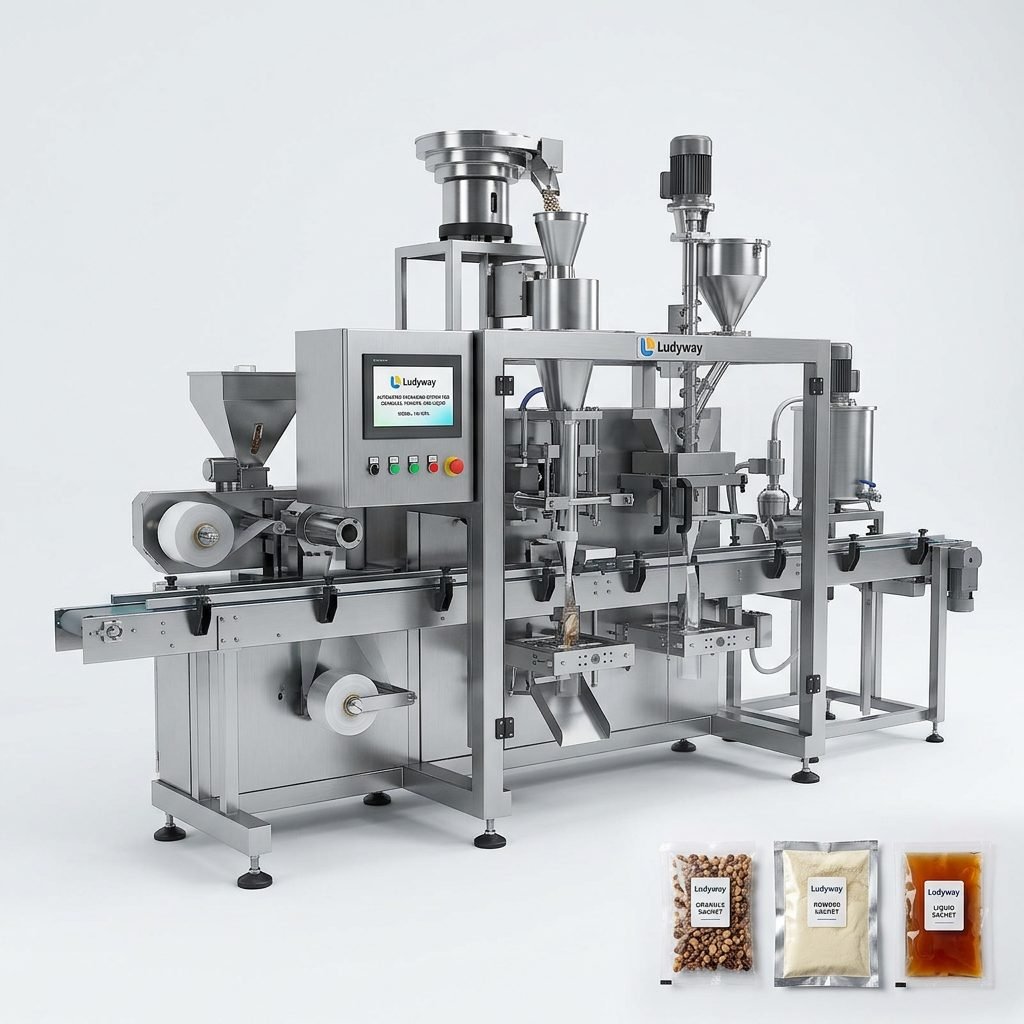
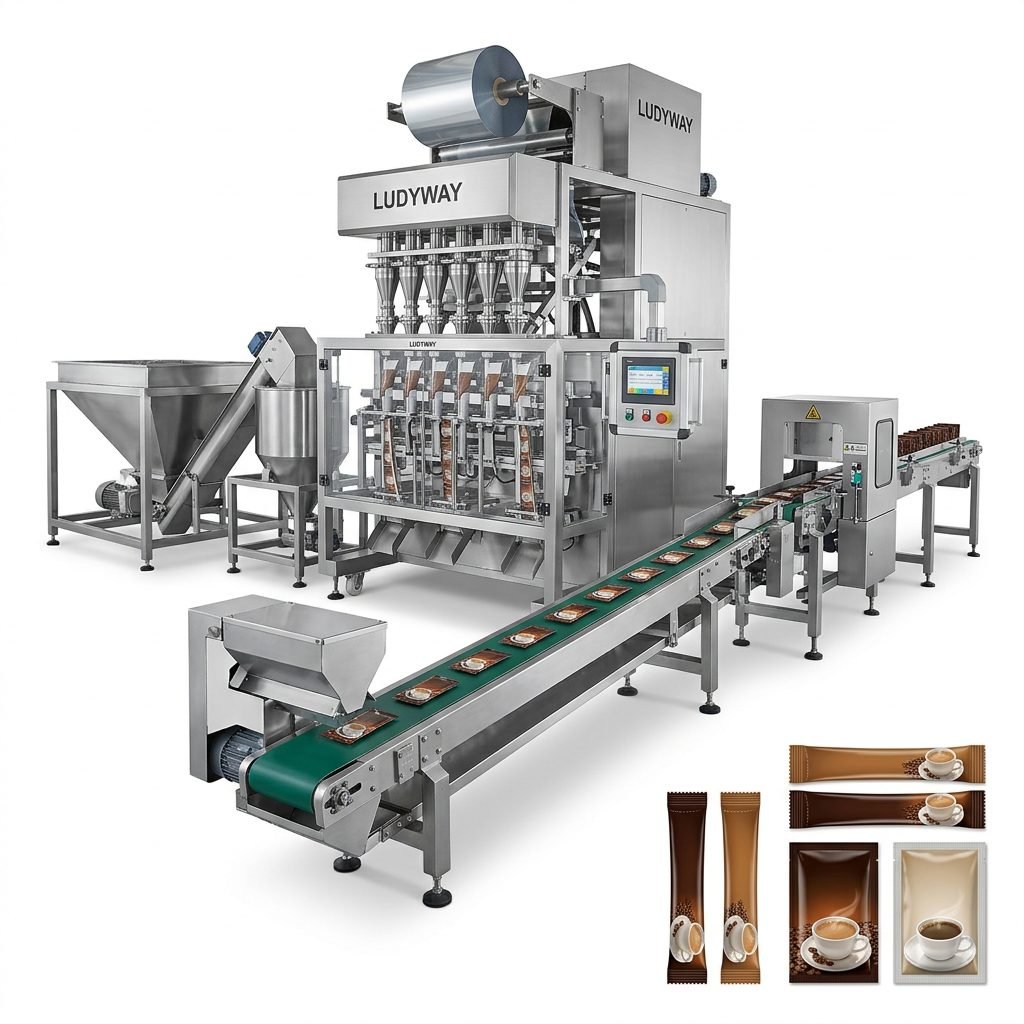
Redpack packaging machinery represents a specialized segment within the broader packaging automation industry, focusing on the equipment used to produce red envelopes or packets. These packets are deeply symbolic in many cultures, particularly across Asia, where they are traditionally used to gift money during holidays, weddings, and other celebratory occasions. For businesses, producing these items efficiently requires precise, reliable, and often high-speed machinery. This guide delves into the various types of redpack packaging machines, their applications across different markets, and essential tips for selecting the right equipment for your production line.
Understanding Redpack Packaging Machinery
At its core, redpack packaging machinery automates the process of forming, filling, and sealing small packets. Unlike standard sachet packaging, redpack machines often handle specific materials like metallic or glossy papers, incorporate intricate folding techniques, and may include features for adding strings or tassels. The machinery must balance speed with the delicate handling required for decorative materials.
Key Driver: The demand for these machines is closely tied to cultural practices. For instance, during the Lunar New Year, demand for red envelopes soars, requiring manufacturers to scale production rapidly. This cyclical demand makes versatility and quick changeover critical features in redpack machinery.
Primary Types of Redpack Packaging Machines
The technology behind these machines varies based on the packet’s complexity and production volume. Here are the main categories:
1. Vertical Form-Fill-Seal (VFFS) Machines
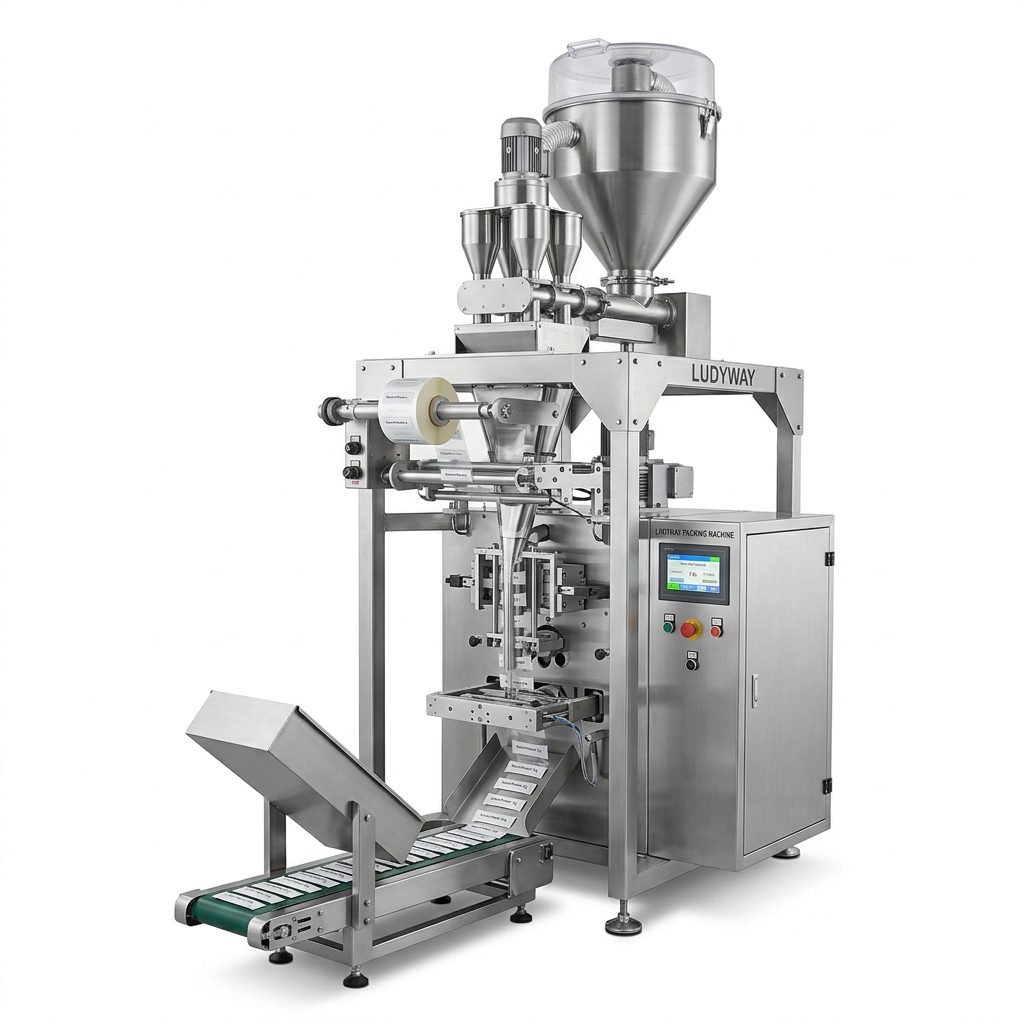
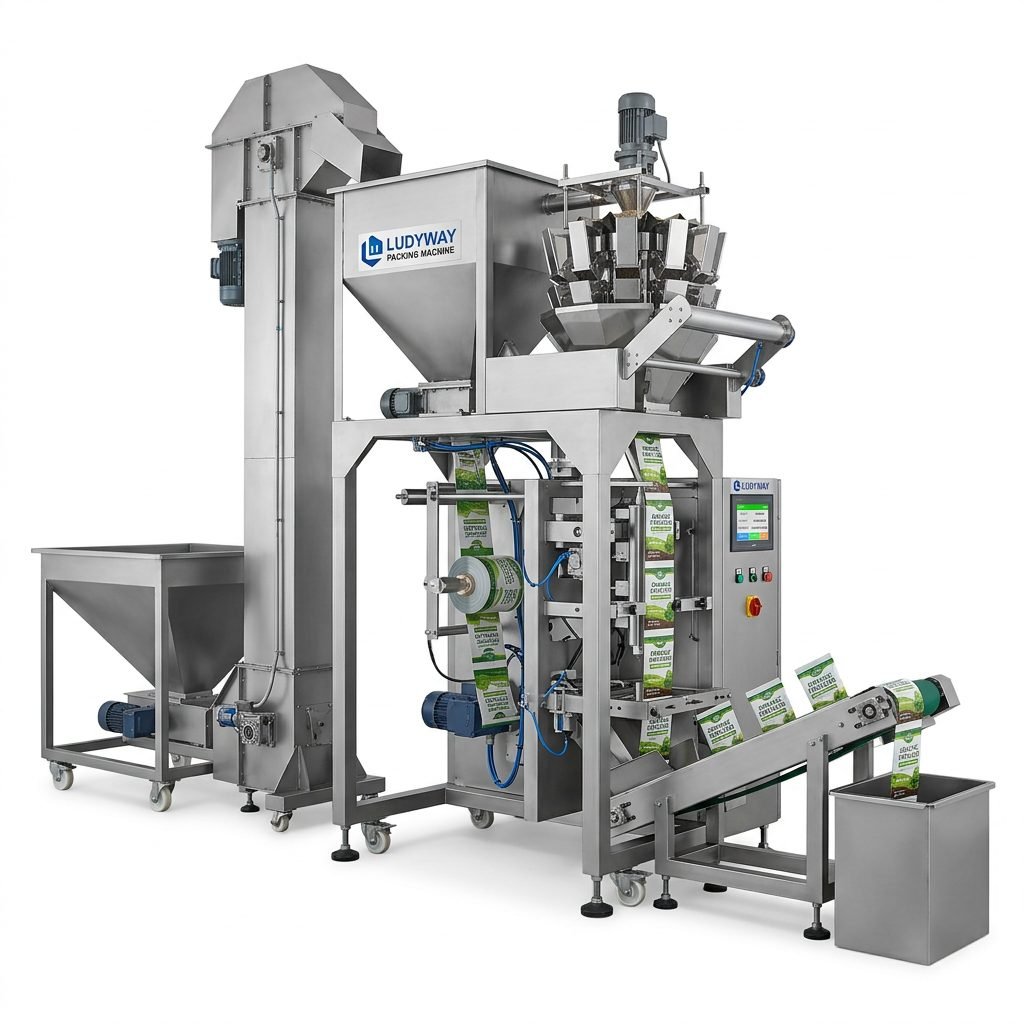
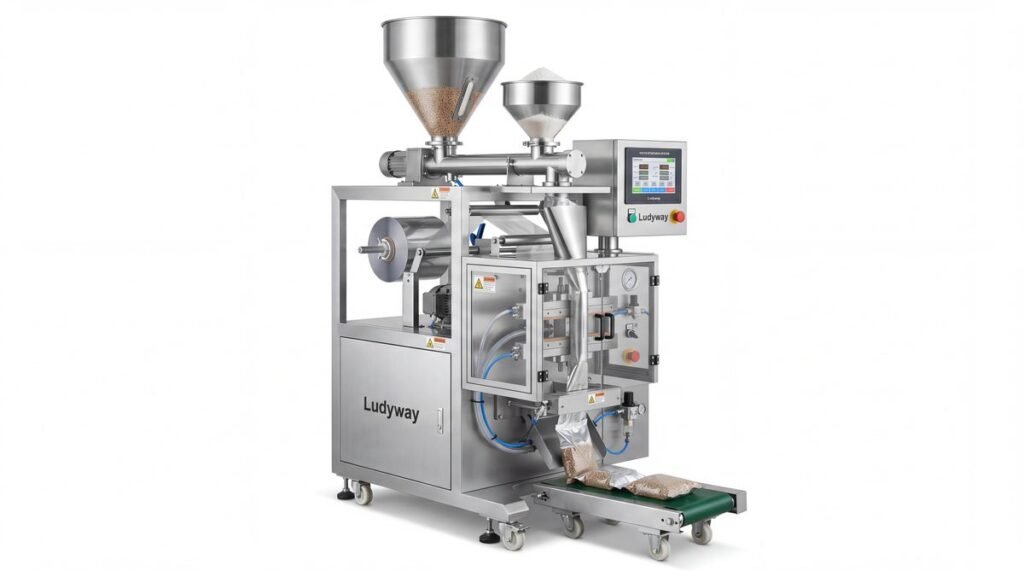
These are the most common type for high-volume production of simple redpackets. A roll of film (often laminated or metallic) is formed into a tube, filled (typically with a coin, token, or a folded bill simulation), and then sealed. Modern VFFS machines offer high speeds and are ideal for standard, flat red envelopes.
2. Stick Pack Machines
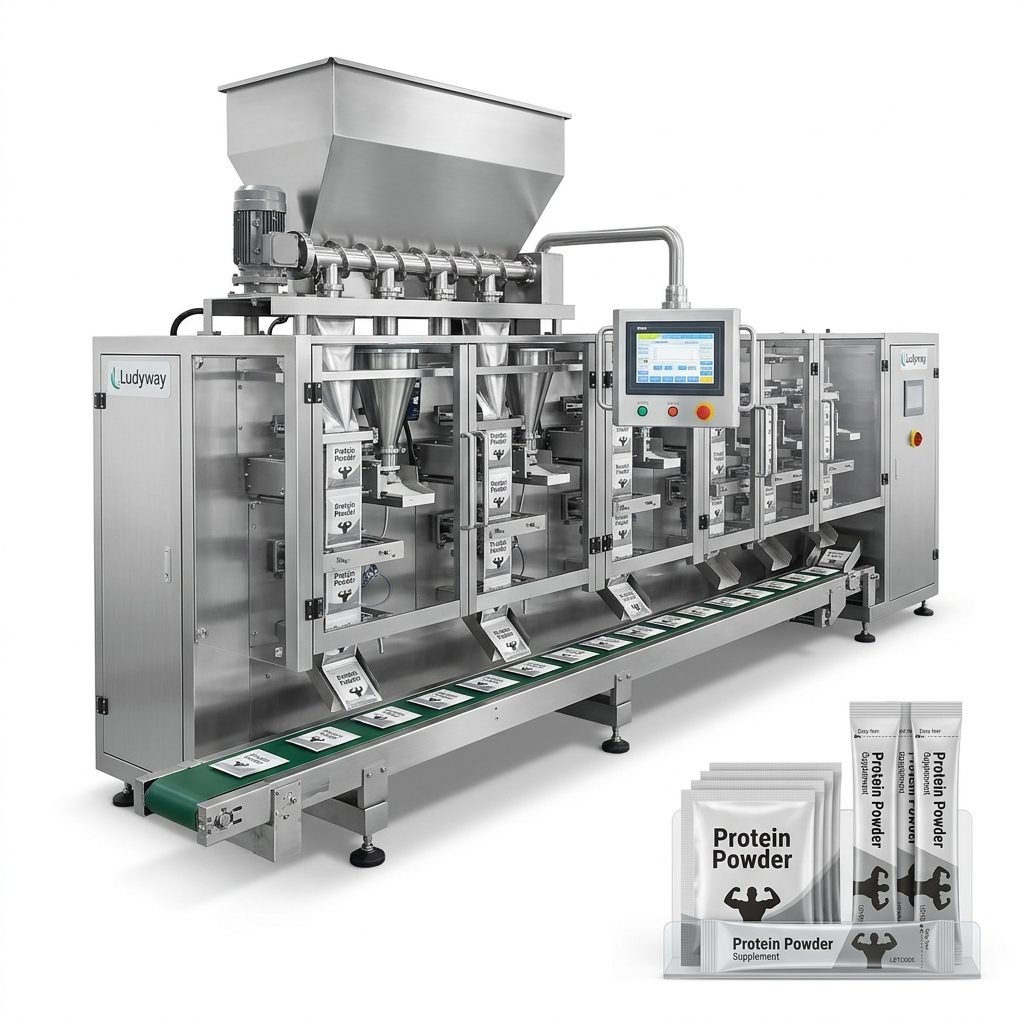
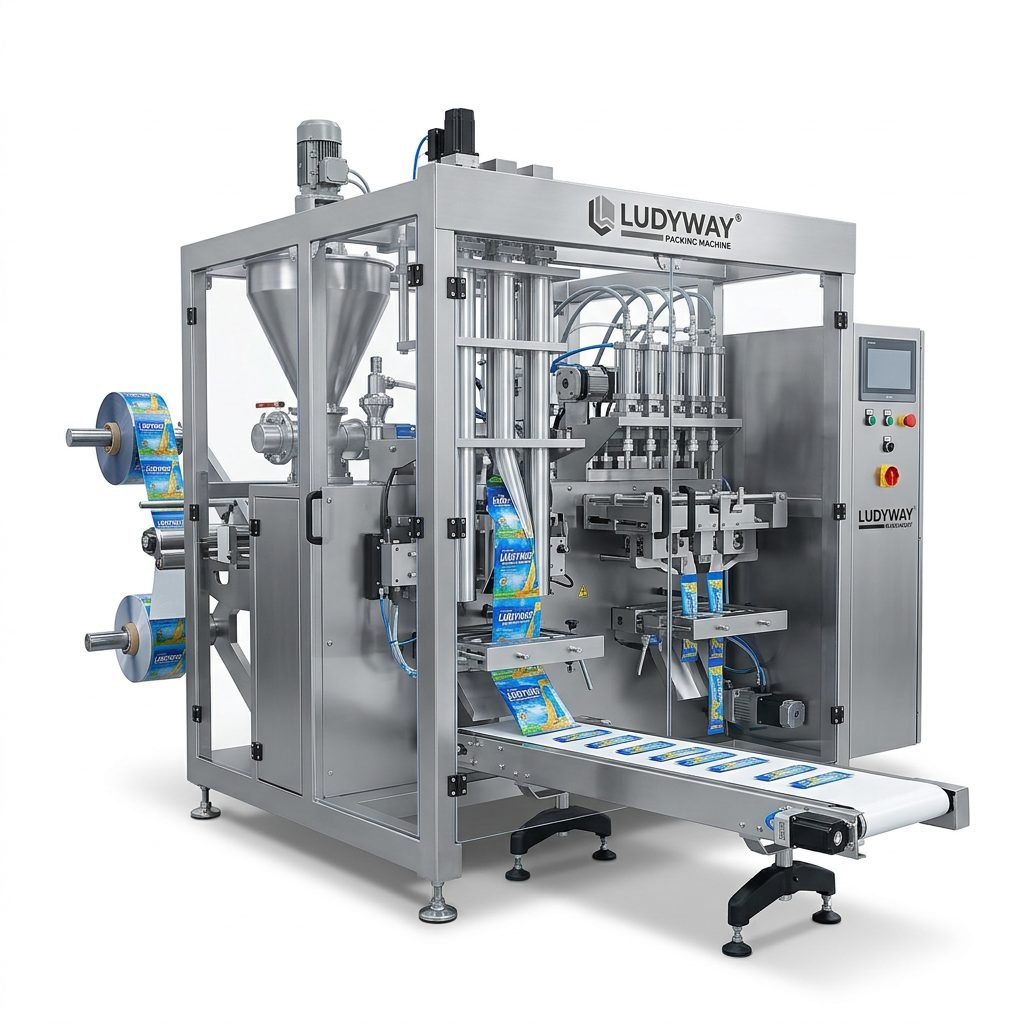
While traditionally for powders, stick pack machines can be adapted for long, narrow redpackets. They are perfect for creating the sleek, elongated envelope style popular in some regions. These machines excel at producing consistent, neat seals along the packet’s length.
3. Multi-Lane Sachet Machines
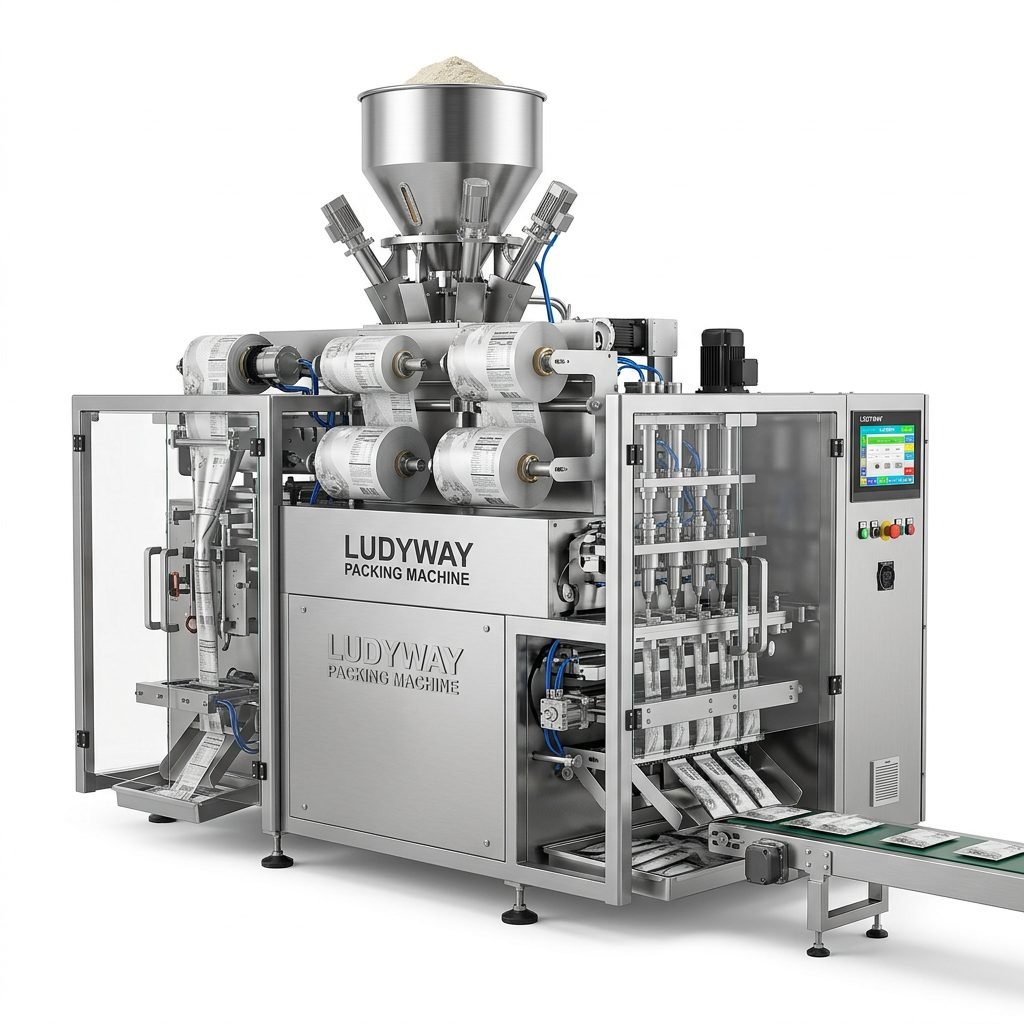
For maximum output, multi-lane machines produce several rows of redpackets simultaneously. This is the go-to solution for large-scale manufacturers needing to meet massive seasonal orders. They represent the peak of efficiency in redpack production.
4. Customized & Special-Feature Machines
This category includes machinery designed for redpackets with added elements. This might involve:
✓ Integrated systems for attaching golden strings or clasps.
✓ Units that perform embossing or hot-foil stamping of characters like “” (fortune) directly during the packaging process.
✓ Machines that handle pre-folded, intricate paper designs for premium markets.
Applications and Market-Specific Considerations
The application of redpack packaging machinery extends beyond just making envelopes. It’s about creating a cultural product.
Cultural Festivals & Holidays
Lunar New Year, Diwali, weddings, and birthdays drive the bulk of demand. Machinery must be flexible enough to switch between different sizes, colors, and designs (e.g., from New Year motifs to wedding symbols) with minimal downtime. Understanding these cycles is crucial for production planning.
Commercial & Promotional Use
Businesses increasingly use custom redpackets for marketing. Machines must handle printing variable data—like QR codes, logos, or personalized messages—on the packet during production. This requires integration with high-quality digital printing systems.
Material Handling Expertise
Redpack paper can be challenging. Glossy, metallic, or textured materials may require specialized sealing jaws, adjusted temperature controls, and precise tension systems to prevent wrinkling or seal failures. A supplier with experience in these materials is invaluable. For insights into reliable machinery providers, you can explore resources on packaging automation solutions and sachet packaging technology.
Buying Tips for Your Production Line
Selecting the right redpack packaging machine is a strategic investment. Here are critical factors to consider:
1. Define Your Output Requirements
Calculate your required packets-per-minute (PPM) based on peak demand. Don’t just average it—plan for your busiest season. Consider if you need a single machine or a complete turnkey production line with automated feeding and cartoning.
2. Prioritize Flexibility and Changeover
Can the machine switch between different redpack sizes and materials in under 15 minutes? Quick changeover mechanisms, recipe storage, and user-friendly HMI screens are essential for handling diverse orders.
3. Evaluate Material Compatibility
Provide samples of your intended paper/laminate to the machine supplier. Test runs are the best way to ensure perfect sealing and handling without jams or tears.
4. Consider After-Sales Support and Training
The complexity of the machinery necessitates robust support. Choose a supplier known for comprehensive training, readily available spare parts, and responsive technical service. A strong support network minimizes costly production halts.
5. Look for Modern Control Systems
Modern machines with PLC controls and IoT capabilities offer benefits like predictive maintenance alerts, production data tracking, and remote troubleshooting. This connectivity is key for modern, efficient factory management.
Frequently Asked Questions (FAQs)
1. What is the typical production speed of a redpack packaging machine?
Speeds vary widely. Standard VFFS machines can range from 60 to 200 packets per minute. High-speed multi-lane machines can exceed 600 packets per minute. The right speed depends entirely on your volume requirements and budget.
2. Can one machine handle both paper and plastic laminate redpackets?
Many versatile machines can, but adjustments are needed. Sealing temperature, pressure, and jaw design often need to be changed between materials. The best practice is to discuss your specific material range with the machine manufacturer.
3. How important is after-sales service when purchasing this equipment?
Extremely important. Given the precision nature of the machinery and the time-sensitive demand for redpackets, access to prompt technical support, spare parts, and operator training is critical to maintaining uninterrupted production, especially before major festivals.
4. Are there machines that can add decorative elements automatically?
Yes. Advanced systems can integrate modules for automatically attaching strings, tassels, or buttons. Some can also include inline embossing or foil stamping units. These are custom solutions that add value for premium product lines.
5. What are the key differences between a standard sachet machine and a dedicated redpack machine?
While mechanically similar, redpack machines are often optimized for thicker, non-woven or paper-based materials, have gentler product handling to avoid creasing, and may include features for cultural-specific designs (like folding patterns or accessory attachment). Their tooling is designed for the unique shape and finish of a red envelope.