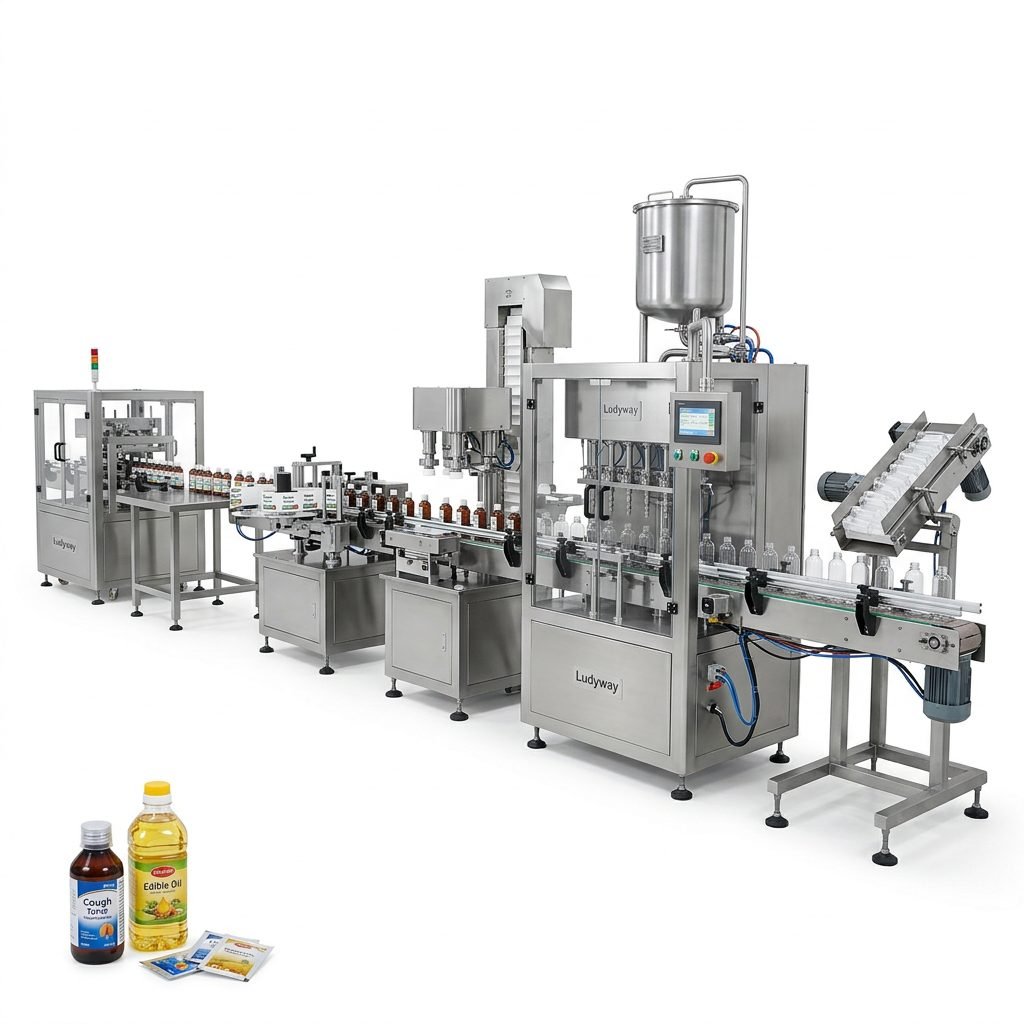
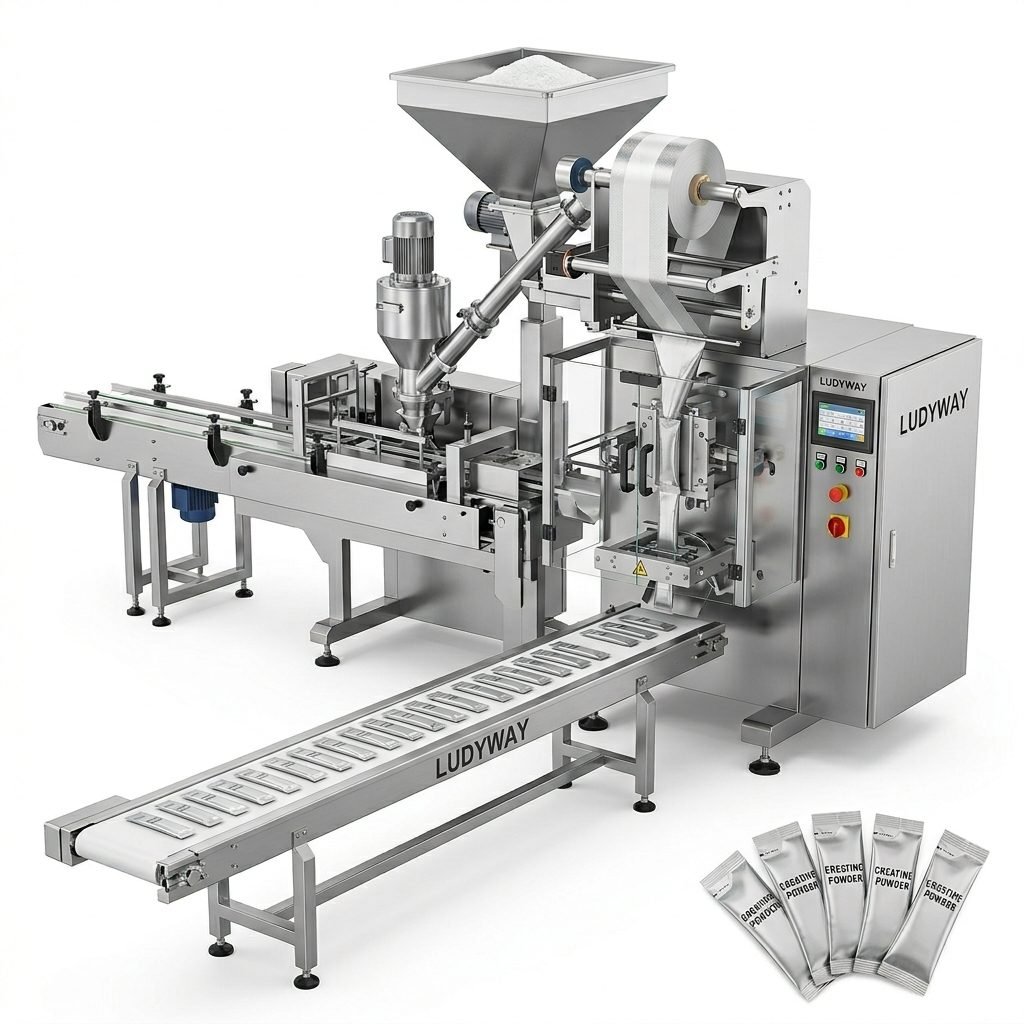
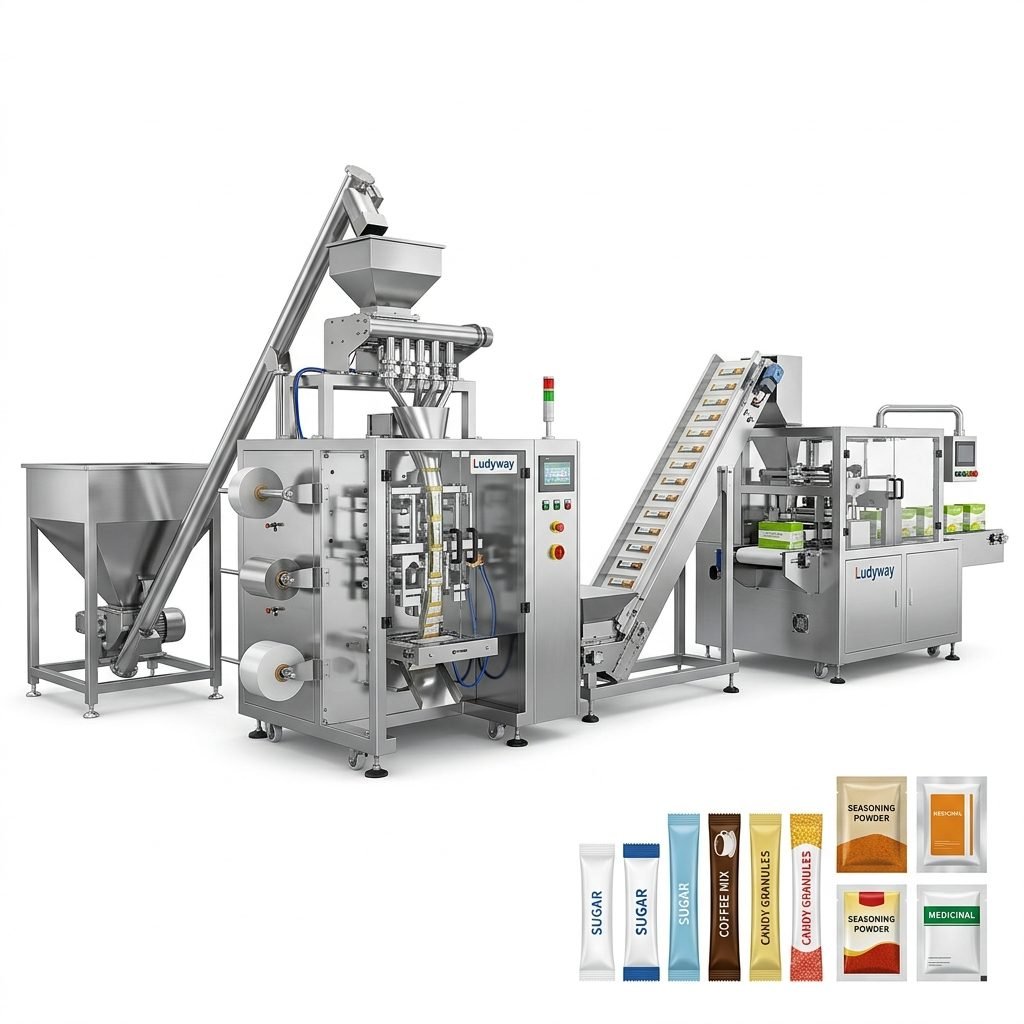
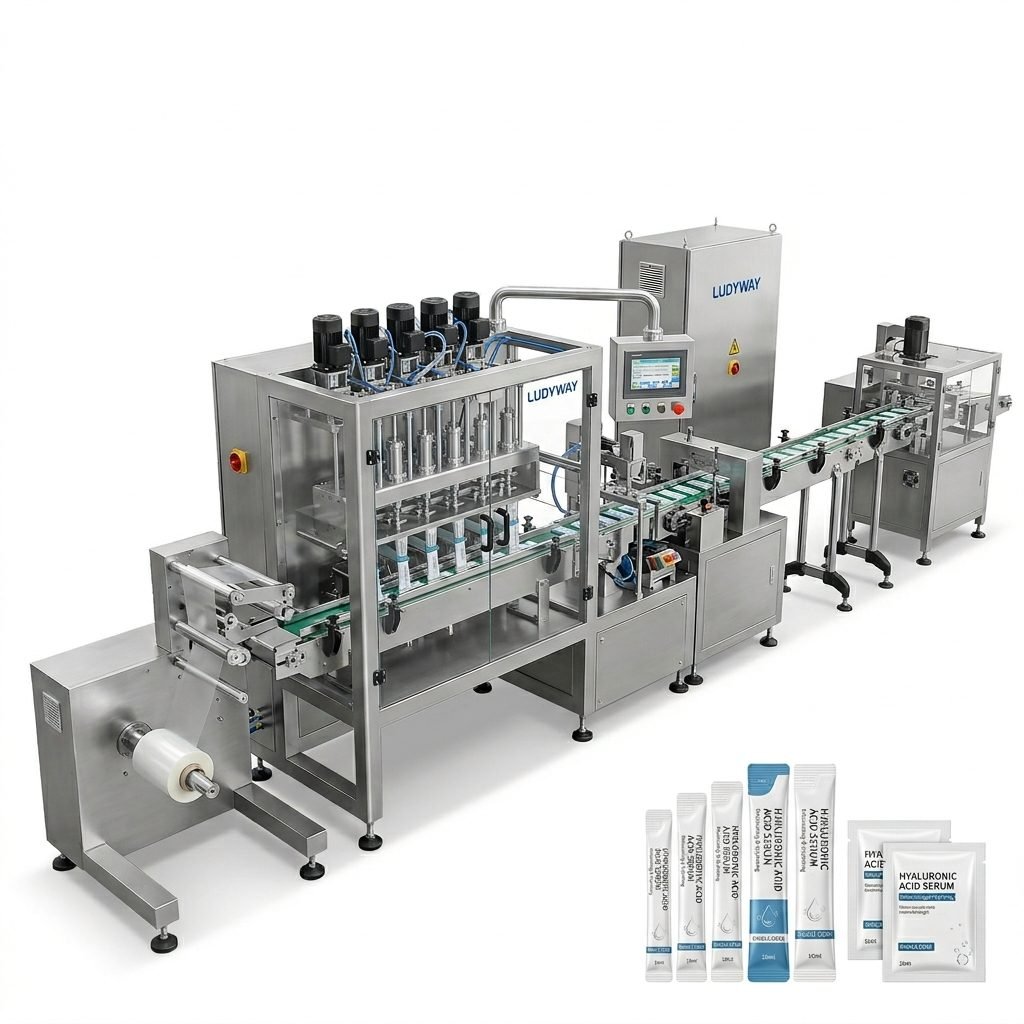
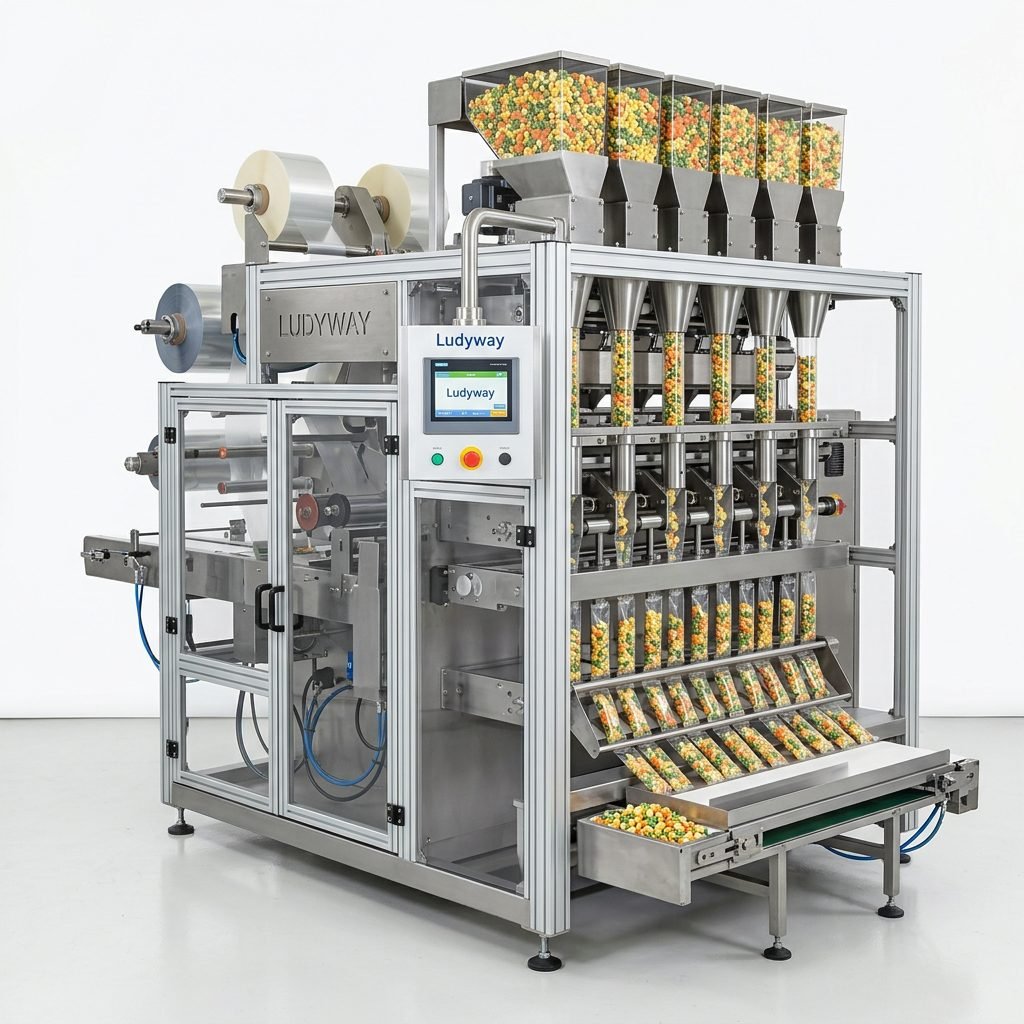
In today’s fast-paced manufacturing landscape, achieving high-speed, consistent, and cost-effective packaging is a critical competitive advantage. Advanced packaging machinery solutions for automated filling, sealing, and labeling systems are at the heart of this transformation, enabling businesses to streamline operations, enhance product integrity, and meet evolving market demands.
The Core Components of an Automated Packaging Line
An integrated automated packaging system is more than just a collection of machines; it’s a synchronized orchestra of precision engineering. Each component plays a vital role in transforming raw product into a market-ready, packaged good.
1. Automated Filling Systems: Precision in Every Dose
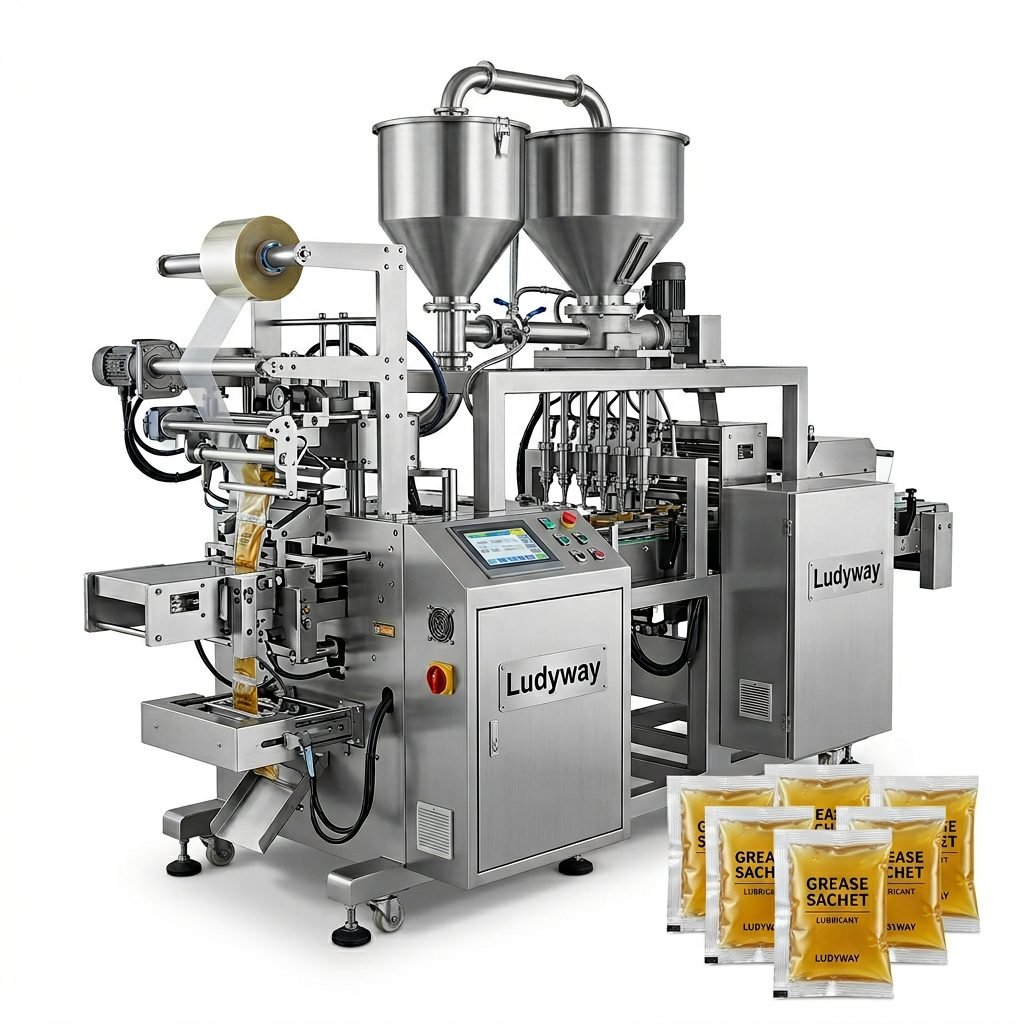
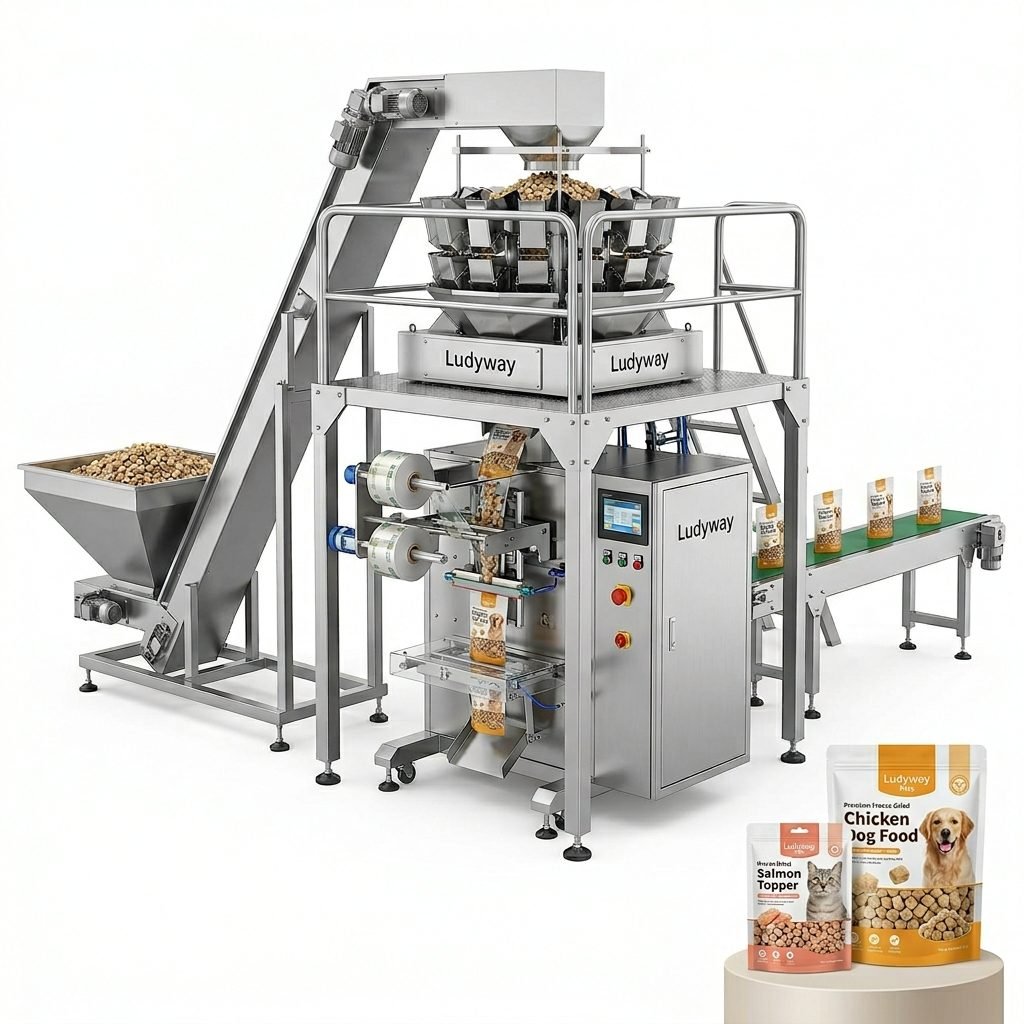
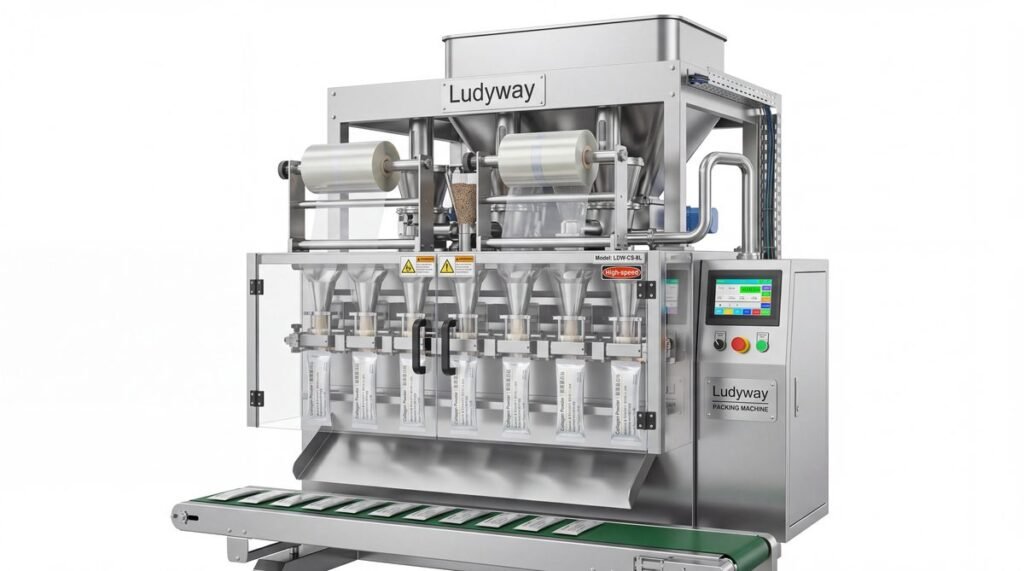
Modern filling machines have evolved from simple volumetric dispensers to highly accurate, computer-controlled systems. They handle a vast array of products—from fine powders and granules to viscous liquids and pastes—with remarkable consistency. Technologies like gravimetric (weight-based) filling and servo-driven piston filling ensure each package meets exact weight or volume specifications, minimizing giveaway and ensuring compliance with strict regulatory standards.
2. Automated Sealing Systems: Ensuring Product Safety and Freshness
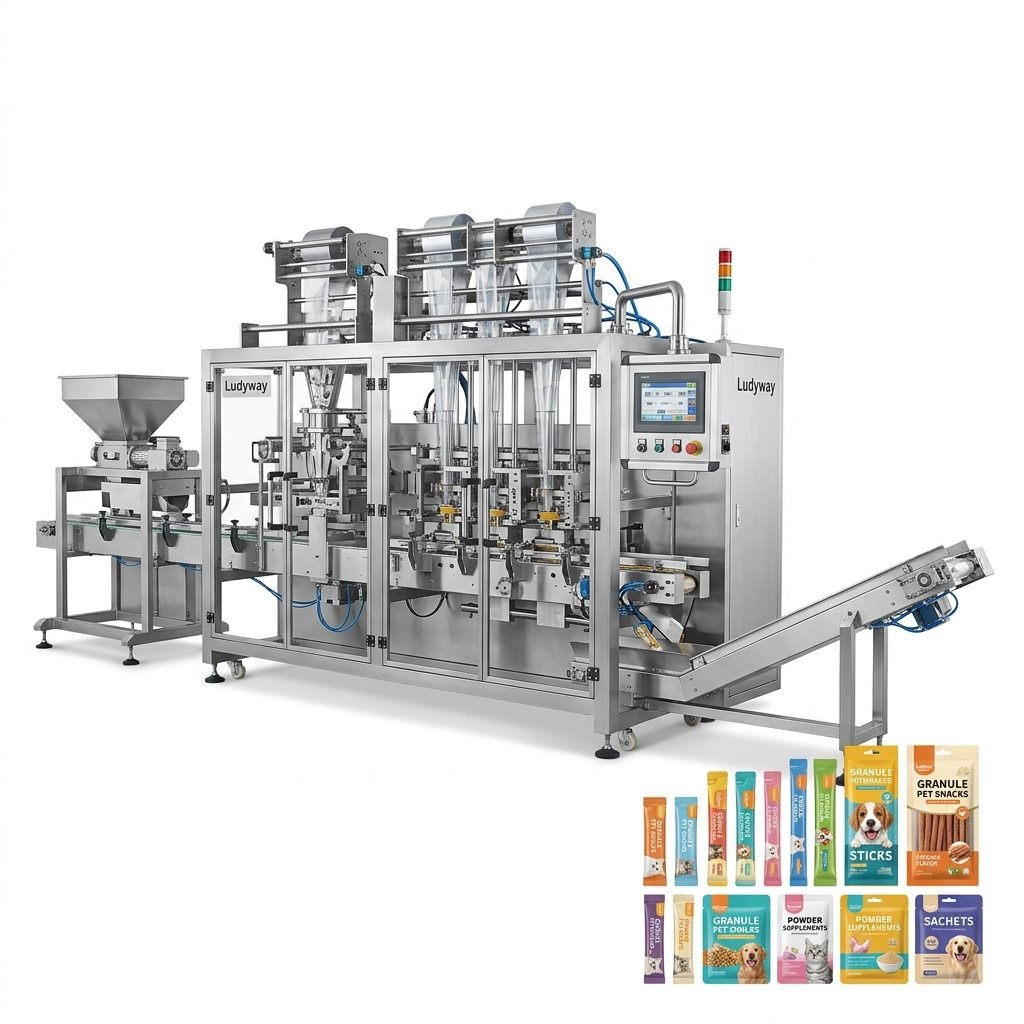
The sealing process is the guardian of product quality. Advanced sealing systems provide robust, tamper-evident, and hermetic closures that are essential for shelf life and consumer safety. Whether utilizing continuous motion heat sealers for flexible pouches, induction sealing for liquid containers, or capping machines for bottles, the goal is a perfect, reliable seal every time. These systems are designed to adapt to various packaging materials, including laminates, films, and foils.
3. Automated Labeling Systems: The Final Touch of Brand Identity
Labeling is where function meets branding. Automated labelers apply pressure-sensitive labels, wrap-around labels, or heat-transfer labels with pinpoint accuracy on bottles, boxes, and pouches. High-speed vision inspection systems are often integrated to verify label presence, position, and correctness, ensuring every product that leaves the line is perfectly presented and compliant with labeling laws.
Key Benefits of Integrating Advanced Packaging Machinery
Investing in a cohesive automated packaging line delivers transformative benefits across the entire production operation:
➤ Dramatically Increased Productivity: Machines operate 24/7 at speeds far beyond manual capabilities, significantly boosting output.
➤ Unmatched Consistency and Quality: Automation eliminates human error in filling weights, seal integrity, and label placement, guaranteeing uniform product quality.
➤ Substantial Cost Reduction: While the initial investment is significant, the long-term savings from reduced labor, minimized product waste, and lower material giveaway are substantial.
➤ Enhanced Flexibility and Scalability: Modern machines are designed for quick changeovers, allowing producers to run different products and package sizes on the same line with minimal downtime.
➤ Improved Worker Safety and Hygiene: Automating repetitive and potentially hazardous tasks creates a safer work environment and is crucial in industries like pharmaceuticals and food, where hygiene is paramount.
Choosing the Right Partner for Your Packaging Automation
Selecting machinery is only half the battle; choosing the right technology partner is equally critical. A reliable partner brings more than just equipment—they bring expertise, support, and a commitment to your long-term success. Look for a provider with deep industry experience, a proven track record, and the ability to offer comprehensive turnkey solutions from design to installation and training.
Companies like Ludyway Machinery, with over 30 years of focused experience in the packaging sector, exemplify this approach. By leveraging strong engineering capabilities and a portfolio of over 50 intelligent machine models, they deliver tailored solutions that address specific production challenges in the food, pharmaceutical, and health industries. Their global service ensures that support is always available, making them a dependable partner for businesses aiming to scale and innovate.
Understanding your specific product characteristics, desired output, and future growth plans is essential. A seasoned provider will conduct a thorough analysis to recommend a system that not only meets today’s needs but is also adaptable for tomorrow’s opportunities. Explore their range of packaging solutions to see how customization can benefit your line.
Future Trends in Packaging Automation
The future of packaging automation is intelligent and connected. The integration of Industrial Internet of Things (IIoT) sensors and data analytics is creating “smart” packaging lines that predict maintenance needs, optimize performance in real-time, and provide unparalleled traceability. Furthermore, the rise of sustainable packaging materials is driving innovation in machinery that can efficiently handle biodegradable films, mono-material structures, and recycled content without compromising speed or seal quality.
Conclusion
Implementing advanced packaging machinery for filling, sealing, and labeling is a strategic investment that drives efficiency, quality, and profitability. By automating these core processes, manufacturers can achieve remarkable consistency, reduce operational costs, and enhance their brand’s market presence. The journey to automation requires careful planning and partnership with an experienced equipment provider who can deliver a reliable, scalable, and future-ready solution tailored to your unique production goals. For more insights into implementing such systems, you can review detailed case studies and applications.
Frequently Asked Questions (FAQs)
1. What are the main factors to consider when automating a packaging line?
The key factors include your product type (granule, powder, liquid), required output speed (packages per minute), packaging material, available factory space, budget, and desired level of integration (stand-alone machine vs. full turnkey line). A detailed feasibility study with an equipment supplier is the best first step.
2. How can I ensure my automated line is flexible for different products?
Opt for machinery designed with quick-change features, such as tool-less changeover parts, servo-driven adjustments stored in recipe memory, and modular design. Discuss your product range with your supplier during the planning phase to build flexibility into the system from the start.
3. What kind of maintenance do automated packaging systems require?
Regular preventive maintenance is crucial. This typically includes daily cleaning, lubrication of moving parts, inspection of seals and sensors, and calibration of weighing and filling heads. Most reputable suppliers offer comprehensive training and maintenance schedules to ensure optimal uptime.
4. Can automated systems handle small batch production runs efficiently?
Yes, modern machinery with fast changeover capabilities makes small batches more feasible than ever. The key is to minimize changeover time. Machines with digital settings that recall previous job parameters can switch between products in minutes, making short runs economically viable.
5. How does automation impact the skill set required for line operators?
Automation shifts the operator’s role from manual labor to supervision, monitoring, and troubleshooting. Operators need training in basic machine operation, HMIs (Human-Machine Interfaces), performing changeovers, and conducting routine quality checks. A good supplier will provide extensive operational training.