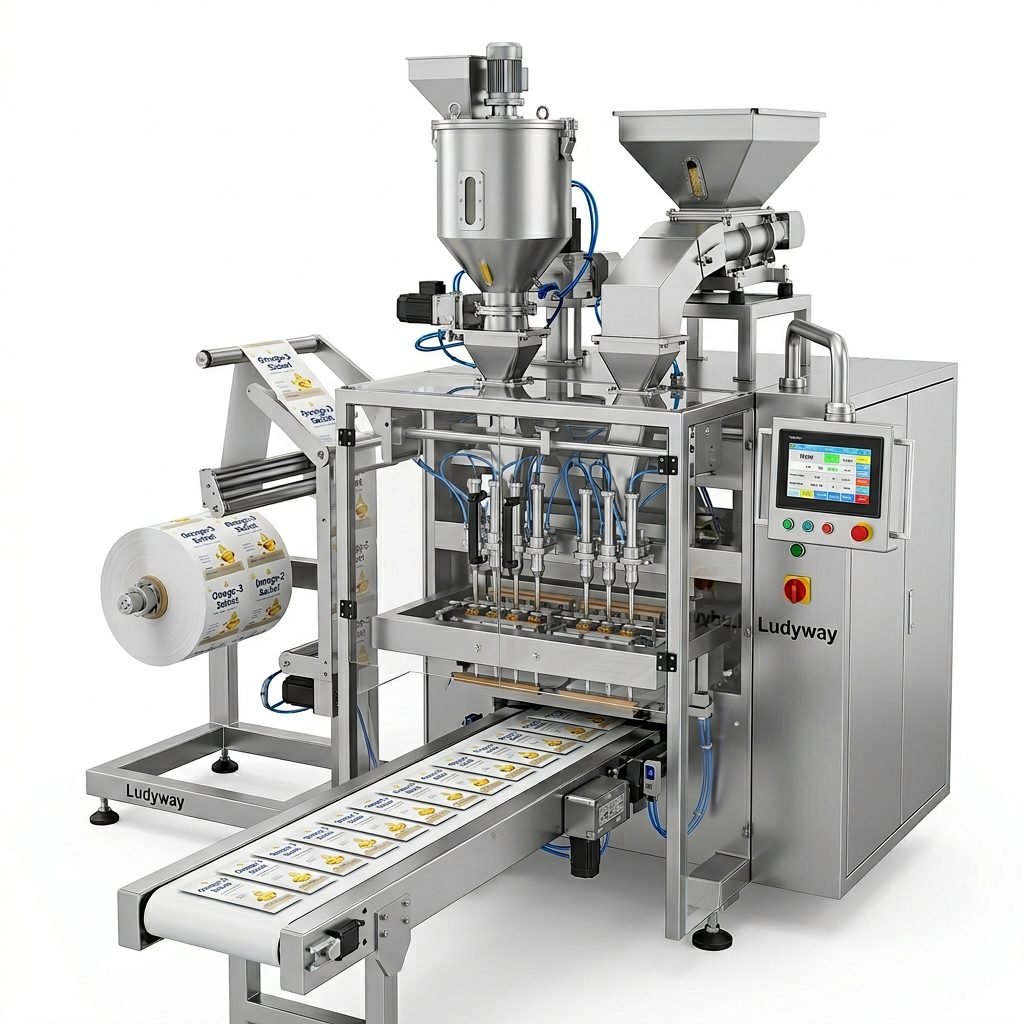
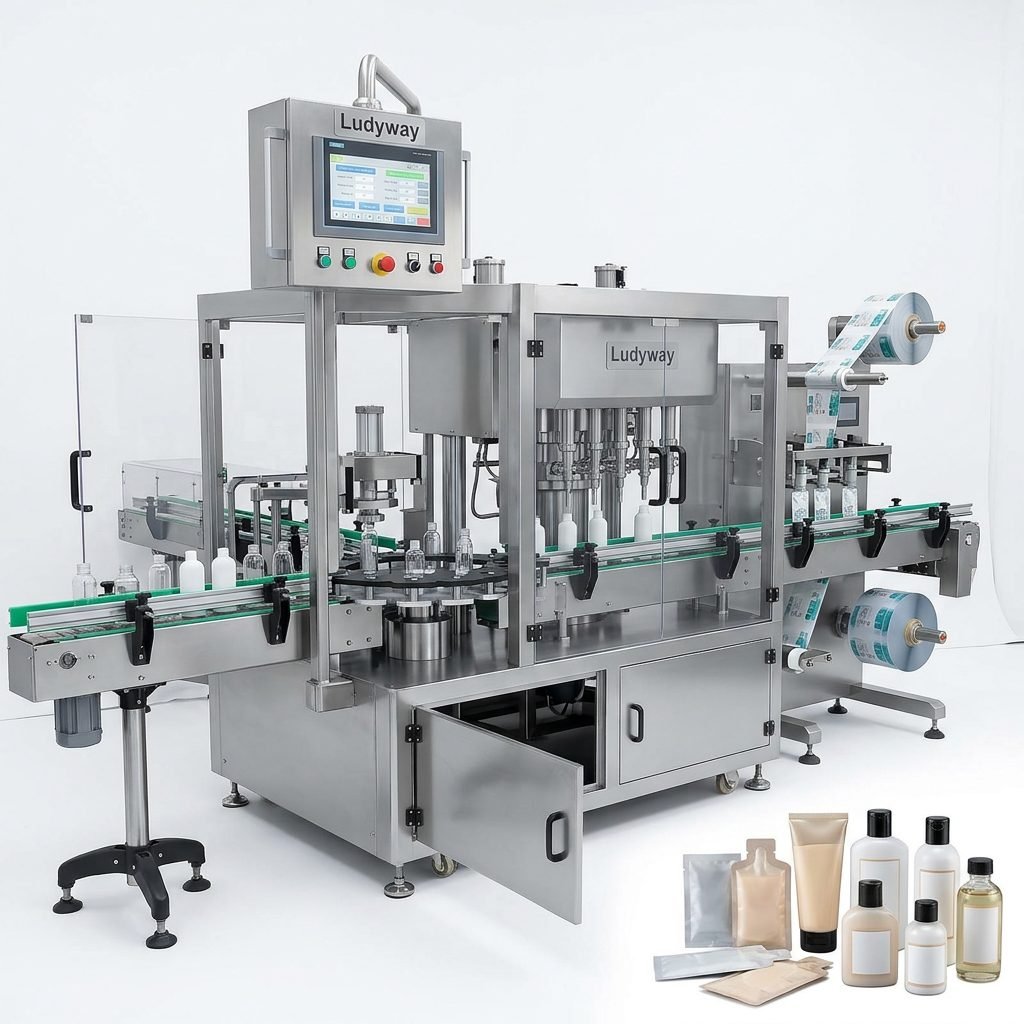
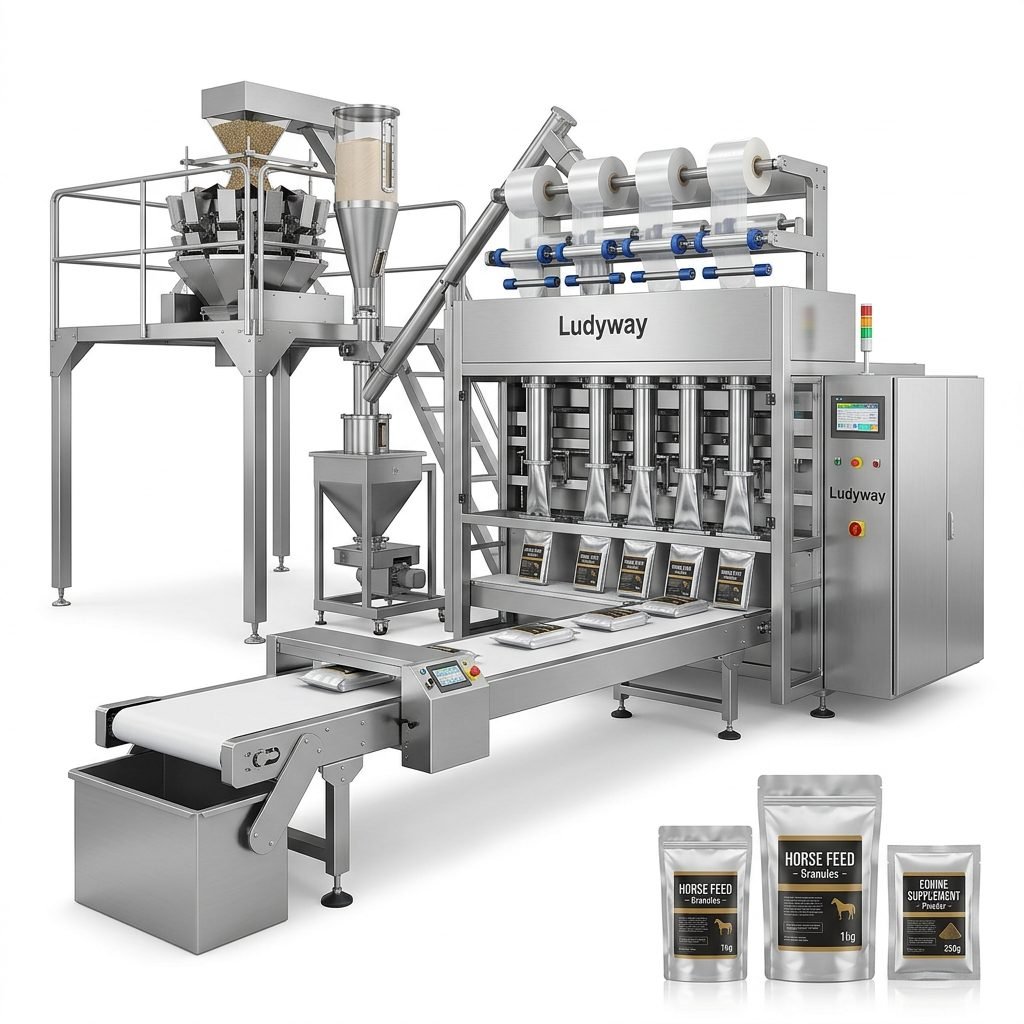
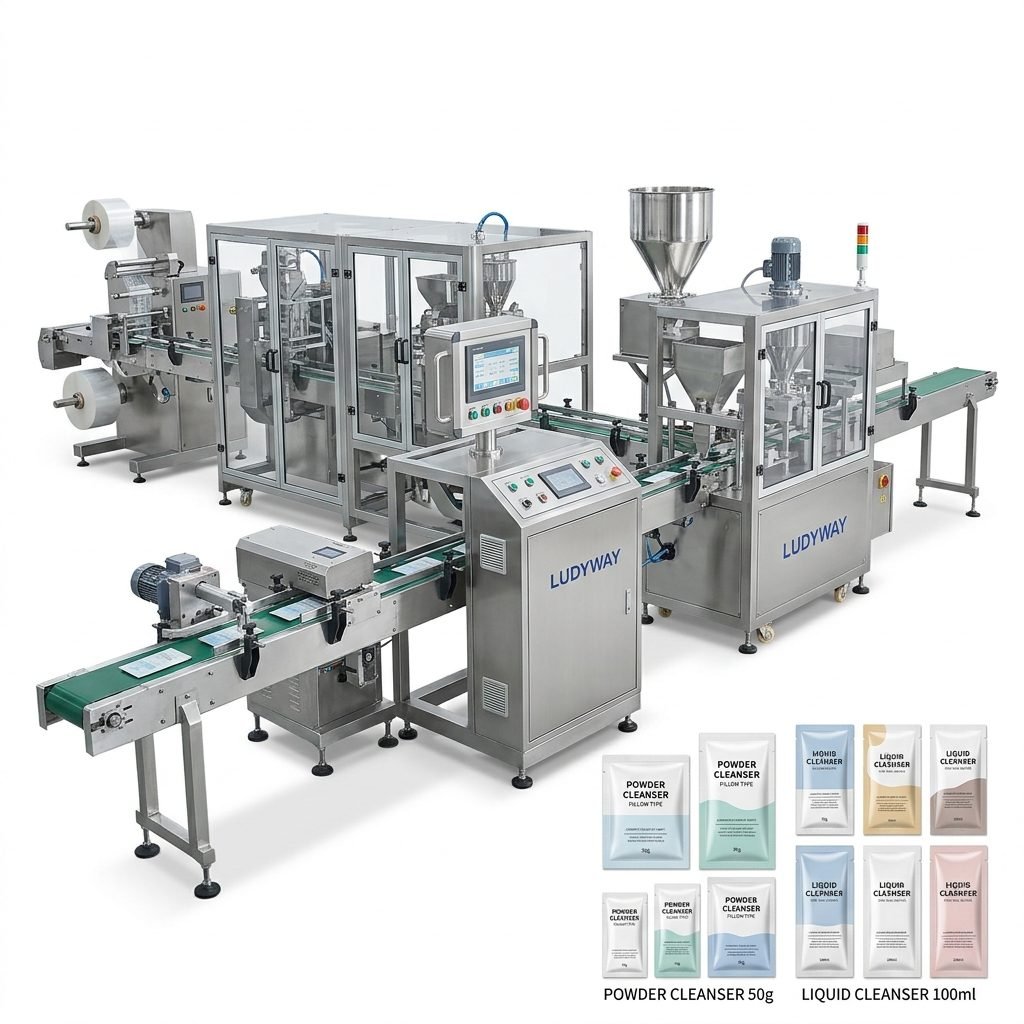
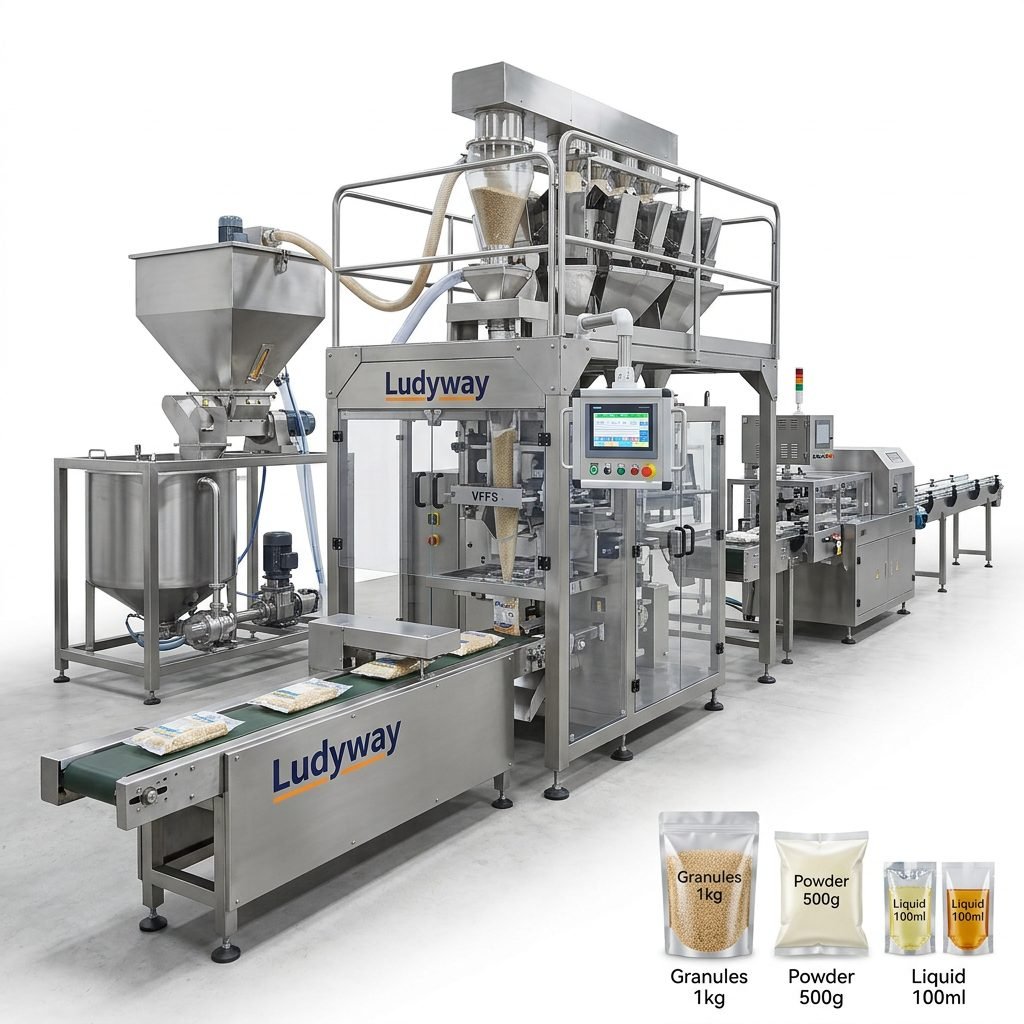
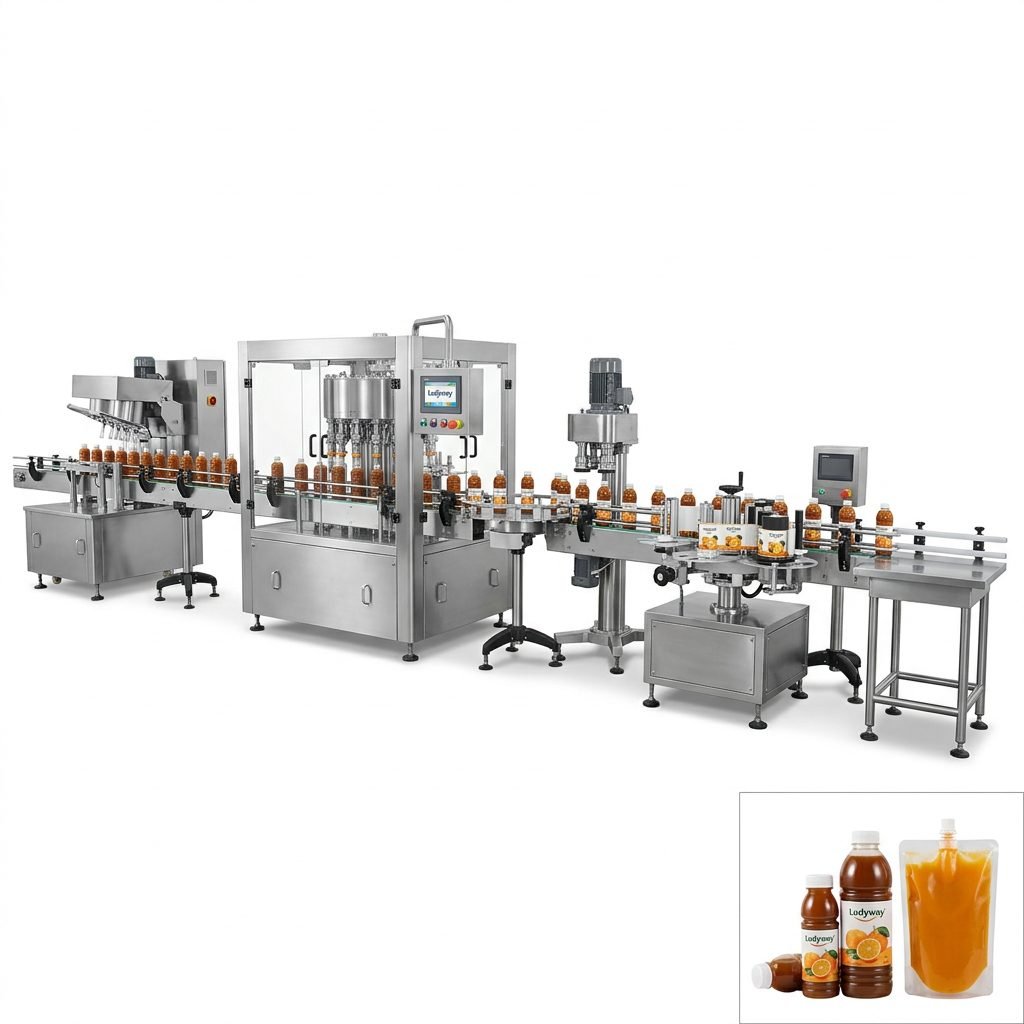
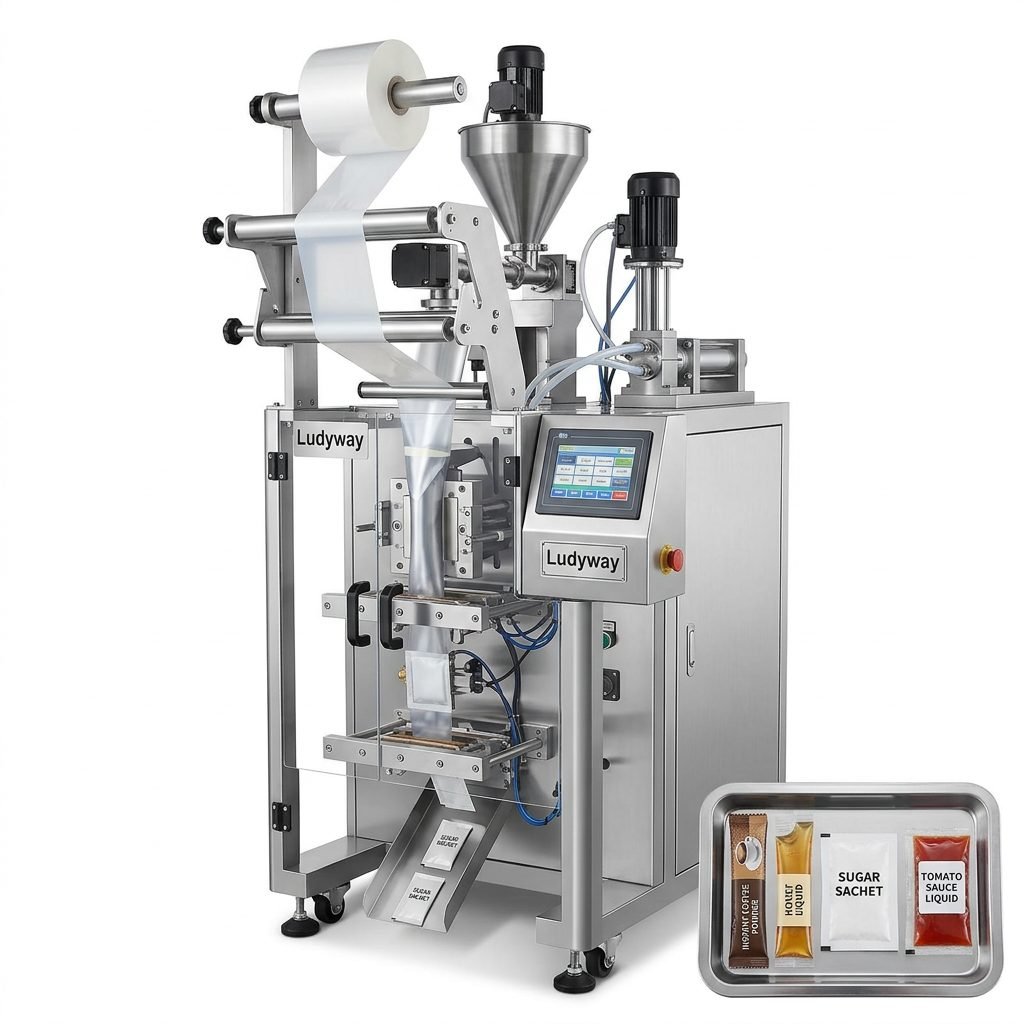
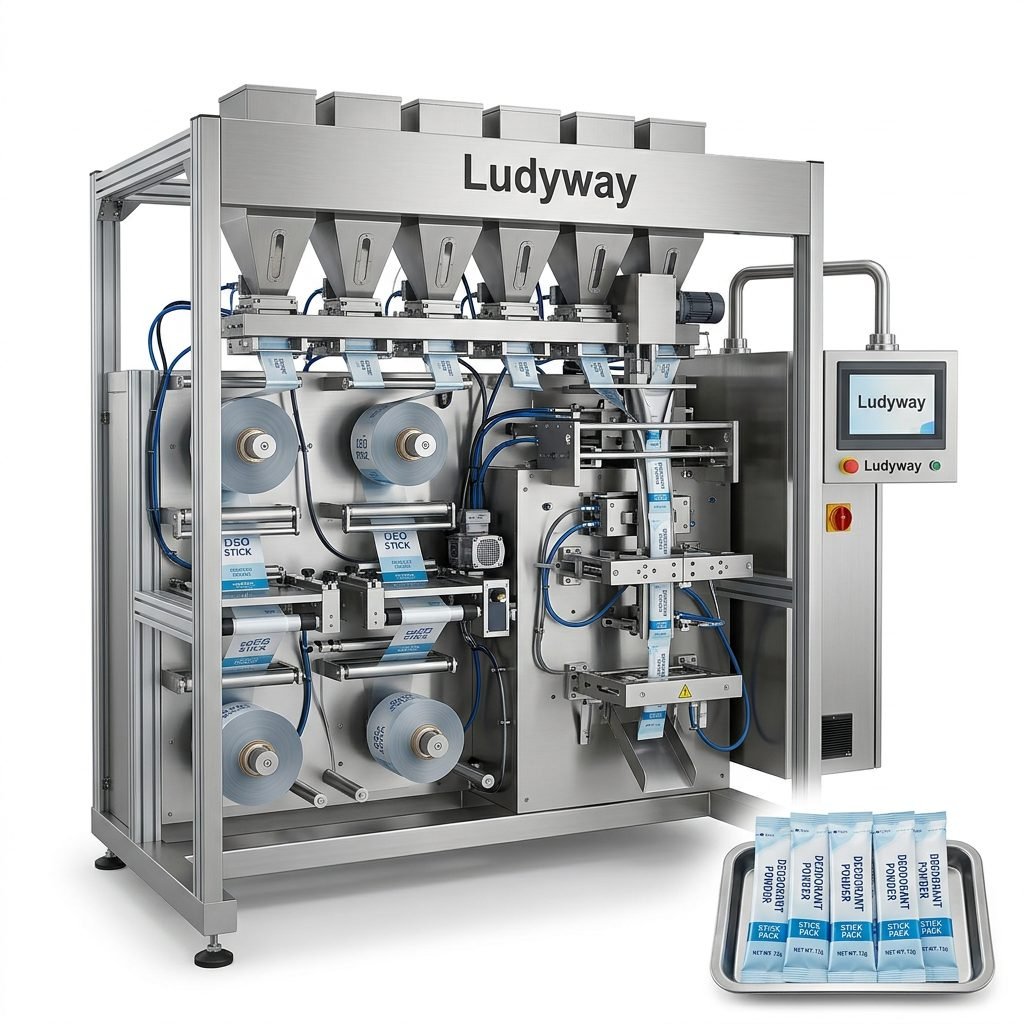
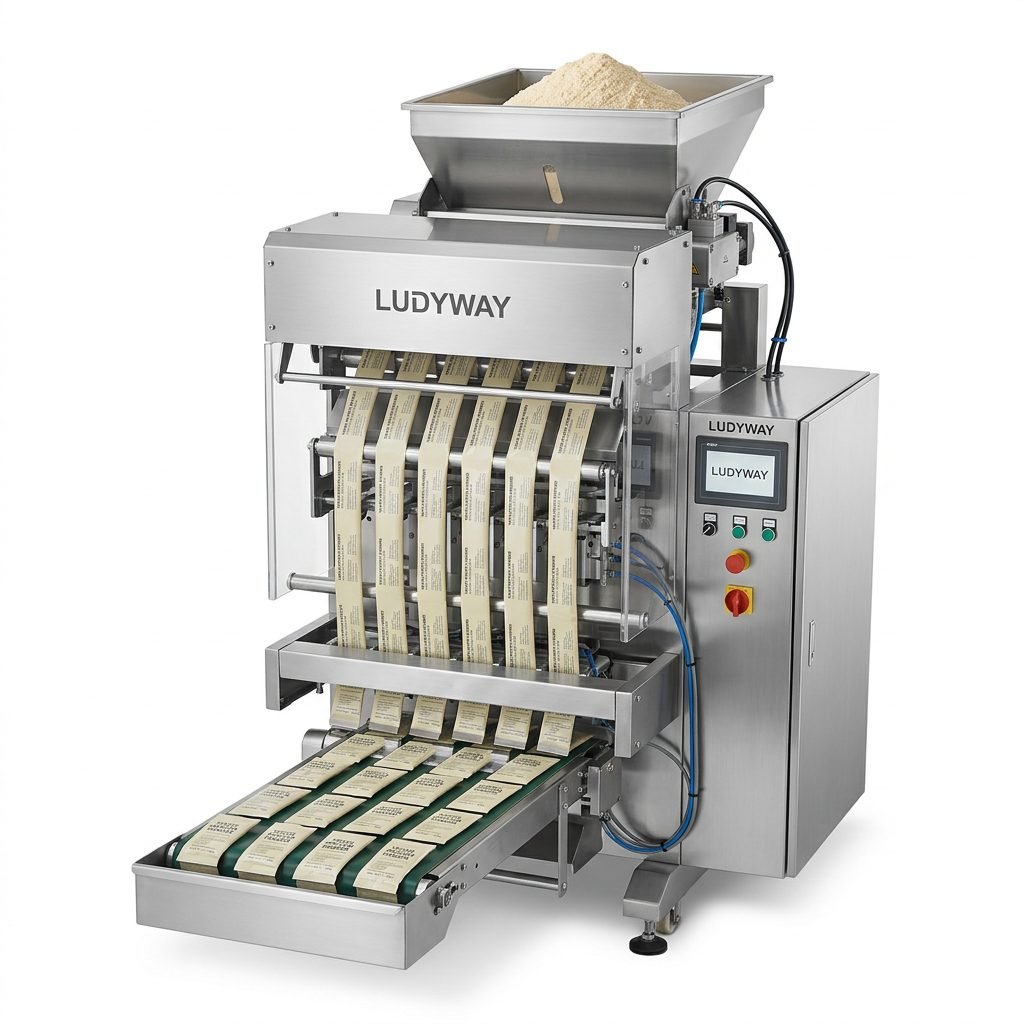
Selecting the right packaging equipment is a critical decision that directly impacts your production efficiency, product quality, and overall operational reliability. For businesses looking to package products like powders, granules, or liquids, an ABC packaging machine often represents the ideal solution, balancing automation with versatility. This guide will walk you through the key factors to consider to ensure you choose the best ABC packaging equipment for efficient and reliable product packing.
Understanding Your Core Packaging Requirements
Before diving into machine specifications, a thorough analysis of your own needs is essential. This foundational step prevents costly mismatches and ensures the equipment integrates seamlessly into your operation.
Key Questions to Define Your Scope:
→ Product Type & Form: Are you packing fine powder, coarse granules, viscous liquids, or small solid pieces? The product’s characteristics dictate the type of feeding system (auger, volumetric cup, pump) required.
→ Production Speed & Output: What are your required bags-per-minute (BPM) targets? Calculate both current needs and projected growth to avoid under or over-investing in machine capacity.
→ Packaging Materials: What type of film or laminate will you use? The machine must be compatible with your chosen material (e.g., PET/AL/PE, kraft paper, biodegradable films) and handle its thickness and sealing properties reliably.
Evaluating Machine Performance & Reliability
Once your requirements are clear, assess how different ABC packaging machines perform against those criteria. Reliability is non-negotiable for maintaining continuous production.
1. Precision and Accuracy of Dosing
The heart of any packaging machine is its dosing system. Inaccurate fills lead to product giveaway, regulatory non-compliance, and customer dissatisfaction. Look for equipment with a high-precision servo-driven auger system or weight-checking system for critical applications. Machines from experienced suppliers like Ludyway Packaging Machinery often incorporate advanced feedback mechanisms to maintain consistent fill weights, even with products that are prone to bridging or density variation.
2. Operational Efficiency and Uptime
Efficiency isn’t just about raw speed. It encompasses quick changeover times, minimal downtime, and ease of operation. A reliable ABC packager should feature:
- User-Friendly HMI (Human-Machine Interface): An intuitive touchscreen control panel simplifies recipe management and operation.
- Quick-Change Parts: Tool-less format change components for bag size adjustments reduce changeover time from hours to minutes.
- Robust Construction: A rigid frame and high-quality components (like Japanese servo motors and German sensors) ensure stability at high speeds and longevity.
Key Features for Enhanced Functionality
Modern ABC packaging machines offer a range of features that solve common production challenges and add significant value.
Essential Features to Prioritize:
No Gas Flushing Nitrogen Gas Flushing System: For products requiring extended shelf life (like coffee or spices), an integrated gas flushing system removes oxygen from the bag before sealing.
Date & Batch Coding Integrated Date/Batch Coder: A built-in inkjet or thermal transfer coder prints directly onto the film, ensuring traceability and compliance without a separate offline process.
Dust Extraction Dust Collection Port: For powdery products, a connection for a dust extraction system keeps the sealing jaws clean, ensuring strong seals and a cleaner working environment.
The Importance of Supplier Support and Service
The machine’s quality is only half the equation. The supplier’s expertise and support network are crucial for long-term success. A partner with deep industry experience can provide invaluable guidance during the selection and integration process.
Consider suppliers who offer comprehensive services. For instance, professional packaging experts can provide not just the machine but a complete turnkey solution, including upstream and downstream integration. Look for a provider with a proven track record, offering detailed training, readily available spare parts, and responsive technical support. A company backed by 30+ years of industry experience and a 20,000㎡ modern production facility is typically better equipped to deliver reliable, well-tested equipment and sustained support.
Making the Final Decision and Investment
With all information gathered, compare your top options. Create a checklist weighing factors like initial cost, total cost of ownership (including maintenance and energy consumption), expected ROI, and the supplier’s reputation.
Always request a product test. Sending your actual product and packaging material to the supplier for a live demonstration is the best way to verify performance, accuracy, and seal quality. This step mitigates risk and provides confidence in your investment.
Conclusion
Choosing the best ABC packaging equipment is a strategic process that hinges on clearly defining your needs, rigorously evaluating machine performance and reliability, understanding key features, and selecting a capable and supportive supplier. By prioritizing precision, efficiency, and robust support, you can invest in a system that delivers reliable, high-quality packaging, maximizes your productivity, and scales with your business growth for years to come.
Frequently Asked Questions (FAQs)
What is the typical lifespan of a well-maintained ABC packaging machine?
A high-quality ABC packaging machine from a reputable manufacturer, with proper routine maintenance and operation, can have a productive lifespan of 10 to 15 years or more. Key components like servo motors and PLCs are designed for long-term industrial use.
Can one ABC machine handle different types of products, like powder and granules?
Many ABC machines are versatile, but the dosing system is specific. While a machine frame might be the same, switching from powder (requiring an auger filler) to large granules (requiring a cup filler) usually involves a significant change of the dosing assembly. It’s best to discuss your multi-product needs with the supplier for a tailored solution.
How important is after-sales service when purchasing packaging equipment?
Extremely important. Reliable after-sales service, including training, spare parts availability, and technical support, is critical for minimizing downtime. It’s a key factor that differentiates equipment suppliers and protects your long-term investment.
What are the common reasons for poor seal integrity on an ABC packager?
Poor seals can stem from several issues: incorrect temperature/pressure/time settings for the film, contaminated sealing jaws (from product dust or residue), worn-out jaw Teflon coatings, or using film that is not compatible with the machine’s sealing method.
Are there options for integrating the ABC packager into a full automated line?
Yes, most industrial ABC packagers are designed for integration. They can be connected to upstream equipment like bulk supply systems and downstream systems like checkweighers, metal detectors, and cartoning machines for a complete automated packaging line.