In the competitive confectionery industry, the right packaging is as crucial as the product itself. It protects the sweets, preserves freshness, enhances shelf appeal, and communicates brand identity. Behind every perfectly wrapped candy, chocolate, or gum is a sophisticated piece of confectionery packaging equipment. Choosing the correct machine is a critical investment that impacts production efficiency, product quality, and overall profitability. This guide delves into the various types of packaging equipment, their key features, and provides a framework for selecting the ideal machine for your specific needs.
Core Types of Confectionery Packaging Equipment
The packaging process for confectionery items varies greatly depending on the product’s form, sensitivity, and desired presentation. Here are the primary equipment categories.
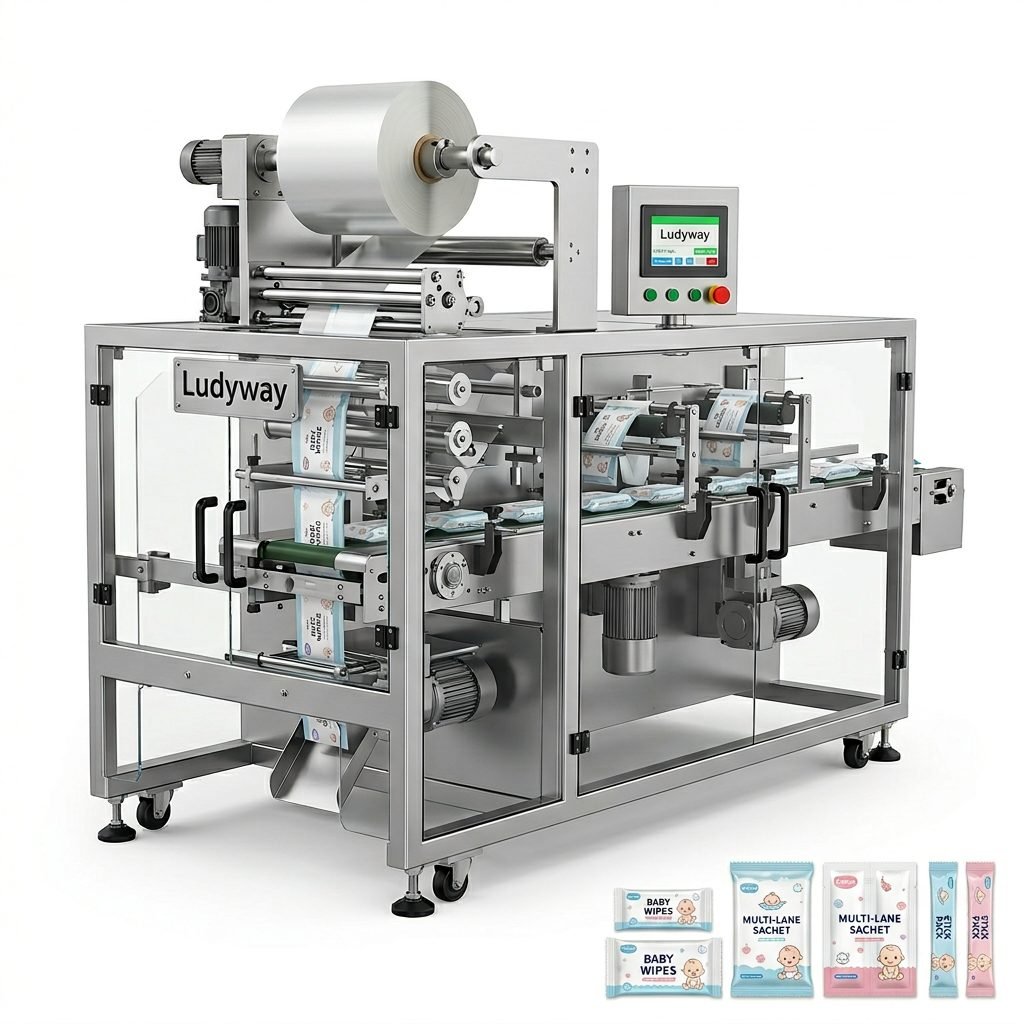
1. Flow Wrappers (Horizontal Form-Fill-Seal)
These are the workhorses of the confectionery industry, ideal for high-speed wrapping of individual items or multi-packs.
- How it Works: A flat film is formed into a tube around the product. The longitudinal seam is sealed, followed by end seals that are crimped and cut, creating a tight, pillow-style pouch.
- Best For: Chocolate bars, candy bars, biscuit packs, granola bars, and multipacks of smaller items.
- Key Advantage: Exceptional speed and efficiency for uniform, solid products.
2. Vertical Form-Fill-Seal (VFFS) Machines
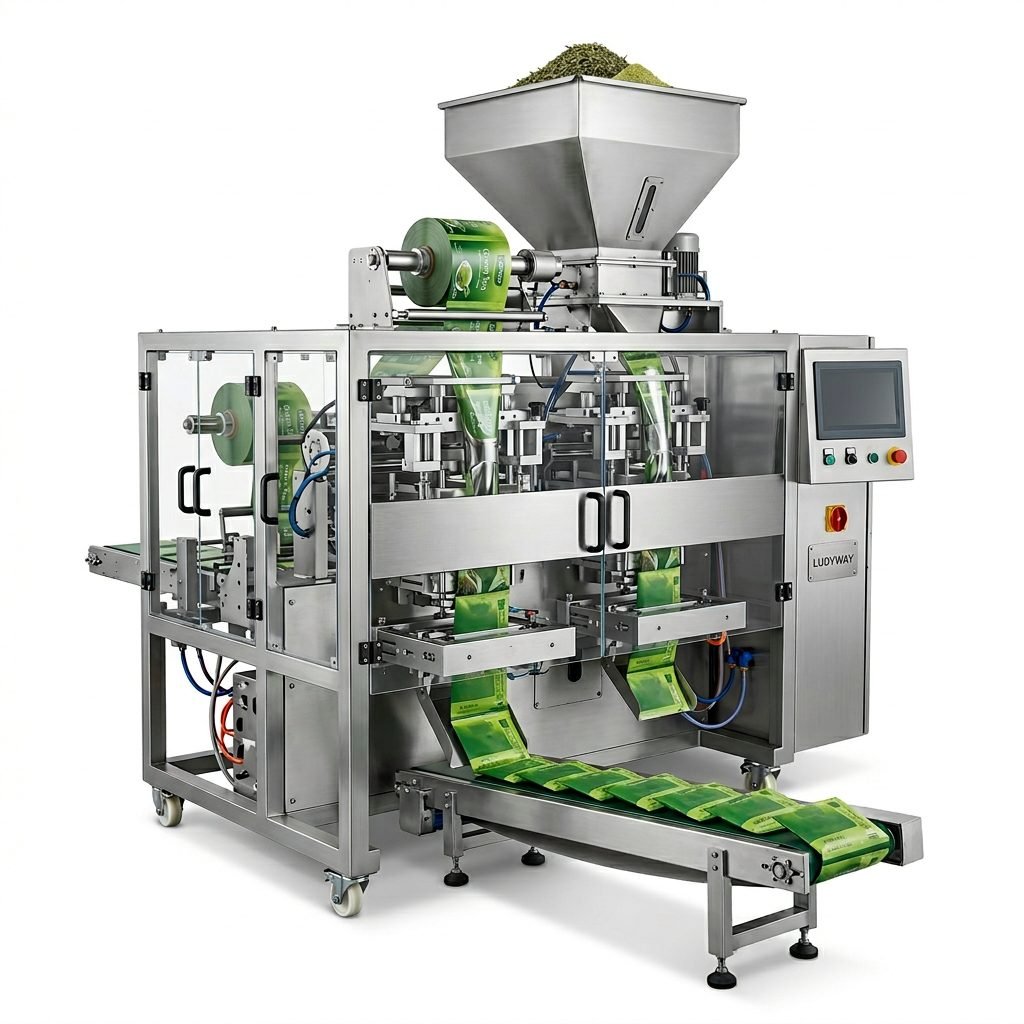
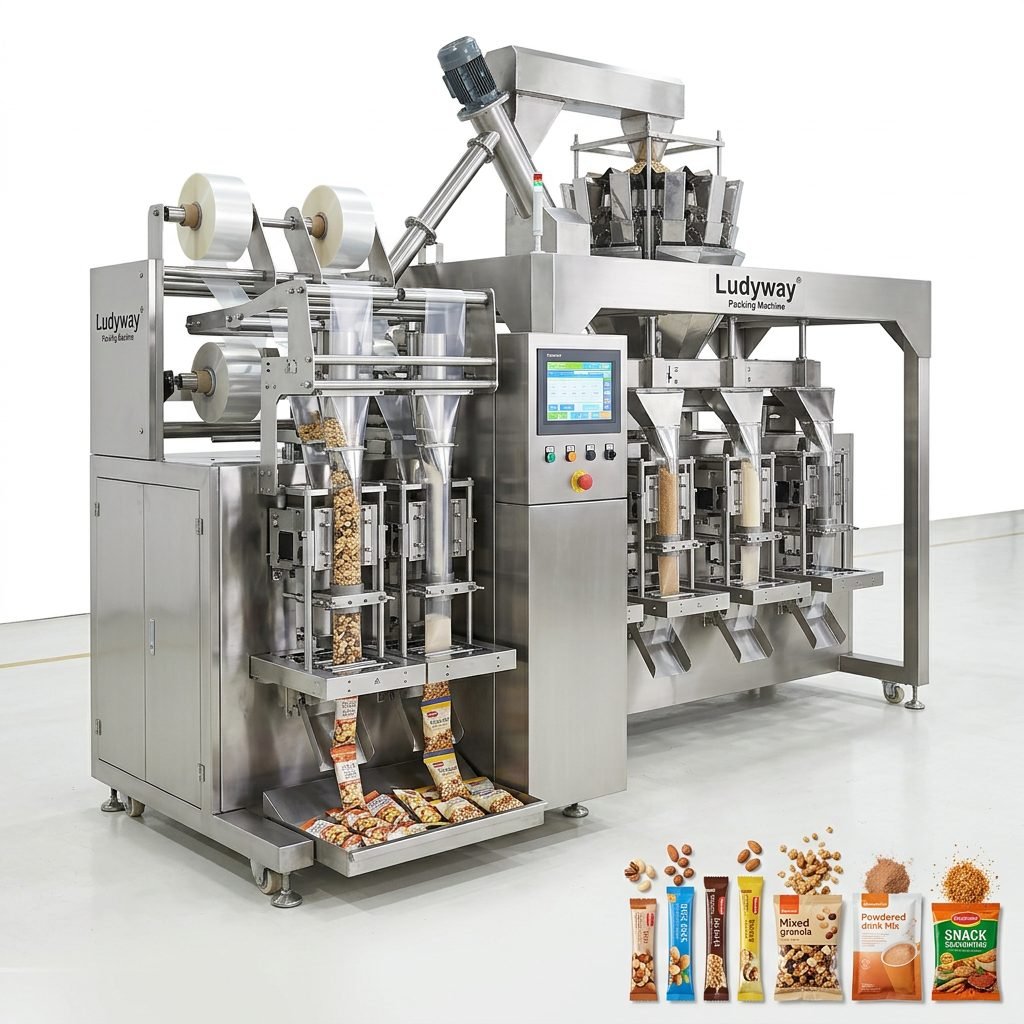
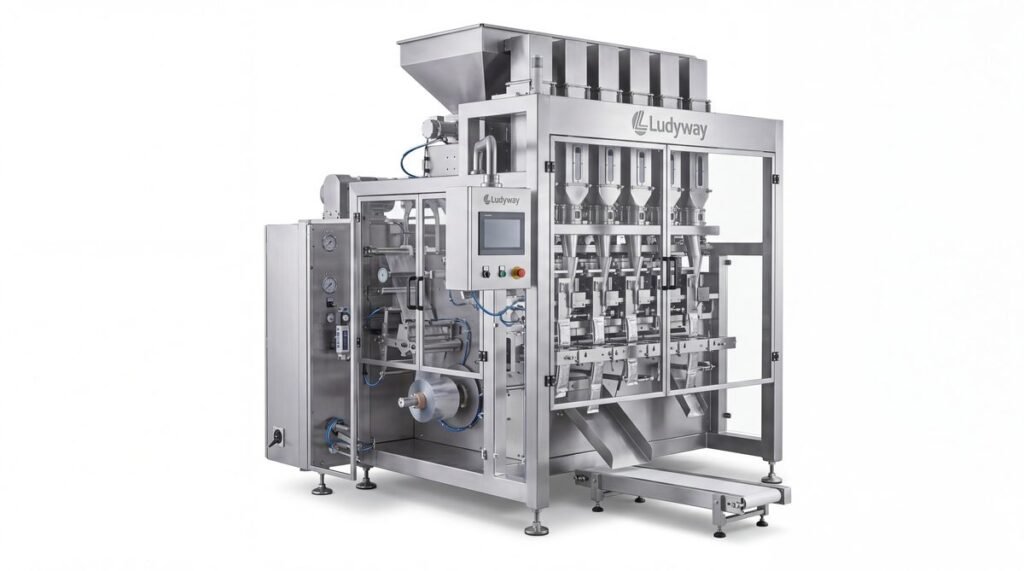
VFFS machines are designed for packaging free-flowing products into bags or pouches.
- How it Works: Film is drawn downward to form a vertical tube. The product is weighed and dropped into this tube. The machine then creates a horizontal seal below the product and cuts it off, forming a sealed bag from the top.
- Best For: Loose hard candies, jelly beans, chocolate drops, powdered drink mixes, and other granular or small-piece confections.
- Key Advantage: Versatility in bag size and excellent product protection from moisture and air.
3. Stick Pack Machines
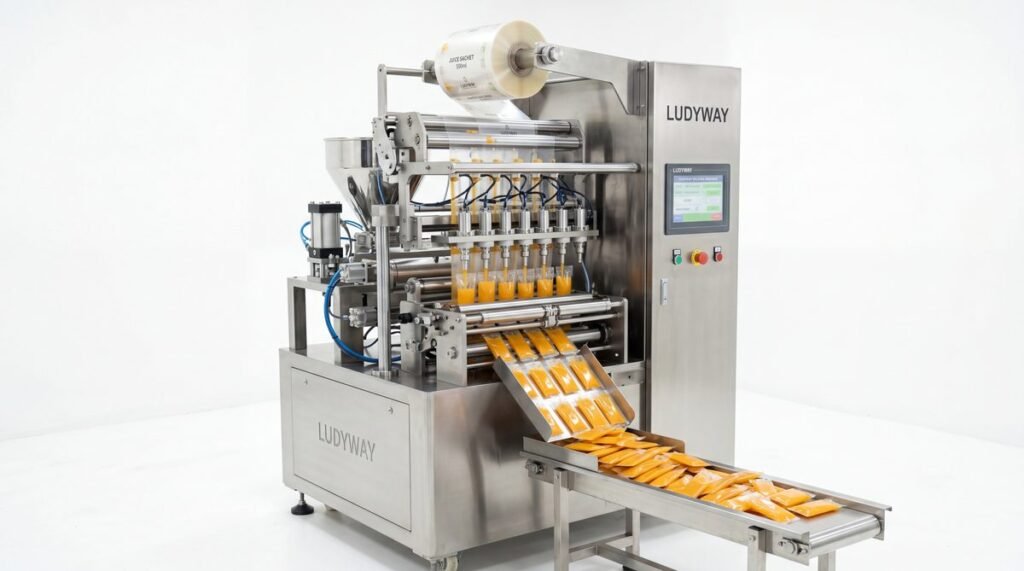
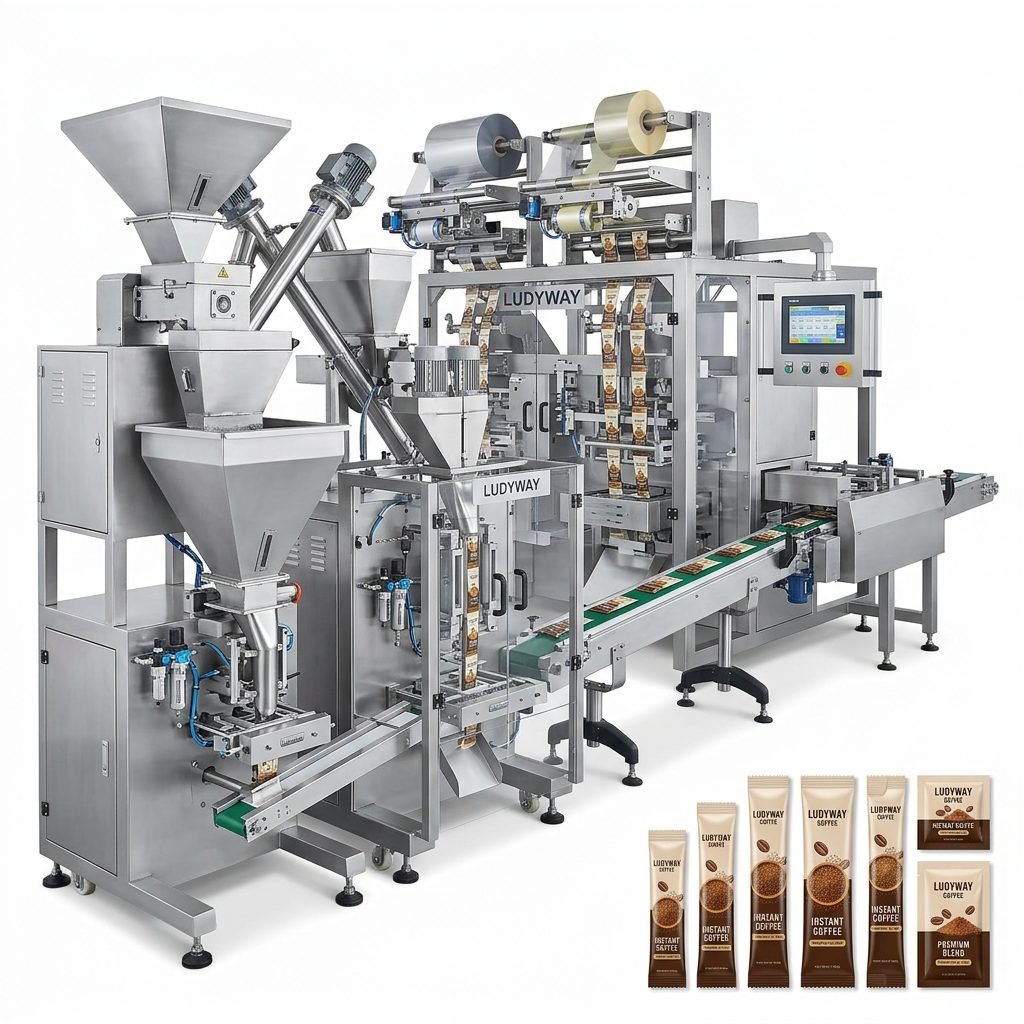
These machines produce long, slender single-serve pouches, a format that has grown immensely popular.
- How it Works: Similar to VFFS but forming a very narrow tube. Ideal for precise dosing of small quantities of powder or granules.
- Best For: Powdered sugar, instant coffee/tea for confectionery kits, drink mixes, and single-serve toppings.
- Key Advantage: Portability, reduced material usage, and high perceived value for samples or additives.
4. Cartoning and Boxing Equipment
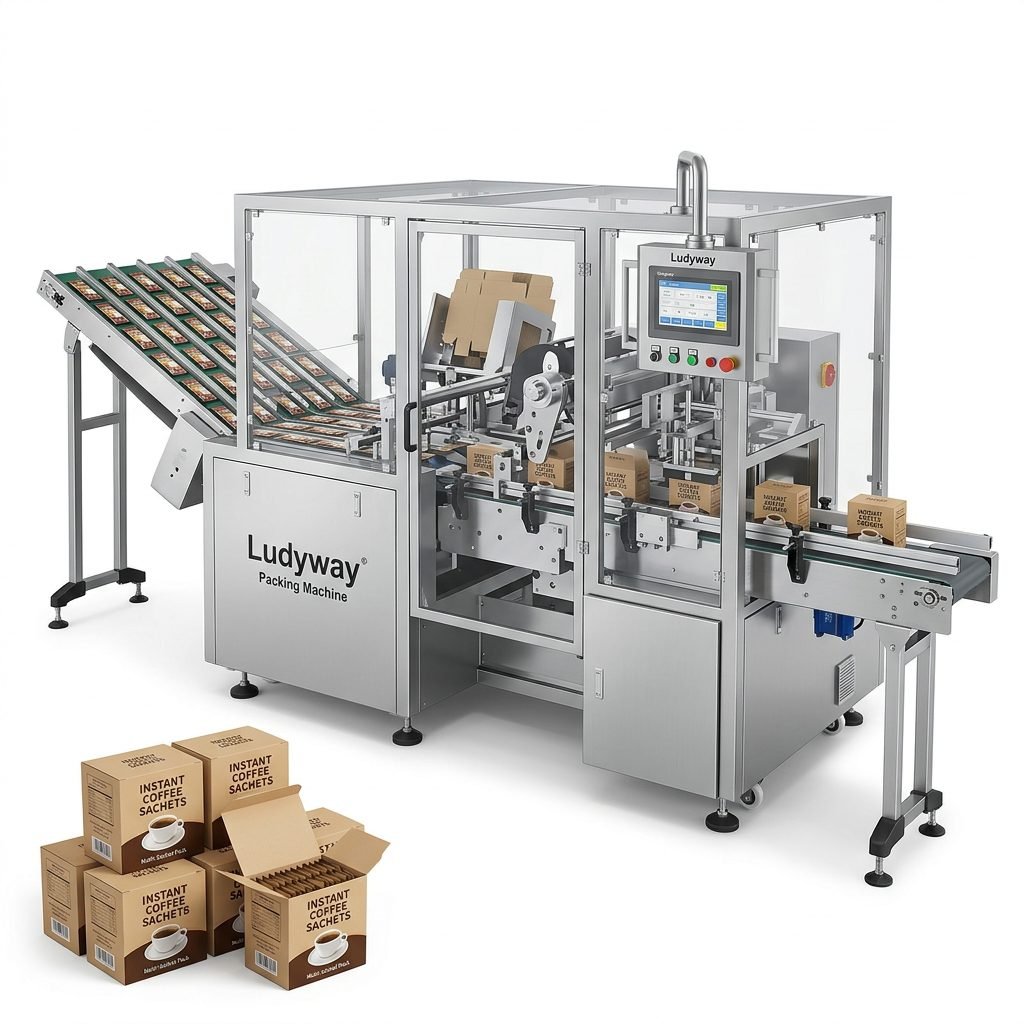
This equipment handles secondary packaging, placing primary-wrapped products into cartons or boxes.
- Types: Includes automatic cartoners, tray formers, and case packers.
- Best For: Grouping chocolate boxes, assembling gift sets, creating retail-ready displays, and preparing cases for shipping.
- Key Advantage: Automates labor-intensive tasks, ensures consistent presentation, and prepares products for the retail environment.
5. Specialized Wrapping Machines
For unique confectionery shapes and premium presentations.
- Twist Wrappers: Classic for hard candies and lollipops, using foil or cellophane that is twisted at both ends.
- Fold Wrappers: Used for chocolates, where the film is neatly folded underneath the item for a clean, premium look.
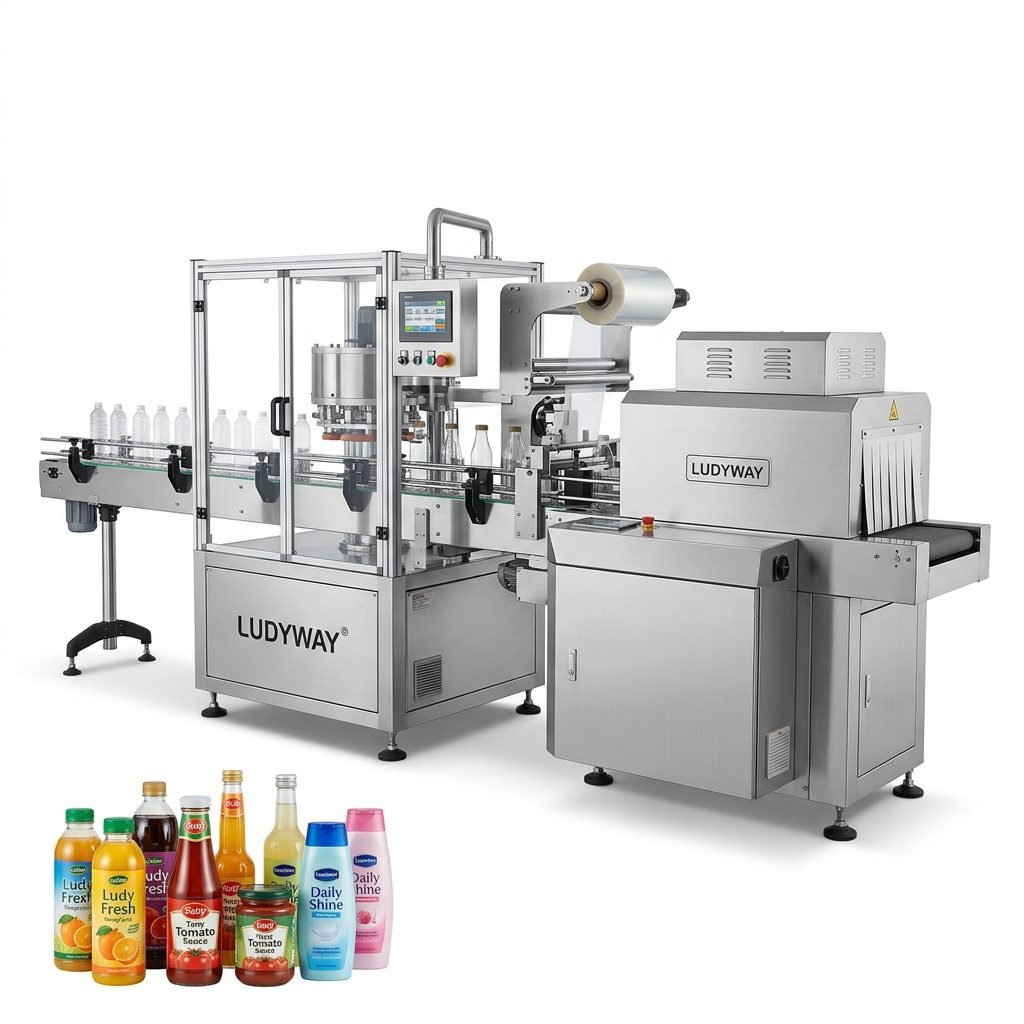
- Shrink Wrapping Systems: Apply a loose sleeve of film which is then heated to conform tightly to multi-packs or irregular shapes, providing stability and tamper evidence.
Essential Features to Consider in Packaging Machinery
Beyond the machine type, several features determine performance, flexibility, and long-term value.
Production Speed & Output
Measured in packs per minute (PPM). Match the machine’s maximum speed to your current and projected production volumes. Over-specifying can lead to unnecessary cost, while under-specifying creates bottlenecks.
Flexibility & Changeover
How quickly and easily can the machine switch between different product sizes or packaging materials? Look for features like tool-less changeovers, digital size adjustment, and recipe memory storage to minimize downtime for short production runs.
Material Compatibility
The machine must be compatible with your chosen packaging films (e.g., laminates, metallized films, biodegradable materials). Consider seal integrity, film tracking, and the ability to handle different material thicknesses.
Automation & Integration Level
Modern machines offer varying degrees of automation:
- Basic: Manual product loading.
- Intermediate: Integrated weigh scales, auger fillers, or robotic pick-and-place units.
- Advanced: Full integration with upstream mixers/coolers and downstream cartoners via PLC and Industry 4.0 connectivity for real-time monitoring.
Hygiene & Construction
For food contact, construction should favor stainless steel on critical surfaces. Design should facilitate easy cleaning and maintenance, with minimal crevices where product or debris can accumulate.
Control System & User Interface
A user-friendly, intuitive HMI (Human-Machine Interface) is vital for operator training, monitoring, and troubleshooting. Multi-language support is a significant advantage for global operations.
How to Choose the Right Confectionery Packaging Machine: A Step-by-Step Guide
Selecting equipment is a strategic decision. Follow this structured approach to ensure a sound investment.
Step 1: Define Your Product & Packaging Requirements
- Product Characteristics: Size, shape, weight, fragility, temperature (e.g., does chocolate need cold sealing?), oiliness.
- Packaging Format: Determine the primary package (pillow bag, stick pack, twist wrap) and any secondary packaging (carton, display box).
- Material Goals: Consider barrier properties (moisture, oxygen), sustainability goals (compostable films), and print quality needs.
Step 2: Analyze Your Production Needs
- Current & Future Volume: Calculate required PPM for your shifts. Plan for 20-30% growth capacity.
- Line Integration: Will this machine be a standalone unit or part of a connected production line? This dictates communication protocol needs.
- Labor Model: Determine the level of automation needed based on available labor and skill level.
Step 3: Evaluate Machine Suppliers
Not all manufacturers are equal. Look for:
- Industry Experience: A supplier with a proven track record in confectionery, like Ludyway Machinery, brings valuable application knowledge.
- Technical Support & Service: Availability of spare parts, remote diagnostics, and on-site service engineers is critical for minimizing downtime.
- Testing & Validation: Always insist on a factory acceptance test (FAT) using your actual product and packaging materials.
- Customization Ability: Can the supplier modify the machine to handle your unique product or special features?
Step 4: Conduct a Total Cost of Ownership (TCO) Analysis
Look beyond the initial purchase price. Include:
- Installation and commissioning costs.
- Cost of changeover parts and tools.
- Estimated maintenance, energy, and consumable (film) costs.
- Potential cost savings from reduced waste, higher efficiency, and lower labor.
Step 5: Plan for the Future
Choose a machine and a supplier that can grow with your business. Consider modular designs that allow for future upgrades and a manufacturer committed to ongoing innovation and support, ensuring your packaging line remains competitive for years to come. Partnering with an expert who understands the full scope of turnkey production line solutions can streamline this entire process.
Frequently Asked Questions (FAQs)
1. What is the most important factor when choosing a packaging machine?
While all factors are interconnected, product-machine compatibility is paramount. The machine must reliably handle your specific confectionery’s physical properties (size, shape, stickiness, temperature) without damaging it or compromising seal integrity. A machine test with your actual product is non-negotiable.
2. How much should I budget for a confectionery packaging machine?
Costs vary wildly from tens of thousands for a basic semi-automatic machine to several hundred thousand for a high-speed, fully automated line. The budget should be based on your TCO analysis. Focusing solely on the lowest upfront price often leads to higher long-term costs in maintenance, downtime, and limited capability.
3. Can one machine handle multiple different confectionery products?
Yes, through flexible or multi-head machines. The key is the ease and speed of changeover. Machines designed for quick, tool-less adjustments between product sizes or formats maximize line utilization. Discuss your product range in detail with suppliers like Ludyway Packaging Machinery to find the optimal flexible solution.
4. What maintenance is required for packaging equipment?
Regular daily cleaning and lubrication as per the manual are essential. Periodic maintenance includes checking and replacing wear parts like sealing jaws, cutting blades, and film pull belts. Choosing a supplier with a clear preventative maintenance plan and readily available spare parts is crucial for sustained uptime.
5. How can I make my confectionery packaging more sustainable?
Start by consulting your machine supplier. Modern machines can often run mono-material or biodegradable films, which are more recyclable or compostable. Additionally, high-precision machines reduce film waste through more accurate sealing and cutting. The right equipment is foundational to implementing sustainable packaging initiatives.