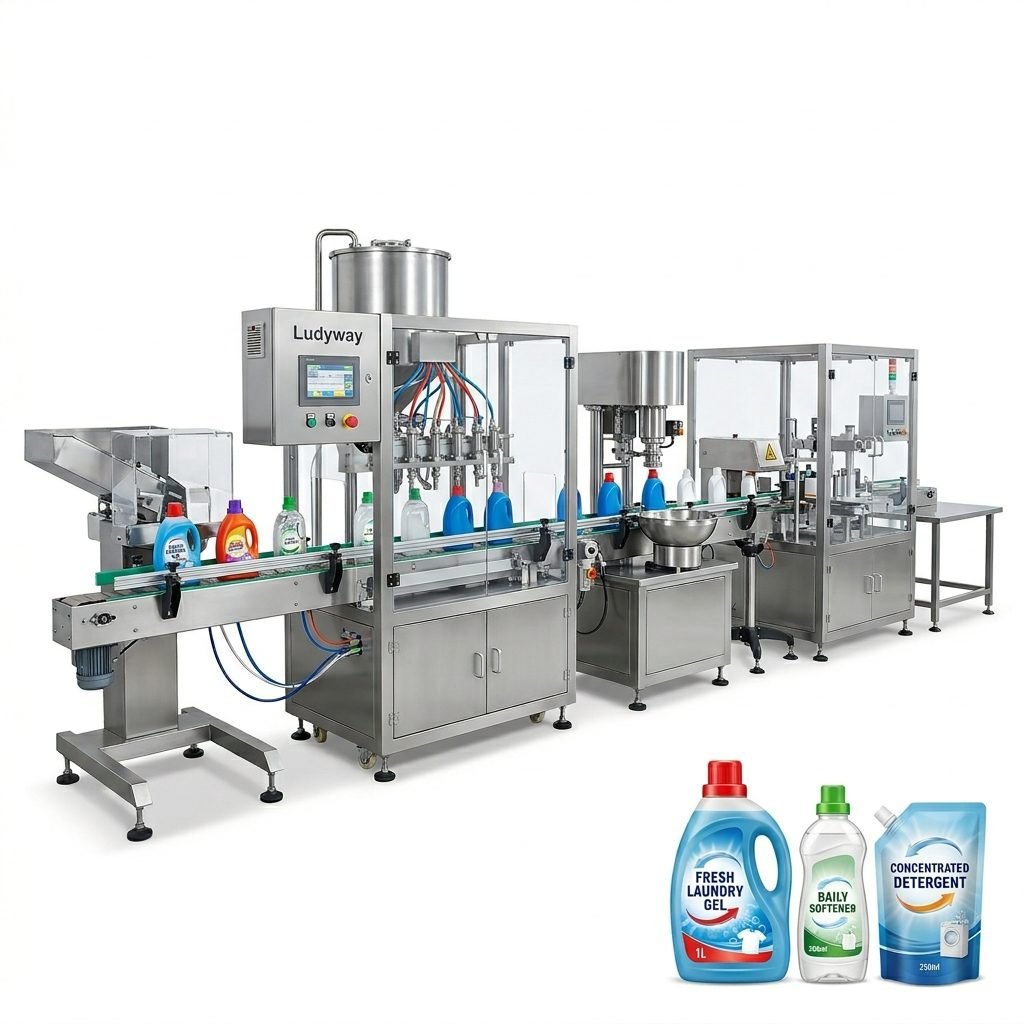
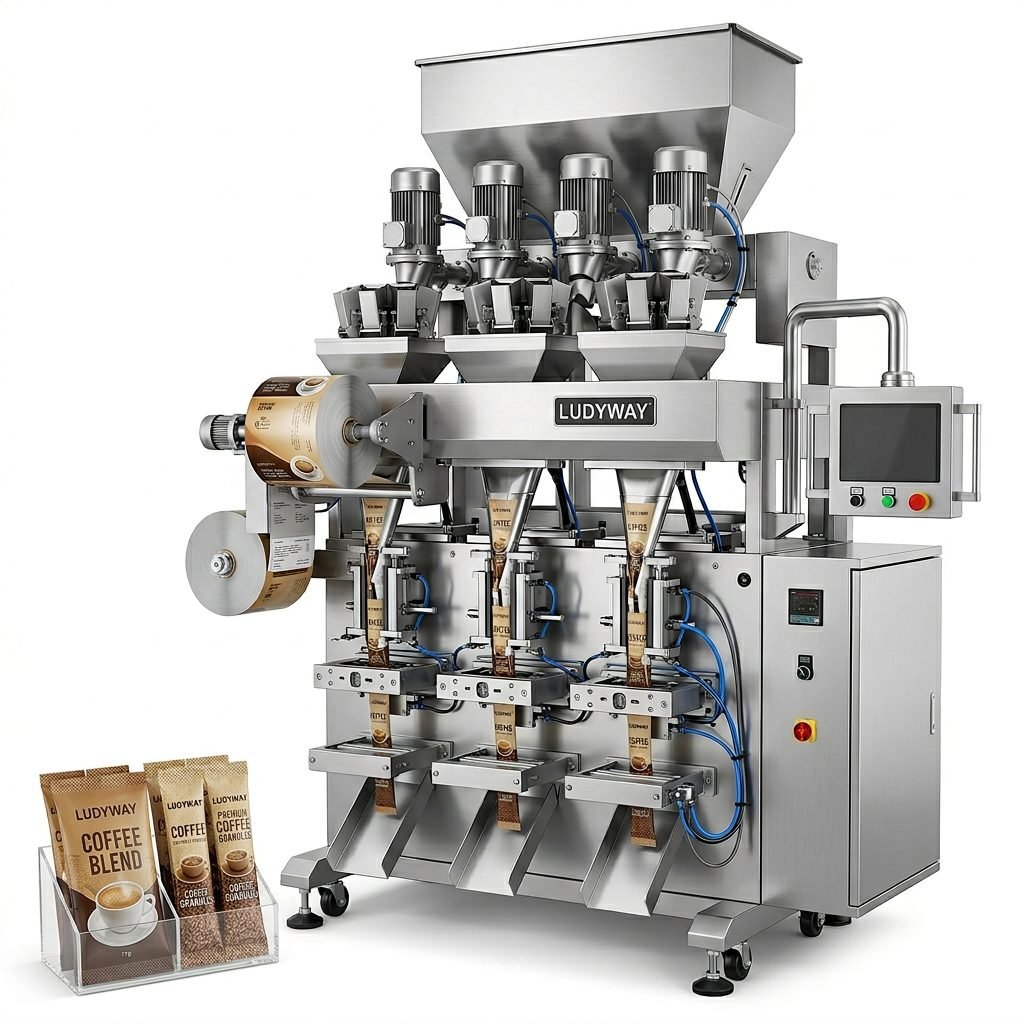
In the fast-paced world of manufacturing, efficient and reliable packaging is a cornerstone of success. For businesses producing granules, powders, and liquids, selecting the right packaging equipment is a critical decision that impacts productivity, product integrity, and overall operational costs. Excel packaging equipment represents a category of high-performance machines designed to meet these diverse and demanding needs.
Understanding the Core Types of Excel Packaging Equipment
The term “Excel” in this context often signifies machinery that excels in performance, precision, and adaptability. The market offers several primary types, each engineered for specific applications and product forms.
Vertical Form-Fill-Seal (VFFS) Machines
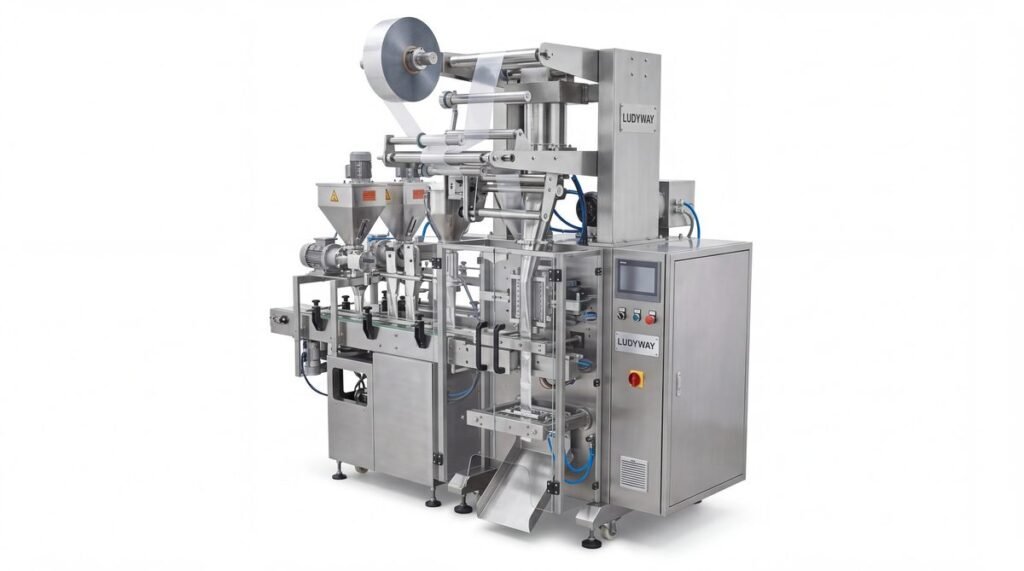
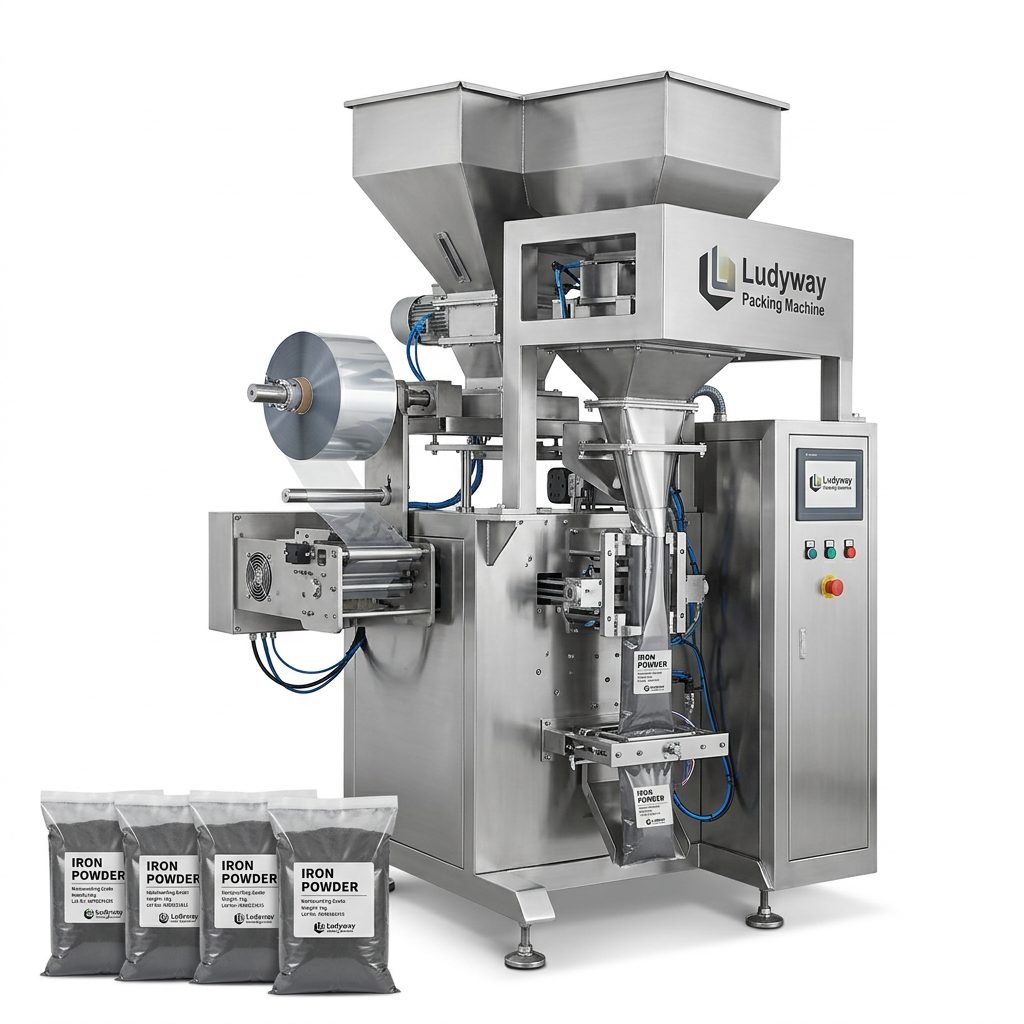
These are the workhorses of the packaging industry for free-flowing products. A VFFS machine forms a roll of packaging film into a tube, fills it with the measured product, and then seals it to create individual pouches or bags. They are incredibly versatile and can handle a wide range of package sizes and styles.
Key Advantage: High-speed operation and flexibility in pouch design, making them ideal for granule packaging like coffee, snacks, and hardware components.
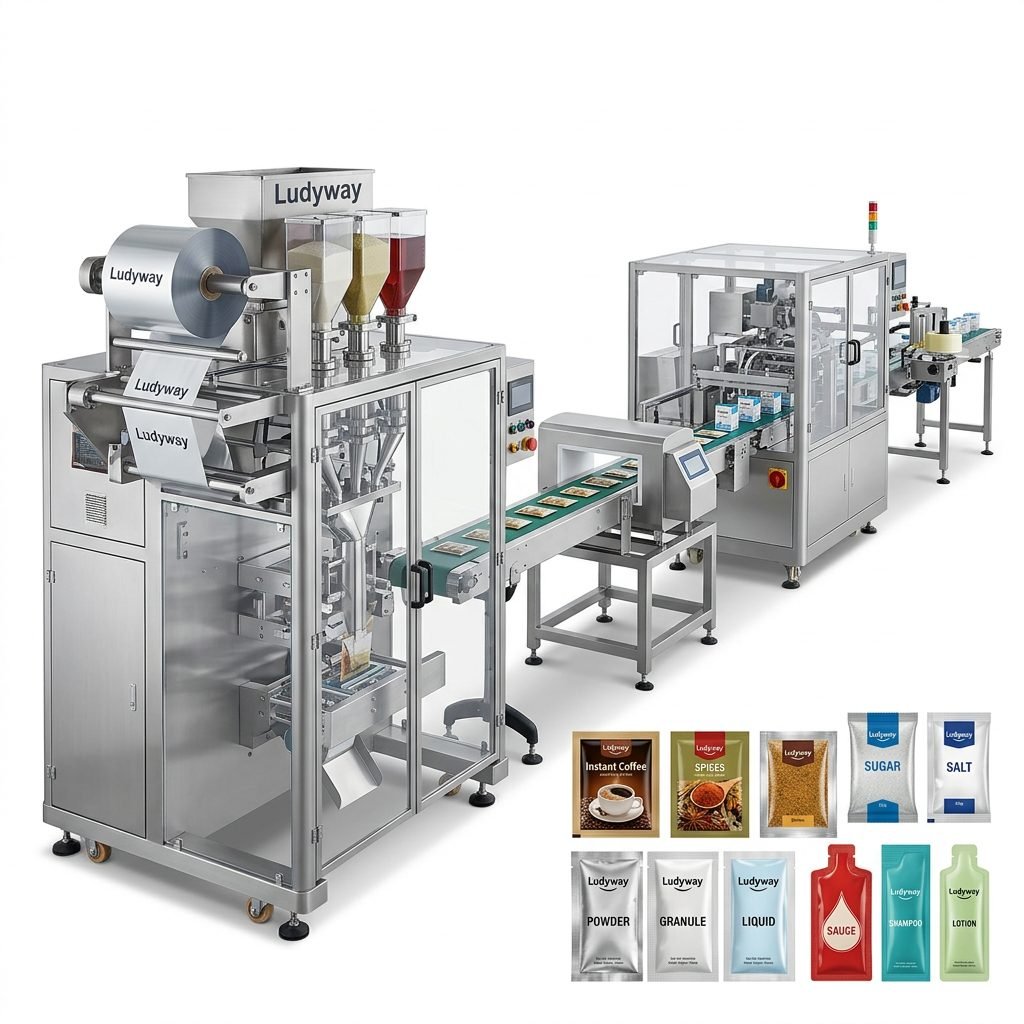
Horizontal Form-Fill-Seal (HFFS) Machines
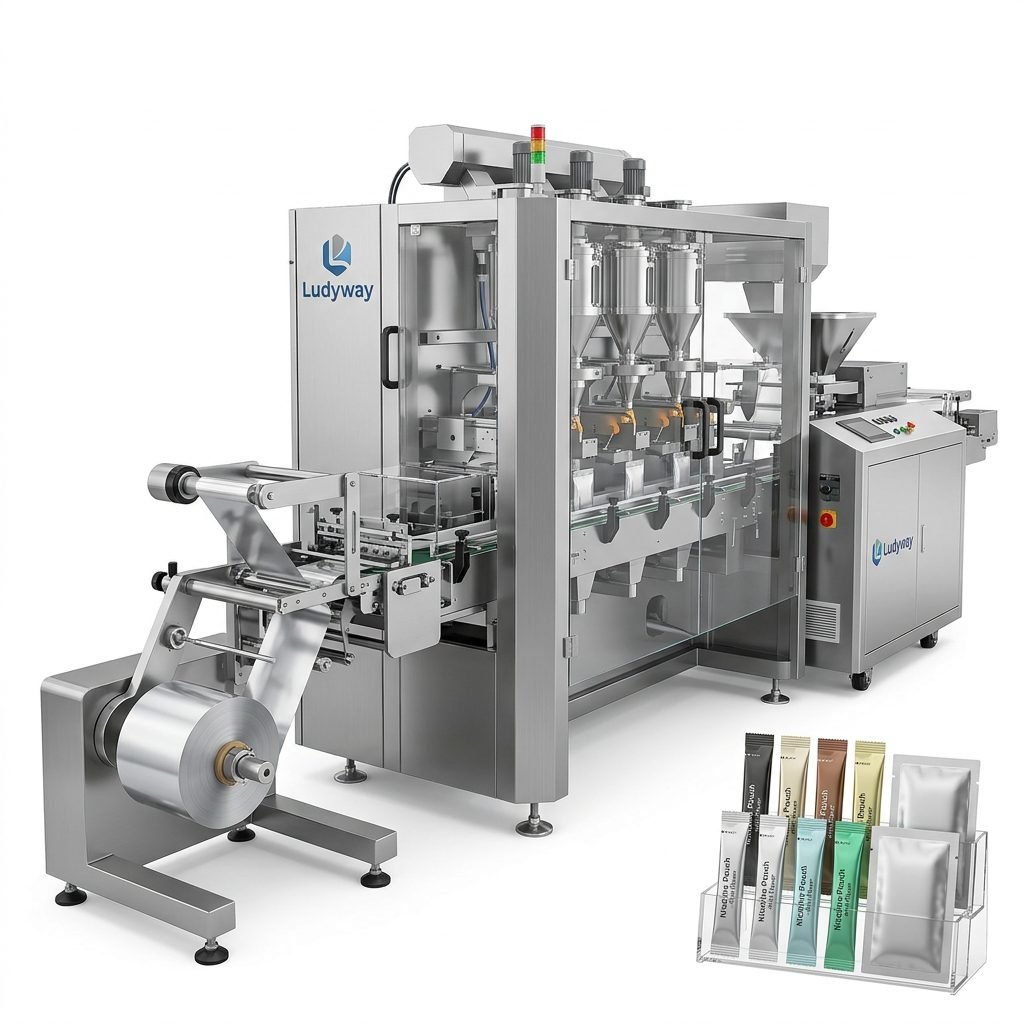
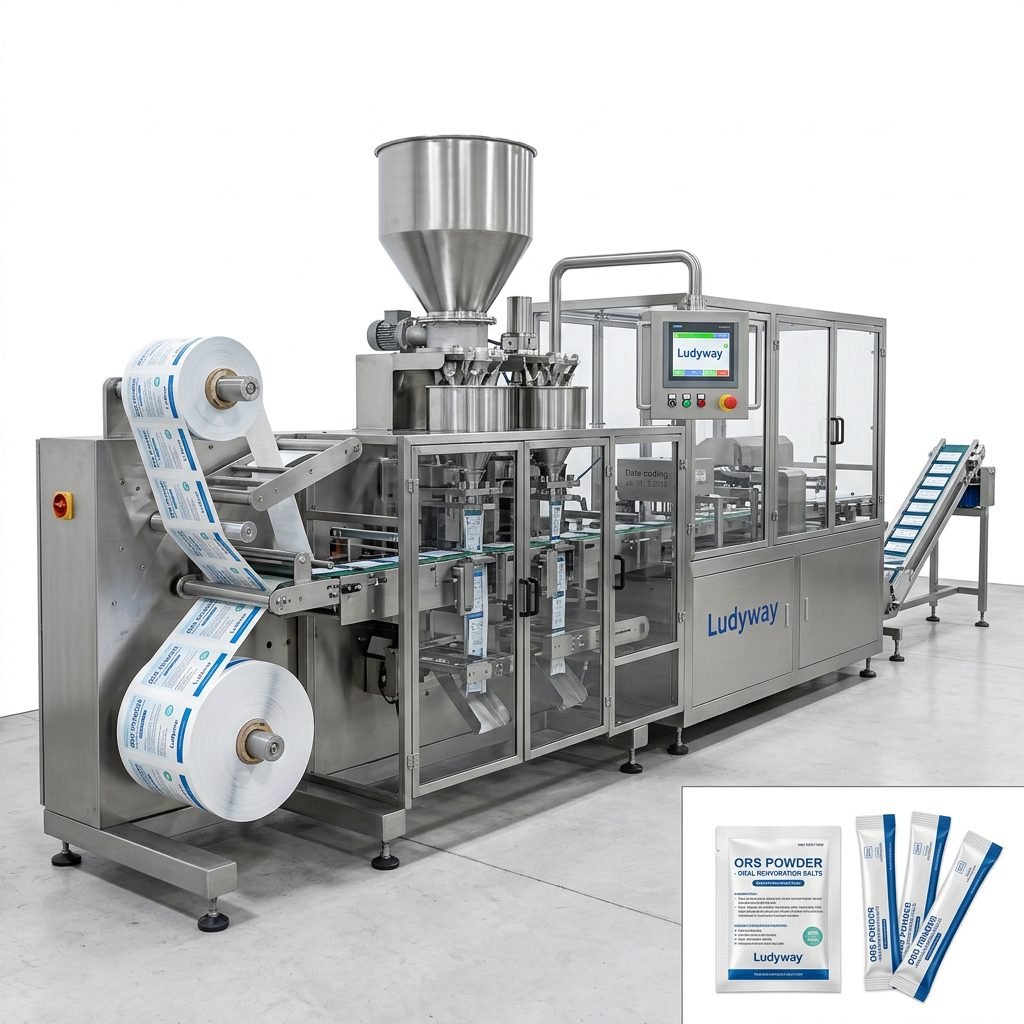
Perfect for creating sachets, stick packs, and other flat pouches, HFFS machines form the package horizontally. They are exceptionally well-suited for single-serve portions of powders (like milk powder or drink mixes), liquids (sauces, shampoos), and granules.
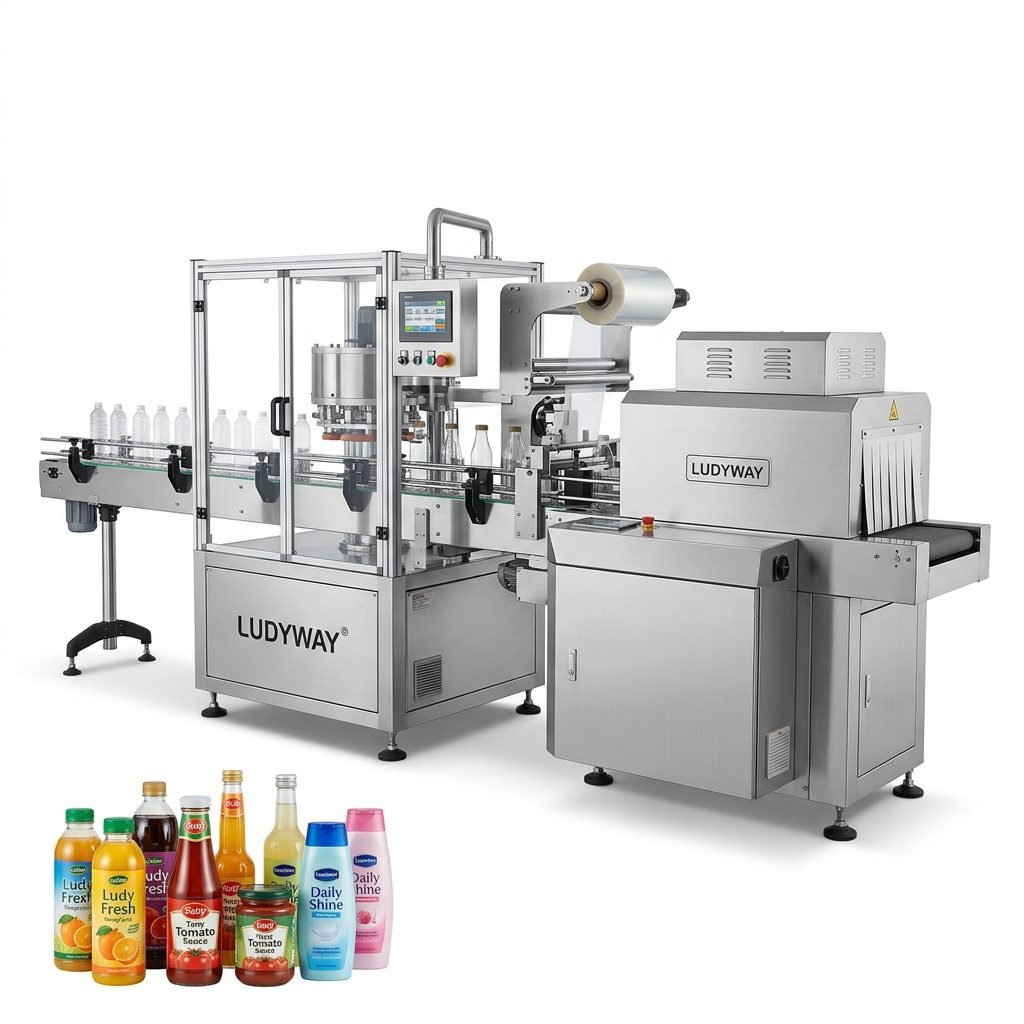
Liquid & Paste Filling Machines
This category encompasses piston fillers, gravity fillers, and volumetric fillers designed specifically for handling viscous and liquid products. Precision is paramount here to avoid spillage and ensure consistent fill volumes, which is crucial for cost control and customer satisfaction in industries like food and pharmaceuticals.
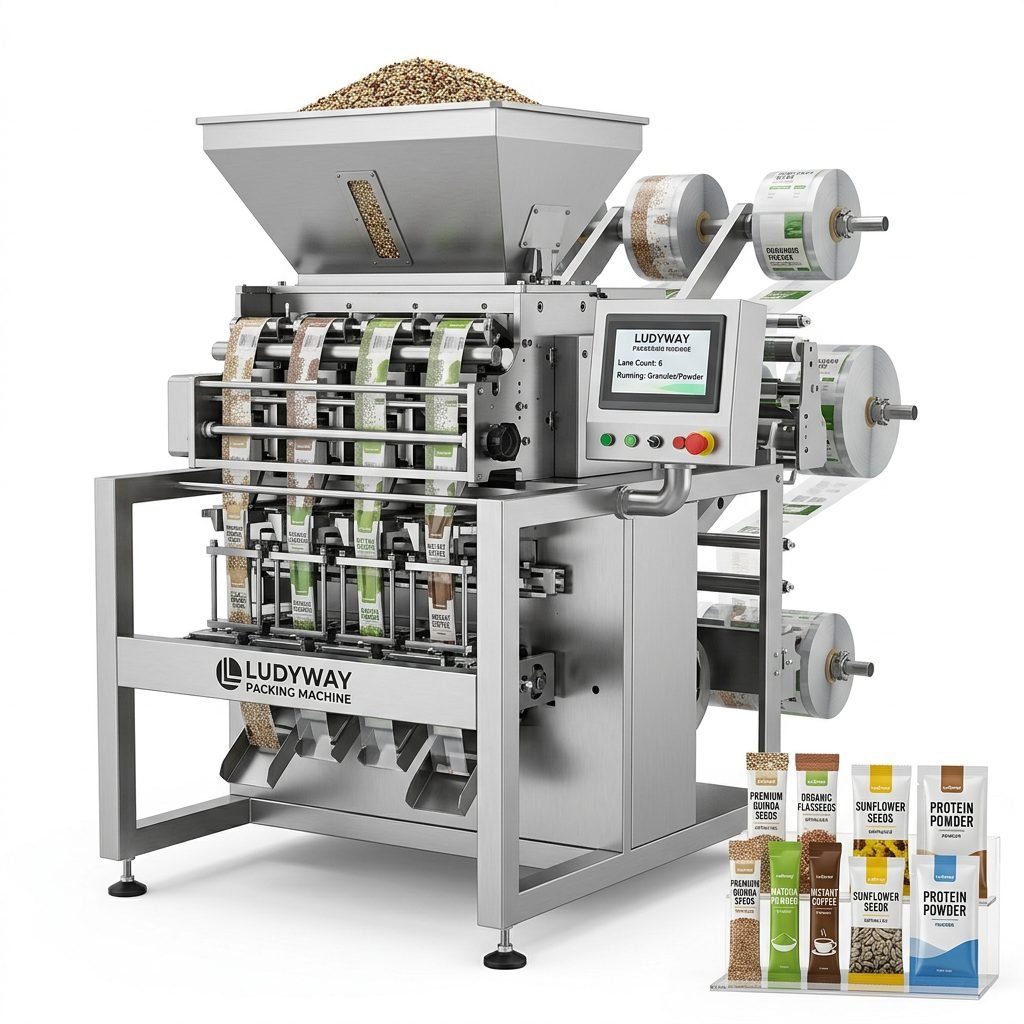
Multi-Lane and Stick Pack Machines
For ultra-high-volume production of small, elongated packets (stick packs), multi-lane machines are the solution. They operate multiple packaging lanes simultaneously, dramatically increasing output for products like sugar, instant coffee, or medicinal powders.
Essential Features of Modern Excel Packaging Systems
Beyond the basic type, several advanced features define today’s high-performance Excel packaging equipment and contribute to a superior return on investment.
Precision Weighing and Dosing Systems
At the heart of any packaging machine is its dosing mechanism. Look for machines equipped with high-accuracy load cells, servo-driven auger fillers for powders, or precision piston pumps for liquids. This ensures every package contains the exact specified amount, minimizing product giveaway.
Advanced PLC Control and HMI Interface
A user-friendly Human-Machine Interface (HMI) powered by a Programmable Logic Controller (PLC) allows for easy setup, recipe storage, and real-time monitoring of production parameters like speed, count, and error alerts.
→ Operational Insight: Modern HMIs often feature touchscreen controls and multi-language support, simplifying operation and reducing training time for technicians across global facilities.
Robust Construction and Material Compatibility
The machine frame and parts in contact with the product should be made from food-grade stainless steel (e.g., SS304 or SS316) for hygiene, durability, and corrosion resistance. This is non-negotiable for food and pharmaceutical applications to meet stringent global safety standards.
Flexible Packaging Film Handling
A good machine should handle a variety of laminates (like PET/AL/PE, PET/PE) and roll sizes with consistent tension control. Features like automatic film splicing allow for continuous operation without stopping to change rolls.
How to Choose the Right Machine for Your Production Line
Selecting the ideal Excel packaging machine is a strategic process. A systematic evaluation based on your specific needs will lead to a successful investment.
Step 1: Define Your Product and Packaging Specifications
Start with the basics. What is the physical form of your product (granule, fine powder, viscous liquid)? What are the target package dimensions and style (stand-up pouch, flat sachet, stick pack)? What type of packaging material will you use? Clear answers here narrow down the machine type immediately.
Step 2: Analyze Your Production Requirements
Calculate your required output in packages per minute (PPM) or per hour. Consider both current needs and future growth. Also, assess your factory’s available space, power supply, and compressed air availability to ensure the machine can be integrated smoothly.
Step 3: Evaluate Machine Capabilities and Supplier Credentials
Beyond brochures, request a live or recorded product test using your actual materials. Evaluate the machine’s speed, accuracy, and changeover simplicity. Crucially, assess the supplier’s reputation. A provider with decades of industry experience, a modern manufacturing facility, and a portfolio of over 50 machine models demonstrates the capability to deliver reliable, intelligent solutions and offer vital after-sales support, spare parts, and technical training.
Step 4: Consider Total Cost of Ownership (TCO)
The purchase price is just one component. Factor in long-term costs: energy consumption, required maintenance, spare part availability and pricing, and potential costs from downtime. A slightly more expensive machine from a reputable supplier often has a lower TCO due to higher reliability and better support.
Pro Tip: Prioritize suppliers who offer comprehensive turnkey solutions—from single machines to complete, integrated production lines with conveying, feeding, and checkweighing systems. This ensures compatibility and single-point responsibility.
Frequently Asked Questions (FAQs)
What is the main difference between VFFS and HFFS machines?
VFFS (Vertical Form-Fill-Seal) machines create bags that are filled vertically and are best for free-flowing granular products that can be dropped into a formed tube. HFFS (Horizontal Form-Fill-Seal) machines create flat pouches or sachets in a horizontal plane and are ideal for powders, liquids, and small granular portions where the product is placed into a pre-formed pouch cavity.
How important is after-sales service when choosing a packaging machine supplier?
Extremely important. Packaging equipment is a long-term investment. Reliable after-sales service—including readily available spare parts, remote troubleshooting support, and on-site technician availability—is critical to minimizing production downtime and ensuring the longevity and productivity of your machine over many years.
Can one machine handle different types of products and package sizes?
Many modern Excel machines are designed with flexibility in mind. With quick-change parts (like different augers, forming tubes, or sealing jaws) and saved recipes in the PLC, a single machine can often handle a range of similar product types and package sizes. However, switching between vastly different product forms (e.g., from fine powder to whole beans) may require significant reconfiguration.
What certifications should I look for in packaging equipment for the food or pharmaceutical industry?
For these regulated industries, look for machines constructed with food-grade materials (e.g., SS304/316 stainless steel) and designs that facilitate easy cleaning (sanitary design). Certifications or compliance statements regarding electrical safety (CE, UL) and hygiene standards (e.g., meeting FDA or GMP guidelines for material contact) are essential indicators of a suitable machine.
How do I estimate the potential return on investment (ROI) for a new packaging machine?
ROI is calculated by comparing the total investment cost against the savings and gains it generates. Key factors include: increased production speed leading to higher output, reduced product giveaway from improved accuracy, lower labor costs due to automation, decreased material waste from better film handling, and reduced downtime from higher machine reliability. A detailed analysis with your supplier can model this effectively.