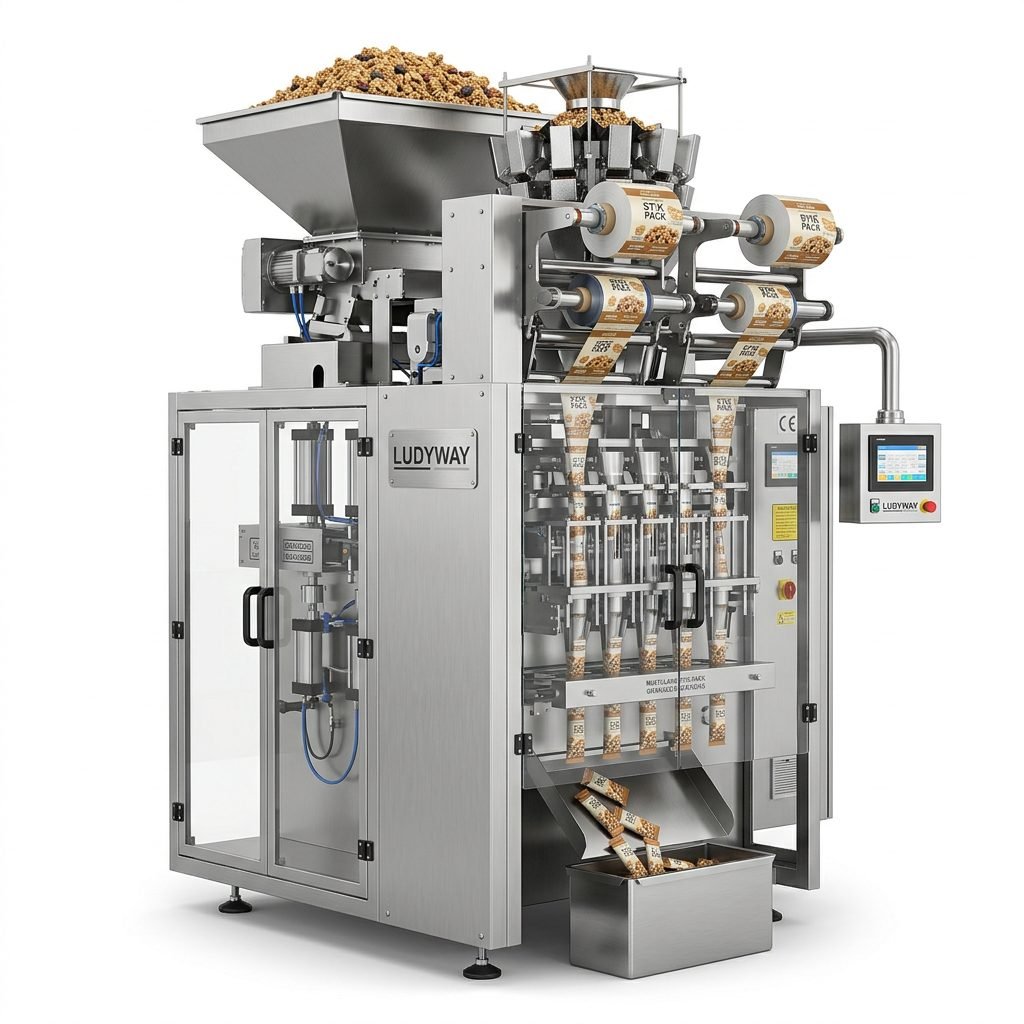
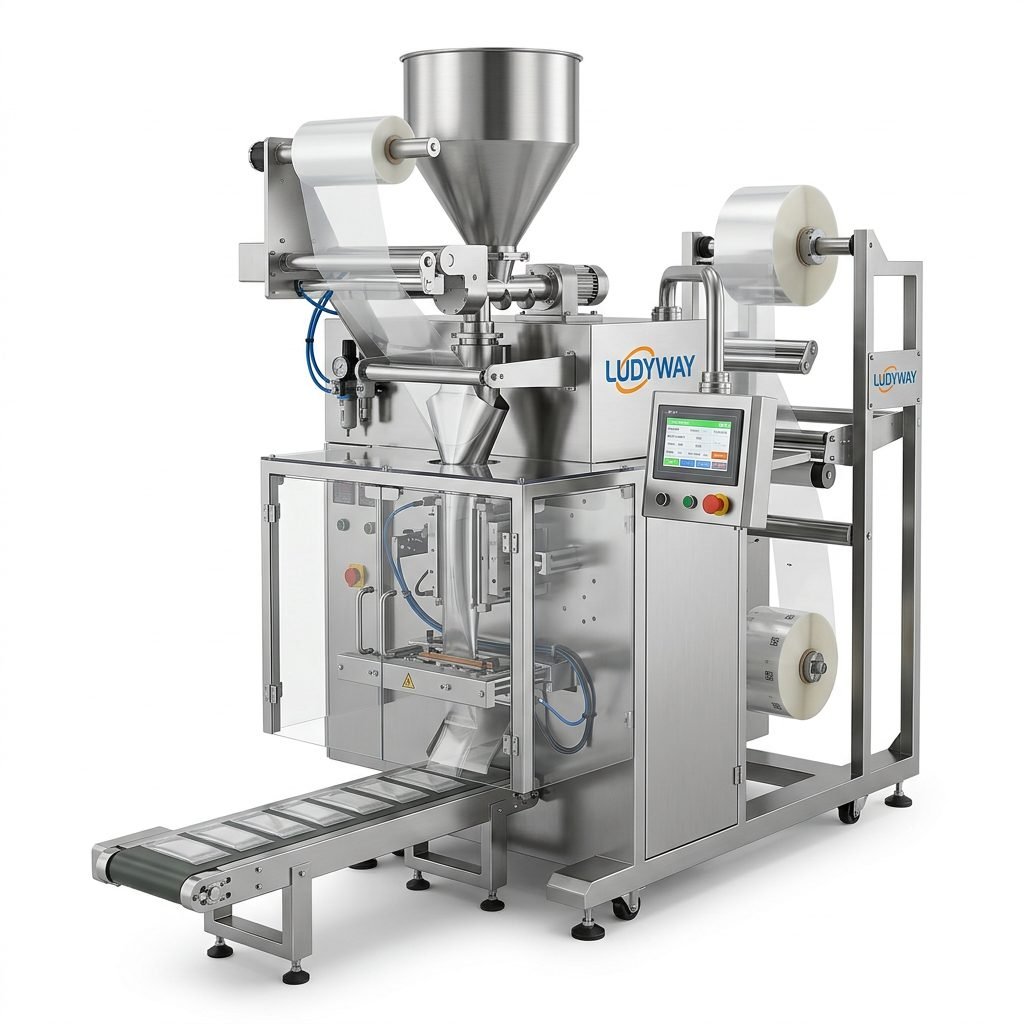
In today’s fast-paced manufacturing landscape, achieving high efficiency is not just a goal—it’s a necessity for survival and growth. For industries dealing with food, pharmaceuticals, and consumer goods, the packaging process is a critical juncture where efficiency, safety, and quality converge. The right packaging equipment can streamline operations, reduce waste, ensure product integrity, and ultimately drive profitability. This article delves into the world of high-efficiency packaging machinery, exploring its pivotal role across these vital sectors and how it is reshaping modern production lines.
The Critical Role of Packaging in Modern Manufacturing
Packaging is far more than just putting a product in a box or a pouch. It is the final, and often most visible, step in the manufacturing process. For food products, it ensures freshness and safety. For pharmaceuticals, it guarantees sterility and precise dosage. For consumer goods, it enhances shelf appeal and protects the product during transit. Inefficient packaging can lead to significant bottlenecks, increased operational costs, and compromised product quality. Therefore, investing in high-efficiency packaging systems is an investment in the entire production chain’s reliability and output.
Key Benefit: Operational Synergy
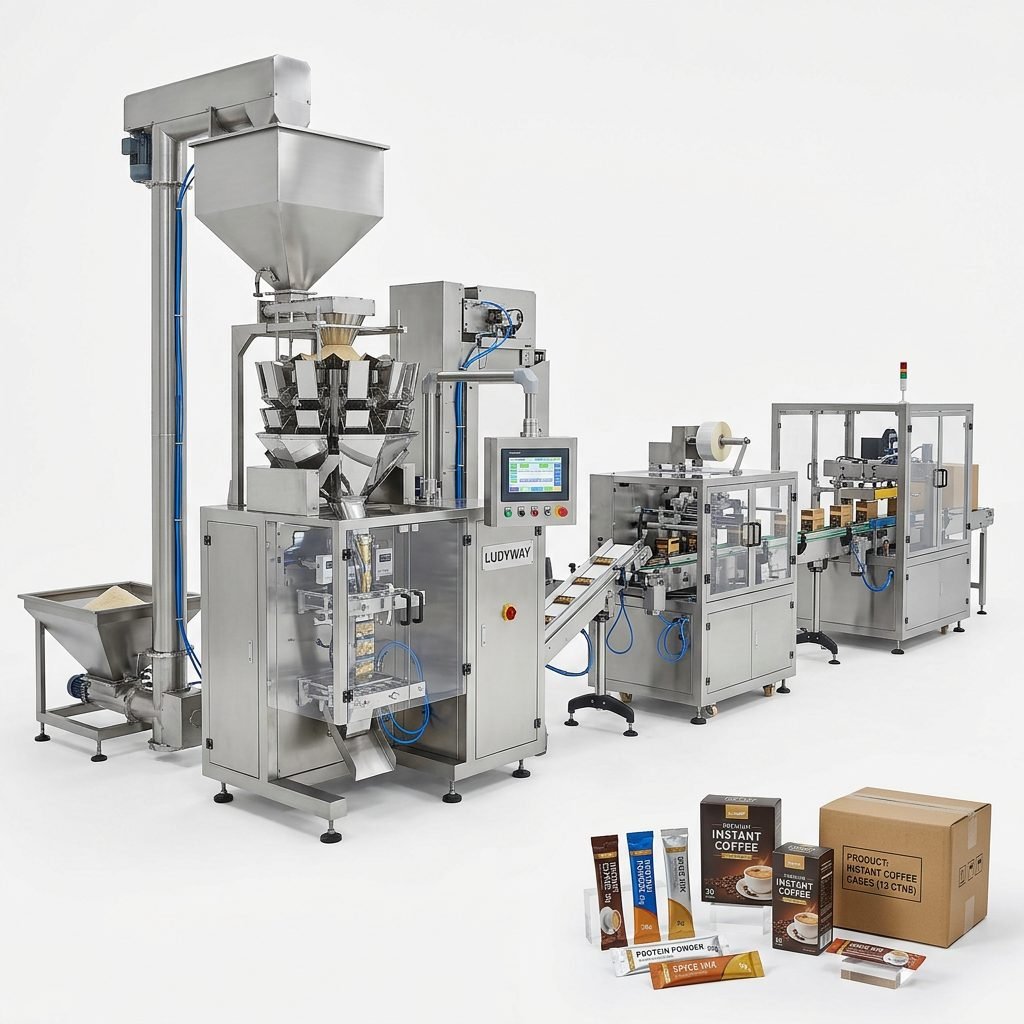
Modern high-efficiency packaging equipment is designed to integrate seamlessly with upstream and downstream processes. This creates a synchronized production flow, minimizing downtime and maximizing throughput. The result is a leaner, more responsive manufacturing operation.
High-Efficiency Solutions for the Food Industry
The food industry faces unique challenges: perishable goods, stringent hygiene standards, and volatile market demands. Packaging equipment for this sector must be fast, adaptable, and exceptionally hygienic.
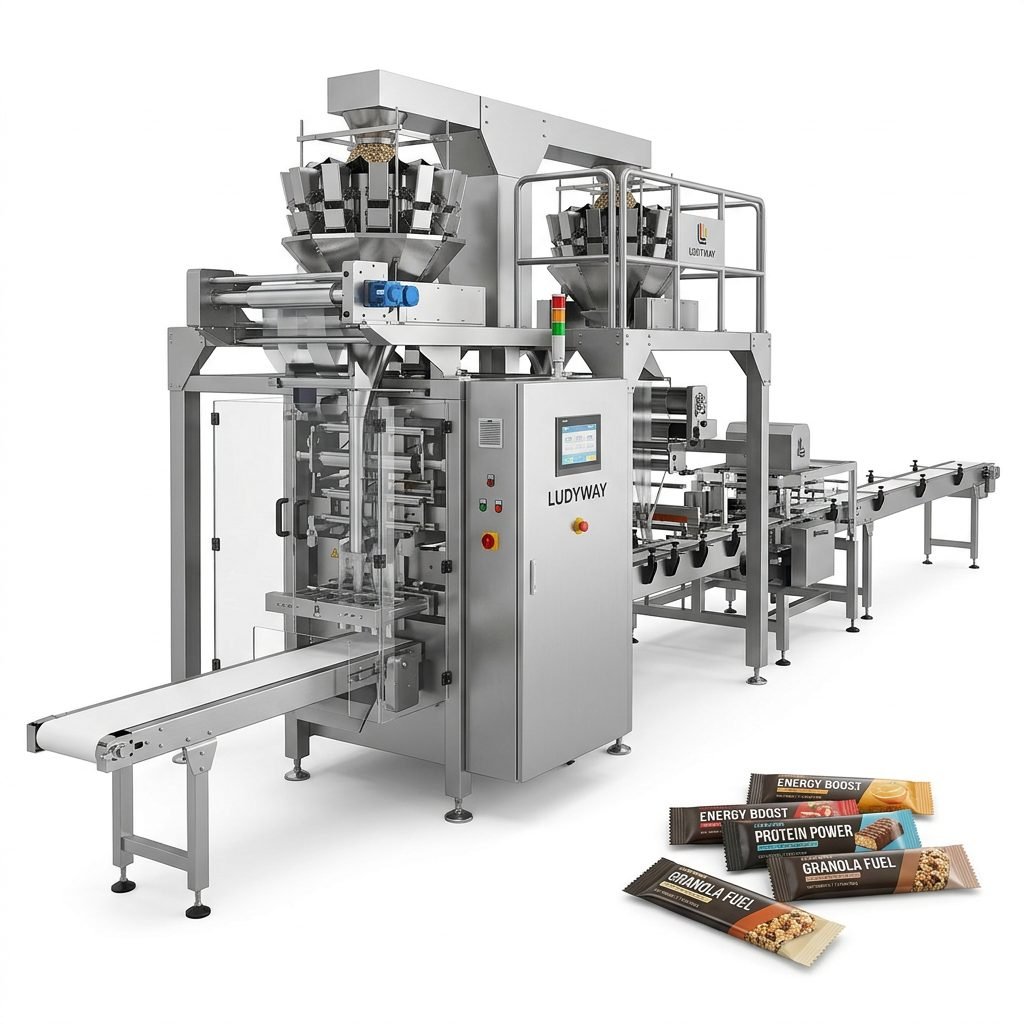
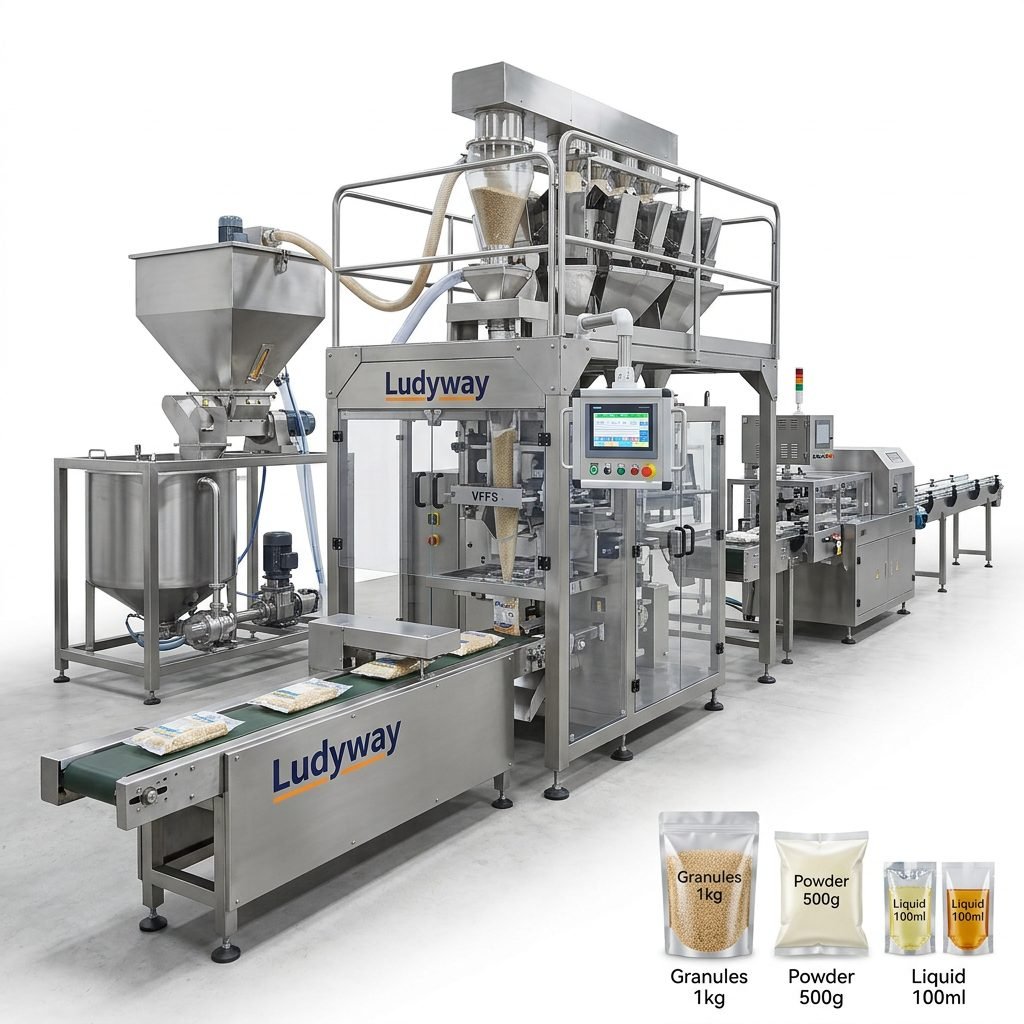
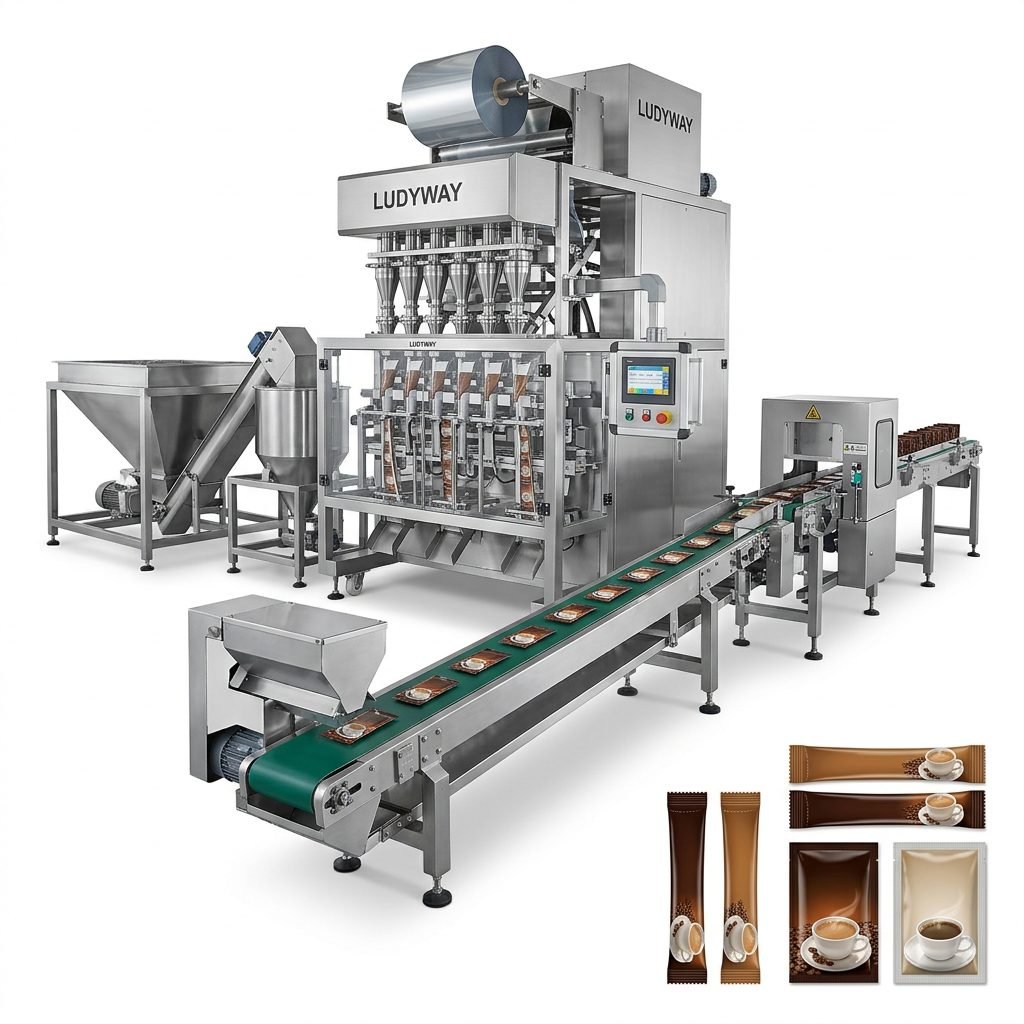
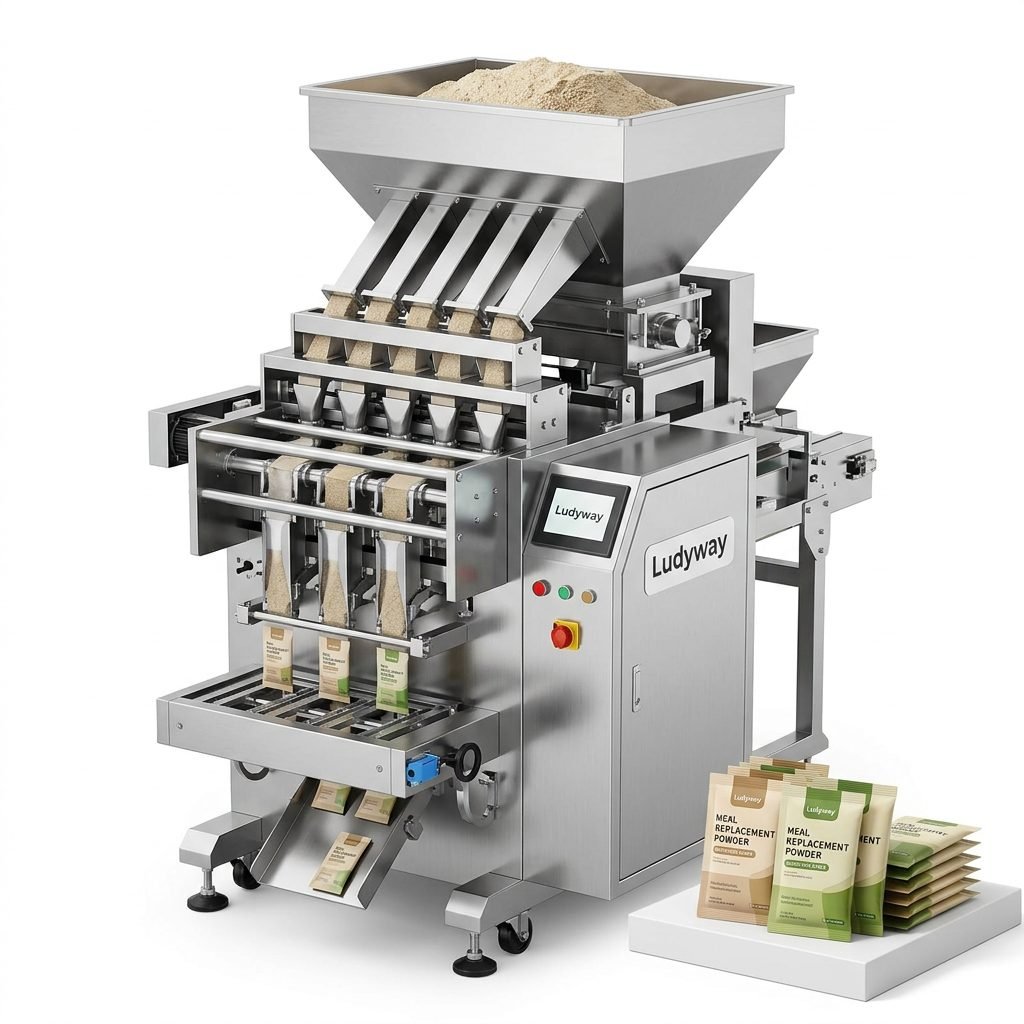
- Vertical Form-Fill-Seal (VFFS) Machines: These are workhorses for packaging snacks, grains, and powders. Their high speed and ability to handle various film materials make them indispensable for high-volume production.
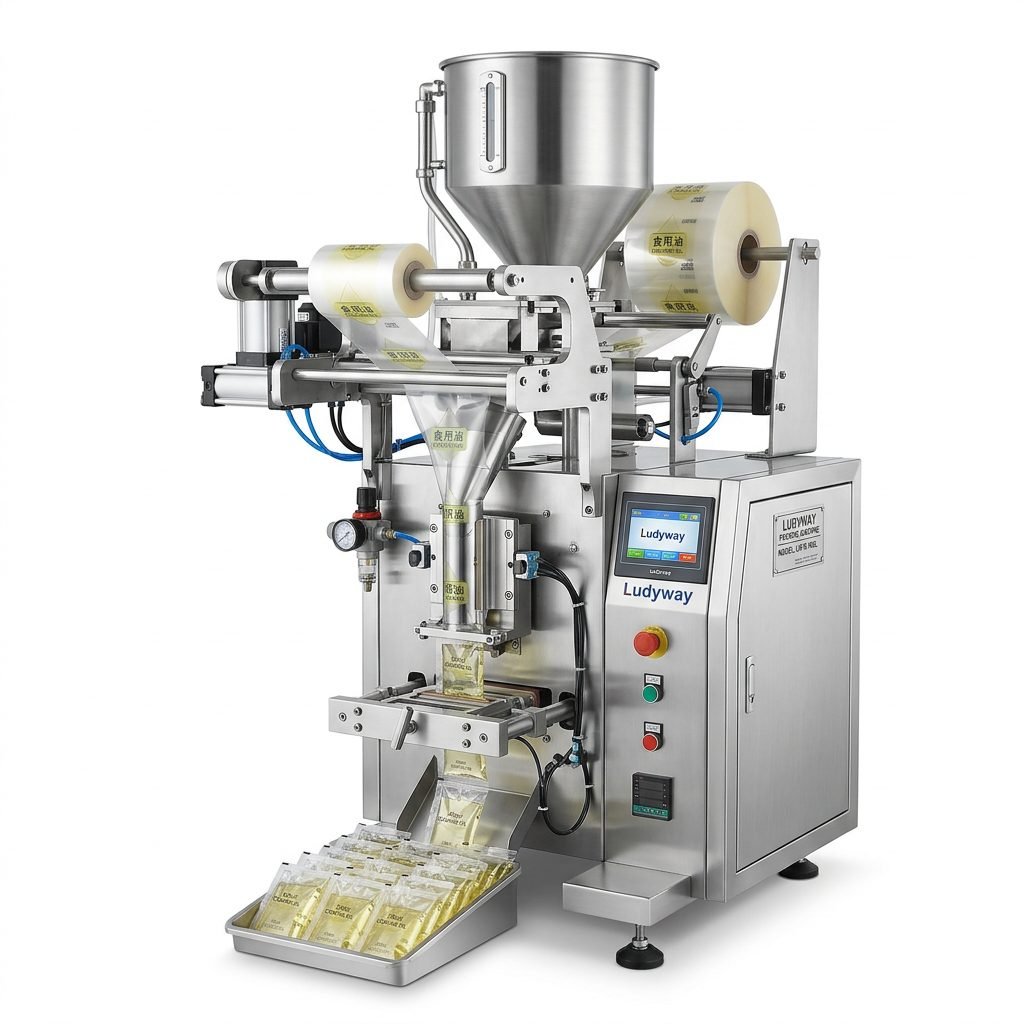
- Liquid & Paste Filling Lines: For sauces, dressings, and dairy products, precision filling is paramount. Advanced volumetric or weigh-filling systems ensure accurate fills with zero waste, maintaining consistent product weight and quality.
- Modified Atmosphere Packaging (MAP): This technology extends shelf life by replacing the air inside the package with a protective gas mixture. High-efficiency MAP systems are crucial for packaging fresh meats, salads, and ready-to-eat meals.
Speed and cleanliness are non-negotiable. Equipment with quick-changeover features allows producers to switch between product types rapidly, catering to shorter production runs and customized orders without sacrificing efficiency.
Focus on Hygiene and Safety
Food-grade stainless steel construction, easy-clean designs, and integrated washdown capabilities are standard in high-end food packaging machinery. This not only meets regulatory requirements like FDA and EHEDG guidelines but also prevents cross-contamination and ensures product safety.
Precision and Compliance in Pharmaceutical Packaging
In pharmaceuticals, the margin for error is zero. Packaging must ensure product sterility, accurate dosing, and tamper evidence. Efficiency here is measured not just in speed, but in flawless accuracy and regulatory compliance.
Key equipment includes:
- Blister Packaging Machines: For tablets and capsules, offering excellent barrier protection and patient compliance through unit-dose packaging.
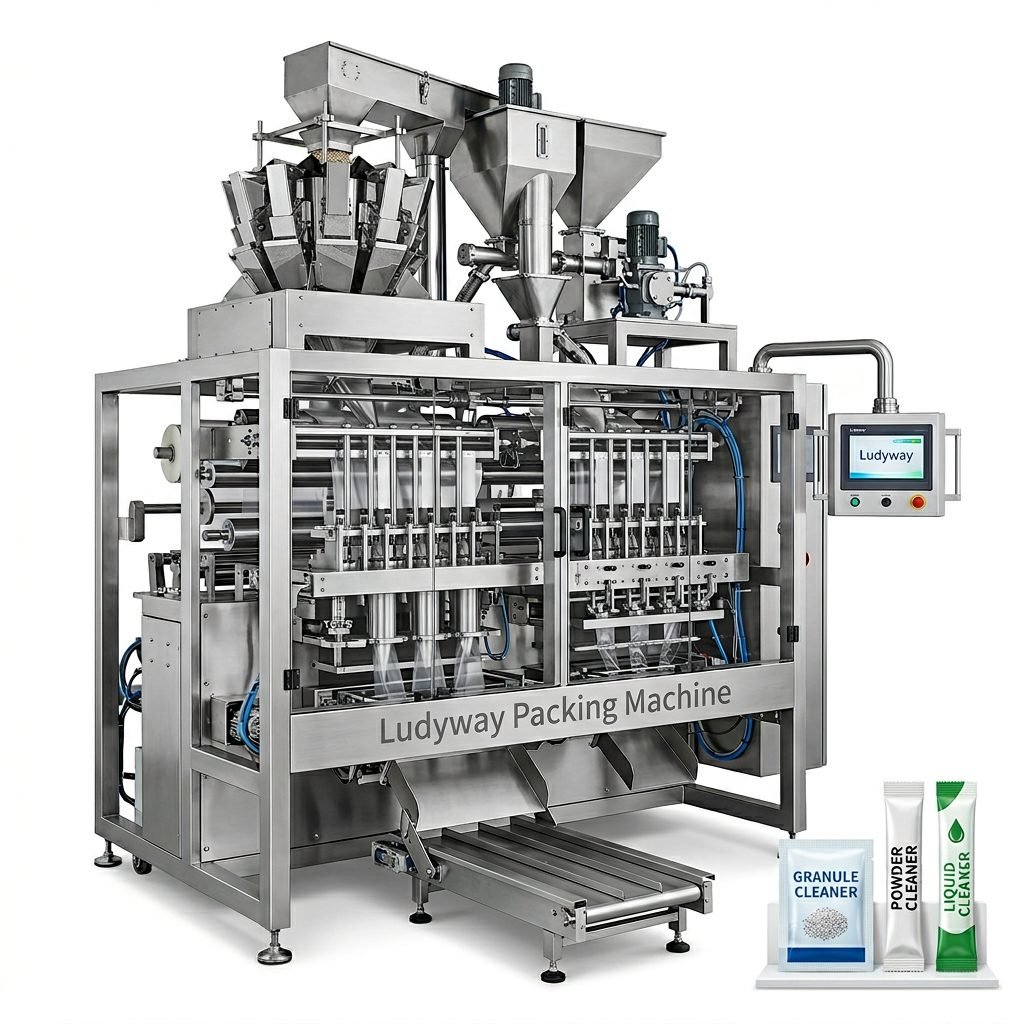
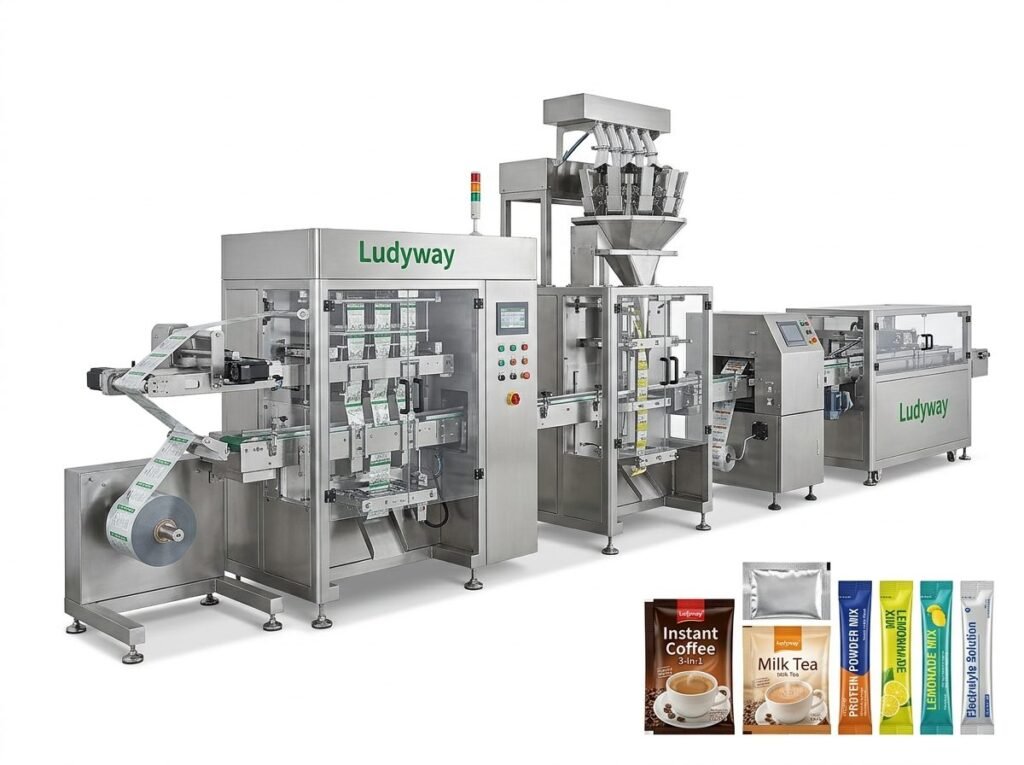
- Sachet and Stick Pack Machines: Ideal for powders, granules, and liquids in single-dose formats, commonly used for OTC medicines, supplements, and samples.
- Ampoule and Vial Filling & Sealing Lines: These require an ultra-sterile environment and micron-level precision for injectable drugs.
⚠️ Critical Requirement: Track & Trace
Modern pharmaceutical packaging lines integrate serialization and aggregation technologies. This allows for the unique identification of each saleable unit, enabling full traceability throughout the supply chain—a mandatory requirement in many markets like the EU and USA under the Falsified Medicines Directive and the Drug Supply Chain Security Act (DSCSA).
Efficiency is achieved through high-speed precision, minimal product loss, and automated quality control checks (like vision inspection systems) that reject non-conforming packages without halting the line.
Driving Brand Value in Consumer Goods Packaging
For consumer goods—from detergents and cosmetics to hardware and pet food—packaging is a powerful marketing tool. Efficiency in this sector balances high-speed production with the flexibility to create eye-catching, durable, and sustainable packaging.
Flexible packaging solutions, such as stand-up pouches and spouted pouches, have gained immense popularity. They use less material, reduce shipping weight, and offer great print quality for branding. Equipment that can handle these materials at high speeds while ensuring strong, leak-proof seals is in high demand.
The Sustainability Imperative
Consumer demand for eco-friendly packaging is stronger than ever. Efficient packaging systems contribute to sustainability by:
- Minimizing material waste through precise dosing and cutting.
- Enabling the use of thinner, recyclable, or compostable films.
- Reducing energy consumption per unit produced.
Machinery that can seamlessly run with mono-material films (which are easier to recycle) is becoming a key differentiator for brands committed to circular economy goals. Learn more about sustainable packaging trends in our industry insights section.
The Hallmarks of Truly High-Efficiency Equipment
Across all industries, certain features define the next generation of packaging machinery:
🔧 Advanced Automation & IoT
Integration with PLCs, HMIs, and Industrial IoT platforms allows for remote monitoring, predictive maintenance, and data-driven optimization of Overall Equipment Effectiveness (OEE).
🔄 Flexibility & Quick Changeover
Modular designs and tool-less adjustments enable rapid switching between package sizes, shapes, and materials, supporting agile manufacturing for small batches and mass customization.
✔️ Integrated Quality Assurance
Built-in checkweighers, metal detectors, and vision inspection systems perform 100% in-line quality control, ensuring every package meets specifications and reducing the risk of recalls.
Choosing the Right Partner for Your Packaging Needs
Selecting high-efficiency packaging equipment is a strategic decision. It requires a partner with deep technical expertise and a proven track record. A reliable supplier should offer:
Comprehensive Product Range: From single machines to complete turnkey production lines for granules, powders, liquids, and pastes.
Proven Experience: Look for a partner with decades of industry experience, like Ludyway Packing Machine, which brings over 30 years of knowledge in serving the food, pharma, and consumer goods sectors globally.
Strong Engineering & Support: The ability to provide customized solutions, thorough testing, installation support, and responsive after-sales service is crucial for long-term operational success.
Ultimately, high-efficiency packaging equipment is the engine of a modern, competitive production facility. It safeguards product quality, meets evolving regulatory and consumer demands, and unlocks new levels of productivity. By investing in the right technology and the right partner, manufacturers can build a resilient, efficient, and future-ready operation.
Frequently Asked Questions (FAQs)
1. What are the main benefits of upgrading to high-efficiency packaging equipment?
The primary benefits include significantly increased production speed and output, reduced material waste and operational costs, improved product consistency and quality, enhanced flexibility for different package formats, and better compliance with industry safety and traceability regulations.
2. How important is automation in modern packaging lines?
Extremely important. Automation reduces reliance on manual labor, minimizes human error, ensures consistent operation 24/7, and enables integration with data collection systems for performance monitoring and optimization. It is a core component of achieving high efficiency.
3. Can high-speed packaging machines handle sustainable or eco-friendly materials?
Yes, many modern machines are designed or can be adapted to handle newer, sustainable materials like compostable films, paper-based laminates, and mono-plastics. It’s essential to discuss your specific material requirements with the equipment supplier during the selection process.
4. What should I consider when planning a new packaging line?
Key considerations are: your current and future production volume, the physical characteristics of your product (granule, powder, liquid), required packaging speed, regulatory standards for your industry, available factory space, budget, and the level of after-sales support offered by the machinery supplier.
5. How do I ensure the packaging equipment remains efficient over time?
Regular preventive maintenance as per the manufacturer’s schedule is vital. Additionally, training your operators thoroughly, using genuine spare parts, and partnering with a supplier that offers reliable technical support and service contracts will maximize the machine’s lifespan and sustained efficiency.