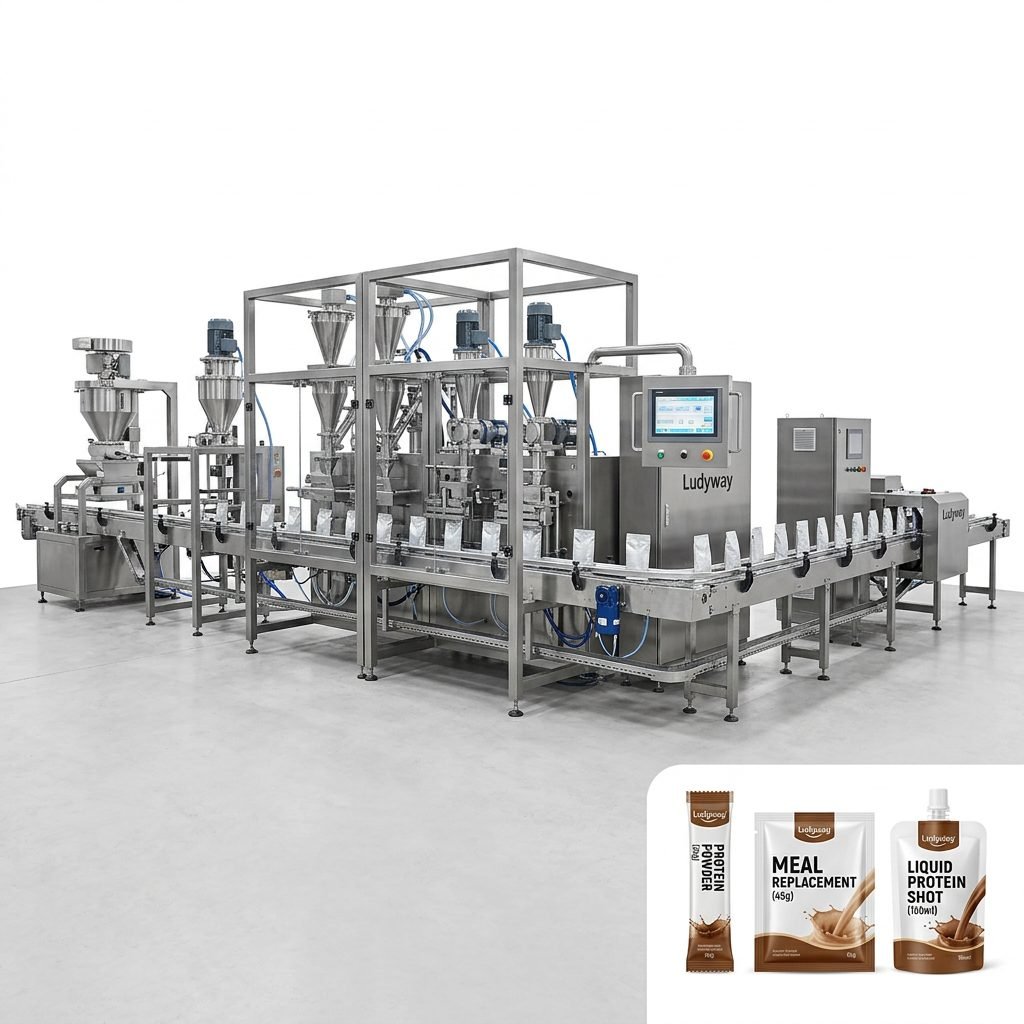
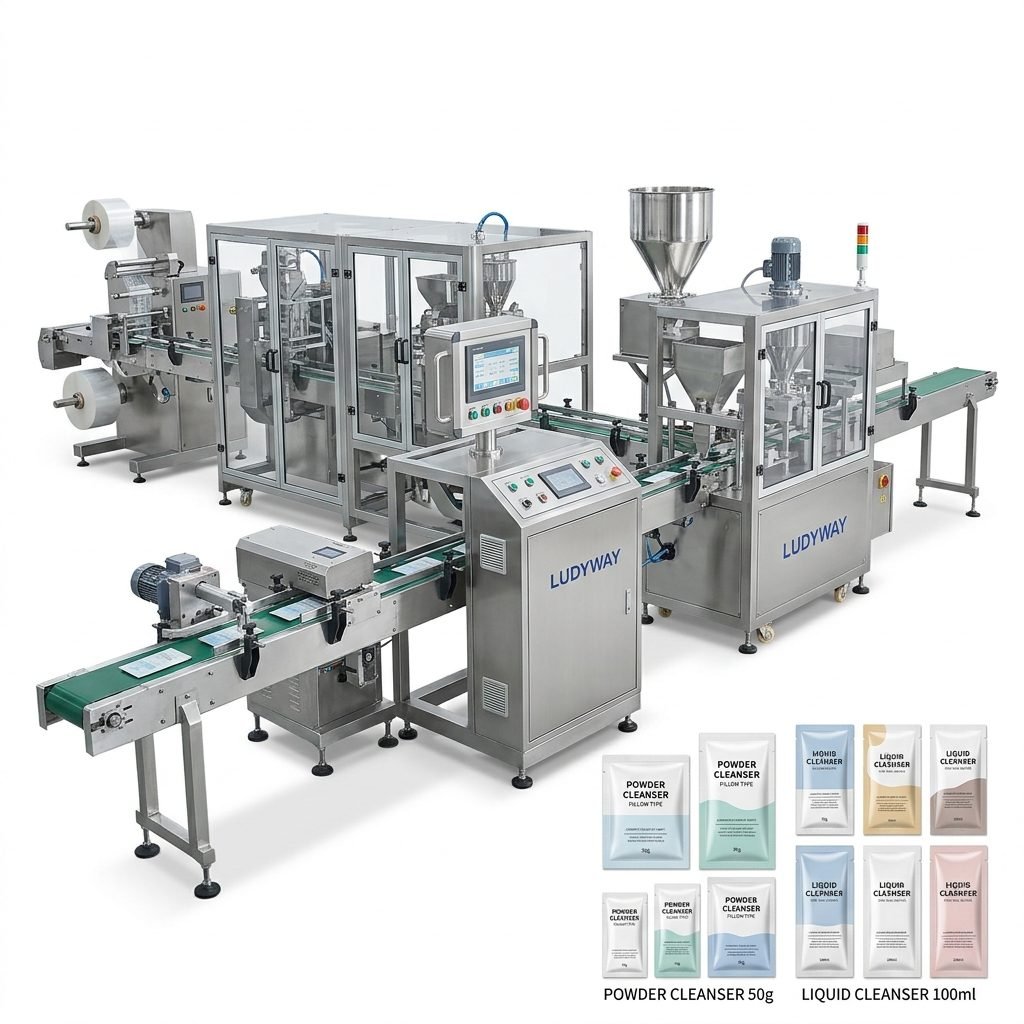
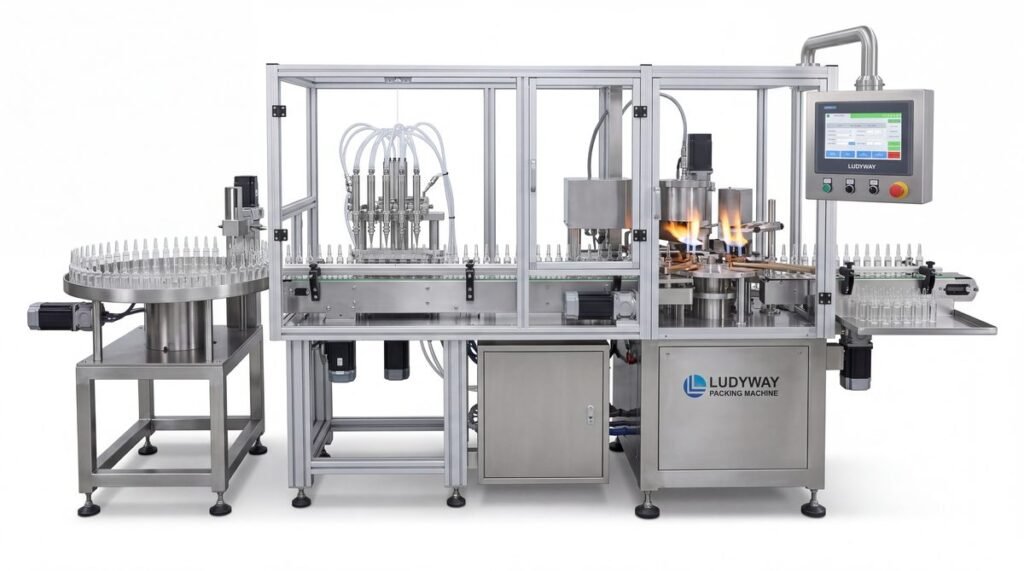
The global food industry relies heavily on efficient and hygienic packaging to ensure product safety, extend shelf life, and meet consumer demands. At the heart of this process lies manufacturing line food packaging equipment. This integrated machinery is crucial for automating the packaging of food products at high speeds, directly impacting production efficiency, cost control, and product quality. For businesses looking to scale operations or upgrade their lines, understanding the types, applications, and selection criteria for this equipment is essential.
Core Types of Food Packaging Equipment on a Production Line
A complete food packaging line is a symphony of specialized machines, each performing a critical function. The configuration depends on the product type (solid, liquid, granular, powder) and the desired final package.
1. Filling Machines
These are responsible for accurately dispensing the product into containers, pouches, or trays. Accuracy is paramount to ensure consistent weight/volume and comply with regulatory standards.
Key Variants Include:
- ● Volumetric Fillers: Use cups, augers, or pistons to measure by volume. Ideal for granules, powders, and pastes.
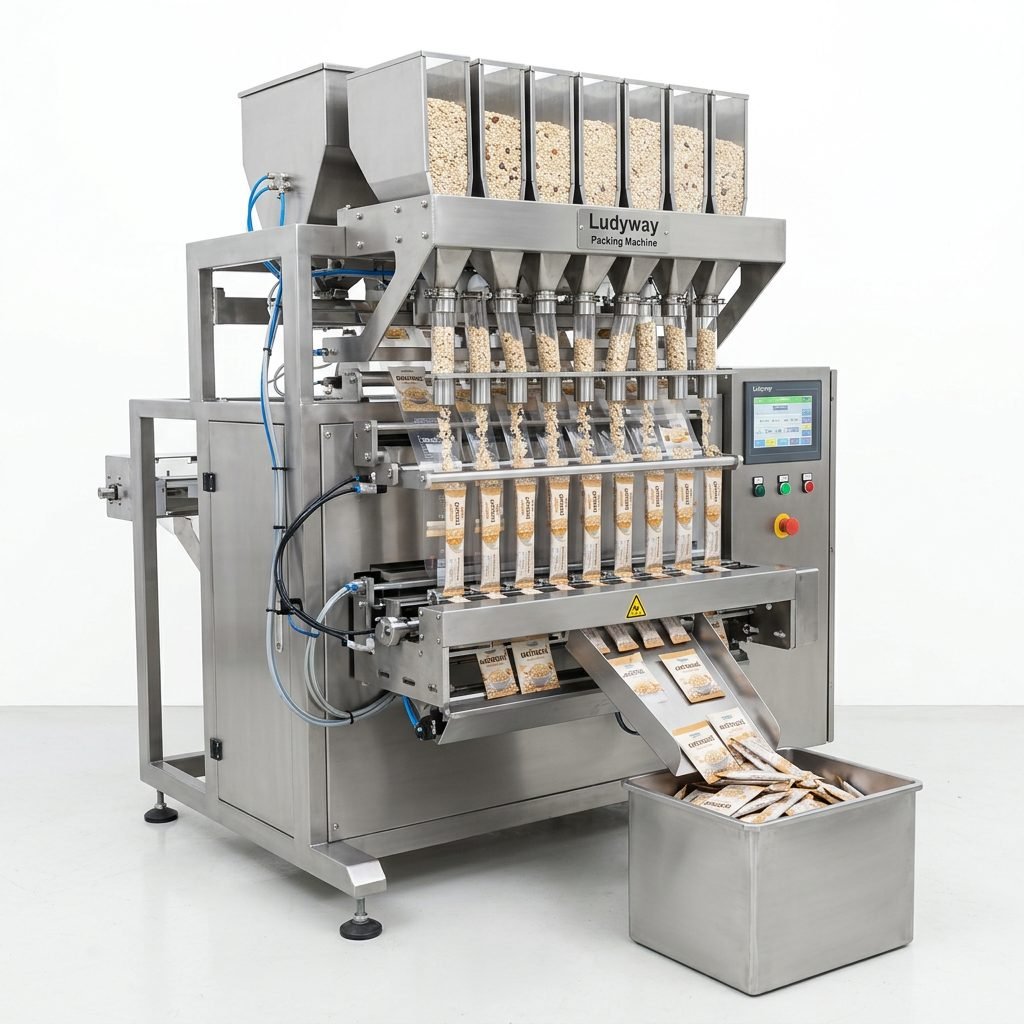
- ● Gravimetric Fillers (Net Weighers): Highly precise scales that fill by weight. Essential for high-value products or where weight accuracy is critical.
- ● Liquid Fillers: Utilize pressure, gravity, or pump systems for beverages, oils, sauces, and dairy products.
2. Sealing & Closing Machines
Once filled, the package must be securely closed to prevent contamination and spoilage.
Common technologies include: Heat sealers for flexible pouches and films, cappers for bottles and jars, induction sealers for tamper-evident safety, and clip/clamp closers for bagged products.
3. Wrapping & Bundling Machines
This category handles the outer layer of packaging, often for multi-packs or for protective shipping.
Flow wrappers encase products in a continuous film, while shrink wrappers use heat to tighten a film around a product or bundle. Cartoners erect, load, and close cardboard boxes.
4. Labeling & Coding Machines
These apply vital information to the package. Labelers attach pre-printed labels with ingredients, barcodes, and branding. Inkjet or laser coders directly print batch codes, expiry dates, and lot numbers onto the packaging material at high speed.
5. Conveying & Handling Systems
The unsung heroes that connect all other machines. They transport containers, pouches, or products between different stations of the line smoothly and without jams. Types include belt conveyors, screw conveyors for powders, and pneumatic conveyors.
Primary Uses and Applications in the Food Sector
Packaging lines are tailored to specific food categories. Here’s how different equipment serves various segments:
Snack Foods & Confectionery
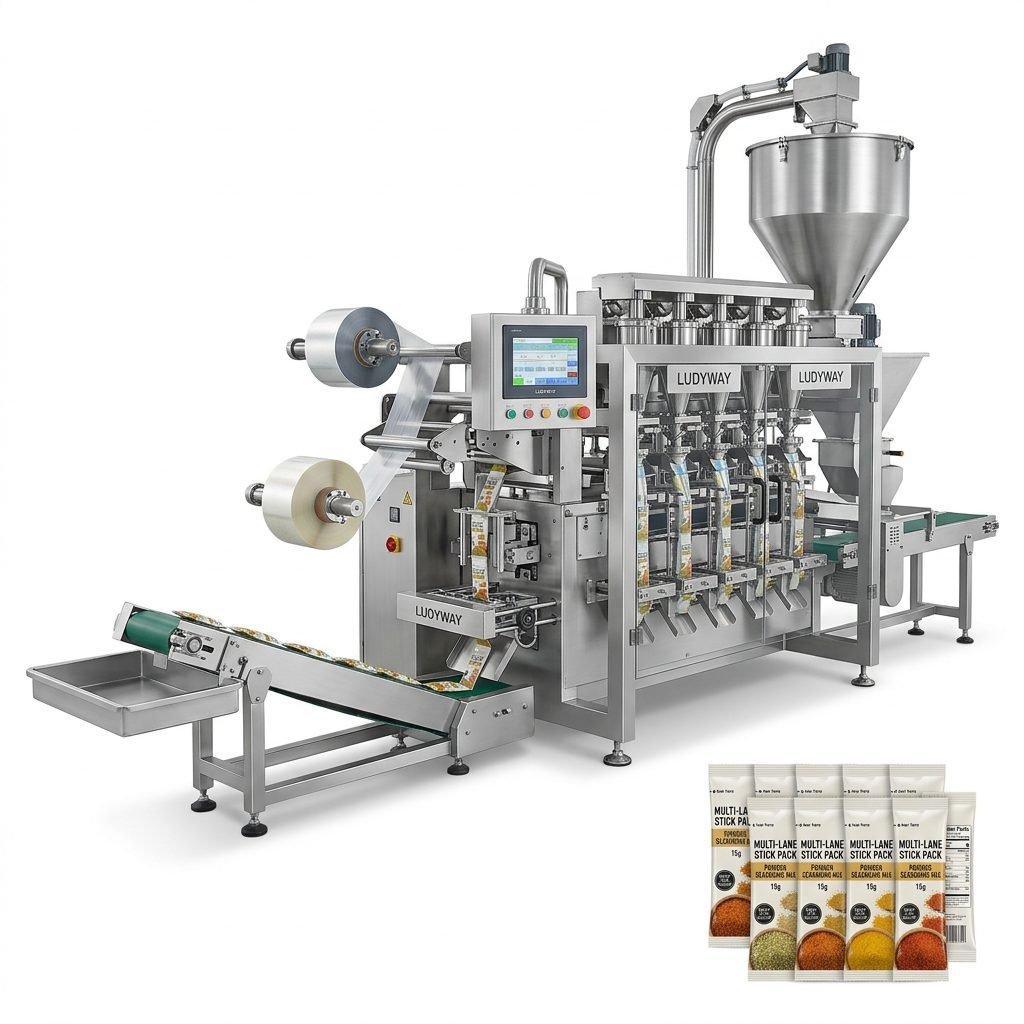
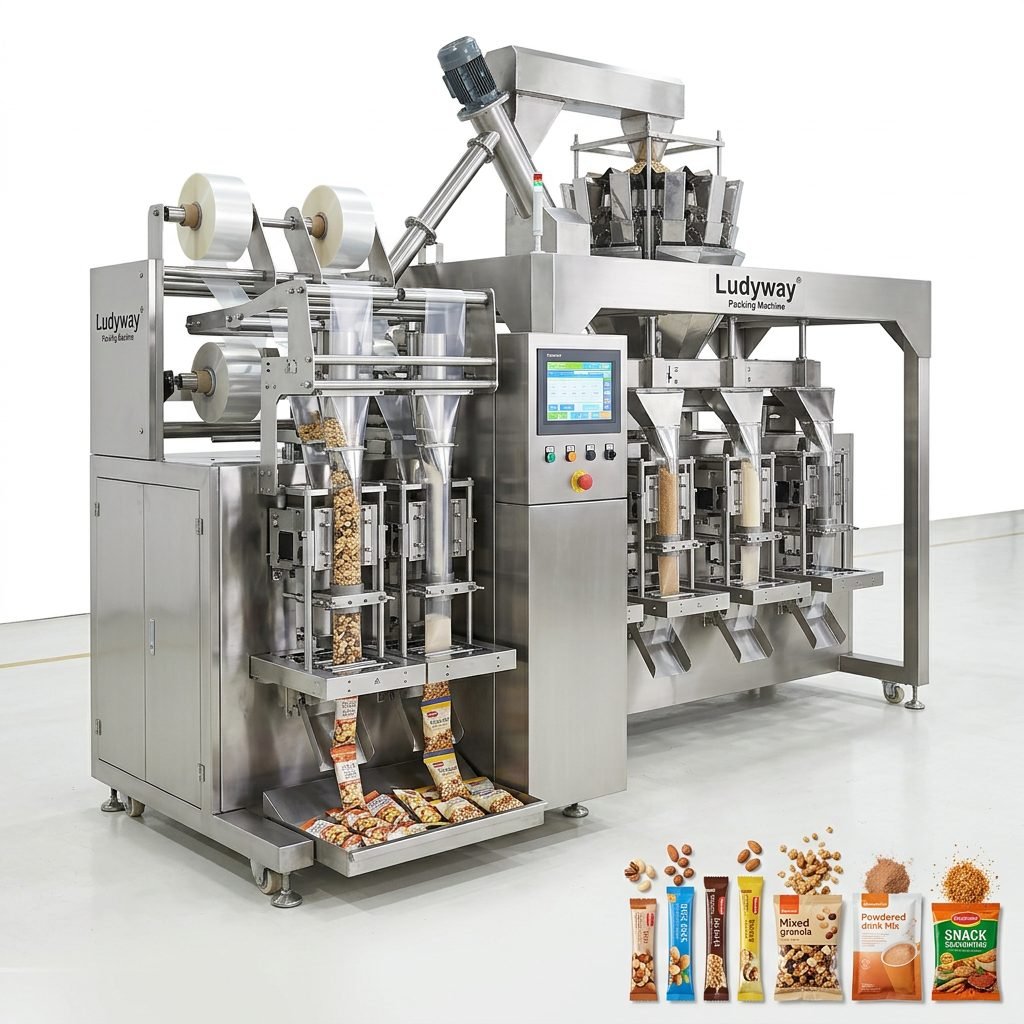
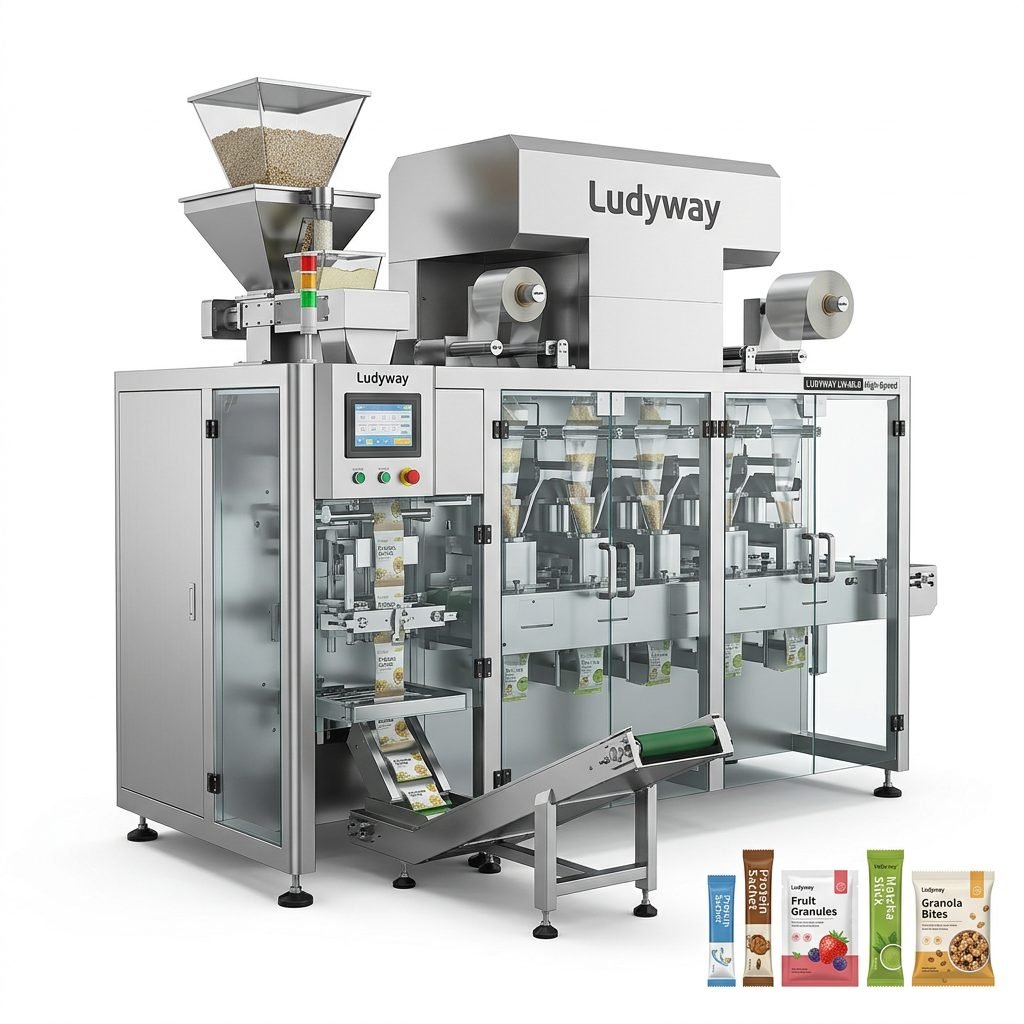
High-speed vertical form-fill-seal (VFFS) machines are dominant here, creating pouches from a roll of film, filling them with chips, nuts, or candy, and sealing them. Multi-lane stick pack machines are also crucial for packaging powdered drink mixes, sugar, or instant coffee in precise, single-serve portions.
Bakery & Fresh Goods
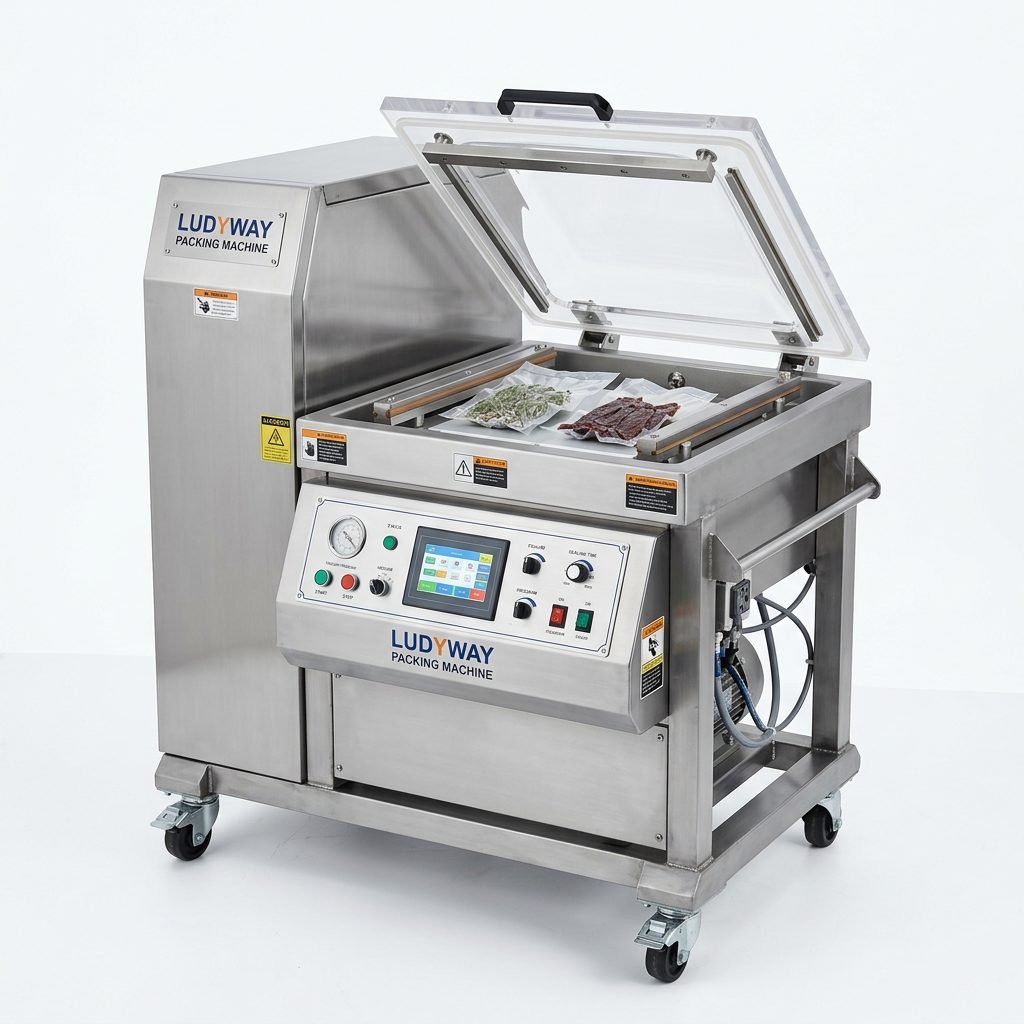
Tray sealers are widely used for packaging cakes, pastries, and ready meals in a modified atmosphere to prolong freshness. Horizontal flow wrappers are perfect for wrapping bread, biscuits, and cereal bars.
Liquids & Sauces
Liquid filling lines integrate bottle unscramblers, rinsers, fillers, cappers, and labelers. For sauces, ketchup, or yogurt, piston fillers provide excellent accuracy and handle viscous products well. For more on advanced liquid packaging solutions, you can explore our dedicated liquid filling equipment page.
Dry Goods & Powders
Granules like rice, beans, and coffee, or powders like flour, spices, and protein supplements, often use auger fillers within VFFS machines. These systems are designed to minimize dust and ensure precise filling, which you can learn more about in our guide to powder packaging solutions.
How to Choose the Right Equipment for Your Line
Selecting packaging machinery is a significant investment. A strategic approach ensures you get a system that meets your needs for years to come.
Step 1: Define Your Product and Packaging Specifications
This is the foundation. Clearly outline:
→ Product Characteristics: Physical state (solid, liquid, viscous), density, flowability, abrasiveness, and sensitivity (e.g., to heat, oxygen).
→ Packaging Format: Type (pouch, bottle, tray, stick pack), material (film, glass, PET, laminate), and size range.
→ Output Requirements: Desired speed (packages per minute/hour) and required accuracy (fill weight tolerance).
Step 2: Evaluate Machine Capabilities and Technology
Match your specs to machine features. For instance, a sticky product may need a specific piston filler, while a free-flowing powder works with an auger. Consider the level of automation – from semi-automatic to fully automated robotic lines. Look for features like quick changeover systems to minimize downtime when switching products.
Step 3: Prioritize Hygiene, Safety, and Compliance
Food-grade construction (stainless steel contact parts) is non-negotiable. Machines should be easy to clean (CIP/SIP capabilities) and designed to meet relevant food safety standards (e.g., FDA, EU, GMP). Safety guards and interlocks are essential for operator protection.
Step 4: Assess Supplier Reliability and Support
The machine is only as good as the company behind it. Choose a supplier with proven experience in your food sector. Evaluate their technical support, availability of spare parts, training programs, and service network. A reliable partner like Ludyway, with deep industry expertise, can prevent costly operational headaches.
Step 5: Consider Total Cost of Ownership (TCO)
Look beyond the initial purchase price. Factor in installation, energy consumption, maintenance costs, required operator skill level, and potential for future upgrades or integration. A slightly more expensive, robust, and efficient machine often has a lower TCO than a cheaper, less reliable alternative.
Integration and Future-Proofing Your Packaging Line
Modern packaging lines are increasingly connected. Consider equipment with Industry 4.0 capabilities, such as IoT sensors for predictive maintenance, data collection for OEE (Overall Equipment Effectiveness) tracking, and compatibility with factory MES/ERP systems. Choosing modular equipment allows for easier future expansion or reconfiguration as your product portfolio grows.
Ultimately, efficient manufacturing line food packaging equipment is a strategic asset. By carefully analyzing your needs, understanding the technology, and partnering with a knowledgeable supplier, you can build a line that boosts productivity, ensures quality, and provides a strong return on investment. For complex projects, exploring complete turnkey production line solutions from a single provider can streamline the entire process from design to commissioning.
Frequently Asked Questions (FAQs)
Q1: What is the main benefit of an automated packaging line over manual packaging?
A: The primary benefits are dramatically increased speed and output, superior consistency and accuracy in filling and sealing, significant long-term labor cost reduction, enhanced hygiene and food safety by minimizing human contact, and improved traceability through automated coding and data logging.
Q2: How do I choose between a volumetric filler and a net weigher?
A: Choose a volumetric filler (auger, piston) for good value and speed with non-critical, uniform products like granules or thick pastes. Opt for a net weigher when product value is high, weight accuracy is legally mandated, or the product density varies (like snack mixes or frozen vegetables), as it fills by weight for ultimate precision.
Q3: What does “quick changeover” mean, and why is it important?
A: Quick changeover refers to the ability to switch the machine from running one package size or product to another with minimal downtime. It’s crucial for manufacturers with multiple SKUs, as it maximizes production flexibility and overall equipment utilization, allowing for smaller, more economical batch runs.
Q4: Can I integrate new packaging equipment with my existing old machines?
A: Yes, integration is often possible but requires careful planning. A reputable supplier can assess your current line and recommend compatible new equipment or necessary interface modules (like conveyors or control system upgrades) to ensure smooth communication and material flow between old and new machinery.
Q5: What are the key maintenance requirements for food packaging equipment?
A: Regular maintenance is vital. Key tasks include daily cleaning and sanitization, regular lubrication of moving parts as per manual, inspection and replacement of wear parts (sealing jaws, gaskets, filters), and calibration of weighing and filling systems. Following the manufacturer’s planned maintenance schedule is the best way to ensure longevity and prevent unplanned stoppages.